Lease Option For Cars
Description
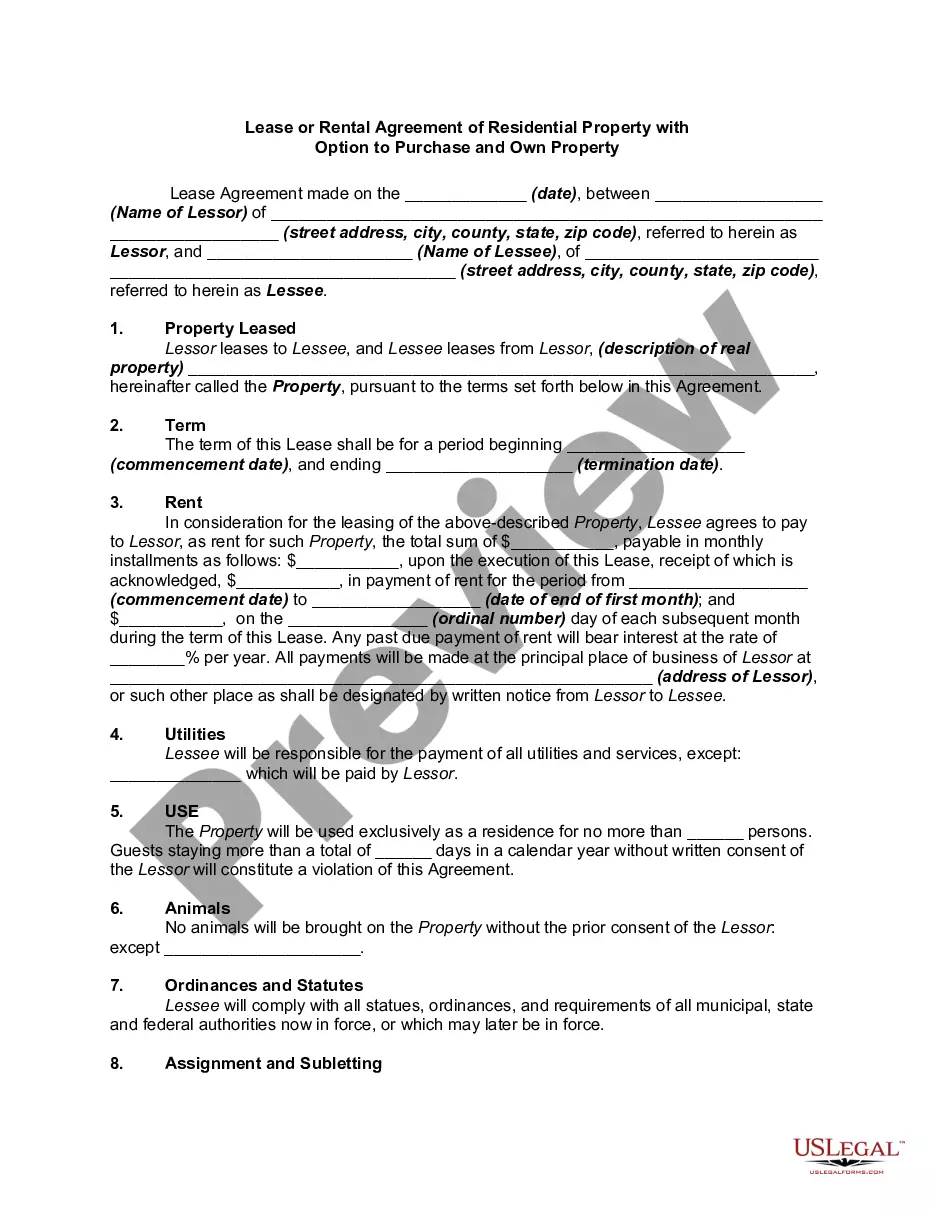
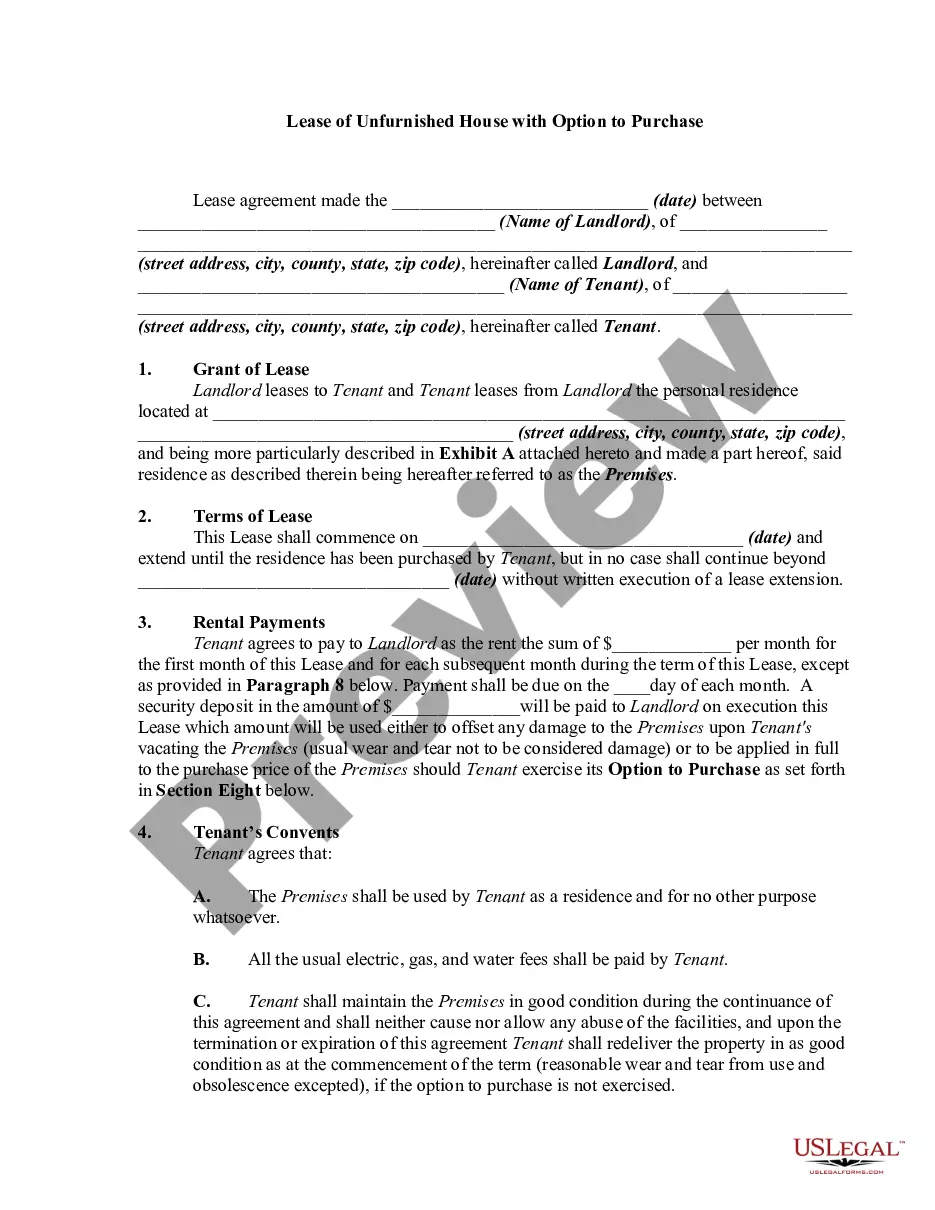
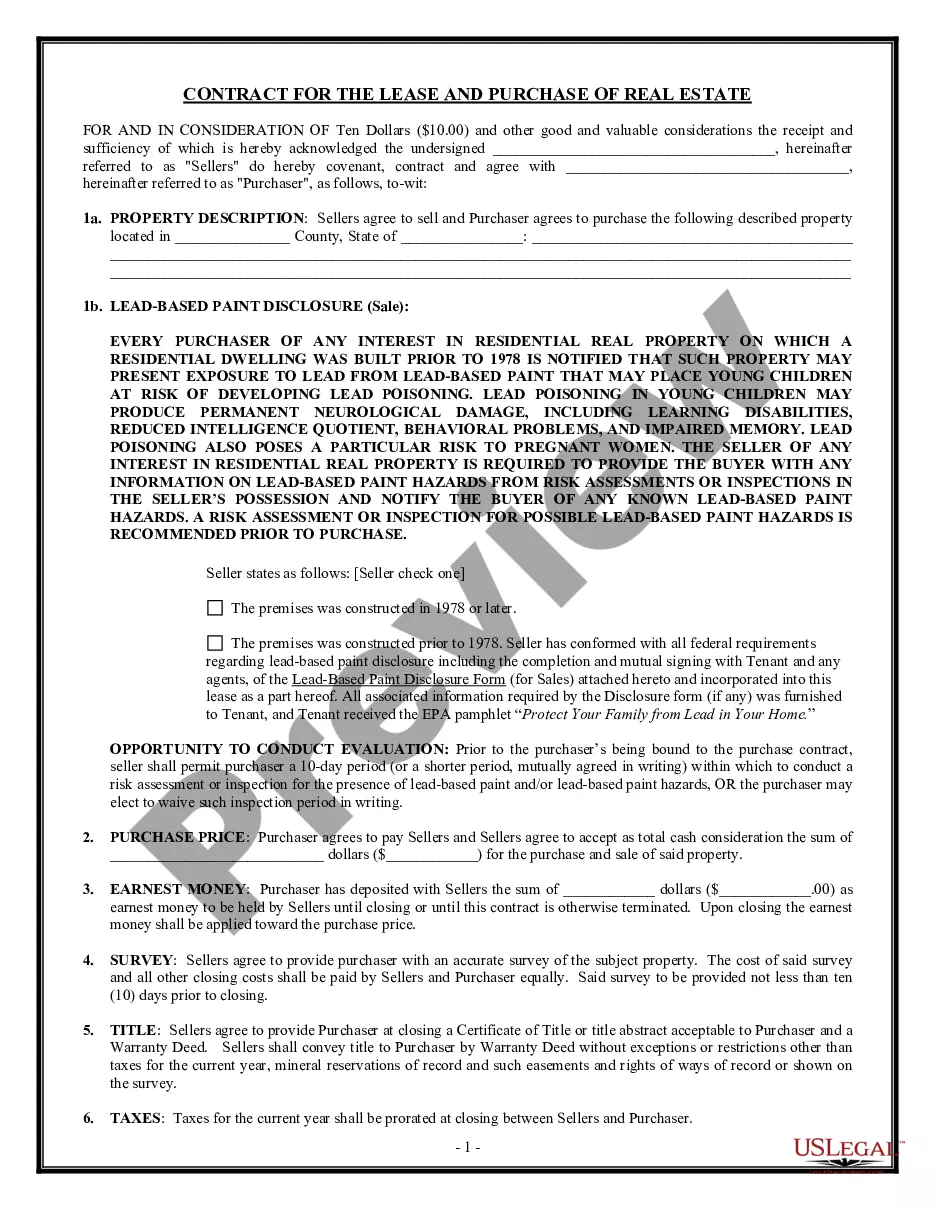
Get your form ready online
Our built-in tools help you complete, sign, share, and store your documents in one place.
Make edits, fill in missing information, and update formatting in US Legal Forms—just like you would in MS Word.
Download a copy, print it, send it by email, or mail it via USPS—whatever works best for your next step.
Sign and collect signatures with our SignNow integration. Send to multiple recipients, set reminders, and more. Go Premium to unlock E-Sign.
If this form requires notarization, complete it online through a secure video call—no need to meet a notary in person or wait for an appointment.
We protect your documents and personal data by following strict security and privacy standards.

Make edits, fill in missing information, and update formatting in US Legal Forms—just like you would in MS Word.

Download a copy, print it, send it by email, or mail it via USPS—whatever works best for your next step.

Sign and collect signatures with our SignNow integration. Send to multiple recipients, set reminders, and more. Go Premium to unlock E-Sign.

If this form requires notarization, complete it online through a secure video call—no need to meet a notary in person or wait for an appointment.

We protect your documents and personal data by following strict security and privacy standards.
Looking for another form?


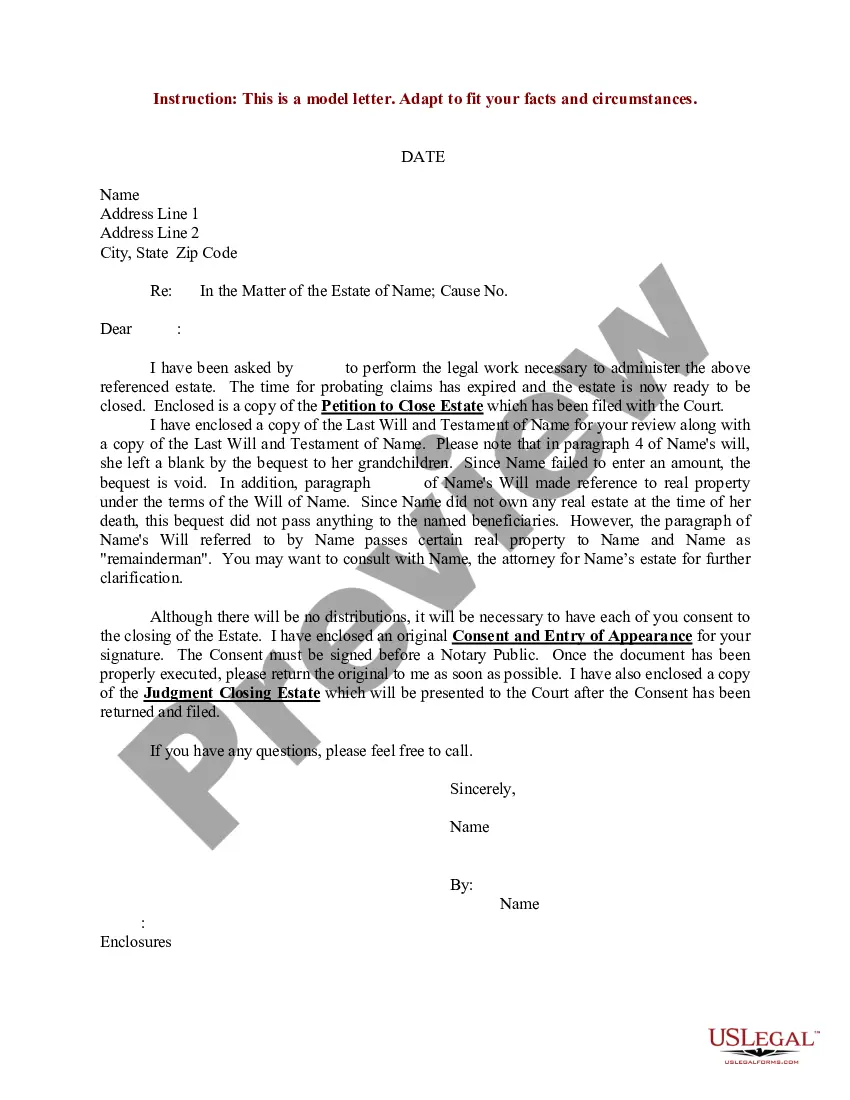
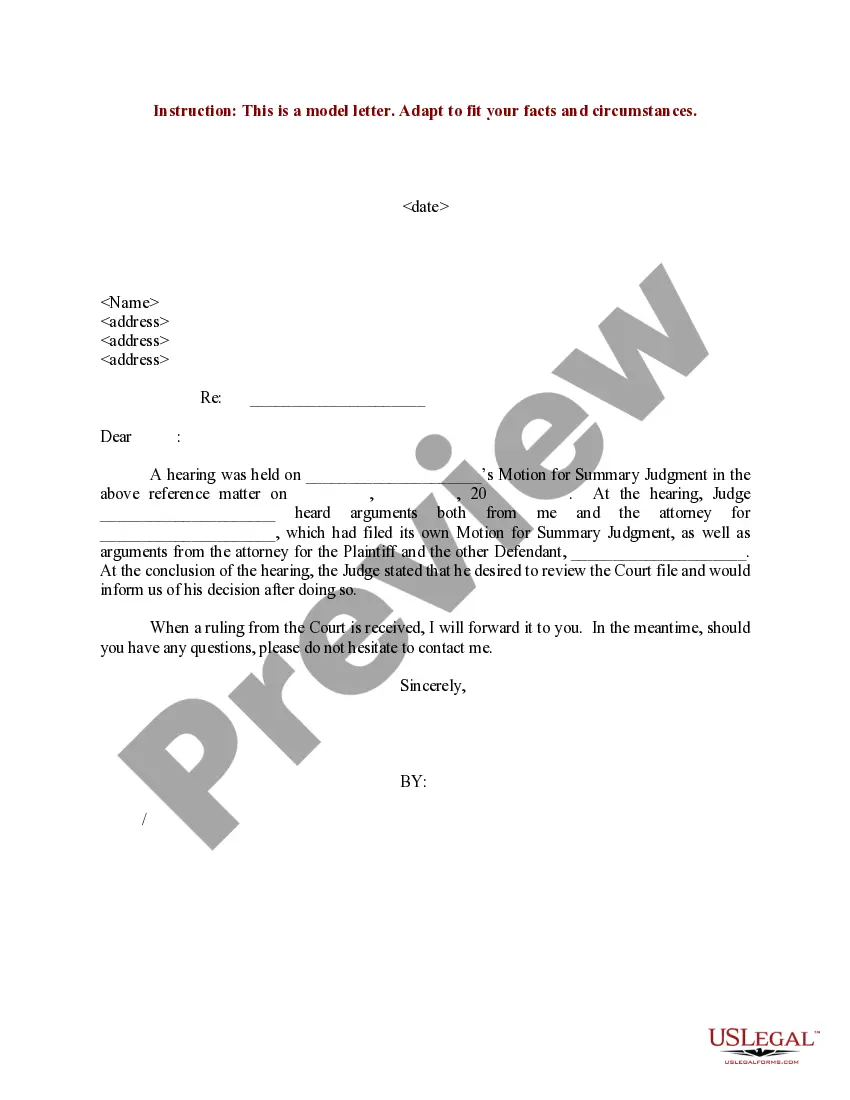

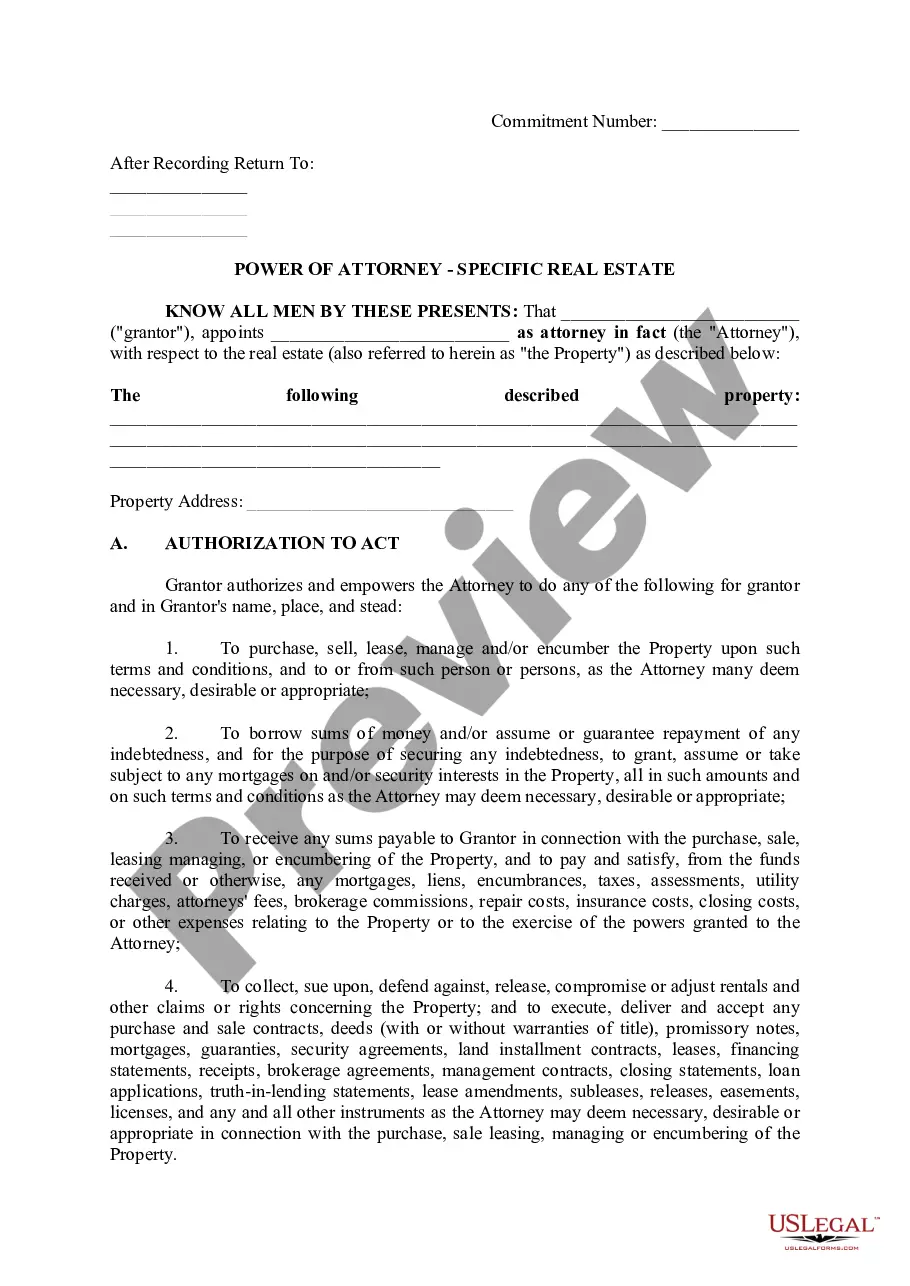


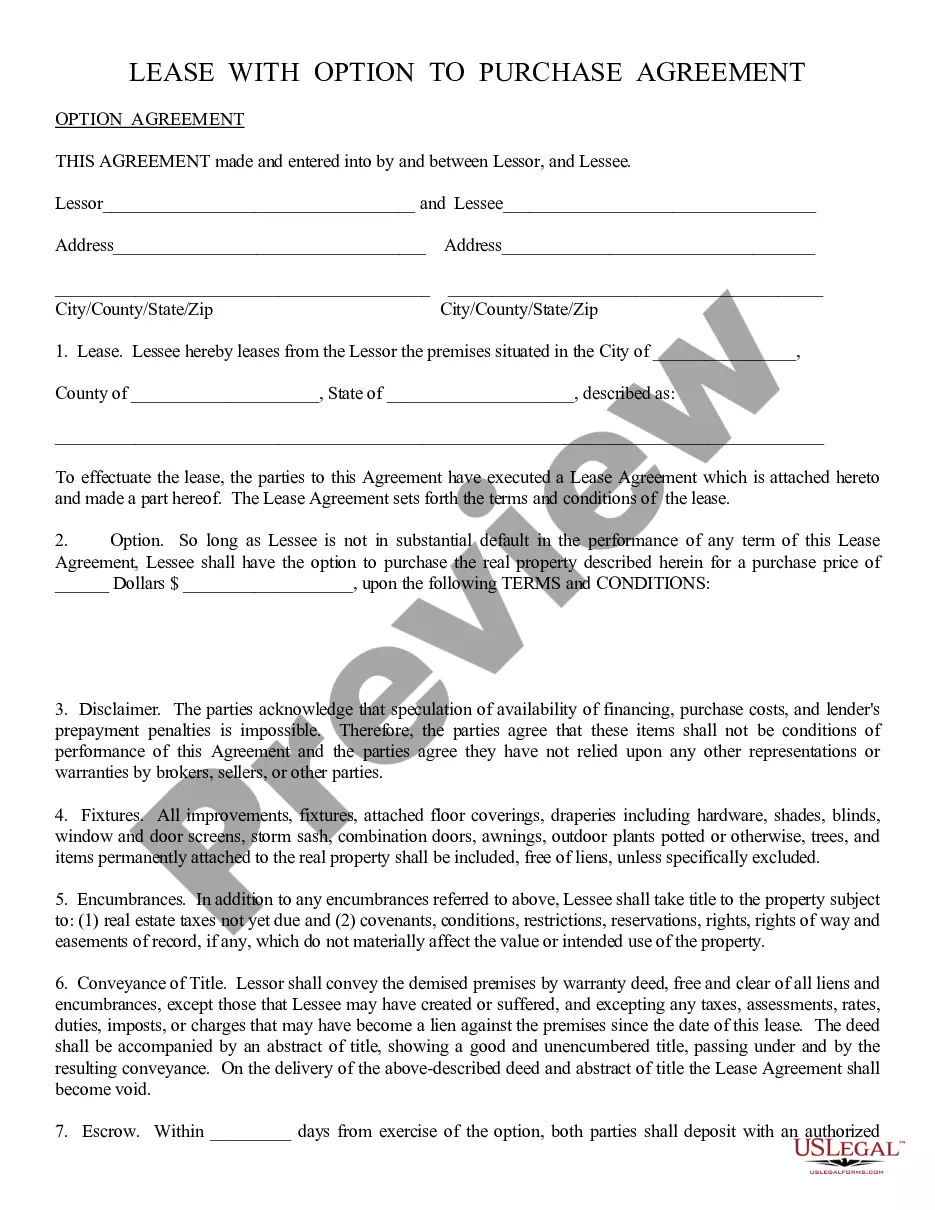
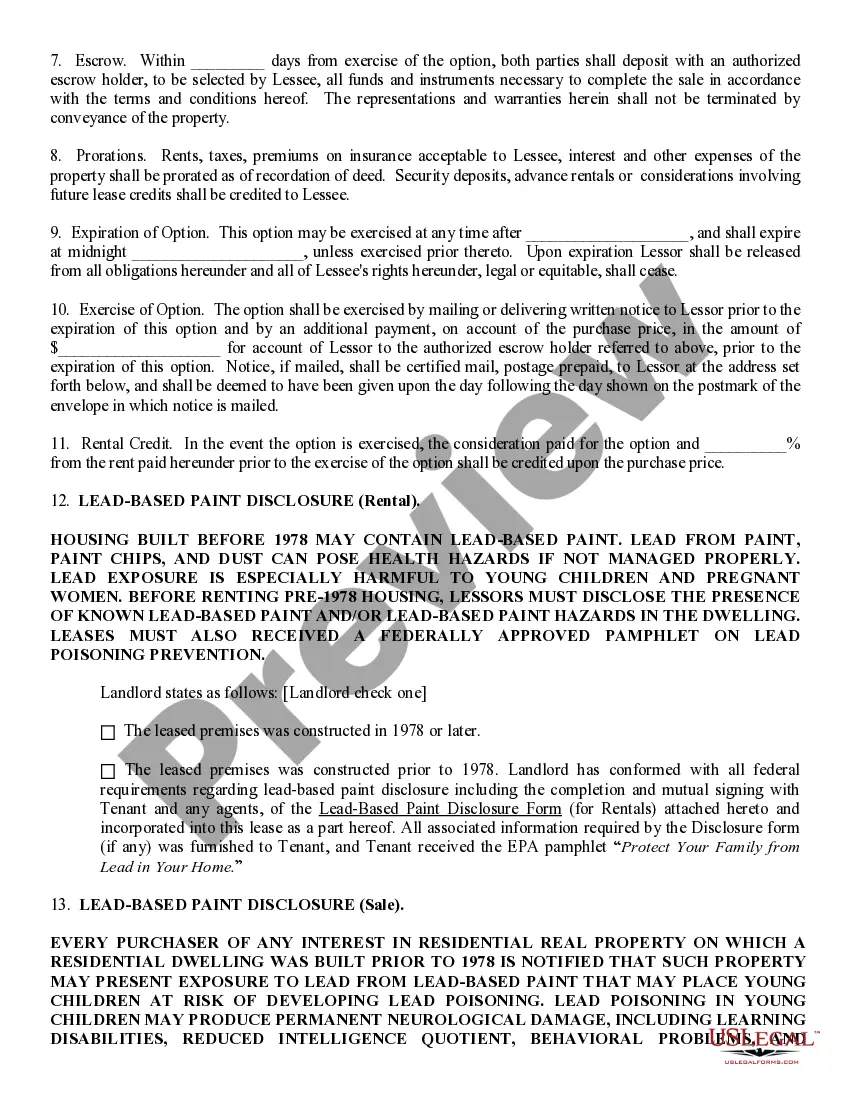
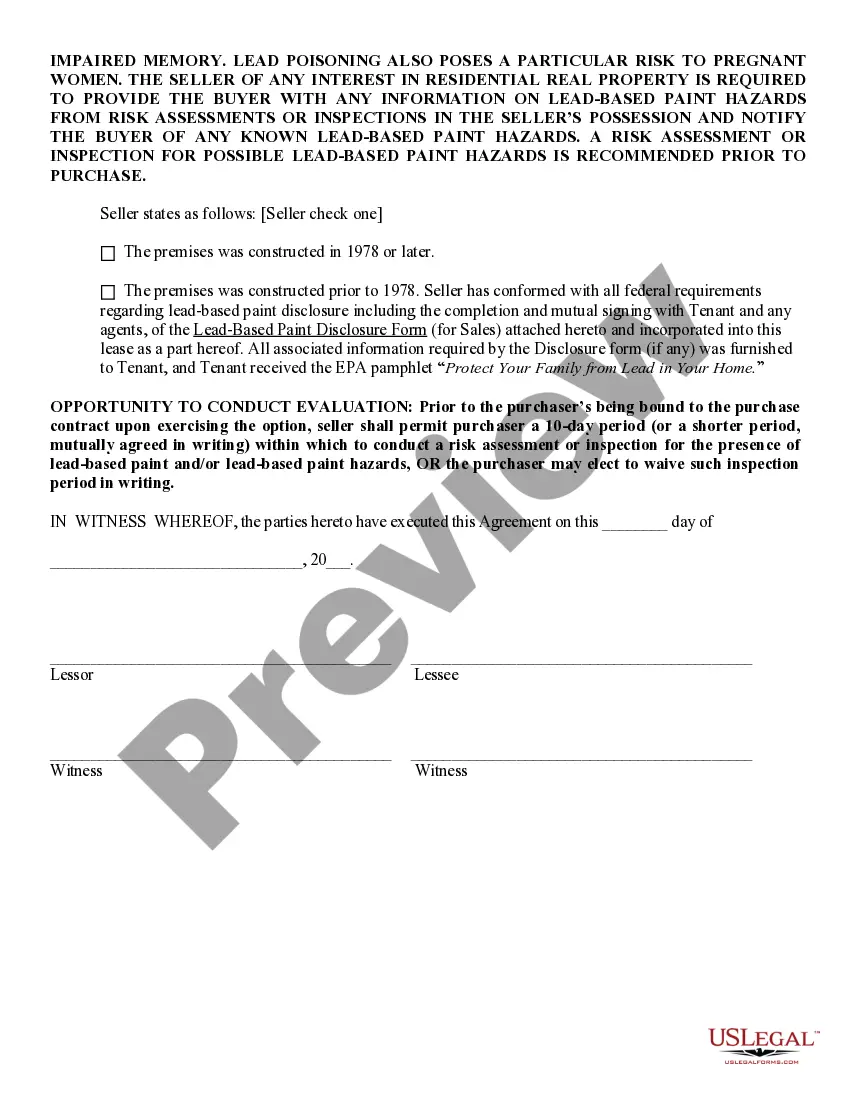
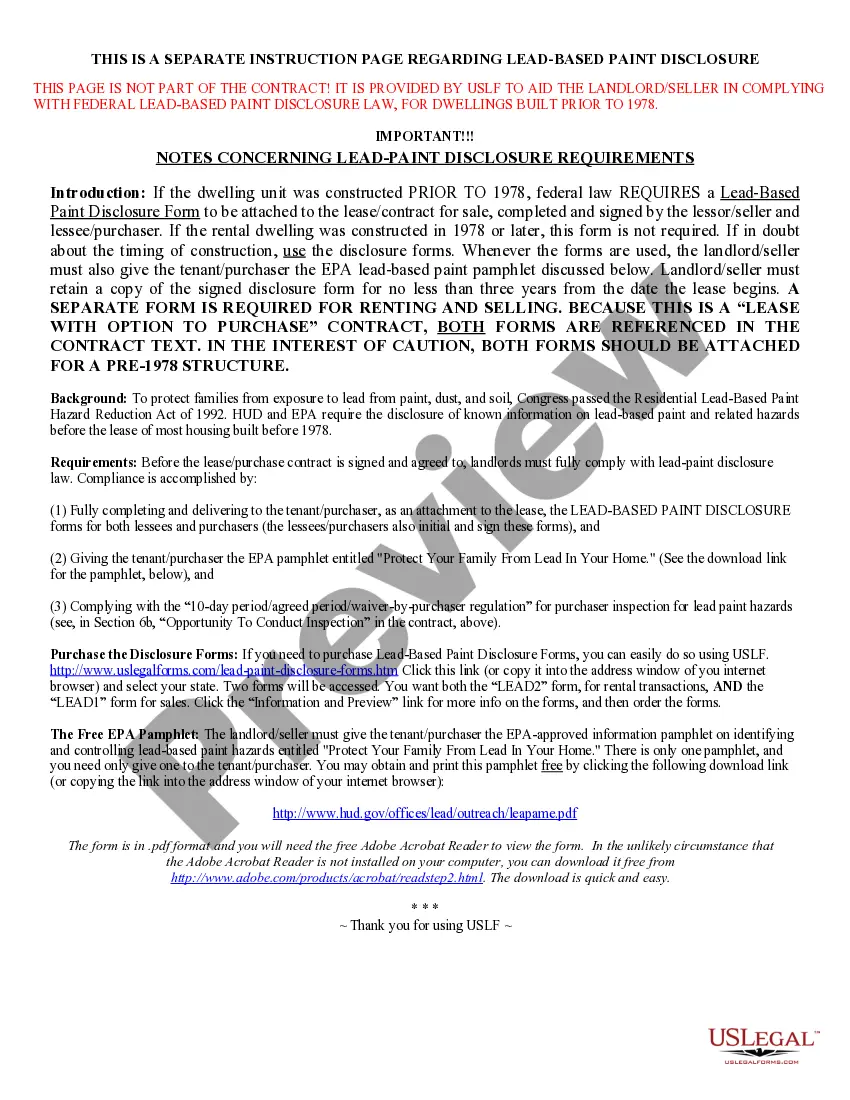
How to fill out Arizona Lease With Option To Purchase - Lease Or Rent To Own?
Obtaining a reliable source for accessing the latest and suitable legal templates is part of the challenge of navigating bureaucracy.
Locating the appropriate legal documents demands precision and meticulousness, which is why it's essential to source Lease Option For Cars templates solely from trustworthy providers, such as US Legal Forms. An incorrect document can waste your time and prolong your situation.
After acquiring the form on your device, you can modify it using the editor or print it for manual completion. Eliminate the stress associated with your legal documentation. Browse through the expansive US Legal Forms library to locate legal samples, assess their applicability to your circumstances, and download them instantly.
- Utilize the directory browsing or search functionality to discover your template.
- Review the form’s details to ensure it meets the criteria of your state and area.
- Access the form preview, if available, to confirm that the form is indeed what you require.
- Continue your search and find the appropriate template if the Lease Option For Cars does not meet your expectations.
- Once you are confident in the form’s suitability, download it.
- As a registered customer, click Log in to verify and access your chosen forms in My documents.
- If you haven't created an account yet, click Buy now to purchase the template.
- Select the subscription plan that meets your needs.
- Proceed with the registration to complete your acquisition.
- Finalize your transaction by selecting a payment method (credit card or PayPal).
- Choose the file format for downloading the Lease Option For Cars.
Form popularity
FAQ
Writing a lease agreement for a car involves detailing the parties involved, vehicle specifics, and lease terms clearly. It is important to include the monthly payment, duration, and any fees related to exceeding mileage limits. A well-structured lease option for cars helps protect both the lessee and lessor. Using resources like US Legal Forms can help you create a comprehensive agreement that meets legal standards.
To write a lease agreement for a vehicle, start with the essential details, such as the vehicle’s make, model, and identification number. Include the terms of the lease, like payment amounts, duration, and mileage limits. A lease option for cars should also outline responsibilities for maintenance and insurance. Using US Legal Forms can provide you with templates that simplify this process and ensure clarity in your agreement.
Yes, you can write your own lease agreement, but it’s crucial to ensure it meets legal standards. When creating a lease option for cars, include all necessary terms like payment amounts, duration, and responsibilities. Consider using resources from US Legal Forms to access templates that can guide you through the process and ensure you include all essential elements.
To write a simple lease agreement, start by including the names of the parties involved, the vehicle details, and the lease terms. Clearly outline the payment schedule and any additional fees associated with the lease option for cars. Make sure to specify the duration of the lease and any maintenance responsibilities. Utilizing templates from US Legal Forms can simplify the process and ensure legal compliance.
The main criteria for leasing a car often include credit score, income verification, employment history, debt-to-income ratio, and the vehicle's residual value. Each leasing company may have its specific requirements, but these factors generally play a significant role. Understanding these criteria can help you navigate lease options for cars with confidence. If you need help, resources from US Legal Forms can guide you through the leasing process and ensure you're well-prepared.
To qualify for a vehicle lease, you typically need to meet certain financial criteria, including a good credit score and a steady income. Most leasing companies will also consider your debt-to-income ratio. When exploring lease options for cars, ensure you have all required documents ready, such as proof of income and identification. Preparing in advance can streamline your leasing experience.
Getting approved for a lease on a car can vary based on your credit history and financial situation. While some individuals may find it challenging, many lease options for cars cater to a range of credit scores. If you have a stable income and a reasonable credit profile, approval is likely. Additionally, using platforms like US Legal Forms can help you understand the leasing process better and prepare necessary documents.
To lease a car, lenders typically prefer a credit score of at least 680. However, some lease options for cars may be available for individuals with lower scores, depending on the lender. A higher credit score can lead to better lease terms, such as lower monthly payments. It's wise to check your credit report and improve your score if possible before applying.