Arizona Living Trust With House
Description

Get your form ready online
Our built-in tools help you complete, sign, share, and store your documents in one place.
Make edits, fill in missing information, and update formatting in US Legal Forms—just like you would in MS Word.
Download a copy, print it, send it by email, or mail it via USPS—whatever works best for your next step.
Sign and collect signatures with our SignNow integration. Send to multiple recipients, set reminders, and more. Go Premium to unlock E-Sign.
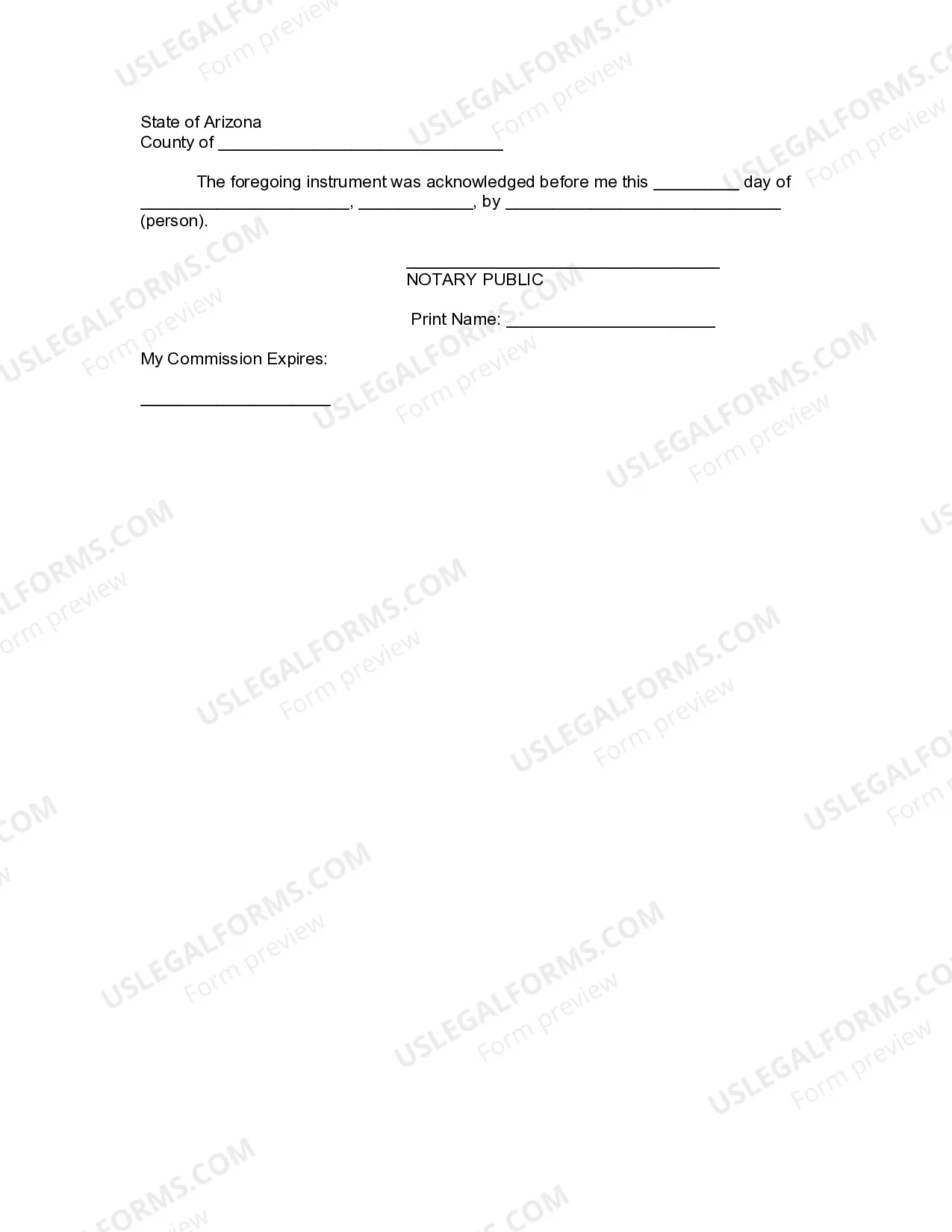
If this form requires notarization, complete it online through a secure video call—no need to meet a notary in person or wait for an appointment.
We protect your documents and personal data by following strict security and privacy standards.

Make edits, fill in missing information, and update formatting in US Legal Forms—just like you would in MS Word.

Download a copy, print it, send it by email, or mail it via USPS—whatever works best for your next step.

Sign and collect signatures with our SignNow integration. Send to multiple recipients, set reminders, and more. Go Premium to unlock E-Sign.

If this form requires notarization, complete it online through a secure video call—no need to meet a notary in person or wait for an appointment.

We protect your documents and personal data by following strict security and privacy standards.
Looking for another form?








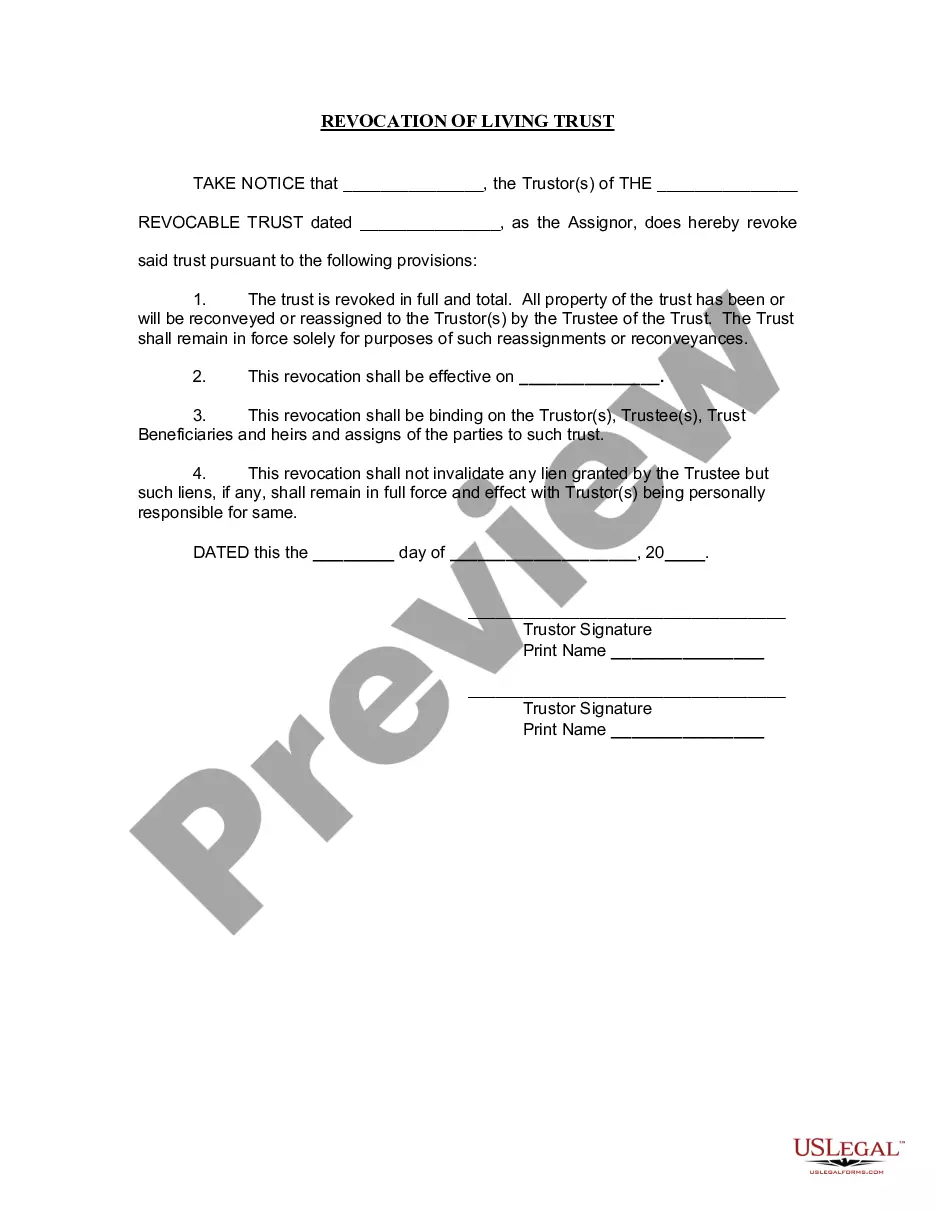
How to fill out Arizona Revocation Of Living Trust?
Utilizing legal document templates that adhere to national and local regulations is essential, and the internet provides numerous options to choose from.
However, why squander time hunting for the suitable Arizona Living Trust With House template online when the US Legal Forms digital library has already compiled such documents in one location.
US Legal Forms is the largest online legal repository with more than 85,000 editable templates created by attorneys for all business and personal situations. They are easy to navigate, with all documents categorized by state and purpose. Our experts keep current on legislative updates, ensuring that your forms are always up to date and compliant when you obtain an Arizona Living Trust With House from our site.
Click Buy Now once you’ve identified the appropriate form and select a subscription plan. Create an account or Log In and complete your payment via PayPal or a credit card. Choose the correct format for your Arizona Living Trust With House and download it. All templates you find through US Legal Forms are reusable. To re-download and complete previously saved documents, navigate to the My documents section in your profile. Take advantage of the most comprehensive and user-friendly legal documentation service!
- Acquiring an Arizona Living Trust With House is straightforward and rapid for both existing and new users.
- If you already possess an account with an active subscription, Log In and download the document template you require in your chosen format.
- If you are new to our site, follow the steps below.
- Review the template using the Preview option or through the text outline to verify it aligns with your needs.
- Use the search feature at the top of the page to find an additional sample, if necessary.
Form popularity
FAQ
Once the deed is prepared, it must be executed to transfer real estate ownership into the living trust. The grantor, or the current property owner, must sign the deed in the presence of a notary public. The grantor must also formally transfer the property from their name to the trust's name.
There are basic requirements for a Trust to be created in the State of Arizona: (1) There must be a Grantor; (2) The Grantor must manifest the Intent to create a Trust; (3) There must a Trustee; (4) There must be identifiable Beneficiaries; (5) The Trustee must have duties to perform; and (6) the Sole Trustee may not ...
To transfer real property into your Trust, a new deed reflecting the name of the Trust must be executed, notarized and recorded with the County Recorder in the County where the property is located. Care must be taken that the exact legal description in the existing deed appears on the new deed.
You can set up a living trust by yourself. However, if you're not experienced, it might make more sense to get professional advice. If your estate is worth a lot, you may benefit from a living trust. The Uniform Probate Code, however, does simplify the probate process for estates without a trust in Arizona.
Arizona trusts require: The settlor creates a trust. Settlor indicates their intention to create a trust. A trustee is a person or professional fiduciary administering the trust. The trust must have at least one beneficiary receiving trust assets. Duties the trustee must perform. A sole trustee may not be a sole beneficiary.