Employment Form For Taxes
Description
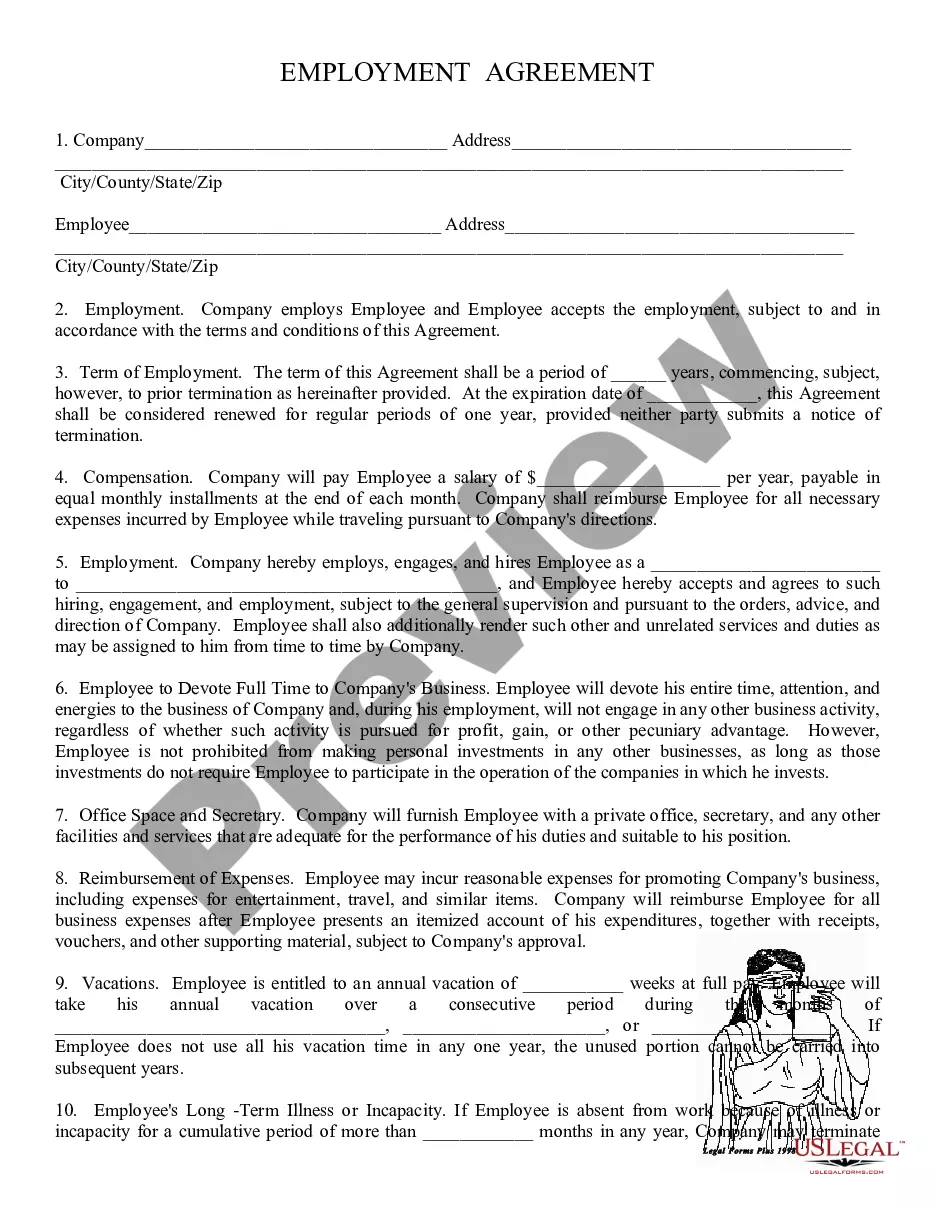
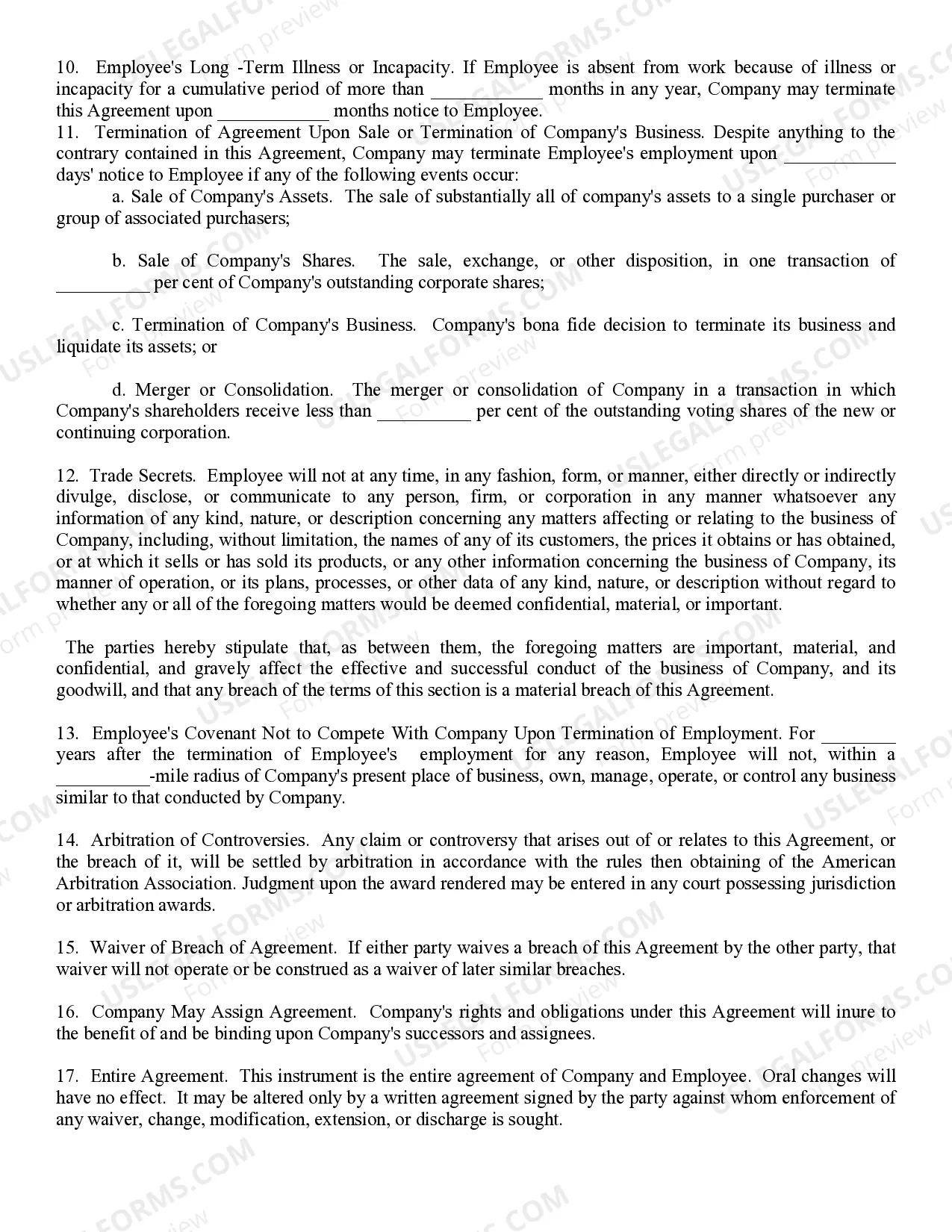
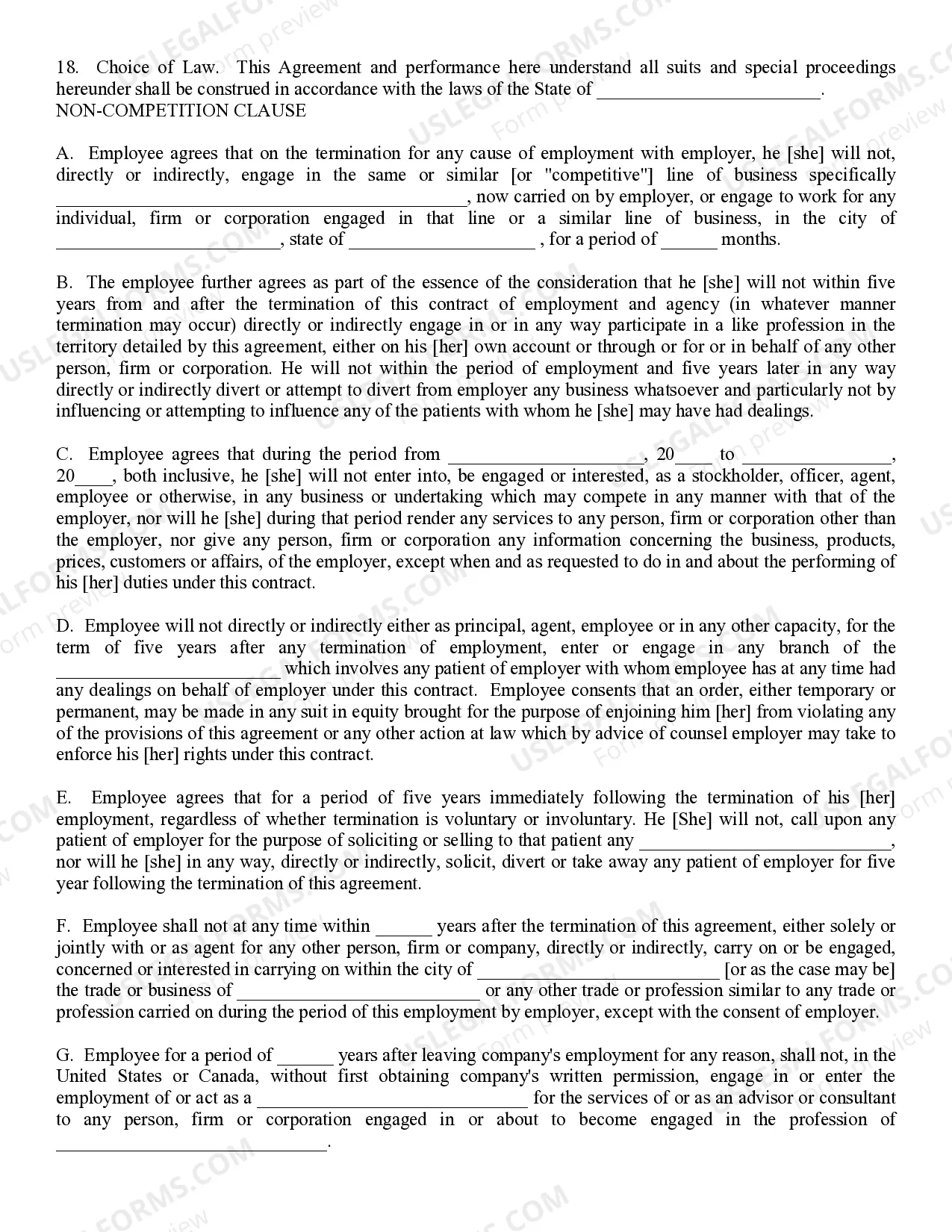
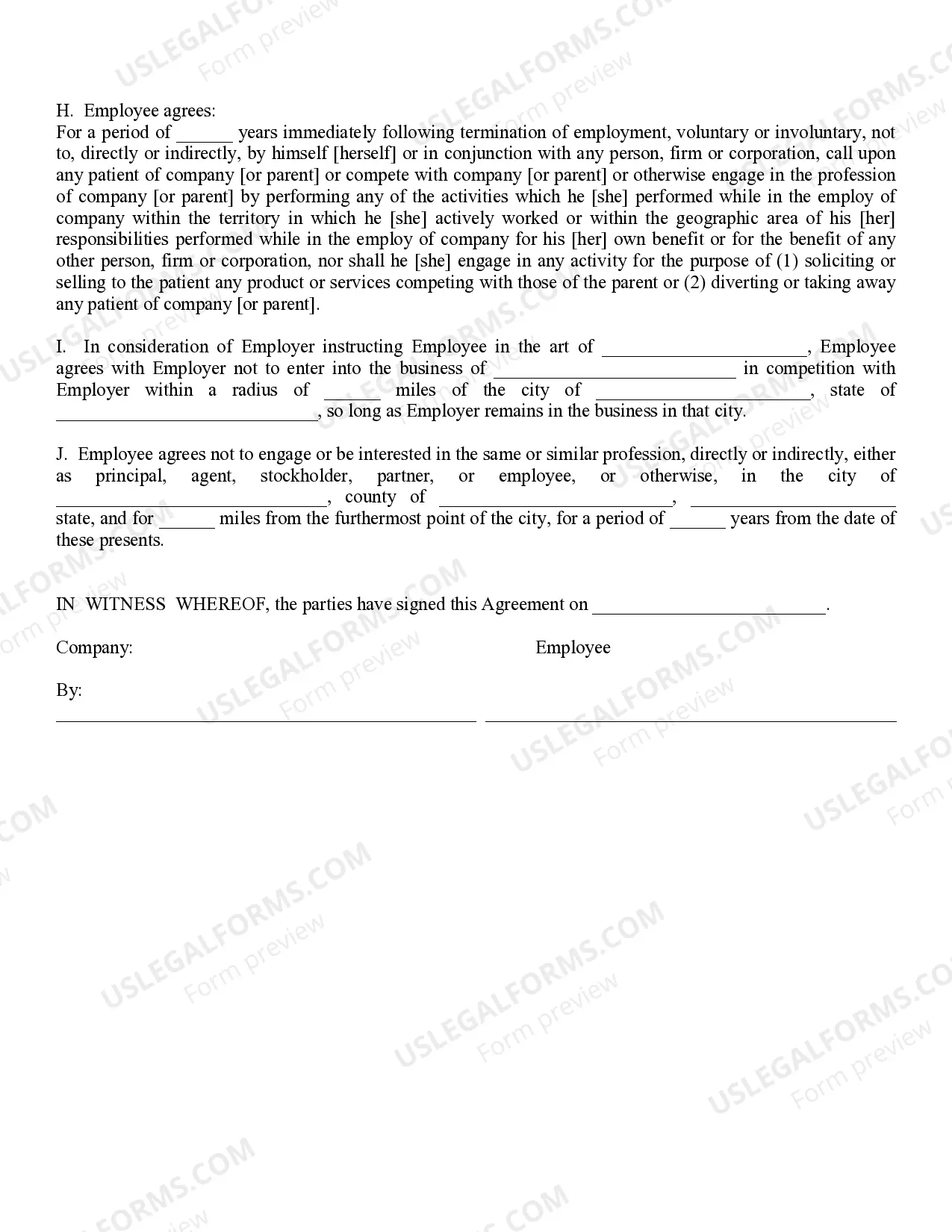


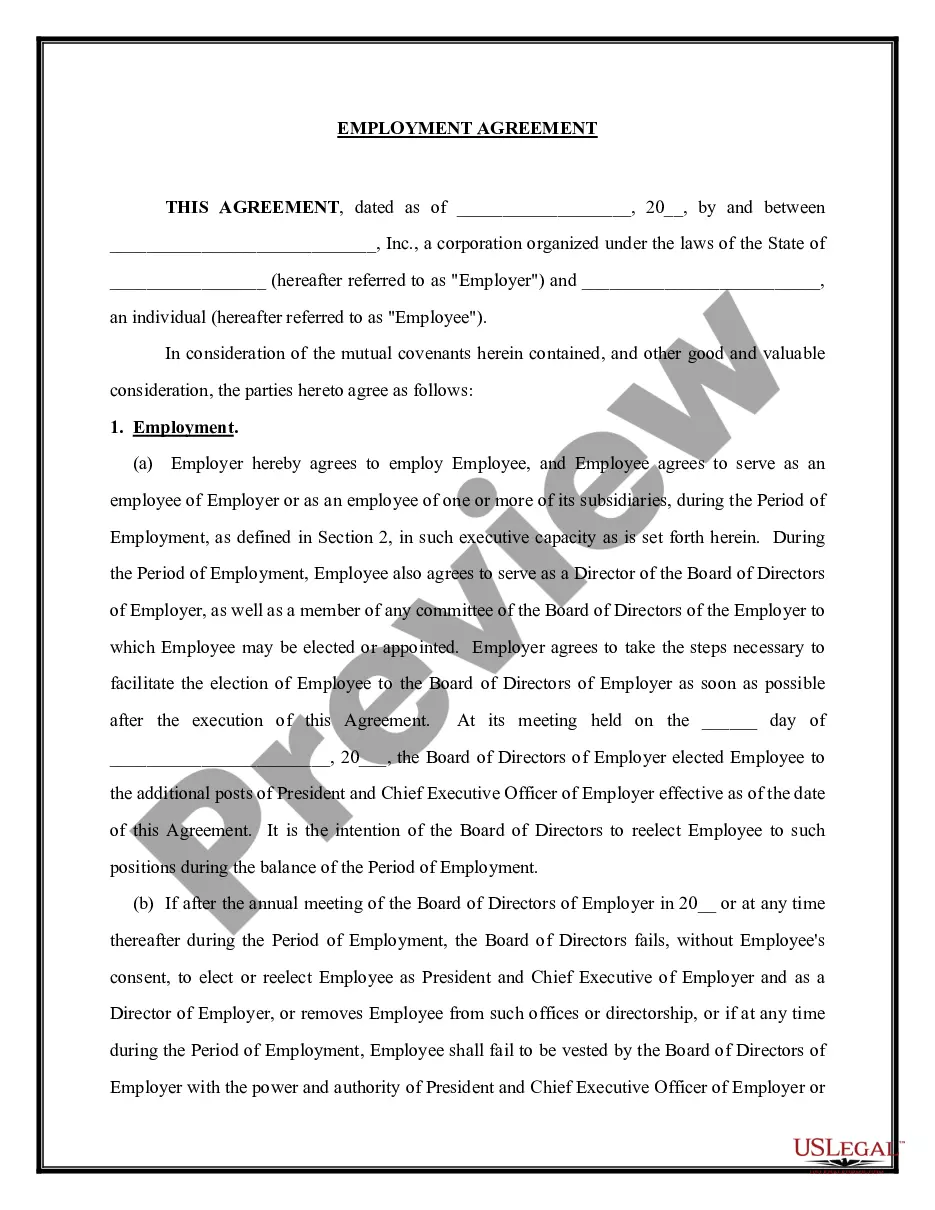
Get your form ready online
Our built-in tools help you complete, sign, share, and store your documents in one place.
Make edits, fill in missing information, and update formatting in US Legal Forms—just like you would in MS Word.
Download a copy, print it, send it by email, or mail it via USPS—whatever works best for your next step.
Sign and collect signatures with our SignNow integration. Send to multiple recipients, set reminders, and more. Go Premium to unlock E-Sign.
If this form requires notarization, complete it online through a secure video call—no need to meet a notary in person or wait for an appointment.
We protect your documents and personal data by following strict security and privacy standards.

Make edits, fill in missing information, and update formatting in US Legal Forms—just like you would in MS Word.

Download a copy, print it, send it by email, or mail it via USPS—whatever works best for your next step.

Sign and collect signatures with our SignNow integration. Send to multiple recipients, set reminders, and more. Go Premium to unlock E-Sign.

If this form requires notarization, complete it online through a secure video call—no need to meet a notary in person or wait for an appointment.

We protect your documents and personal data by following strict security and privacy standards.
Looking for another form?
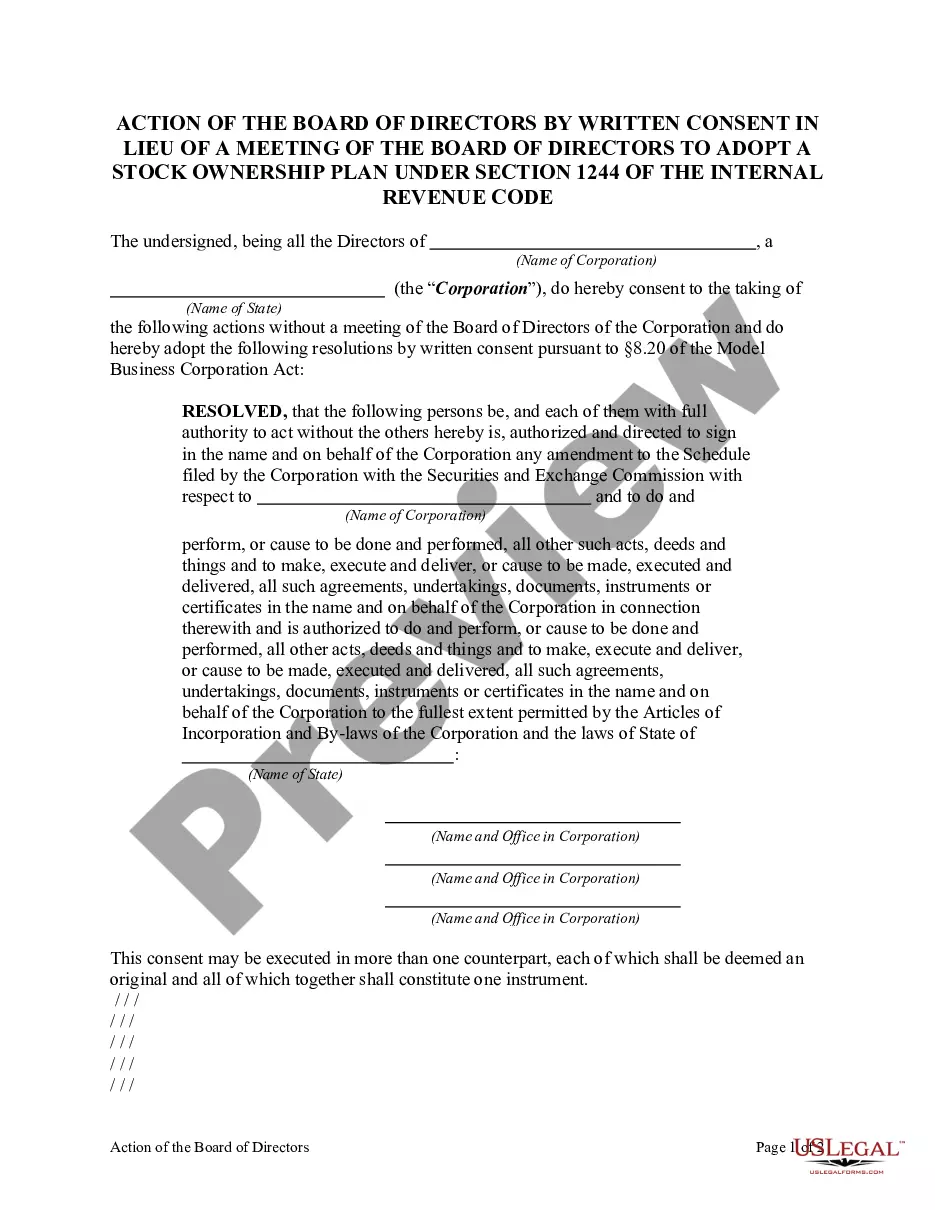






How to fill out Employment Agreement Arizona?
- If you're a returning user, log in to your account, ensuring your subscription is active before downloading the necessary form template.
- If you're new to US Legal Forms, start by reviewing the Preview mode and form description to confirm it aligns with your requirements and complies with your local jurisdiction.
- If you encounter discrepancies or need another template, utilize the Search tab at the top of the page to locate the correct form.
- When you're satisfied with your selection, click the Buy Now button, choose your subscription plan, and register for an account to access the entire library.
- Complete your purchase through credit card or PayPal to finalize your subscription.
- After purchasing, download your form to save it on your device and access it anytime from the My Forms section.
These steps simplify the process of obtaining an employment form for taxes, making it accessible for anyone, from individuals to attorneys. US Legal Forms not only provides a robust collection of over 85,000 forms but also connects users with premium experts for assistance.
Start leveraging US Legal Forms today and take the hassle out of legal document creation!
Form popularity
FAQ
Upon starting a job, you primarily fill out the W-4 form as your employment form for taxes. This form is essential for your employer to withhold the correct amount of federal tax from your wages. Depending on your location, you may also be required to complete state-specific tax forms. Taking the time to complete these forms accurately is crucial for a smooth tax experience.
When you get a job, the most critical document to fill out for taxes is the W-4 form, which is an employment form for taxes. This form lets your employer know how much federal income tax to withhold from your paycheck. You may also need to fill out state tax forms, so it’s important to check with your employer about what additional documents are required. Ensuring these forms are filled out correctly can help you avoid surprises during tax season.
Choosing the right tax withholding involves understanding your income, filing status, and deductions. The IRS provides a withholding calculator that helps you determine the appropriate amount to withhold based on your expected income for the year. It’s important to review your W-4 form regularly, especially if you experience life changes such as marriage or having children. For personalized assistance, uslegalforms offers templates to help you navigate employment forms for taxes.
When starting a job, you fill out the W-4 form, not the W-2. The W-4 is an employment form for taxes that allows you to specify your tax withholding preferences. The W-2 form is provided by your employer at the end of the year, summarizing your earnings and tax deductions for that year. However, the W-4 is crucial in determining how much tax is withheld from each paycheck.
When you start a new job, the most common paperwork includes the W-4 and other employment forms for taxes. The W-4 form helps your employer calculate the correct amount of federal income tax to withhold from your paycheck. Additionally, you may need to complete state-specific forms or documentation required by your employer. It’s important to fill out these forms accurately to ensure proper tax withholding.
To file taxes for an employee, begin by collecting their W-2 form, which outlines their earnings and tax withholdings. You will need to report this information to the IRS using the appropriate forms, typically including Form 941 for quarterly payroll taxes. Staying organized and following IRS guidelines ensures compliance and accuracy in filing. Utilizing an employment form for taxes can streamline this process immensely.
To complete an employment tax form, start by gathering essential information like your employer's details and your income. Follow the specific instructions for the form you are using, whether it's a federal tax form or a state form. Accurate input of your information ensures correct tax calculations. Platforms like USLegalForms offer guidance to help you navigate the complexities of employment forms for taxes effectively.
As of recent updates, you can no longer simply claim 1 on the W4 to indicate you are only a single filer. Instead, the new W4 requires a more detailed approach regarding your tax status and allowances. This change aims to provide a more accurate withholding system, ensuring the correct amount is collected. It’s vital to understand the updated employment form for taxes to avoid errors.
To fill out a W4 easily, start by providing your name, address, and Social Security number. Next, determine your filing status and how many allowances you qualify for, which indicates how much tax should be withheld. If you need additional help, consider checking resources or using platforms like USLegalForms to simplify the employment form for taxes process.
On your W4, whether to claim 0 or 1 hinges on your personal circumstances and tax goals. Claiming 0 means maximum withholding, minimizing the risk of underpayment. Conversely, if you claim 1, less tax comes out of your paychecks, which could be beneficial if you believe you will not owe much come tax season. Understanding how the employment form for taxes works is crucial before making this choice.