Motion To Withdraw Form For Summary Judgment
Description
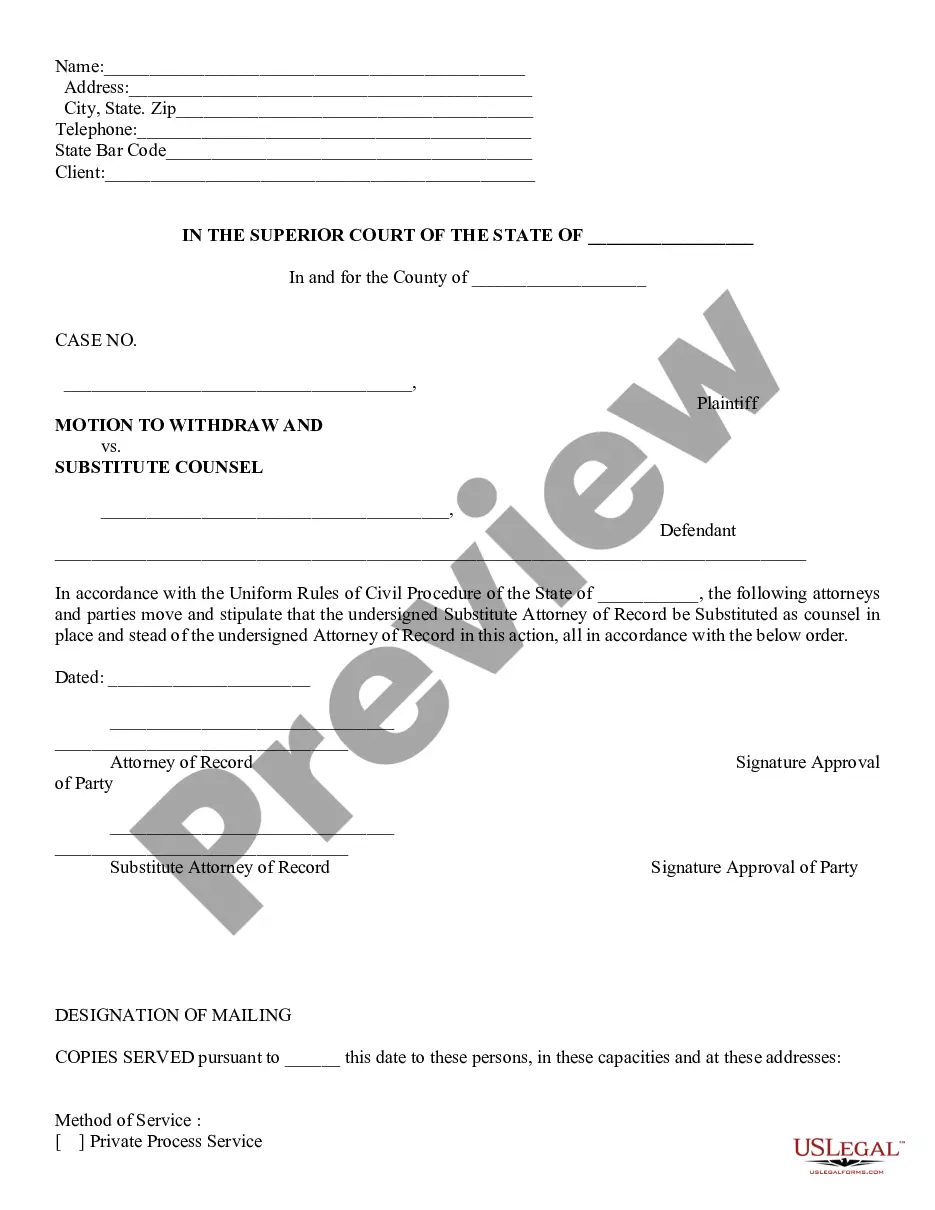
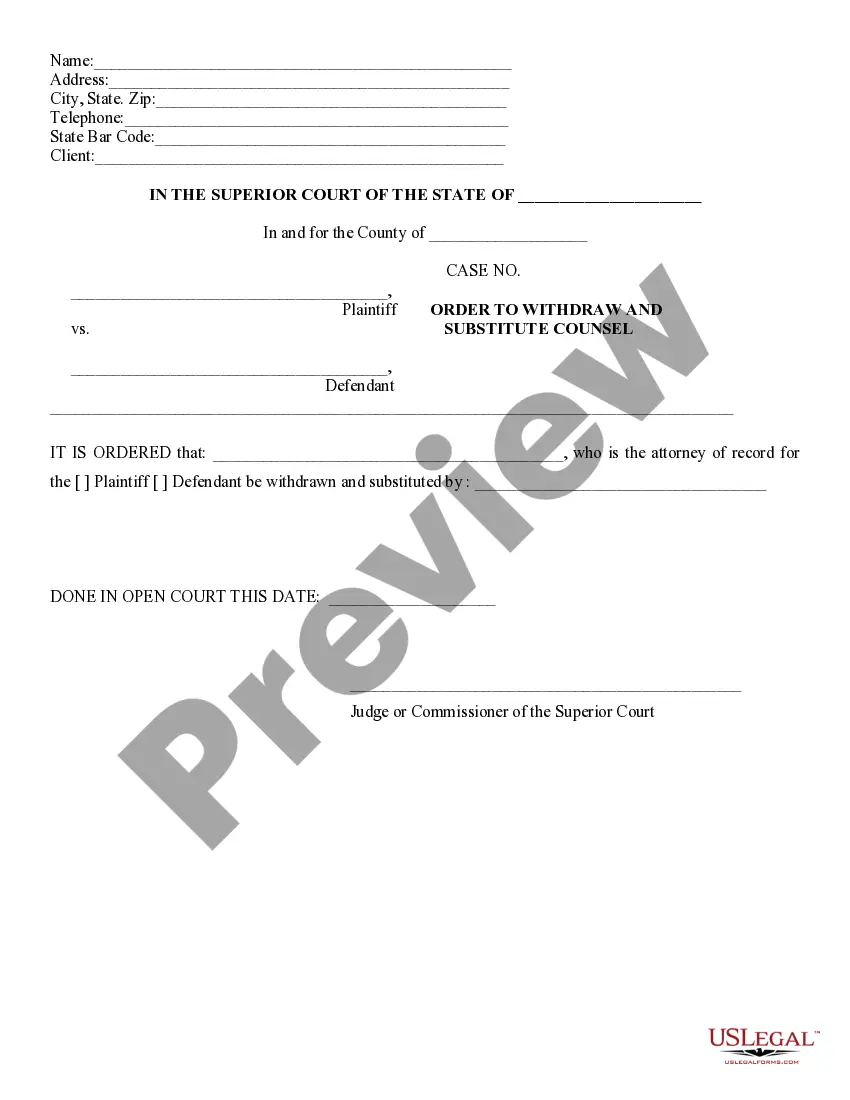
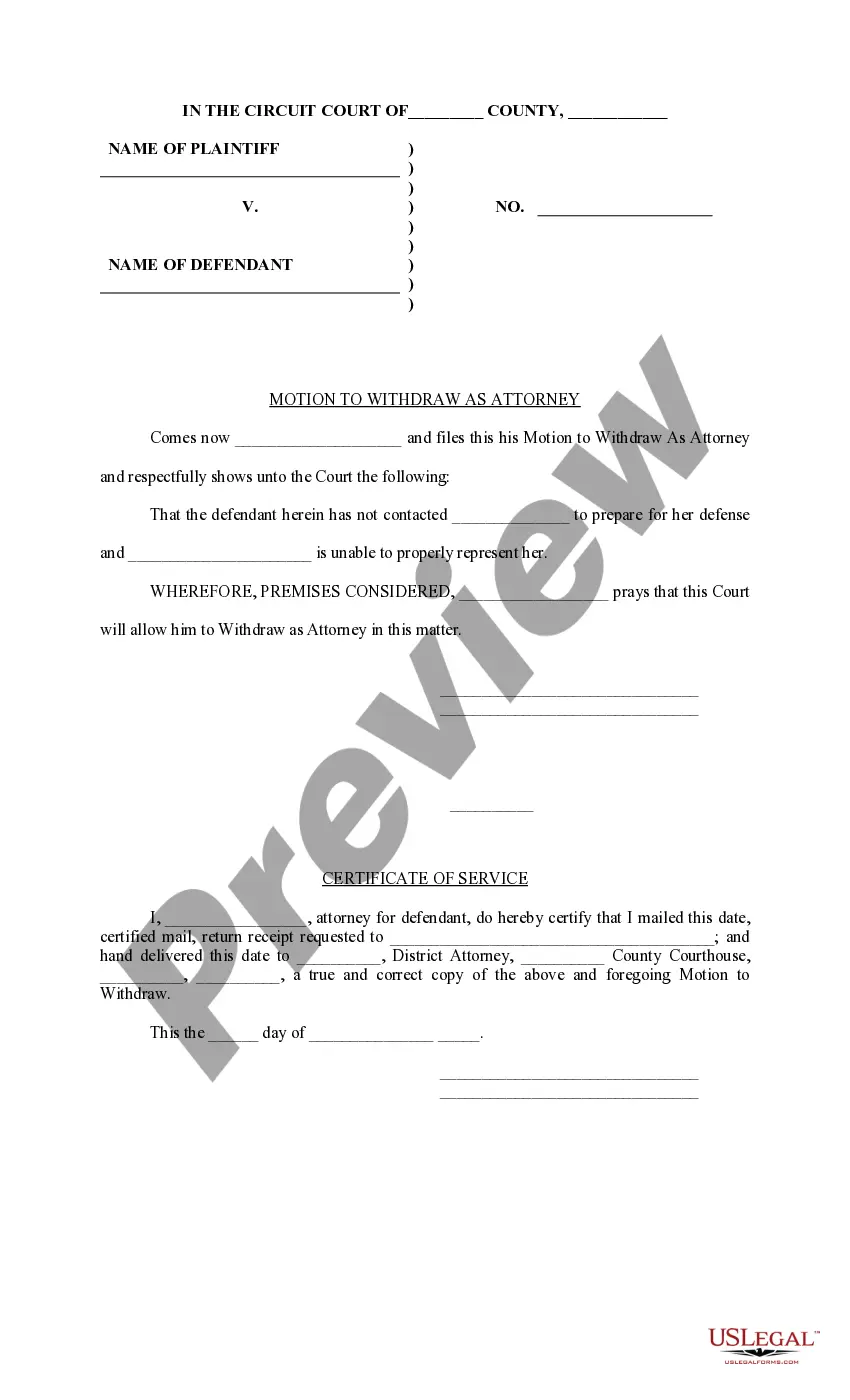
Get your form ready online
Our built-in tools help you complete, sign, share, and store your documents in one place.
Make edits, fill in missing information, and update formatting in US Legal Forms—just like you would in MS Word.
Download a copy, print it, send it by email, or mail it via USPS—whatever works best for your next step.
Sign and collect signatures with our SignNow integration. Send to multiple recipients, set reminders, and more. Go Premium to unlock E-Sign.
If this form requires notarization, complete it online through a secure video call—no need to meet a notary in person or wait for an appointment.
We protect your documents and personal data by following strict security and privacy standards.

Make edits, fill in missing information, and update formatting in US Legal Forms—just like you would in MS Word.

Download a copy, print it, send it by email, or mail it via USPS—whatever works best for your next step.

Sign and collect signatures with our SignNow integration. Send to multiple recipients, set reminders, and more. Go Premium to unlock E-Sign.

If this form requires notarization, complete it online through a secure video call—no need to meet a notary in person or wait for an appointment.

We protect your documents and personal data by following strict security and privacy standards.
Looking for another form?

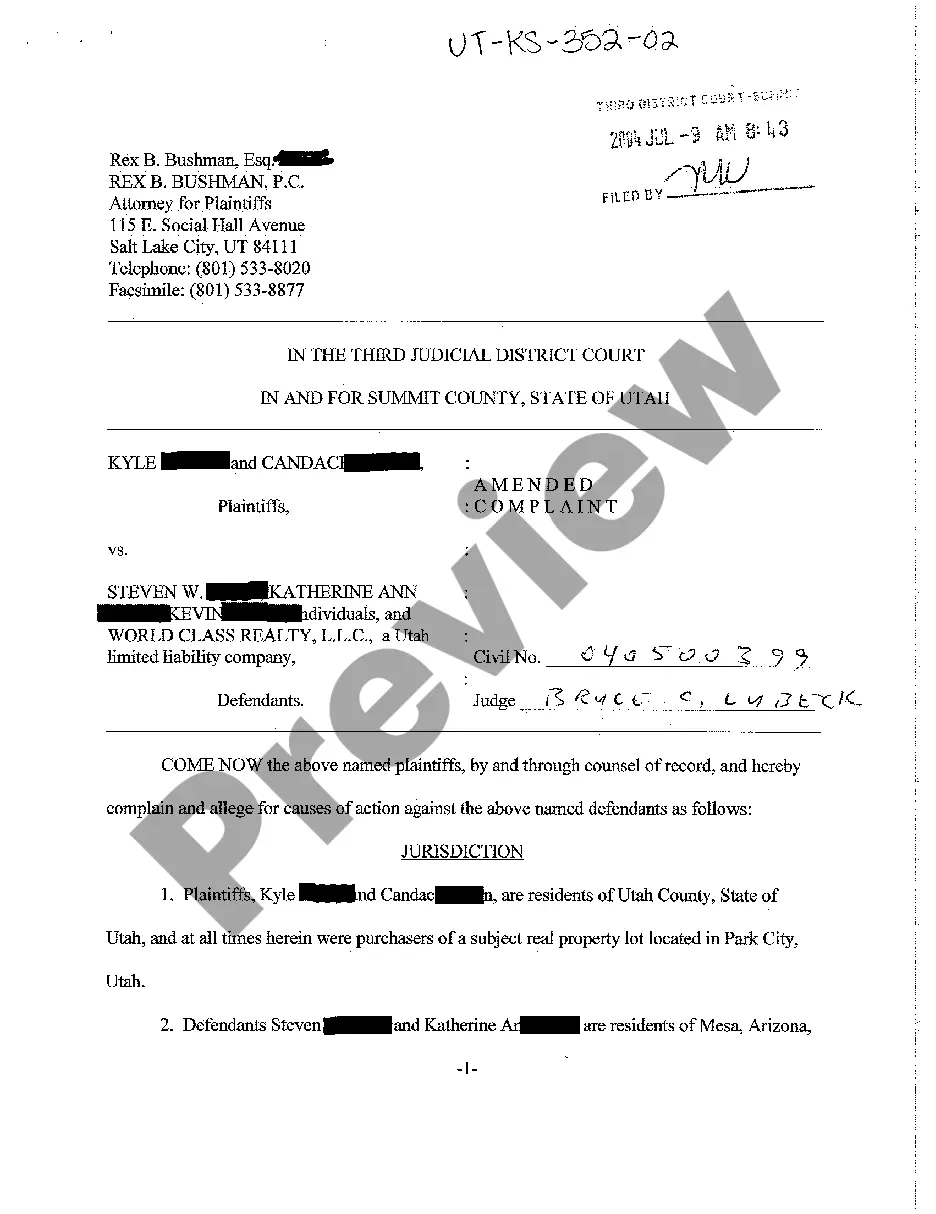
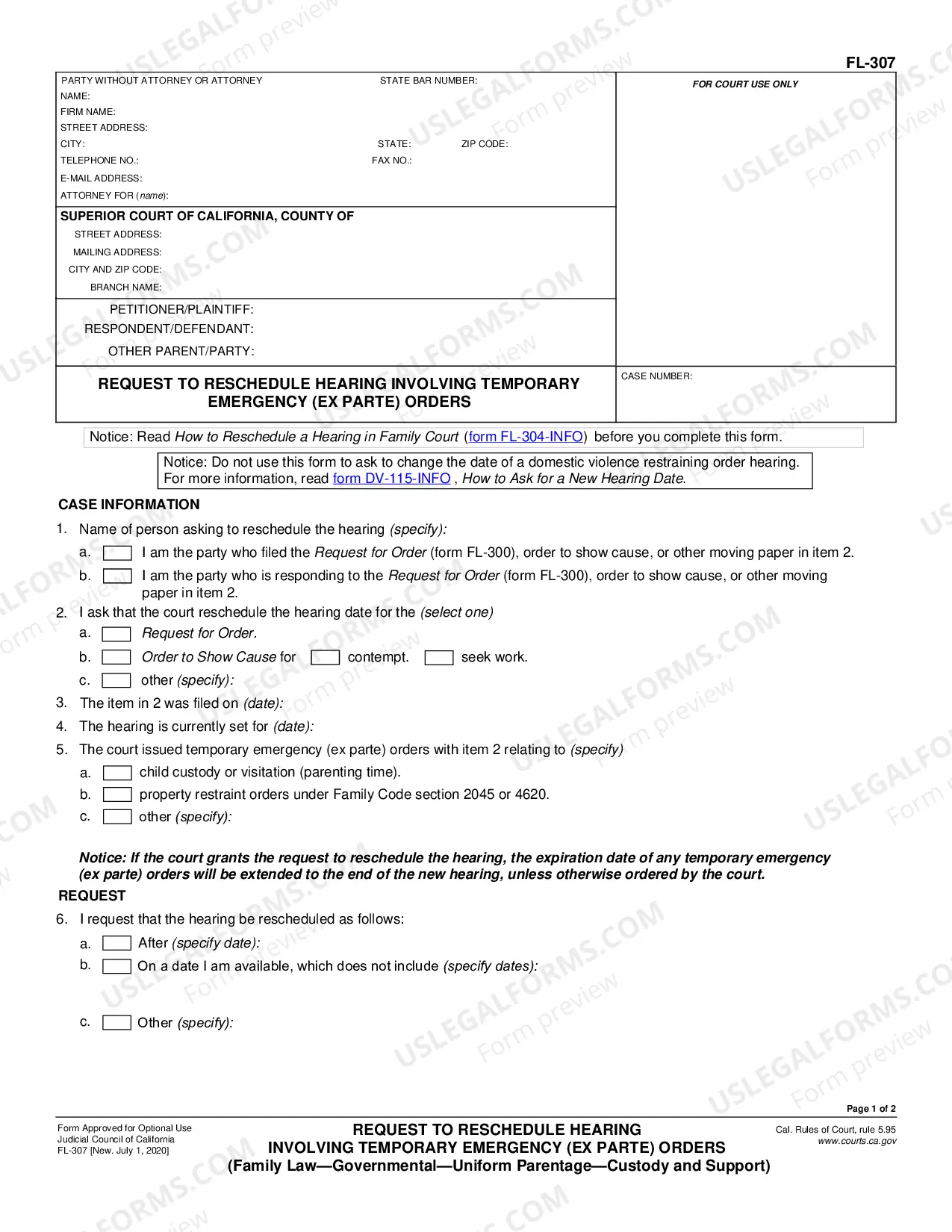
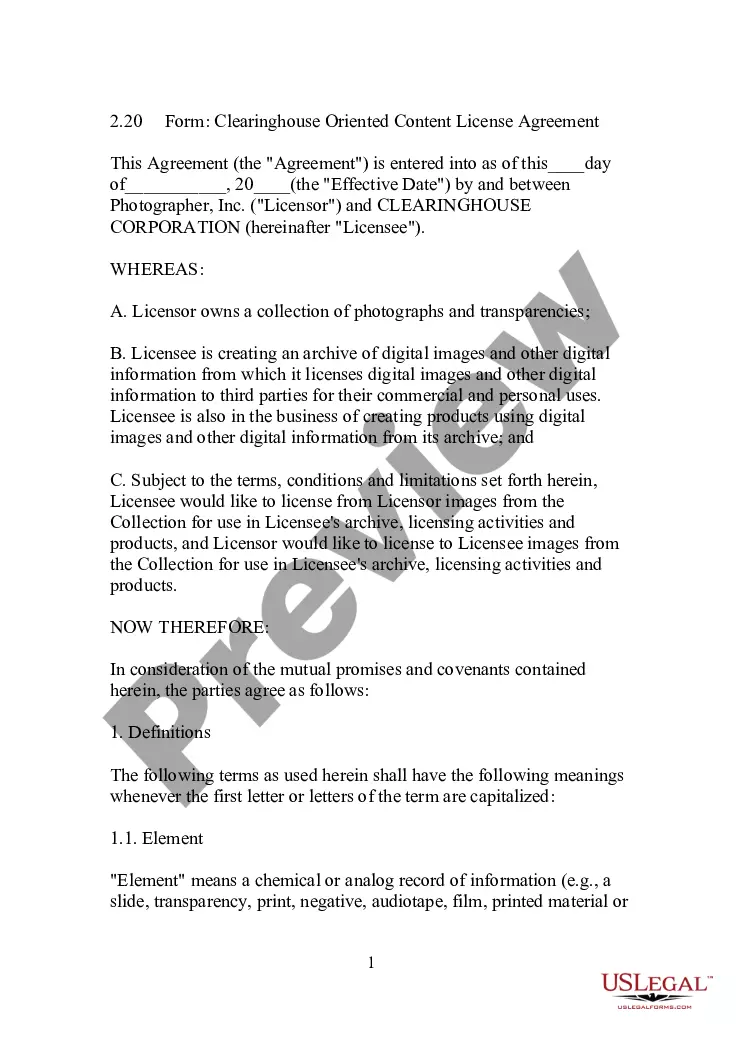
How to fill out Arizona Motion To Withdraw And Substitute Counsel And Order?
It’s clear that you can’t transform into a legal specialist instantly, nor can you comprehend how to swiftly create a Motion To Withdraw Form For Summary Judgment without possessing a targeted set of expertise.
Drafting legal documents is a lengthy endeavor necessitating a particular education and proficiencies.
So why not entrust the development of the Motion To Withdraw Form For Summary Judgment to the experts.
You can re-access your documents from the My documents section at any time. If you’re a current client, you can simply Log In, and find and download the template from the same section.
Regardless of the objective of your paperwork - be it financial, legal, or personal - our platform has you supported. Experience US Legal Forms today!
- Locate the form you are searching for by utilizing the search bar at the top of the screen.
- Preview it (if this feature is available) and review the accompanying description to ascertain whether the Motion To Withdraw Form For Summary Judgment is what you need.
- Begin your search anew if you require a different document.
- Create a complimentary account and select a subscription plan to acquire the form.
- Click Buy now. Once the payment is processed, you can download the Motion To Withdraw Form For Summary Judgment, complete it, print it, and send or mail it to the necessary parties.
Form popularity
FAQ
A motion for a summary judgment is a request made to the court, asking it to rule that the other party has no case. In this process, both parties submit evidence to support their claims. This helps streamline legal proceedings, as it often eliminates the need for a full trial. If you need a Motion to withdraw form for summary judgment, resources are available to assist you.
To write a summary judgment motion, begin by clearly stating your arguments and the legal standards that support your case. Include all relevant evidence, such as affidavits, depositions, and documents, to strengthen your position. Using a motion to withdraw form for summary judgment might also be advised if adjustments to your original motion are necessary.
The purpose of a motion for summary judgment is to resolve legal disputes without the need for a trial whenever possible. This can save time and resources, allowing the court to focus on matters that genuinely require a trial. By using a motion to withdraw form for summary judgment, you can clarify your position and potentially expedite the court's decision.
Writing a motion for summary judgment involves outlining the legal basis for your request to have the court rule in your favor without a trial. Start by stating the facts of the case, then explain why no genuine dispute exists regarding those facts. Be sure to include references to any supporting documentation and consider utilizing a motion to withdraw form for summary judgment if you need to make changes to your case.
To answer a summary judgment motion, you should first review the motion thoroughly to understand the arguments being made. Then, prepare a response that addresses those arguments directly, providing evidence to support your position. Using a motion to withdraw form for summary judgment may also be necessary if you need to restructure how your case is presented.
Replies should be succinctly stated. If the response to a fact is ?undisputed,? the reply should also state ?undisputed.? If you contend that despite a response of ?disputed,? the non-moving party has failed to raise a genuine dispute of material fact, you should succinctly state why.
If the opposing party objects to the Motion for Summary Judgment, they have 28 days from the date of service of the Motion for Summary Judgment to file a response brief supporting their opposition. This must be filed using the Brief event, not the Response event.
Florida law provides for two different types of motions to withdraw a plea depending on when the motion is filed. For example, Rule 3.170(f) authorizes a plea withdrawal ?at any time before a sentence.? Rule 3.170(l) authorizes a motion to withdraw a plea ?within thirty days after rendition of the sentence.?
Show that the law does not support judgment on the undisputed facts. Your legal research may reveal case law that shows judgment isn't warranted in your case, even when no facts are in dispute. Show that discovery is incomplete and could raise a disputed material fact when completed.
The chance of success in these cases is less than 10% [1]. Another study found that summary judgment is mostly granted in Title VII cases, for example, cases involving equal pay or employment discrimination [2]. When it comes to federal cases, summary judgments are filed in 17% of total cases.