Az Damages Without Compensatory Damages
Description

Get your form ready online
Our built-in tools help you complete, sign, share, and store your documents in one place.
Make edits, fill in missing information, and update formatting in US Legal Forms—just like you would in MS Word.
Download a copy, print it, send it by email, or mail it via USPS—whatever works best for your next step.
Sign and collect signatures with our SignNow integration. Send to multiple recipients, set reminders, and more. Go Premium to unlock E-Sign.
If this form requires notarization, complete it online through a secure video call—no need to meet a notary in person or wait for an appointment.
We protect your documents and personal data by following strict security and privacy standards.

Make edits, fill in missing information, and update formatting in US Legal Forms—just like you would in MS Word.

Download a copy, print it, send it by email, or mail it via USPS—whatever works best for your next step.

Sign and collect signatures with our SignNow integration. Send to multiple recipients, set reminders, and more. Go Premium to unlock E-Sign.

If this form requires notarization, complete it online through a secure video call—no need to meet a notary in person or wait for an appointment.

We protect your documents and personal data by following strict security and privacy standards.
Looking for another form?

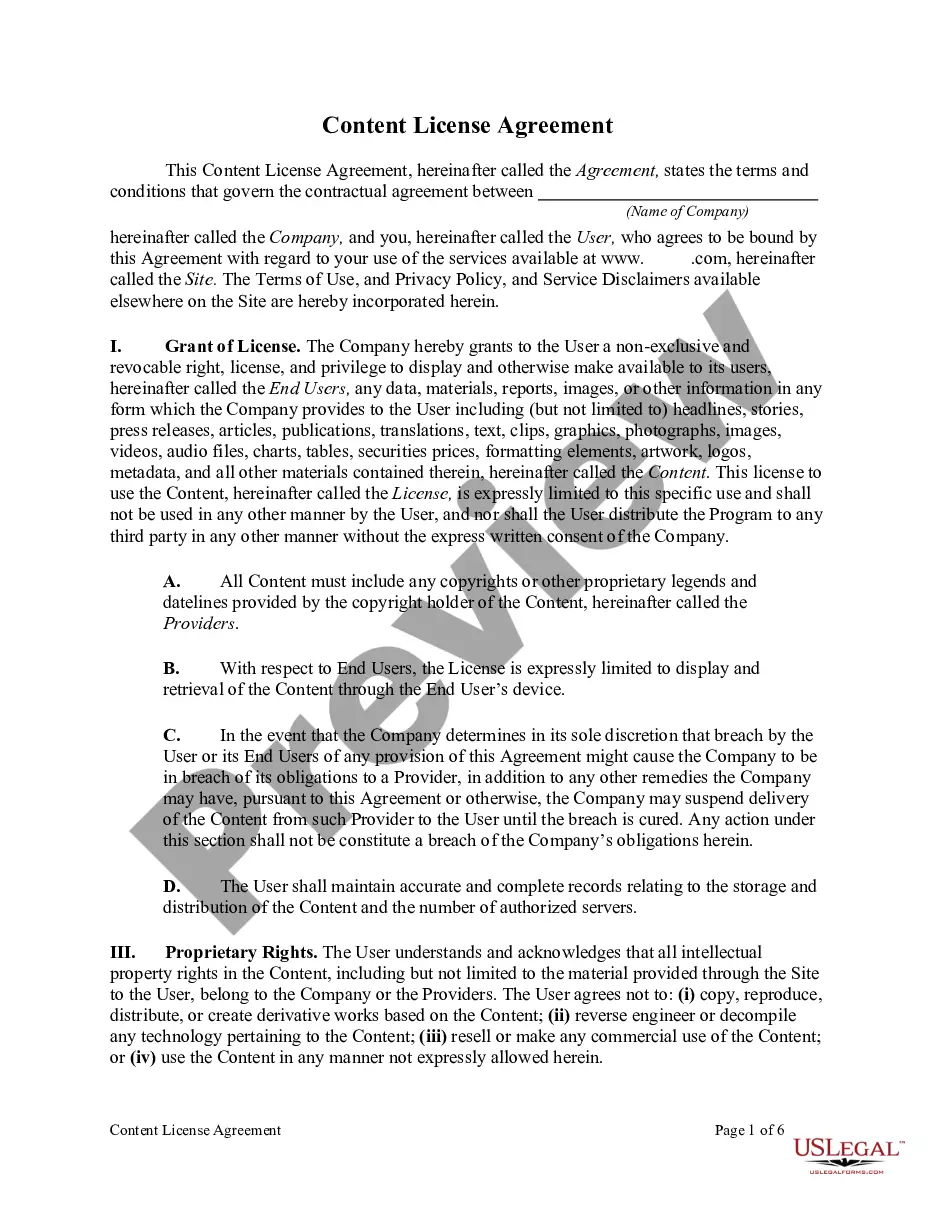
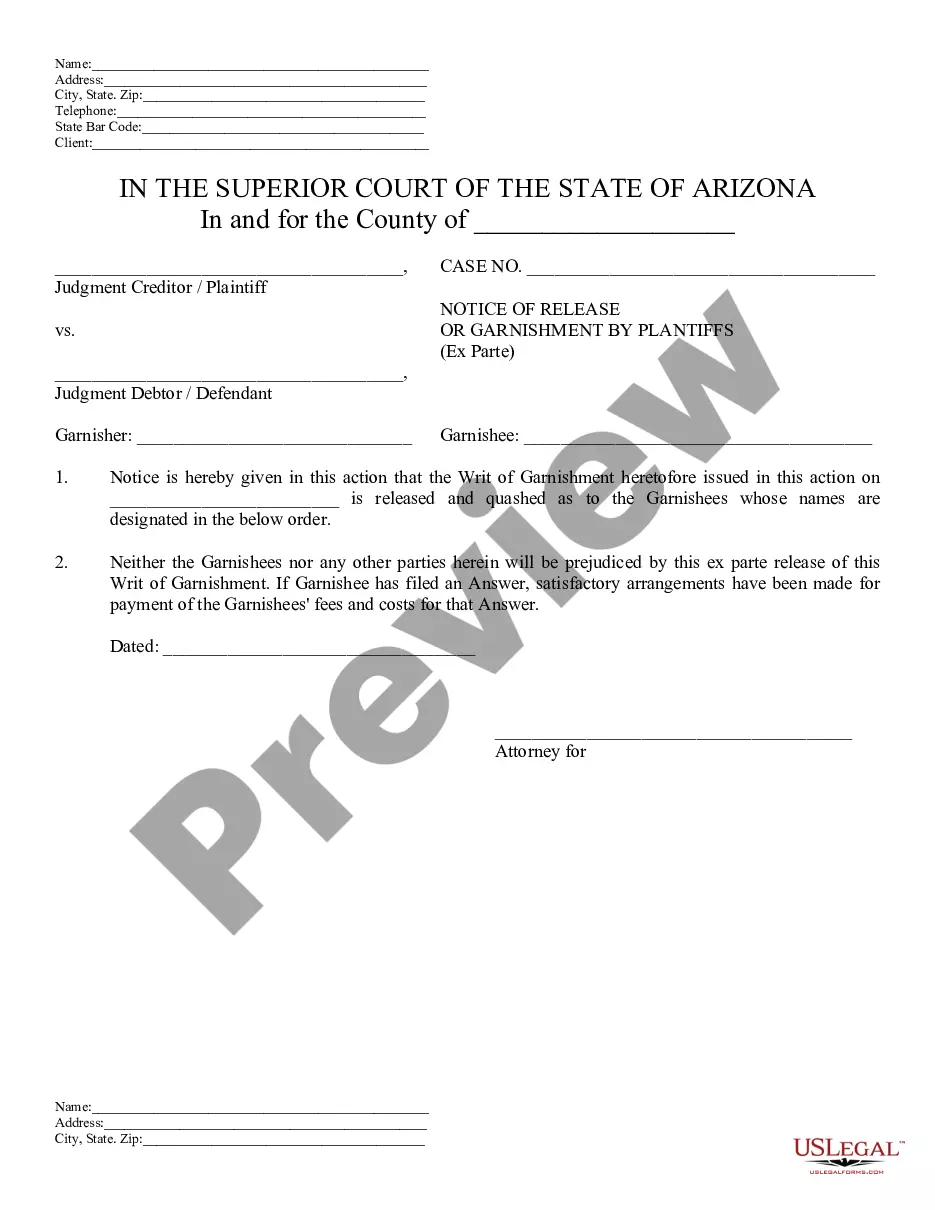






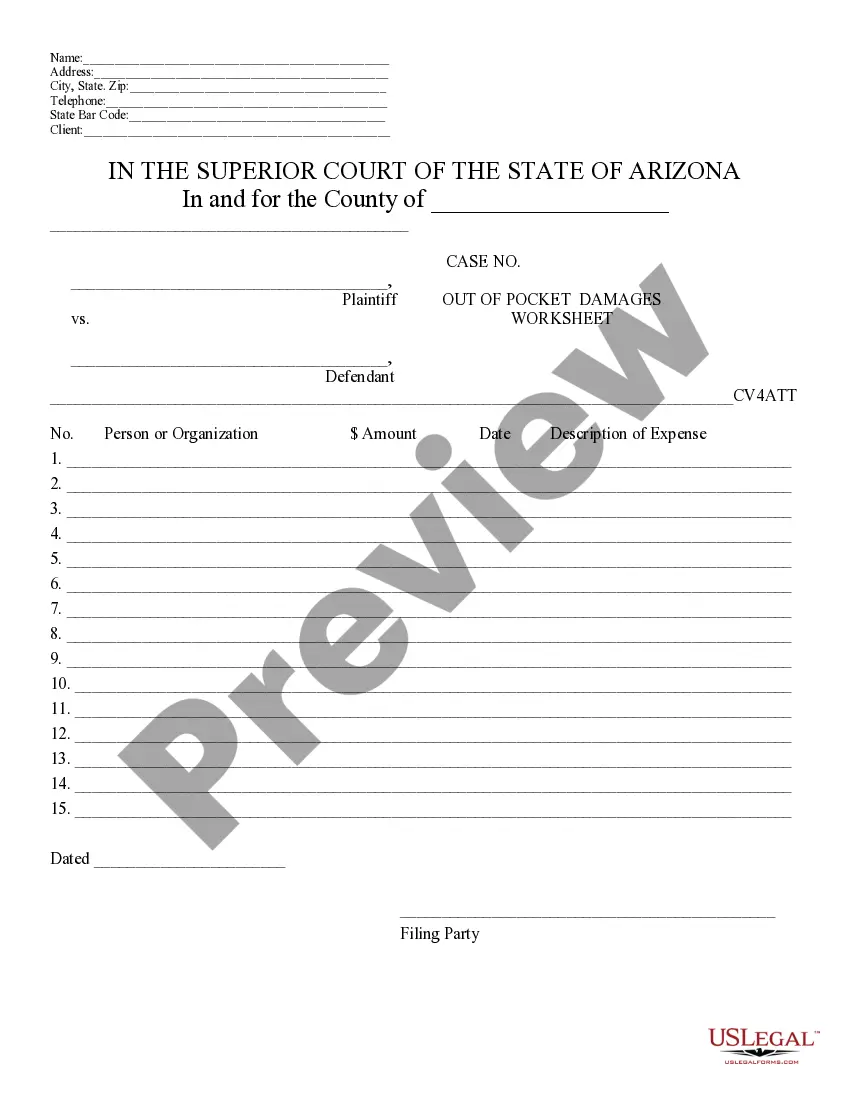
How to fill out Arizona Out Of Pocket Damages Worksheet?
It’s obvious that you can’t become a law professional immediately, nor can you learn how to quickly draft Az Damages Without Compensatory Damages without the need of a specialized set of skills. Creating legal documents is a long venture requiring a certain training and skills. So why not leave the creation of the Az Damages Without Compensatory Damages to the professionals?
With US Legal Forms, one of the most extensive legal document libraries, you can access anything from court papers to templates for in-office communication. We understand how crucial compliance and adherence to federal and state laws and regulations are. That’s why, on our platform, all templates are location specific and up to date.
Here’s how you can get started with our platform and obtain the form you need in mere minutes:
- Find the document you need with the search bar at the top of the page.
- Preview it (if this option provided) and check the supporting description to determine whether Az Damages Without Compensatory Damages is what you’re searching for.
- Begin your search again if you need any other template.
- Register for a free account and choose a subscription option to buy the form.
- Pick Buy now. Once the payment is complete, you can download the Az Damages Without Compensatory Damages, fill it out, print it, and send or send it by post to the designated people or entities.
You can re-access your forms from the My Forms tab at any time. If you’re an existing client, you can simply log in, and find and download the template from the same tab.
Regardless of the purpose of your forms-whether it’s financial and legal, or personal-our platform has you covered. Try US Legal Forms now!
Form popularity
FAQ
Can Punitive Damages Be Awarded Without Compensatory Damages? You typically can't receive punitive damages without receiving compensatory damages.
Non-compensatory damages are an exception to the rule, in that they are not intended to compensate for the claiming party's loss. Instead, they may be intended to correspond to the benefits gained by the wrongful party, for example, or even to punish the wrongful party.
These include nominal damages, liquidated damages, restitutionary damages and punitive (or exemplary) damages.
There are two types of damages that may be awarded: compensatory and punitive damages. Compensatory damages are intended to compensate for actual losses, while punitive damages aim to punish the defendant. It's important to work with an experienced attorney to navigate the legal system and ensure a fair outcome.
General compensatory damages, meanwhile, include estimates of loss not involving actual monetary expenditure. Some courts use the "multiplier method," which calculates general damages by multiplying the sum total of one's actual damages by a number that signifies the seriousness of the injury.