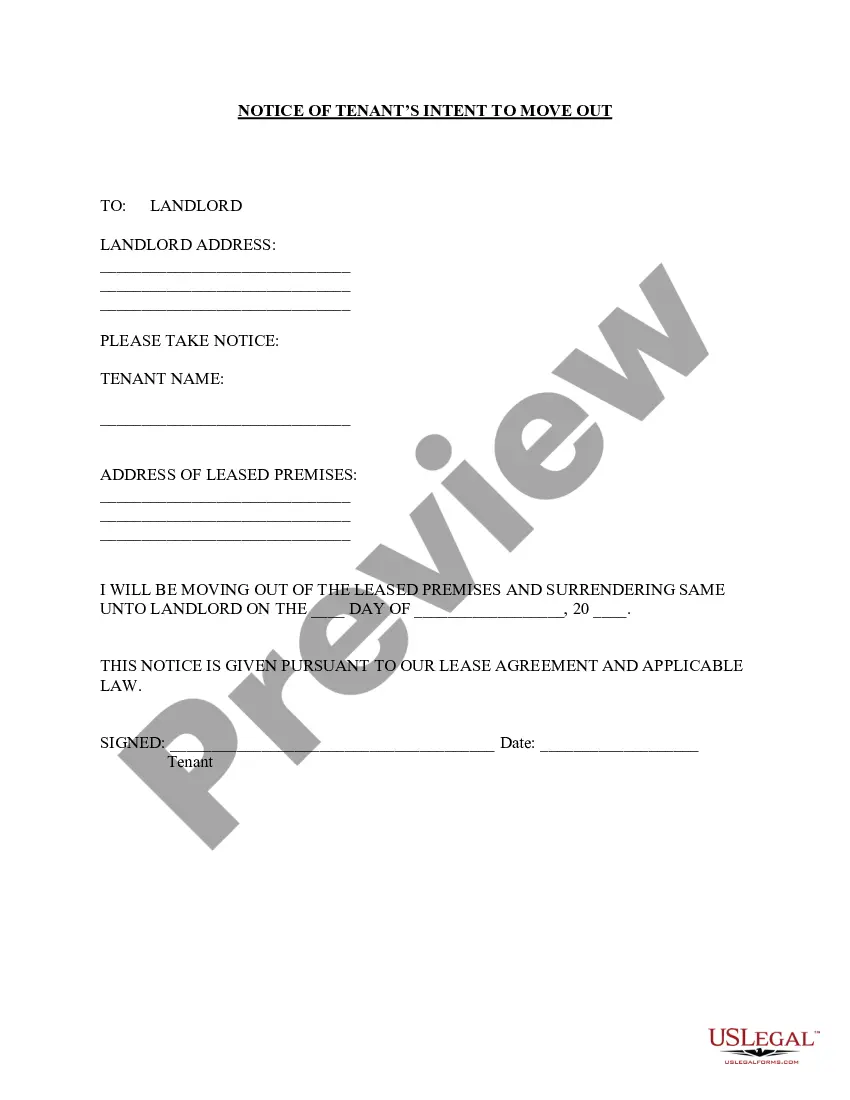
Notice Terminate Lease Tenant Without Notice
Description
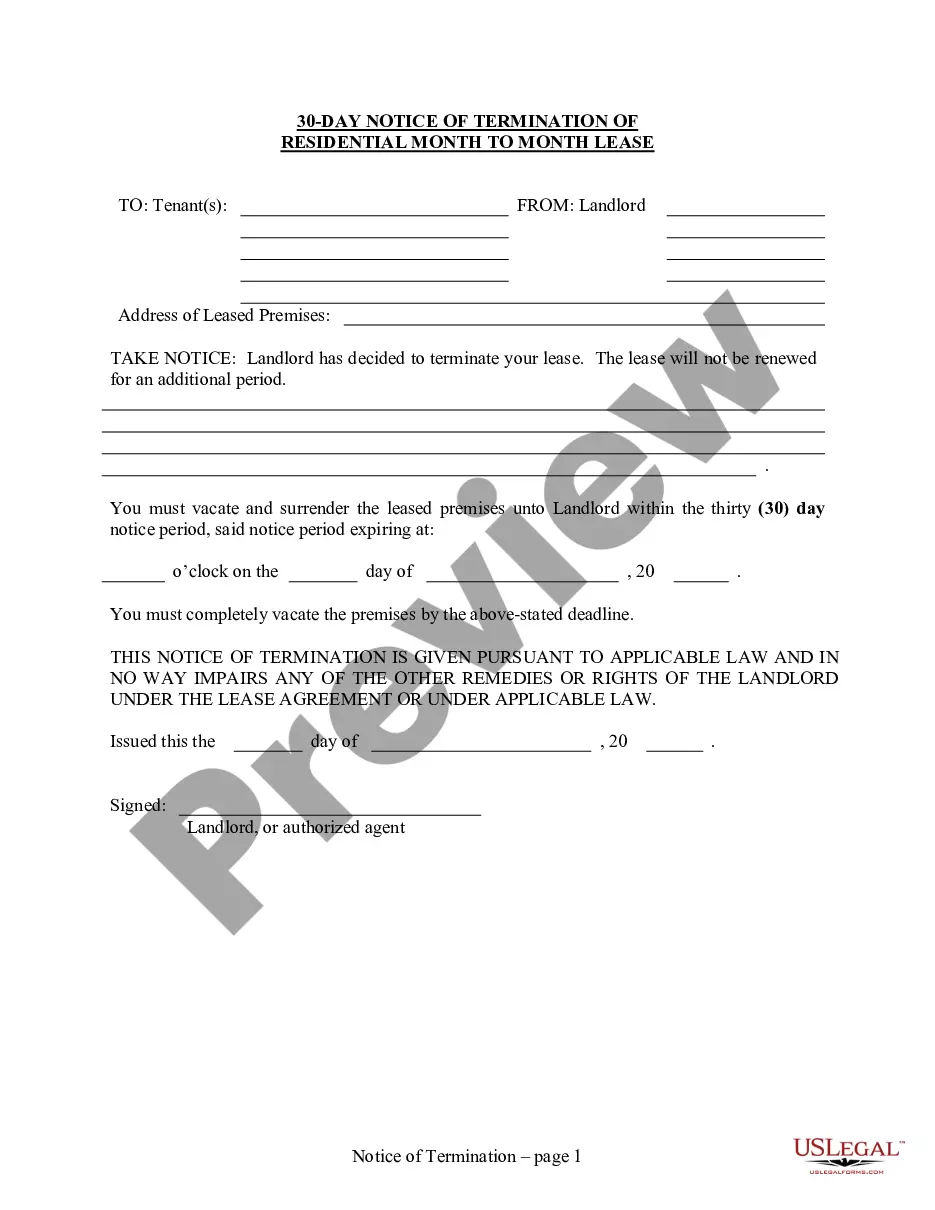
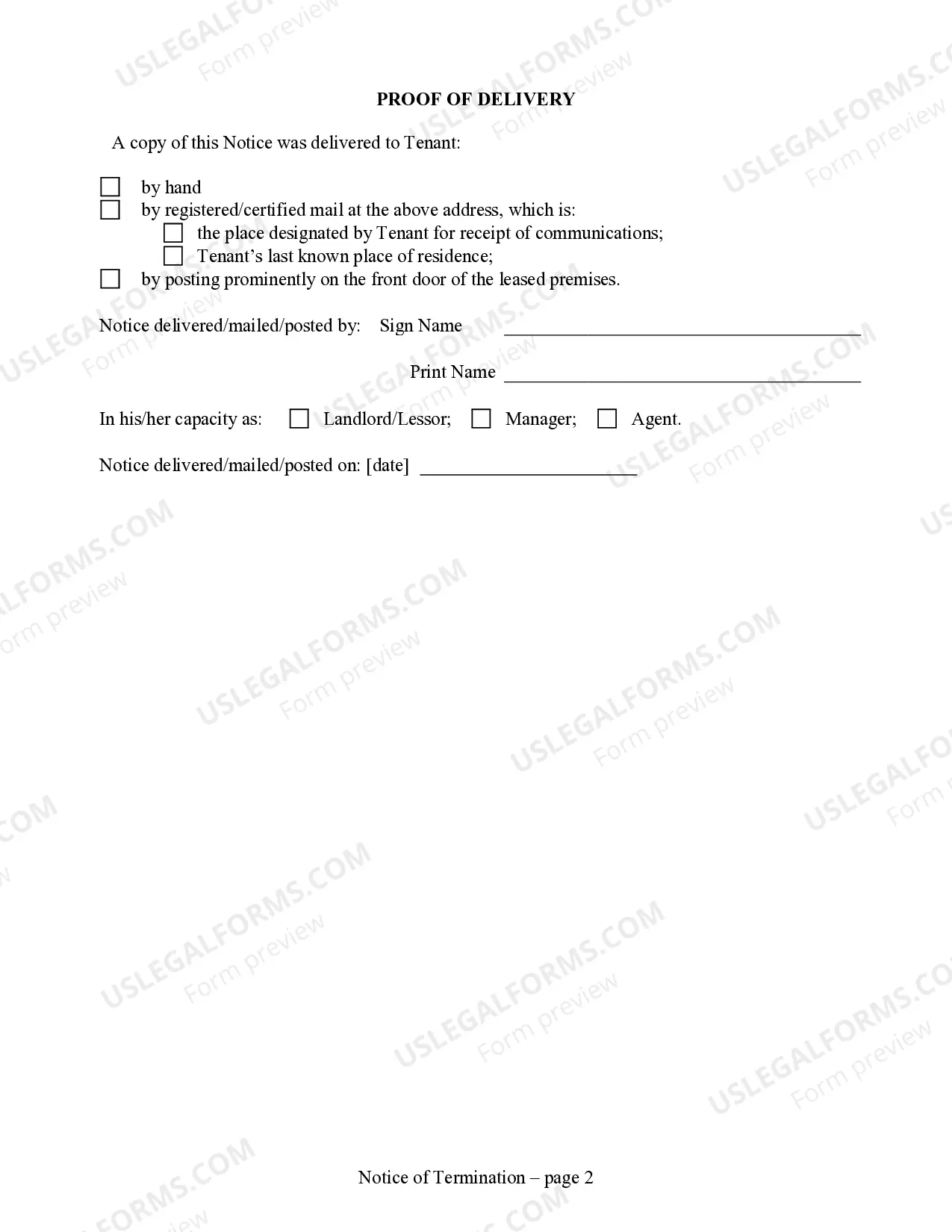
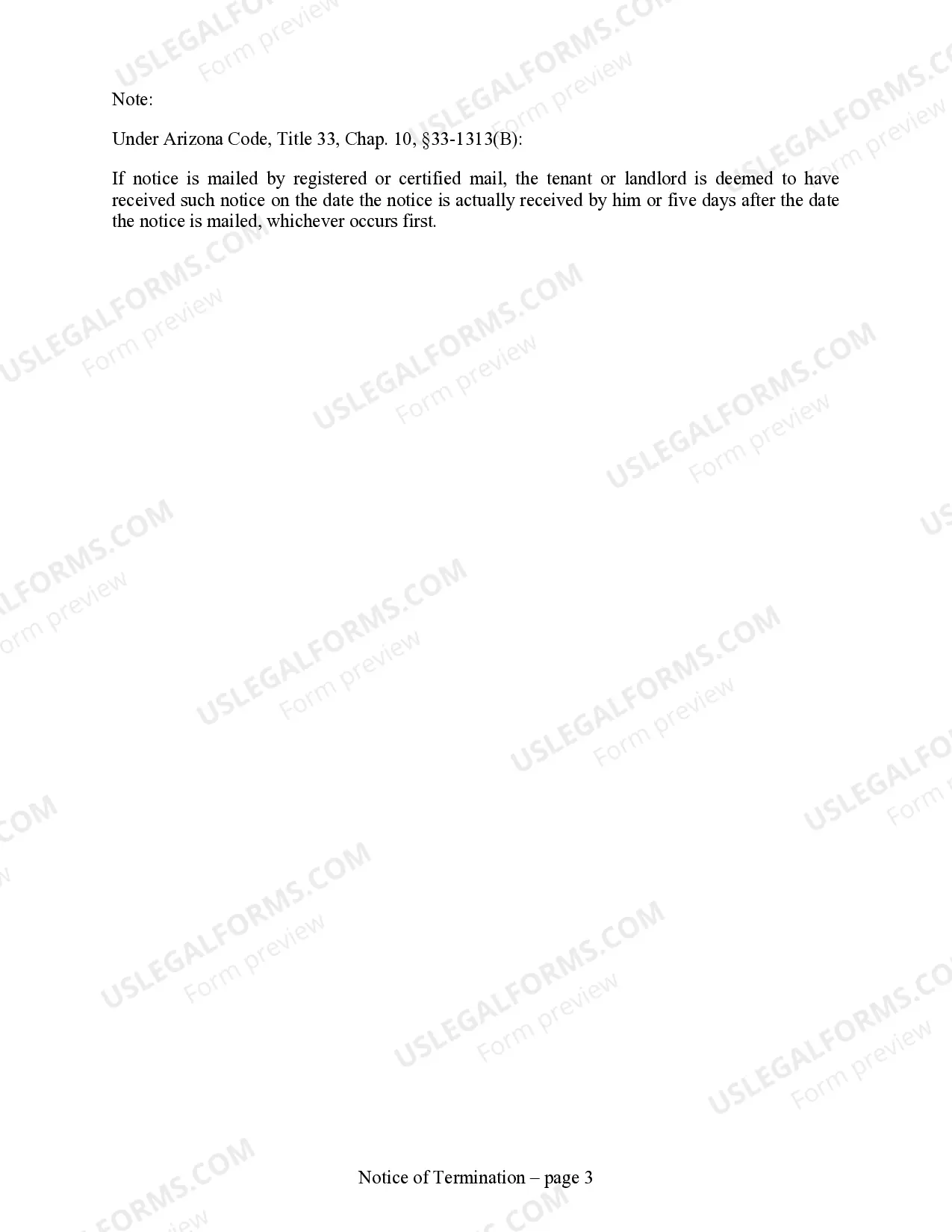
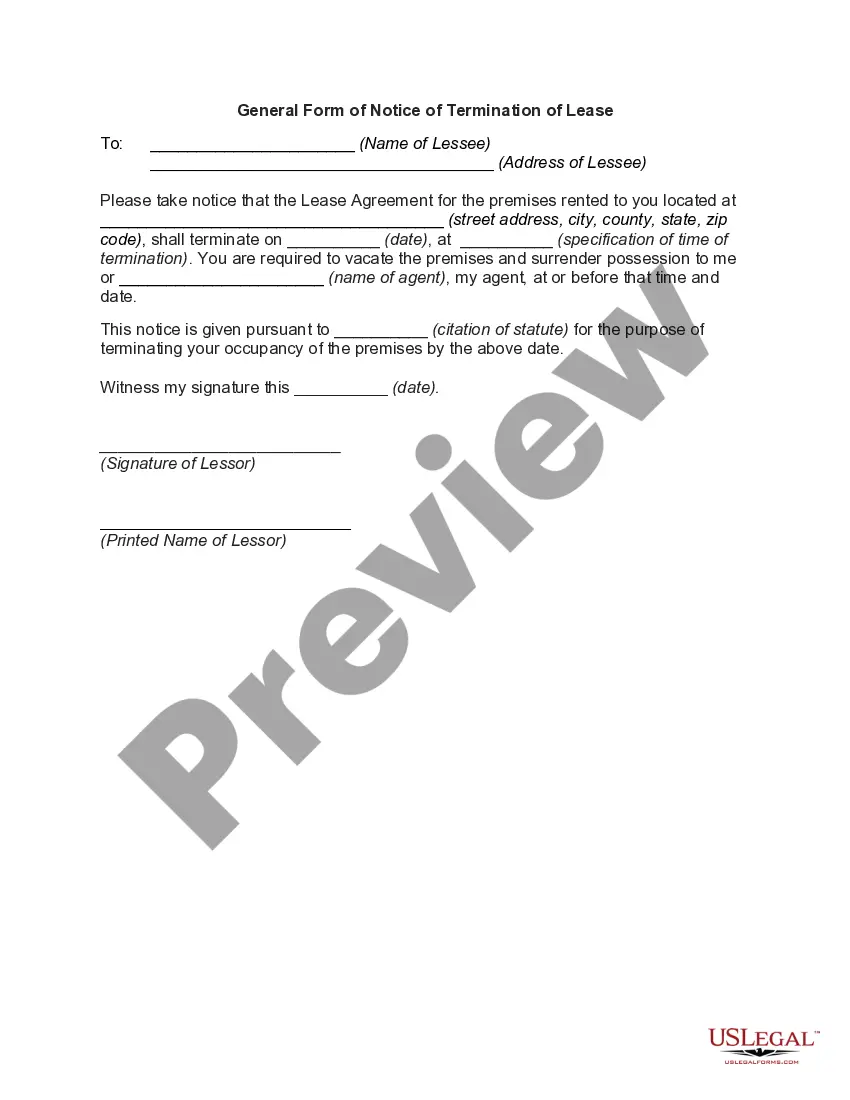

Get your form ready online
Our built-in tools help you complete, sign, share, and store your documents in one place.
Make edits, fill in missing information, and update formatting in US Legal Forms—just like you would in MS Word.
Download a copy, print it, send it by email, or mail it via USPS—whatever works best for your next step.
Sign and collect signatures with our SignNow integration. Send to multiple recipients, set reminders, and more. Go Premium to unlock E-Sign.
If this form requires notarization, complete it online through a secure video call—no need to meet a notary in person or wait for an appointment.
We protect your documents and personal data by following strict security and privacy standards.

Make edits, fill in missing information, and update formatting in US Legal Forms—just like you would in MS Word.

Download a copy, print it, send it by email, or mail it via USPS—whatever works best for your next step.

Sign and collect signatures with our SignNow integration. Send to multiple recipients, set reminders, and more. Go Premium to unlock E-Sign.

If this form requires notarization, complete it online through a secure video call—no need to meet a notary in person or wait for an appointment.

We protect your documents and personal data by following strict security and privacy standards.
Looking for another form?



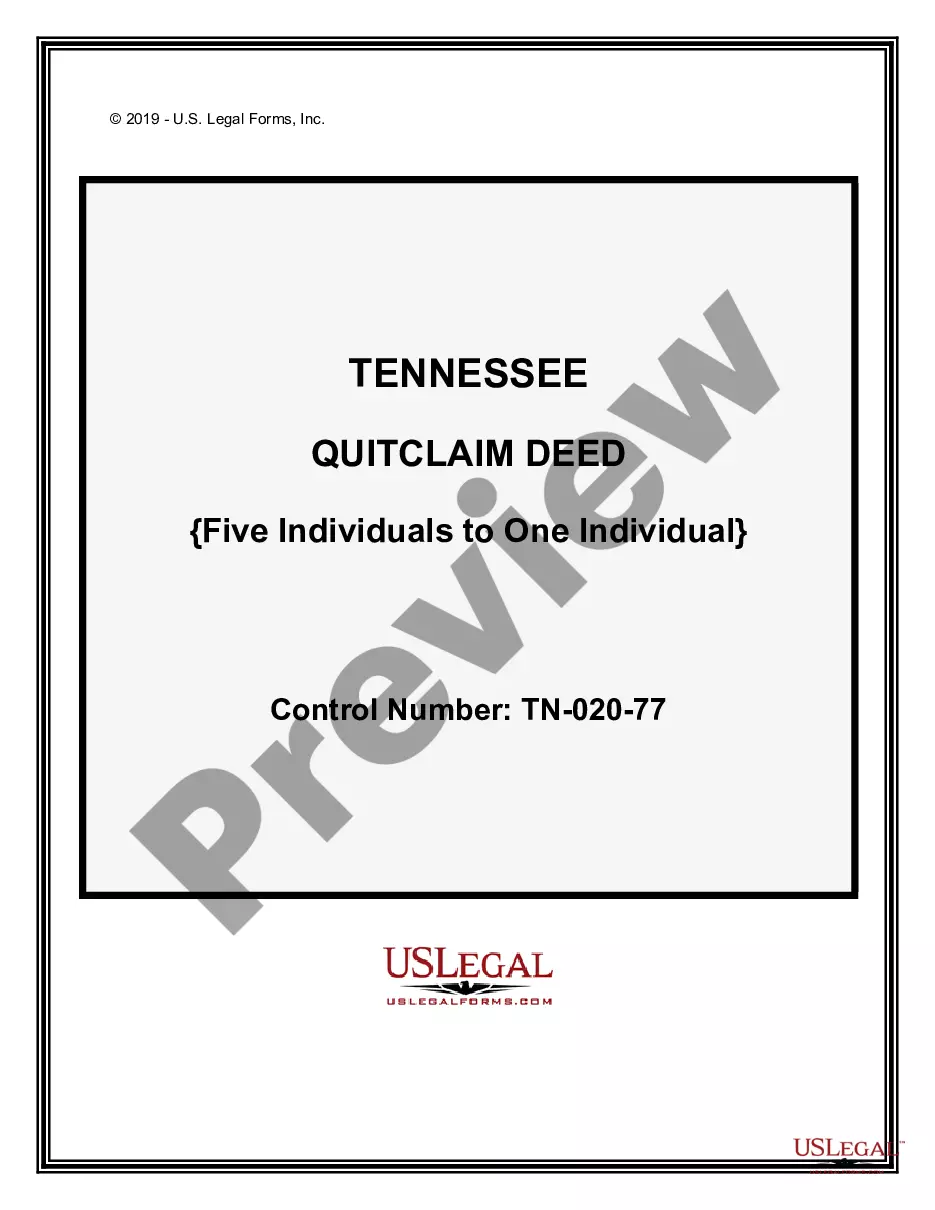



How to fill out Arizona 30 Day Notice To Terminate Month To Month Lease - Residential From Landlord To Tenant?
Whether for professional needs or personal matters, everyone must handle legal situations at some stage in their life.
Filling out legal documents requires meticulous attention, starting from choosing the appropriate form template.
With a vast US Legal Forms catalog available, you don’t have to waste time searching for the right template on the web. Utilize the library’s straightforward navigation to find the suitable form for any situation.
- For instance, if you select an incorrect version of a Notice Terminate Lease Tenant Without Notice, it will be denied when submitted.
- Thus, it is crucial to obtain a reliable source of legal documents like US Legal Forms.
- If you need to acquire a Notice Terminate Lease Tenant Without Notice template, follow these straightforward steps.
- Retrieve the template you require using the search bar or catalog navigation.
- Review the form’s description to ensure it aligns with your situation, state, and region.
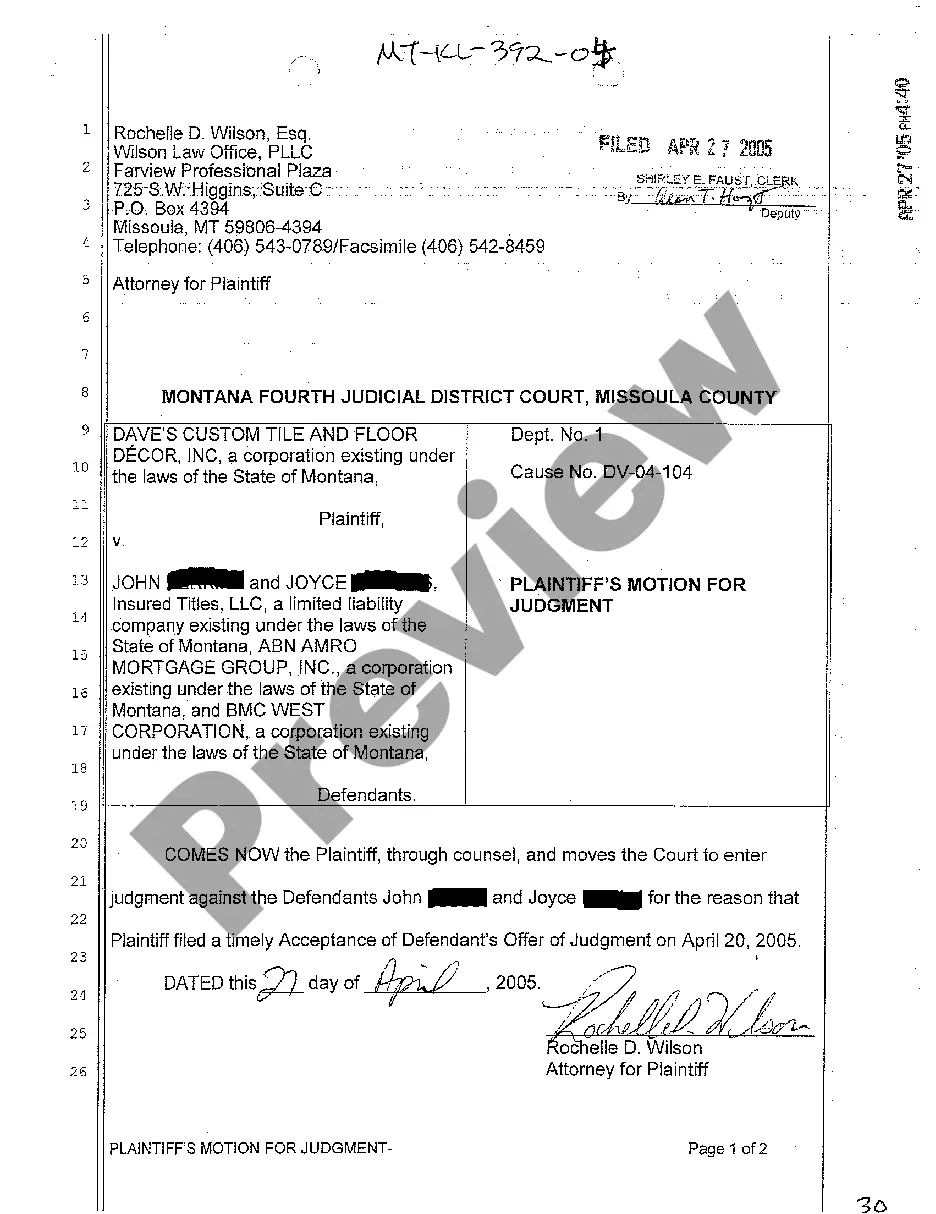
- Click on the form’s preview to examine it.
- If it is not the correct document, return to the search function to locate the Notice Terminate Lease Tenant Without Notice template you require.
- Download the file when it meets your specifications.
- If you already possess a US Legal Forms account, simply click Log in to access previously saved documents in My documents.
- If you do not have an account yet, you may acquire the form by clicking Buy now.
- Select the appropriate pricing option.
- Complete the profile registration form.
- Choose your payment method: you can utilize a credit card or PayPal account.
- Select the document format you prefer and download the Notice Terminate Lease Tenant Without Notice.
- Once it is saved, you can fill out the form using editing software or print it and complete it by hand.
Form popularity
FAQ
If a tenant refuses to move out, the landlord must follow legal eviction procedures. This may involve providing formal notices and possibly going to court if the tenant does not comply. It is crucial to adhere to state laws to avoid complications. For legal forms and step-by-step guidance, consider using uslegalforms to ensure you approach the situation correctly.
Yes, a tenant can leave without notice, but this action can have repercussions. They may face penalties outlined in the lease agreement, which can include losing their security deposit or being pursued for unpaid rent. It's advisable for tenants to communicate with their landlord to minimize potential issues. Uslegalforms can provide valuable insights on how to proceed in such situations.
If a tenant does not provide a 30-day notice, they may be held responsible for rent for the remaining period. This lack of notice can lead to financial implications, including deductions from the security deposit. It's important to understand the lease terms to avoid unexpected costs. For assistance, uslegalforms offers resources to help you understand your rights and options.
If a tenant moves out without notice, the landlord should first document the situation thoroughly. This includes taking photos of the property and noting any damages. Then, review the lease agreement for guidance on handling such cases. Utilizing platforms like uslegalforms can provide you with necessary legal forms and advice tailored to your situation.
When tenants don’t give notice of leaving, they may face legal and financial consequences. Most leases require a notice period, and failing to comply can result in loss of the security deposit or additional fees. It’s essential for tenants to communicate with their landlord to understand their obligations. Resources like uslegalforms can guide you in navigating these challenges.
Yes, a landlord can terminate your lease without notice under specific circumstances. For instance, if there is a significant violation of lease terms or illegal activity on the property, a landlord may act swiftly. However, most landlords will still prefer to follow legal procedures to avoid disputes. If you find yourself facing this situation, understanding your rights is crucial.
Filling out a notice to terminate a tenancy involves providing accurate and relevant information such as the tenant's name, address, and the termination date. Follow any state-specific guidelines to ensure compliance with local laws. Utilizing resources like USLegalForms can simplify this process, making it easier to navigate the requirements of a notice to terminate lease tenant without notice.
In a lease termination letter to a tenant, start by addressing the tenant formally and stating the decision to terminate the lease. Include the specific date the lease will end and any pertinent details about the return of keys or cleaning requirements. A well-crafted letter is crucial for legal purposes and should clearly communicate the need for the tenant to vacate, especially when considering a notice to terminate lease tenant without notice.
Writing a notice to terminate a tenancy involves stating your intention to end the lease agreement in a formal manner. Begin with your details and those of the tenant, followed by the termination date and reasons, if applicable. A clear and concise notice is essential to uphold your rights and responsibilities, particularly when issuing a notice to terminate lease tenant without notice.
When crafting a notice to end a tenancy, ensure you include the date the notice is issued and the termination date. Clearly outline the reasons for ending the tenancy and provide any necessary instructions for the tenant’s move-out process. This clarity helps both parties understand their obligations and can prevent misunderstandings, especially in cases involving a notice to terminate lease tenant without notice.