Tenant Rights Without Contract
Description
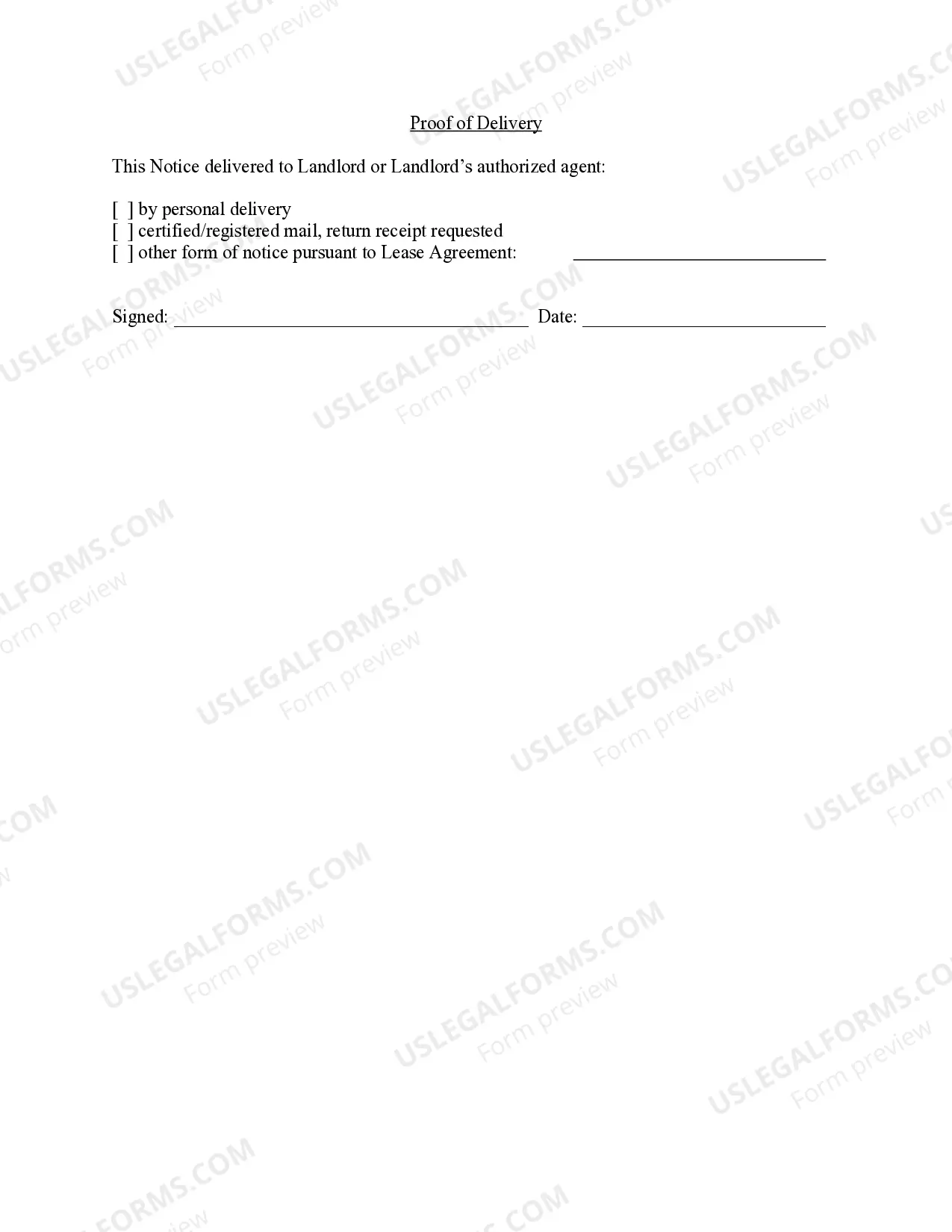


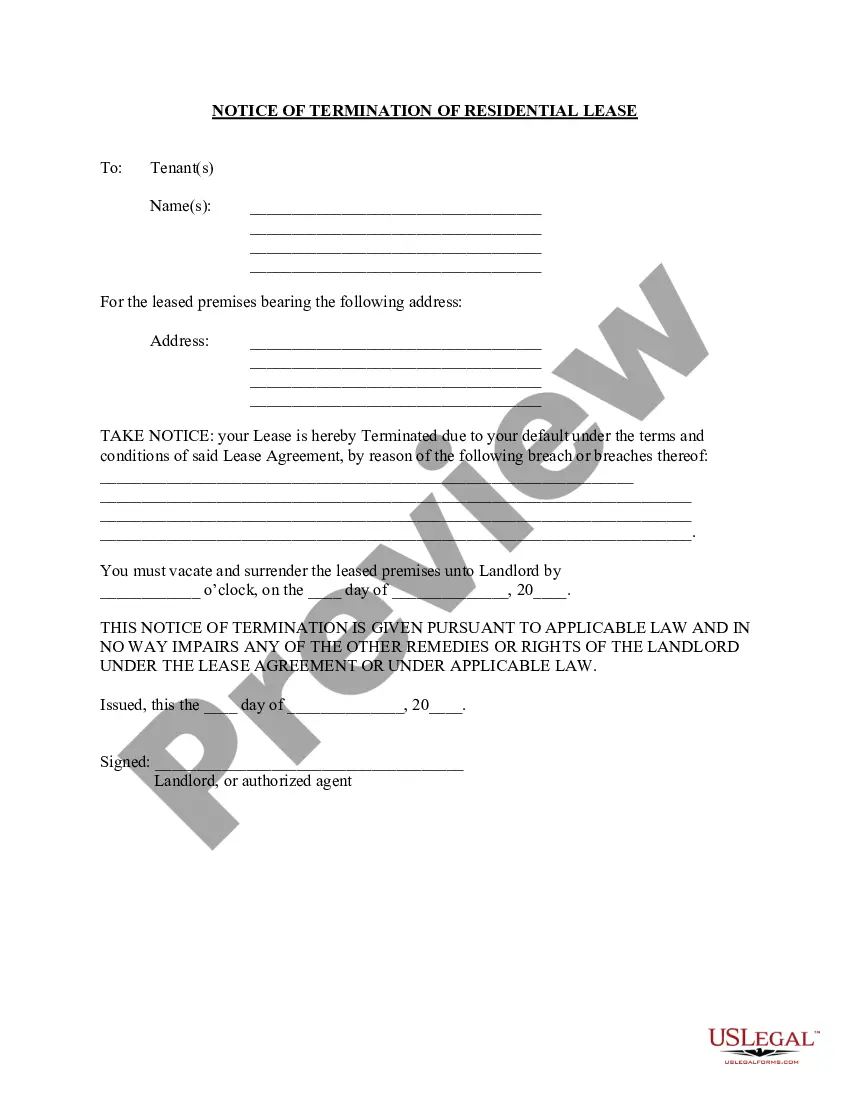
Get your form ready online
Our built-in tools help you complete, sign, share, and store your documents in one place.
Make edits, fill in missing information, and update formatting in US Legal Forms—just like you would in MS Word.
Download a copy, print it, send it by email, or mail it via USPS—whatever works best for your next step.
Sign and collect signatures with our SignNow integration. Send to multiple recipients, set reminders, and more. Go Premium to unlock E-Sign.
If this form requires notarization, complete it online through a secure video call—no need to meet a notary in person or wait for an appointment.
We protect your documents and personal data by following strict security and privacy standards.

Make edits, fill in missing information, and update formatting in US Legal Forms—just like you would in MS Word.

Download a copy, print it, send it by email, or mail it via USPS—whatever works best for your next step.

Sign and collect signatures with our SignNow integration. Send to multiple recipients, set reminders, and more. Go Premium to unlock E-Sign.

If this form requires notarization, complete it online through a secure video call—no need to meet a notary in person or wait for an appointment.

We protect your documents and personal data by following strict security and privacy standards.
Looking for another form?
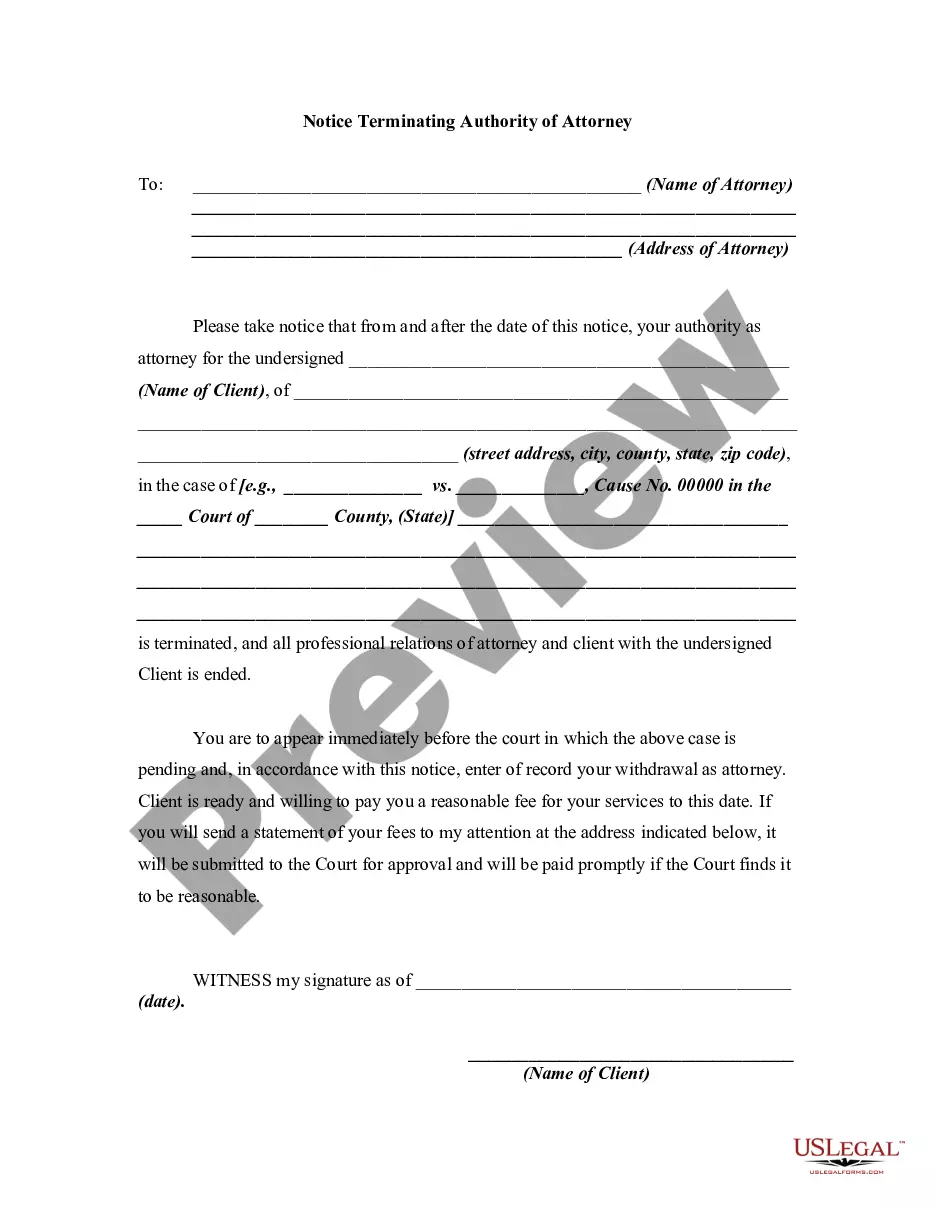








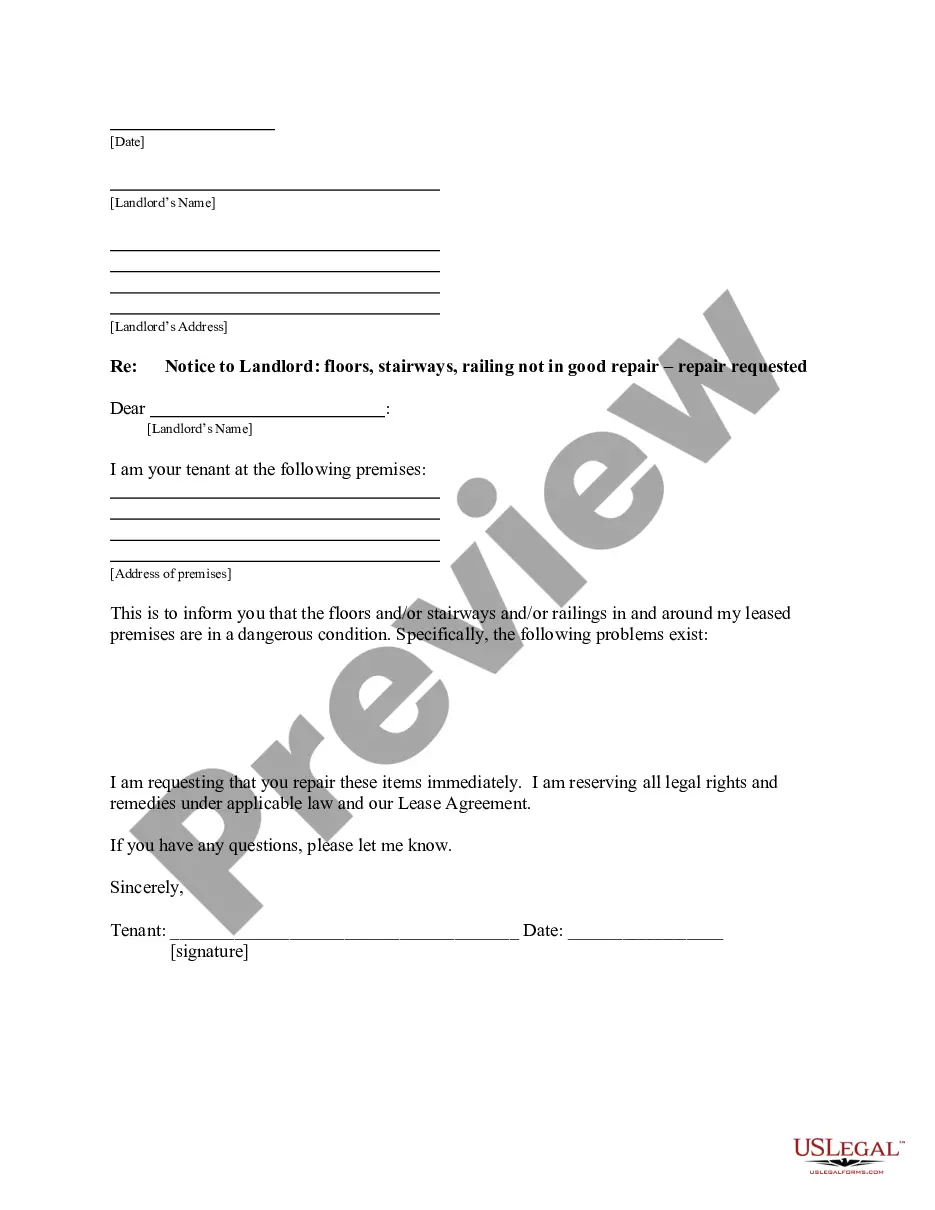
How to fill out Arizona Letter From Tenant To Landlord With Demand That Landlord Repair Floors, Stairs Or Railings?
Individuals frequently link legal documentation with something complex that only an expert can handle.
In some respects, this is accurate, as creating Tenant Rights Without Contract necessitates considerable knowledge of the subject matter, including state and local laws.
Nonetheless, with US Legal Forms, the process has become more straightforward: pre-designed legal templates for any personal and business circumstance tailored to state regulations are gathered in a single online repository and are currently available to everyone.
All templates within our library are reusable: once purchased, they are saved in your profile. You can access them whenever required through the My documents tab. Discover all the advantages of utilizing the US Legal Forms platform. Subscribe now!
- US Legal Forms provides over 85k current forms categorized by state and field of application, making the search for Tenant Rights Without Contract or any other specific template quick and efficient.
- Previously registered users with an active subscription are required to Log In to their accounts and click Download to retrieve the form.
- New users on the platform must first establish an account and subscribe before being able to save any documentation.
- Here’s a step-by-step guide on how to obtain the Tenant Rights Without Contract.
- Review the page content thoroughly to ensure it meets your requirements.
- Examine the form description or view it through the Preview option.
- Find another sample using the Search field above if the prior one does not meet your needs.
- Hit Buy Now once you encounter the appropriate Tenant Rights Without Contract.
- Choose a subscription plan that aligns with your needs and budget.
- Create an account or Log In to continue to the payment page.
- Complete your payment for the subscription with PayPal or via credit card.
- Choose the format for your document and click Download.
- Print your document or upload it to an online editor for a faster fill-out.
Form popularity
FAQ
In Virginia, a landlord can still initiate an eviction even if there is no formal lease. However, they must follow the legal process, which includes providing notice. As a tenant, it’s important to know your rights in such situations and understand the tenant rights without contract that can protect you from wrongful eviction.
No, a lease does not necessarily have to be signed in person. Many landlords allow electronic signatures, which are legally valid in most jurisdictions. Ensuring you understand your tenant rights without contract can help you navigate the process more smoothly when signing remotely.
If you never signed a lease, a landlord may still assert some rights, but so do you. Typically, the law may recognize your occupancy as a tenancy, granting you certain tenant rights without contract. It is crucial to understand those rights to protect yourself from potential disputes.
Yes, a handwritten lease agreement can be legally binding as long as it includes all essential terms and both parties intend to enter into a contract. The key is to ensure that it is clear and comprehensive. If you have questions about your tenant rights without contract, consider consulting resources that clarify the terms.
An unsigned lease can be a tricky situation. Generally, a lease needs a signature to be enforceable, but some courts may uphold verbal agreements or implied leases based on the circumstances. It’s wise to seek legal advice, as understanding your tenant rights without contract can help navigate these complexities.
Even without a lease, a landlord still has rights concerning their property. This includes the right to enter the property for maintenance or emergency purposes, as well as the right to receive rent. However, it is essential to understand that tenant rights without contract also exist, protecting tenants from unlawful eviction and ensuring basic living conditions.
Yes, a landlord can sue a tenant even if there is no formal lease agreement in place. In such cases, tenant rights without contract still exist, as some protections apply to both parties under rental laws. For instance, the landlord may claim unpaid rent or damages, while the tenant can assert their rights regarding safety and habitability. It is crucial for tenants to understand their rights, as the absence of a written lease does not eliminate these protections.
The new law for renters in Maryland aims to enhance tenant rights without a contract, focusing on eviction protections and ensuring access to affordable housing. This legislation empowers tenants by simplifying the process for addressing landlords who violate tenant laws. Staying informed about these changes can help you understand your rights and advocate for yourself as a renter.
Without a tenancy agreement, your rights as a tenant can vary significantly. You may still have protections under local laws, but the lack of a written document can create uncertainty about your responsibilities and rights. Whenever possible, seek to establish a written agreement to ensure clarity and security.
If your landlord never provided a lease, you still hold tenant rights without a contract. Many jurisdictions recognize tenants' rights based on rental payment and occupancy. However, obtaining a written lease can clarify your obligations and rights, so consider discussing this with your landlord.
