Life Estate Language For Deed
Description
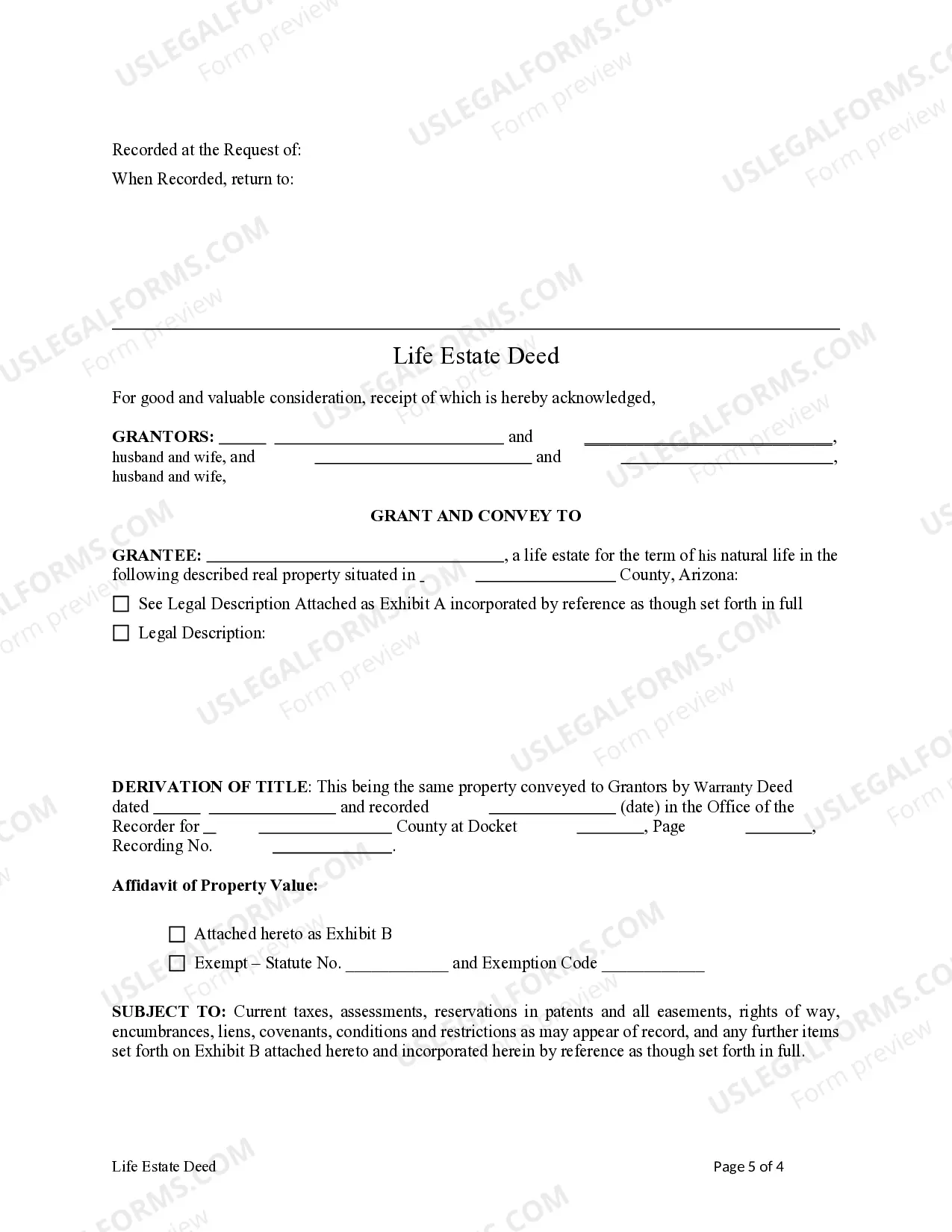
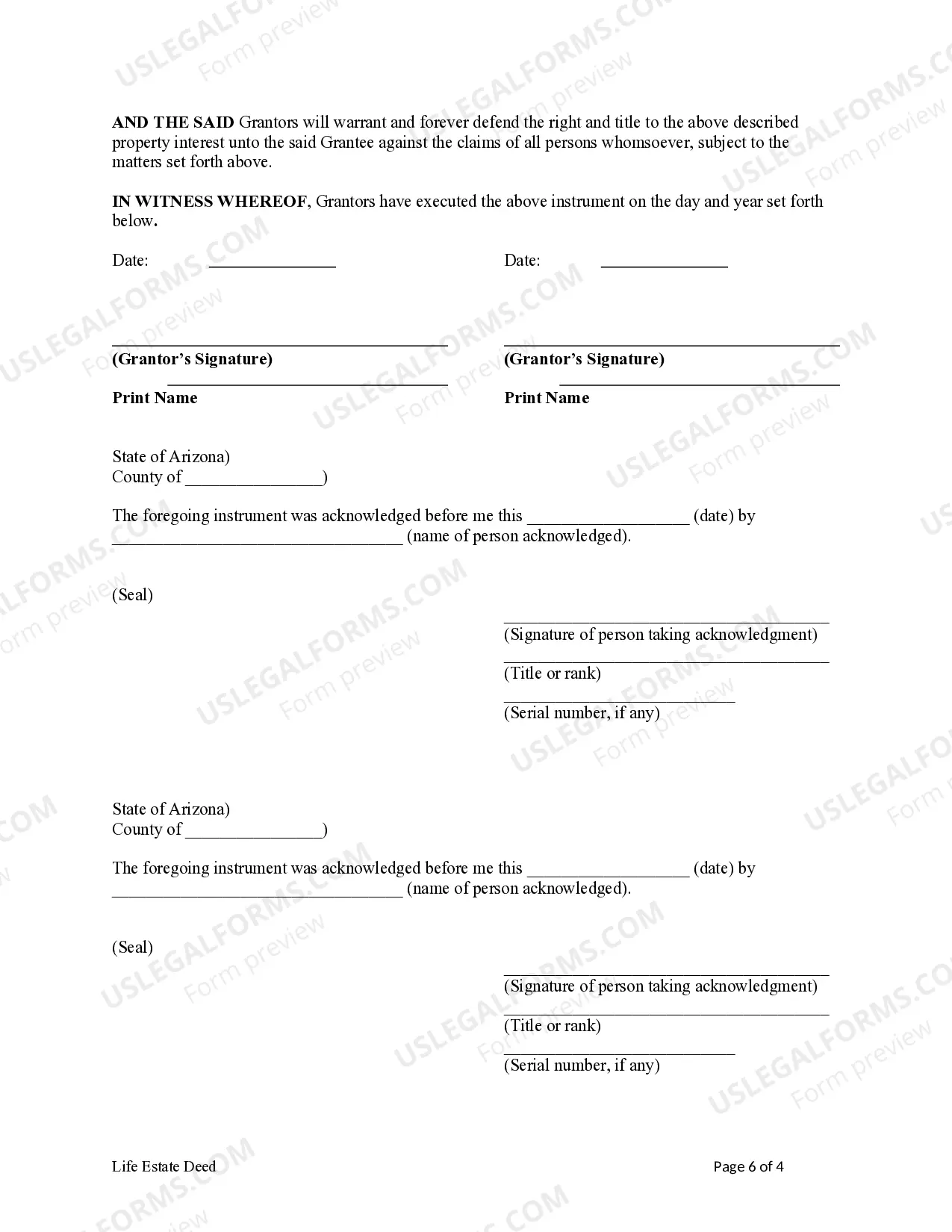
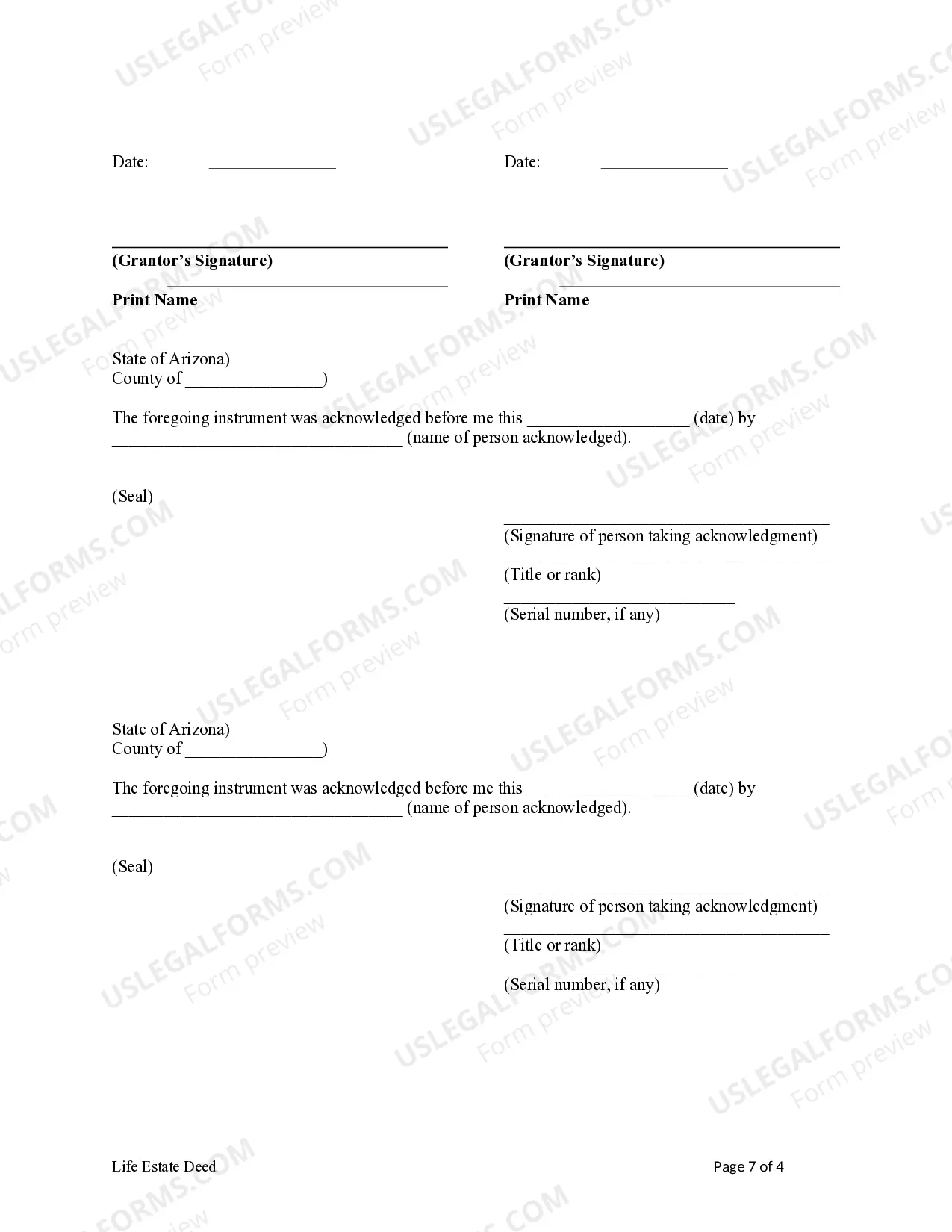
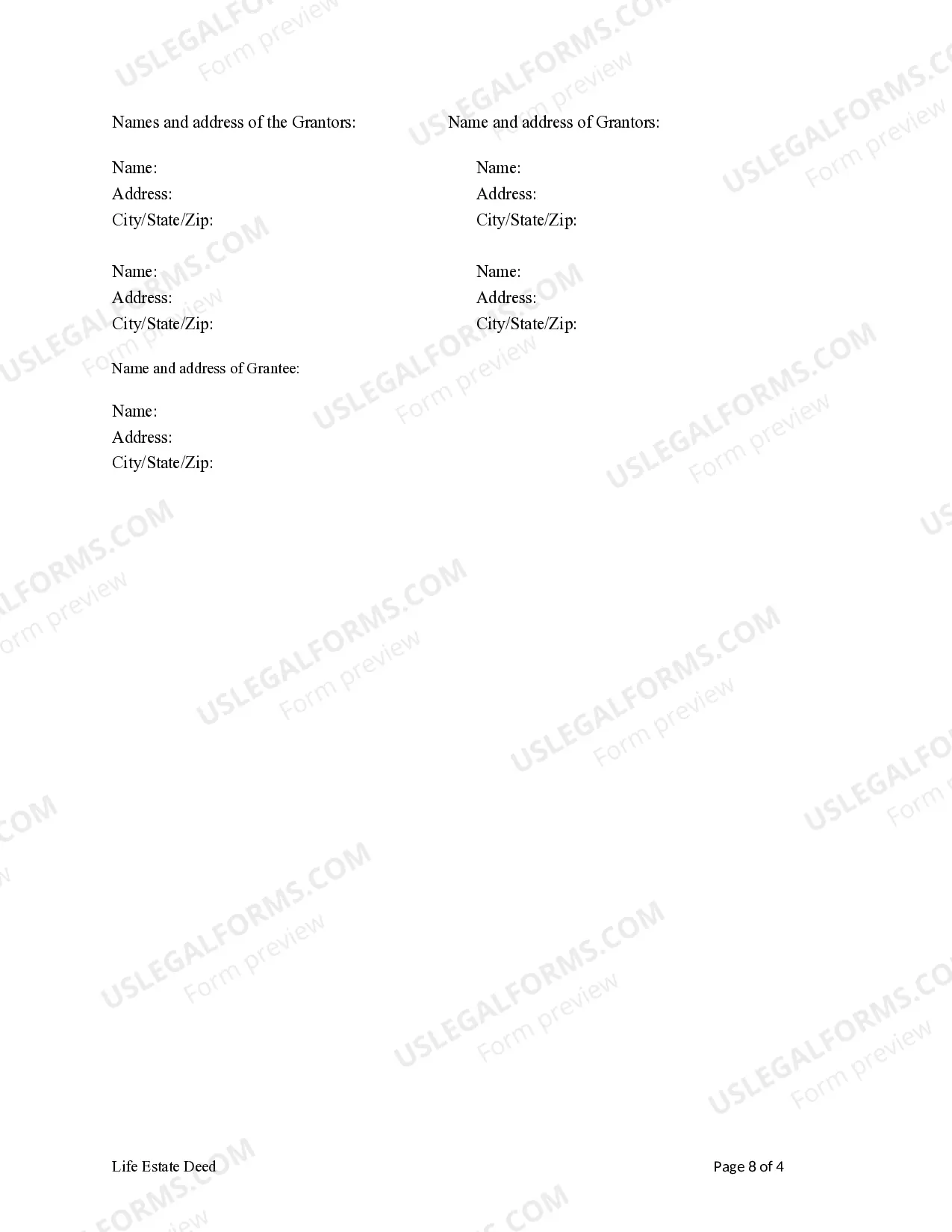
Get your form ready online
Our built-in tools help you complete, sign, share, and store your documents in one place.
Make edits, fill in missing information, and update formatting in US Legal Forms—just like you would in MS Word.
Download a copy, print it, send it by email, or mail it via USPS—whatever works best for your next step.
Sign and collect signatures with our SignNow integration. Send to multiple recipients, set reminders, and more. Go Premium to unlock E-Sign.
If this form requires notarization, complete it online through a secure video call—no need to meet a notary in person or wait for an appointment.
We protect your documents and personal data by following strict security and privacy standards.

Make edits, fill in missing information, and update formatting in US Legal Forms—just like you would in MS Word.

Download a copy, print it, send it by email, or mail it via USPS—whatever works best for your next step.

Sign and collect signatures with our SignNow integration. Send to multiple recipients, set reminders, and more. Go Premium to unlock E-Sign.

If this form requires notarization, complete it online through a secure video call—no need to meet a notary in person or wait for an appointment.

We protect your documents and personal data by following strict security and privacy standards.
Looking for another form?
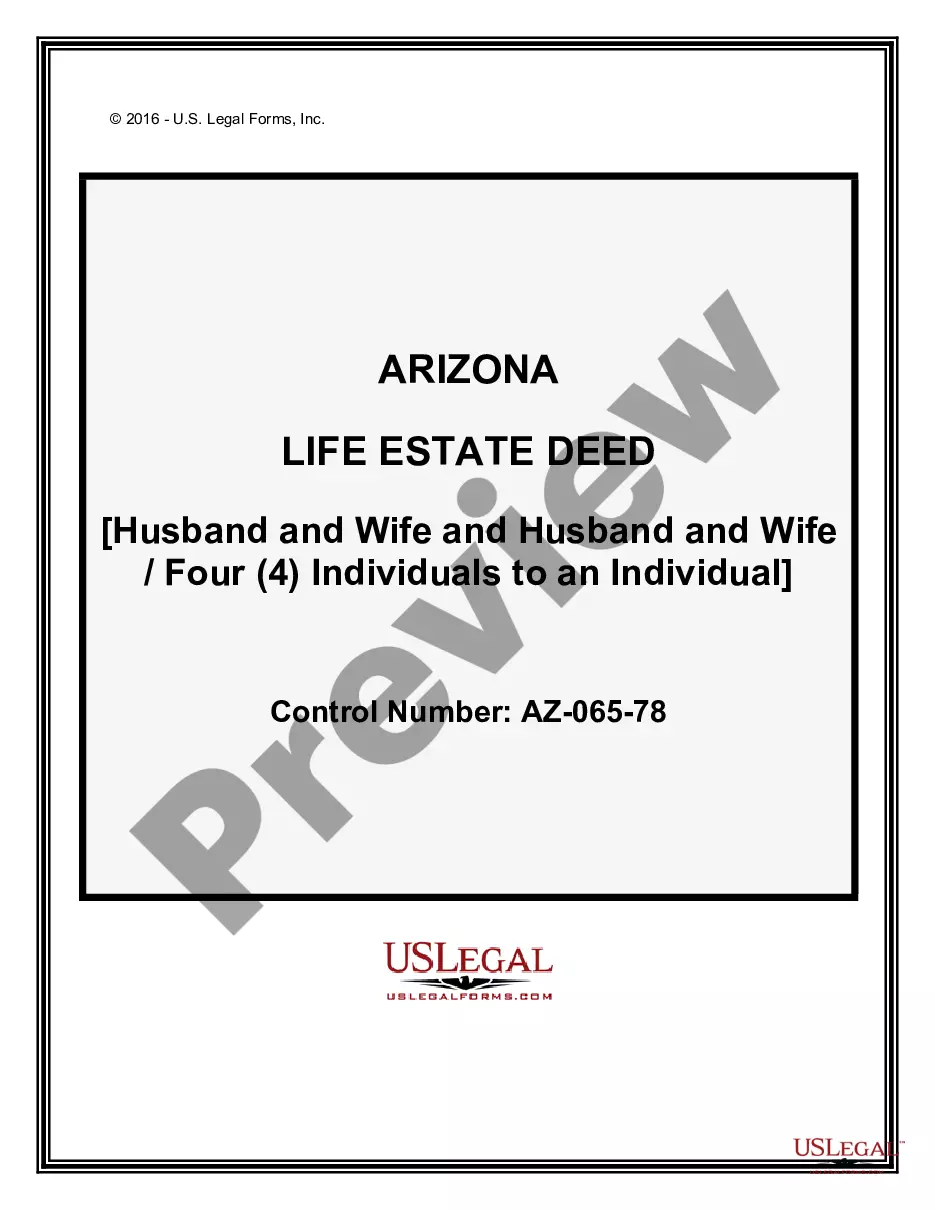
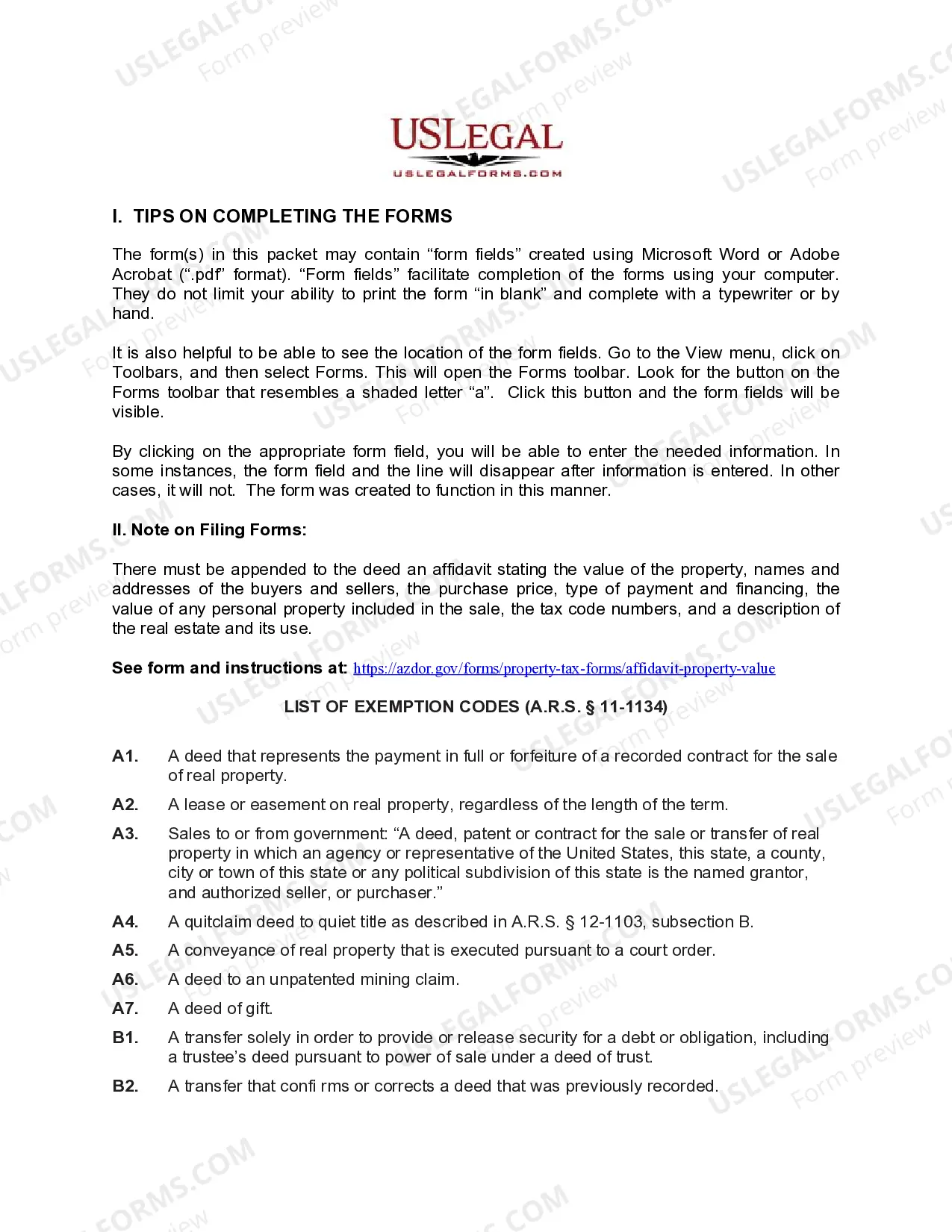
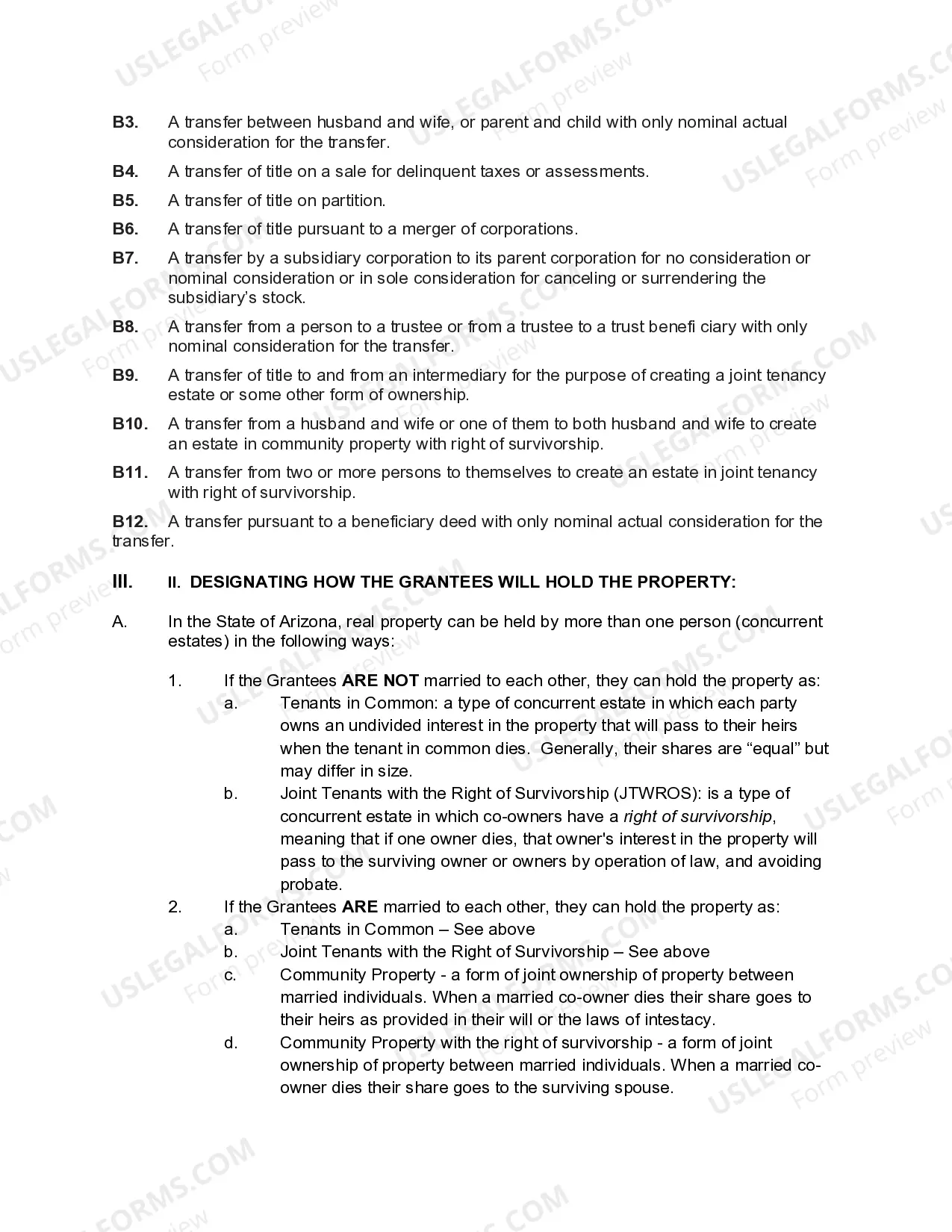
How to fill out Arizona Life Estate Deed From Two Married Couples To An Individual?
- If you are a returning user, simply log in to your account and download your required form template. Ensure your subscription is valid, and renew it if necessary.
- For first-time users, start by checking the Preview mode for your desired form. Confirm it meets your requirements and complies with your local jurisdiction.
- If you need a different template, use the Search function at the top of the page to locate the right form.
- Once you've identified the correct document, proceed to purchase it by clicking the Buy Now button. Choose your preferred subscription plan and create an account for access.
- Complete your purchase by providing credit card information or using PayPal for payment.
- Finally, download your form directly to your device. You can always access it later in the My Forms section of your profile.
In conclusion, US Legal Forms empowers users with a wealth of resources to create legally sound documents effortlessly. Their extensive library of over 85,000 forms, combined with premium expert access, ensures you receive the assistance needed for precise documentation.
Start your journey towards hassle-free legal document creation by visiting US Legal Forms today!
Form popularity
FAQ
Yes, you can prepare a deed yourself if you understand the legal requirements and terminology involved. Using clear and precise life estate language for deed is essential to ensure your intentions are reflected accurately. For ease and accuracy, consider utilizing resources like US Legal Forms to guide you in completing the deed properly.
A deed example typically shows the necessary elements to transfer property ownership, including the title, date, and both parties' information. A life estate language for deed will specify that the grantee receives the property while the grantor retains specific rights until their death. This provides clarity and prevents potential legal issues.
In New Jersey, it is not a legal requirement to hire an attorney to prepare a deed. However, since using life estate language for deed requires accurate terminology and understanding of state laws, many choose to consult a legal professional for peace of mind. Using a service like US Legal Forms can also ensure you have the correct language and format.
To write a real estate deed, you need to include essential components such as the names of the parties involved, a description of the property, and the life estate language for deed. Begin by drafting the opening statement that identifies the grantor and grantee. Then, add clear and accurate property details to prevent any future disputes.
The language for the life estate deed must clearly stipulate the intent of the grantor, such as, 'This property is granted to Jane Doe for her lifetime, after which it shall pass to John Doe.' This statement illustrates the life estate while also specifying the remainder interest. Using concise life estate language for deed is essential to ensure everyone understands their rights and obligations.
A life estate can be created through a deed, a will, or an agreement between parties. The most common method is through a deed, which explicitly outlines the life estate provisions. It is vital to incorporate accurate life estate language for deed in any of these scenarios to ensure clarity and legal recognition.
To create a life estate, use clear and specific words such as 'grant,' 'convey,' and 'for the duration of life.' Phrases like 'to Jane Doe for her lifetime' effectively clarify the rights granted. Ensuring these terminologies are included in the life estate language for deed strengthens the legal standing of the document.
The terms of a life estate generally allow the life tenant to occupy and use the property during their lifetime. Upon the death of the life tenant, the property automatically transfers to the designated remainderman without the need for probate. Using proper life estate language for deed is essential to outline these terms clearly and avoid disputes.
To create a life estate, the language should specify the grantor's intentions clearly. For example, stating 'I convey this property to Jane Doe for her lifetime' effectively communicates the establishment of the life estate. It's important to use precise life estate language for deed to prevent any ambiguity regarding the rights and responsibilities of the tenants.
To establish a life estate, you typically need a deed that incorporates the required life estate language for deed. This deed should clearly outline the terms of the life estate and any remainder interests. Additionally, it may be beneficial to have a title report or survey to confirm property boundaries, ensuring a smooth transition for all involved.