Tod Beneficiary
Description



Get your form ready online
Our built-in tools help you complete, sign, share, and store your documents in one place.
Make edits, fill in missing information, and update formatting in US Legal Forms—just like you would in MS Word.
Download a copy, print it, send it by email, or mail it via USPS—whatever works best for your next step.
Sign and collect signatures with our SignNow integration. Send to multiple recipients, set reminders, and more. Go Premium to unlock E-Sign.
If this form requires notarization, complete it online through a secure video call—no need to meet a notary in person or wait for an appointment.
We protect your documents and personal data by following strict security and privacy standards.

Make edits, fill in missing information, and update formatting in US Legal Forms—just like you would in MS Word.

Download a copy, print it, send it by email, or mail it via USPS—whatever works best for your next step.

Sign and collect signatures with our SignNow integration. Send to multiple recipients, set reminders, and more. Go Premium to unlock E-Sign.

If this form requires notarization, complete it online through a secure video call—no need to meet a notary in person or wait for an appointment.

We protect your documents and personal data by following strict security and privacy standards.
Looking for another form?

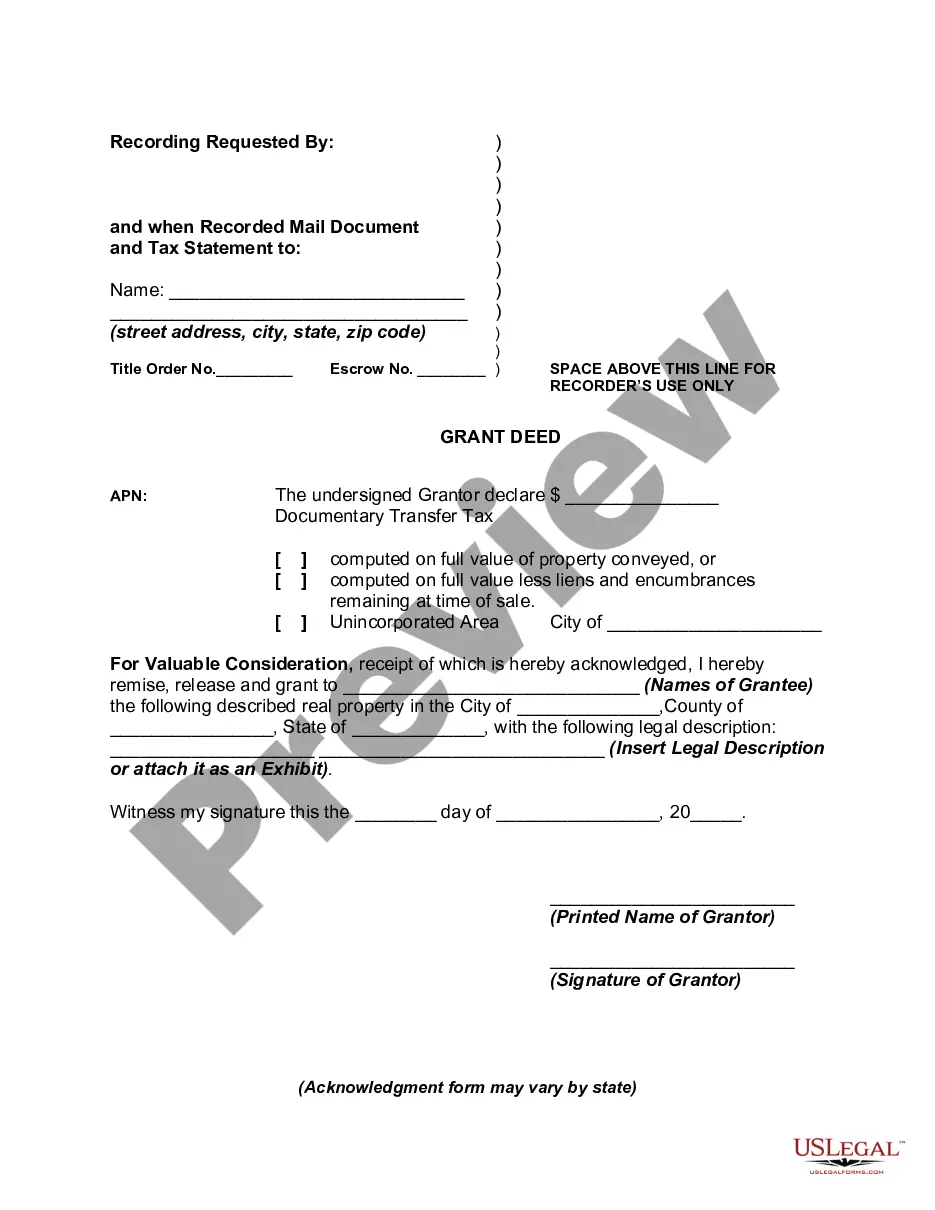




How to fill out Arizona Transfer On Death Or TOD - Beneficiary Deed - Individual Grantor To Three Individuals?
- Visit the US Legal Forms website and log in to your account, or create a new account if you’re a first-time user.
- Browse or search for the Tod beneficiary form that suits your needs, making sure it aligns with your local requirements.
- If necessary, refine your search using the Search tab to find the correct form.
- Select the form and click the 'Buy Now' button to choose your preferred subscription plan.
- Complete your purchase by entering payment details using a credit card or PayPal.
- Download your completed form directly to your device for easy access and completion.
With US Legal Forms, you can confidently create legal documents with precision. Their robust platform not only saves you time but also ensures that your forms reflect the latest legal standards.
Don’t wait—visit US Legal Forms today and empower yourself to take control of your legal needs!
Form popularity
FAQ
Inheritance from a transfer on death beneficiary may indeed be subject to taxes, depending on the applicable state and federal laws. Your beneficiaries should be prepared for potential tax implications. To ensure a smooth transition of assets, it is wise to educate them about these responsibilities. The US Legal Forms platform offers resources to help you understand the implications of TOD inheritance and tax obligations.
A transfer on death deed may not exempt you from inheritance tax, as tax rules can vary significantly by state. The TOD deed facilitates the direct transfer of property to your chosen beneficiary, which simplifies the process. However, understanding tax obligations is crucial for your heirs. Consulting with a legal and tax advisor can help clarify how these factors interrelate.
While it is not mandatory to hire a lawyer for setting up a TOD account, legal guidance can ensure proper execution. A knowledgeable professional can help you navigate the nuances of state laws and tailor your TOD arrangement to fit your family’s needs. Additionally, working with a legal expert can help you avoid common pitfalls. Ultimately, this investment may provide peace of mind for you and your beneficiaries.
Generally, a transfer on death deed does not automatically exempt assets from inheritance tax. While a TOD beneficiary may simplify the transfer process, taxes may still apply based on the laws in your state. Consulting with a tax professional can provide clarity on any potential tax implications. This way, you can ensure your beneficiaries understand their financial responsibilities.
Yes, New Jersey allows Tod deeds, making it an effective option for transferring property upon death without probate. When you designate a Tod beneficiary for your real estate, the property automatically transfers to them upon your death. This process can greatly simplify estate planning and provide peace of mind. Be sure to comply with New Jersey's specific requirements to ensure the deed is valid.
One downside of a Tod beneficiary designation is that it does not provide protection from creditors. If your estate has debts, creditors may still pursue claims against the assets designated under a Tod. Additionally, if the designated beneficiary passes away before you, you may need to make updates, as the designation does not automatically change. It’s essential to weigh these factors when deciding if a Tod beneficiary is right for your situation.
Yes, New York State does allow Tod deeds, which can simplify the transfer of property upon death. These deeds enable property owners to designate a beneficiary who will automatically receive the property without going through probate. It's a practical tool for ensuring that your property goes to your intended recipient without complications. Always check for any specific requirements or regulations when considering a Tod deed.
No, you do not necessarily need a lawyer to set up a Tod beneficiary designation. Many people find that they can complete this process independently by filling out the required forms provided by their bank or financial institution. However, if your estate is complex or you have significant assets, consulting an attorney can provide valuable guidance. Ultimately, understanding your options helps to ensure your assets are distributed according to your wishes.
To add a Tod beneficiary to your bank account, you typically need to visit your bank or credit union. Bring identification and any relevant account information, as you will need to complete a form to designate your Tod beneficiary. This change is straightforward and can often be completed quickly. Make sure to clarify any questions with the bank staff to ensure your wishes are correctly documented.
When considering how to leave property upon death, a Tod beneficiary designation is often an effective option. This allows you to transfer assets directly to your chosen beneficiary without the complexity of probate. By using a Tod beneficiary, you can simplify the process for your loved ones, ensuring they receive what you intended. It is essential to review state laws that govern this process to ensure a smooth transition.