Az Beneficiary Individual Death With Dignity Act
Description
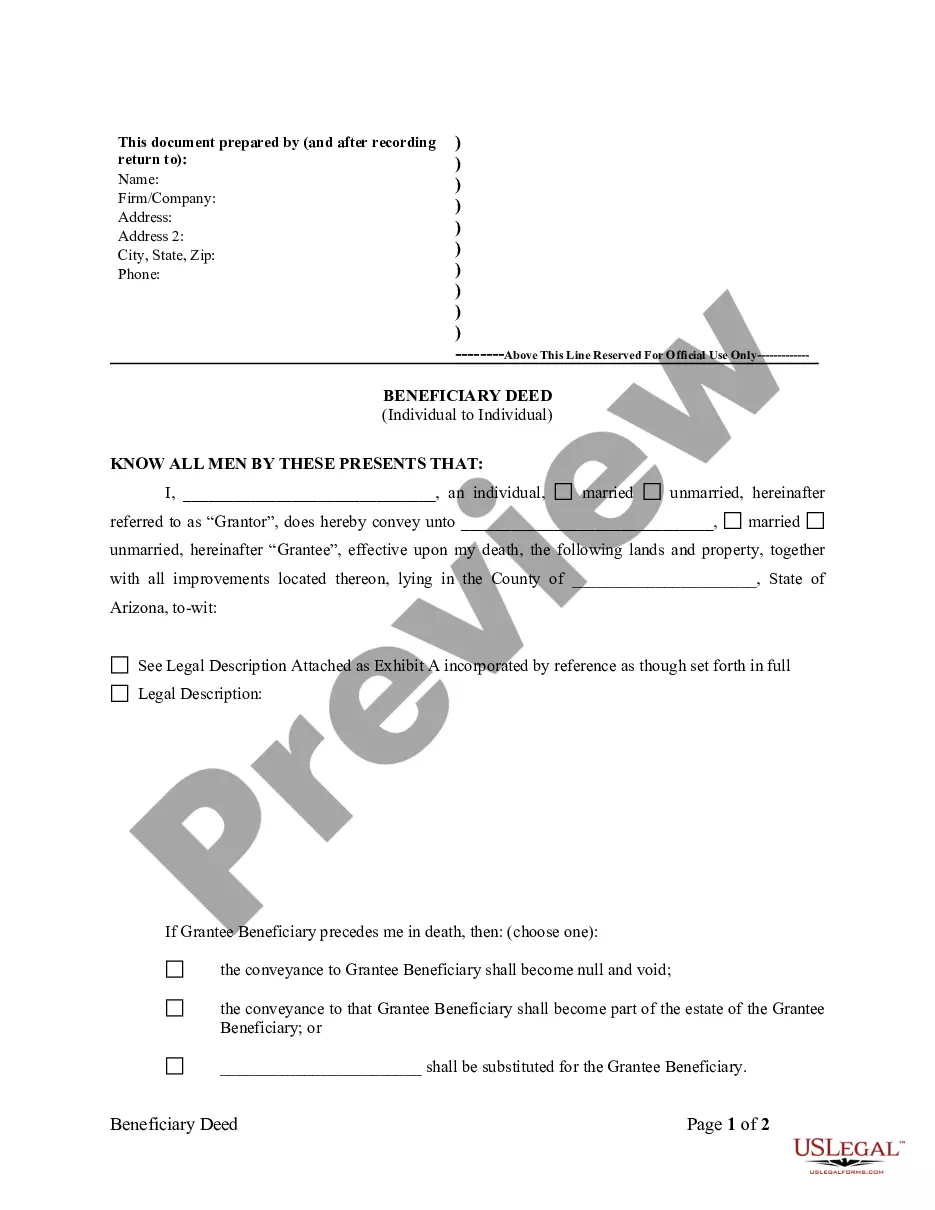
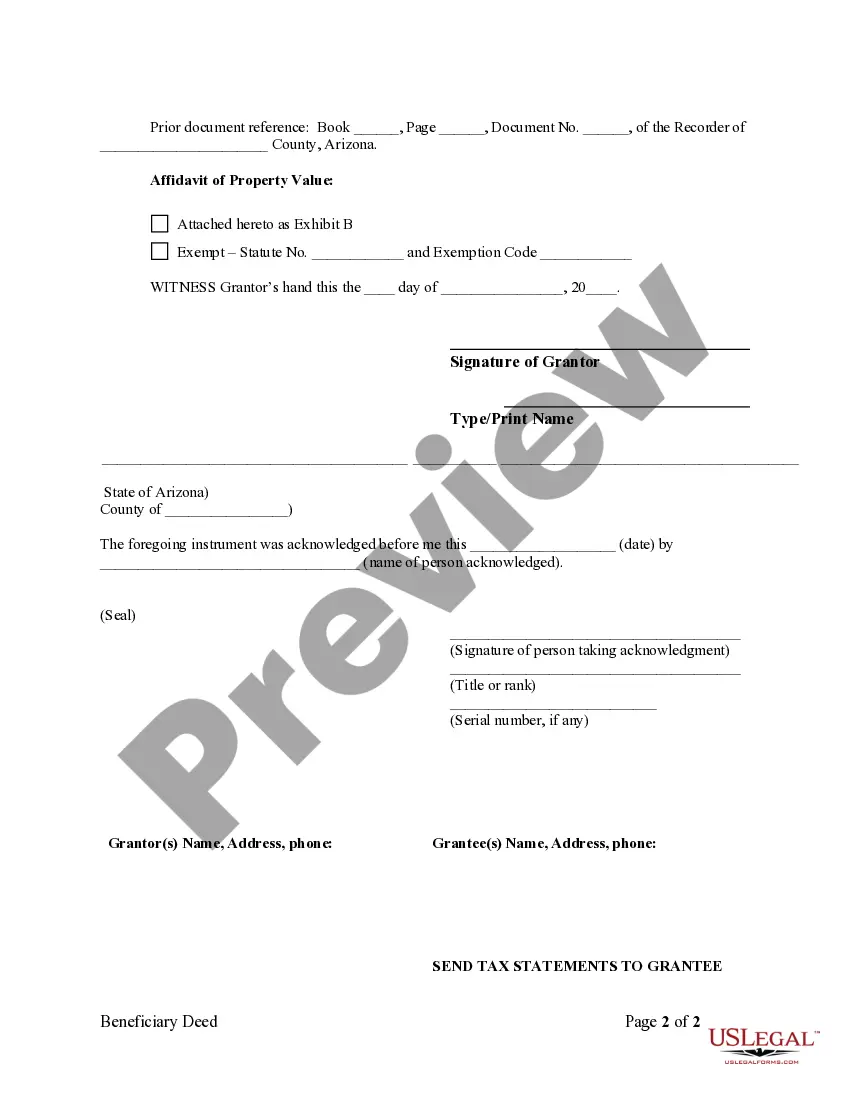

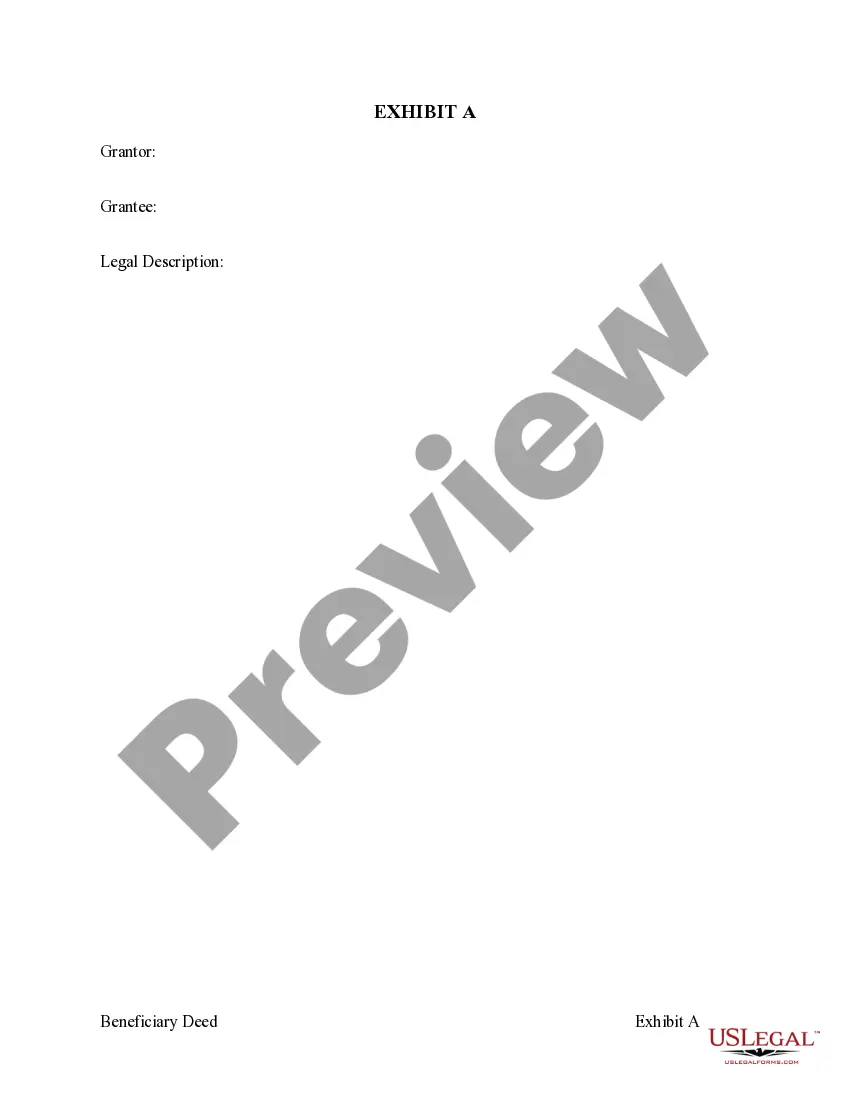

Get your form ready online
Our built-in tools help you complete, sign, share, and store your documents in one place.
Make edits, fill in missing information, and update formatting in US Legal Forms—just like you would in MS Word.
Download a copy, print it, send it by email, or mail it via USPS—whatever works best for your next step.
Sign and collect signatures with our SignNow integration. Send to multiple recipients, set reminders, and more. Go Premium to unlock E-Sign.
If this form requires notarization, complete it online through a secure video call—no need to meet a notary in person or wait for an appointment.
We protect your documents and personal data by following strict security and privacy standards.

Make edits, fill in missing information, and update formatting in US Legal Forms—just like you would in MS Word.

Download a copy, print it, send it by email, or mail it via USPS—whatever works best for your next step.

Sign and collect signatures with our SignNow integration. Send to multiple recipients, set reminders, and more. Go Premium to unlock E-Sign.

If this form requires notarization, complete it online through a secure video call—no need to meet a notary in person or wait for an appointment.

We protect your documents and personal data by following strict security and privacy standards.
Looking for another form?
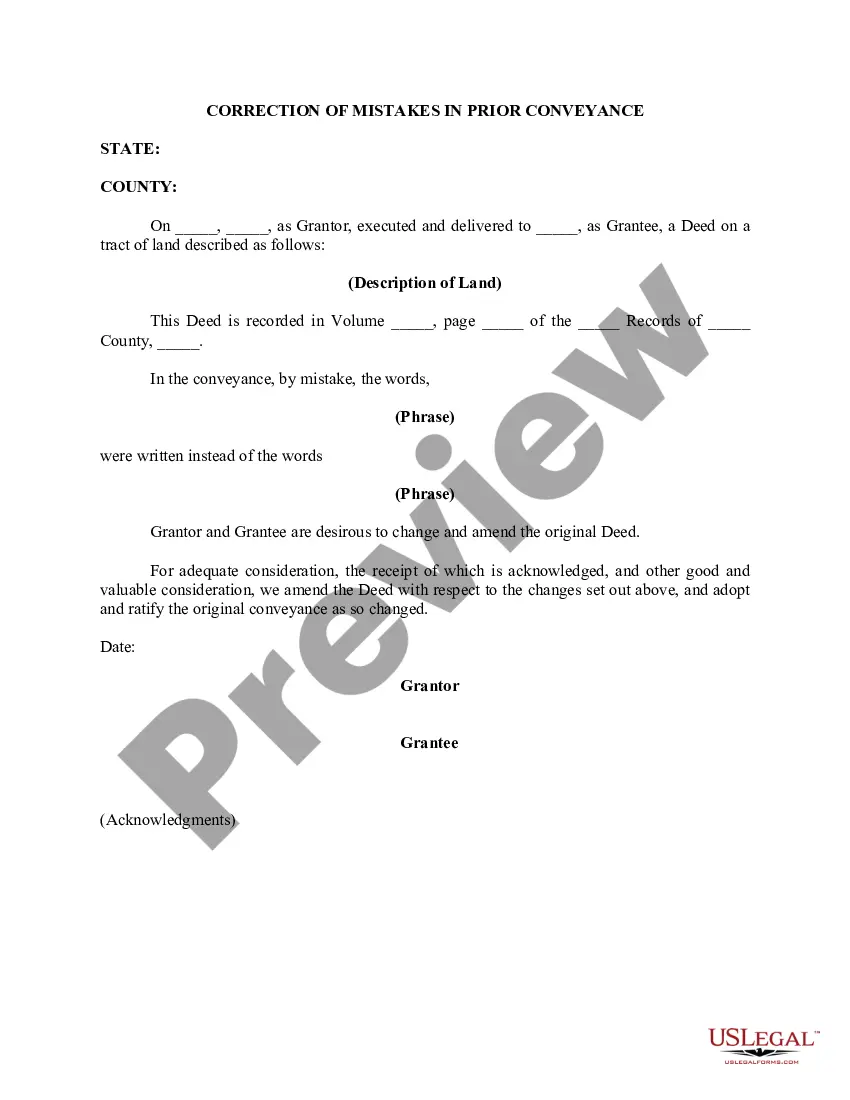

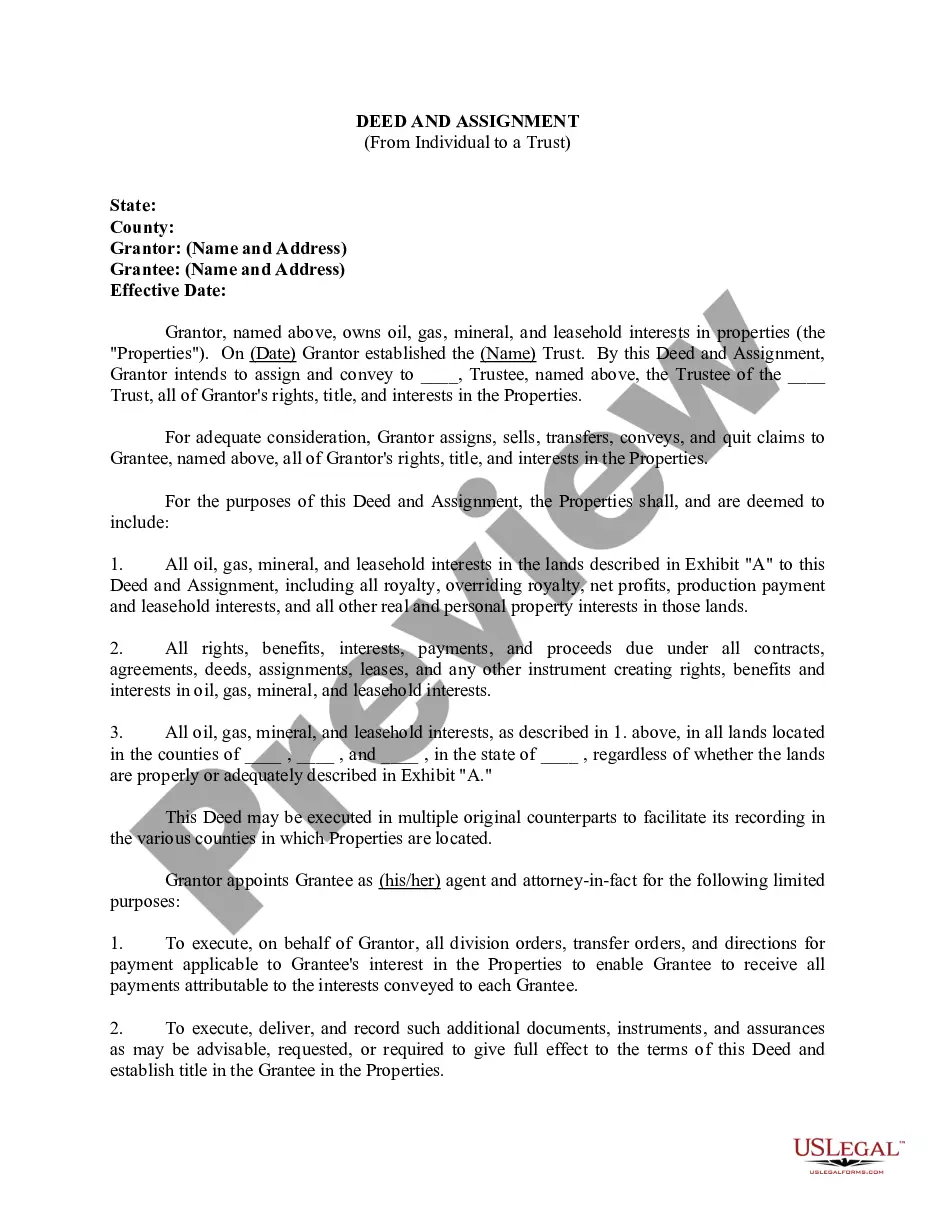
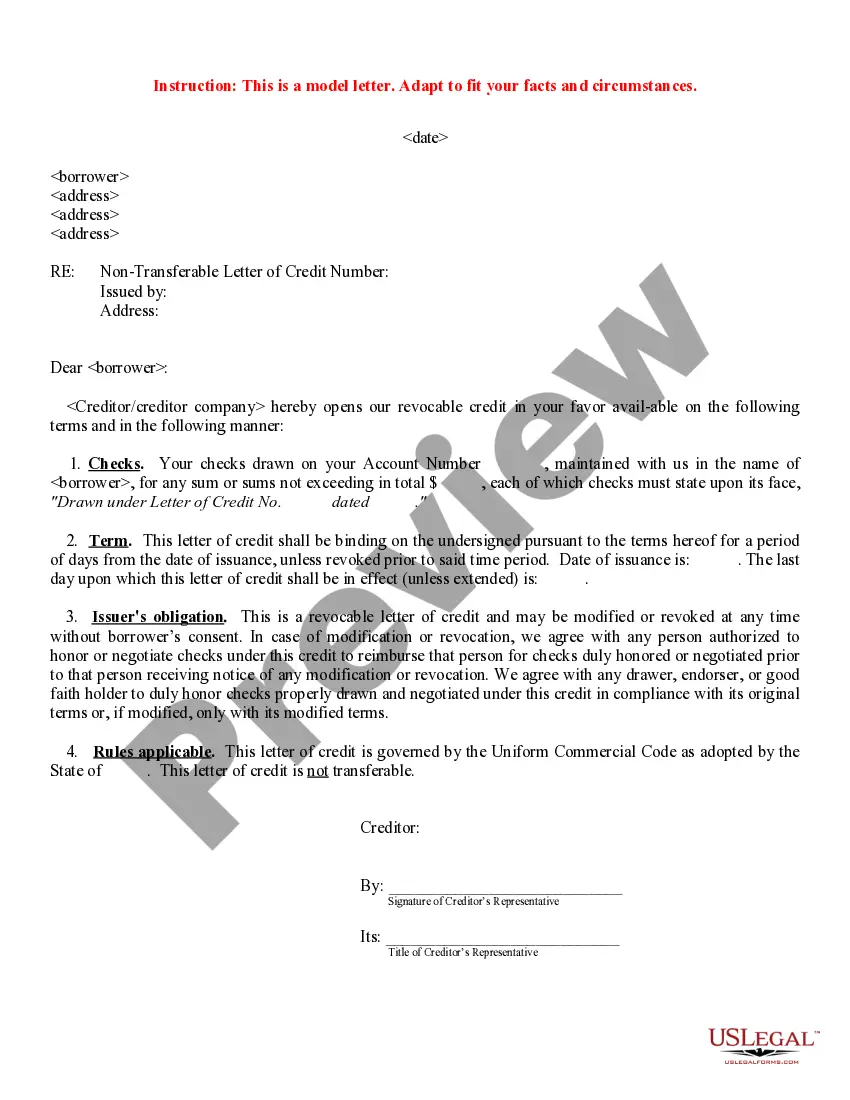

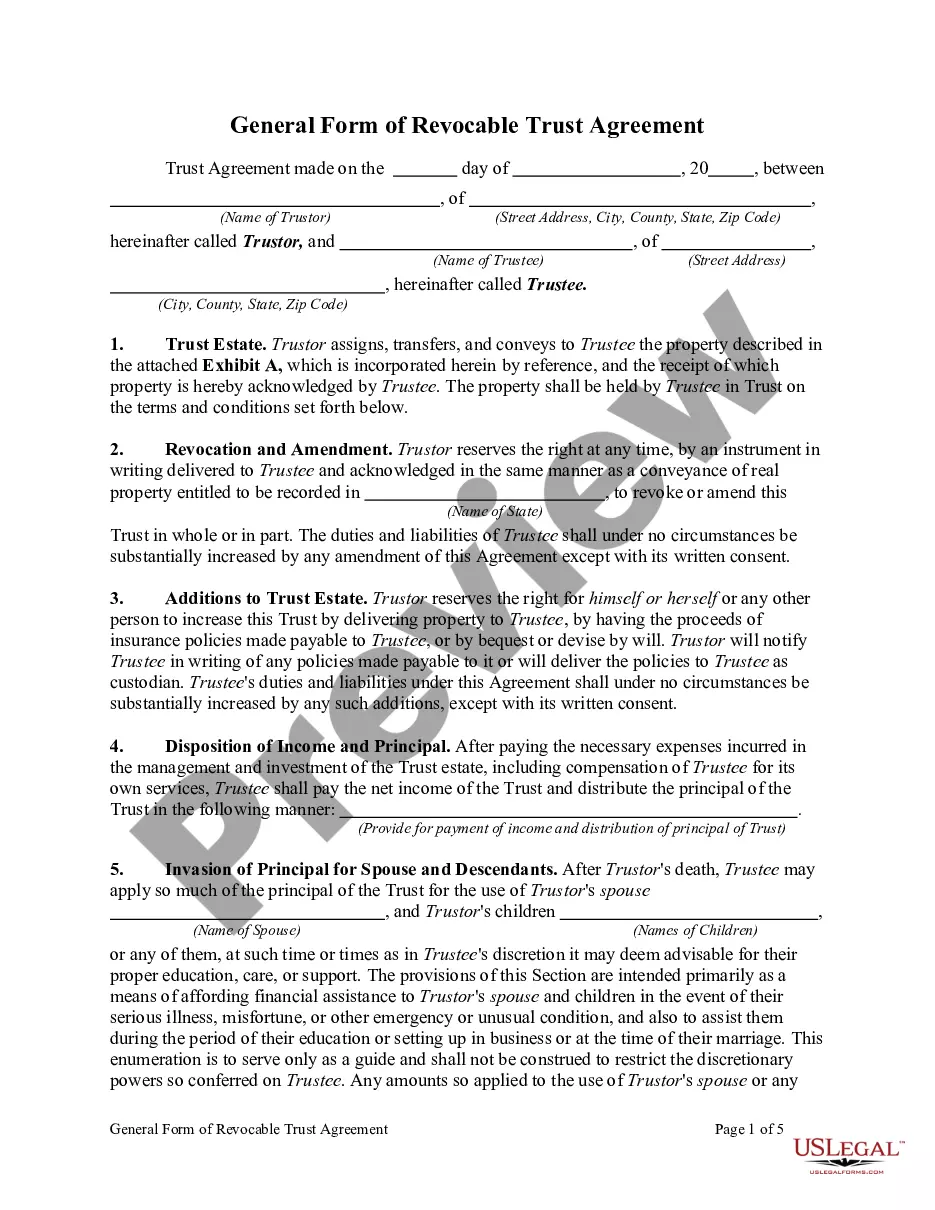
How to fill out Arizona Beneficiary Deed For Individual To Individual?
It’s clear that you cannot transform into a legal expert instantly, nor can you learn how to swiftly compile the Az Beneficiary Individual Death With Dignity Act without possessing a distinct set of expertise.
Assembling legal documents is a lengthy process that necessitates specific knowledge and abilities. So why not entrust the drafting of the Az Beneficiary Individual Death With Dignity Act to the specialists.
With US Legal Forms, one of the most extensive collections of legal templates, you can discover anything from court documents to templates for internal business communication. We recognize the significance of compliance and adherence to federal and state laws and regulations.
Sign up for a complimentary account and choose a subscription plan to buy the template.
Select Buy now. After the payment is processed, you can download the Az Beneficiary Individual Death With Dignity Act, fill it out, print it, and send it or mail it to the relevant individuals or organizations.
- That’s why, on our platform, all templates are region-specific and up-to-date.
- Here’s how to begin with our platform and acquire the form you need in just a few minutes.
- Locate the form you require by utilizing the search bar at the top of the page.
- Preview it (if this option is available) and review the accompanying description to ascertain if the Az Beneficiary Individual Death With Dignity Act is what you need.
- Start your search anew if you require a different template.
Form popularity
FAQ
Euthanasia is the termination of life by a physician at the patient's request. The aim is to end unbearable suffering with no prospect of improvement.
The End of Life Option Act allows an adult diagnosed with a terminal disease, who meets certain qualifications, to request the aid-in-dying drugs from their attending physician. The Act requires physicians to submit specified forms and information to the California Department of Public Health (CDPH).
How does using a death with dignity law impact my insurance? Physician-assisted death statutes do not specify who must pay for the services. Individual insurers determine whether the procedure is covered under their policies, just as they do with any other medical procedure.
Active euthanasia refers to the physician deliberate act, usually the administration of lethal drugs, to end an incurably or terminally ill patient's life. Passive euthanasia refers to withholding or withdrawing treatment which is necessary for maintaining life.
Passive euthanasia: intentionally letting a patient die by withholding artificial life support such as a ventilator or feeding tube. Some ethicists distinguish between withholding life support and withdrawing life support (the patient is on life support but then removed from it).