Non-marita
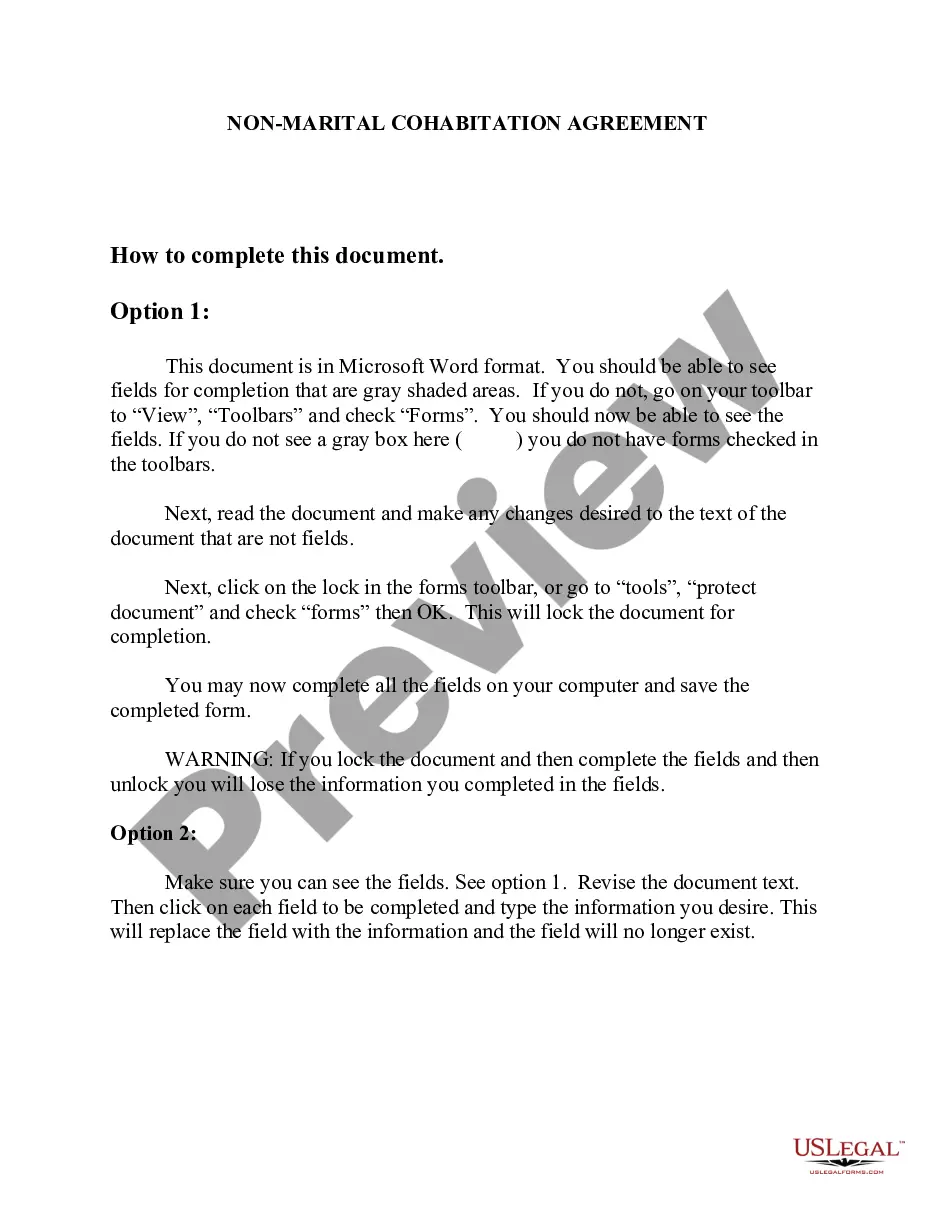
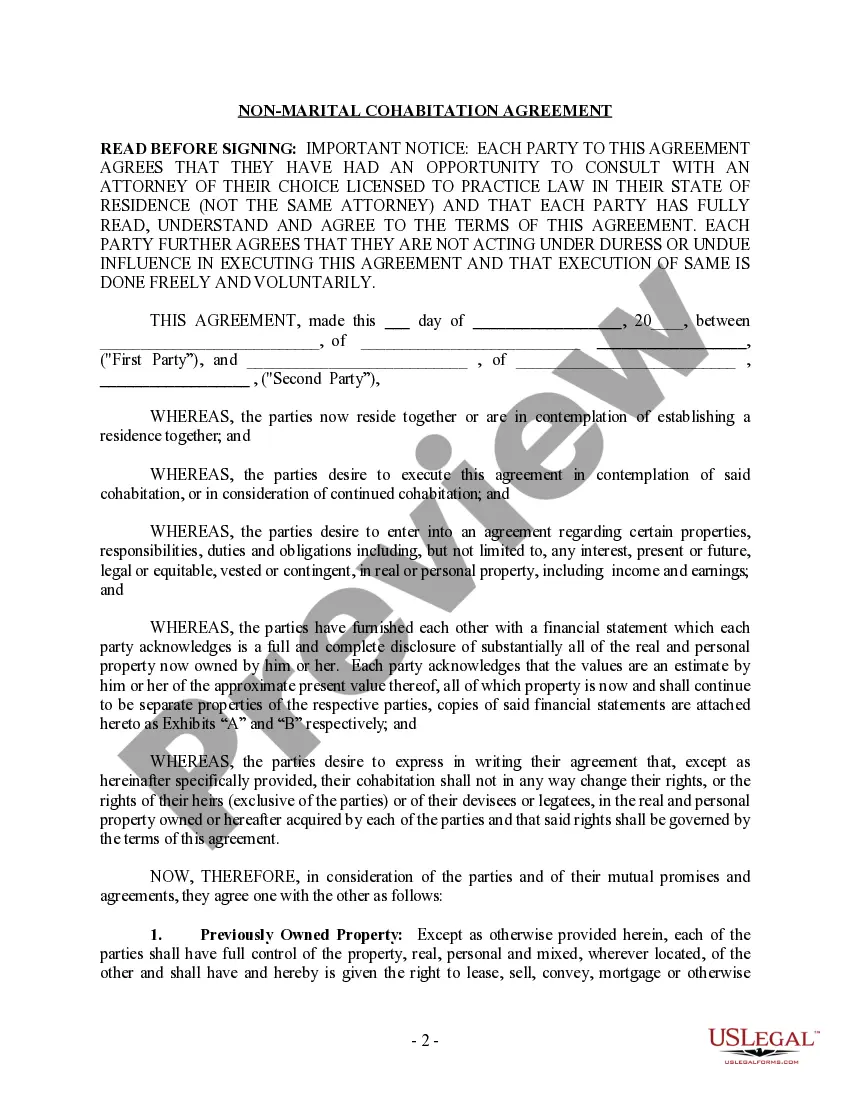
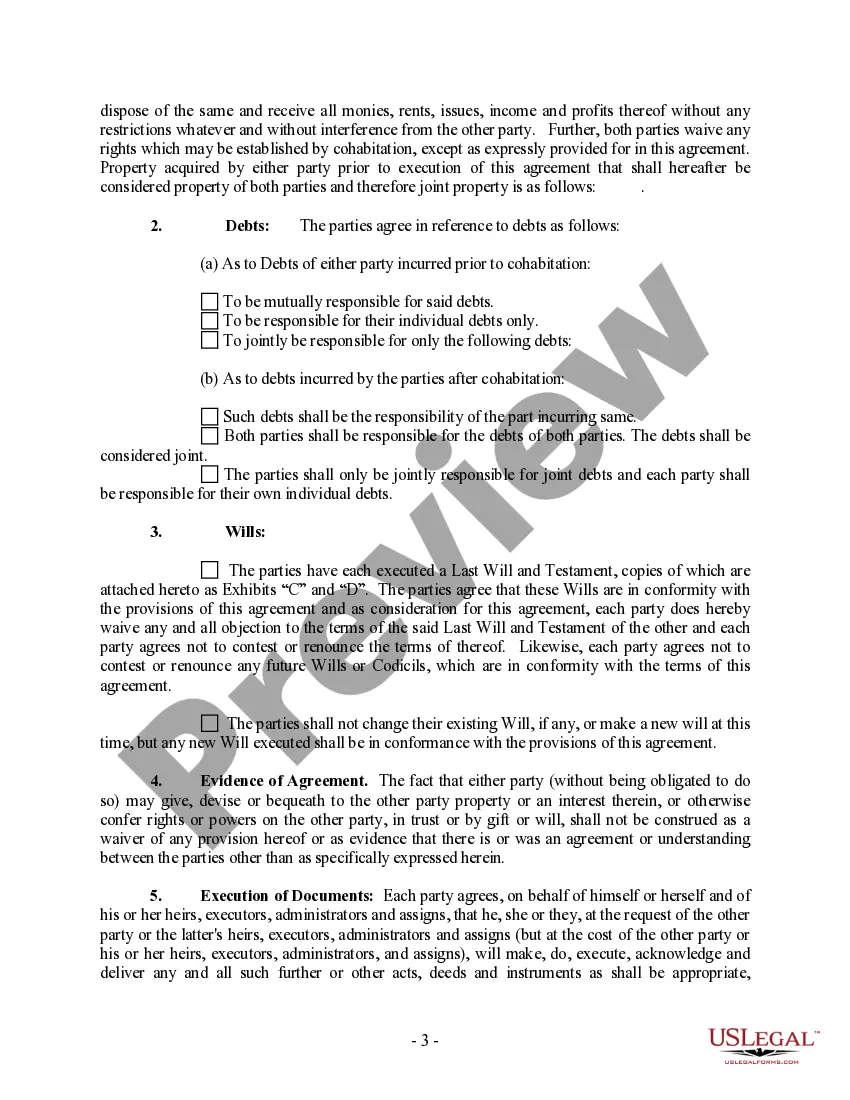
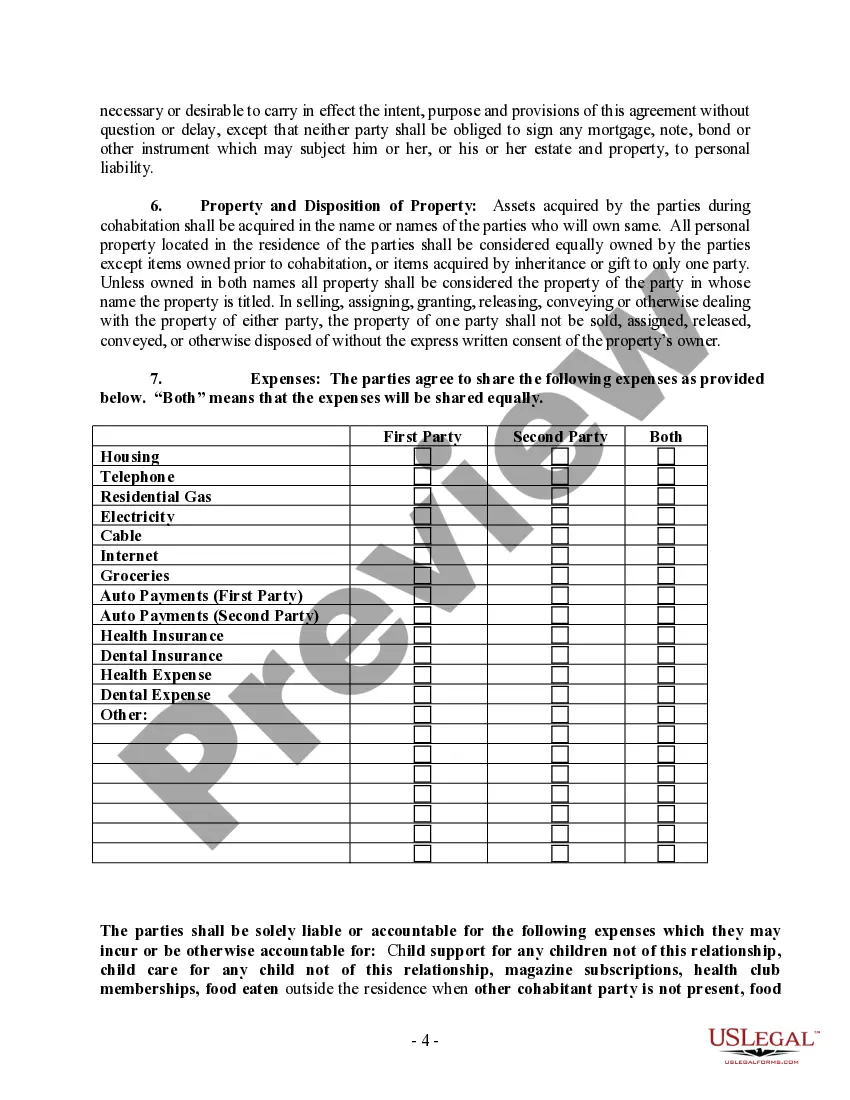
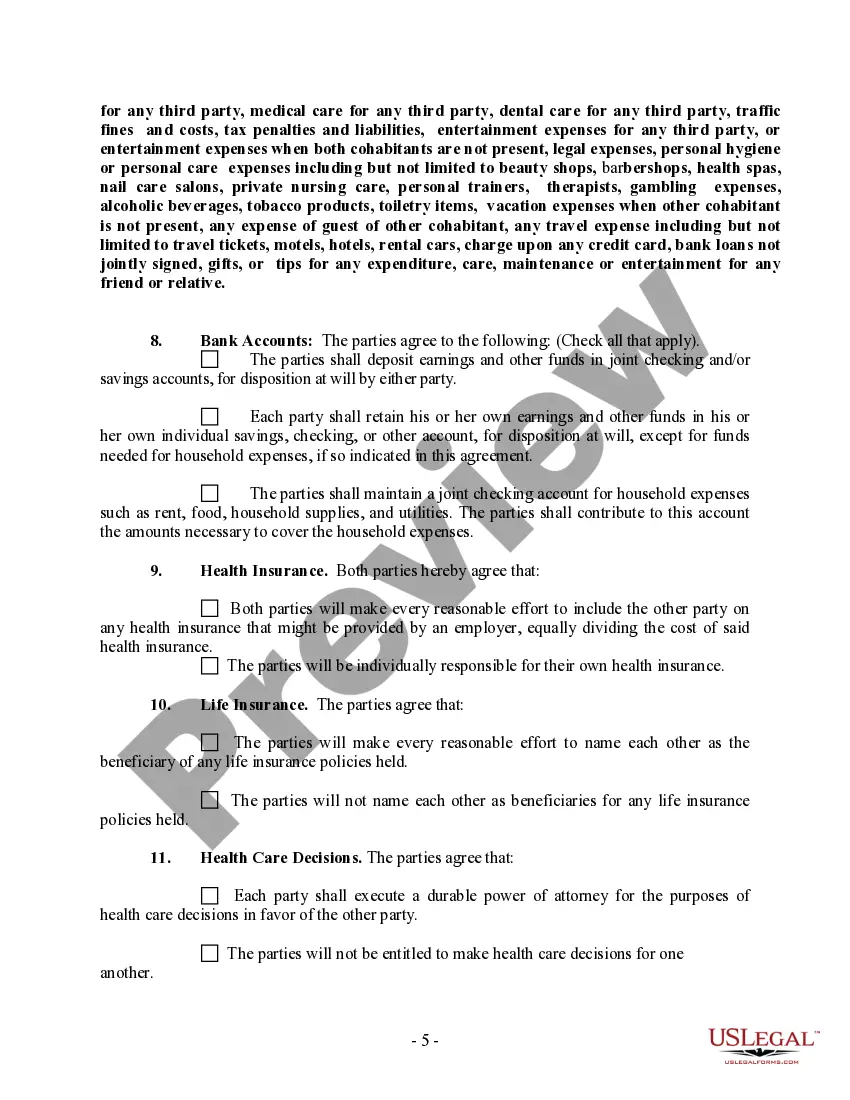
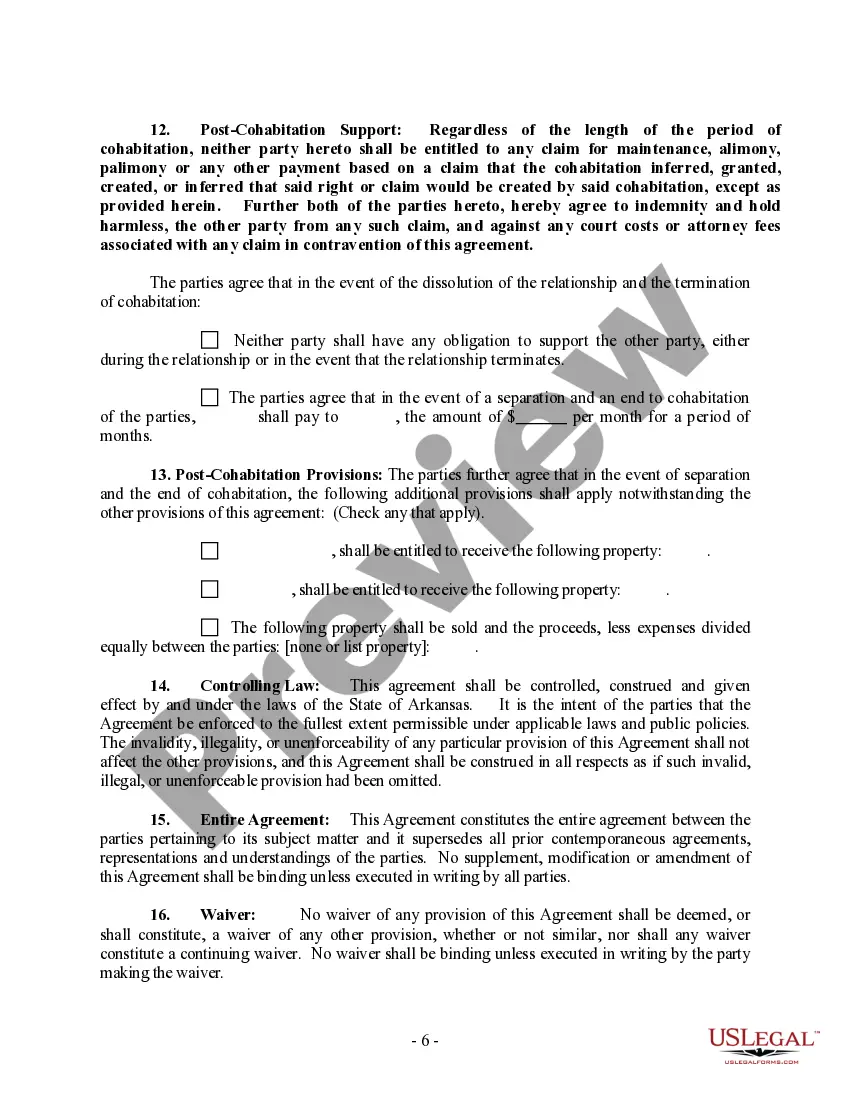
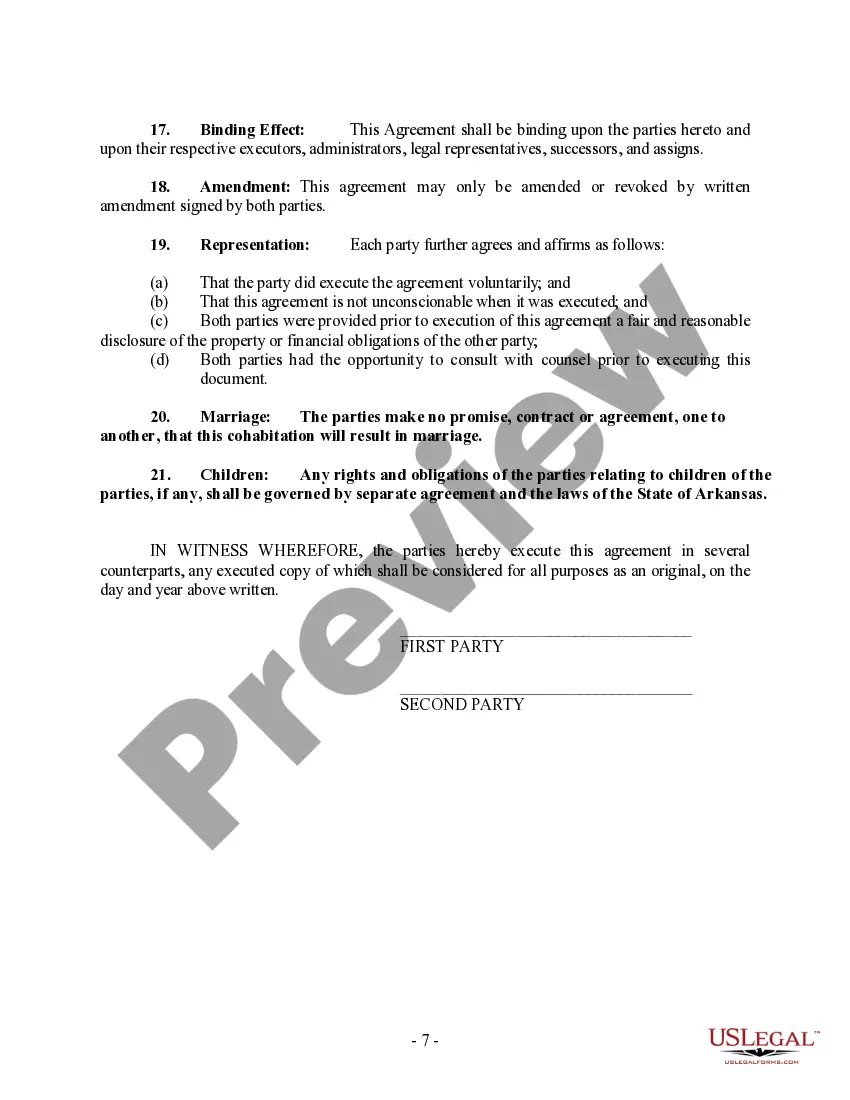
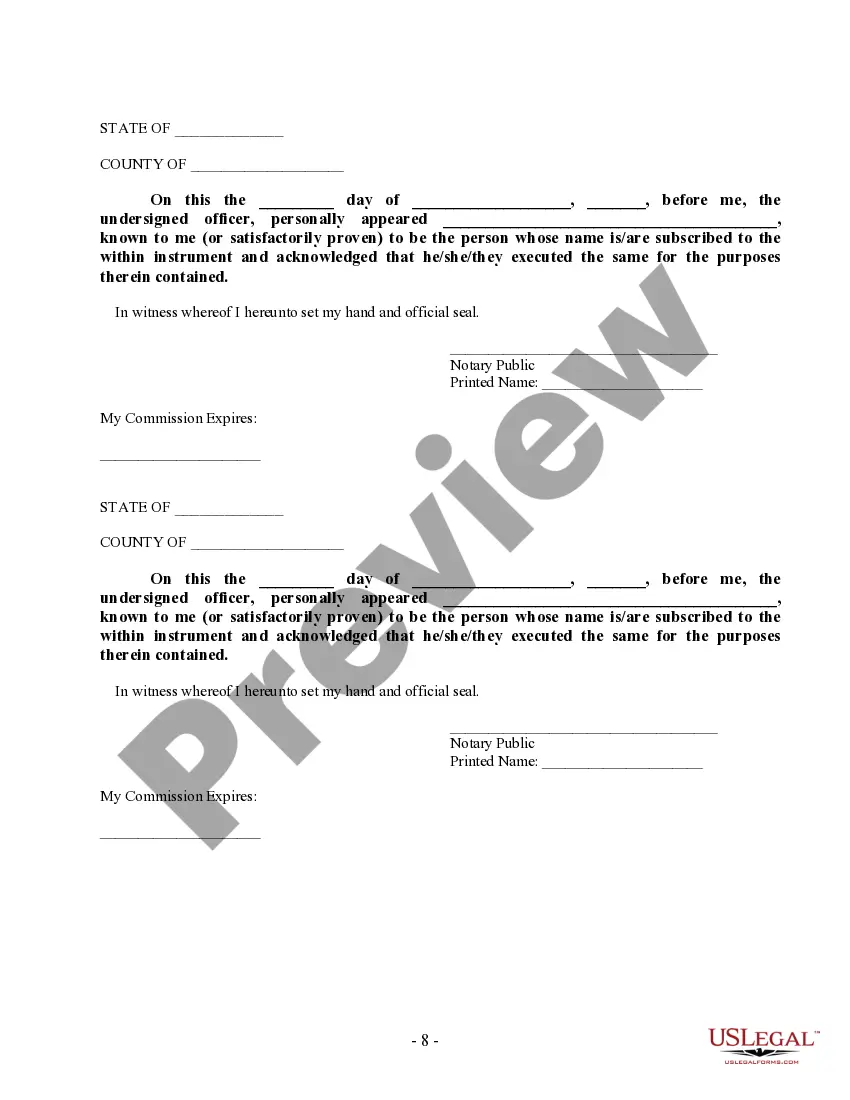
Description
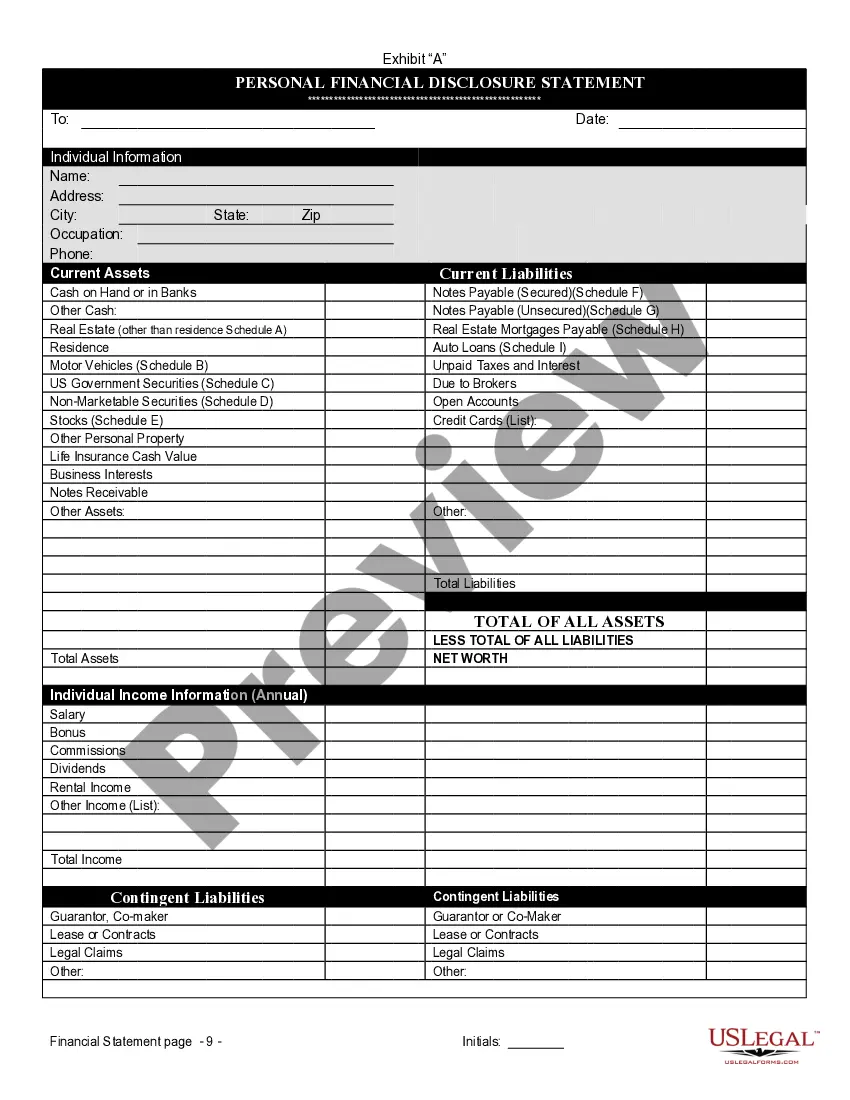
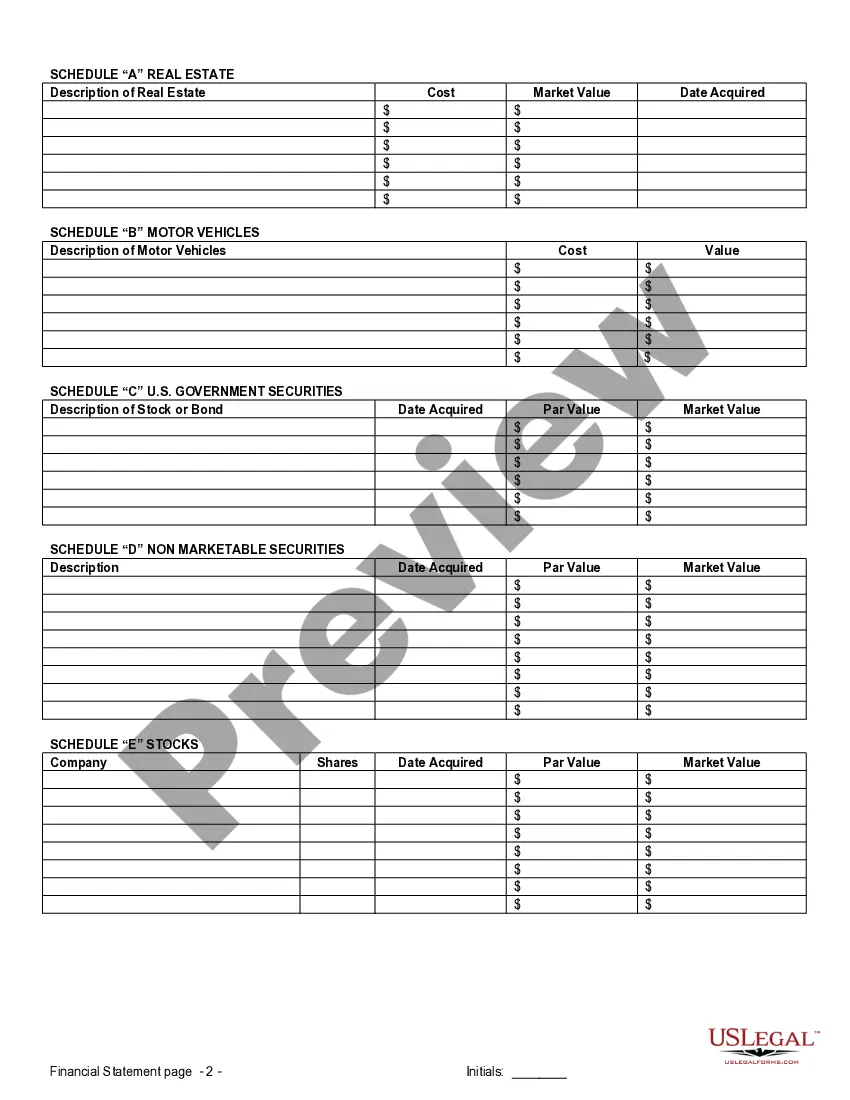

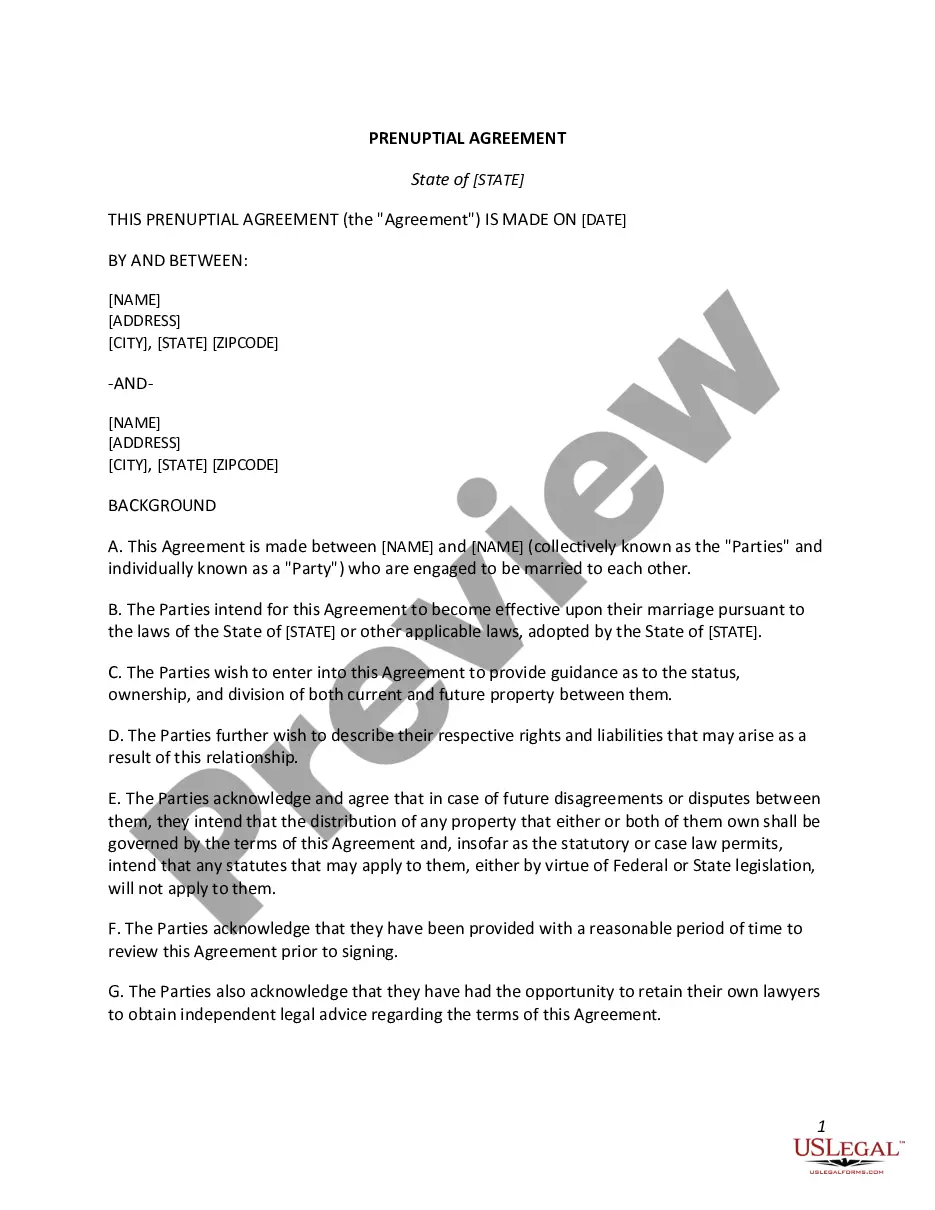
Get your form ready online
Our built-in tools help you complete, sign, share, and store your documents in one place.
Make edits, fill in missing information, and update formatting in US Legal Forms—just like you would in MS Word.
Download a copy, print it, send it by email, or mail it via USPS—whatever works best for your next step.
Sign and collect signatures with our SignNow integration. Send to multiple recipients, set reminders, and more. Go Premium to unlock E-Sign.
If this form requires notarization, complete it online through a secure video call—no need to meet a notary in person or wait for an appointment.
We protect your documents and personal data by following strict security and privacy standards.

Make edits, fill in missing information, and update formatting in US Legal Forms—just like you would in MS Word.

Download a copy, print it, send it by email, or mail it via USPS—whatever works best for your next step.

Sign and collect signatures with our SignNow integration. Send to multiple recipients, set reminders, and more. Go Premium to unlock E-Sign.

If this form requires notarization, complete it online through a secure video call—no need to meet a notary in person or wait for an appointment.

We protect your documents and personal data by following strict security and privacy standards.
Looking for another form?









How to fill out Arkansas Non-Marital Cohabitation Living Together Agreement?
- Log into your existing account on US Legal Forms. Ensure your subscription is active to proceed without interruptions.
- Browse through the Preview mode of the desired form and confirm that it aligns with your specific requirements and local jurisdiction.
- If necessary, utilize the Search tab to find any alternative templates that may better suit your needs.
- Purchase the selected form by clicking the Buy Now button and selecting an appropriate subscription plan. Be sure to create an account to access the full library.
- Finalize your transaction by entering your payment information via credit card or PayPal.
- Download the completed form directly to your device for easy access and future use in your My Forms area.
In conclusion, US Legal Forms simplifies the Non-marita document acquisition process with its expansive library and helpful resources. With robust options at your fingertips, you can ensure your legal documents are accurate and comprehensive.
Take the first step today by exploring the resources available at US Legal Forms and empower yourself with the tools you need!
Form popularity
FAQ
The basis for a non-marital claim includes various factors, such as acquisition before marriage, inheritance, or gifts specifically intended for one spouse. Demonstrating proper documentation, such as asset records or gift declarations, strengthens your position. Familiarizing yourself with non-marital claims can significantly impact the outcome of divorce asset distribution. Consider using US Legal Forms to help structure your claims correctly.
If your spouse fails to appear in court for asset distribution, the judge can proceed without them, often granting you a default judgment. This means you may receive a fair share of the assets, including the non-marital claims. However, it's essential to document all your assets to ensure everything is accounted for. US Legal Forms can provide you with templates to prepare the necessary documentation and streamline the process.
The basis for a non-marital claim involves legal grounds that support your assertion that certain assets should be classified as non-marital. This classification protects your rights to these assets during divorce. For instance, proving that an asset was obtained without marital funds can strengthen your claim. Utilizing resources like US Legal Forms can guide you in organizing your evidence effectively.
Non-marital refers to assets or properties that individuals possess prior to marriage and thus remain solely theirs after divorce. These assets typically include inheritances, gifts, or properties acquired before the union. Understanding what constitutes non-marital property is crucial for asset distribution during divorce proceedings. By knowing your non-marital rights, you can better prepare for negotiations or court decisions.
Filling out marital status in a form involves selecting the correct designation that applies to you, whether 'Married,' 'Single,' or 'Divorced.' Make sure to read the form carefully—most forms provide options that must reflect your current legal standing in a clear manner. Accurate disclosure is important for any legal implications that may arise later on.
When a form asks for your marital status, indicate the option that accurately reflects your personal circumstances. Options usually include 'Single,' 'Married,' 'Divorced,' and 'Widowed.' Choosing the correct status is essential to avoid future misunderstandings or legal issues. Accurately reflecting your marital situation ensures that all legal forms are processed correctly.
marital interest refers to an asset or property that one spouse owned before marriage, or that was acquired as a gift or inheritance specifically for that spouse. In divorce proceedings, nonmarital interests typically remain with the original owner and do not get divided. Knowing about nonmarital interests can significantly influence financial outcomes. USLegalForms can provide resources to help identify and protect these interests.
Filling out marital status on a form requires you to select the appropriate option that describes your situation. Check boxes or drop-down menus often categorize statuses like 'Single,' 'Married,' 'Divorced,' or 'Widowed.' It's crucial to read instructions carefully and choose the selection that aligns with your current status. This helps maintain transparency throughout the process.
To answer a marital status question, first determine your current situation accurately. You should select the option that best reflects your life, such as 'Married,' 'Single,' or 'Divorced.' Providing truthful and precise information is vital as it directly impacts legal proceedings and implications. If you're unsure, take time to review your situation.
In Florida, assets acquired during marriage can be subject to equitable distribution, irrespective of whose name is on the title. However, if the house was owned before the marriage, it may be deemed a non-marital asset. Consulting an attorney can clarify your specific situation. Using USLegalForms can help you gather the necessary documents for your case.