Tenant Failure Plumbing With A
Description


Get your form ready online
Our built-in tools help you complete, sign, share, and store your documents in one place.
Make edits, fill in missing information, and update formatting in US Legal Forms—just like you would in MS Word.
Download a copy, print it, send it by email, or mail it via USPS—whatever works best for your next step.
Sign and collect signatures with our SignNow integration. Send to multiple recipients, set reminders, and more. Go Premium to unlock E-Sign.
If this form requires notarization, complete it online through a secure video call—no need to meet a notary in person or wait for an appointment.
We protect your documents and personal data by following strict security and privacy standards.

Make edits, fill in missing information, and update formatting in US Legal Forms—just like you would in MS Word.

Download a copy, print it, send it by email, or mail it via USPS—whatever works best for your next step.

Sign and collect signatures with our SignNow integration. Send to multiple recipients, set reminders, and more. Go Premium to unlock E-Sign.

If this form requires notarization, complete it online through a secure video call—no need to meet a notary in person or wait for an appointment.

We protect your documents and personal data by following strict security and privacy standards.
Looking for another form?


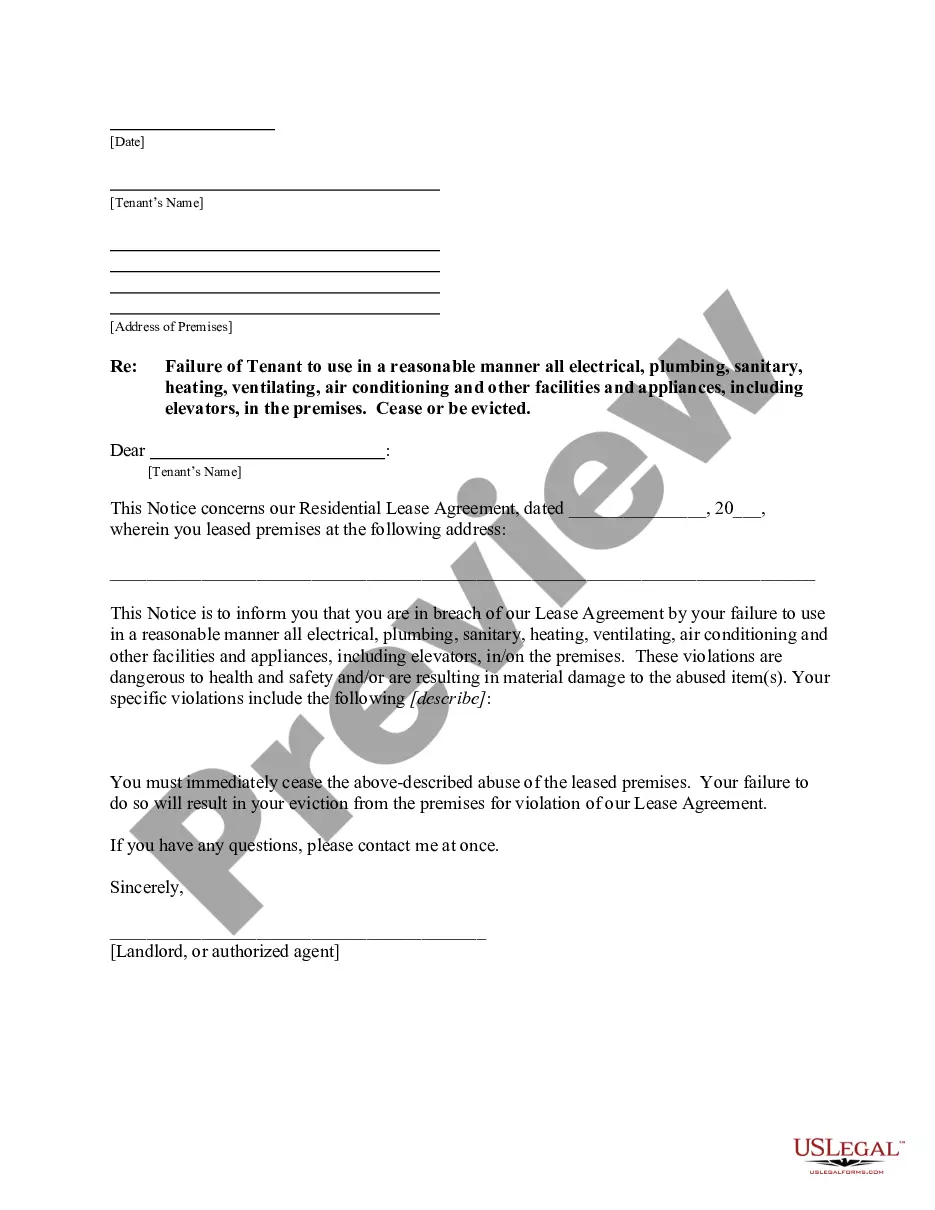
How to fill out Arkansas Letter From Landlord To Tenant For Failure To Use Electrical, Plumbing, Sanitary, Heating, Ventilating, Air Conditioning And Other Facilities In A Reasonable Manner?
- If you are a returning user, log into your account and download the necessary form template by clicking on the Download button. Ensure your subscription is valid—renew it if necessary.
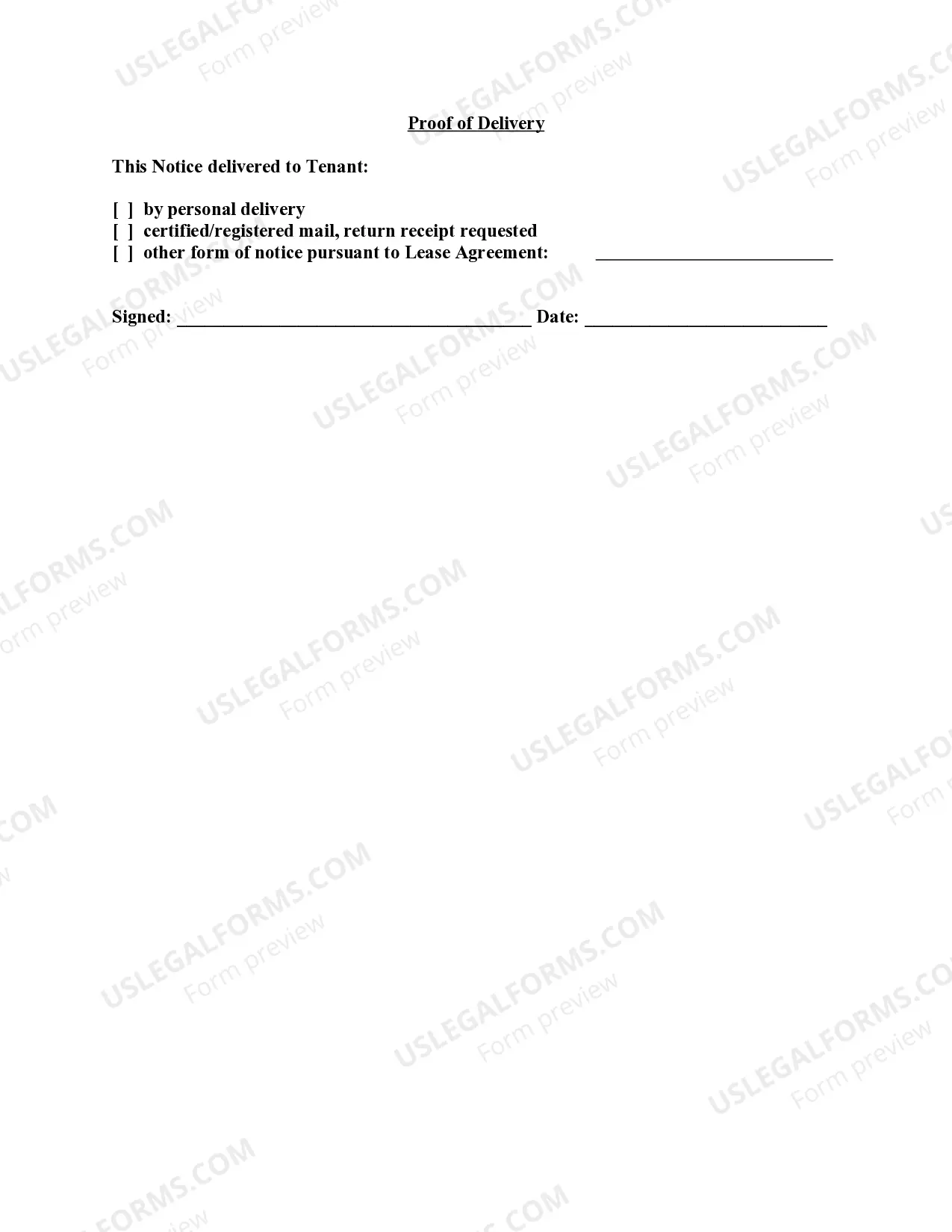
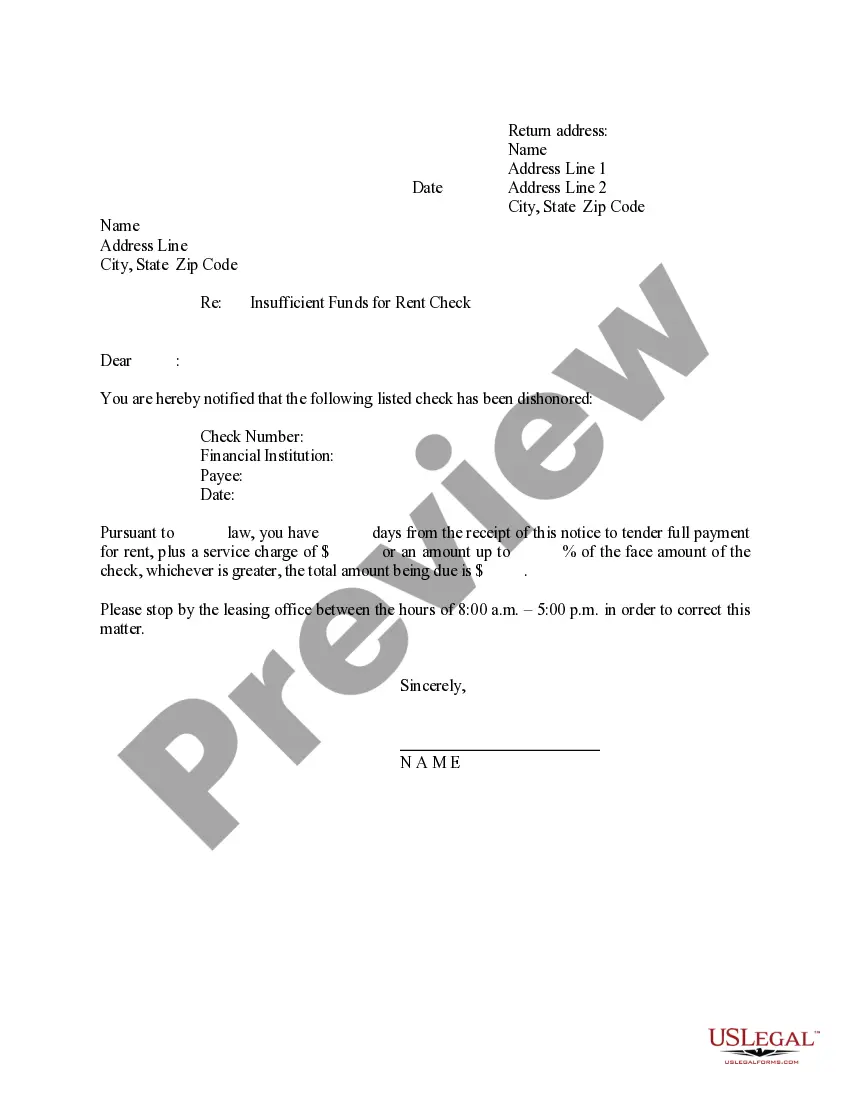
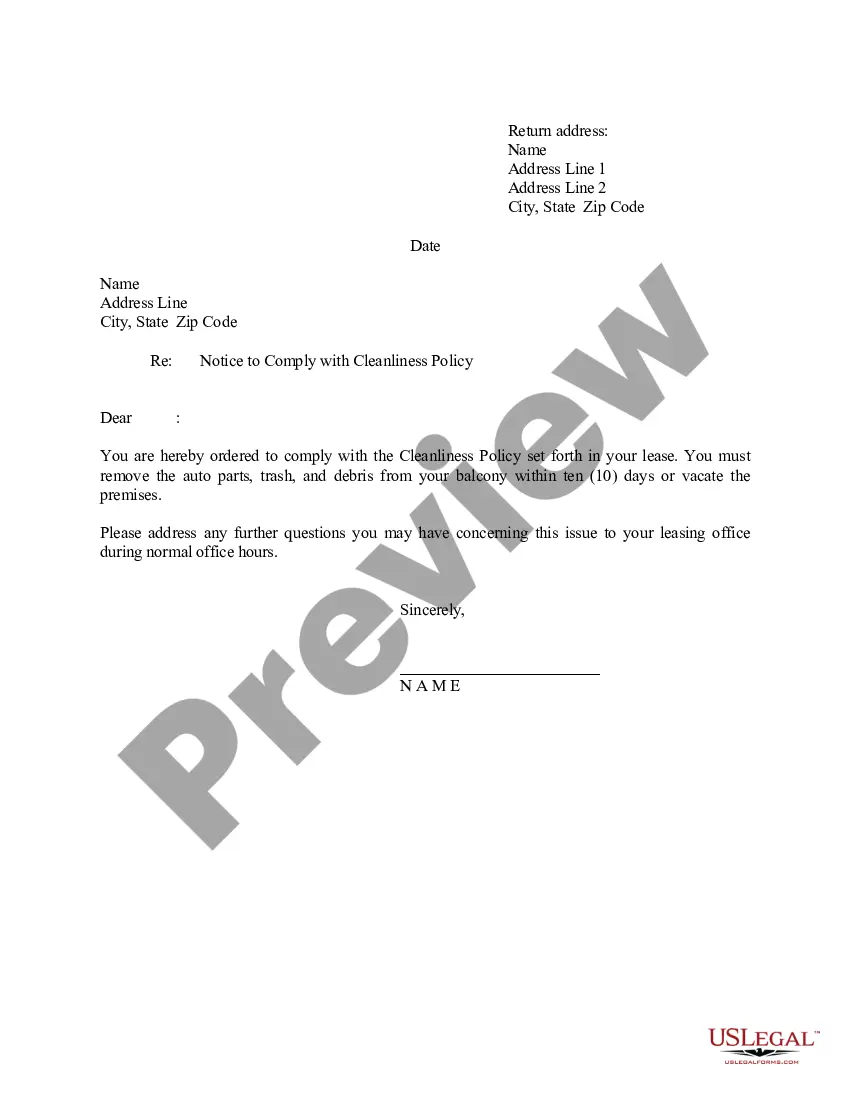
- For first-time users, start by checking the Preview mode and the form description. Verify that you have selected the correct document that meets your needs and complies with local jurisdiction requirements.
- If the selected template doesn't meet your expectations, utilize the Search tab to locate an alternative form that suits your needs.
- Once you have identified the correct document, click on the Buy Now button and select a subscription plan that works for you. You’ll need to register for an account to gain access to the library’s extensive resources.
- Complete your purchase by entering your credit card information or using your PayPal account to finalize the subscription.
- After your purchase, download the form to your device, making it easy to fill out and keep on hand. Access it anytime via the My Forms section of your profile.
By following these steps, you can ensure that you obtain the right forms to address tenant failure plumbing situations effectively. US Legal Forms not only offers a robust collection of more than 85,000 legal forms but also provides access to experts to assist with completion.
Take control of your legal document needs today; visit US Legal Forms to get started!
Form popularity
FAQ
Landlord neglect occurs when a landlord fails to maintain their property, allowing tenant failure plumbing with a or other critical issues to worsen. For example, not addressing plumbing leaks, pest infestations, or unsafe conditions could all be considered neglect. Tenants have the right to seek legal remedies if landlords do not fulfill their obligations. It is essential to keep records of all neglect issues and responses regarding repairs.
Landlords in Texas must fix plumbing issues within a reasonable amount of time, usually within 7 days for urgent concerns. If the plumbing issue is linked to tenant failure plumbing with a, such as damage caused by the tenant, the timeline and responsibility may shift. Timely communication is crucial to ensure that both parties are aware of their responsibilities. Utilizing platforms like USLegalForms can help clarify tenant and landlord obligations.
In Texas, landlords are required to address urgent repairs, including significant plumbing issues, within a reasonable time frame. This often means providing repairs within 7 days of receiving notification from the tenant. If the repairs relate to tenant failure plumbing with a, this timeline may be different. It’s beneficial to document all communications with your landlord regarding repair requests.
In Texas, uninhabitable living conditions include severe plumbing failures that affect your health and safety. For instance, tenant failure plumbing with a, such as persistent leaks, backed up sewage, or lack of heat or running water, can render a unit uninhabitable. Landlords must address these issues promptly to maintain livable standards. Tenants have the right to report these conditions and seek recourse if necessary.
Generally, tenants are not responsible for plumbing problems caused by normal wear and tear. However, if the issue arises due to tenant failure plumbing with a, such as neglect or misuse, the tenant may be liable for the repairs. It is important to communicate with your landlord about any plumbing issues as soon as they arise to avoid complications. Always review your lease agreement for specific terms regarding plumbing responsibilities.
When writing a letter to your landlord about repairs, be clear and concise. Start with your contact information and address the issue directly, specifying the problem and how long it has persisted. Include a request for a timeline on the repairs and mention relevant legal rights, especially regarding Tenant failure plumbing with a, to underscore the seriousness of the situation.
If your landlord neglects repairs in New York City, you have several options. Start by sending a written notice detailing the issues and requesting a timeline for resolution. If your landlord still does not act, you may consider legal routes, including potential rent withholding or working with services like uslegalforms to draft legal documents.
In cases where your landlord is unresponsive to your maintenance requests in NYC, it's essential to communicate your concerns clearly and in writing. Use email or certified mail to ensure a documented trail. If they continue to ignore your requests, legal options may be necessary to enforce the required repairs, especially regarding Tenant failure plumbing with a.
If your landlord is not making necessary repairs in New York City, it is advisable to document your requests. You might also consider using a formal complaint process or contacting local housing authorities for assistance. Keeping records may help if you need to escalate the matter further.
In New York, landlords must address urgent repairs promptly, often within 24 hours. For non-urgent issues, like Tenant failure plumbing with a leaking faucet, they typically have a reasonable time frame, usually between 10 to 30 days. If a landlord fails to meet these timelines, you may have legal grounds to pursue action.