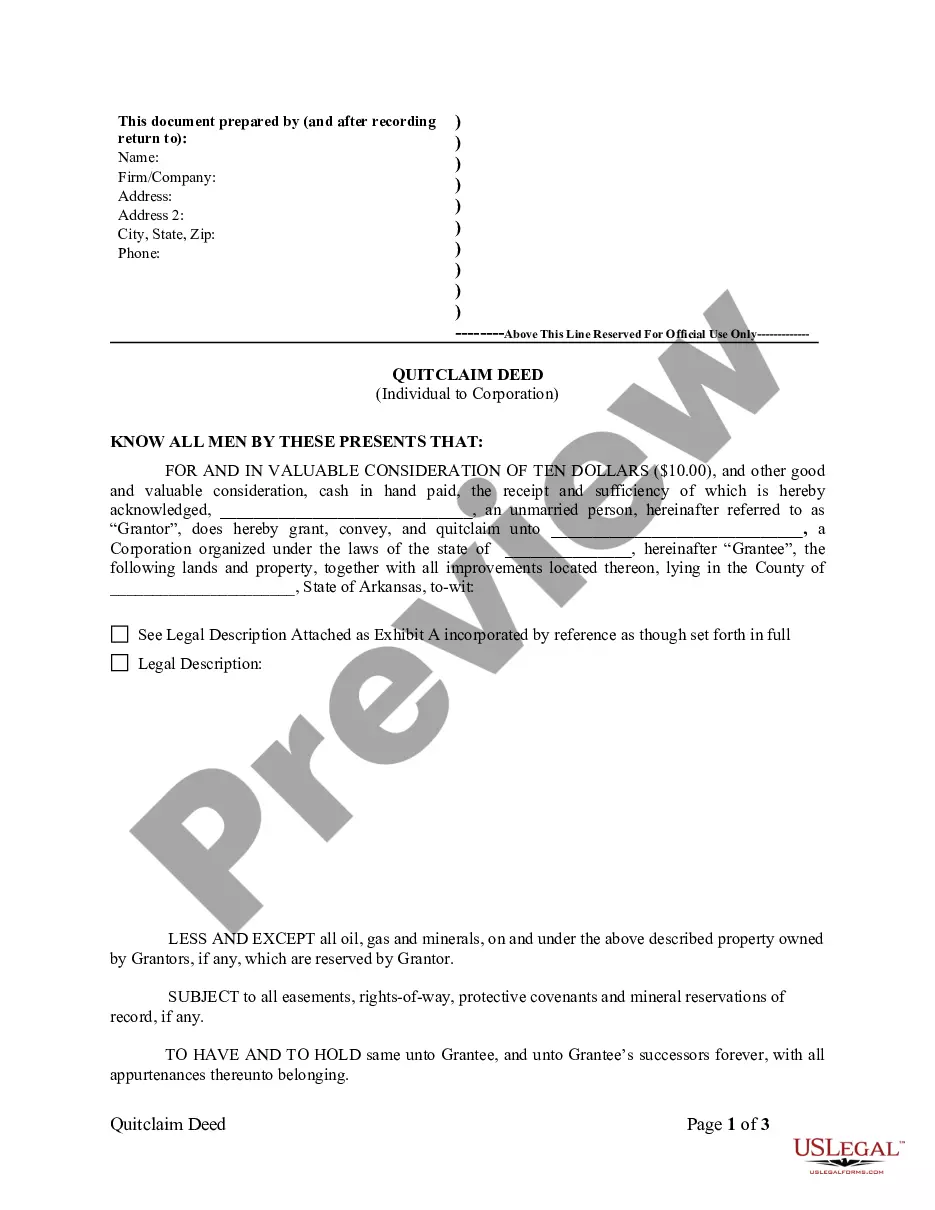
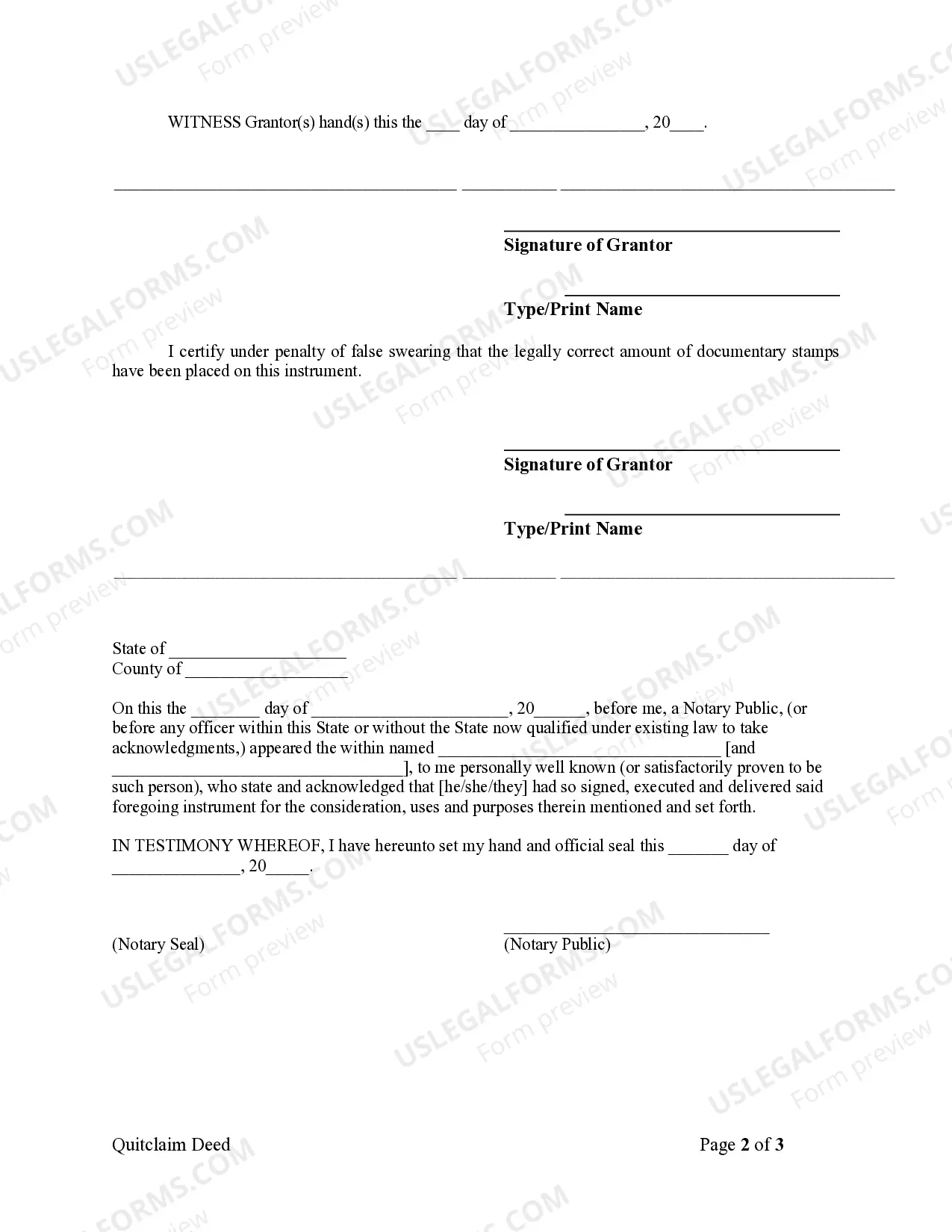
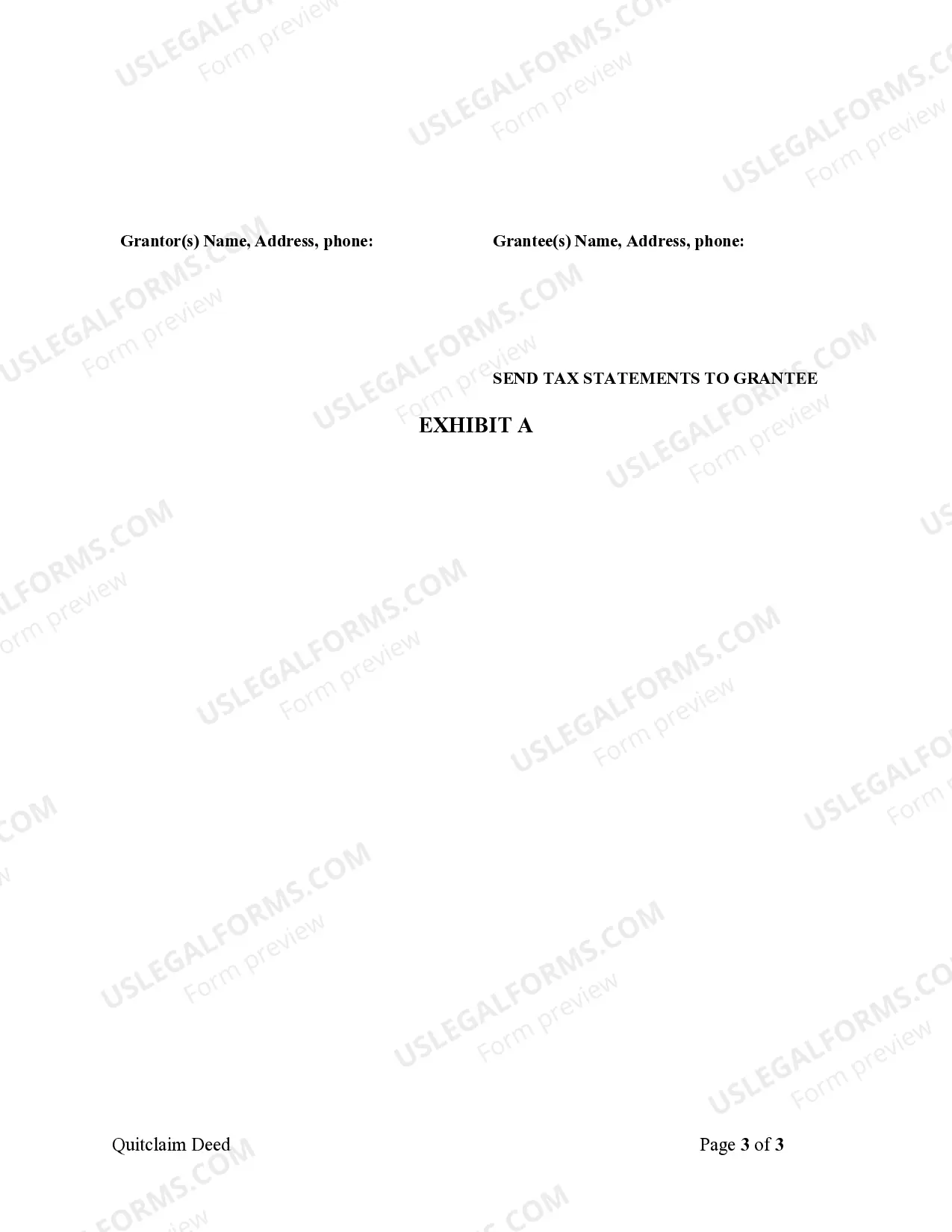
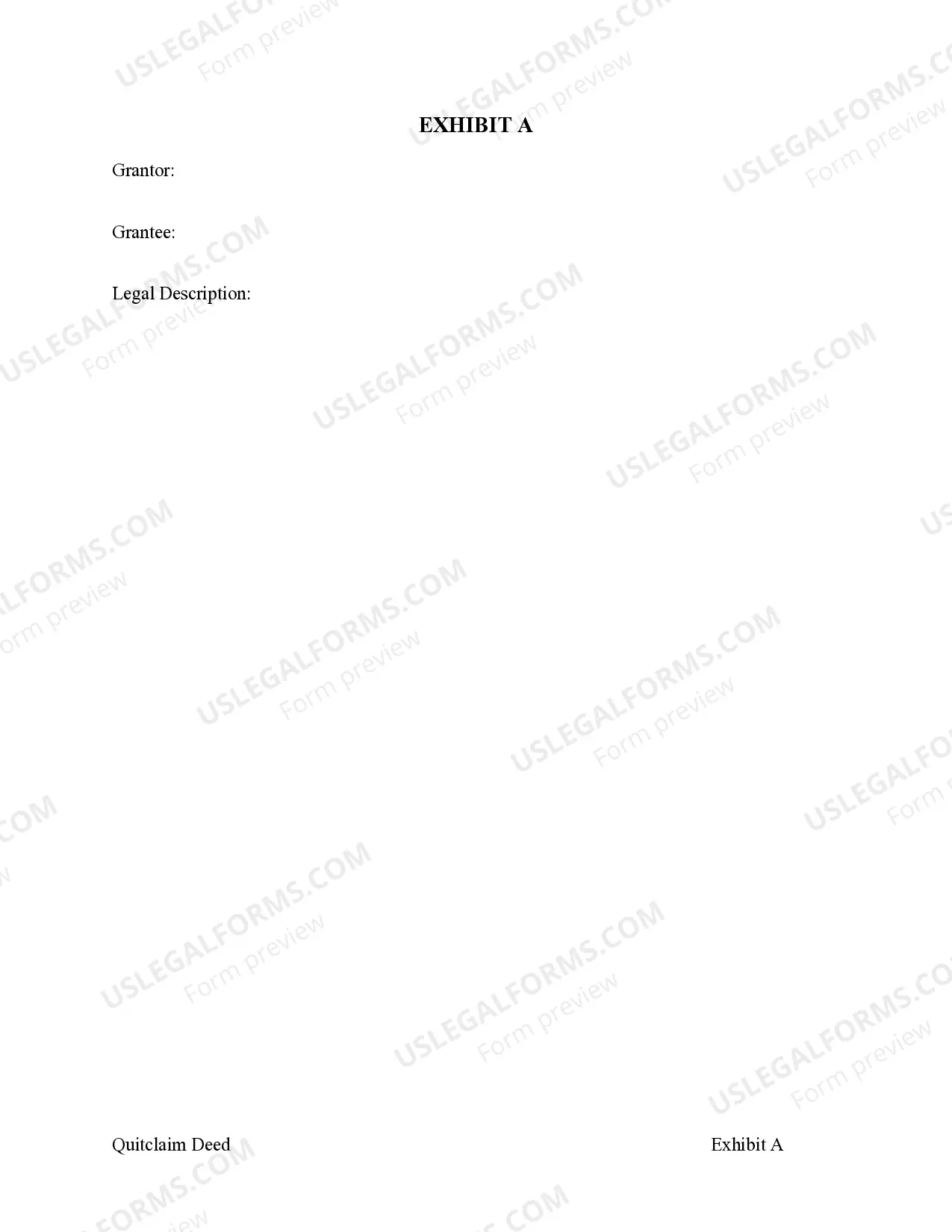
Arkansas Quitclaim Deed Statute Of Limitations
Description
Get your form ready online
Our built-in tools help you complete, sign, share, and store your documents in one place.
Make edits, fill in missing information, and update formatting in US Legal Forms—just like you would in MS Word.
Download a copy, print it, send it by email, or mail it via USPS—whatever works best for your next step.
Sign and collect signatures with our SignNow integration. Send to multiple recipients, set reminders, and more. Go Premium to unlock E-Sign.
If this form requires notarization, complete it online through a secure video call—no need to meet a notary in person or wait for an appointment.
We protect your documents and personal data by following strict security and privacy standards.

Make edits, fill in missing information, and update formatting in US Legal Forms—just like you would in MS Word.

Download a copy, print it, send it by email, or mail it via USPS—whatever works best for your next step.

Sign and collect signatures with our SignNow integration. Send to multiple recipients, set reminders, and more. Go Premium to unlock E-Sign.

If this form requires notarization, complete it online through a secure video call—no need to meet a notary in person or wait for an appointment.

We protect your documents and personal data by following strict security and privacy standards.
Looking for another form?
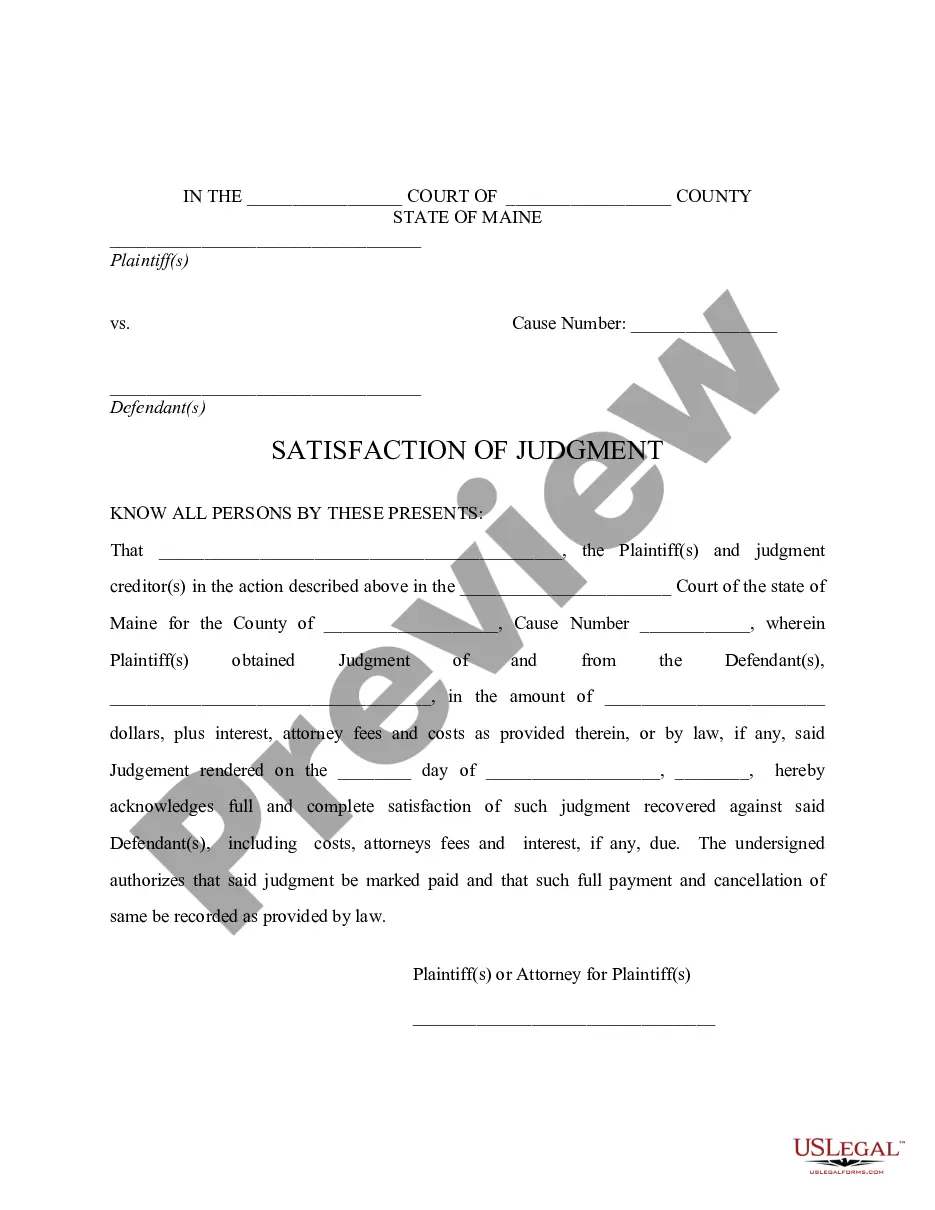
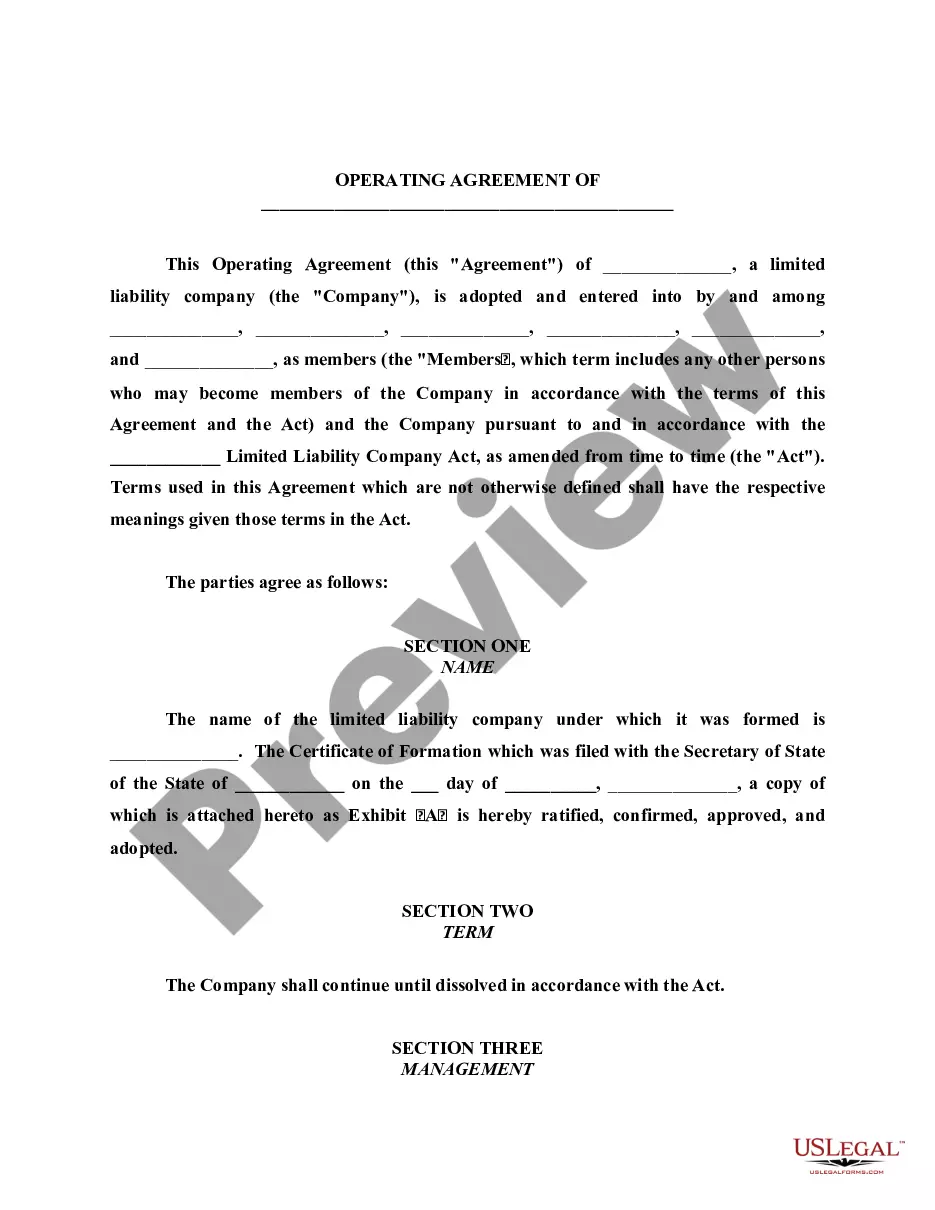
How to fill out Arkansas Quitclaim Deed From Individual To Corporation?
There’s no longer a need to spend time searching for legal documents to meet your local state regulations.
US Legal Forms has gathered all of them in one location and simplified their accessibility.
Our platform provides over 85k templates for various business and personal legal situations categorized by state and area of use.
Use the Search field above to look for another template if the current one doesn’t fit your needs. Click Buy Now next to the template name when you find the right one. Select your preferred subscription plan and create an account or Log In. Complete the payment for your subscription using a credit card or via PayPal to proceed. Choose the file format for your Arkansas Quitclaim Deed Statute Of Limitations and download it to your device. Print the form to fill it out manually or upload the template if you prefer to complete it in an online editor. Completing official documents under federal and state laws is quick and easy with our platform. Try US Legal Forms today to keep your filings organized!
- All forms are expertly drafted and validated for accuracy, so you can be confident in obtaining an up-to-date Arkansas Quitclaim Deed Statute Of Limitations.
- If you are acquainted with our platform and already have an account, ensure your subscription is active before accessing any templates.
- Log In to your account, select the document, and click Download.
- You can also revisit all saved documents whenever needed by navigating to the My documents tab in your profile.
- If you have never used our platform before, the process will involve a few additional steps to complete.
- Here’s how new users can locate the Arkansas Quitclaim Deed Statute Of Limitations in our catalog.
- Examine the page content carefully to ensure it includes the template you require.
- To do so, utilize the form description and preview options if available.
Form popularity
FAQ
Yes, there is a time limit to file a quitclaim deed, which varies based on specific circumstances and local laws. In Arkansas, the quitclaim deed statute of limitations may influence your right to contest the deed or pursue claims involving the property. It is crucial to file any related documents within this timeframe to protect your interests.
Several factors can invalidate a quitclaim deed, including issues like lack of proper signatures, failure to meet state requirements, or if the grantor had insufficient ownership rights. Additionally, if there's evidence of fraud or duress, the deed may be considered void. To navigate these complexities, refer to the Arkansas quitclaim deed statute of limitations to understand how time affects the validity of a deed.
A quitclaim deed does not have an expiration date, meaning it remains valid as long as it was executed correctly. However, understanding the Arkansas quitclaim deed statute of limitations is essential when considering disputes or if a property title is challenged. Legally, if you wish to contest a quitclaim deed, you may be limited by a certain timeframe, so it's wise to act promptly.
Arkansas statute 18-12-608 pertains to the procedures for real property conveyances, specifically addressing the execution and recording of deeds. This statute helps clarify how quitclaim deeds are treated under Arkansas law. Familiarizing yourself with the Arkansas quitclaim deed statute of limitations in conjunction with statute 18-12-608 will provide better insight into the timeframe for contesting or enforcing a quitclaim deed in the state.
The Arkansas quitclaim deed statute outlines the requirements for creating and recording quitclaim deeds, ensuring clarity and legal acceptance. While there is no specific statute solely for quitclaim deeds, key regulations can be found under Arkansas Code Title 18, particularly regarding property transfers. Understanding the Arkansas quitclaim deed statute of limitations is essential to fully comprehend rights and obligations related to such deeds.
Yes, a quitclaim deed can be contested in Arkansas, though the grounds for contesting may differ from those of a warranty deed. Individuals may challenge the validity of the quitclaim deed based on issues such as fraud, lack of capacity, or improper execution. It is important to be aware of the Arkansas quitclaim deed statute of limitations, as timely action is necessary for contesting such deeds.
To create a valid quitclaim deed in Arkansas, you must include the names of both the grantor and grantee, a description of the property, and the grantor's signature. Additionally, the deed should be notarized and recorded in the county where the property is located. When considering the Arkansas quitclaim deed statute of limitations, recording the deed is crucial as it establishes public notice of the property transfer.
In Arkansas, a warranty deed provides a guarantee that the grantor has clear title to the property and will defend against any claims. Conversely, a quitclaim deed transfers whatever interest the grantor has in the property without any warranty. When looking into the Arkansas quitclaim deed statute of limitations, understand that a quitclaim may have different implications for property rights, as it does not offer the protection a warranty deed provides.