Home Inspection Checklist
Description
Get your form ready online
Our built-in tools help you complete, sign, share, and store your documents in one place.
Make edits, fill in missing information, and update formatting in US Legal Forms—just like you would in MS Word.
Download a copy, print it, send it by email, or mail it via USPS—whatever works best for your next step.
Sign and collect signatures with our SignNow integration. Send to multiple recipients, set reminders, and more. Go Premium to unlock E-Sign.
If this form requires notarization, complete it online through a secure video call—no need to meet a notary in person or wait for an appointment.
We protect your documents and personal data by following strict security and privacy standards.

Make edits, fill in missing information, and update formatting in US Legal Forms—just like you would in MS Word.

Download a copy, print it, send it by email, or mail it via USPS—whatever works best for your next step.

Sign and collect signatures with our SignNow integration. Send to multiple recipients, set reminders, and more. Go Premium to unlock E-Sign.

If this form requires notarization, complete it online through a secure video call—no need to meet a notary in person or wait for an appointment.

We protect your documents and personal data by following strict security and privacy standards.
Looking for another form?







How to fill out Arkansas Buyer's Home Inspection Checklist?
- Log in to your US Legal Forms account if you’re a returning user and ensure your subscription is active. If not, you'll need to renew it before downloading any forms.
- For first-time users, start by browsing the comprehensive library. Use the preview mode to review form descriptions to ensure that you select the correct home inspection checklist to suit your needs and comply with local regulations.
- If you encounter any challenges or need a different form, utilize the Search tab to locate the necessary document efficiently.
- Once you find the appropriate checklist, click on the 'Buy Now' button and select a subscription plan that best fits your requirements. New users will need to create an account for access.
- Finalize your purchase by entering your payment details, such as credit card information or your PayPal account.
- Download the completed form to your device for easy access, and remember you can always find it again in the 'My documents' section of your profile.
In conclusion, leveraging the US Legal Forms platform to manage your home inspection checklist simplifies the legal documentation process. With an extensive selection of forms and easy accessibility, you can ensure that your property transactions are both legally sound and efficient.
Start your seamless experience today by visiting US Legal Forms and accessing thousands of legal documents at your fingertips!
Form popularity
FAQ
To write a report on an inspection, begin with an outline based on your home inspection checklist. This structure will help you cover all necessary aspects, such as condition assessments and recommendations. Use clear language and avoid jargon to ensure clarity, and don't forget to support your findings with visuals when appropriate.
Filling out an inspection report starts with a clear and comprehensive home inspection checklist. Go through each section methodically, ensuring you document your observations accurately. It’s important to include any areas of concern as well as recommendations, making it easy for future reference.
One of the biggest red flags during a home inspection is significant structural damage, which can include cracks in the foundation or sagging beams. These issues can indicate deeper problems that may require costly repairs. Using a well-prepared home inspection checklist can help you identify these concerning signs early.
Completing your home inspection requires a systematic approach guided by a comprehensive home inspection checklist. Begin by inspecting each area of the house, from the foundation to the roof, noting any potential issues. Once you have collected all your observations, compile them into a detailed report that can highlight any necessary repairs or concerns.
Writing a quality inspection report involves more than just filling forms. Start with your home inspection checklist as guidance, and organize your observations logically. Be precise in your language, support your findings with photographs when possible, and ensure the report is easy to read. This approach ensures that the key information is conveyed effectively.
To fill out an inspection report effectively, start with a clear home inspection checklist that includes all critical areas of the property. As you examine each section, document your findings in a structured manner, noting any issues or observations. Use straightforward language and ensure you include any necessary details for clarity.
A home inspection may fail due to significant safety hazards, extensive structural problems, or issues like mold or pest infestations. These factors can raise red flags on a home inspection checklist and indicate potential hazards for future owners. Buyers and sellers should be aware that failing an inspection can complicate the sale process, but it also provides an opportunity to negotiate repairs. Focusing on these areas can lead to a smoother transaction.
The most common issue that arises during a home inspection is often related to plumbing, particularly leaking or outdated pipes. Homebuyers should anticipate discovering such problems when consulting a home inspection checklist. Addressing plumbing issues early can prevent larger complications in the future, enhancing the property's value. Understanding these common concerns helps buyers set realistic expectations about home maintenance.
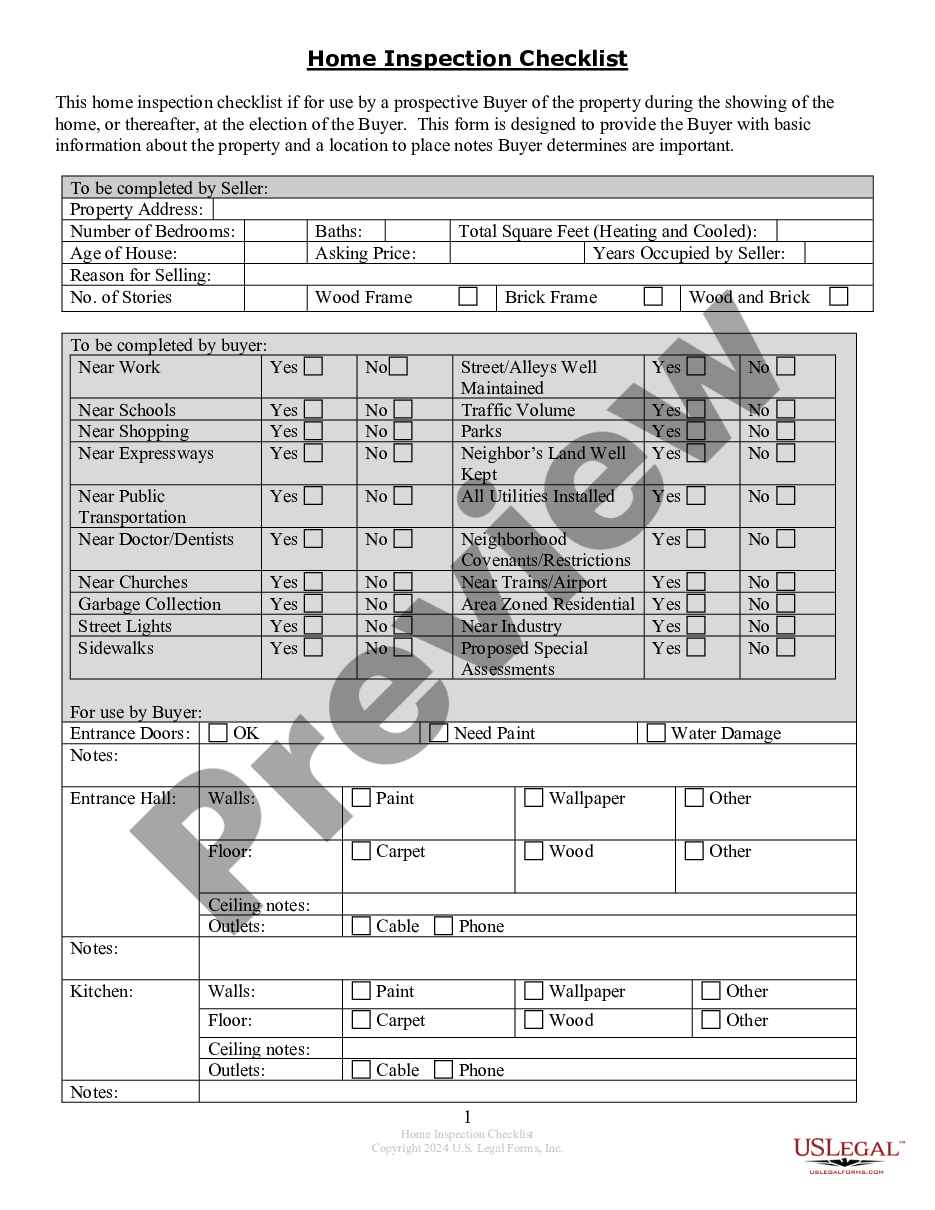
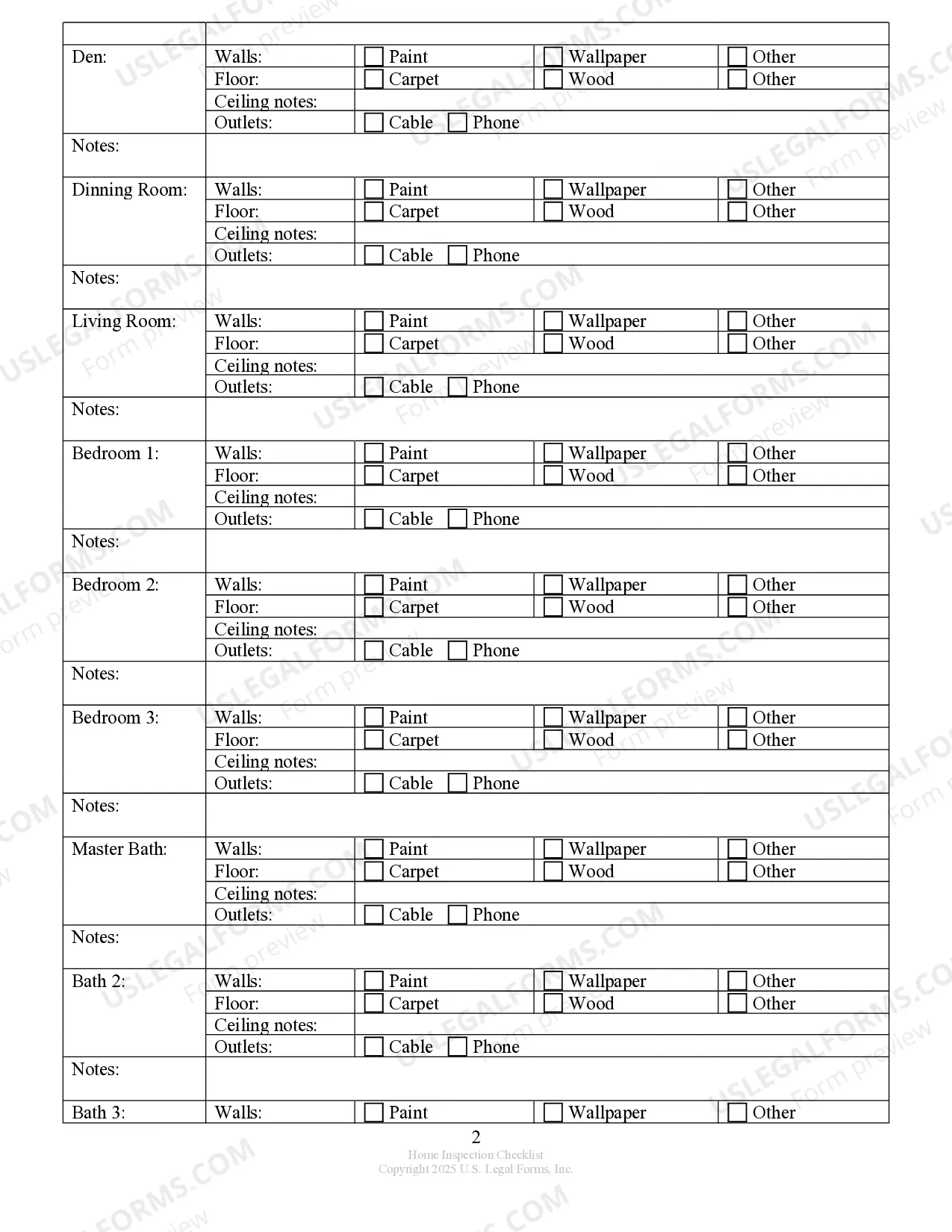
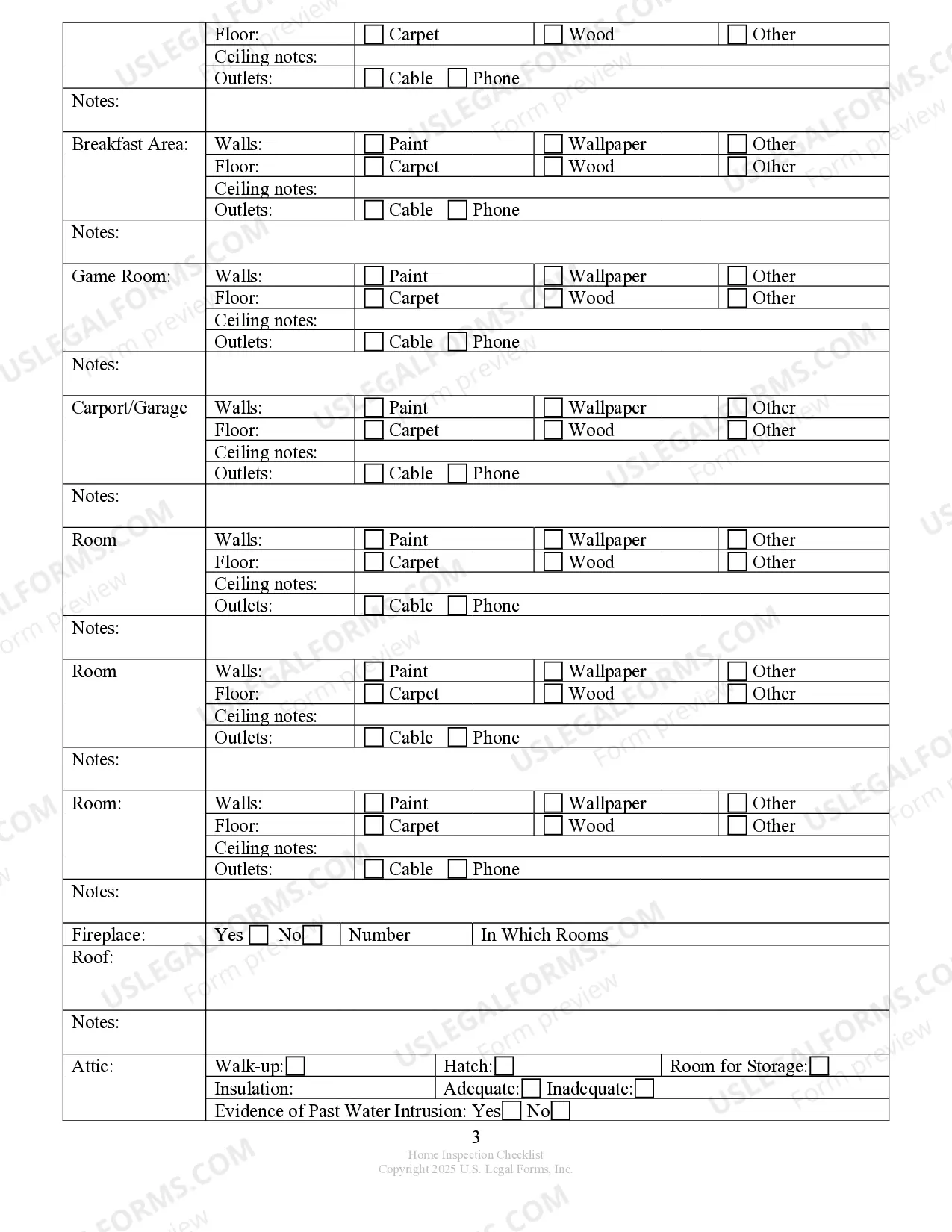
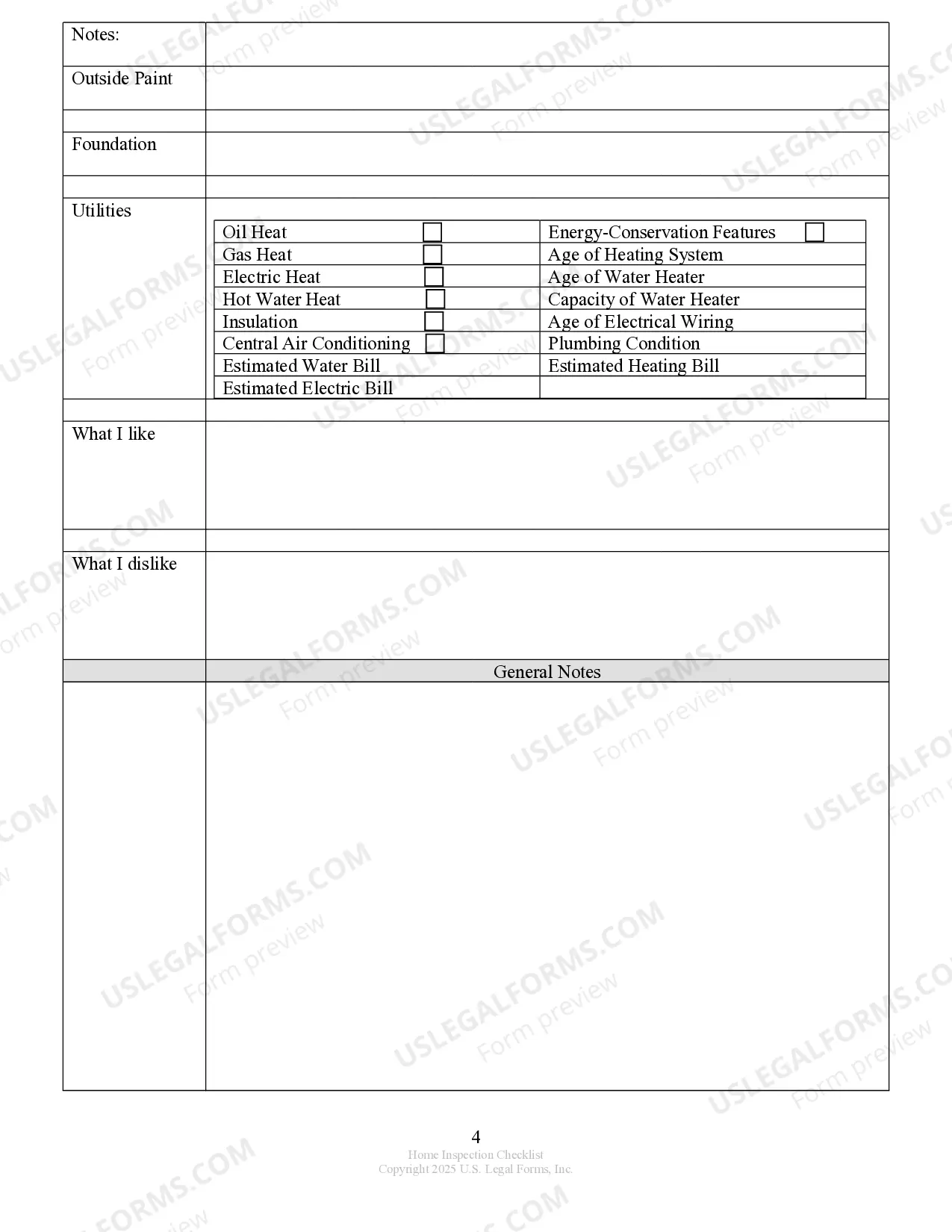
A home inspection checklist includes essential elements that an inspector reviews, such as the roof, plumbing, electrical systems, and appliances. This checklist helps ensure that no critical areas are overlooked during the inspection process. By using a comprehensive home inspection checklist, buyers can gain peace of mind knowing they are making a well-informed decision. It’s a vital tool for both buyers and sellers in real estate transactions.
The riskiest part of a home inspection often involves the roof and foundation. These areas can hide problems that are not immediately visible yet are crucial for the home's stability. A thorough home inspection checklist should include a careful assessment of these components to catch potential issues early. Ensuring you address these risks can save you significant costs later on.