Letters Of Support For Parole Examples
Description



Get your form ready online
Our built-in tools help you complete, sign, share, and store your documents in one place.
Make edits, fill in missing information, and update formatting in US Legal Forms—just like you would in MS Word.
Download a copy, print it, send it by email, or mail it via USPS—whatever works best for your next step.
Sign and collect signatures with our SignNow integration. Send to multiple recipients, set reminders, and more. Go Premium to unlock E-Sign.
If this form requires notarization, complete it online through a secure video call—no need to meet a notary in person or wait for an appointment.
We protect your documents and personal data by following strict security and privacy standards.

Make edits, fill in missing information, and update formatting in US Legal Forms—just like you would in MS Word.

Download a copy, print it, send it by email, or mail it via USPS—whatever works best for your next step.

Sign and collect signatures with our SignNow integration. Send to multiple recipients, set reminders, and more. Go Premium to unlock E-Sign.

If this form requires notarization, complete it online through a secure video call—no need to meet a notary in person or wait for an appointment.

We protect your documents and personal data by following strict security and privacy standards.
Looking for another form?
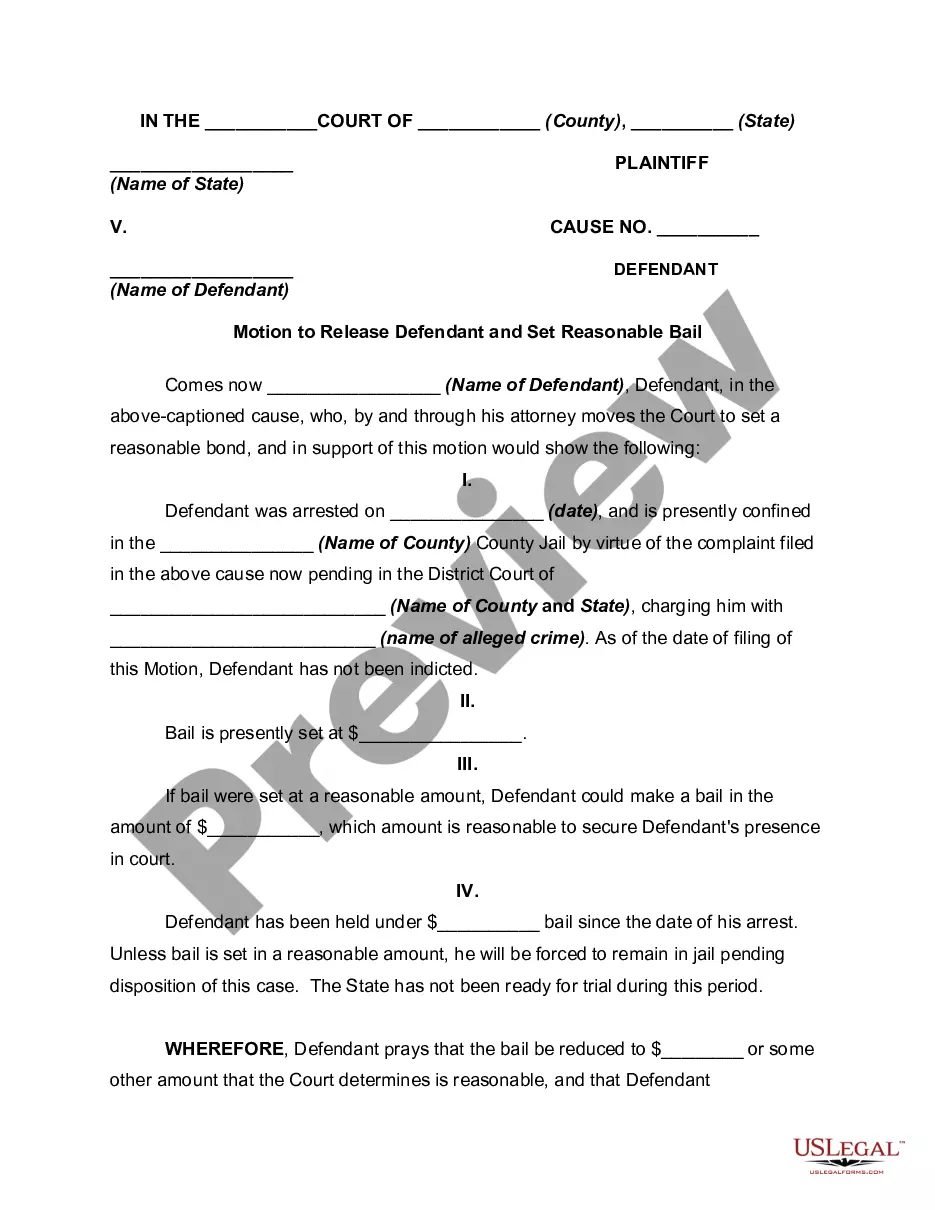
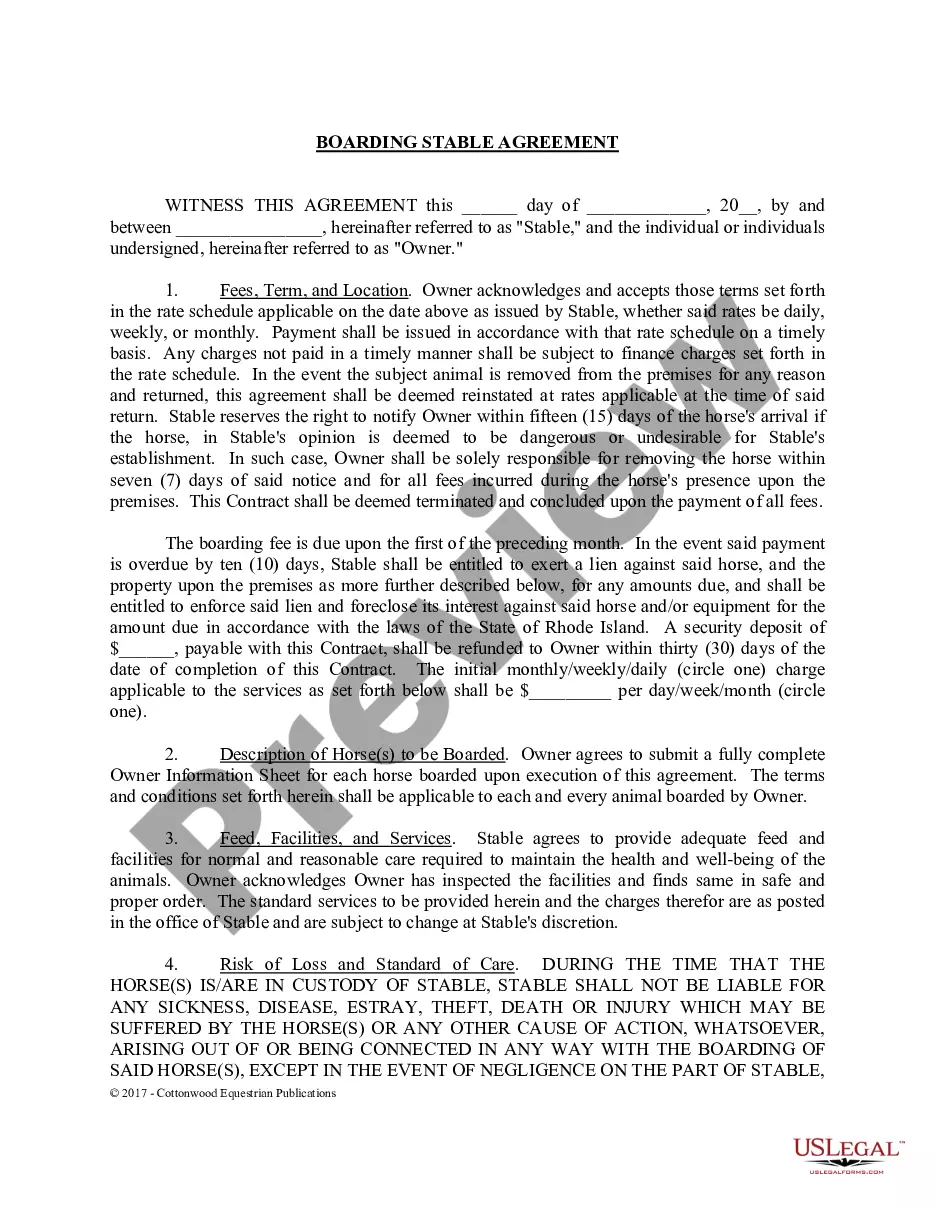
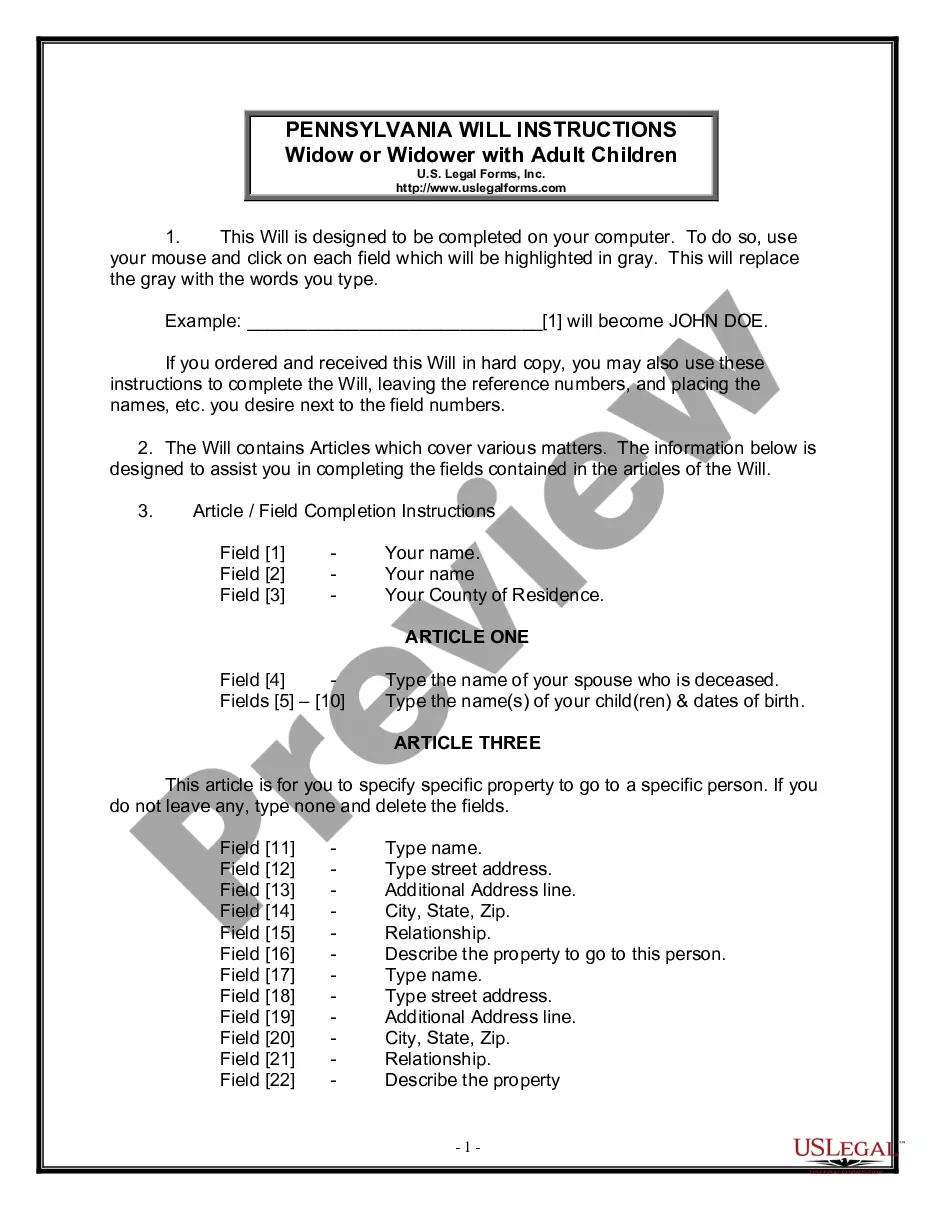
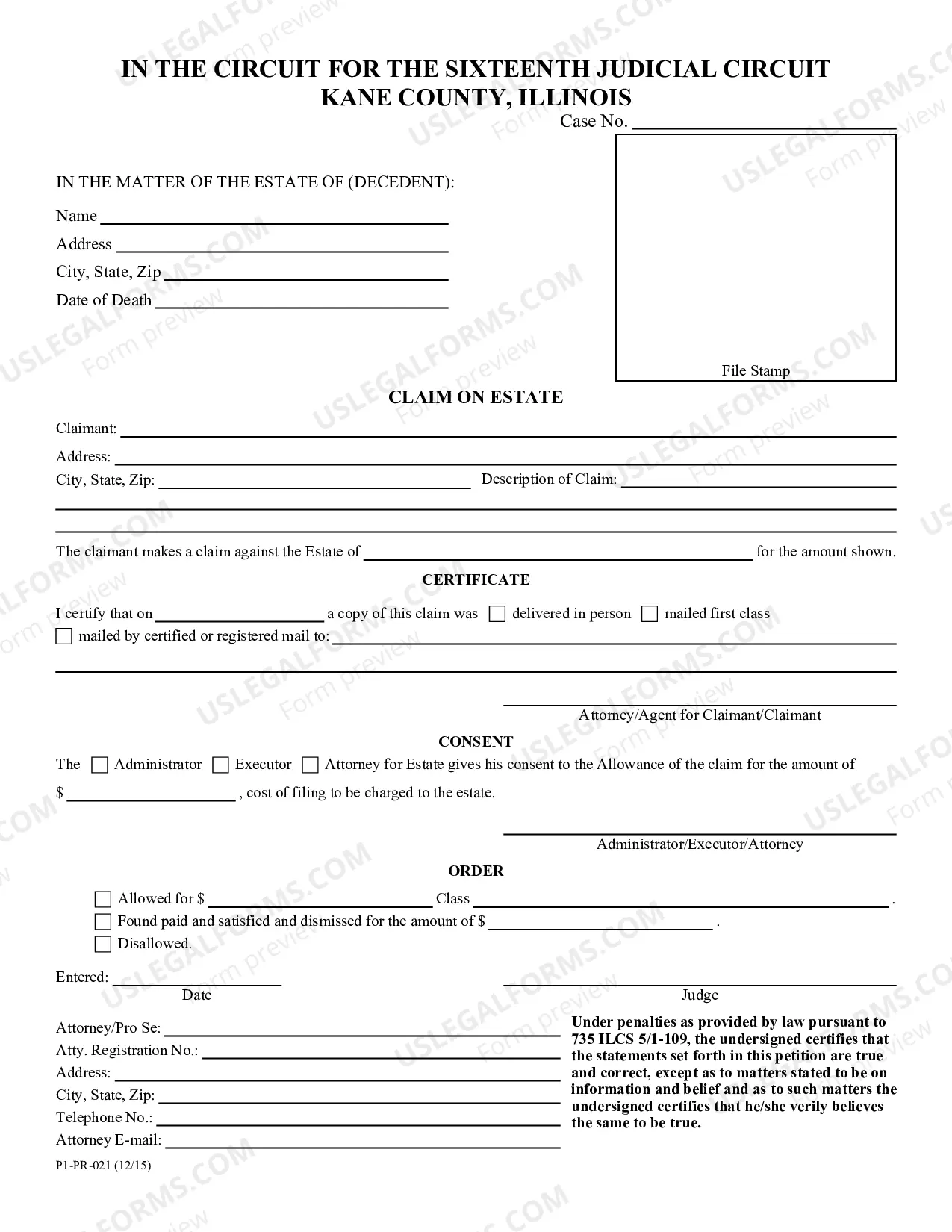

How to fill out Alabama Letter To Parol Board Members By Attorney Requesting Parol Of Inmate For Family?
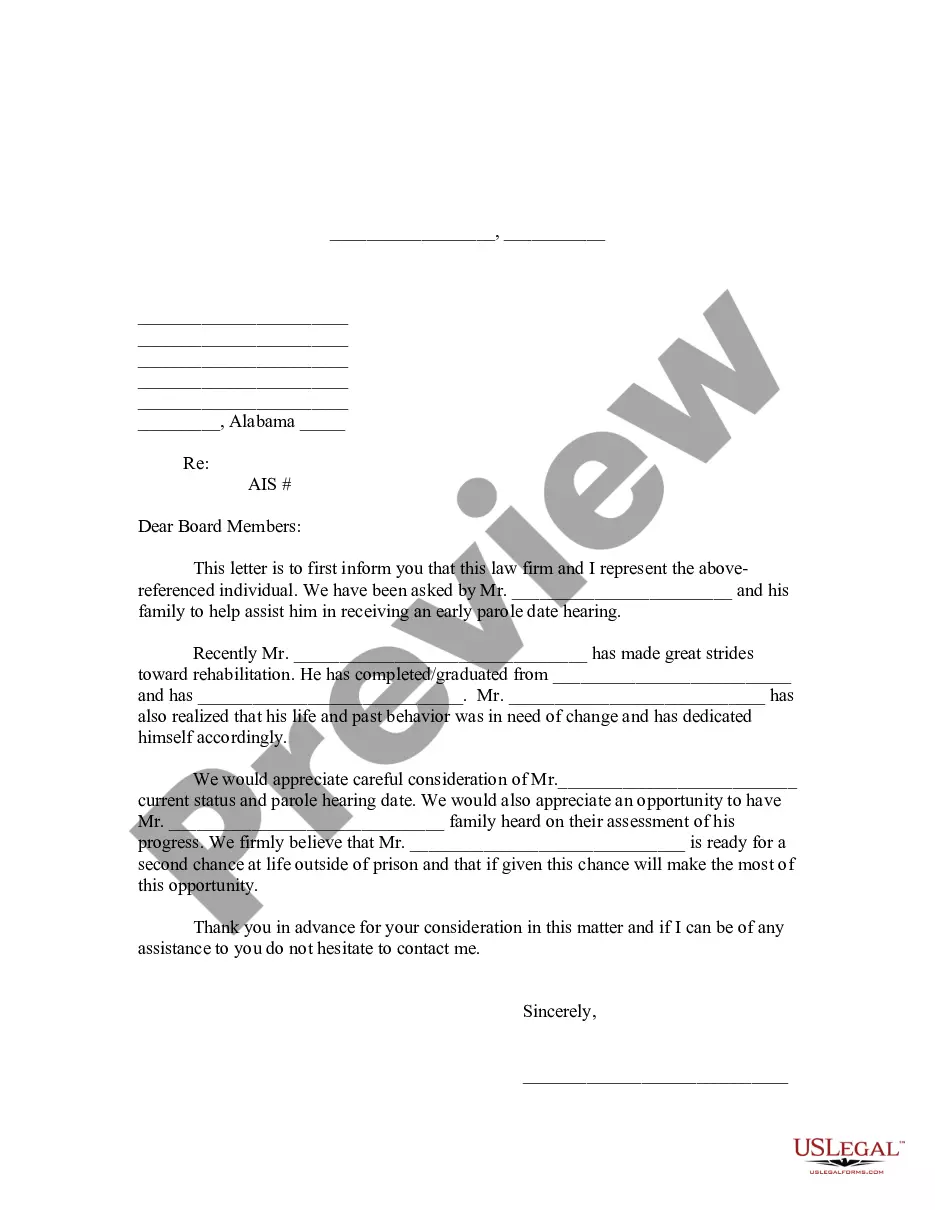
The Letters Of Support For Parole Samples displayed on this page is a versatile legal template crafted by experienced attorneys in compliance with federal and state laws.
For over 25 years, US Legal Forms has offered individuals, organizations, and legal practitioners more than 85,000 authenticated, state-specific documents for any professional and personal circumstance. It’s the quickest, simplest, and most reliable method to secure the necessary paperwork, as the service ensures the highest degree of data protection and anti-virus safeguards.
Register with US Legal Forms to have authenticated legal templates for all of life’s situations at your fingertips.
- Search for the document you require and review it.
- Browse the file you searched and preview it or examine the form description to verify it meets your requirements. If it doesn’t, utilize the search feature to locate the appropriate one. Click Buy Now when you have identified the template you need.
- Register and sign in.
- Select the pricing option that works for you and establish an account. Use PayPal or a credit card for a swift payment. If you already possess an account, Log In and verify your subscription to continue.
- Obtain the editable template.
- Select the format you prefer for your Letters Of Support For Parole Samples (PDF, Word, RTF) and save the document on your device.
- Complete and endorse the paperwork.
- Print the template to fill it out by hand. Alternatively, utilize an online multifunctional PDF editor to swiftly and accurately fill out and sign your form electronically.
- Download your documents once more.
- Use the same document again whenever necessary. Access the My documents tab in your profile to redownload any previously acquired forms.
Form popularity
FAQ
To write a letter to probation and parole, start by addressing the correct agency or officer. Clearly state your intentions and outline your reasons for writing, whether it is to express support or to provide information about the individual. Be concise and factual, and ensure your letter is respectful. For reference, check out letters of support for parole examples on US Legal Forms to help you format your letter appropriately.
An inmate typically needs support letters that emphasize their positive qualities, rehabilitation progress, and community ties. These letters should come from friends, family, or employers who can provide a credible perspective. Such letters can significantly influence the parole board's decision. You can find helpful letters of support for parole examples on US Legal Forms to assist you in crafting an impactful letter.
A parole letter is a written document submitted to a parole board requesting the release of an inmate before the end of their sentence. It typically outlines the inmate's rehabilitation efforts and support from family or friends. This letter plays a crucial role in the parole hearing process. For effective examples, look at letters of support for parole examples on US Legal Forms.
When writing a letter to help someone get out of jail, start by addressing the correct authority or judge. Clearly articulate your relationship with the person and your reasons for supporting their release. Use specific examples that showcase their character and any positive changes they have made. You can also explore letters of support for parole examples on US Legal Forms for additional guidance.
A good support letter for parole should be heartfelt and sincere. Begin by introducing yourself and mention your connection to the inmate. Highlight their strengths, the changes they have made, and why they deserve a second chance. For inspiration, refer to letters of support for parole examples available on US Legal Forms.
To write a letter for someone to get parole, start by addressing the appropriate parole board or authority. Clearly state your relationship with the inmate and express your support for their release. Use specific examples to demonstrate their positive qualities and any rehabilitation they have undergone. You can find letters of support for parole examples on platforms like US Legal Forms to guide you.
Start a support letter for an inmate by addressing the appropriate parole board or authority respectfully. Then, introduce yourself and explain your connection to the inmate clearly. This sets the stage for your message and allows the reader to understand your perspective. You may refer to letters of support for parole examples for inspiration on effective openings.
In a support letter for parole, include details about your relationship with the inmate, their personal growth, and your belief in their readiness for reintegration. Highlight any positive changes they have made during their time incarcerated. You can also mention how their release would positively impact their family and community. Using letters of support for parole examples can help you include essential elements.
To write a support letter for someone incarcerated, start by introducing yourself and your relationship to the inmate. Clearly state your purpose for writing and share specific examples that illustrate the inmate's positive traits. You can refer to letters of support for parole examples to structure your letter and make it impactful. Remember, sincerity and clarity are key.
Anyone who has a personal connection to the inmate can write a parole letter. This includes family members, friends, colleagues, or mentors. The writer should be able to express their genuine feelings about the inmate's character and potential for rehabilitation. Examples of letters of support for parole can guide you in crafting your message effectively.