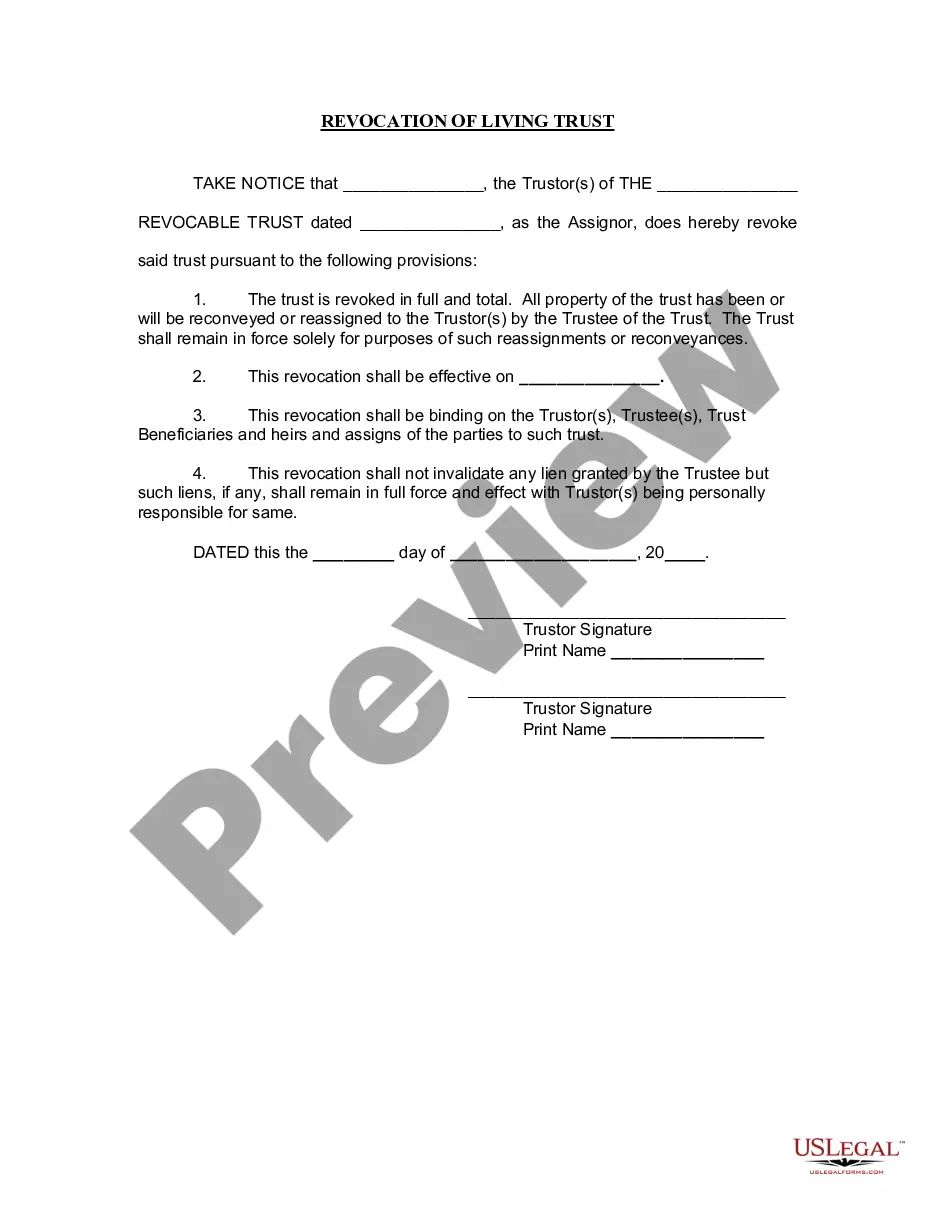
Revocation Living Trust With A Beneficiary
Description

Get your form ready online
Our built-in tools help you complete, sign, share, and store your documents in one place.
Make edits, fill in missing information, and update formatting in US Legal Forms—just like you would in MS Word.
Download a copy, print it, send it by email, or mail it via USPS—whatever works best for your next step.
Sign and collect signatures with our SignNow integration. Send to multiple recipients, set reminders, and more. Go Premium to unlock E-Sign.
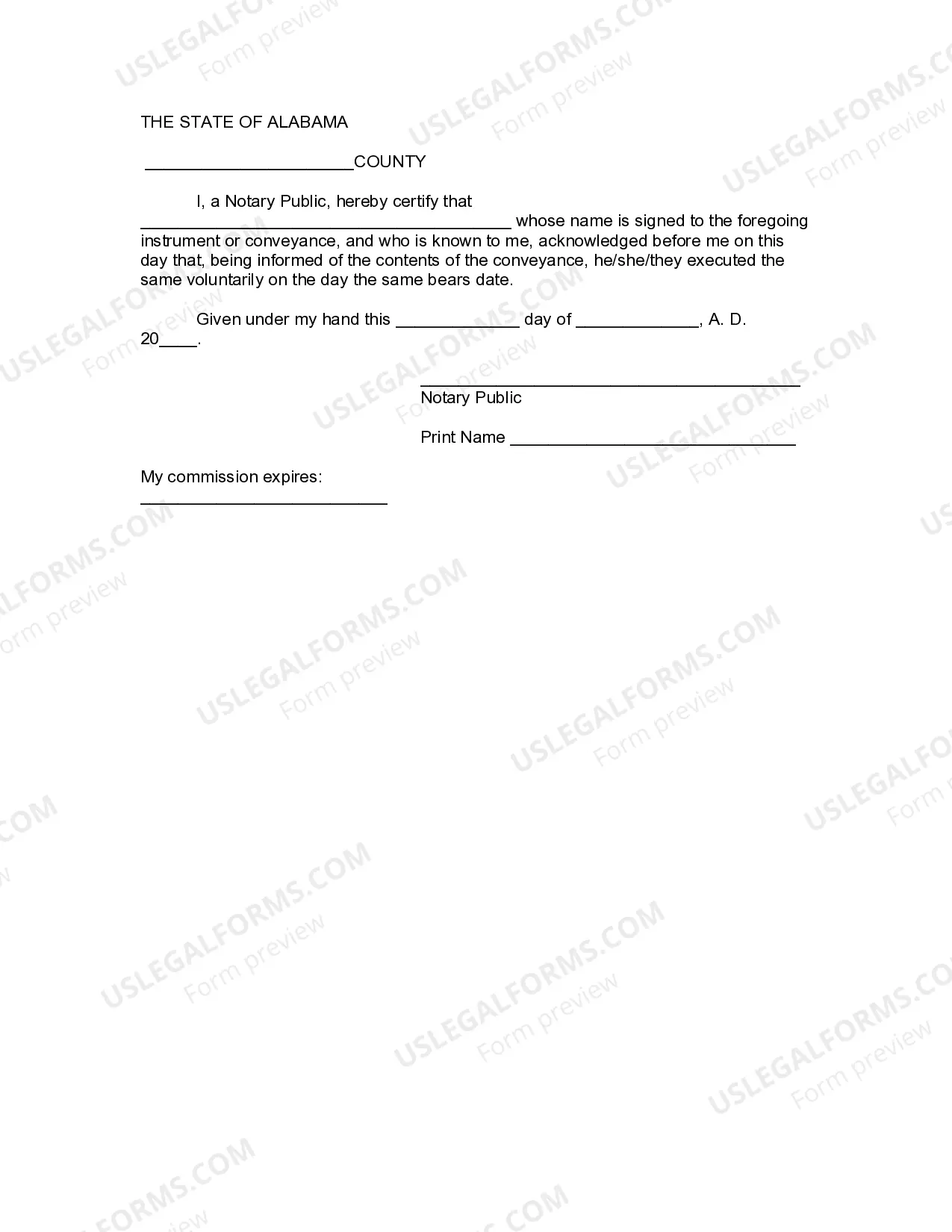
If this form requires notarization, complete it online through a secure video call—no need to meet a notary in person or wait for an appointment.
We protect your documents and personal data by following strict security and privacy standards.

Make edits, fill in missing information, and update formatting in US Legal Forms—just like you would in MS Word.

Download a copy, print it, send it by email, or mail it via USPS—whatever works best for your next step.

Sign and collect signatures with our SignNow integration. Send to multiple recipients, set reminders, and more. Go Premium to unlock E-Sign.

If this form requires notarization, complete it online through a secure video call—no need to meet a notary in person or wait for an appointment.

We protect your documents and personal data by following strict security and privacy standards.
Looking for another form?









How to fill out Alabama Revocation Of Living Trust?
- Log in to your US Legal Forms account if you're a returning user, or create a new account if this is your first visit.
- Search for the specific living trust revocation form using the Search tab to ensure it meets your needs.
- Review the form description and preview mode to confirm it aligns with your local jurisdiction requirements.
- Select and purchase the document by clicking the Buy Now button, choosing the most suitable subscription plan.
- Complete the payment using your credit card or PayPal to finalize your subscription.
- Download the form directly to your device and access it later from the My Forms section of your profile.
Once you have completed the steps above, you will have your living trust revocation form ready for use, ensuring that your estate planning needs are accurately addressed.
Take control of your assets today and make the right legal moves with US Legal Forms. Visit our website now to get started!
Form popularity
FAQ
To revoke a revocable living trust with a beneficiary, you must follow specific steps to ensure the process is valid. Start by reviewing the original trust document to check for any specific revocation instructions. Generally, you will sign a formal revocation document and notify all beneficiaries about the trust's termination. If you're unsure or need assistance, consider using US Legal Forms to ensure your revocation living trust with a beneficiary meets all legal requirements.
A typical sample of a revocation of a living trust includes a written document stating your intent to revoke the trust. It should clearly identify the trust being revoked, the date it was created, and your signature. This sample serves as a formal method to notify all parties involved, including beneficiaries, of the trust's termination. Platforms like USLegalForms offer customizable templates to assist you in drafting this important document effectively.
A trust can become null and void for several reasons, such as failing to meet legal requirements during its creation. If the trust lacks clear intent, adequate funding, or doesn’t properly designate beneficiaries, it might not hold up in court. Additionally, if all creators of the trust become incapacitated with no successor named, the trust may cease to exist. It's crucial to ensure that all elements are valid from the start to prevent this outcome.
A revocable trust is terminated by following a set of steps outlined in the trust document itself. This process typically involves executing a formal declaration of revocation, settling any remaining obligations, and distributing the assets to the beneficiaries. It's essential to document this process properly to avoid any future legal challenges. Utilizing services like USLegalForms can simplify this step and provide the correct forms.
One of the biggest mistakes parents make when establishing a trust fund is not clearly defining their beneficiaries. This oversight can lead to confusion and disputes later on. Additionally, failing to update the trust to reflect life changes, such as marriage or the birth of new children, can create complications. It's important to ensure that the trust accurately represents your intentions for your beneficiaries.
To revoke a trust beneficiary, you typically need to reference the revocation provisions outlined in your revocable living trust. This often involves drafting a formal amendment or revocation document, which indicates the change. It is crucial to follow the legal requirements set forth in your trust to ensure that the revocation holds up. Consulting resources such as USLegalForms can provide the templates and guidance needed for this process.
An example of a trust revocation occurs when you decide to dissolve a revocable trust that names a beneficiary. You might feel the need to change your beneficiaries or modify other aspects of your estate plan. In this case, you would follow the legal procedures to revoke the trust and distribute its assets according to your wishes. This ensures your estate plan aligns with your current intentions.
An example of revocation involves someone who originally established a revocation living trust with a beneficiary and later decides to change their estate plans. They may formally revoke the trust by drafting a revocation document that specifies the dissolution of the trust. This action allows the individual to redistribute assets or establish a new trust altogether. For more examples and legal support, visit the US Legal Forms platform for comprehensive resources.
Revoking a revocation living trust with a beneficiary is usually a straightforward process. You must prepare a written notice that states your intent to revoke the trust. After signing it according to state laws, you can effectively end the trust's function. If you require further guidance, US Legal Forms offers tools and templates to help make this process seamless.
Yes, you can remove a beneficiary from a revocation living trust with a beneficiary. To do this, you typically need to amend the trust document. It's important to follow the legal requirements for changes, as improper amendments can lead to complications. If you need assistance with the process, consider using the US Legal Forms platform to access the necessary resources.