Tenant Landlord Cease For Tenant
Description

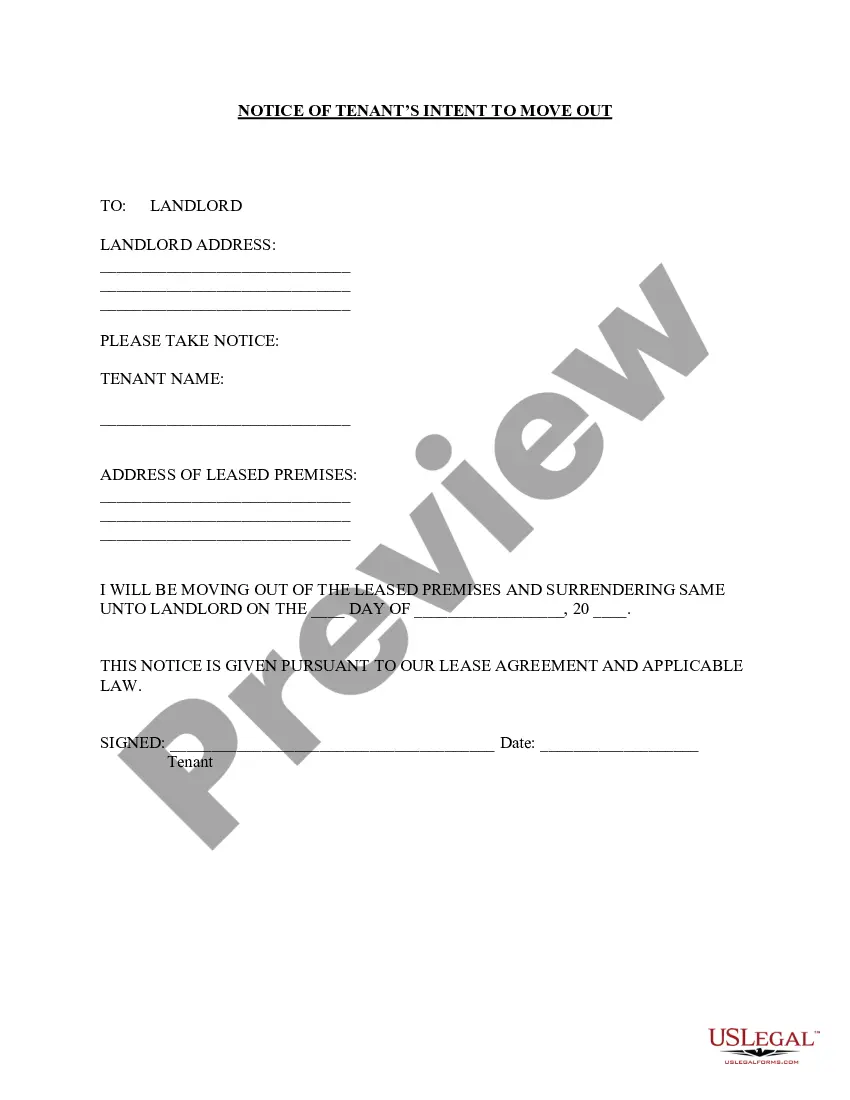


Get your form ready online
Our built-in tools help you complete, sign, share, and store your documents in one place.
Make edits, fill in missing information, and update formatting in US Legal Forms—just like you would in MS Word.
Download a copy, print it, send it by email, or mail it via USPS—whatever works best for your next step.
Sign and collect signatures with our SignNow integration. Send to multiple recipients, set reminders, and more. Go Premium to unlock E-Sign.
If this form requires notarization, complete it online through a secure video call—no need to meet a notary in person or wait for an appointment.
We protect your documents and personal data by following strict security and privacy standards.

Make edits, fill in missing information, and update formatting in US Legal Forms—just like you would in MS Word.

Download a copy, print it, send it by email, or mail it via USPS—whatever works best for your next step.

Sign and collect signatures with our SignNow integration. Send to multiple recipients, set reminders, and more. Go Premium to unlock E-Sign.

If this form requires notarization, complete it online through a secure video call—no need to meet a notary in person or wait for an appointment.

We protect your documents and personal data by following strict security and privacy standards.
Looking for another form?





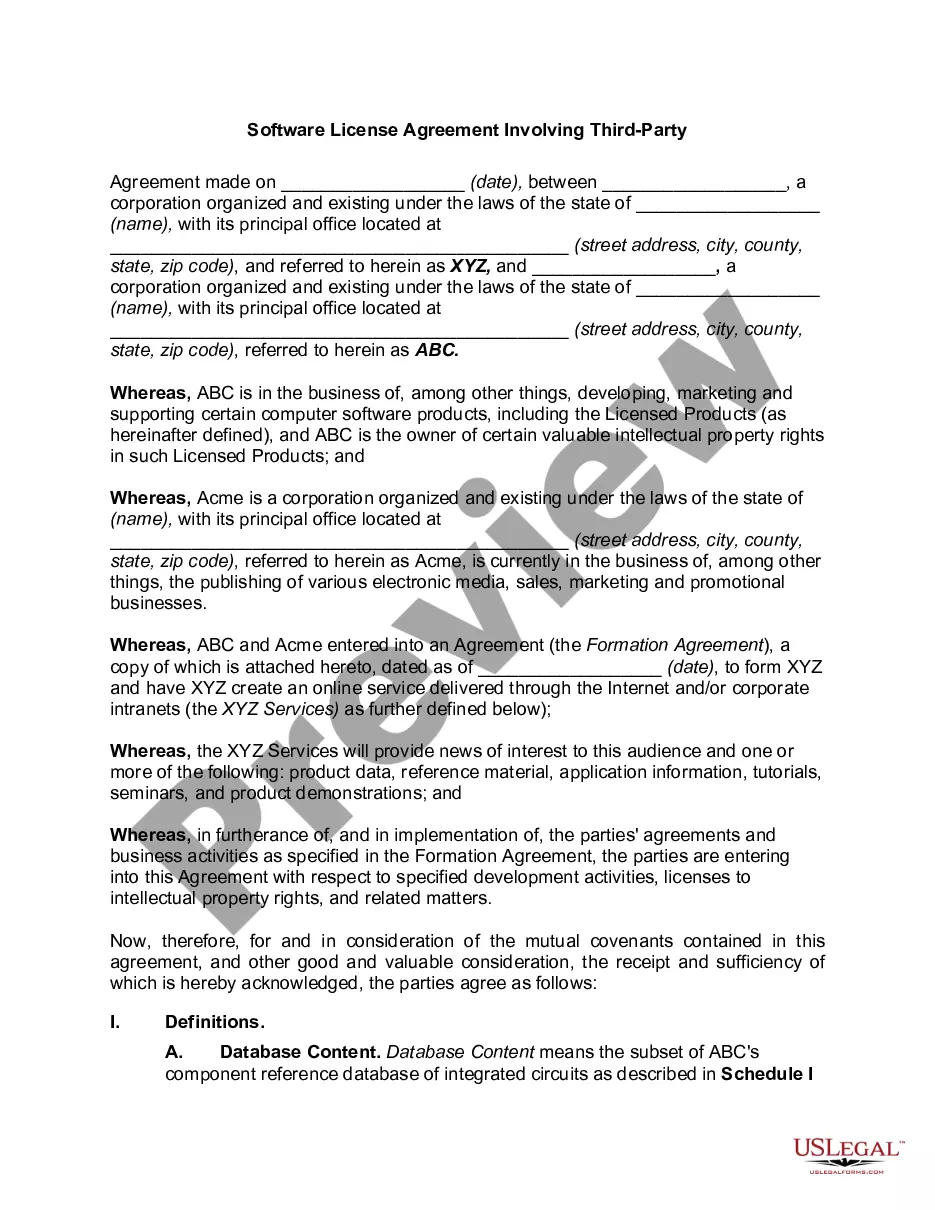



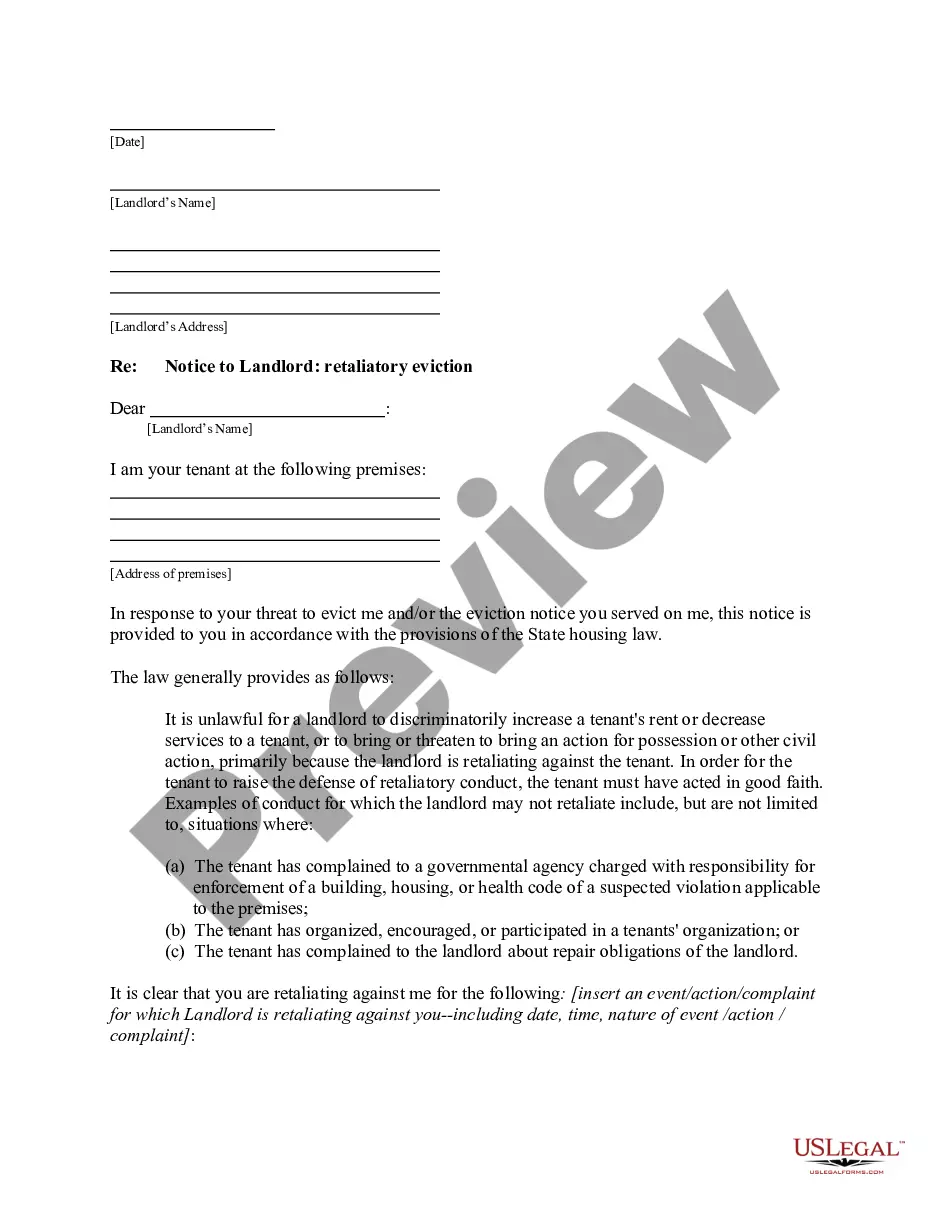
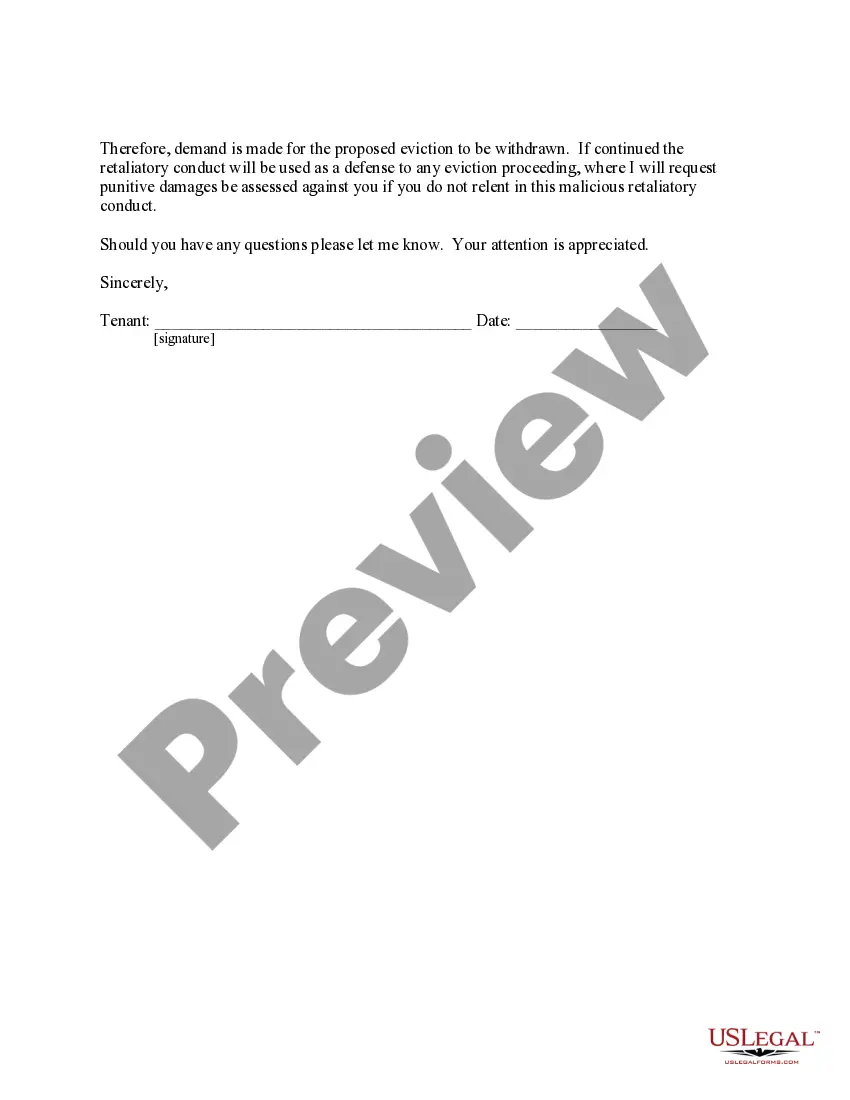
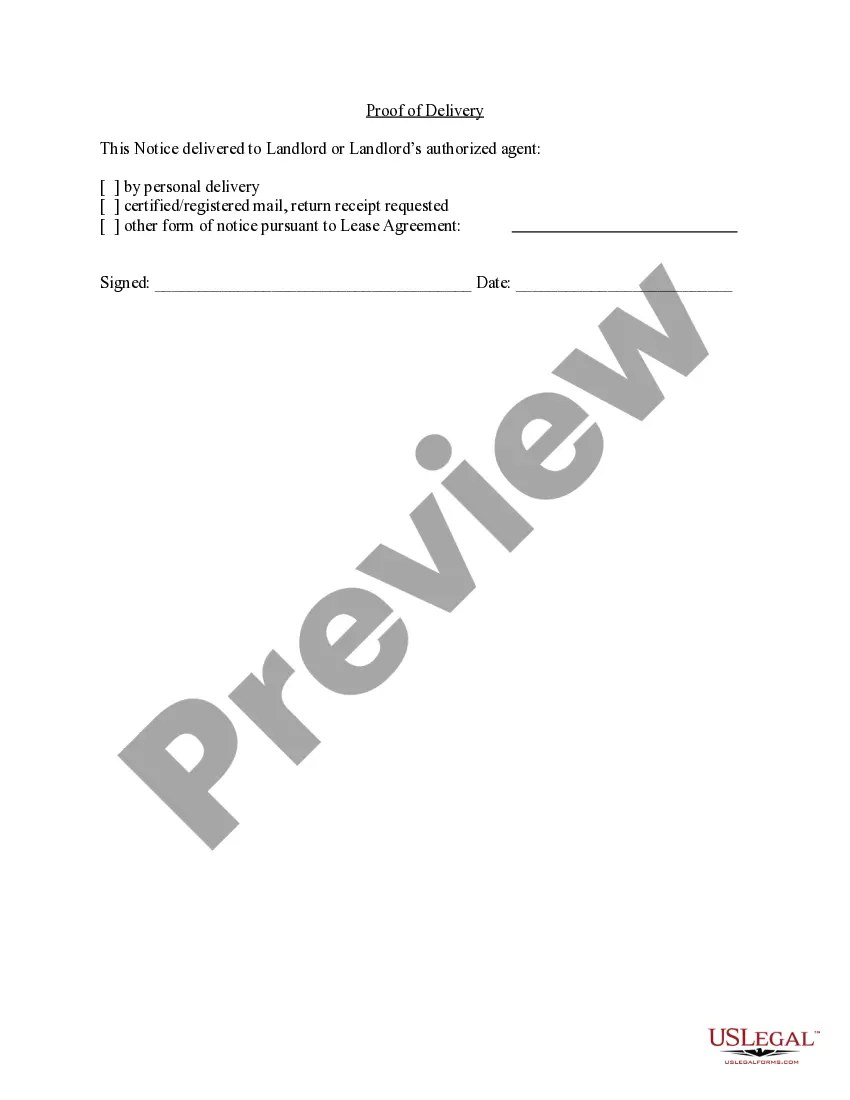
How to fill out Alabama Letter From Tenant To Landlord Containing Notice To Landlord To Cease Retaliatory Threats To Evict Or Retaliatory Eviction?
- If you’re a returning user, log in to your account and download your required document directly by selecting the Download button. Verify that your subscription is active; otherwise, renew it according to your chosen plan.
- For first-time users, begin by browsing the Preview mode to review form descriptions. Ensure you select the right form that meets your requirements and adheres to local regulations.
- If the selected template doesn’t fit your needs, utilize the search feature to find a suitable alternative. Once you locate the correct form, proceed to the next step.
- To purchase the template, click on the Buy Now button and select your preferred subscription plan. An account registration will be required to access the extensive library.
- Make your payment by providing credit card details or using a PayPal account to finalize your subscription.
- Download your chosen document to your device for completion. You can also access it anytime from the My Forms section of your profile.
US Legal Forms is dedicated to empowering individuals and legal professionals by providing a vast array of legally sound document templates. With over 85,000 forms available, users can confidently execute legal documents with ease.
Start your legal journey today and explore the benefits of US Legal Forms to ensure accurate documentation. Visit our website to get started!
Form popularity
FAQ
To cancel a tenant, you must provide proper notice, outlining the reason for cancellation and the move-out date. Be direct and ensure that the communication complies with local landlord-tenant laws, as this informs the tenant of their rights and obligations. This process is crucial in achieving a smooth tenant landlord cease for tenant. Using templates from platforms like US Legal Forms can simplify the task while ensuring all necessary details are included.
In Washington, you typically need to provide a minimum of 20 days' notice to terminate a month-to-month lease. Certain situations may require different notice periods, such as non-payment of rent, which can demand a shorter timeframe. Always ensure your notice is documented correctly, as it plays a significant role in a tenant landlord cease for tenant. Consulting resources like US Legal Forms can streamline this process.
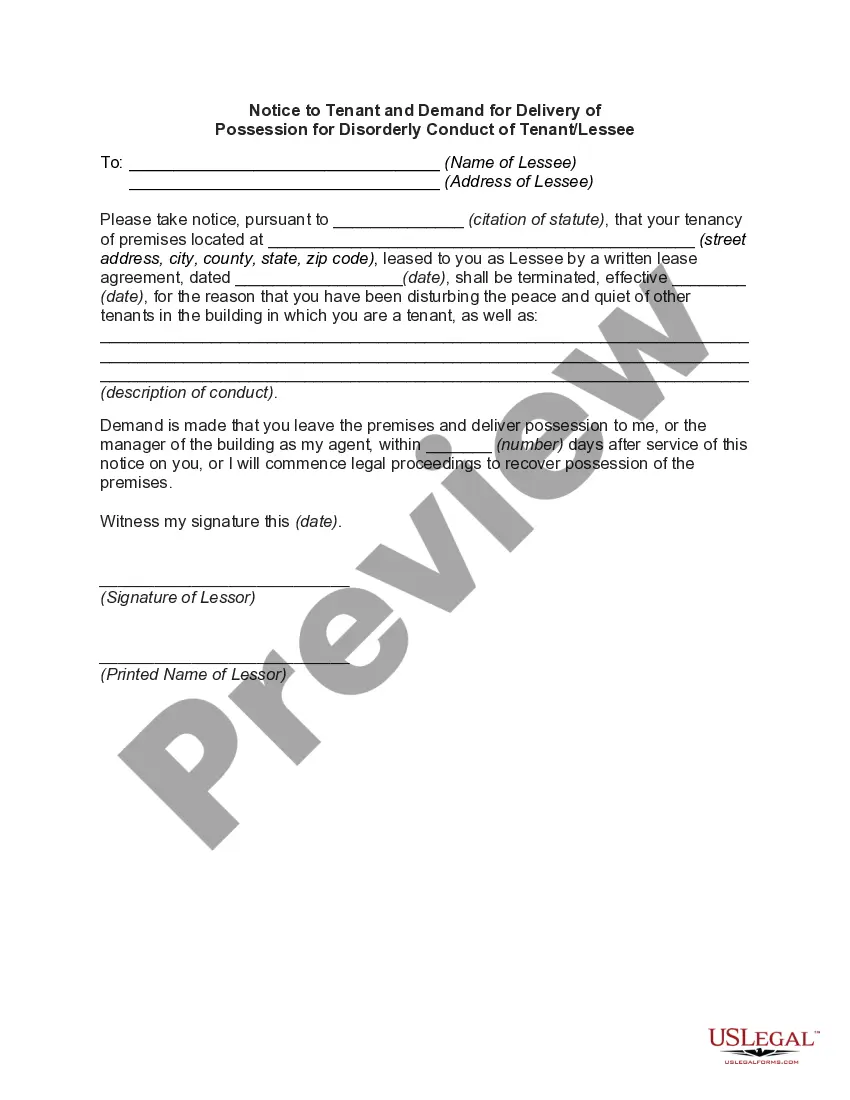
To write a letter to remove a tenant, start by clearly stating the purpose of your correspondence. Include important details such as the tenant’s name, the rental property address, and the reason for the eviction. Be sure to specify the date by which the tenant must vacate the premises. Using a formal tone helps emphasize the seriousness of the situation, especially in the context of a tenant landlord cease for tenant.
A short quit notice should be direct while remaining professional. Include basic details such as the tenant’s name, your contact information, and the effective date of the notice. Clearly state the reason for the termination and any required actions. For simplicity, consider using a standard template from US Legal Forms to ensure completeness.
A notice letter for moving out should be clear and concise. Begin with your name, the date, and your landlord's name or address. Specify the date you plan to vacate and express gratitude for the tenancy in a polite manner. Utilizing templates available on platforms like US Legal Forms can help you craft an appropriate letter.
To write an effective quit notice letter, start with your contact information, the current date, and the tenant's details. Clearly state that you are giving notice of their lease termination and cite the specific terms of the lease agreement being violated. Be sure to include any actions required from the tenant and deadlines. Using a comprehensive template from US Legal Forms makes this process straightforward and ensures compliance.
In New York, a tenant typically faces eviction actions if they fall one month behind on rent. However, the timeline may differ based on lease agreements and individual circumstances. It is advisable for landlords to document all communications regarding unpaid rent. For clarity on rights and obligations, consider consulting legal resources.
Writing a quit notice involves stating the purpose clearly and providing essential details. Start by including your contact information, the date, and the tenant’s name. The notice should specify the reason for termination, the timeframe for the tenant to vacate, and any pertinent legal citations. Adopting a template from US Legal Forms can streamline this process significantly.
Communicating with a tenant requires a delicate approach. Begin by expressing appreciation for their previous tenancy, which helps set a positive tone. Next, explain the reasons for the request, whether personal or property-related. By using resources such as US Legal Forms, you can ensure that your communication is respectful and in line with legal guidelines.
In New York, landlords cannot legally evict tenants without going through the court system. A landlord must file a case to obtain an eviction order from a judge. Attempting to remove a tenant without a proper court order may violate tenant rights and could lead to legal repercussions. For landlords, an accurate understanding of the eviction process can simplify matters.