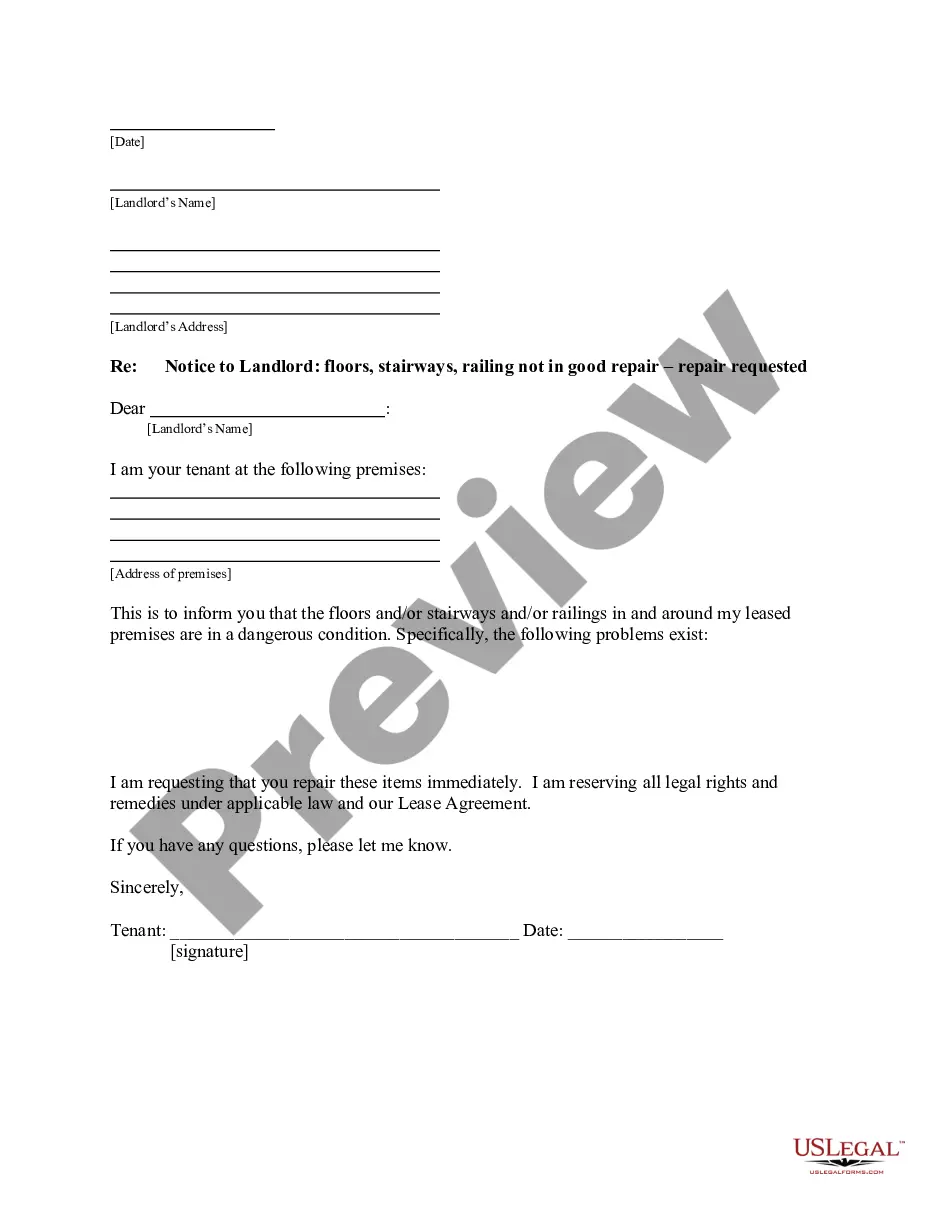
Tenant Landlord Demand Without Hot Water
Description



Get your form ready online
Our built-in tools help you complete, sign, share, and store your documents in one place.
Make edits, fill in missing information, and update formatting in US Legal Forms—just like you would in MS Word.
Download a copy, print it, send it by email, or mail it via USPS—whatever works best for your next step.
Sign and collect signatures with our SignNow integration. Send to multiple recipients, set reminders, and more. Go Premium to unlock E-Sign.
If this form requires notarization, complete it online through a secure video call—no need to meet a notary in person or wait for an appointment.
We protect your documents and personal data by following strict security and privacy standards.

Make edits, fill in missing information, and update formatting in US Legal Forms—just like you would in MS Word.

Download a copy, print it, send it by email, or mail it via USPS—whatever works best for your next step.

Sign and collect signatures with our SignNow integration. Send to multiple recipients, set reminders, and more. Go Premium to unlock E-Sign.

If this form requires notarization, complete it online through a secure video call—no need to meet a notary in person or wait for an appointment.

We protect your documents and personal data by following strict security and privacy standards.
Looking for another form?






Form popularity
FAQ
If you run out of hot water during a shower or while doing laundry, pause to reassess your situation. Check if you can reset your water heater, and contact your landlord promptly. Remember to express your concerns clearly in writing, creating a tenant landlord demand without hot water. This documentation could support your case in the event that the issue persists.
Addressing a lack of hot water begins with investigating your water heater and informing your landlord of the issue immediately. If you reside in a rental, your landlord is responsible for providing essential utilities. Document your attempts to resolve the tenant landlord demand without hot water, as this may be essential if further action is necessary.
In the absence of hot water, you can wash using cold water or warm water heated on the stove. Take advantage of disposable wipes for quick clean-ups or use a damp cloth for essential washing tasks. Communicating with your landlord about the hot water situation is crucial, as they may assist you in resolving the tenant landlord demand without hot water.
Running out of hot water can indeed be considered an emergency, especially during colder months. It affects your daily routines, such as showering and washing dishes. If your landlord fails to address the issue promptly, you may need to escalate the matter by sending a formal tenant landlord demand without hot water. This notifies your landlord of the urgency of the situation.
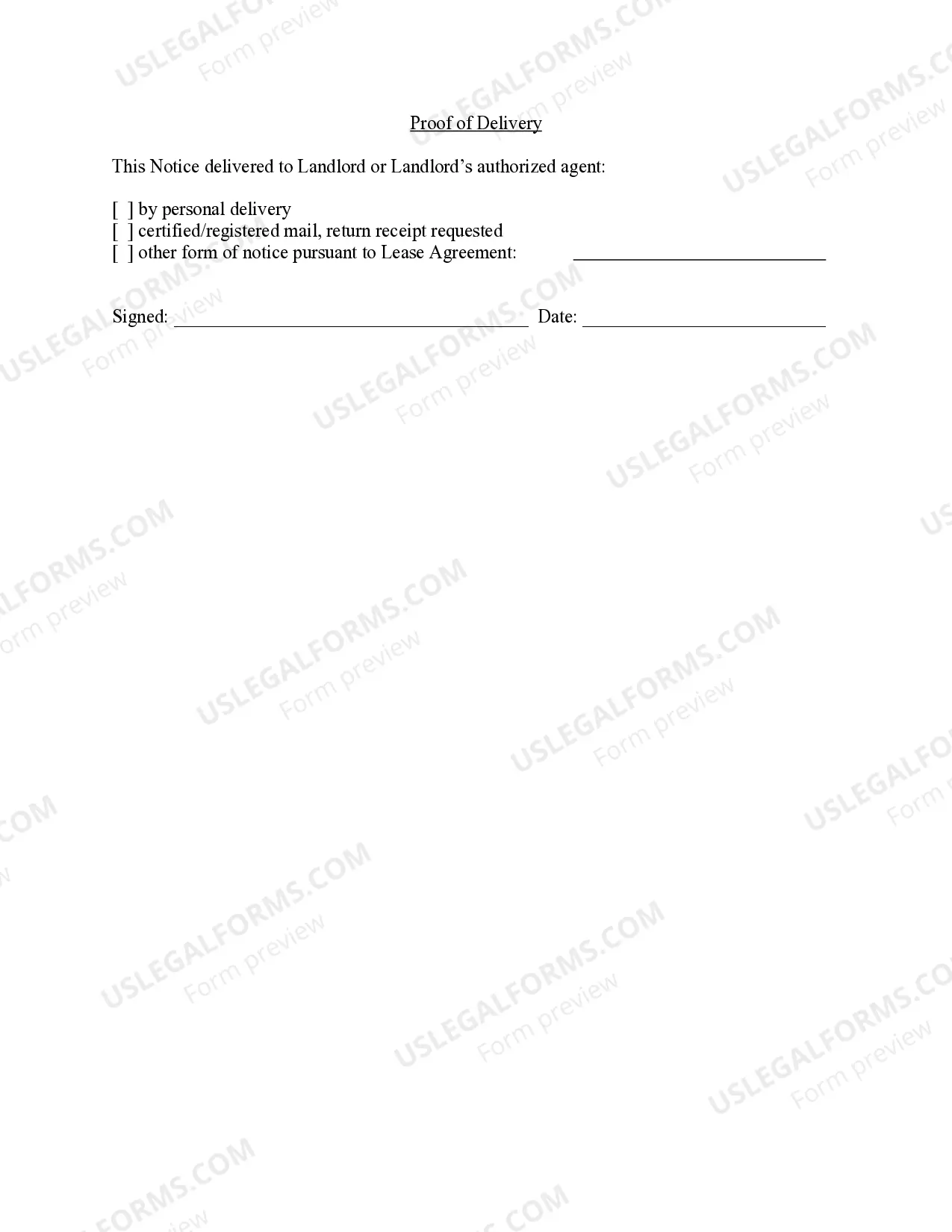
If you find yourself without hot water, start by checking your water heater. Look for any visible leaks or error codes, and ensure that the power or gas supply is functioning. Next, contact your landlord immediately and document the issue in writing, forming a tenant landlord demand without hot water. Timely communication is key to a quick resolution.
In Oklahoma, landlords are required to maintain essential services, including hot water. If hot water is unavailable, landlords should act quickly and typically have no more than 48 hours to resolve the problem. If they do not respond in a timely manner, you can submit a tenant landlord demand without hot water to push for a fast resolution. Remember to keep a record of all communications with your landlord to protect your rights.
In New York, landlords must provide tenants with hot water at all times. If hot water is not available, landlords typically have a reasonable timeframe of 24 hours to address the issue. If a landlord fails to fix the hot water issue promptly, tenants may issue a tenant landlord demand without hot water to expedite the repairs. It's crucial to document all communications and take necessary steps to ensure the landlord fulfills their responsibilities.
In Georgia, there is no specific timeframe established for how long a landlord can leave a tenant without hot water. However, landlords are generally expected to address such issues promptly, ideally within a few days. If the lack of hot water persists, tenants should inform the landlord and, if necessary, seek legal advice. Knowing your rights can help you navigate situations involving tenant landlord demands without hot water more effectively.
In Massachusetts, the law states that landlords must provide essential services, including hot water. Typically, any disruption should be resolved within 24 hours. If a landlord fails to restore hot water within this period, tenants may need to take further action, such as filing a complaint. Addressing tenant landlord demands without hot water is essential for maintaining a safe and livable environment.
Uninhabitable living situations include conditions that significantly compromise the safety and health of tenants. Examples include severe plumbing issues, lack of heat, or absence of hot water during cold months. When these conditions exist, tenants may take action against landlords. Knowing your rights can empower you to handle tenant landlord demands without hot water effectively.
