Quitclaim Deed Husband With Child Custody
Description
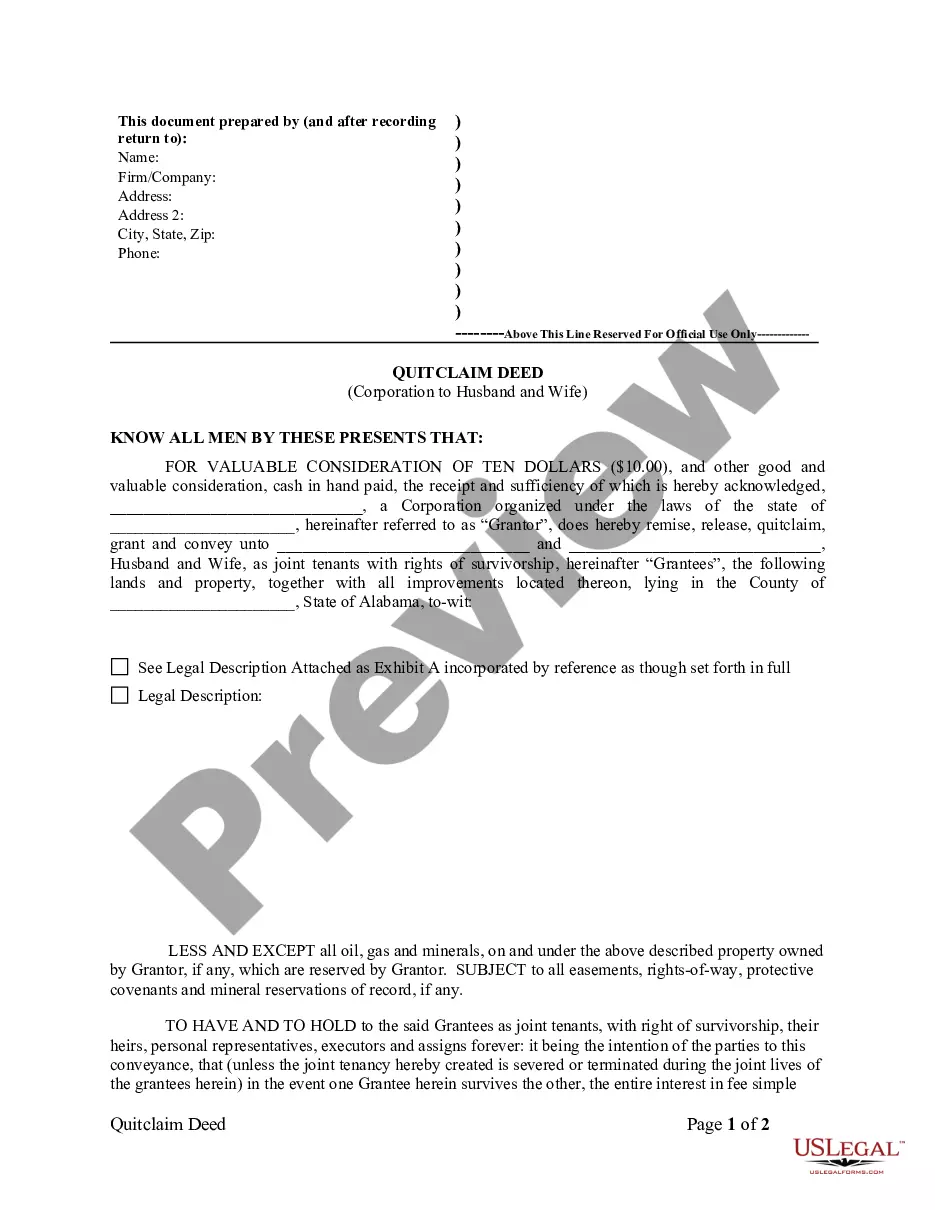
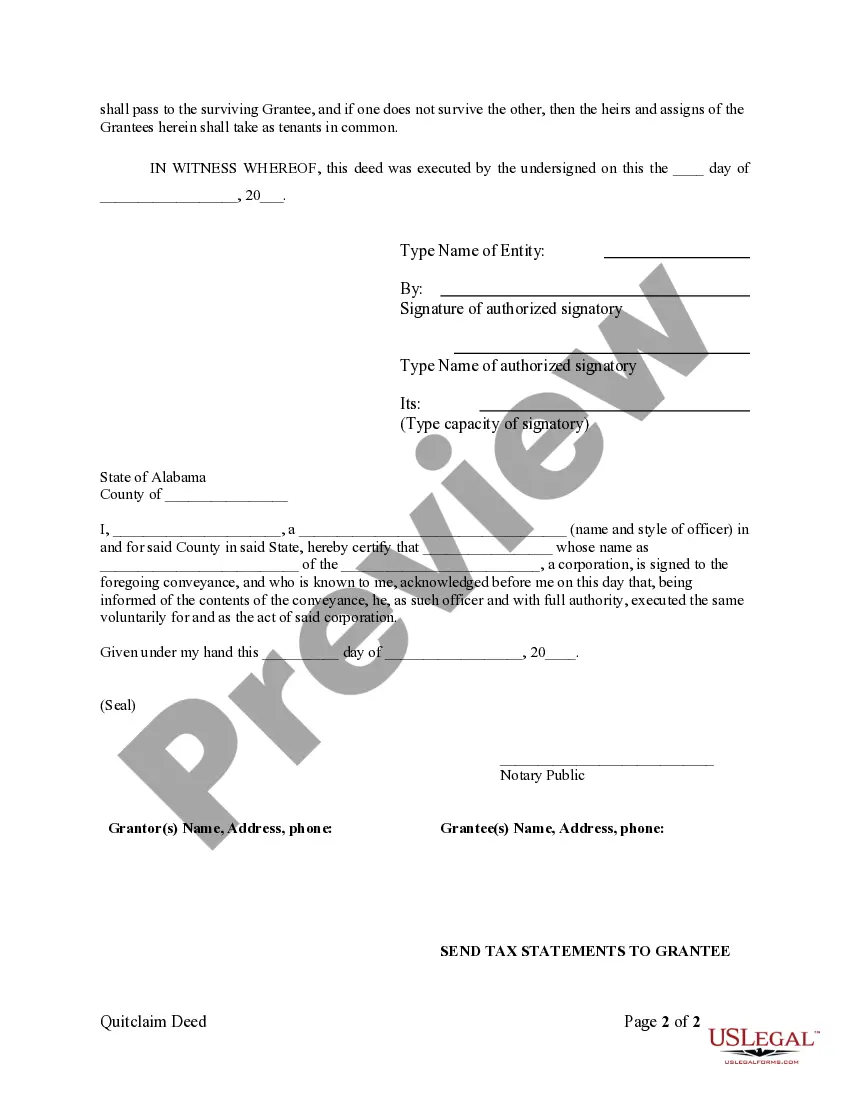

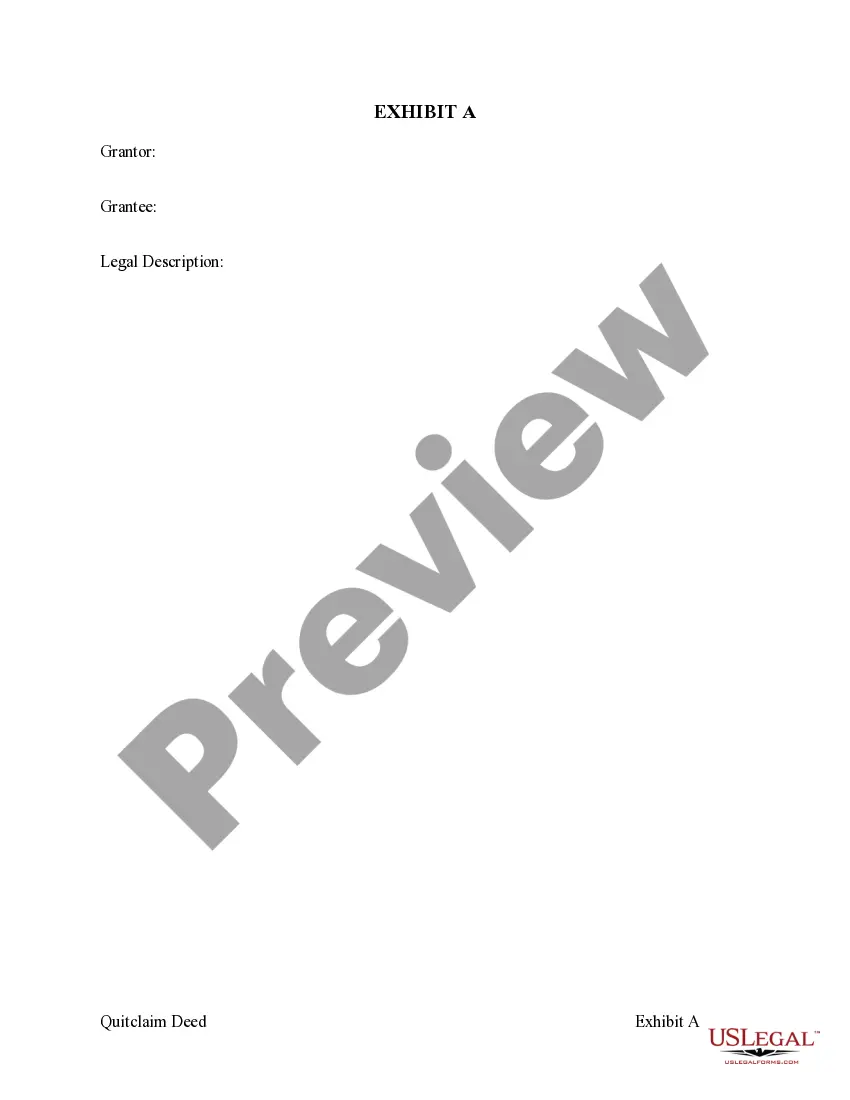


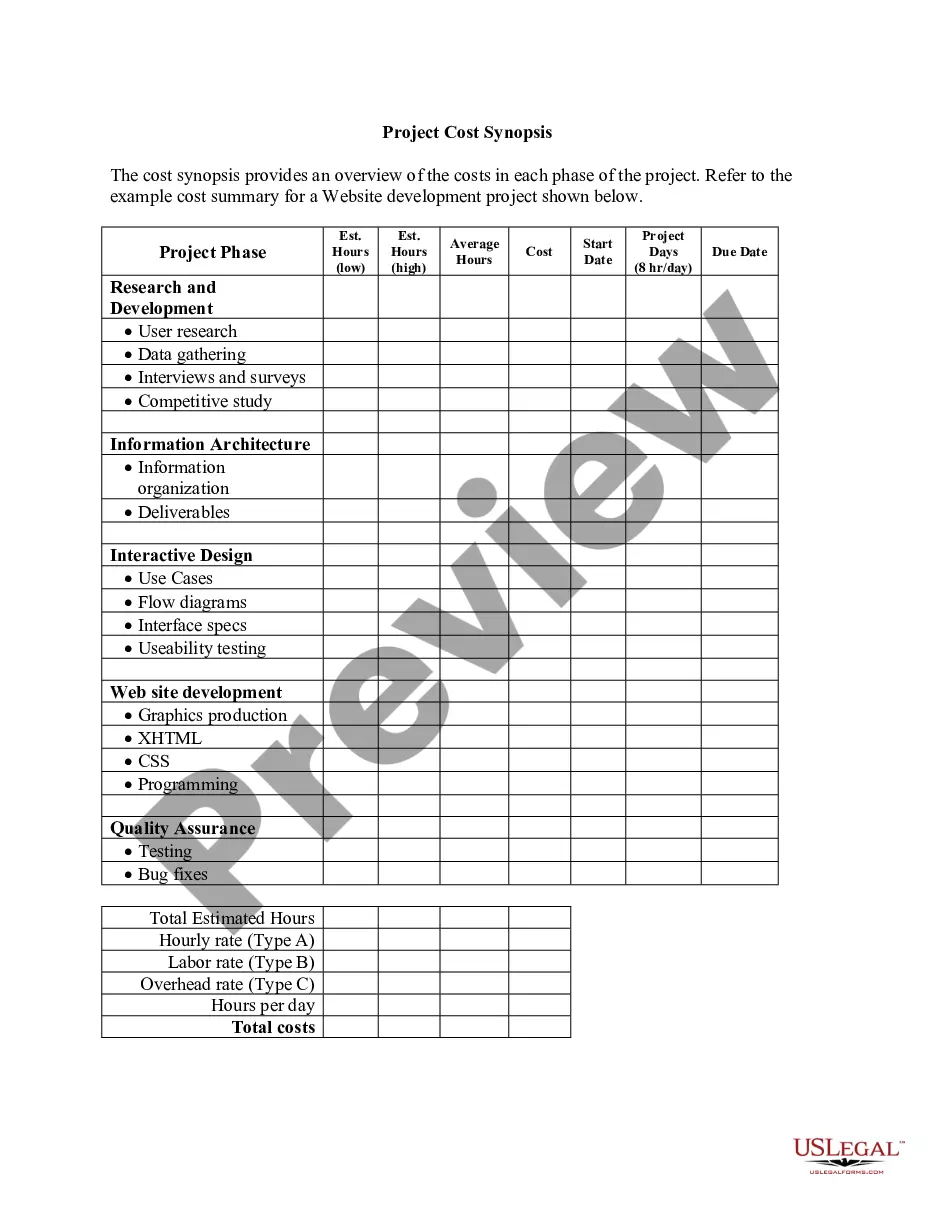



How to fill out Alabama Quitclaim Deed From Corporation To Husband And Wife?
- If you're a returning user, log in to your account and locate the quitclaim deed template suitable for your custody situation. Ensure your subscription is active; otherwise, renew it first.
- For first-time users, start by previewing the available forms. Carefully read the descriptions to ensure that you select the template that meets your child custody requirements.
- If you need a different document, use the search feature to find additional templates that fit your needs.
- Once you find the appropriate form, click the Buy Now button and select your preferred subscription plan. You will need to create an account to access the full library.
- Complete your purchase by entering your payment information via credit card or PayPal to finalize your subscription.
- After the transaction, download the quitclaim deed to your device for completion. You can access your document later in the My Forms section.
In conclusion, using US Legal Forms simplifies the process of obtaining legal documents like a quitclaim deed related to child custody. With an extensive library of over 85,000 templates and access to premium legal experts, you can ensure that your forms are accurately filled and legally sound.
Start your seamless legal journey today by visiting US Legal Forms and experience the empowerment of swift legal solutions.
Form popularity
FAQ
Individuals often utilize a quitclaim deed to simplify the transfer of property ownership without the lengthy process of a formal sale. This is especially relevant in cases involving family matters, like a quitclaim deed husband with child custody, where quick transfers might occur following a separation or divorce. Using this type of deed can help ensure that both parties have clarity on property rights. If you find yourself in such a scenario, consider platforms like UsLegalForms to assist with the documentation.
A quitclaim deed may not be used to settle debts or establish ownership claims against a third party. For instance, if the property has liens, a quitclaim deed husband with child custody may not be sufficient to address those financial obligations. This type of deed also won’t guarantee clear title if the property's legal status isn’t properly evaluated beforehand. Therefore, it is important to consult legal professionals if you face such complex issues.
A spouse may choose to execute a quitclaim deed to transfer property ownership quickly and easily. This is particularly common when handling property matters related to divorce or child custody, like in a quitclaim deed husband with child custody situation. The process removes one spouse's claim to the property, allowing for a smooth transition of ownership. Essentially, it helps to clarify property rights and responsibilities.
To properly fill out a quitclaim deed, first, enter the name of the grantor and the grantee, ensuring accurate identification. Next, detail the property description and include any necessary legal wording to support a quitclaim deed husband with child custody. For best results, consider using a reliable platform like UsLegalForms to ensure all requirements are met and that the document is executed correctly.
Parties who benefit most from a quitclaim deed include those looking to simplify the transfer of property, especially in personal matters like divorce. In a quitclaim deed husband with child custody case, it helps streamline the process of dividing assets while focusing on parental responsibilities. Overall, it serves individuals seeking a fast and uncomplicated way to turn over property ownership.
The primary disadvantage of a quitclaim deed is the lack of legal assurance regarding the property being transferred. When dealing with a quitclaim deed husband with child custody, this uncertainty can complicate situations when future disputes arise. Additionally, if the granting spouse has debts or issues with the property title, these problems may affect the receiving party without any protection.
Quitclaim deeds can be viewed with caution because they offer no guarantees about the property’s legal status. Many people are concerned about the potential liabilities, especially in a quitclaim deed husband with child custody situation, where clear ownership and rights are essential. Without a title search or warranties, parties may unknowingly inherit risks associated with the property.
Quitclaim deeds are most often used to transfer property rights between parties without warranties. In family law, they frequently apply during marital separation or divorce, especially concerning a quitclaim deed husband with child custody. This allows one spouse to relinquish their claim to property, making it a common tool for settling ownership issues during custody arrangements.