Notice Eviction
Description
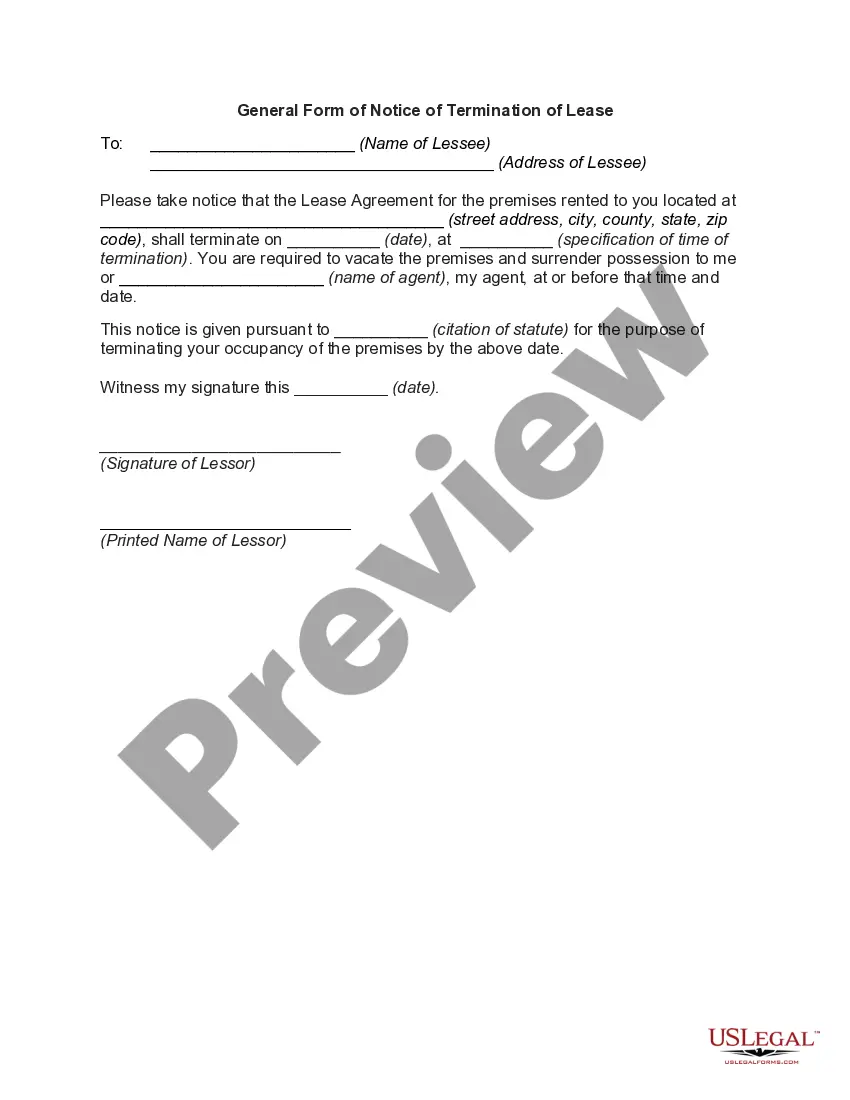



Get your form ready online
Our built-in tools help you complete, sign, share, and store your documents in one place.
Make edits, fill in missing information, and update formatting in US Legal Forms—just like you would in MS Word.
Download a copy, print it, send it by email, or mail it via USPS—whatever works best for your next step.
Sign and collect signatures with our SignNow integration. Send to multiple recipients, set reminders, and more. Go Premium to unlock E-Sign.
If this form requires notarization, complete it online through a secure video call—no need to meet a notary in person or wait for an appointment.
We protect your documents and personal data by following strict security and privacy standards.

Make edits, fill in missing information, and update formatting in US Legal Forms—just like you would in MS Word.

Download a copy, print it, send it by email, or mail it via USPS—whatever works best for your next step.

Sign and collect signatures with our SignNow integration. Send to multiple recipients, set reminders, and more. Go Premium to unlock E-Sign.

If this form requires notarization, complete it online through a secure video call—no need to meet a notary in person or wait for an appointment.

We protect your documents and personal data by following strict security and privacy standards.
Looking for another form?



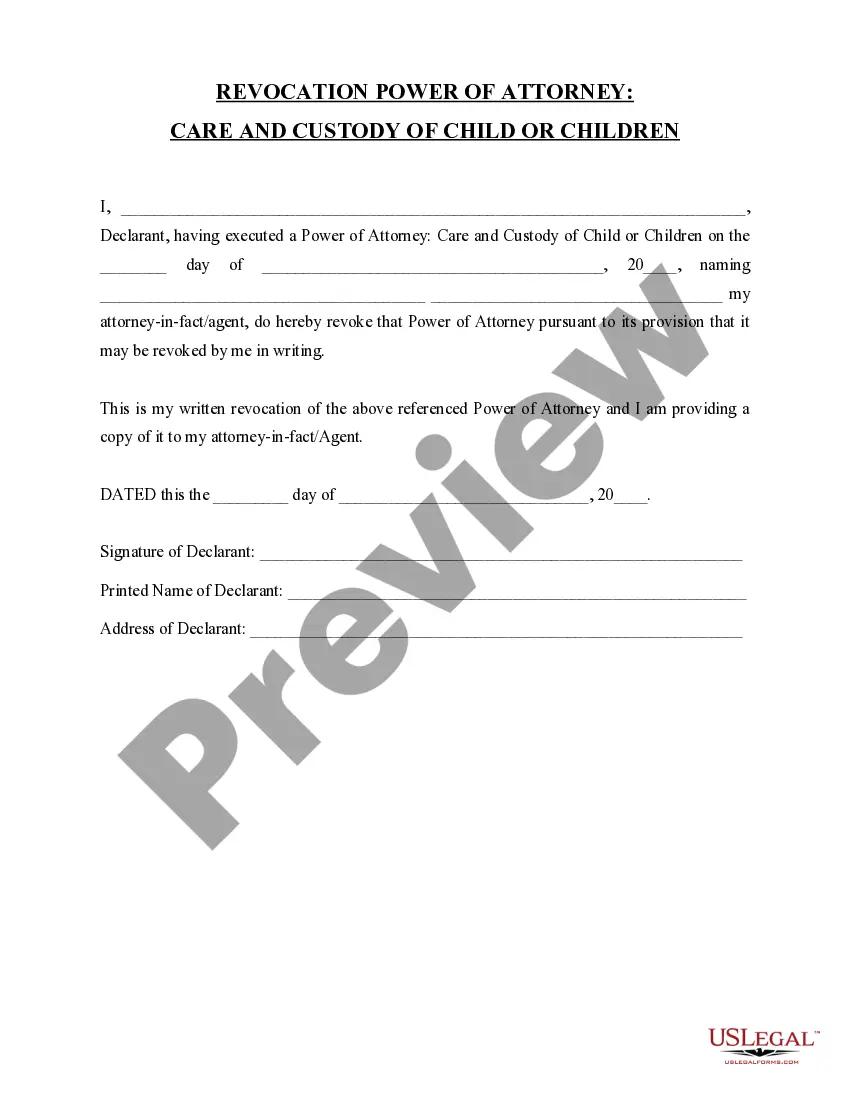





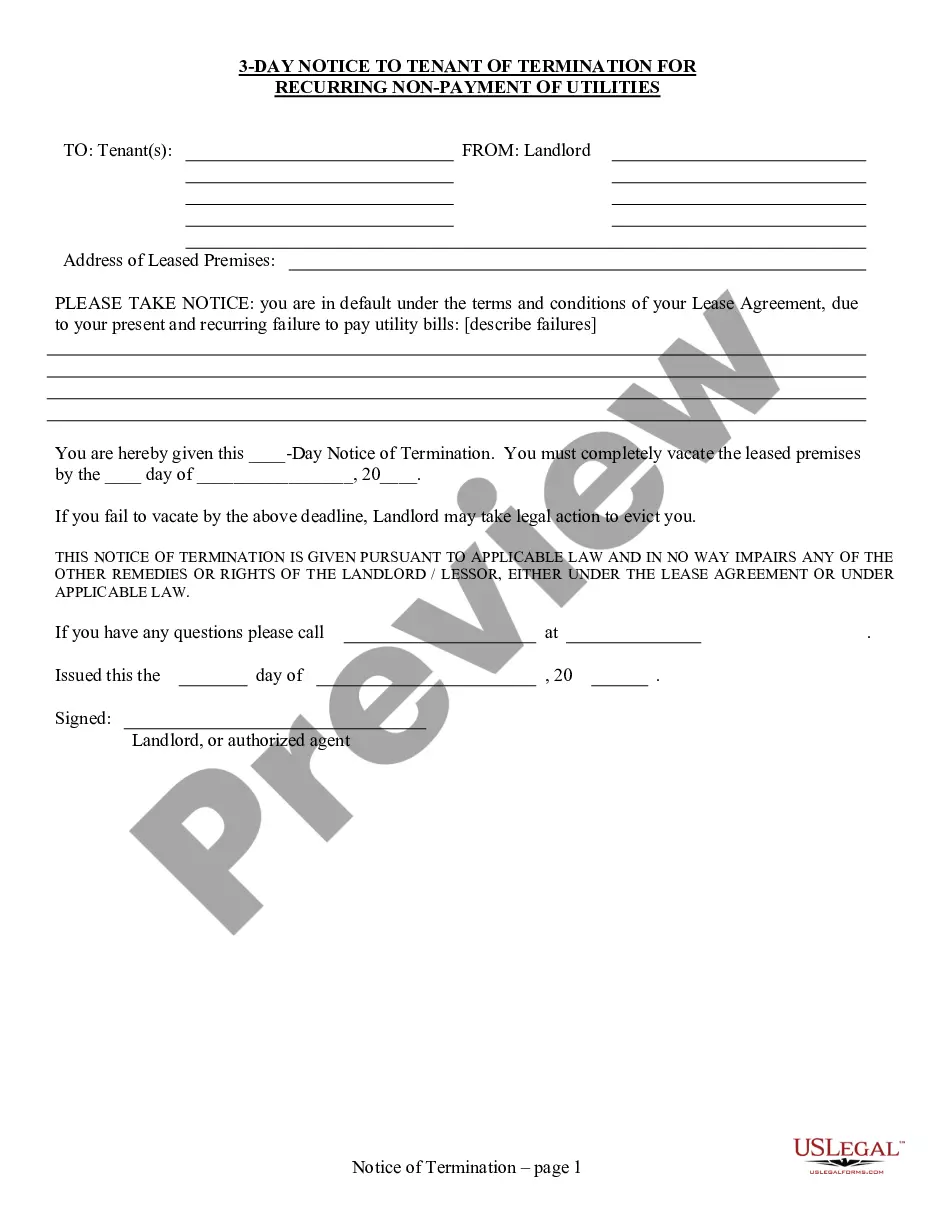
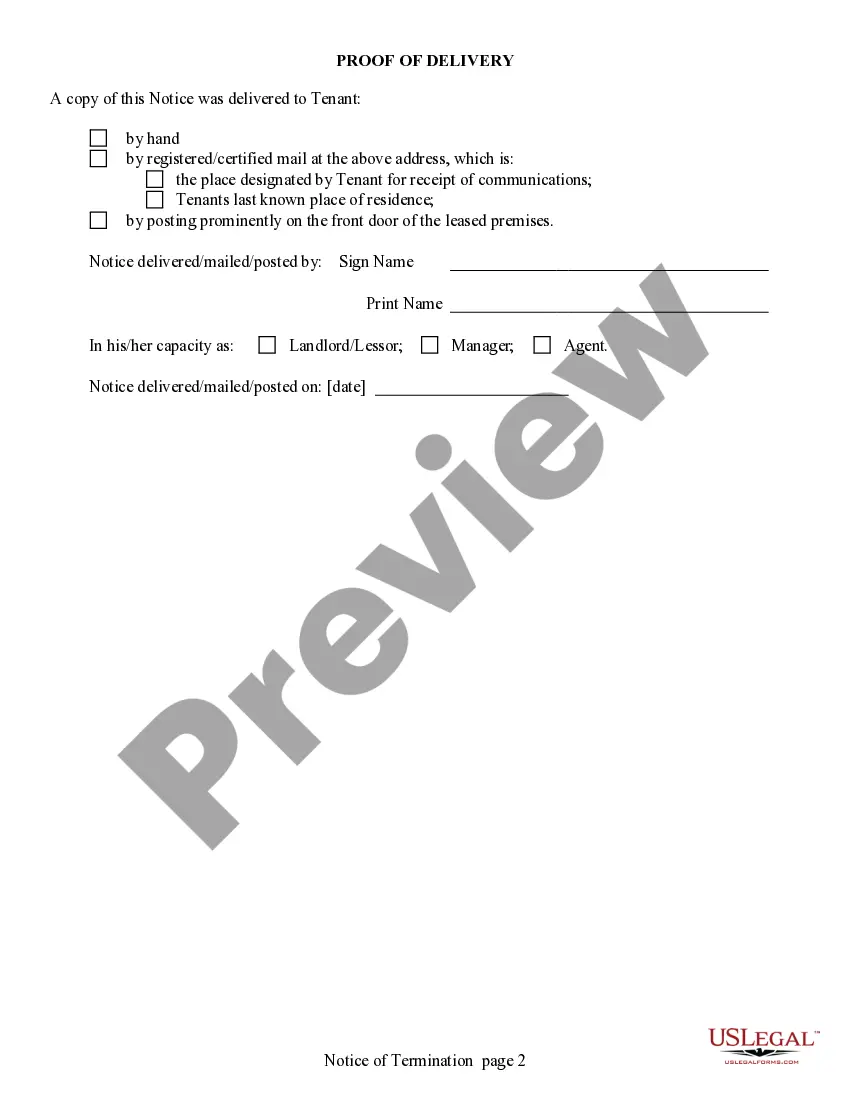
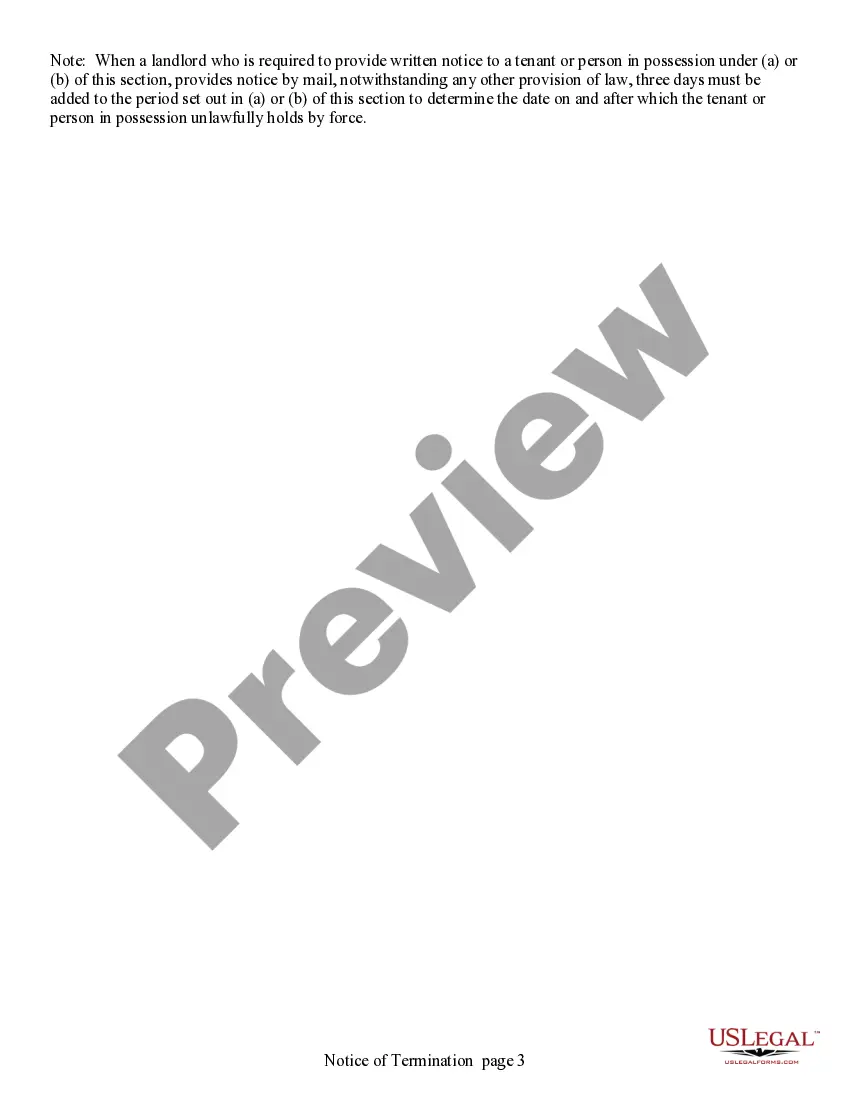
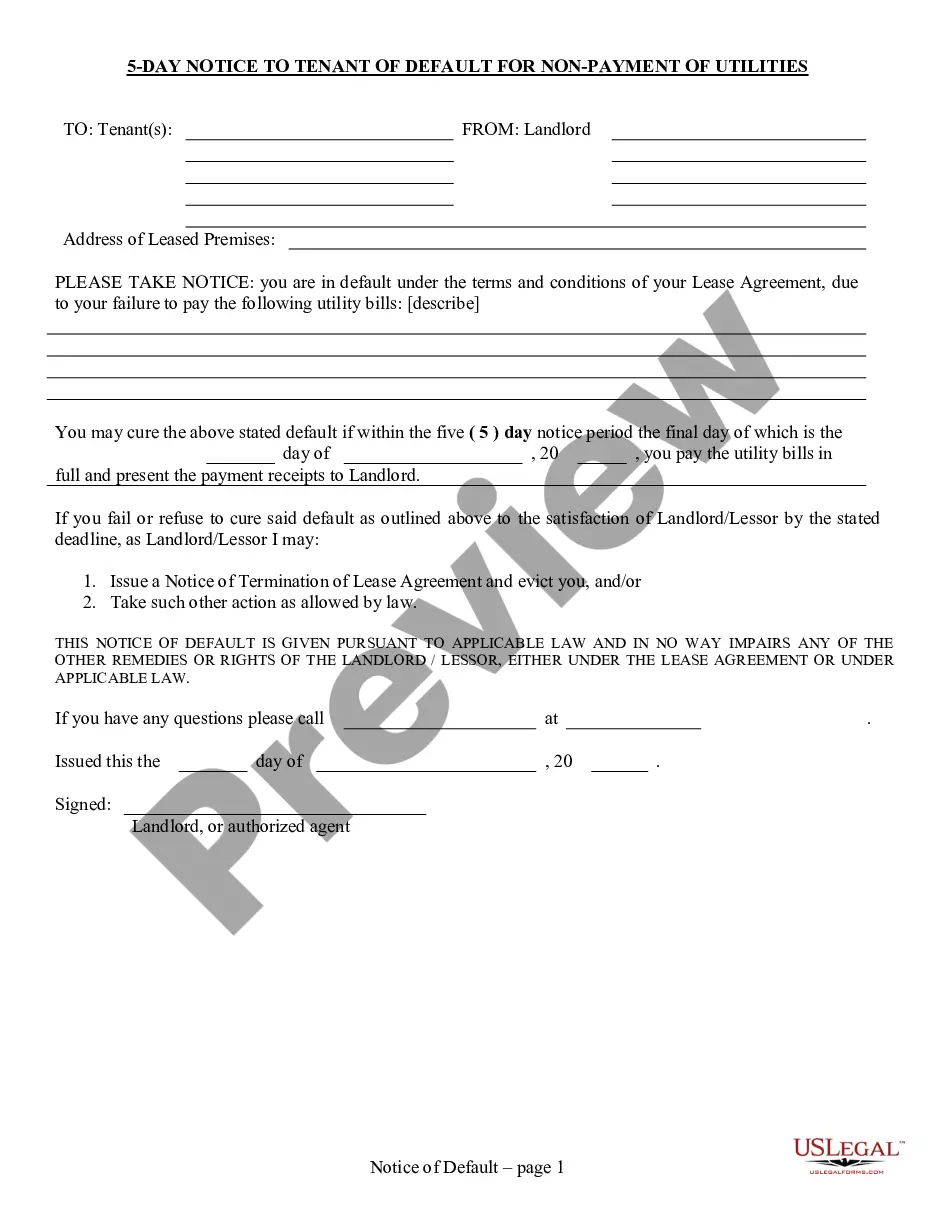
How to fill out Alaska 3 Day Notice To Tenant Of Termination For Recurring Nonpayment Of Utilities For Residential From Landlord To Tenant?
- If you're a returning user, log in to your account, check your subscription status, and download the required form template by clicking the Download button.
- For first-time users, start by browsing the Preview mode to review the form description. Ensure that the selected template fits your needs and abides by your local jurisdiction.
- If you need a different template, use the Search tab to find alternatives that meet your criteria. If it looks right, you can proceed.
- Click the Buy Now button to purchase the document after selecting a subscription plan that fits your needs. You will need to create an account to access the form library.
- Complete your transaction by entering your payment details, either via credit card or PayPal to secure your subscription.
- Finally, download the form to your device. You can also access it anytime through the My Forms section of your profile.
With US Legal Forms, you gain access to a vast library of over 85,000 customizable legal forms, which empowers you to create precise and compliant documents quickly. Their user-friendly platform ensures that you're never alone in your legal journey, as premium experts are available to assist you.
In conclusion, using US Legal Forms for your eviction notice ensures you are equipped with the right tools for legal success. Don’t hesitate to start your journey today!
Form popularity
FAQ
In Florida, landlords must generally provide a written notice of at least three days for non-payment of rent, or 7 days for lease breaches. This notice eviction outlines the issues that need to be resolved before legal action is taken. Different situations can require different notice periods, so it’s crucial to follow the appropriate legal guidelines. For specific forms and advice, consider using USLegalForms to ensure compliance with state laws.
In New Mexico, tenants must typically provide their landlord with a written 30-day notice before moving out. This notice allows landlords enough time to prepare for vacancy and find new tenants. Following this guideline helps prevent misunderstandings and establishes clear communication between parties. If you're unsure about the process, check out the templates available on USLegalForms for proper formats.
Evicting a tenant in New Mexico involves several steps beginning with the issuance of a notice eviction. Landlords often start with a 30-day notice or a particular notice based on the reason for eviction. If the tenant does not comply, you must take legal action by filing for eviction in the appropriate court. Resources from USLegalForms can guide you through these steps efficiently.
To evict a tenant in New Mexico, landlords must first provide a legally required notice. Typically, this notice must outline the reasons for the eviction, followed by a specified notice period. If the tenant does not leave by this deadline, landlords can file an eviction suit in court. Having the right forms, which can be obtained through USLegalForms, can make this process more straightforward.
A 30-day notice in New Mexico serves as a formal request for a tenant to vacate the premises. This notice gives tenants a full month to prepare for their move, ensuring ample time for them to find new housing. It’s essential for landlords to deliver this notice properly to initiate the eviction process smoothly. Utilizing a service like USLegalForms can help you draft this notice correctly.
In Minnesota, the required notice period for eviction can vary based on the reason for eviction. Generally, a landlord must provide a notice eviction of 14 days for nonpayment of rent, while other grounds may require a 30-day notice. Understanding these timelines is essential for both landlords and tenants to ensure adherence to the law. If you are unsure, consulting legal resources like USLegalForms can provide clarity.
The timeline for eviction in Virginia can vary, but it typically takes around four to six weeks after the notice eviction is served. First, the landlord must provide a written notice, followed by filing a lawsuit if the tenant does not leave. Following a hearing, if the court grants the eviction, a sheriff's office will carry out the removal, which may take additional time. It is crucial for tenants to respond quickly to avoid a lengthier process.
In Virginia, it is generally not lawful for a landlord to evict a tenant without going to court. The process starts with a notice eviction, but the landlord must then file an unlawful detainer lawsuit if the tenant does not comply. This legal procedure safeguards your rights as a tenant. Thus, a court's involvement is essential in all eviction processes.
To effectively serve a notice eviction, you should deliver it in person to the tenant whenever possible. This method ensures the tenant receives the notice and understands its implications. Alternatively, you can send it via certified mail, which provides proof of delivery. Always check your local regulations for any specific requirements regarding service methods.
Eviction laws in Vermont dictate how landlords must handle the notice eviction process, including the legal grounds for eviction like non-payment or lease violations. It's essential for landlords and tenants to understand their rights and responsibilities under these laws. Utilizing resources like US Legal Forms can provide valuable assistance in navigating these regulations.