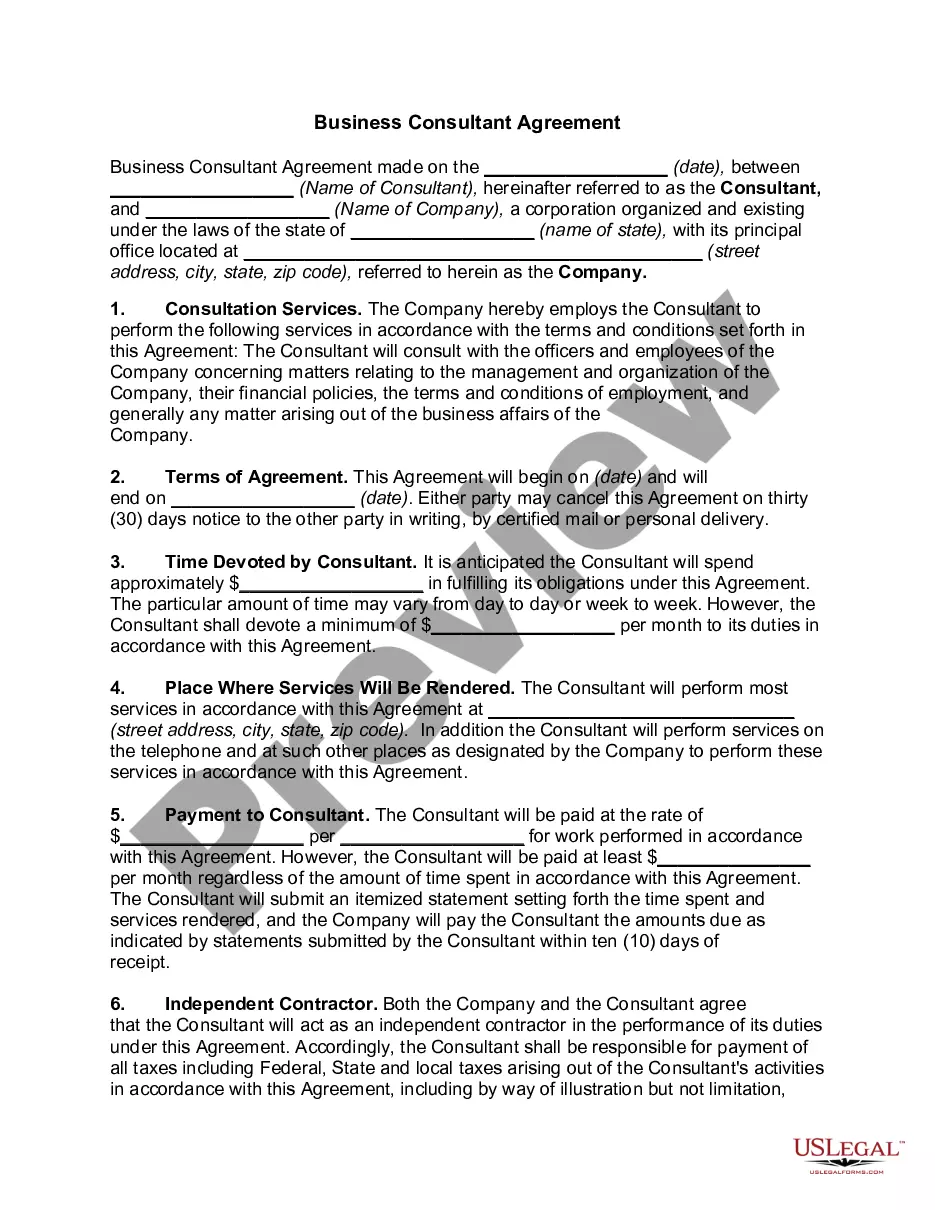
Florida Last Will and Testament for Divorced Person Not Remarried with No Children
Overview of this form
The Last Will and Testament for Divorced Persons Not Remarried with No Children is a legal document that outlines how an individual's assets will be distributed after their death. This form is specifically designed for those who are divorced, have no children, and wish to appoint an executor, specify beneficiaries, and make other important decisions regarding their estate. Unlike general wills, this form accounts for an individual's specific family circumstances, ensuring clarity and proper management of their assets after death.
Main sections of this form
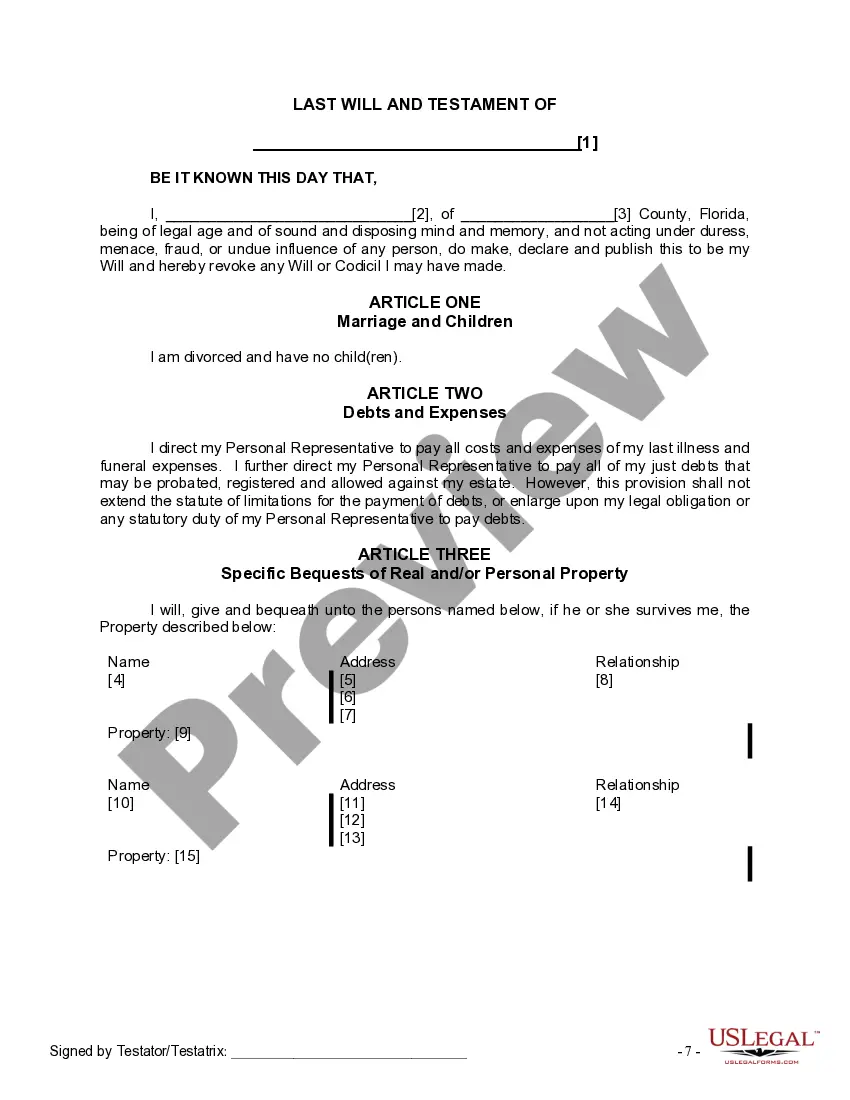
- Personal Information: Includes spaces to enter your name and county of residence.
- Specific Bequests: Allows you to designate specific property to individual beneficiaries.
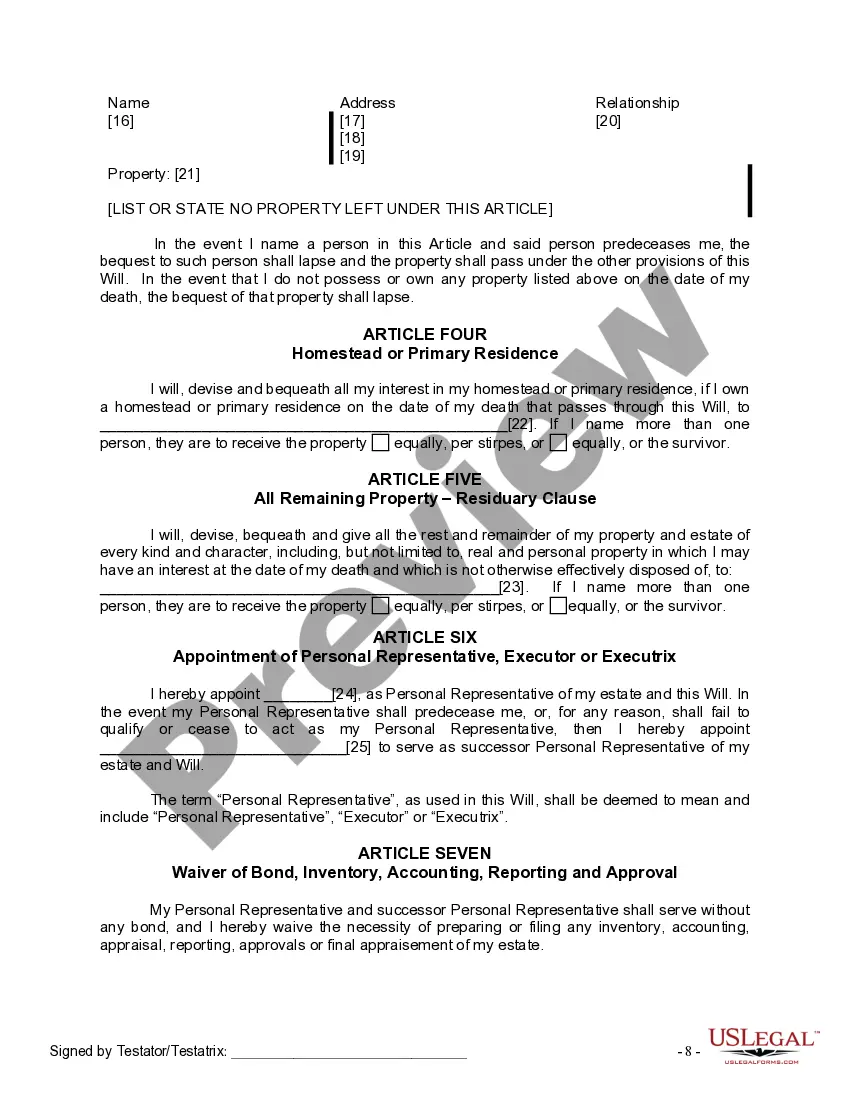
- Homestead Designation: Provides for whom your primary residence will be bequeathed.
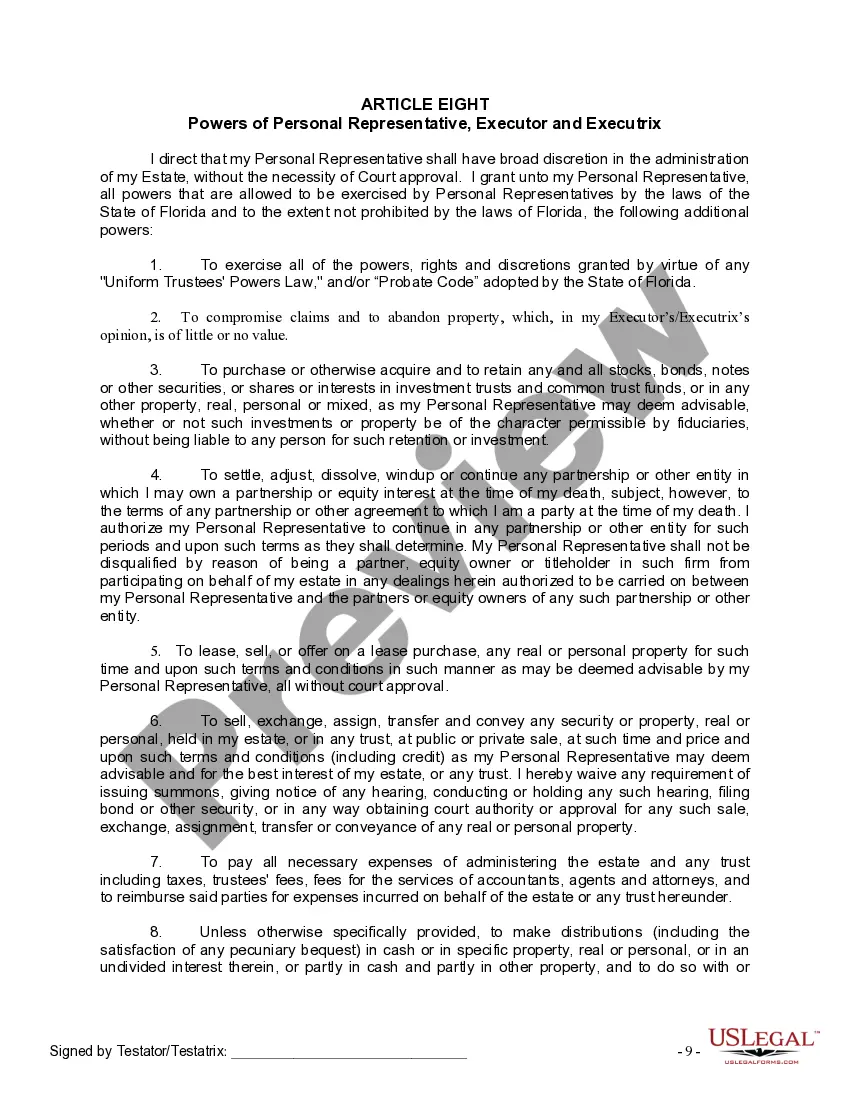
- Personal Representative: Names the executor who will manage your estate after your death.
- Residuary Clause: Specifies how remaining assets will be distributed.
- Witness Signatures: Requires signatures from two witnesses to ensure the validity of the will.


When this form is needed
This form is used when a divorced individual who has not remarried and has no children wishes to outline their wishes regarding the distribution of their estate. It's particularly useful if you want to ensure that your assets go to specific individuals without leaving things to chance or relying on state intestacy laws. Situations include planning for the distribution of personal belongings, real estate, or financial accounts.
Who can use this document
- Individuals who are divorced and not remarried.
- Persons without children who want to specify how their assets should be distributed.
- Those who wish to appoint a trusted individual as their executor.
- Anyone looking to create or update their will to reflect their current circumstances.
Completing this form step by step
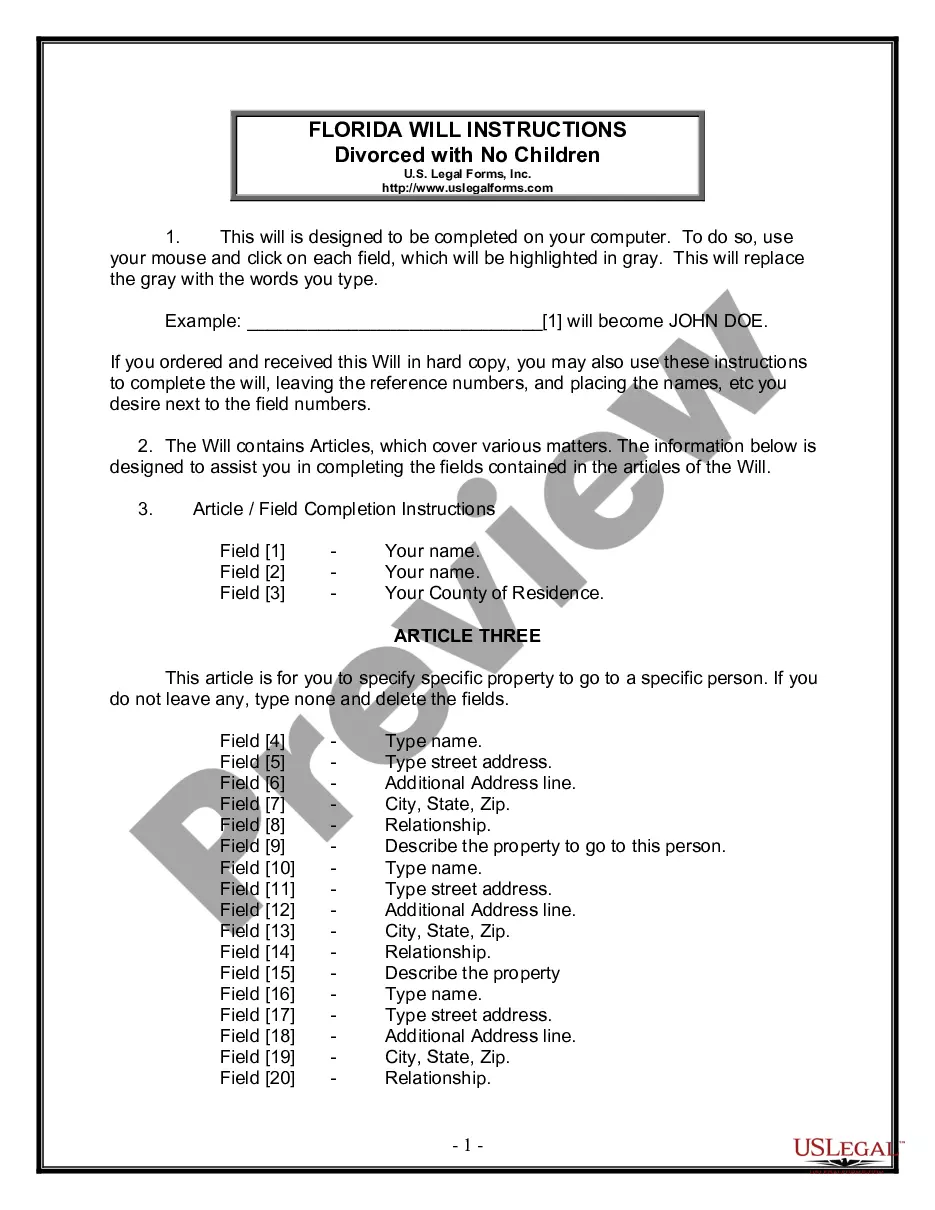
- Begin by entering your personal information, including your name and county of residence.
- Designate specific beneficiaries for your personal property and describe the items you wish to bequeath.
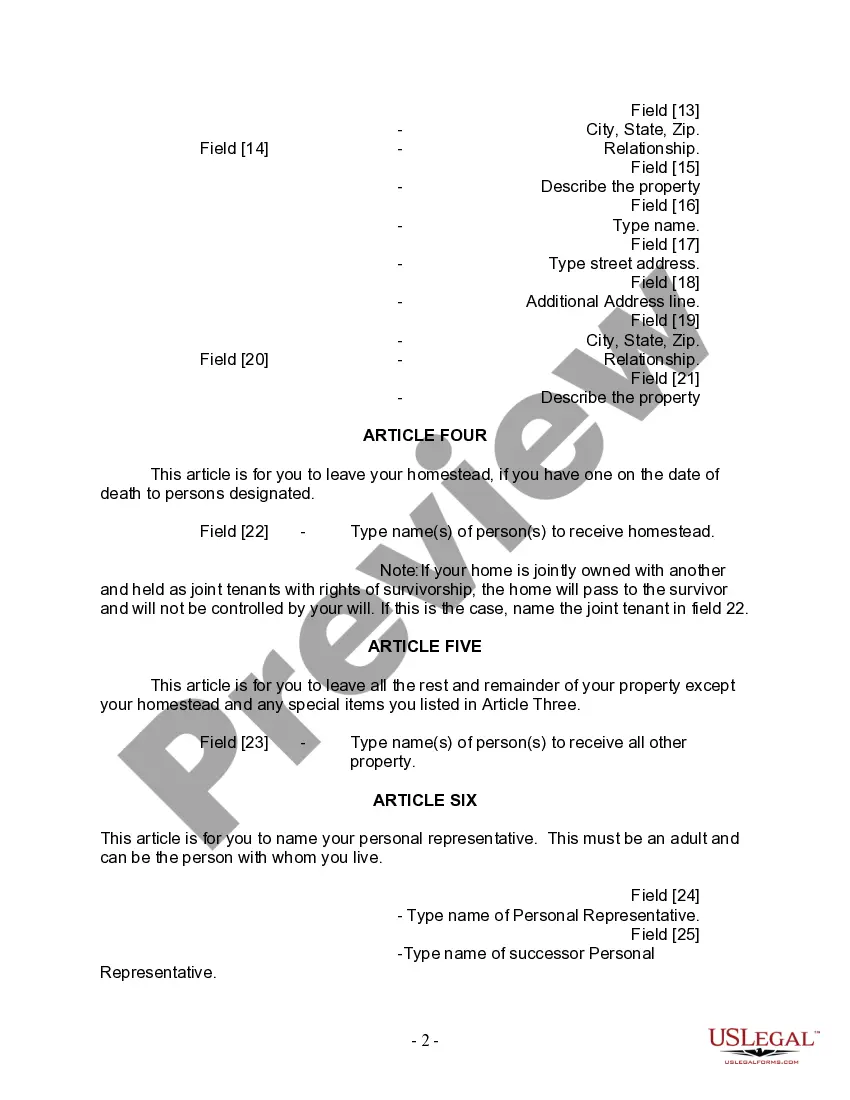
- Identify your homestead or primary residence and specify to whom it will be left.
- Name a Personal Representative who will manage your estate after your death.
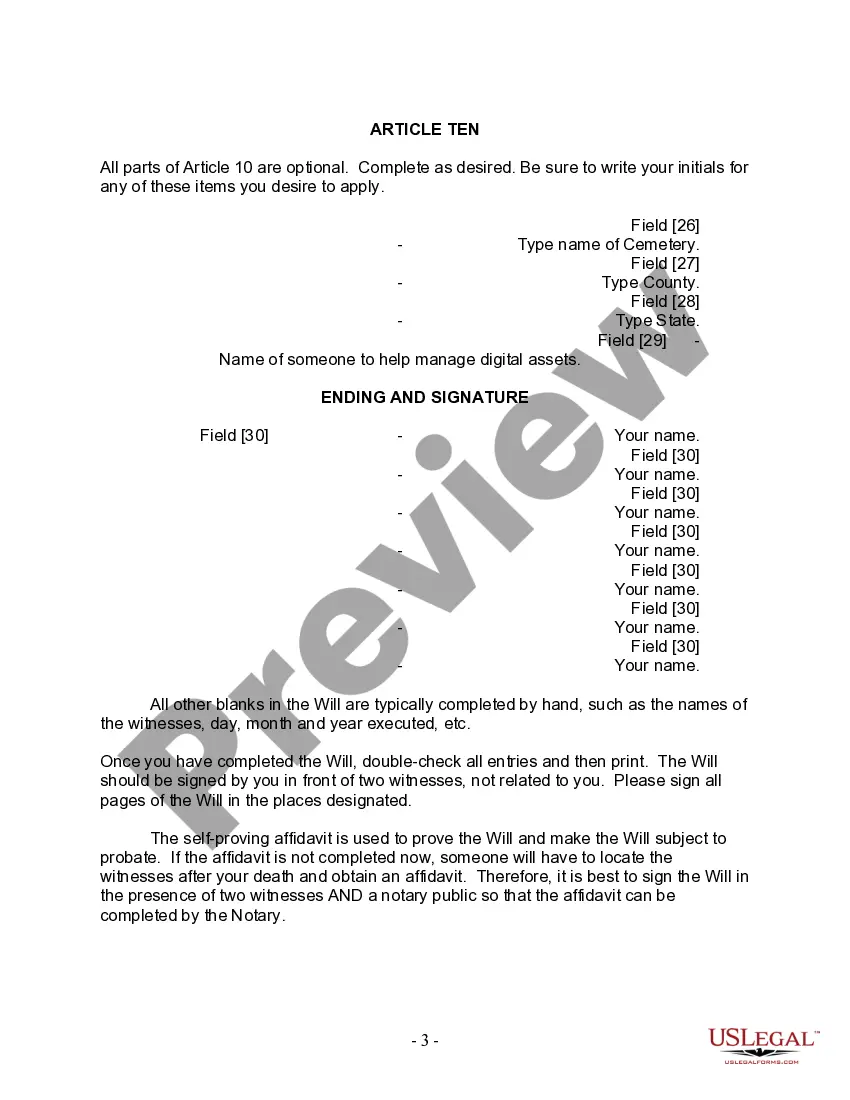
- Collect signatures from two witnesses to validate your will, along with a notary signature if you include a self-proving affidavit.
Does this document require notarization?
This document requires notarization to meet legal standards. US Legal Forms provides secure online notarization powered by Notarize, allowing you to complete the process through a verified video call, available 24/7.
Get your form ready online
Our built-in tools help you complete, sign, share, and store your documents in one place.
Make edits, fill in missing information, and update formatting in US Legal Forms—just like you would in MS Word.
Download a copy, print it, send it by email, or mail it via USPS—whatever works best for your next step.
Sign and collect signatures with our SignNow integration. Send to multiple recipients, set reminders, and more. Go Premium to unlock E-Sign.
If this form requires notarization, complete it online through a secure video call—no need to meet a notary in person or wait for an appointment.
We protect your documents and personal data by following strict security and privacy standards.

Make edits, fill in missing information, and update formatting in US Legal Forms—just like you would in MS Word.

Download a copy, print it, send it by email, or mail it via USPS—whatever works best for your next step.

Sign and collect signatures with our SignNow integration. Send to multiple recipients, set reminders, and more. Go Premium to unlock E-Sign.

If this form requires notarization, complete it online through a secure video call—no need to meet a notary in person or wait for an appointment.

We protect your documents and personal data by following strict security and privacy standards.
Common mistakes
- Not having two disinterested witnesses sign the document, which can invalidate the will.
- Failing to properly complete all fields, which may lead to ambiguity in your intentions.
- Not storing the will in a safe place, making it difficult for your executor to find after your death.
- Neglecting to update the will after significant life changes such as remarriage or acquiring new assets.
Why complete this form online
- Convenience of completing the form from home at your own pace.
- Ability to easily edit and update the will as your circumstances change.
- Access to legally compliant templates designed by licensed attorneys to ensure validity.
- Quick downloading options for immediate use without delays.
Looking for another form?
Form popularity
FAQ
In Florida, a divorce agreement does not automatically override your will. However, it can influence how your estate is divided if you do not update your will post-divorce. To ensure your wishes are honored, it’s crucial to review and possibly revise your Florida Last Will and Testament for Divorced Person Not Remarried with No Children after a divorce, and using a reliable platform like US Legal Forms can simplify this process.
A will in Florida can be voided if it does not meet legal requirements, is made under undue influence, or if changes are not appropriately witnessed. Furthermore, if a will conflicts with a divorce decree or is not properly executed, this can lead to invalidation. Understanding the prerequisites for a valid will is key, making services like US Legal Forms useful when drafting your Florida Last Will and Testament for Divorced Person Not Remarried with No Children.
In Florida, divorce automatically revokes any provisions in your will that relate to your ex-spouse. This means that if you had included your former spouse as a beneficiary in your Florida Last Will and Testament for Divorced Person Not Remarried with No Children, those provisions will be ineffective after the divorce. It's important to update your will promptly to ensure your estate plan reflects your current wishes.
When you get divorced in Florida, your spouse generally is not entitled to your inheritance, especially if it was received before the marriage. This means that your Florida Last Will and Testament for Divorced Person Not Remarried with No Children can reflect your wishes regarding your assets. However, always keep in mind that marital property laws can complicate matters, so consulting a legal professional may help clarify your specific situation.
In Florida, a will does not need to be recorded to be valid. However, recording your Florida Last Will and Testament for Divorced Person Not Remarried with No Children in the local probate court can simplify the process when the time comes to settle your estate. This step provides a public record of your wishes and can help avoid disputes among heirs. Platforms like US Legal Forms offer guidance and resources to assist you in this essential process.
For a will to be valid in Florida, it must be in writing, signed by the testator, and witnessed by at least two individuals. Specifically for a Florida Last Will and Testament for Divorced Person Not Remarried with No Children, make sure the document clearly reflects your intentions and adheres to state guidelines. If you are unsure, utilizing resources from US Legal Forms can help ensure that you meet all legal formalities.
If you're not married in Florida, your next of kin generally includes your children, parents, and siblings, in that order. In the specific context of a Florida Last Will and Testament for Divorced Person Not Remarried with No Children, your closest relatives will be considered your heirs. This designation becomes crucial for inheritance and estate matters. US Legal Forms can help you properly outline your wishes and clarify next of kin in your documents.
In Florida, living wills do not necessarily need notarization, but it is highly recommended. To ensure your Florida Last Will and Testament for Divorced Person Not Remarried with No Children is valid and accepted, having a notary can provide added legal security. Additionally, the presence of witnesses can further validate the document. Using services like US Legal Forms can simplify this process and offer templates that meet state requirements.
A surviving spouse in Florida typically retains rights to a share of the deceased spouse's estate, which may include property and financial assets. These rights exist to ensure that the remaining spouse is protected financially. It is important to outline these rights clearly in a Florida Last Will and Testament for Divorced Person Not Remarried with No Children.
In Florida, the spousal inheritance law allows a surviving spouse to inherit a portion of the deceased spouse's estate. This can vary depending on whether the deceased had a will, children, or other beneficiaries. Understanding these laws is crucial, especially when creating a Florida Last Will and Testament for Divorced Person Not Remarried with No Children.