Florida Letter from Landlord to Tenant as Notice to Tenant of Tenant's Disturbance of Neighbors' Peaceful Enjoyment to Remedy or Lease Terminates
What this document covers
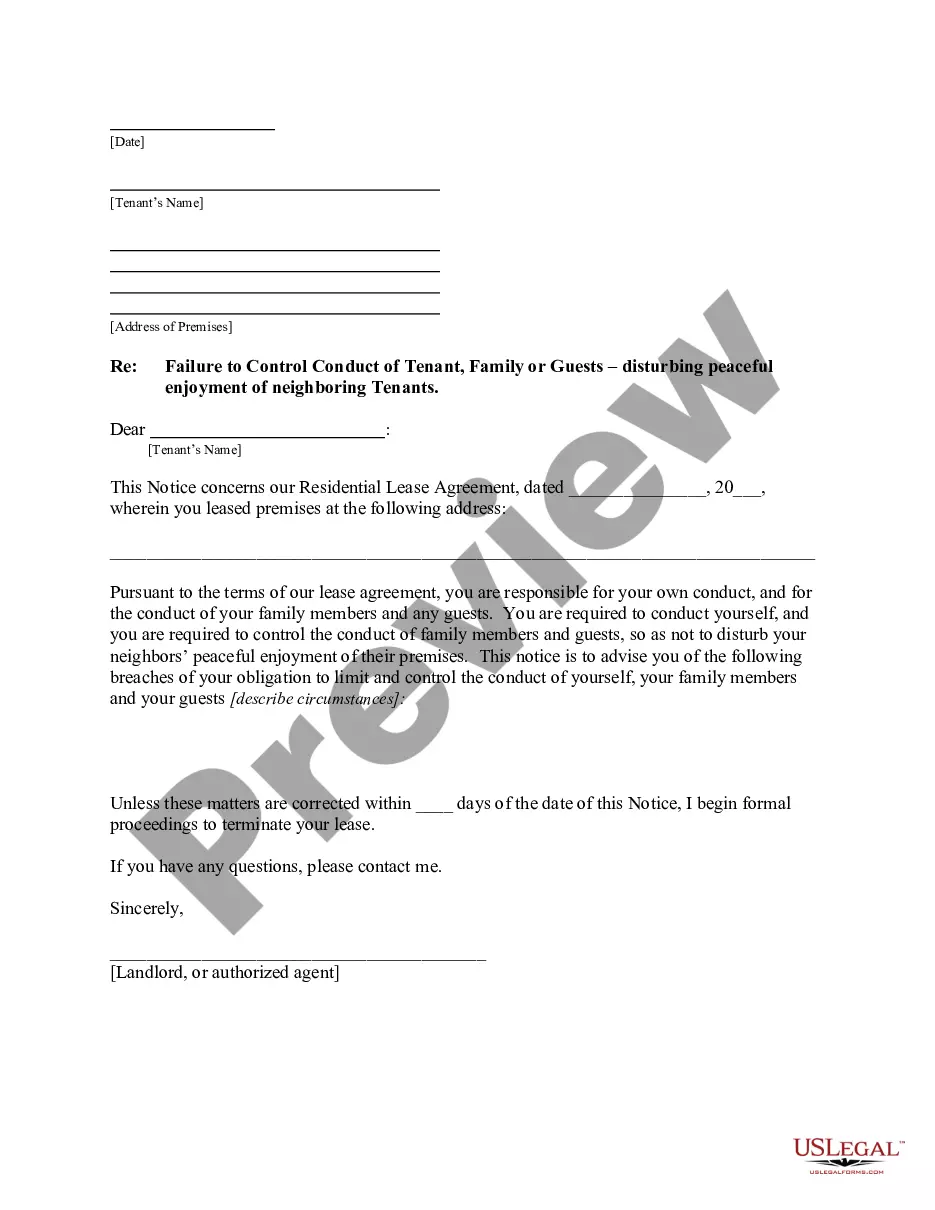
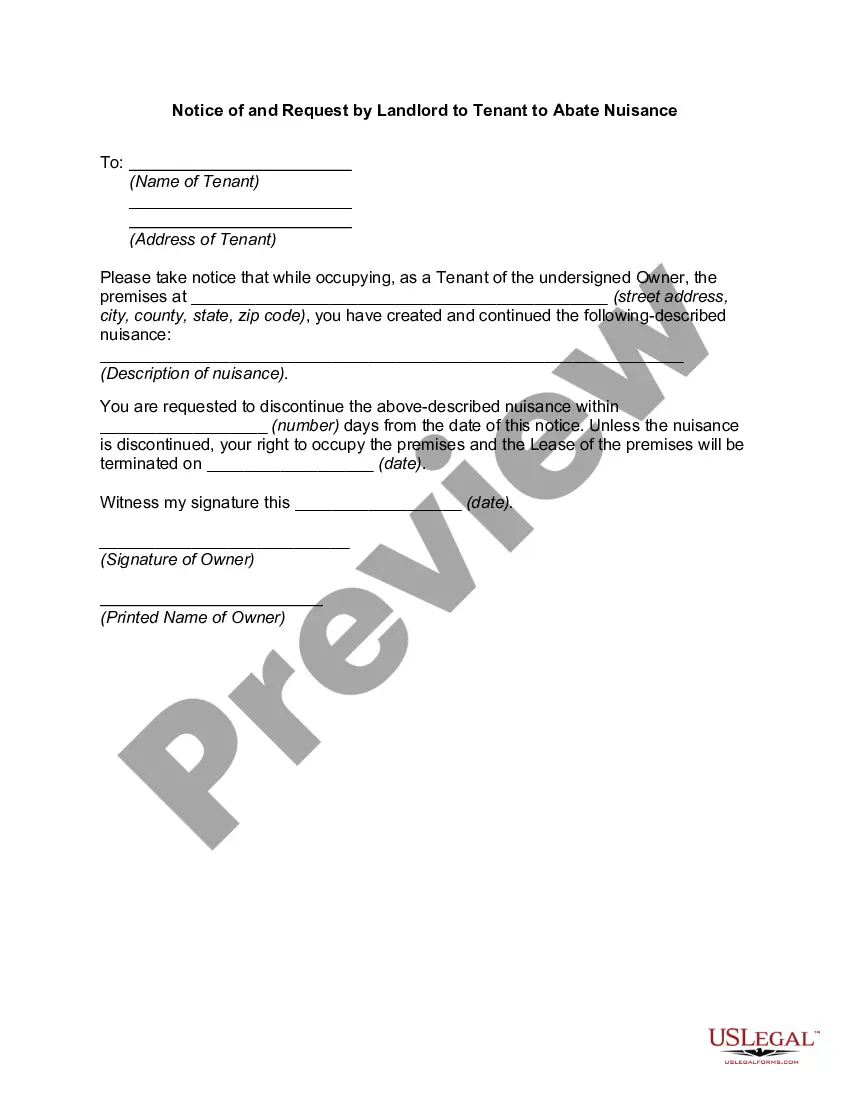
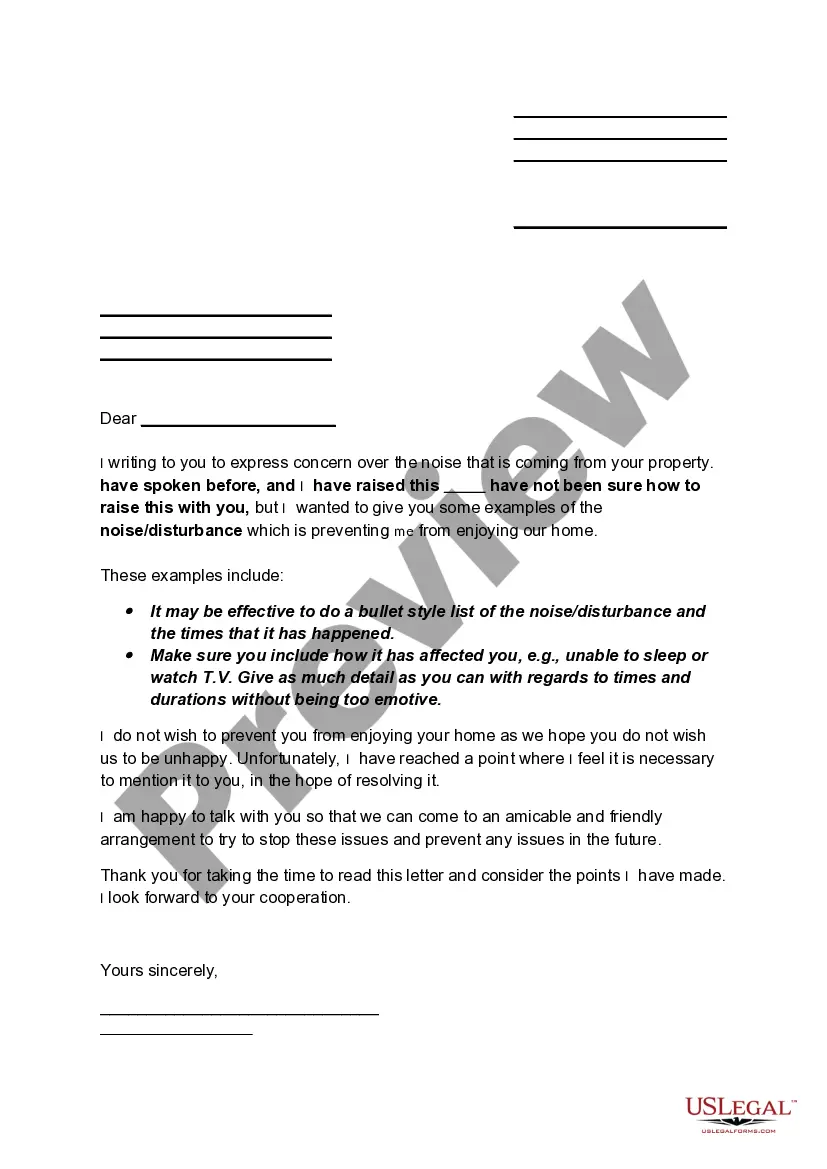
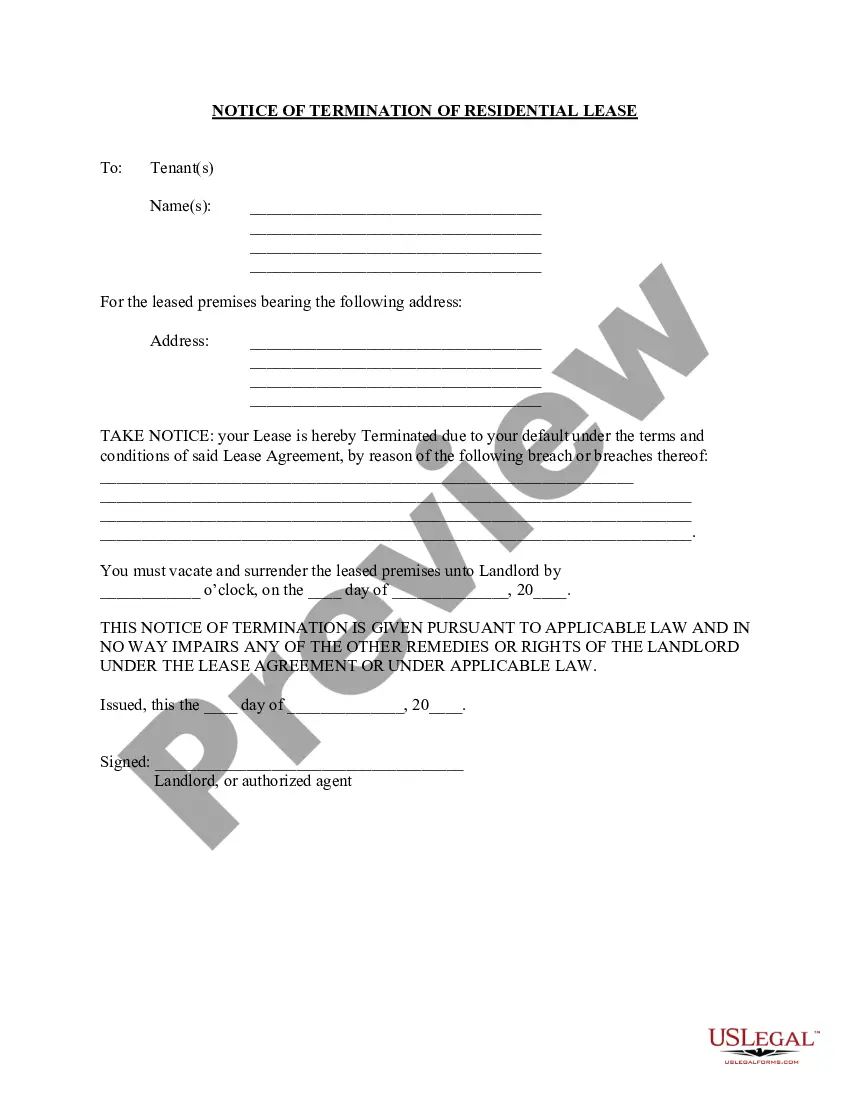
This Letter from Landlord to Tenant serves as formal notice to the tenant regarding disturbances they or their guests may be causing to the peaceful enjoyment of neighboring tenants. This notice is a vital tool for landlords to address breaches of the lease agreement related to quiet enjoyment. Unlike other notices, this form specifically highlights disturbances, outlining necessary corrective actions or potential lease termination.
Key components of this form
- Identification of the landlord and tenant
- Description of the specific disturbance and its impact on neighbors
- Statement of the tenant's obligations under the lease
- Instructions for remedying the situation
- Notification of potential lease termination if disturbances continue
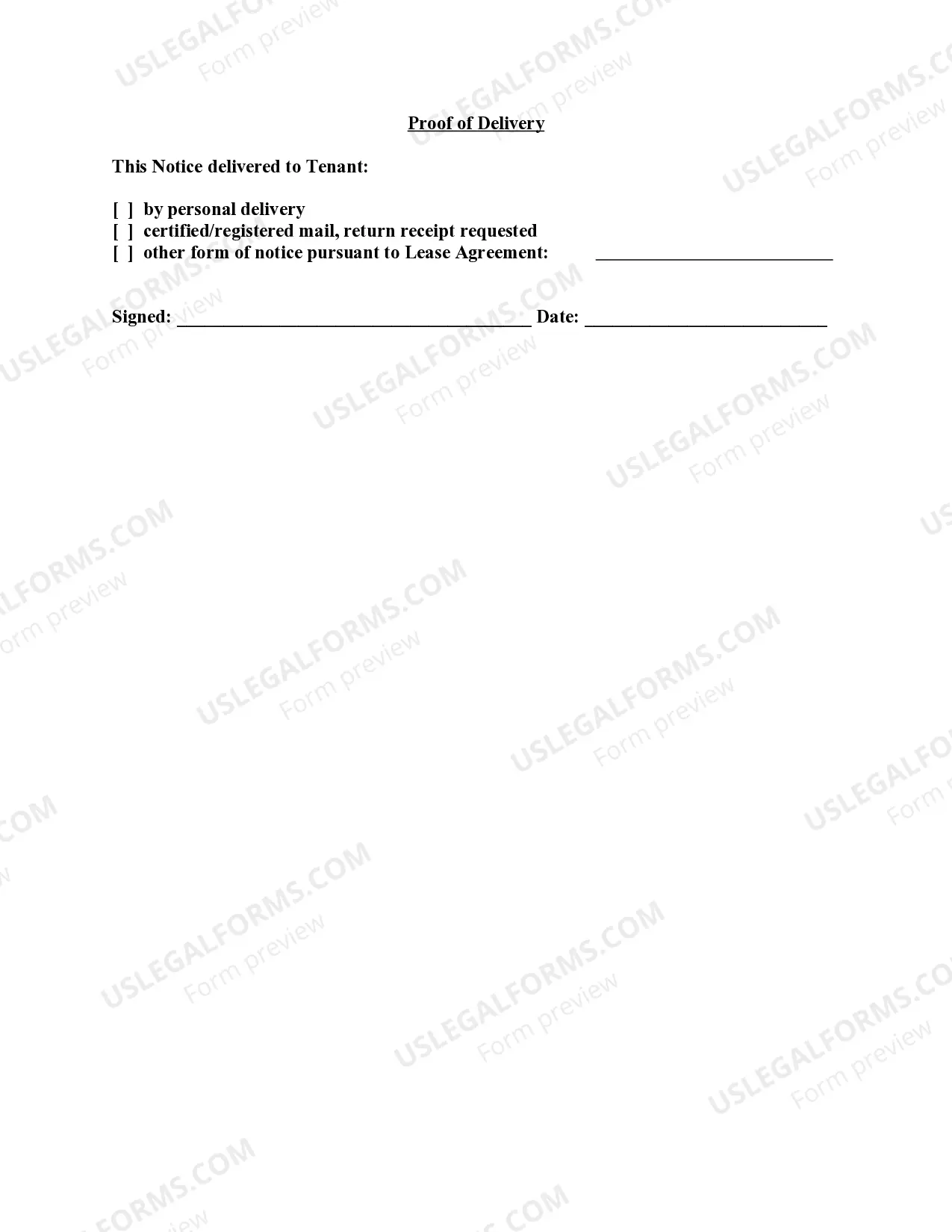
- Proof of delivery options for the notice

Situations where this form applies
This form is used when a landlord needs to formally notify a tenant of ongoing disturbances affecting neighbors' peaceful enjoyment. It is typically issued after verbal or informal warnings have been ignored or if the disturbances have persisted despite previous communications. Use this notice to urge tenants to rectify their behavior or face lease termination.
Who should use this form
- Landlords managing residential properties
- Property managers responsible for tenant relations
- Tenants who have been notified of disturbances and wish to understand their rights and obligations
Instructions for completing this form
- Identify the parties involved by entering the names of the landlord and tenant.
- Detail the specific incident or behavior causing the disturbance.
- Include any obligations of the tenant as stated in the lease agreement.
- Specify the corrective actions required from the tenant.
- State the potential consequences of failing to remedy the situation.
- Choose the proof of delivery method to ensure legal compliance.
Notarization requirements for this form
Notarization is not commonly needed for this form. However, certain documents or local rules may make it necessary. Our notarization service, powered by Notarize, allows you to finalize it securely online anytime, day or night.
Get your form ready online
Our built-in tools help you complete, sign, share, and store your documents in one place.
Make edits, fill in missing information, and update formatting in US Legal Forms—just like you would in MS Word.
Download a copy, print it, send it by email, or mail it via USPS—whatever works best for your next step.
Sign and collect signatures with our SignNow integration. Send to multiple recipients, set reminders, and more. Go Premium to unlock E-Sign.
If this form requires notarization, complete it online through a secure video call—no need to meet a notary in person or wait for an appointment.
We protect your documents and personal data by following strict security and privacy standards.

Make edits, fill in missing information, and update formatting in US Legal Forms—just like you would in MS Word.

Download a copy, print it, send it by email, or mail it via USPS—whatever works best for your next step.

Sign and collect signatures with our SignNow integration. Send to multiple recipients, set reminders, and more. Go Premium to unlock E-Sign.

If this form requires notarization, complete it online through a secure video call—no need to meet a notary in person or wait for an appointment.

We protect your documents and personal data by following strict security and privacy standards.
Common mistakes
- Failing to provide a clear description of the disturbance.
- Not specifying a deadline for the tenant to correct the behavior.
- Incorrectly addressing the tenant or omitting necessary signatures.
- Neglecting to document the delivery method of the notice.
Advantages of online completion
- Instant access to a legally vetted document saves time.
- Simplifies the process of personalizing the notice with easy-to-follow prompts.
- Ensures compliance with current legal standards and practices.
- Offers the ability to download and print for immediate use.
Legal use & context
- The notice serves as formal documentation of the tenant's disturbances.
- Can be used as evidence in potential lease termination proceedings.
- Helps establish a record of communication regarding tenant behavior.
Summary of main points
- This form is essential for landlords needing to address tenant disturbances effectively.
- It specifies actions required by the tenant to remedy issues, protecting neighboring tenants' rights.
- Proper completion and delivery of the notice can prevent future legal disputes.
Looking for another form?
Form popularity
FAQ
This Florida notice serves as a formal communication from the landlord to a tenant about disturbances that affect neighbors’ peaceful enjoyment. It identifies the landlord and tenant, describes the disturbance, states the tenant's lease obligations, provides remedies, and warns of possible lease termination if disturbances continue. It may also include proof of delivery requirements.
In Florida, quiet enjoyment refers to a tenant’s right to enjoy their rental without interference. This form uses that concept to formally notify a tenant about disturbances affecting neighbors’ peaceful enjoyment and to outline the required remedies or potential lease termination if the disturbances persist.
A breach occurs when disturbances interfere with neighbors’ peaceful enjoyment as described in the notice. The form requires a description of the disturbance and the tenant’s lease obligations, then lays out remedies and the possibility of lease termination if the tenant fails to remedy the situation.
This form provides a formal tool to address ongoing disturbances, outlining the specific disturbance, the tenant’s obligations, and instructions to remedy the situation. If disturbances continue, it signals potential lease termination. It is a step in Florida landlord-tenant enforcement and not eviction by itself.
Under this form, a landlord can warn a tenant and outline remedies; if disturbances persist, the lease may be terminated. The notice is a formal step in Florida landlord-tenant enforcement, but eviction requires due process under state law.
This form is tailored to disturbances that impact neighbors’ peaceful enjoyment and explicitly includes remedies, tenant obligations, and a potential lease termination, plus proof of delivery. It differs from a generic quiet enjoyment notice by connecting the disturbance to the lease-termination option.