Wisconsin Contract for Deed Package

Overview of this form package
The Wisconsin Contract for Deed Package is a comprehensive set of legal documents tailored for owner financing in real estate transactions. This package provides essential forms to ensure a seamless process when using a Contract for Deed, distinguishing it from other generic legal packages by focusing specifically on Wisconsin's laws and requirements. It includes necessary forms such as the Contract for Deed, notices regarding default and assignment, and various seller disclosures, making it an invaluable resource for both buyers and sellers in owner-financed property transactions.
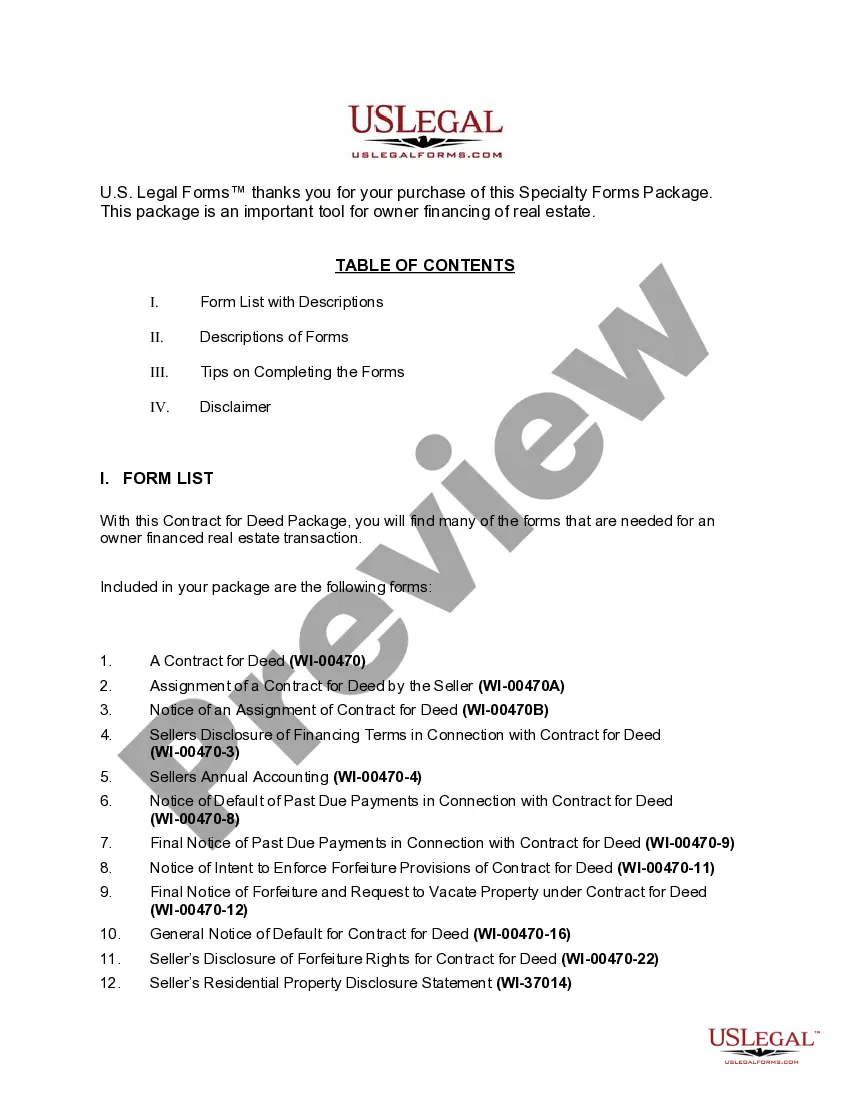
Forms provided in this package
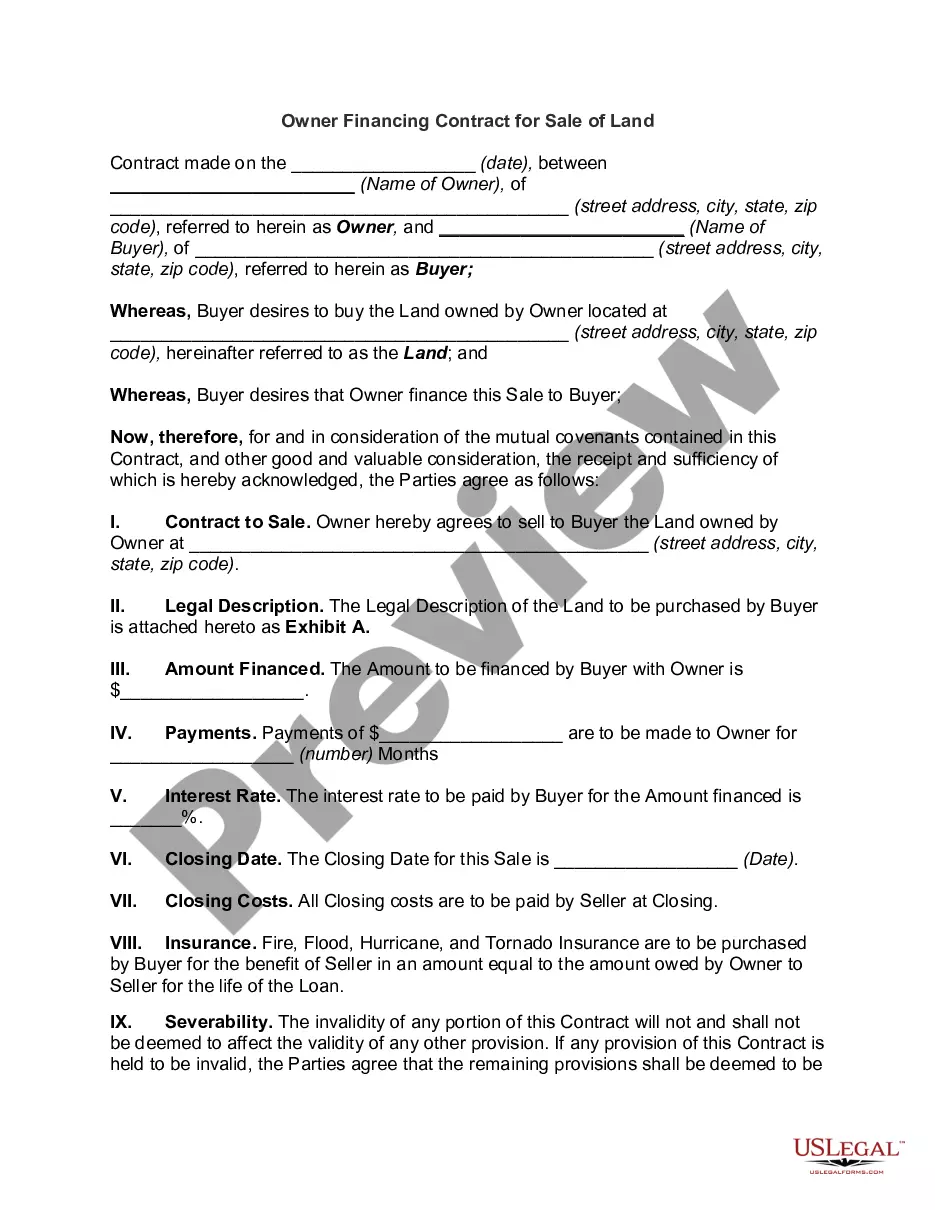
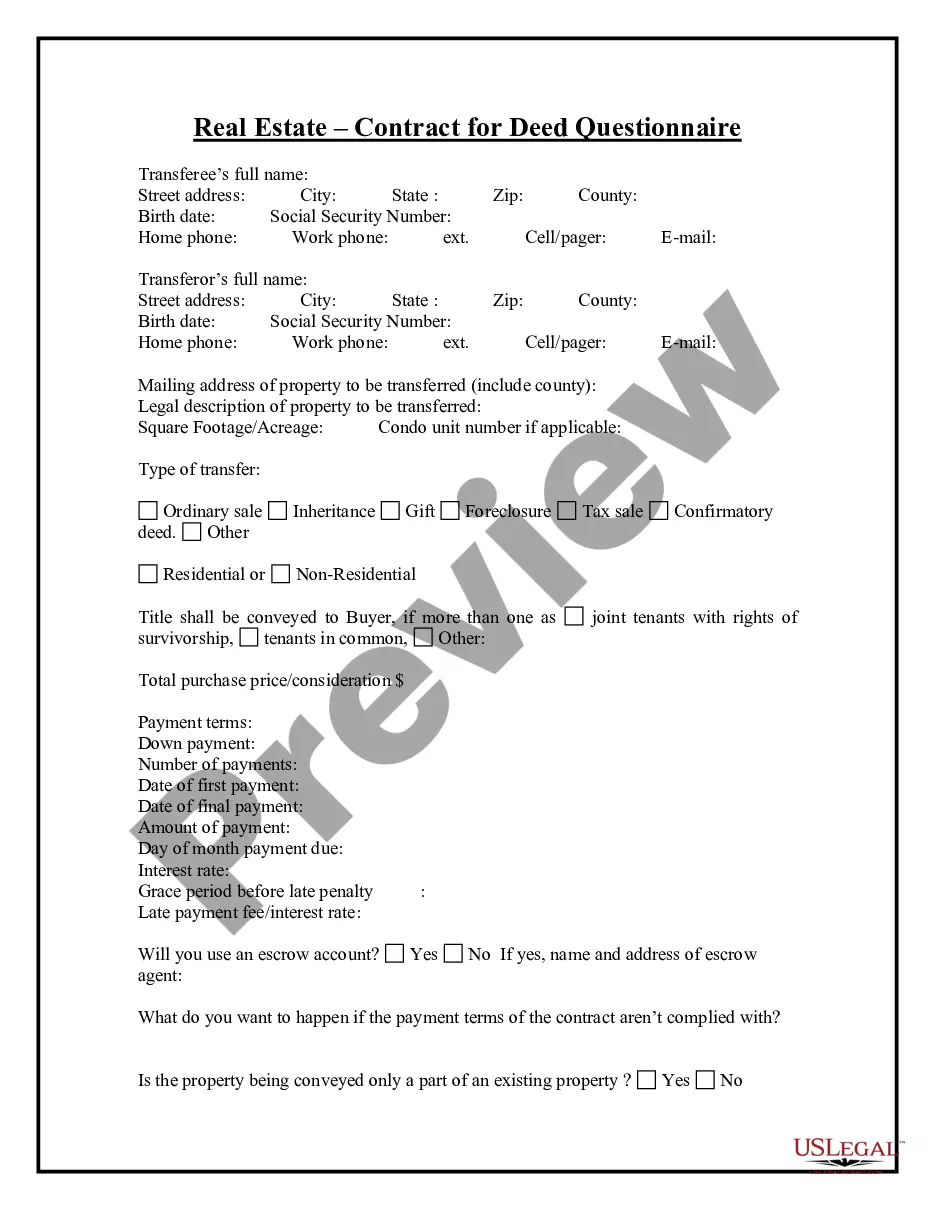
- Agreement or Contract for Deed for Sale and Purchase of Real Estate a/k/a Land or Executory Contract
- Notice of Intent to Enforce Forfeiture Provisions of Contact for Deed
- Final Notice of Forfeiture and Request to Vacate Property under Contract for Deed
- General Notice of Default for Contract for Deed
- Seller's Disclosure of Forfeiture Rights for Contract for Deed
- Seller's Disclosure of Financing Terms for Residential Property in connection with Contract or Agreement for Deed a/k/a Land Contract
- Contract for Deed Seller's Annual Accounting Statement
- Notice of Default for Past Due Payments in connection with Contract for Deed
- Final Notice of Default for Past Due Payments in connection with Contract for Deed
- Assignment of Contract for Deed by Seller
- Notice of Assignment of Contract for Deed


When to use this form package
This form package is useful in several situations, including:
- When a buyer wants to purchase property via owner financing instead of traditional financing.
- When a seller wishes to provide financing directly to the buyer through a Contract for Deed.
- When modifications or assignments related to the original Contract for Deed are necessary.
- When a payment has not been received, and the seller needs to issue notices regarding defaults.
Who should use this form package
- Property sellers looking to offer owner financing to potential buyers.
- Buyers interested in purchasing property through a Contract for Deed in Wisconsin.
- Real estate investors who need to facilitate transactions without conventional bank financing.
- Individuals involved in real estate transactions who need clear documentation regarding financing terms and obligations.
How to prepare this document
- Review the included forms to understand what documents are necessary for your transaction.
- Identify the parties involved in the transaction and ensure their information is correctly entered.
- Carefully fill out the Contract for Deed, including financing terms and payment schedules.
- Complete any notices required, such as those related to defaults, to ensure legal compliance.
- Ensure all documents are signed and dated by the appropriate parties.
Notarization details for included forms
Some forms in this package need notarization to be legally binding. Our online notarization service, powered by Notarize, lets you verify and sign documents remotely through an encrypted video session, available 24/7.
Get your form ready online
Our built-in tools help you complete, sign, share, and store your documents in one place.
Make edits, fill in missing information, and update formatting in US Legal Forms—just like you would in MS Word.
Download a copy, print it, send it by email, or mail it via USPS—whatever works best for your next step.
Sign and collect signatures with our SignNow integration. Send to multiple recipients, set reminders, and more. Go Premium to unlock E-Sign.
If this form requires notarization, complete it online through a secure video call—no need to meet a notary in person or wait for an appointment.
We protect your documents and personal data by following strict security and privacy standards.

Make edits, fill in missing information, and update formatting in US Legal Forms—just like you would in MS Word.

Download a copy, print it, send it by email, or mail it via USPS—whatever works best for your next step.

Sign and collect signatures with our SignNow integration. Send to multiple recipients, set reminders, and more. Go Premium to unlock E-Sign.

If this form requires notarization, complete it online through a secure video call—no need to meet a notary in person or wait for an appointment.

We protect your documents and personal data by following strict security and privacy standards.
Typical mistakes to avoid
- Failing to clearly outline payment terms in the Contract for Deed.
- Not providing required notices to buyers about any defaults in payment.
- Incomplete information about property disclosures leading to misunderstandings.
- Ignoring local laws that may alter the terms of the forms included.
Benefits of completing this package online
- Convenient access to all necessary forms in one package, saving time and effort.
- Easy to edit and customize documents to fit your specific transaction needs.
- Access to professionally drafted forms created by licensed attorneys.
- Coshruai of reduces the chance of errors compared to using pre-made templates.
Looking for another form?


Form popularity
FAQ
On a land contract, the buyer is responsible for property taxes, insurance and mortgage interest, although these will usually be paid through the seller. However, the buyer does get to deduct them from his or her taxes; the seller cannot.
A land contract is a form of seller financing. The land contract purchaser takes possession of the real estate and agrees to make installment payments of principal and interest, typically on a monthly basis, until the contract is paid in full or balloons.
A land contract should spell out the purchase price, down payment, payment schedule, installment amount, interest rate, loan term and balloon payment amount, if applicable. Responsible party for home repairs. The buyer and seller agree upfront on who will make and pay for home repairs.
Purchase price. Down payment. Interest rate. Number of monthly installments. Responsibilities of the buyer and seller. Legal remedies for the seller if the buyer does not make payments.
The buyer must record the contract for deed with the county recorder where the land is located within four months after the contract is signed. Contracts for deed must provide the legal name of the buyer and the buyer's address.
Sign a Land Contract At a minimum, a land contract should list the address of the real estate and the full legal description of the property, the purchase price, down payment amount, the monthly payment amounts and term, number of payments to be made, and any balloon payment required.
Generally, contract for deed sellers use IRS Form 6252 to report installment sales in the year in which they take place. You also use Form 6252 during each year you receive income from your contract for deed.
A contract for deed is a legal agreement for the sale of property in which a buyer takes possession and makes payments directly to the seller, but the seller holds the title until the full payment is made.
The IRS does allow you to deduct the interest portion of the payments you make under a contract for deed from your income taxes if you itemize deductions. You can also deduct any real estate taxes you pay, just as with a mortgage.