Washington Letters Testamentary
What is this form?
Letters Testamentary is a legal document issued by a probate court that grants the executor the authority to administer the estate of a deceased person. This form serves as proof of the executor's appointment and is necessary for managing the estate's assets, paying debts, and distributing property according to the deceased's will. It differs from other forms of estate documents, such as Letters of Administration, which are used when there is no will or appointed executor.
What’s included in this form
- Title of the court and case number assigned to the estate.
- Identification of the deceased, including their name and date of death.
- Statement confirming the will was proven and recorded in court.
- Name of the appointed executor with official authorization to execute the will.
- Clerk's certification and court seal affirming the validity of the document.
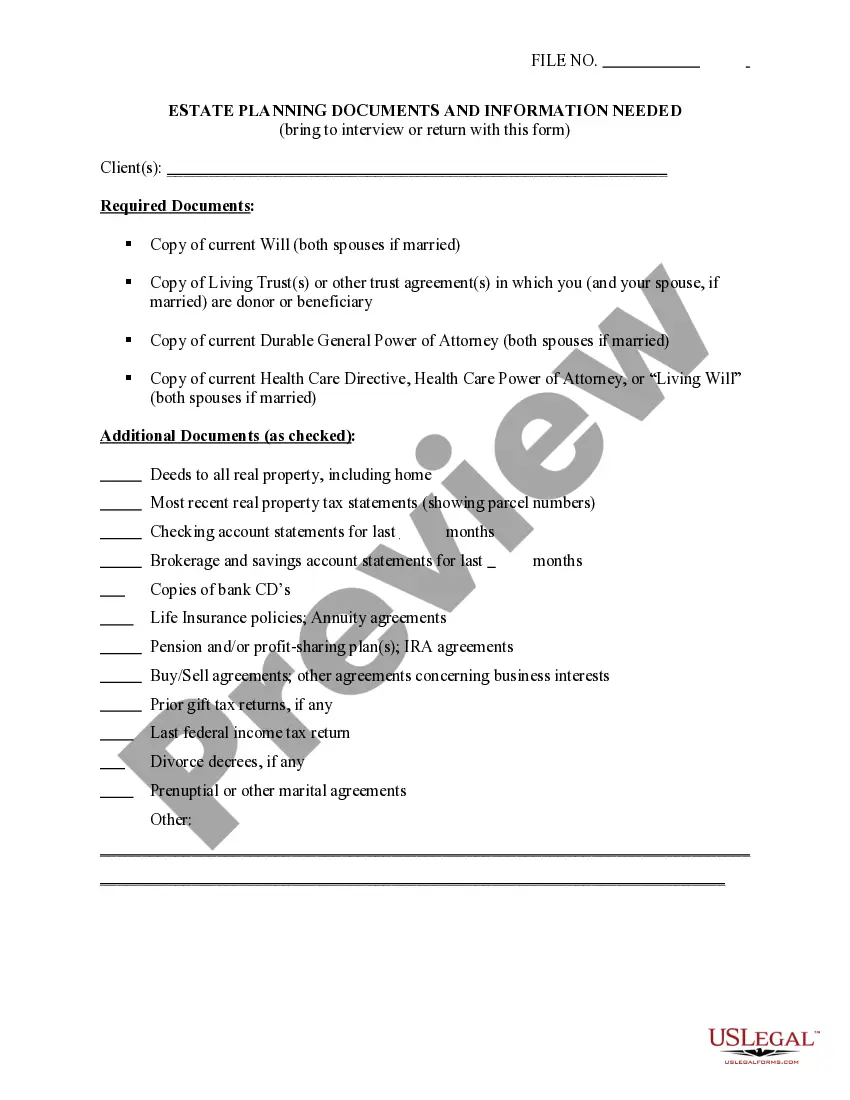
Common use cases
This form is used when someone passes away and their estate needs to be settled according to their will. Executors must obtain Letters Testamentary before they can access the deceased's assets, pay outstanding debts, and distribute the remaining assets to beneficiaries. It is often the first step in the probate process.
Intended users of this form
Letters Testamentary should be used by:
- Executors named in a will who are responsible for administering the deceased's estate.
- Legal representatives acting on behalf of the executor.
- Beneficiaries needing confirmation of the executorâs authority to manage the estate.
Completing this form step by step
- Provide the name of the deceased and case number at the top of the form.
- Insert the date when the will was proven in court.
- Specify the name of the executor in the designated section.
- Include the date the clerk signs the document to validate it.
- Obtain all required signatures, including the court clerk's certification.
Notarization guidance
Notarization is generally not required for this form. However, certain states or situations might demand it. You can complete notarization online through US Legal Forms, powered by Notarize, using a verified video call available anytime.
Get your form ready online
Our built-in tools help you complete, sign, share, and store your documents in one place.
Make edits, fill in missing information, and update formatting in US Legal Forms—just like you would in MS Word.
Download a copy, print it, send it by email, or mail it via USPS—whatever works best for your next step.
Sign and collect signatures with our SignNow integration. Send to multiple recipients, set reminders, and more. Go Premium to unlock E-Sign.
If this form requires notarization, complete it online through a secure video call—no need to meet a notary in person or wait for an appointment.
We protect your documents and personal data by following strict security and privacy standards.
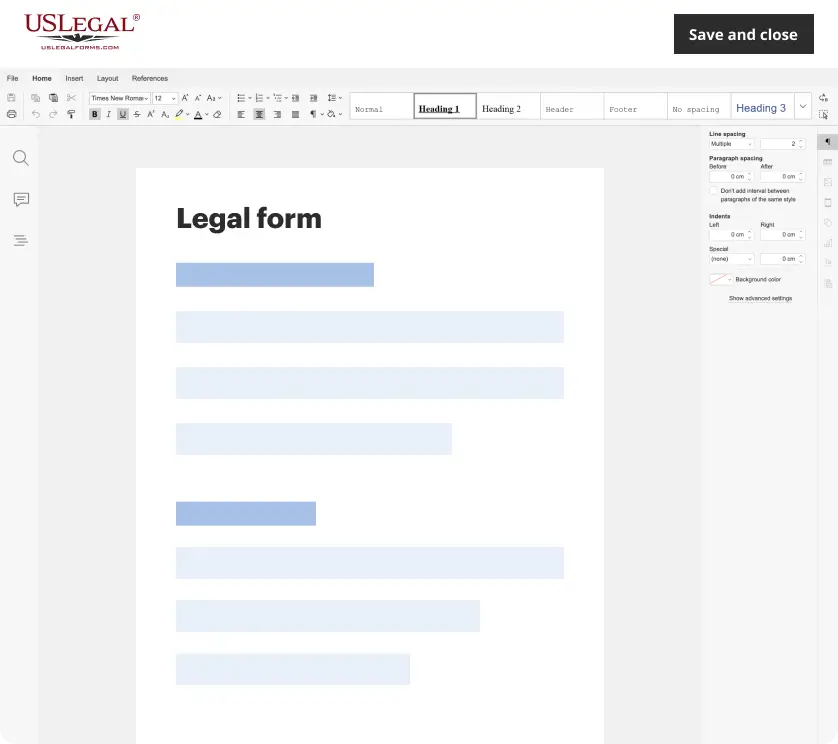
Make edits, fill in missing information, and update formatting in US Legal Forms—just like you would in MS Word.
Download a copy, print it, send it by email, or mail it via USPS—whatever works best for your next step.
Sign and collect signatures with our SignNow integration. Send to multiple recipients, set reminders, and more. Go Premium to unlock E-Sign.

If this form requires notarization, complete it online through a secure video call—no need to meet a notary in person or wait for an appointment.
We protect your documents and personal data by following strict security and privacy standards.
Mistakes to watch out for
- Failing to include the correct case number or court location.
- Not providing the full name of the deceased or executor.
- Omitting necessary signatures or dates which can lead to delays in probate.
- Using an outdated version of the form may not meet current requirements.
Why use this form online
- Convenient access allows you to complete the form at your own pace.
- Templates are drafted by licensed attorneys, ensuring legality and compliance.
- Easy to edit, print, and file as needed without needing a trip to a lawyerâs office.
Looking for another form?






Form popularity
FAQ
The short answer is yes, you have to show an accounting unless the heirs or beneficiaries of the estate waive the requirement. And even if they waive it, probate best practice is to show a thorough summary of what was done so you reduce the chance of disputes later on.
Application for letters of administration, or, application for an adjudication of intestacy and heirship without the issuance of letters of administration shall be made by petition in writing, signed and verified by the applicant or his or her attorney, and filed with the court, which petition shall set forth the facts
If you believe that the executor is not living up to their duties, you have two legal options: petition the court or file a civil lawsuit. Beneficiaries can petition the court to have the executor removed from their positon if they can prove they should be removed for one of the reasons listed above.
A: Letters Testamentary are valid until revoked or the probate is concluded and the executor is discharged.
Every family situation is unique, so there is no set time that an executor can expect to work. If you are named to serve in this role, check with an attorney in the decedent's state to find out what to expect.
Under Washington State law, your descendants (aka your children) are considered your heirs, but your heirs do not have to be your descendants. If you die without a will, Washington law requires your assets to be given to certain members of your family, if they are alive at the time of your death.
Obtaining Letters Testamentary You want the Commissioner to appoint you as personal representative of the estate and sign an order requiring the Court Clerk to issue you Letters Testamentary.
Under Washington probate law, any person who has the deceased person's will must turn it over either to the probate court or to the personal representative within 30 days of finding out about the death. And if the personal representative has the will, they have 40 days to turn it over to the Washington probate court.