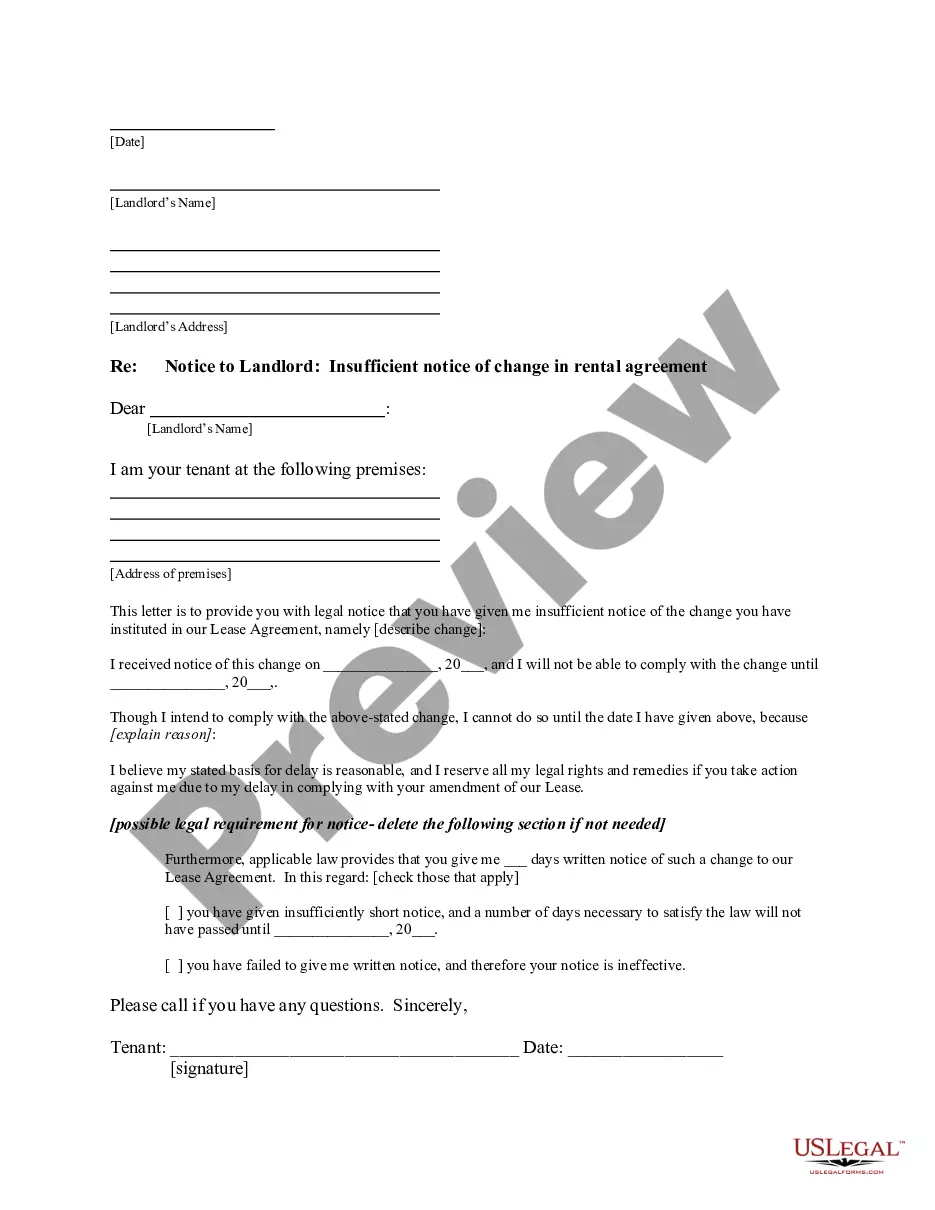
Due Diligence Request
What is this form?
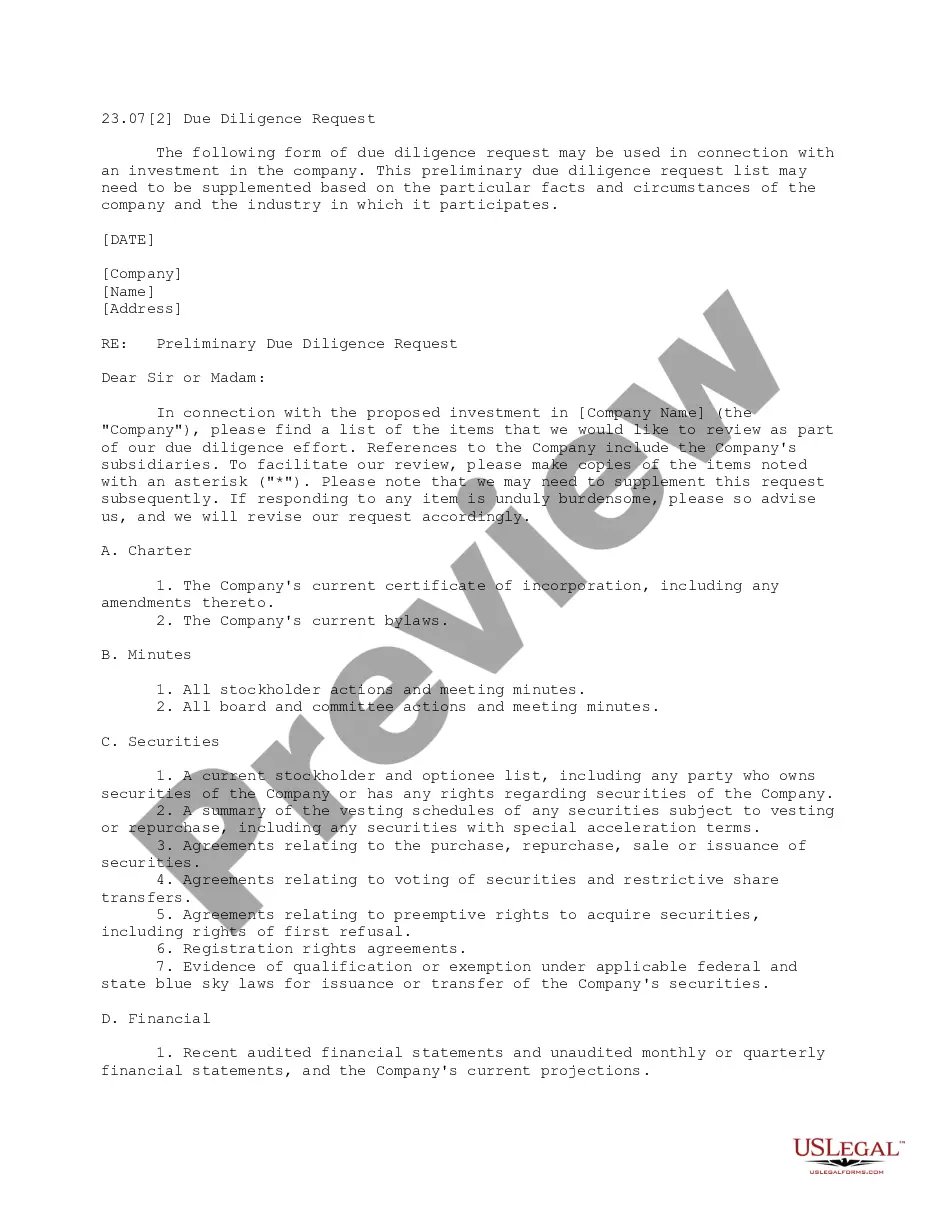
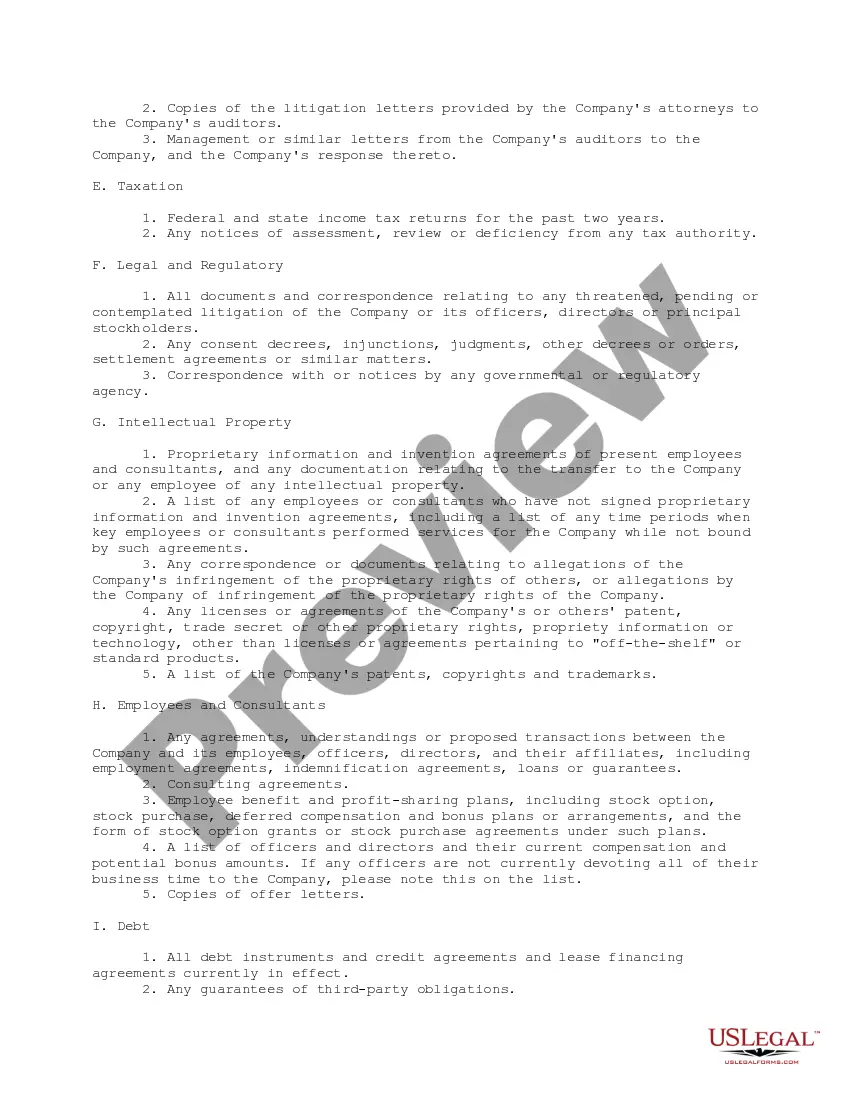
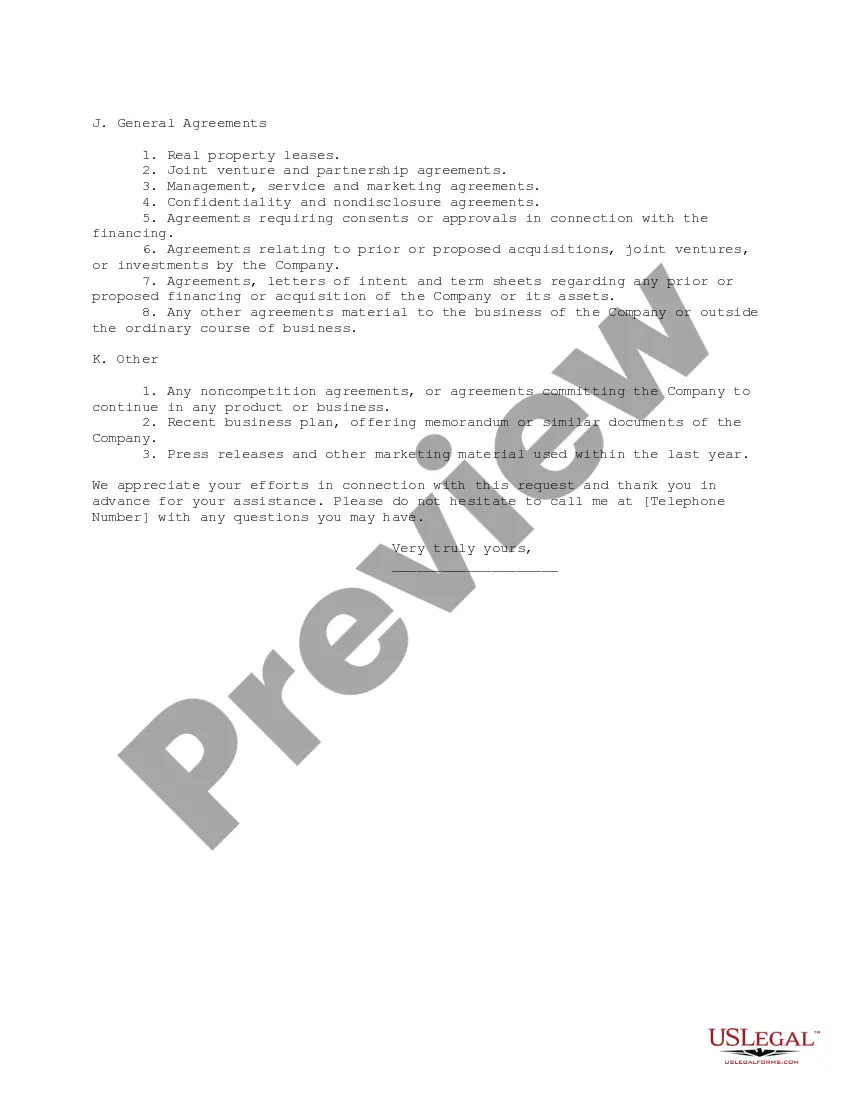
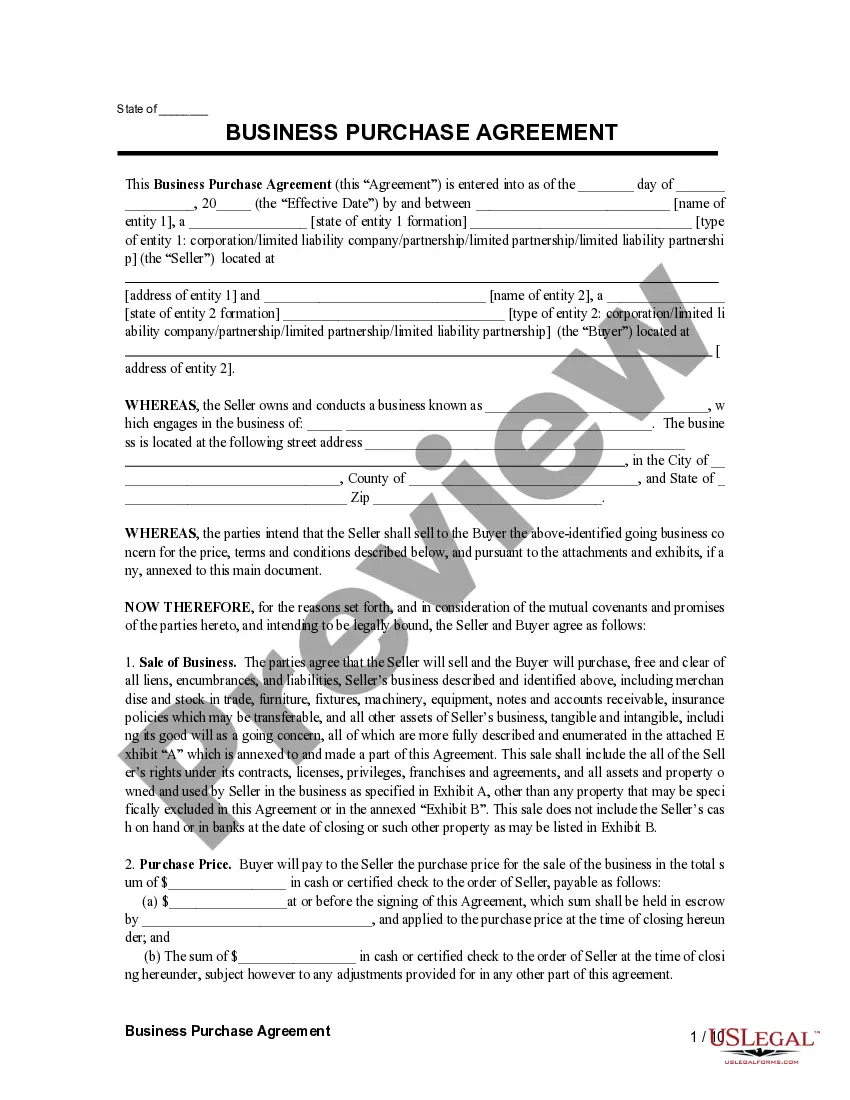
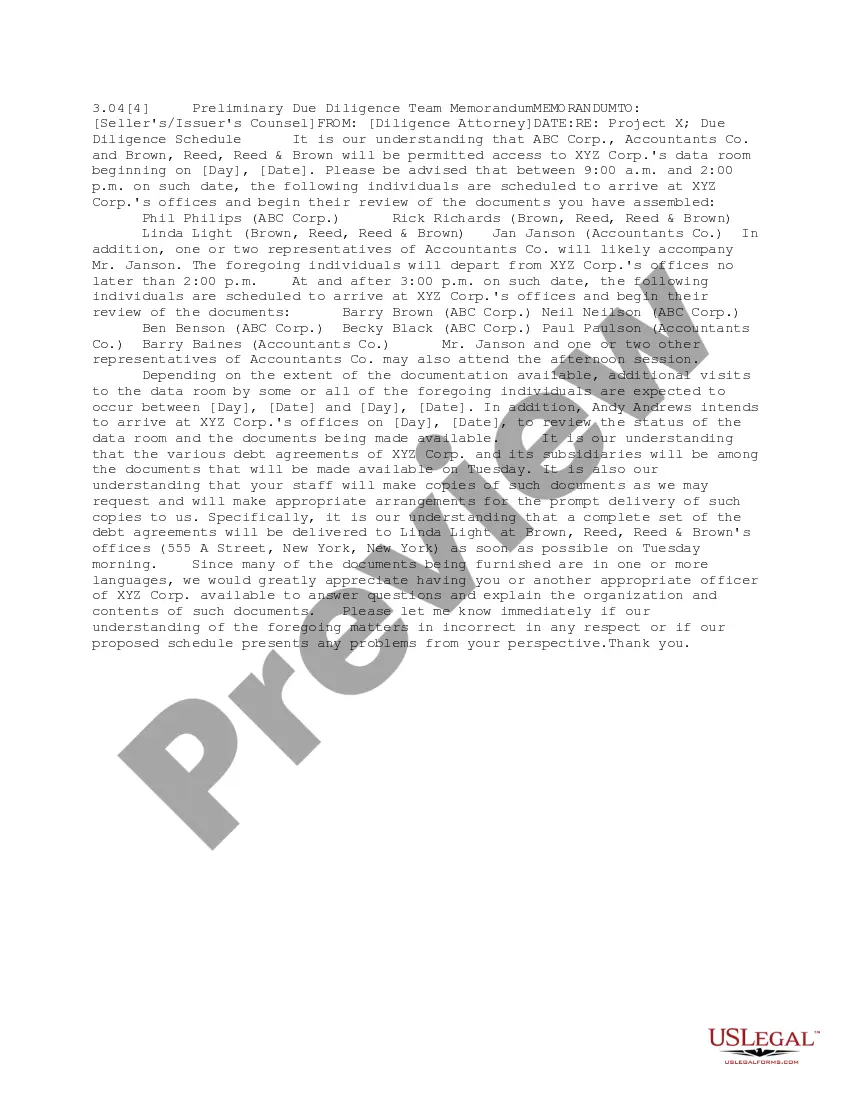
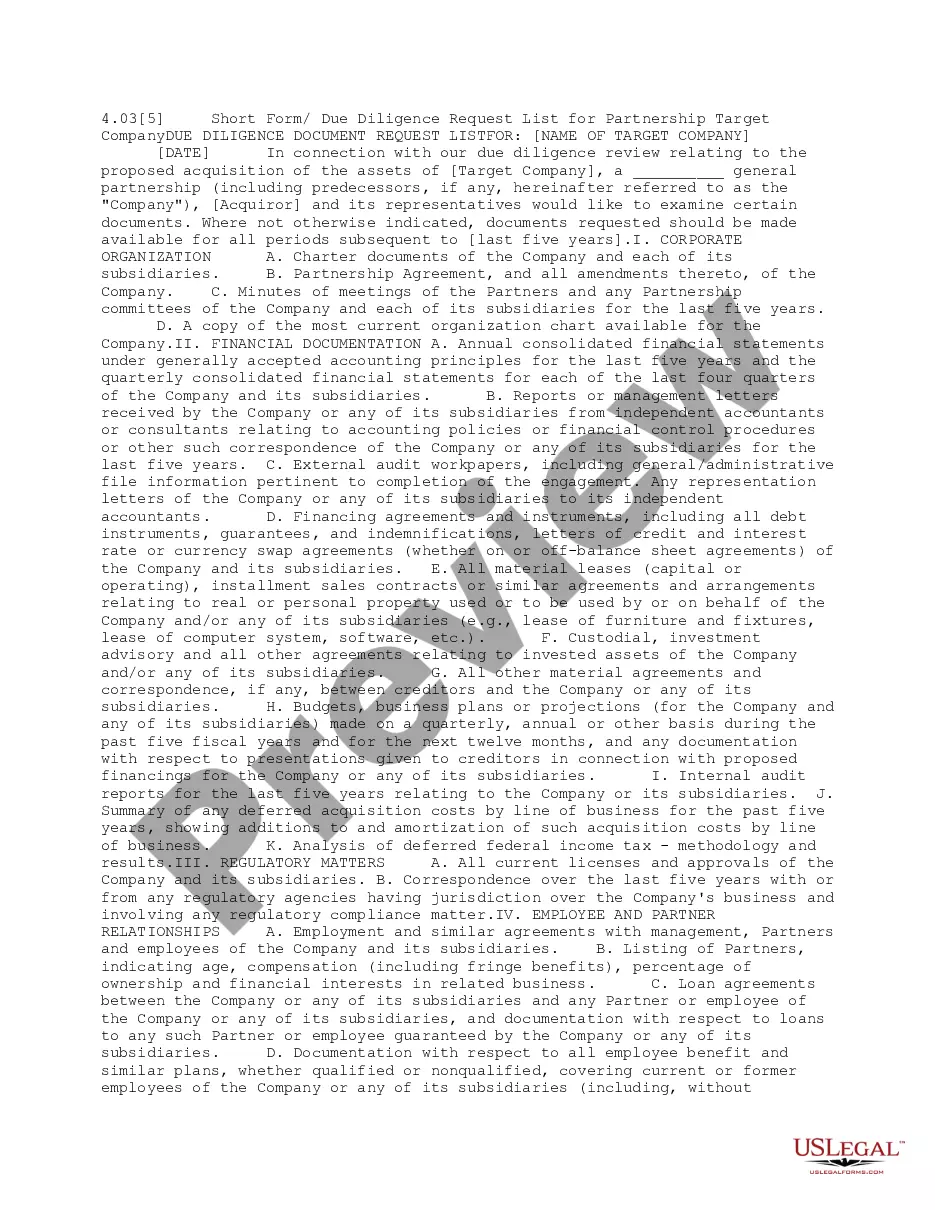
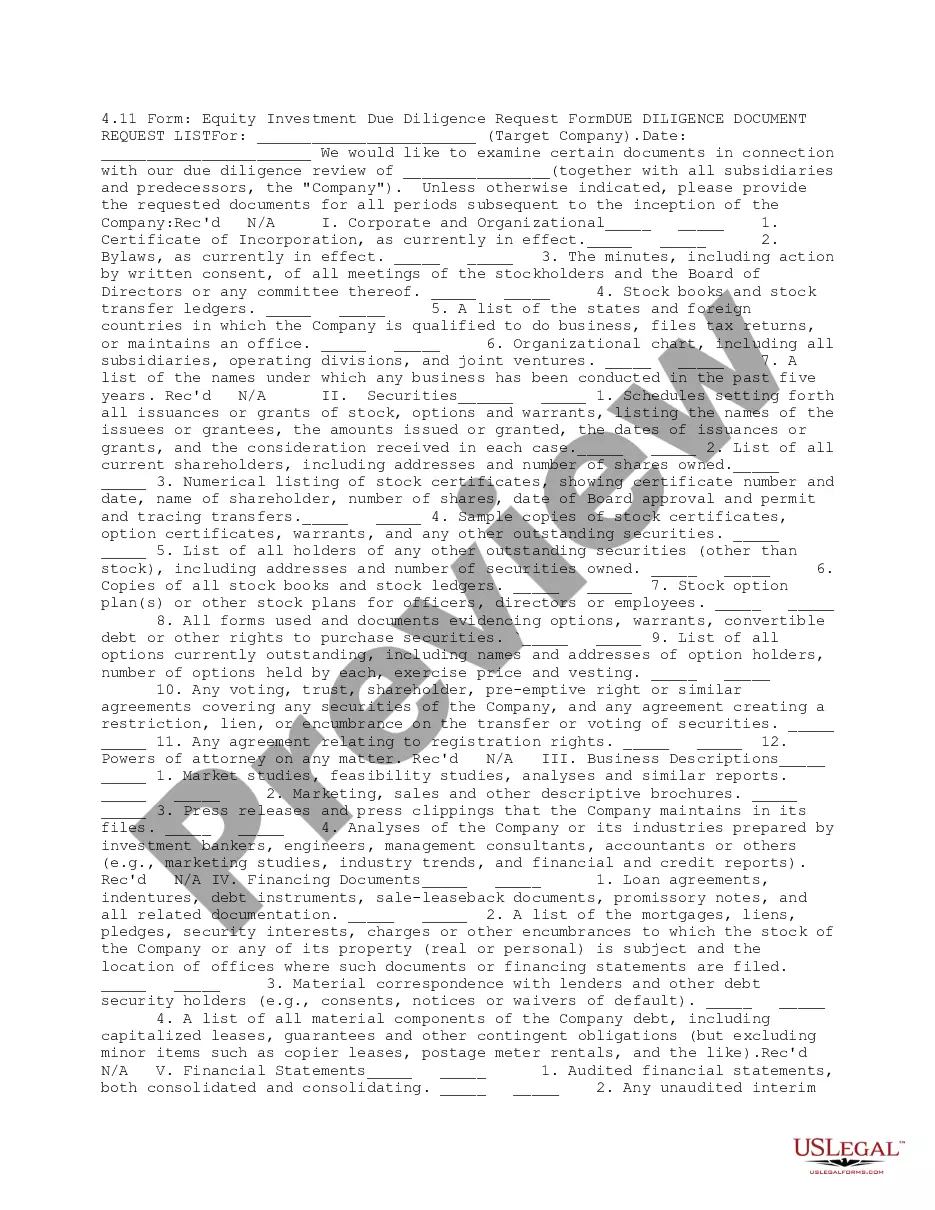
The Due Diligence Request is a formal document used primarily in corporate and business matters to collect important information about a company before an investment decision is made. This form outlines specific items to review that can help investors assess the financial health, legal standing, and operational conditions of the company. Unlike other legal forms, this request serves as a preliminary checklist tailored to the unique circumstances of the business and industry involved.
Key components of this form
- Company's current certificate of incorporation and bylaws.
- Minutes from stockholder and board meetings.
- Current stockholder and optionee lists along with securities agreements.
- Audited financial statements and recent tax returns.
- Documentation related to intellectual property and employee agreements.
- All relevant legal and regulatory correspondence.

Common use cases
This form is typically used when an investor is considering a financial stake in a company. It aids in collecting necessary data about the companyâs legal, financial, and operational status. Situations where this form is beneficial include mergers, acquisitions, or any scenario where an investor seeks to understand the potential risks and rewards of an investment.
Who should use this form
- Investors looking to conduct thorough due diligence before investing in a company.
- Legal teams representing investors in evaluating potential investments.
- Corporate executives preparing for upcoming investment negotiations.
- Financiers and analysts evaluating the viability of an investment opportunity.
How to prepare this document
- Enter the date and the companyâs name and address at the top of the form.
- Review each section and identify the documents or information you require from the company.
- Clarify any items that may be burdensome to provide to ensure efficient communication.
- Use clear and concise language when drafting custom requests based on the template.
- Finalize the document with your contact information for follow-up questions.
Does this form need to be notarized?
Notarization is generally not required for this form. However, certain states or situations might demand it. You can complete notarization online through US Legal Forms, powered by Notarize, using a verified video call available anytime.
Get your form ready online
Our built-in tools help you complete, sign, share, and store your documents in one place.
Make edits, fill in missing information, and update formatting in US Legal Forms—just like you would in MS Word.
Download a copy, print it, send it by email, or mail it via USPS—whatever works best for your next step.
Sign and collect signatures with our SignNow integration. Send to multiple recipients, set reminders, and more. Go Premium to unlock E-Sign.
If this form requires notarization, complete it online through a secure video call—no need to meet a notary in person or wait for an appointment.
We protect your documents and personal data by following strict security and privacy standards.
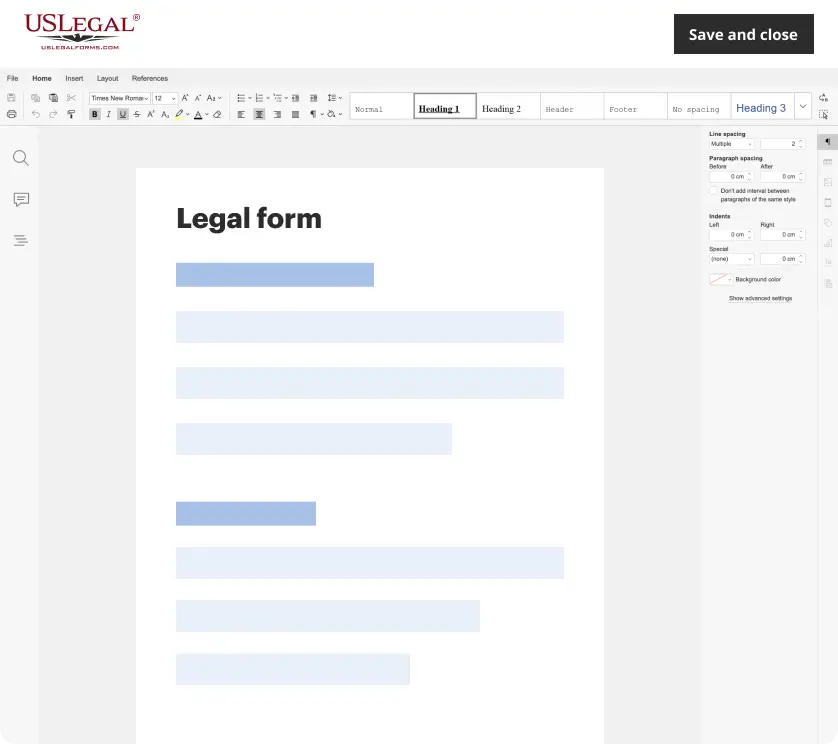
Make edits, fill in missing information, and update formatting in US Legal Forms—just like you would in MS Word.
Download a copy, print it, send it by email, or mail it via USPS—whatever works best for your next step.
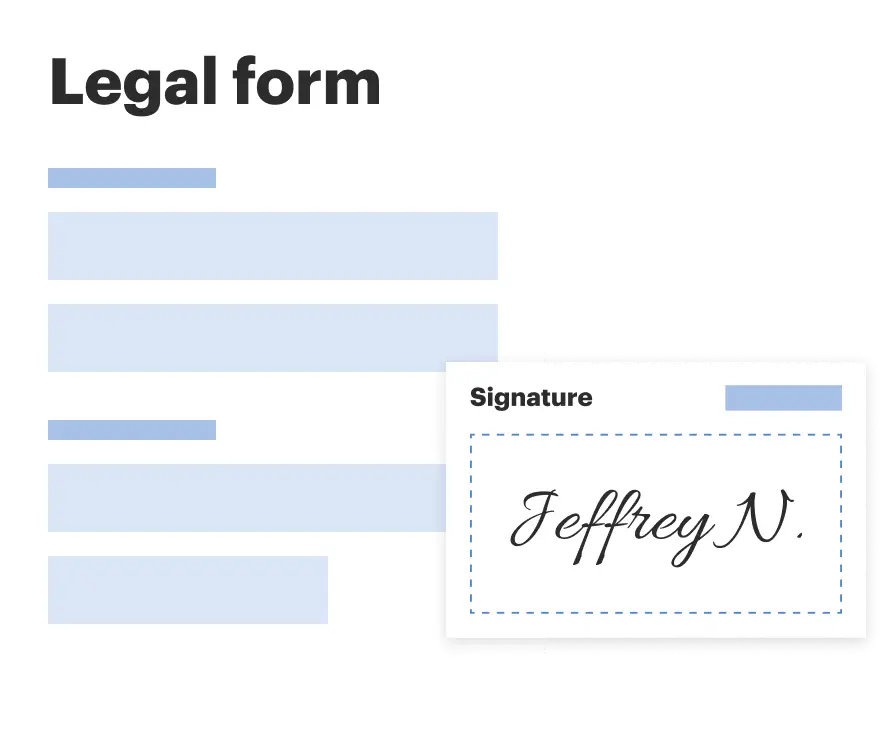
Sign and collect signatures with our SignNow integration. Send to multiple recipients, set reminders, and more. Go Premium to unlock E-Sign.

If this form requires notarization, complete it online through a secure video call—no need to meet a notary in person or wait for an appointment.
We protect your documents and personal data by following strict security and privacy standards.
Common mistakes to avoid
- Failing to specify all required documents leading to incomplete information.
- Not allowing enough time for responses from the company.
- Using vague language which can lead to misinterpretation of the request.
- Neglecting to update the request list as needed based on initial responses.
Benefits of completing this form online
- Convenience of downloading and customizing the form as needed.
- Immediate access to a legally vetted template crafted by licensed attorneys.
- Ease of editing to suit specific needs or scenarios without complications.
- Ability to save and store completed forms securely for future use.
Legal use & context
- The form acts as a preliminary request for information but is not a legally binding document itself.
- It is important to ensure compliance with applicable state laws during the due diligence process.
- The findings from this form can influence investment decisions and should be treated with care.
Summary of main points
- A Due Diligence Request is essential for informed investment decisions.
- The form outlines specific documents needed for a thorough review.
- Compliance with state laws is crucial for the form's validity.
Looking for another form?

Form popularity
FAQ
The due diligence fee is a negotiated sum of money, typically between $500 and $2000, depending on the home's price point and a number of other factors. As a buyer, you want a smaller fee because it means less money at stake should you back out of the purchase.
10 Day Due Diligence Period A due diligence period is the first ten days, and the spends the other 20 days securing the mortgage. Having said that, some sales can close in as little as ten days. In order to close a deal in such a short period, the buyer usually removes two important contingencies of the contract.
Due diligence money is given to the seller by the buyer to put a home for sale under contract for the buyer. It is considered compensation to the seller for potentially missing out on another interested buyer while the home is under contract.
While the due diligence period is non-refundable, except in the event a seller breaches the contract, the due diligence fee is typically credited to the buyer at closing.As long as you do not default, the money is yours and will be used for closing costs or your down payment at closing.
During the due diligence process, an investor will request information about your company that will inform their investment decision moving forward. In addition to asking questions of you and key members of your management team during meetings or phone calls, they will provide you with a request list.
Due diligence money is non-refundable The good news is the money is typically credited towards the purchase of the home at closing.If the seller is unable to fulfill the contract the buyer will get the earnest money back. If the buyer is unable to fulfill the contract the seller can keep the earnest money.
Short answer: no, the seller can't back out after an inspection. However, the seller may be able to get the buyer to walk away from the transaction based on a negative inspection report.
The due diligence period gives the homebuyer the opportunity to identify any potential issues or problems with the home that could compromise the purchase. It also gives the buyer the chance to back out of the transaction if certain contingencies aren't met.
A normal due diligence period maybe 10 or 30 days depending on how you define it.10-day periods usually only include inspections, but you probably still need 30 days to close with a mortgage. 30-day periods usually include the mortgage process as well. In this case due diligence and under contract are synonymous.