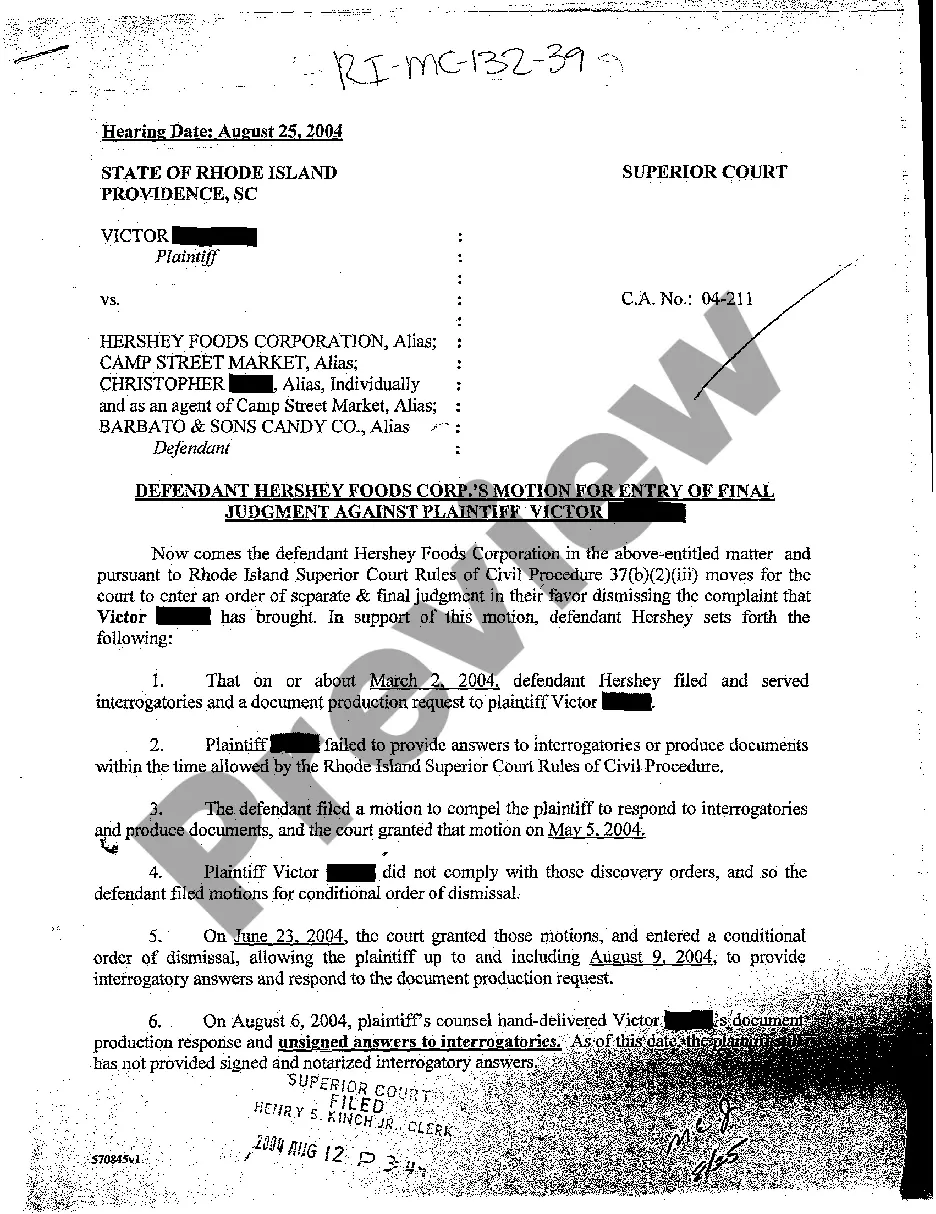
Sample Mortgage
Overview of this form
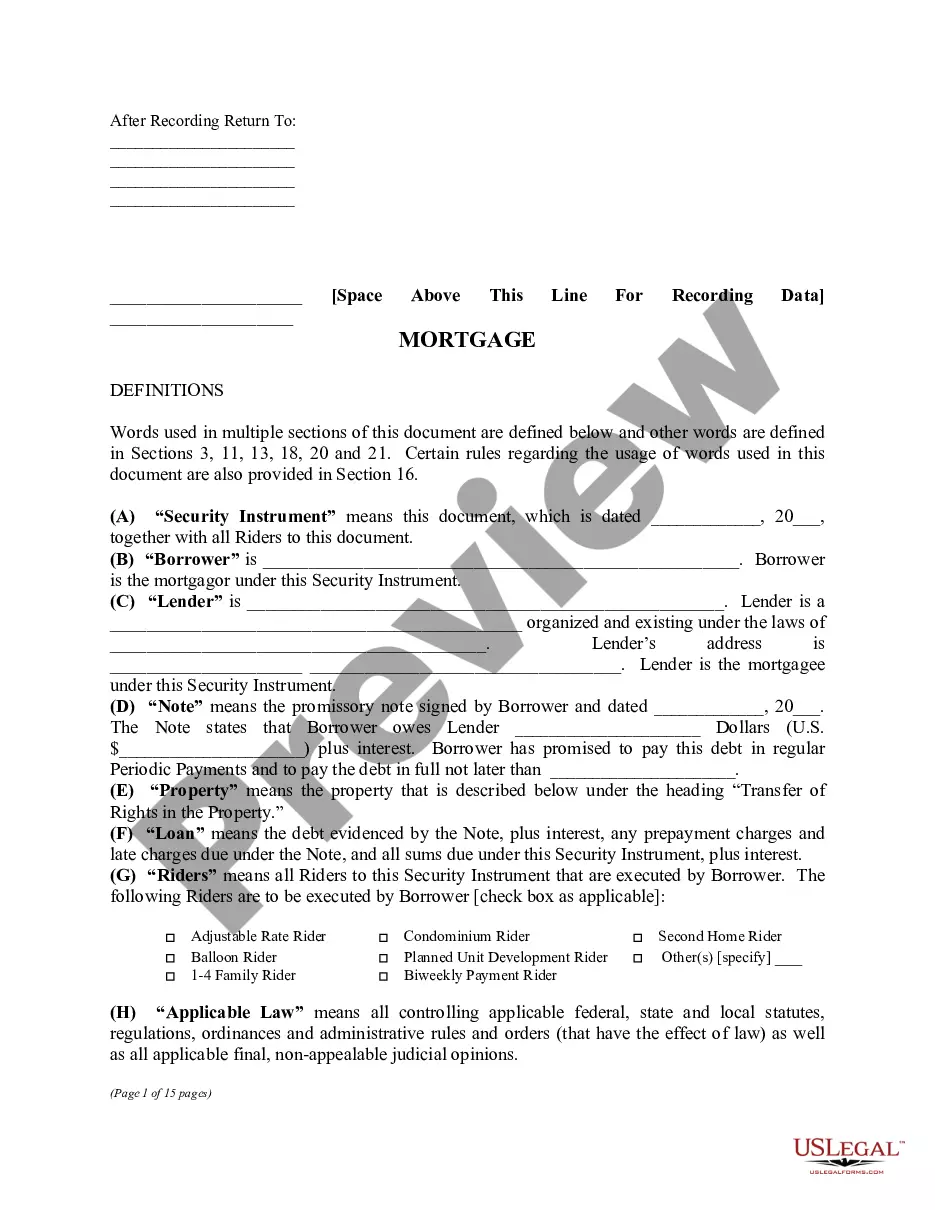
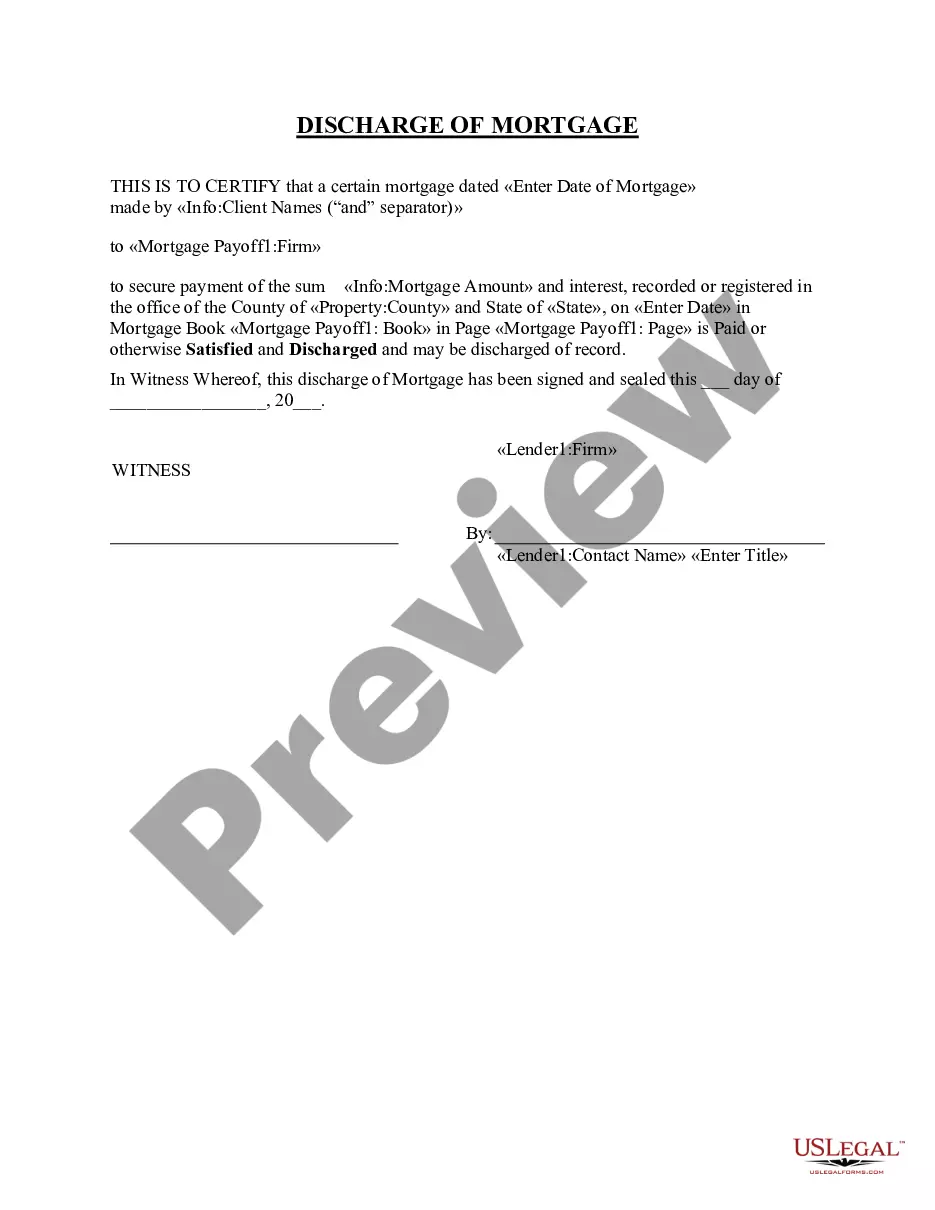
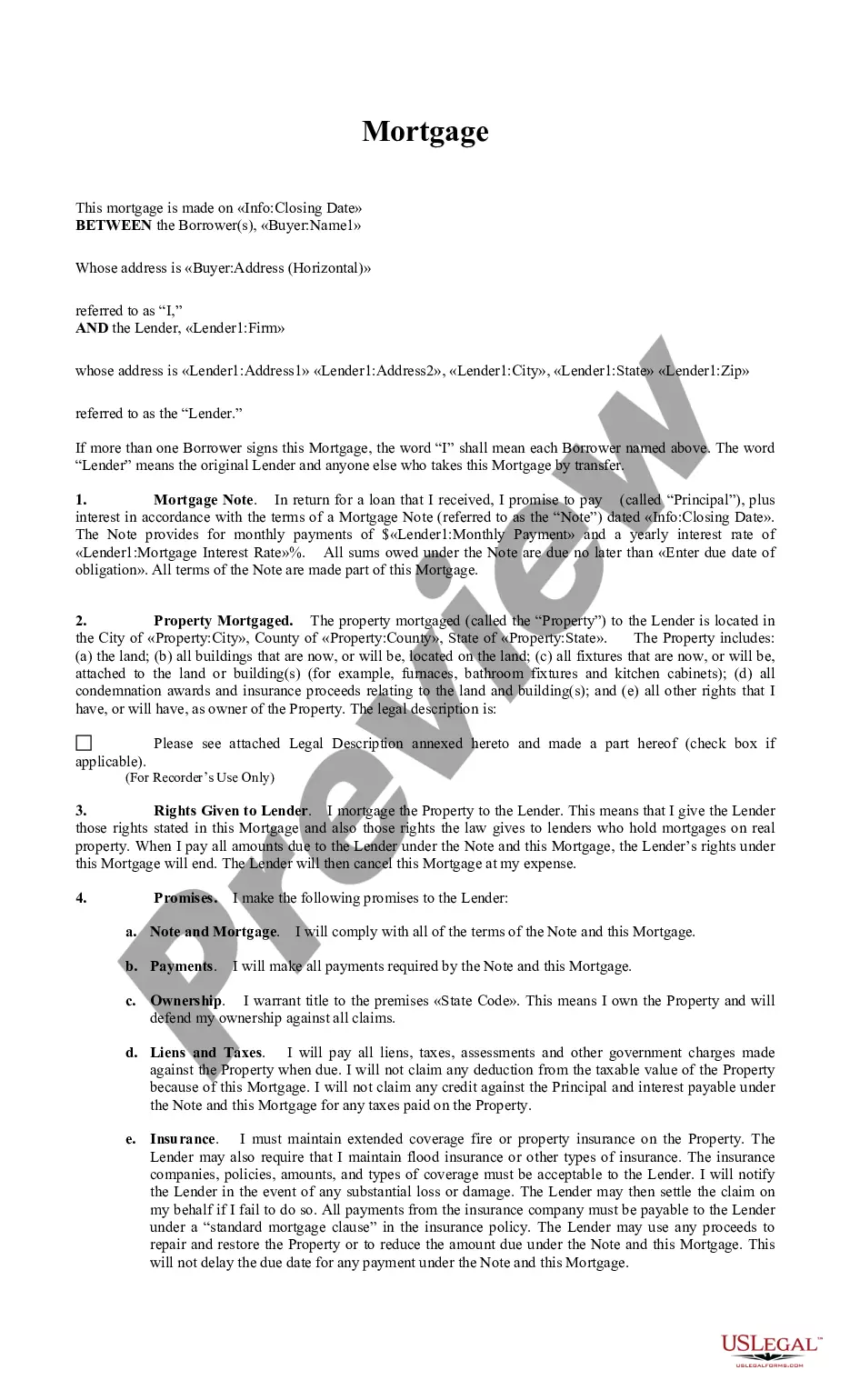
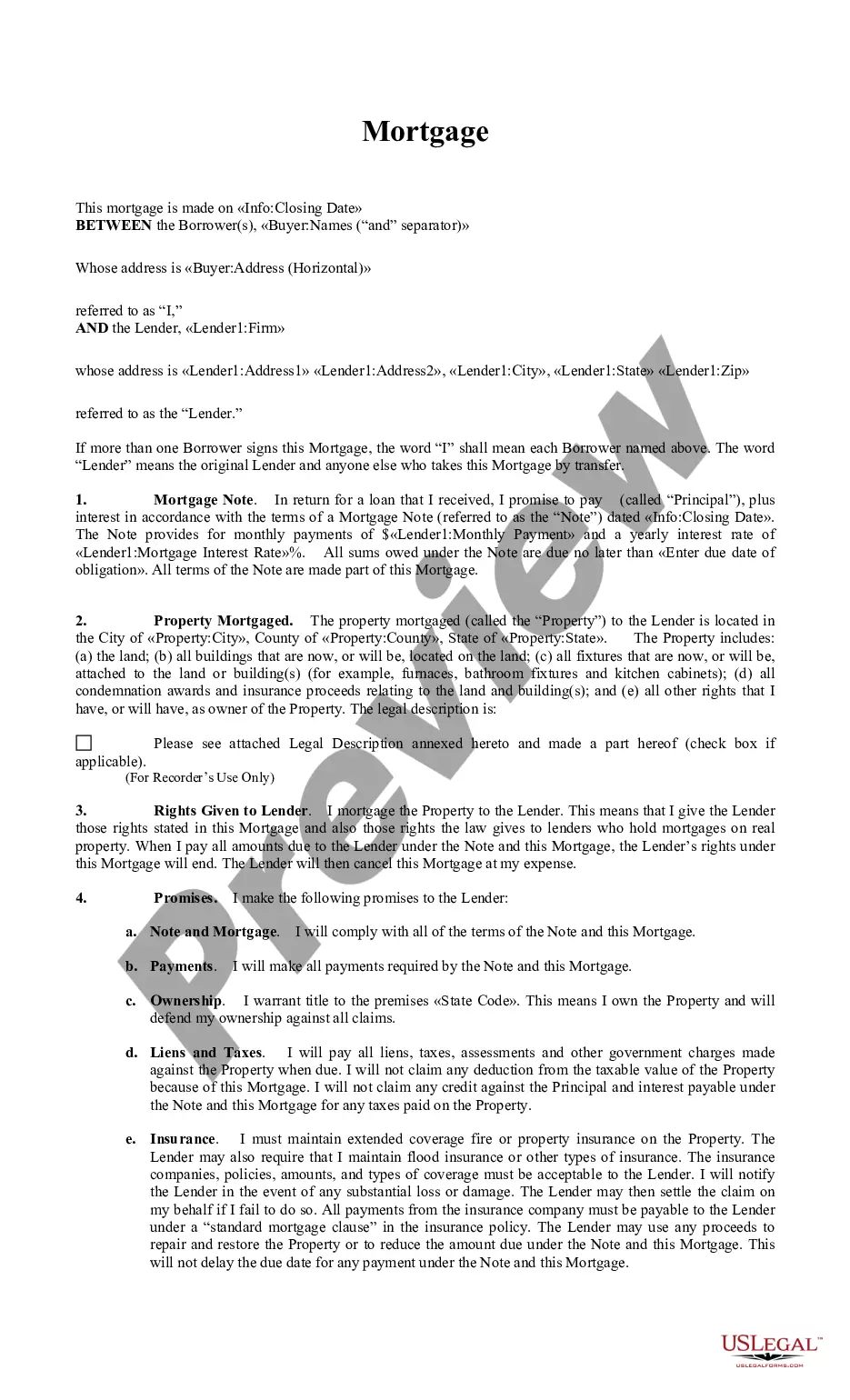
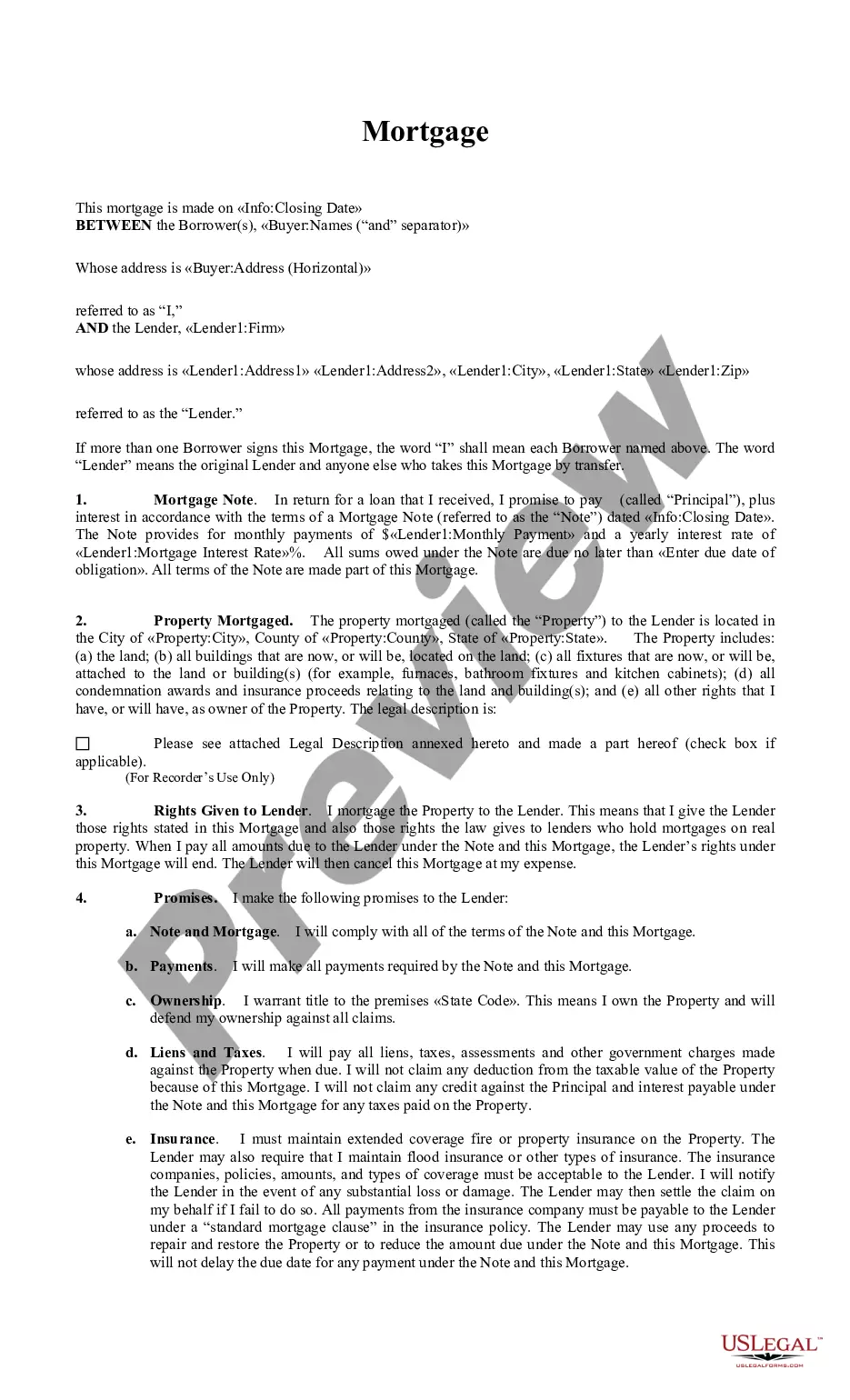
The Sample Mortgage is a legal document used to secure a loan for purchasing real estate property. This form outlines the agreements between the borrower (mortgagor) and the lender (mortgagee), specifying the loan amount, interest, and obligations associated with the property. Unlike other mortgage documents, this sample can be customized to meet individual needs, ensuring it accurately reflects the specifics of the borrowing arrangement.
Form components explained
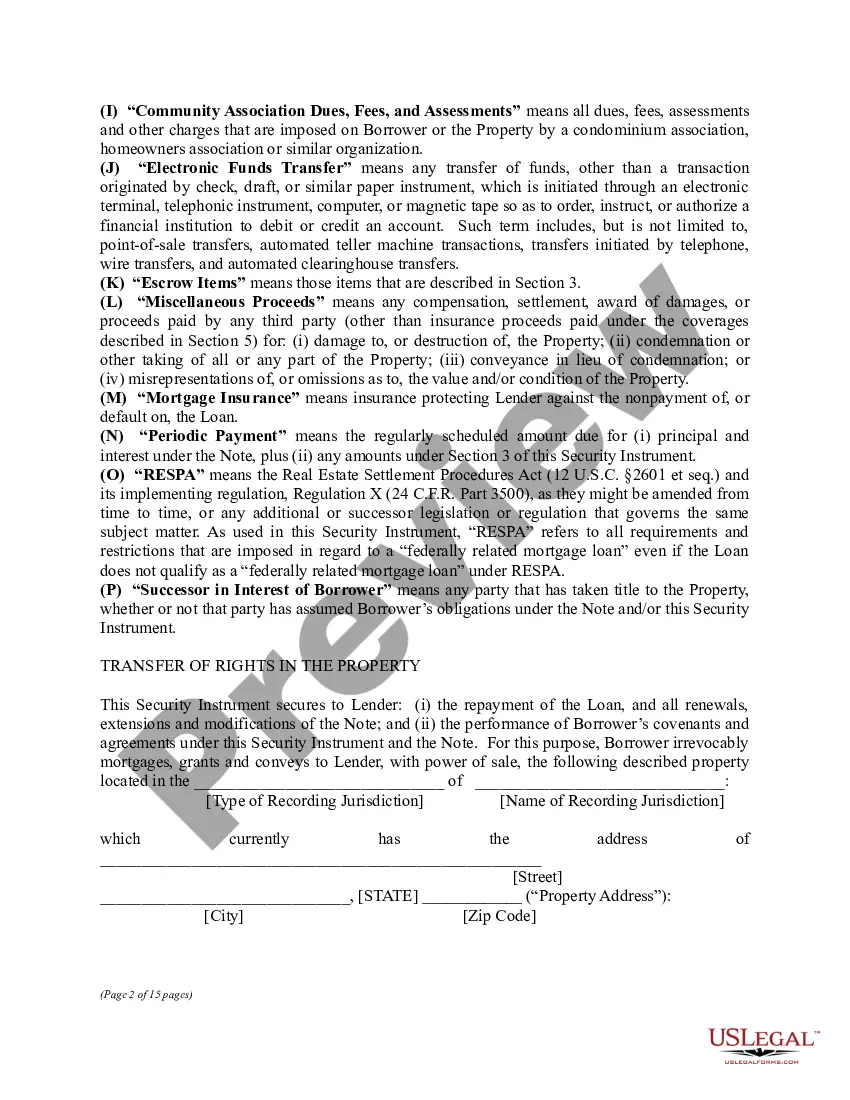
- Definitions: Clarifies key terms like Borrower, Lender, Note, and Property.
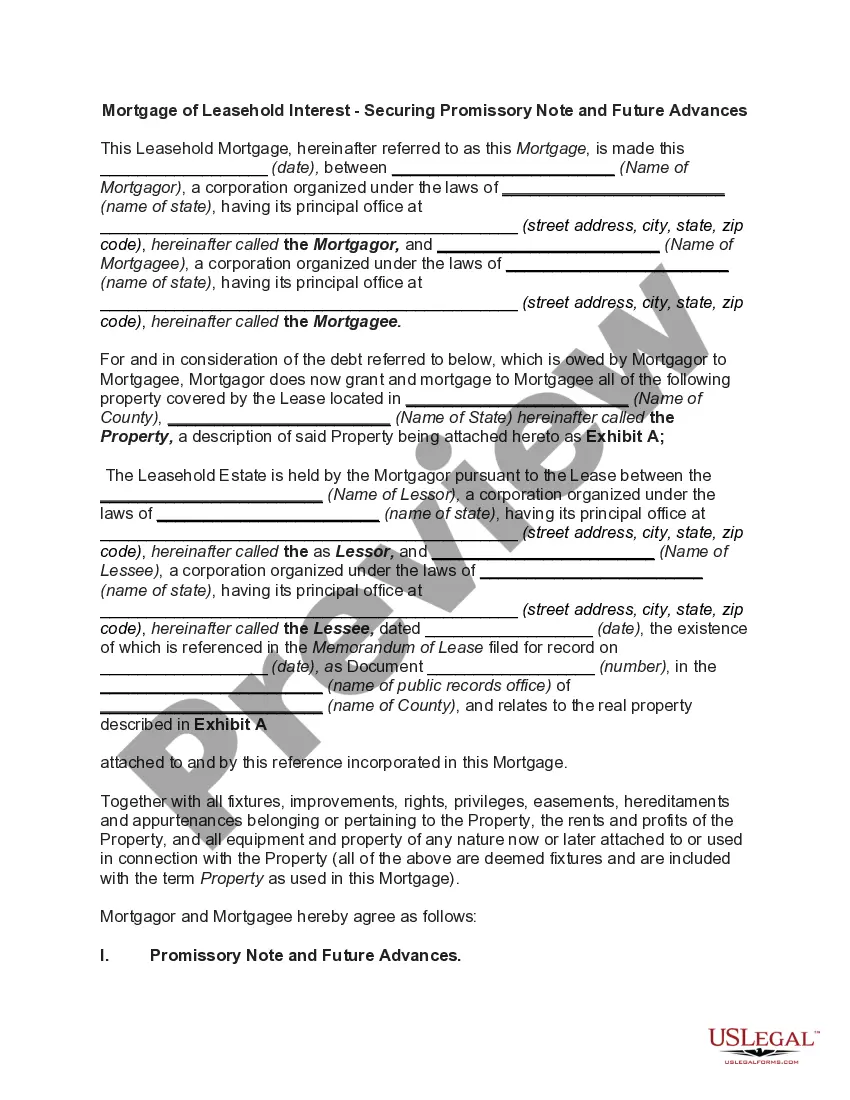
- Transfer of Rights: Details the mortgage security for the loan and the property description.
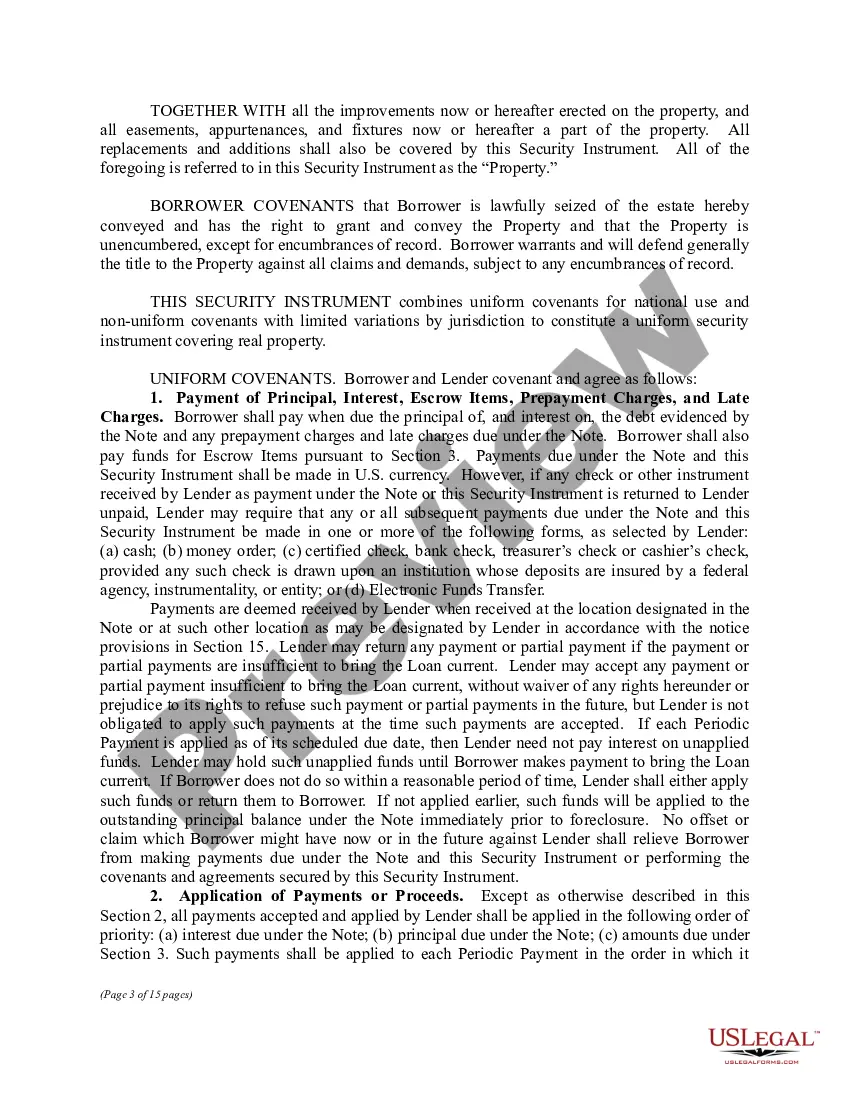
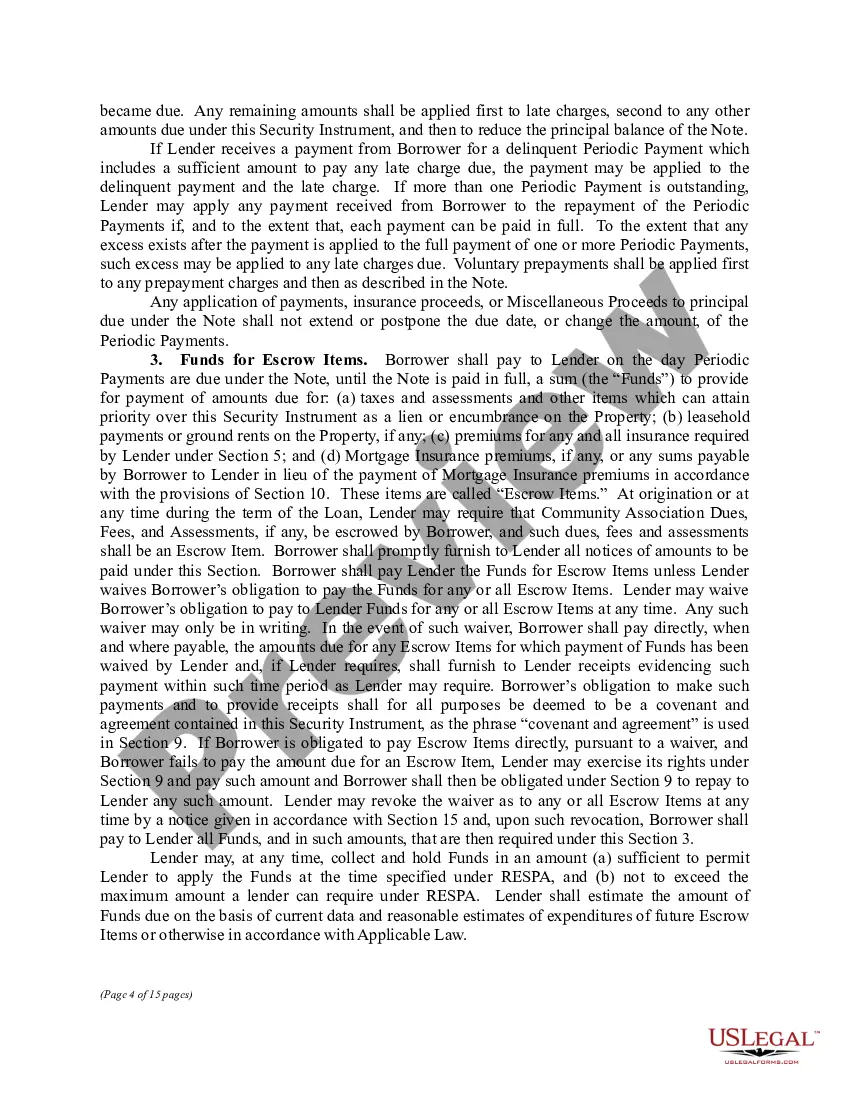
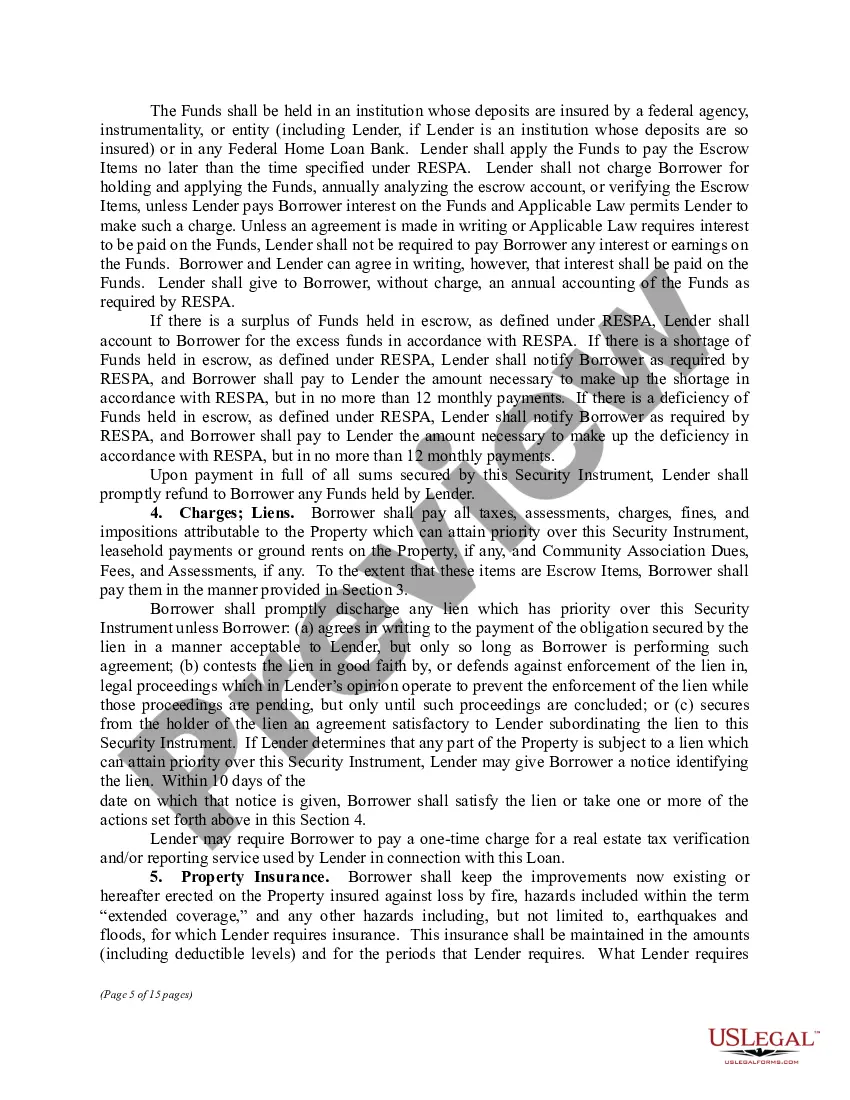
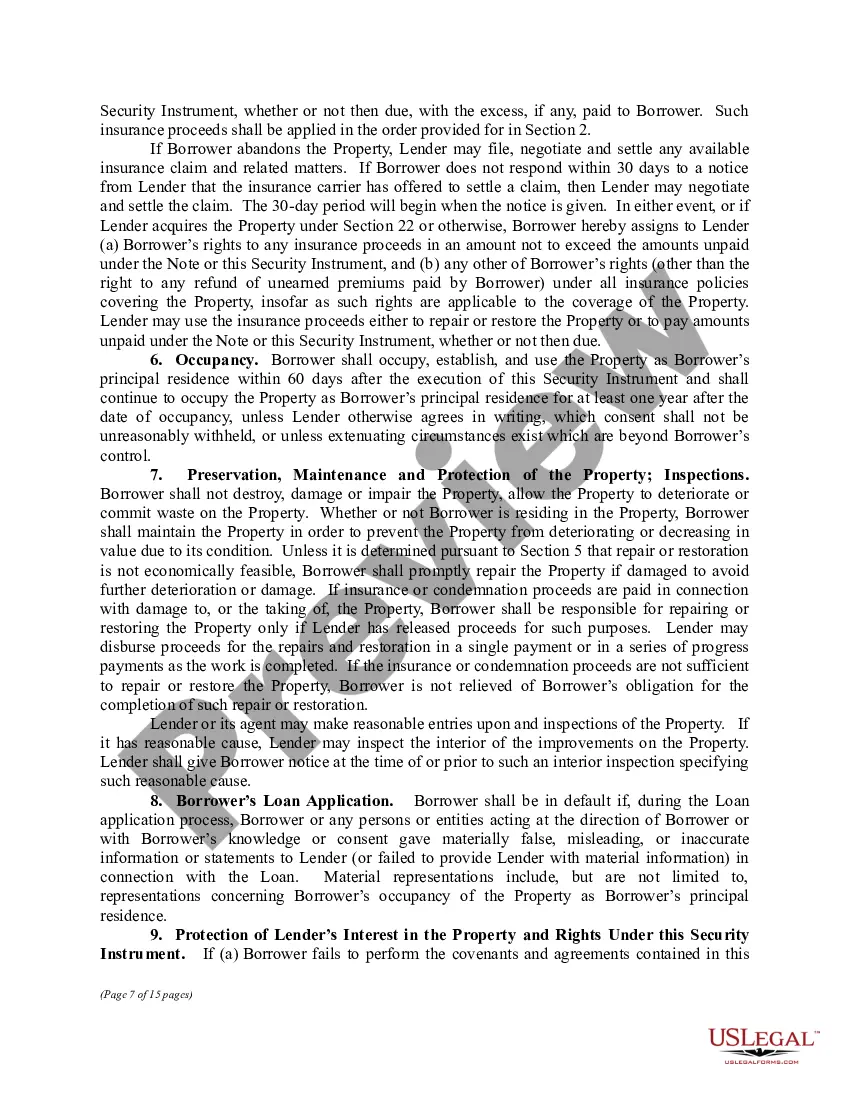
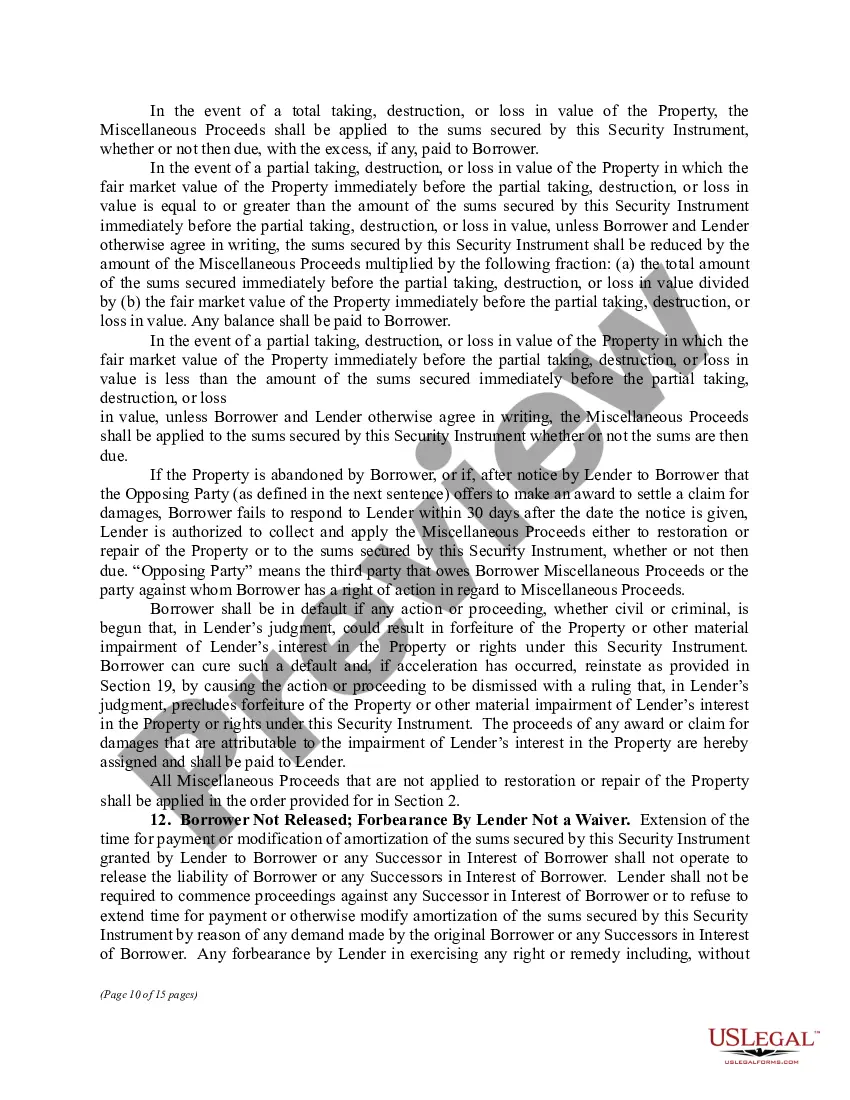
- Covenants: Lists the borrower's obligations, including payment schedules and property maintenance.
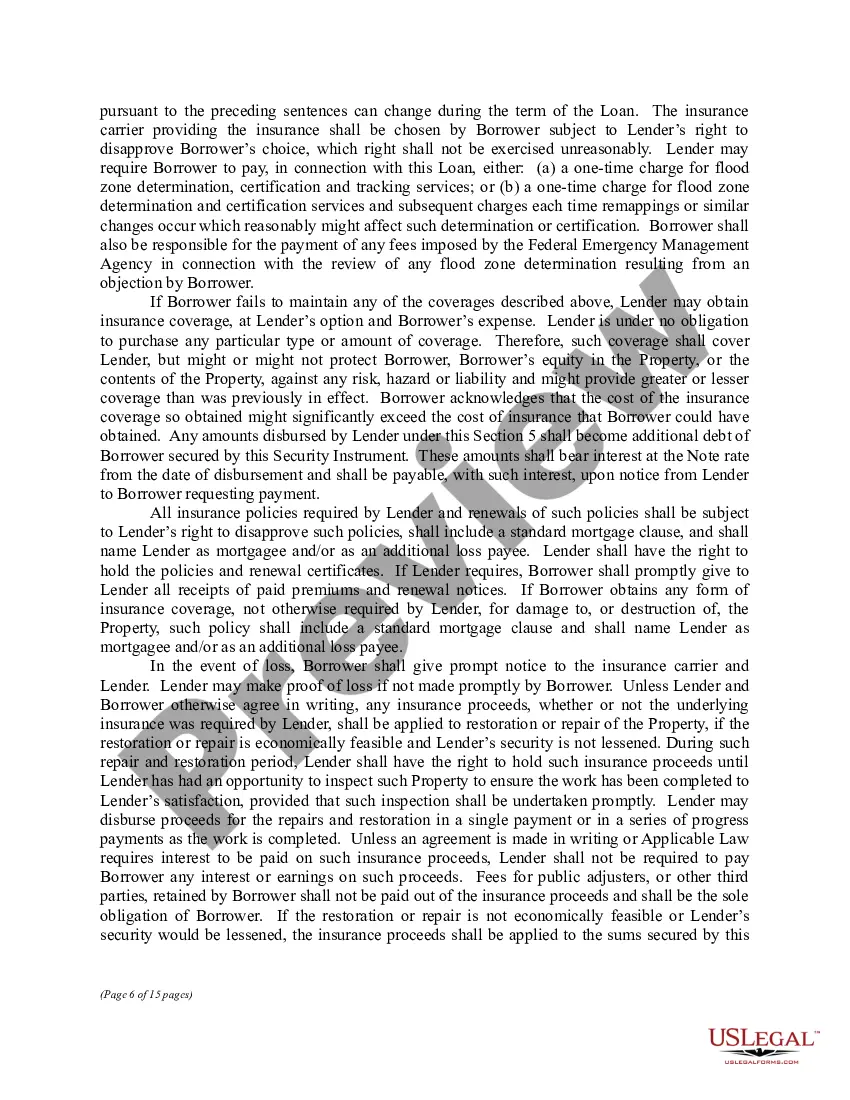
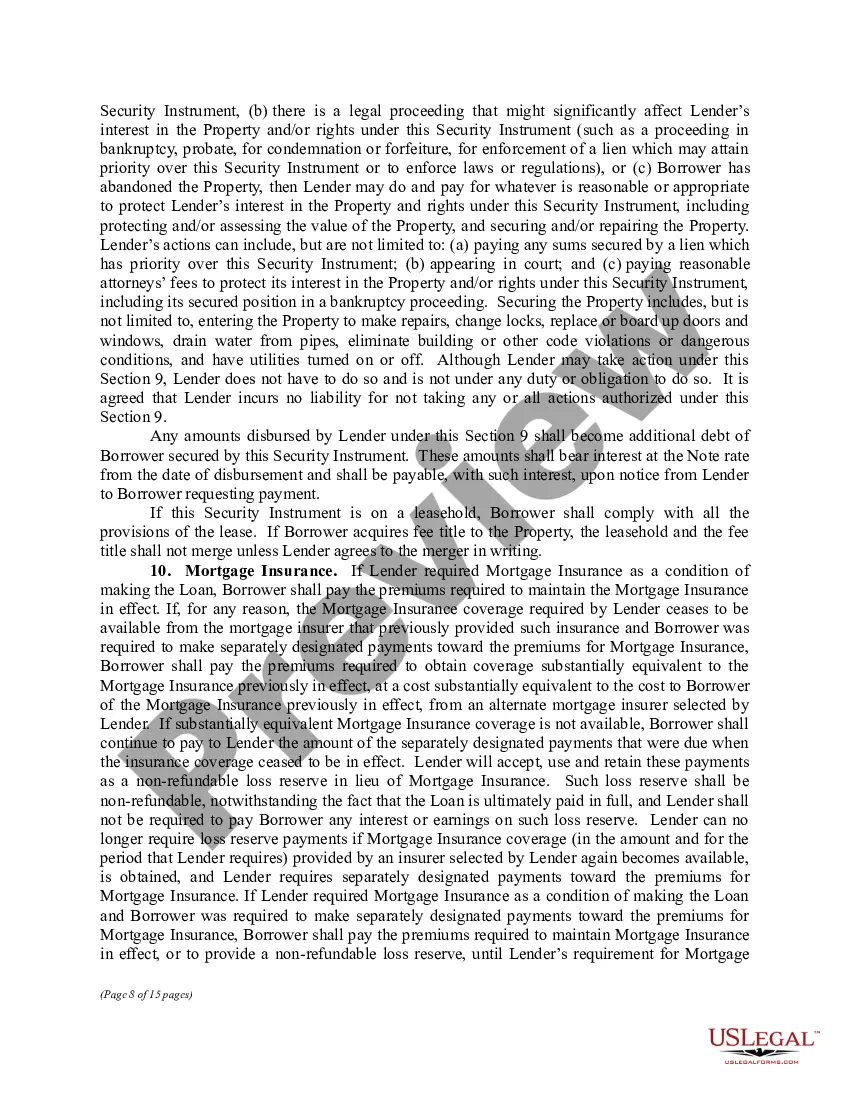
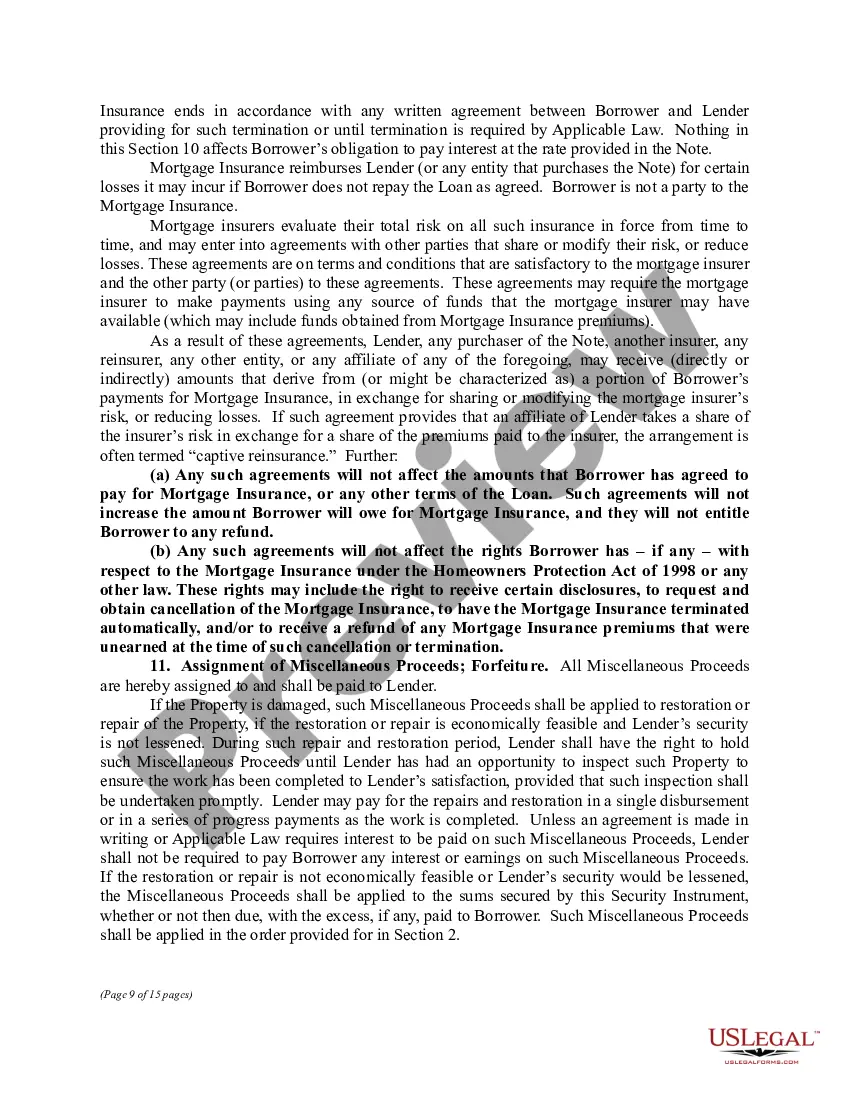
- Insurance Requirements: Outlines the insurance responsibilities of the borrower.
- Default and Acceleration: Provides procedures for default and the lender's rights upon default.

When to use this document
This form should be used when a borrower seeks to obtain a mortgage for purchasing real estate. It is essential in situations involving home purchases, refinancing existing loans, or securing funding against property. If you are entering into a lending arrangement for a property purchase, this sample mortgage form provides the necessary legal framework for documenting the transaction.
Who should use this form
- Home buyers seeking to purchase real estate.
- Real estate investors looking to secure financing on property purchases.
- Individuals refinancing existing mortgages.
- Borrowers working with lenders for mortgage arrangements.
Completing this form step by step
- Identify the parties involved: Enter the names of the Borrower and Lender.
- Specify the loan details: Indicate the loan amount, interest rate, and repayment terms.
- Describe the property: Clearly detail the property being mortgaged, including its address.
- Complete the covenants: Fill in the sections regarding the borrowerâs obligations and lenderâs rights.
- Sign and date the document: Ensure all parties sign the mortgage, and include dates where required.
Notarization guidance
This form does not typically require notarization unless specified by local law. Always check your stateâs requirements for any additional notarization needs that could affect the form's validity.
Get your form ready online
Our built-in tools help you complete, sign, share, and store your documents in one place.
Make edits, fill in missing information, and update formatting in US Legal Forms—just like you would in MS Word.
Download a copy, print it, send it by email, or mail it via USPS—whatever works best for your next step.
Sign and collect signatures with our SignNow integration. Send to multiple recipients, set reminders, and more. Go Premium to unlock E-Sign.
If this form requires notarization, complete it online through a secure video call—no need to meet a notary in person or wait for an appointment.
We protect your documents and personal data by following strict security and privacy standards.

Make edits, fill in missing information, and update formatting in US Legal Forms—just like you would in MS Word.

Download a copy, print it, send it by email, or mail it via USPS—whatever works best for your next step.

Sign and collect signatures with our SignNow integration. Send to multiple recipients, set reminders, and more. Go Premium to unlock E-Sign.

If this form requires notarization, complete it online through a secure video call—no need to meet a notary in person or wait for an appointment.

We protect your documents and personal data by following strict security and privacy standards.
Common mistakes
- Failing to accurately describe the property being mortgaged.
- Not including required signatures or dates.
- Leaving out essential loan terms or conditions.
- Assuming all terms are compliant with state laws without verification.
Benefits of using this form online
- Convenience: Easily access and download the form from anywhere.
- Customizable: Tailor the template to fit your specific needs.
- Legally compliant: Ensure that the sample is drafted by licensed attorneys, adhering to legal standards.
- Time-efficient: Complete the document quickly without the need for physical visits.
What to keep in mind
- The Sample Mortgage secures a loan for property purchase, outlining responsibilities and rights.
- Customization options allow users to tailor the form to their unique situations.
- It is essential for borrowers to accurately complete all sections to ensure enforceability.
Looking for another form?

Form popularity
FAQ
Example of Mortgage Dave wants to take a mortgage loan. He takes a loan for $1,00,000 for a tenure of 25 years at an interest rate of 7%. Dave has to pay a monthly amount of $707. This is because the total amount to be payable comes to $2 12,035, spanning 25 years.
A simple mortgage is a system wherein the borrower gives his/her property to the lender to get a loan. Both the parties sign the agreement for the transaction. In a simple mortgage arrangement, the borrower gives rights to sell the property to the lender in case he/she fails to repay the loan.
? In Simple mortgage an interest in property is transferred to the mortgagee as a security for his loan while in English mortgage the mortgaged property is transferred absolutely as a security which is the essence of such type of mortgage.
While most mortgages don't use compound interest (which charges interest on accumulated interest, as well as your principal), simple interest does take into account how your principal changes with payments. Over time, you'll generate less interest each month as your principal balance reduces.
If the mortgagor fails to repay the loan, the lender has the right to sell the property and recover the amount from its sale. This mortgage system is called simple mortgage. In this system, the possession remains with the mortgagor (borrower).
In a real estate agreement, the mortgagor is the borrower of a mortgage loan, and the mortgagee is the lender. The mortgagor makes regular payments on the loan and agrees to a lien on the mortgaged property as collateral for the mortgagee.
If you own a computer and have a sheet of paper, you can create your own mortgage to finance the purchase of real estate. No one checks your credit, and you don't need a cash down payment.
When purchasing a house, there are three main types of mortgages to choose from: fixed-rate, conventional, and standard adjustable rate. All have different benefits and shortcomings that assist various homebuyer profiles.