Warranty Clauses
Understanding this form
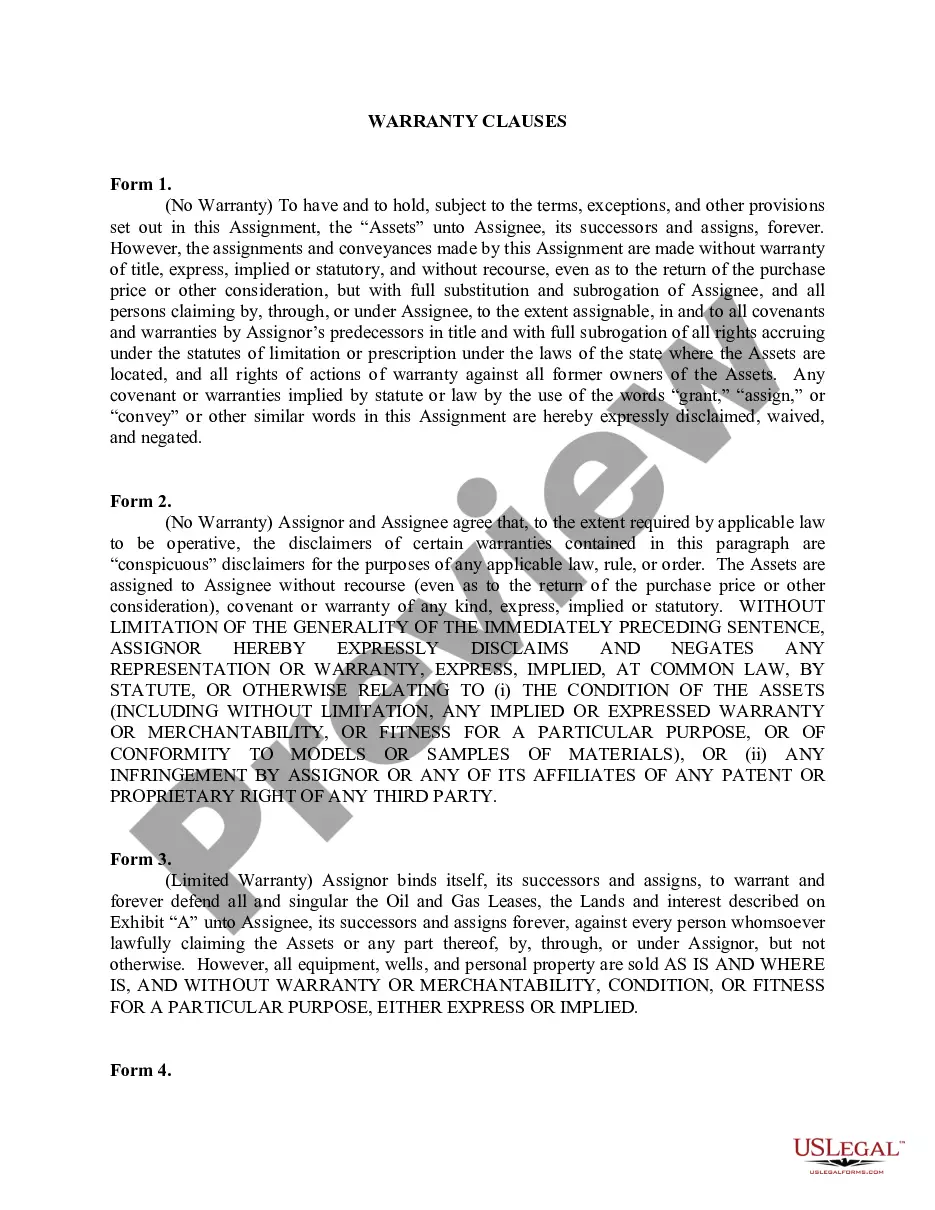
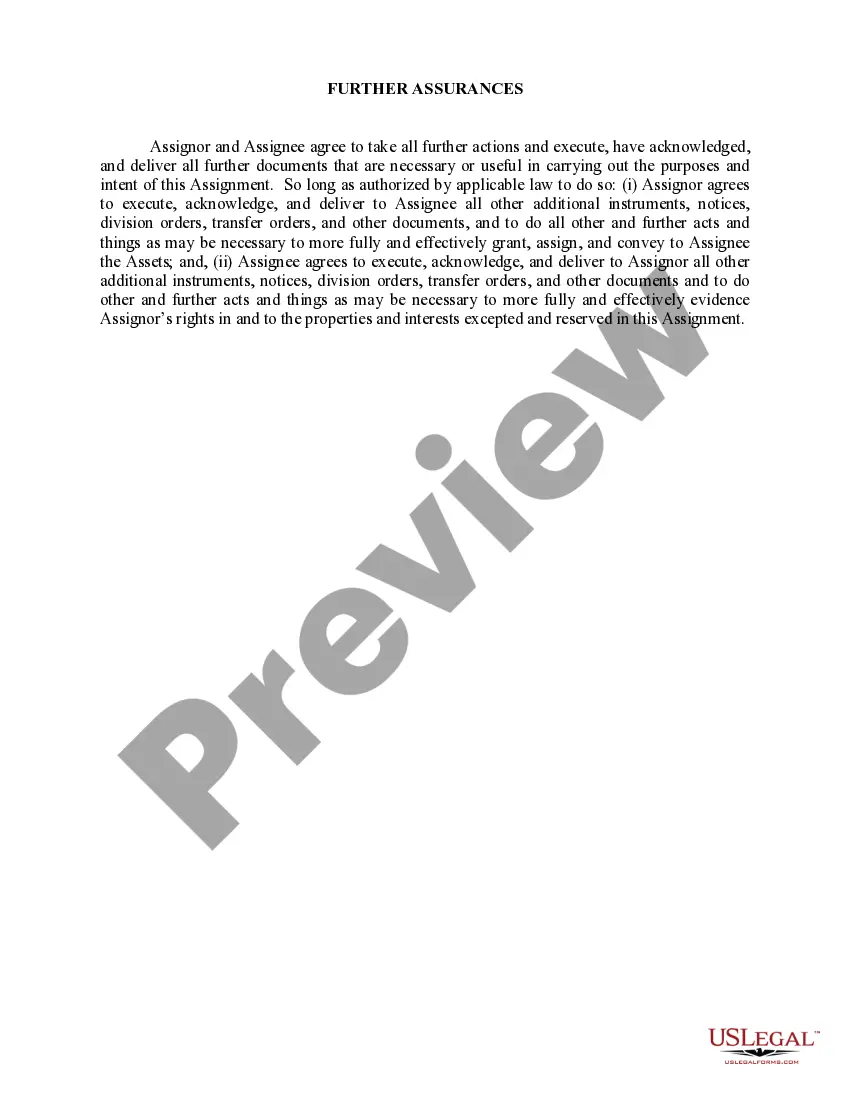
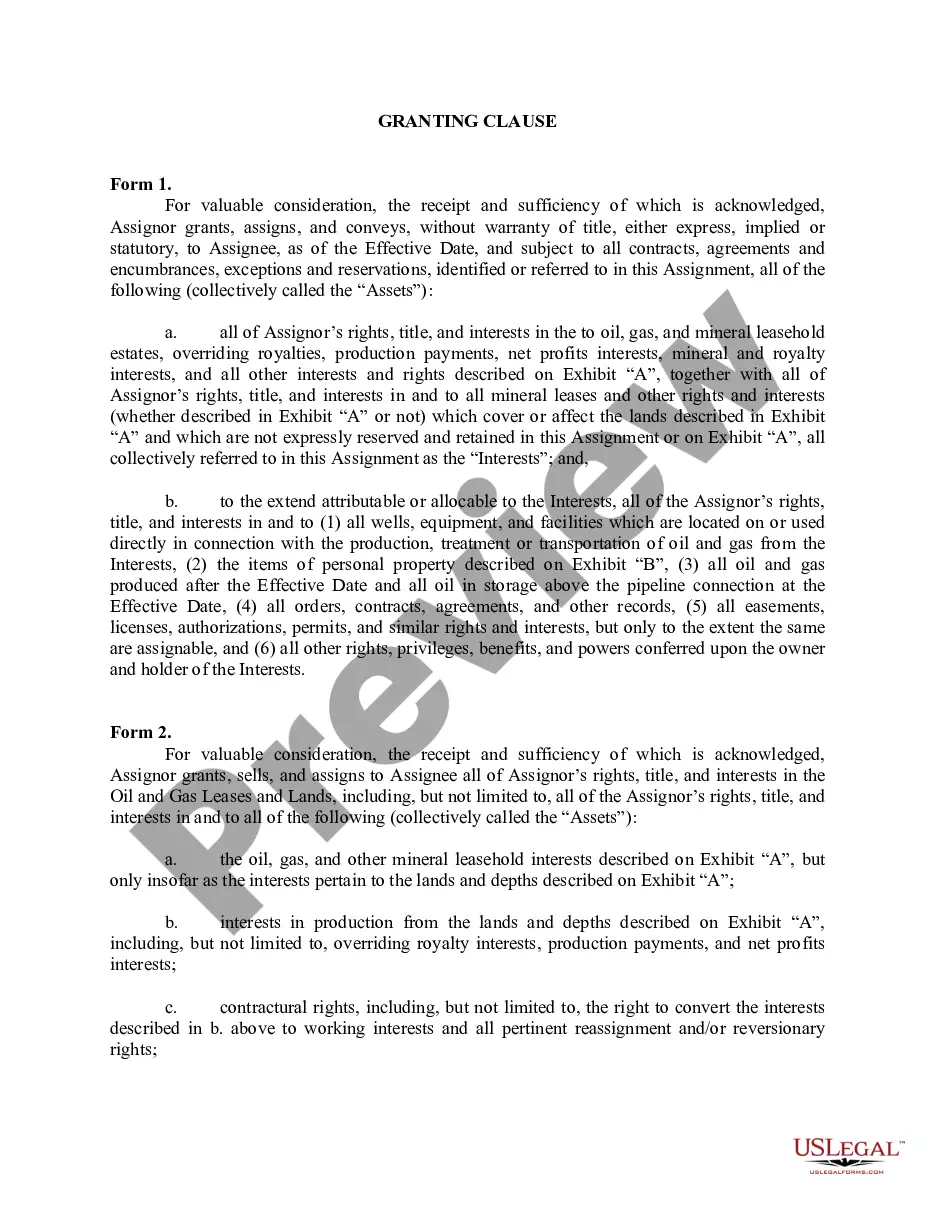
The Warranty Clauses form is a legal document used to outline the terms under which assets are transferred without warranties. This form is particularly useful when the seller (Assignor) wishes to convey property to the buyer (Assignee) without guaranteeing its condition or title. Unlike other types of warranty forms that may include various guarantees about the assets, this document explicitly disclaims any warranties, providing clarity and protection to the assigning party.
Main sections of this form
- Clauses specifying the absence of warranties regarding the title and condition of the assets.
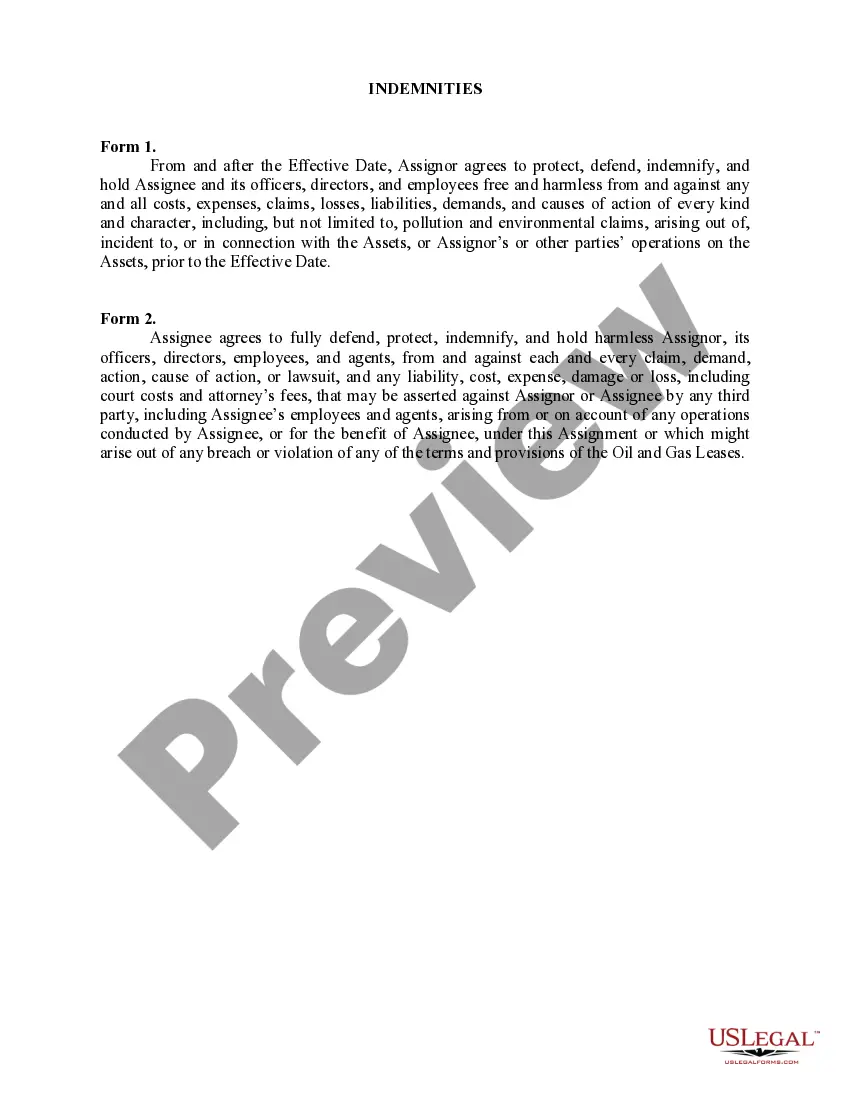
- Details on how claims may arise and are managed by the Assignor and Assignee.
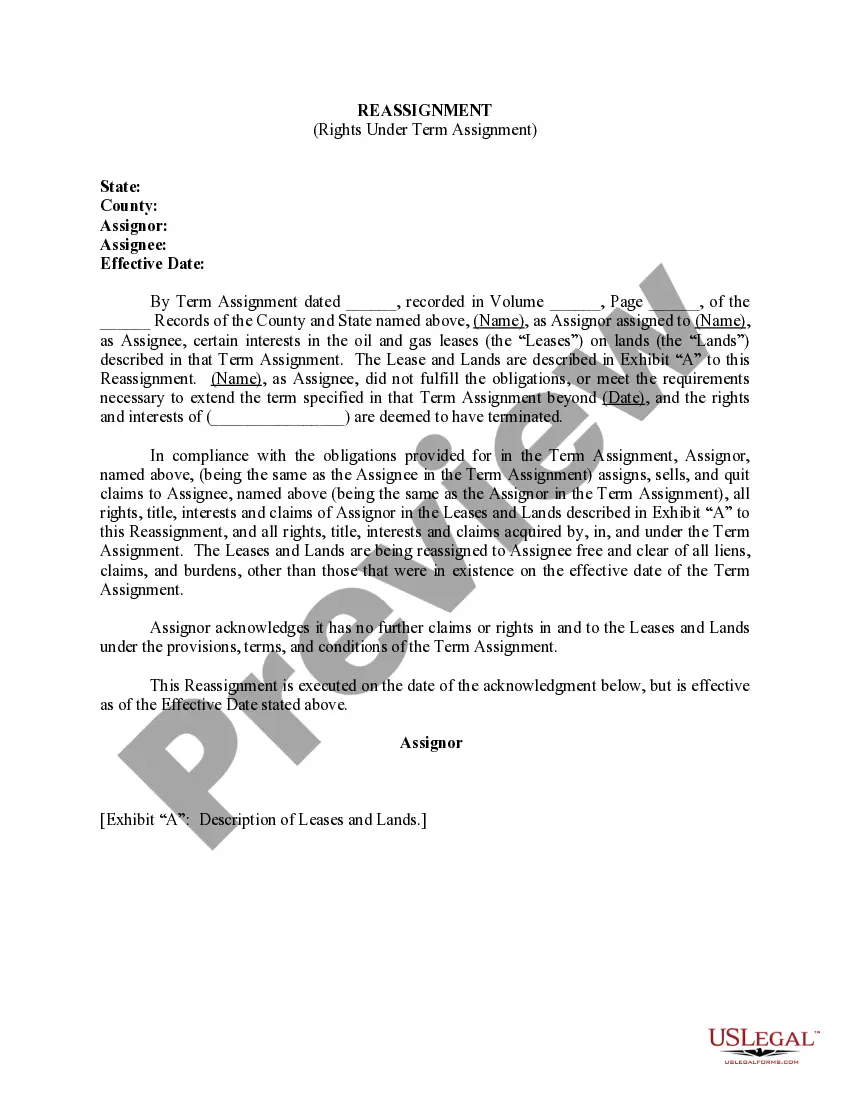
- Provisions regarding legal rights and subrogation related to former owners of the assets.
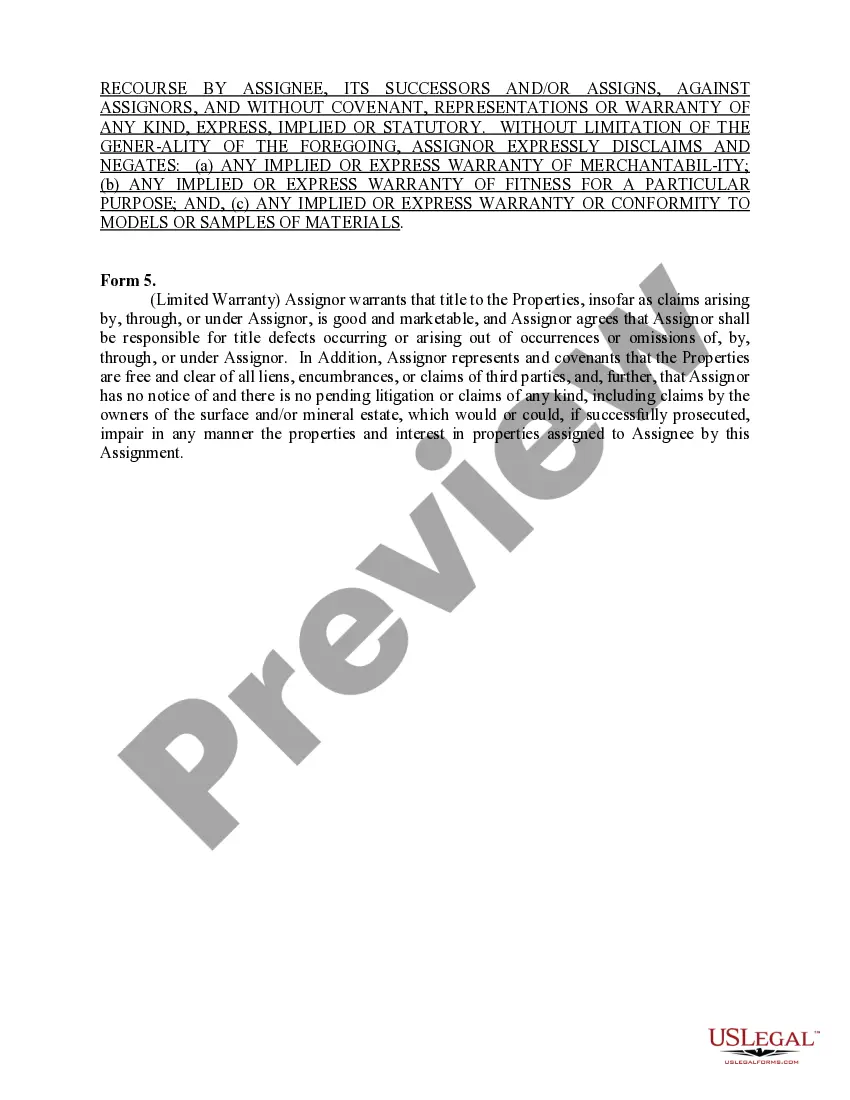
- Specific disclaimers about the implied warranties of merchantability and fitness for purpose.
- Terms governing limited warranties concerning the title of properties transferred.
Situations where this form applies
This form is useful in scenarios such as transferring ownership of property or assets where the seller wants to protect themselves from future claims regarding the condition or title of the assets. It is commonly used in real estate transactions, equipment sales, or any situation where the seller wants to ensure that the buyer accepts the assets in their current condition without any guarantees.
Who can use this document
This form is appropriate for:
- Sellers or assignors of property looking to limit their liability.
- Buyers or assignees who understand the implications of purchasing assets without warranties.
- Attorneys and legal professionals assisting clients in asset transfers.
- Individuals or businesses involved in negotiations for asset sales.
How to prepare this document
- Identify the parties involved: clearly state the names and addresses of the Assignor and Assignee.
- Specify the assets being transferred: list all properties or assets included in the assignment.
- Include disclaimers: ensure all clauses regarding the lack of warranties are clearly articulated.
- Provide details on any limited warranties, if applicable, particularly concerning title assurance.
- Obtain signatures: ensure both parties sign the document to validate the agreement.
Is notarization required?
This form does not typically require notarization unless specified by local law. However, getting it notarized can add an extra layer of authenticity to the transfer process.
Get your form ready online
Our built-in tools help you complete, sign, share, and store your documents in one place.
Make edits, fill in missing information, and update formatting in US Legal Forms—just like you would in MS Word.
Download a copy, print it, send it by email, or mail it via USPS—whatever works best for your next step.
Sign and collect signatures with our SignNow integration. Send to multiple recipients, set reminders, and more. Go Premium to unlock E-Sign.
If this form requires notarization, complete it online through a secure video call—no need to meet a notary in person or wait for an appointment.
We protect your documents and personal data by following strict security and privacy standards.

Make edits, fill in missing information, and update formatting in US Legal Forms—just like you would in MS Word.

Download a copy, print it, send it by email, or mail it via USPS—whatever works best for your next step.

Sign and collect signatures with our SignNow integration. Send to multiple recipients, set reminders, and more. Go Premium to unlock E-Sign.

If this form requires notarization, complete it online through a secure video call—no need to meet a notary in person or wait for an appointment.

We protect your documents and personal data by following strict security and privacy standards.
Mistakes to watch out for
- Failing to include all necessary disclaimers related to warranties.
- Not having both parties sign the form, making it unenforceable.
- Neglecting to specify the assets clearly, leading to confusion in ownership.
Why complete this form online
- Instant access to customizable templates, allowing you to tailor the form to your specific needs.
- Easy download and printing options, providing convenience for filing and storage.
- Assurance of using attorney-drafted forms, enhancing legal reliability and compliance.
Main things to remember
- The Warranty Clauses form is essential for transferring assets without warranties.
- Understanding the different warranty clauses helps protect your interests in transactions.
- Ensure all parties fully understand their obligations and liabilities before signing.
Looking for another form?
Form popularity
FAQ
A warranty is a type of guarantee that a manufacturer or similar party makes regarding the condition of its product. It also refers to the terms and situations in which repairs or exchanges will be made in the event that the product does not function as originally described or intended.
A representation is basically an assertion of a past or existing fact, true on the date that it is made. It is generally given to induce another party to enter into a contract. A warranty on the other hand, is similar to a representation but it refers to the present or future i.e. a present or future promise of a fact.
For example, when you buy a new car from a car dealer, the warranty states that the car works. If the car doesn't work, the warranty gives the owner the right to have the dealer fix the car under certain conditions (length of time, cause of damage, etc.). These conditions are typically spelled out in the warranty.
Types of Warranty. 1) Implied Warranty. a) Warranty of Merchantability. b) Warranty of Fitness For A Particular Purpose. c) Warranty of Title. 2) Extended Warranty. Guaranteed Ability To Repair. More Comprehensive Coverage. Peace of Mind. Savings. Increased Resale Value.
A warranty clause is a provision in a contract that generally provides a promise specifying that something is true or will happen.
A promise that certain facts are truly as they are represented to be and that they will remain so, subject to any specified limitations. One court has defined a warranty as a statement or representation made . . . contemporaneously with and as a part of, the contract of sale . . .
Under the Uniform Commercial Code, a warranty disclaimer is a statement by which a seller seeks to limit certain types of warranties (e.g., express warranties, implied warranty of merchantability or implied warranty of fitness for a particular purpose), or even disclaim all warranties in the case of goods sold "as is."
For example, when you buy a new car from a car dealer, the warranty states that the car works. If the car doesn't work, the warranty gives the owner the right to have the dealer fix the car under certain conditions (length of time, cause of damage, etc.). These conditions are typically spelled out in the warranty.