Post Acquisition Opinion
Overview of this form
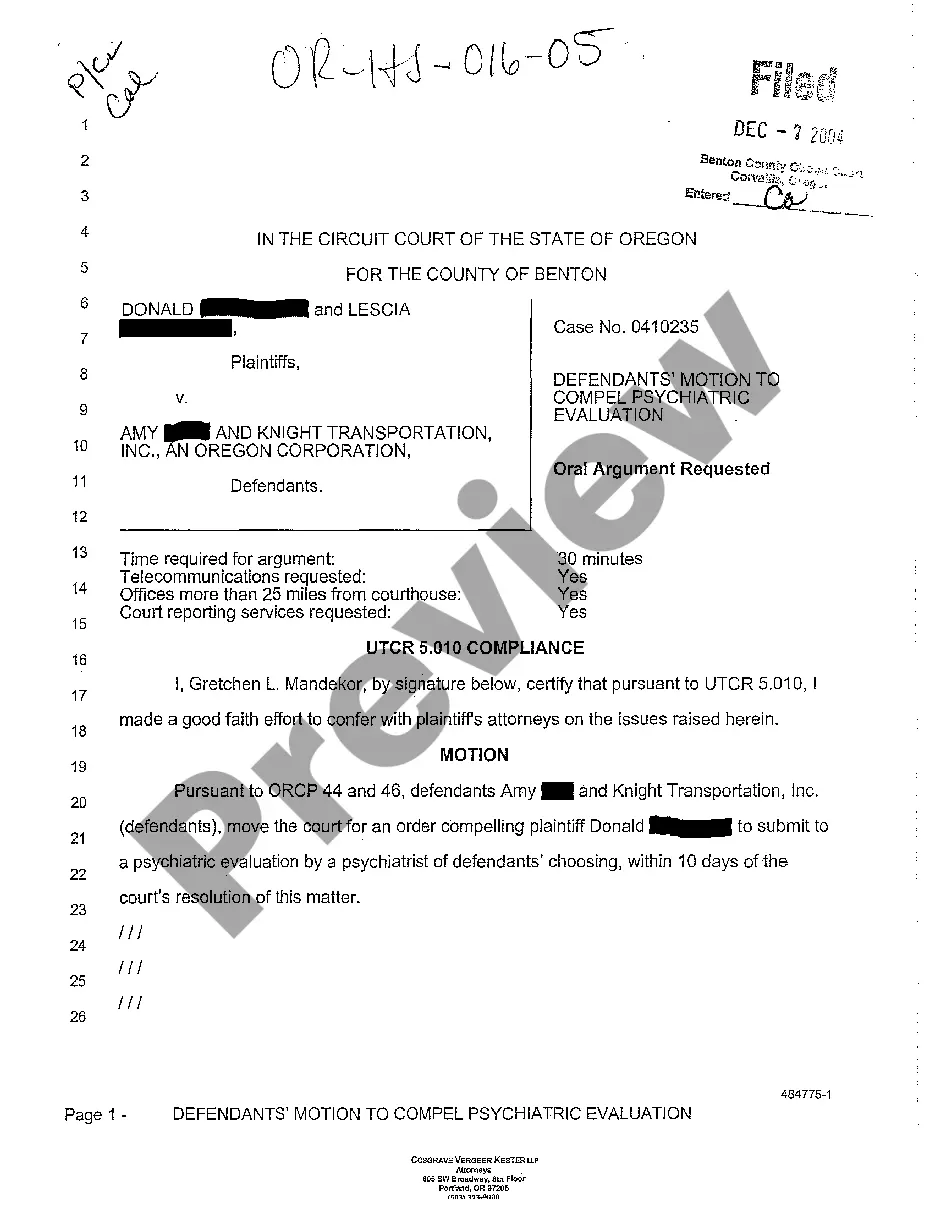
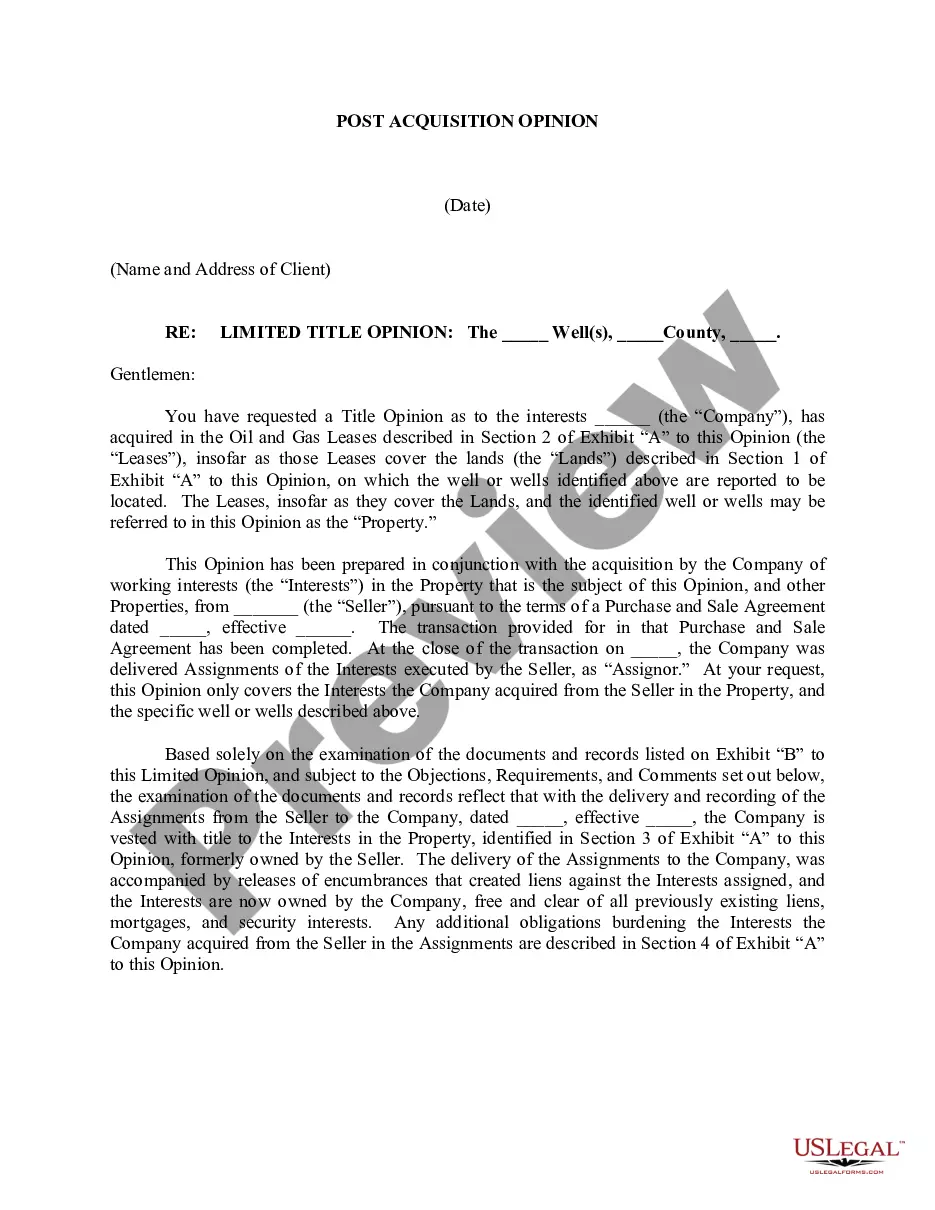
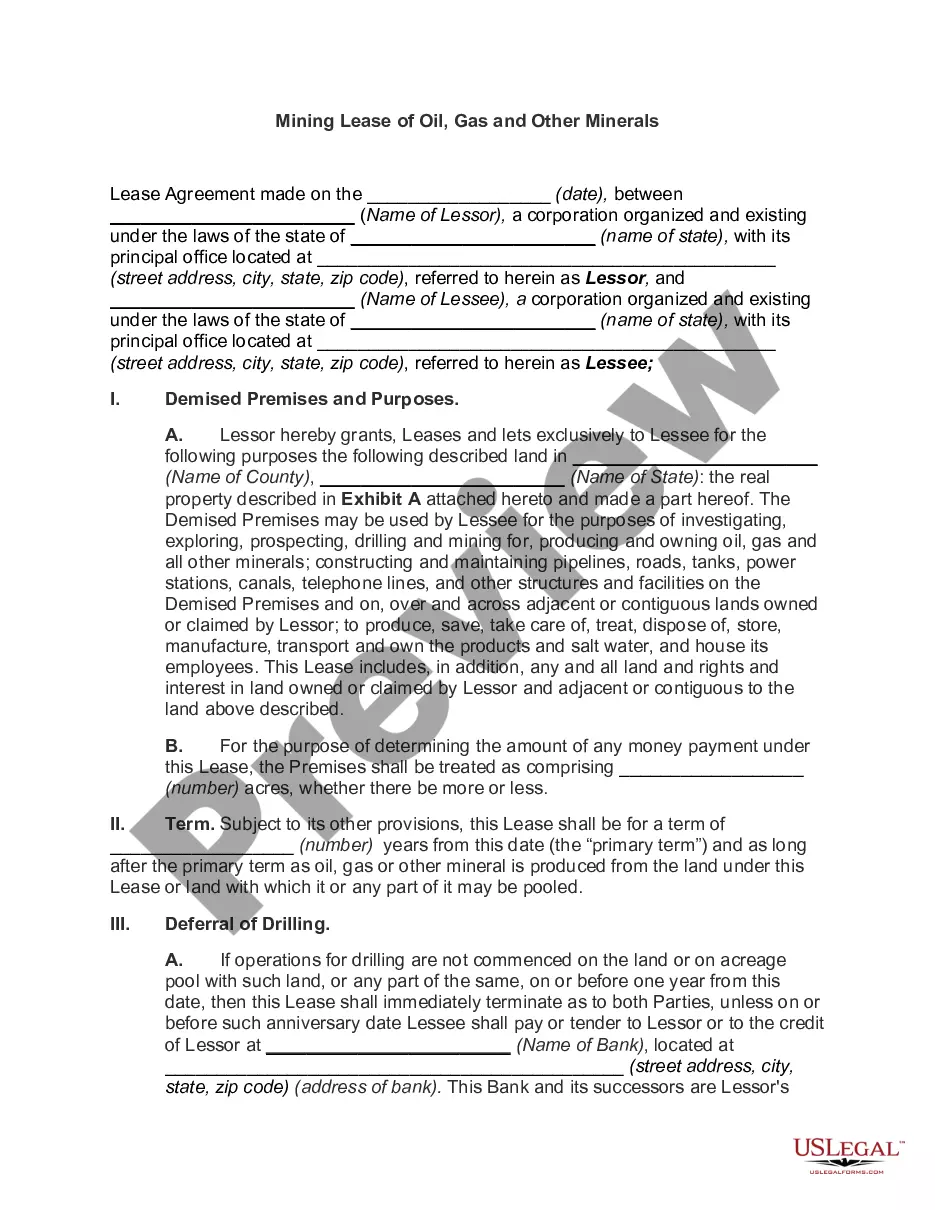
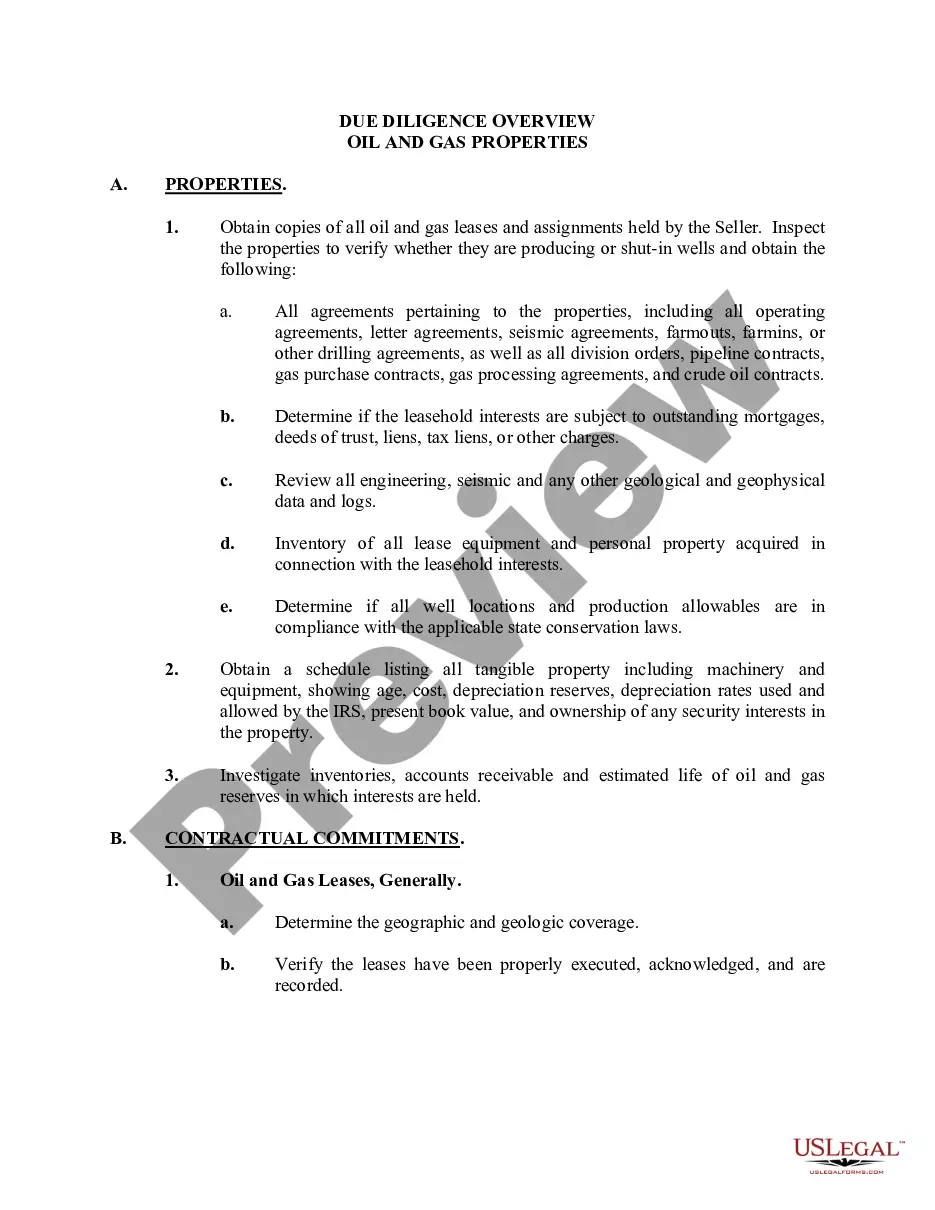
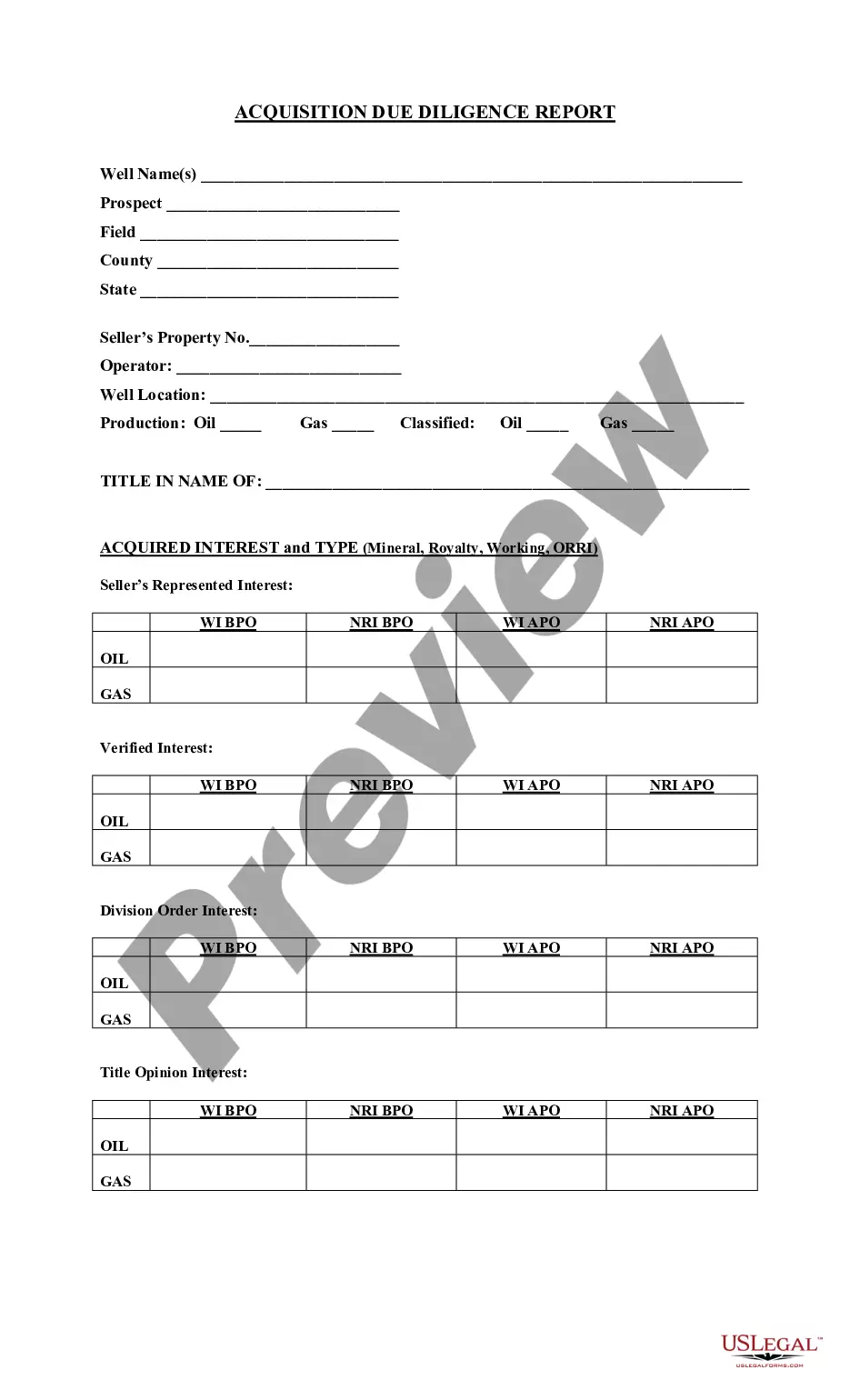
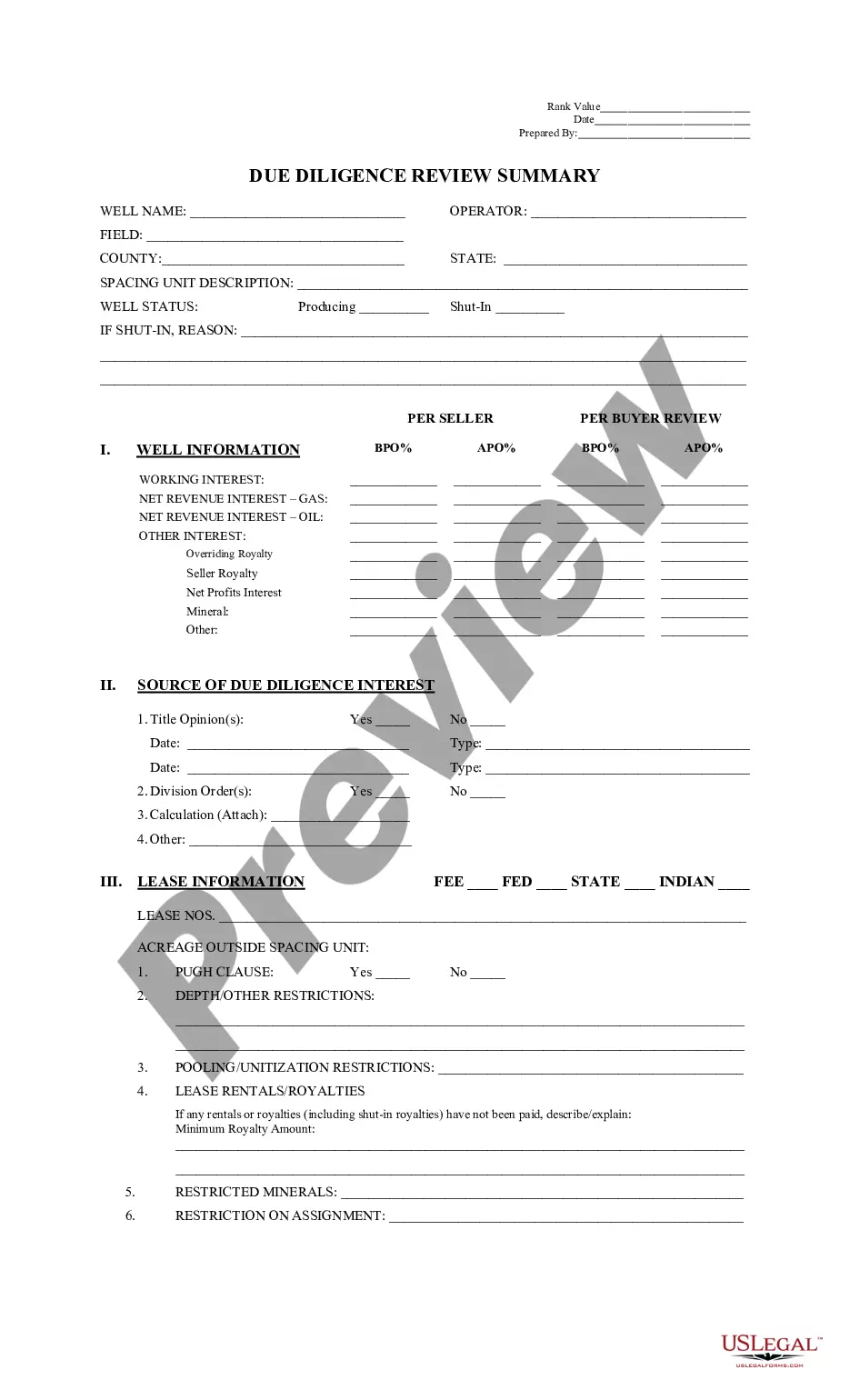
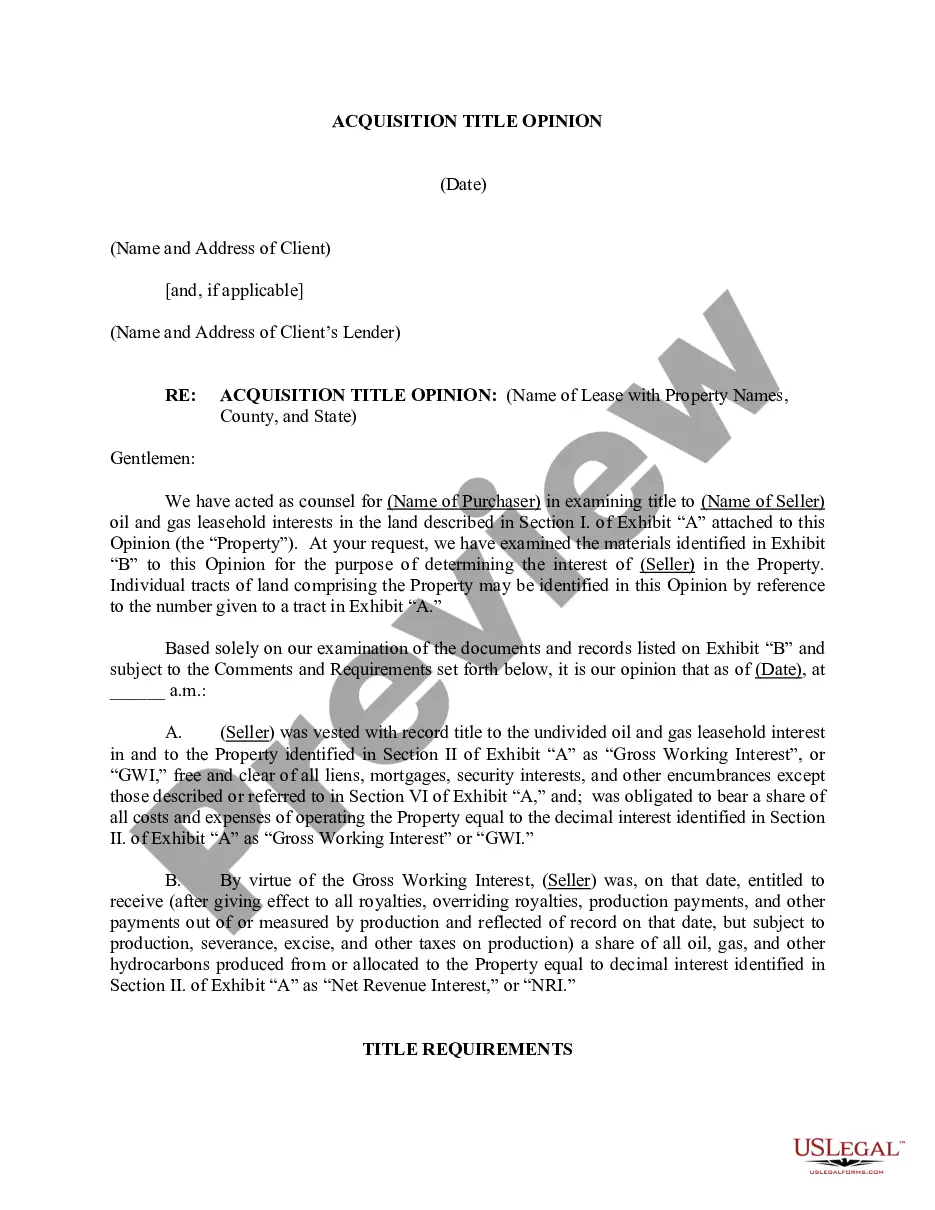
The Post Acquisition Opinion is a legal document used in the context of oil, gas, or mineral dealings. It provides a formal assessment of the title interests acquired in a specific property following a transaction. This form is crucial for clarifying the ownership of interests and ensuring that all obligations and encumbrances related to those interests are properly documented and understood. Unlike general title opinions, the Post Acquisition Opinion is specifically tailored to confirm interests acquired from a seller after a purchase agreement has been executed and completed.
Key components of this form
- Date of the opinion and client address.
- Identification of the well or wells and the relevant county.
- Description of the interests acquired by the company from the seller.
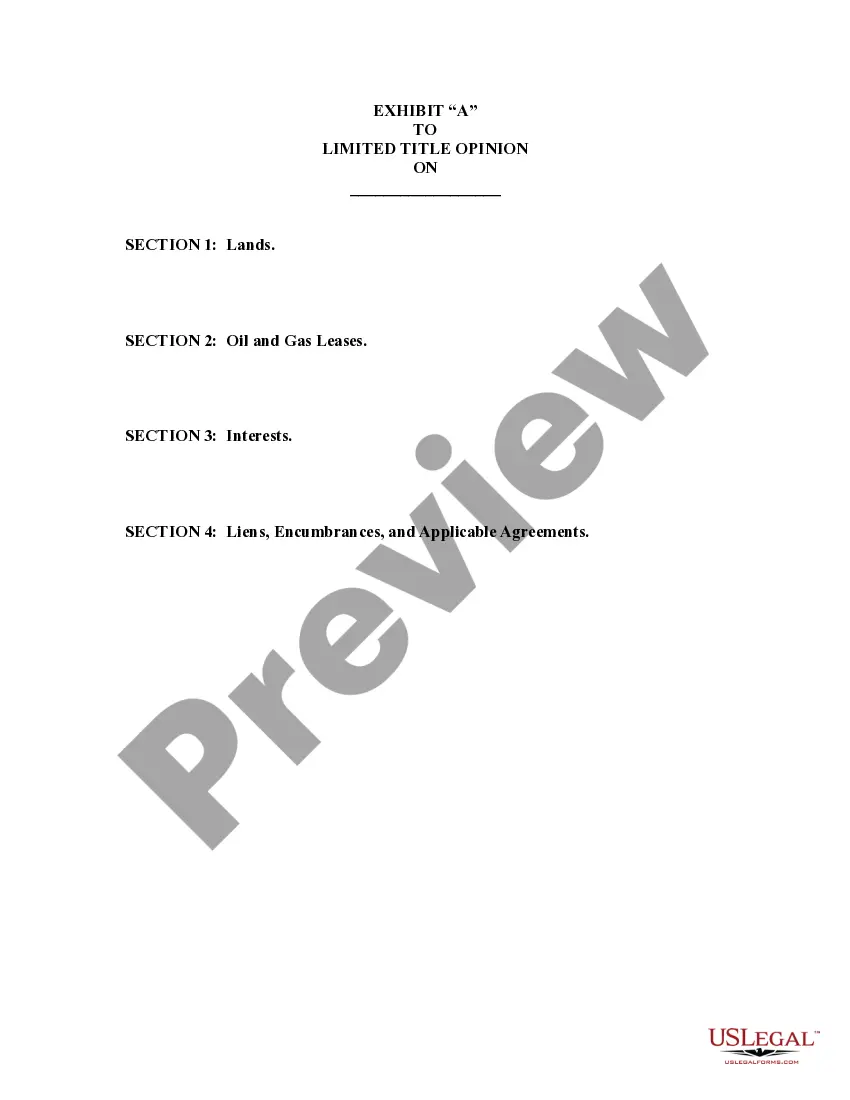
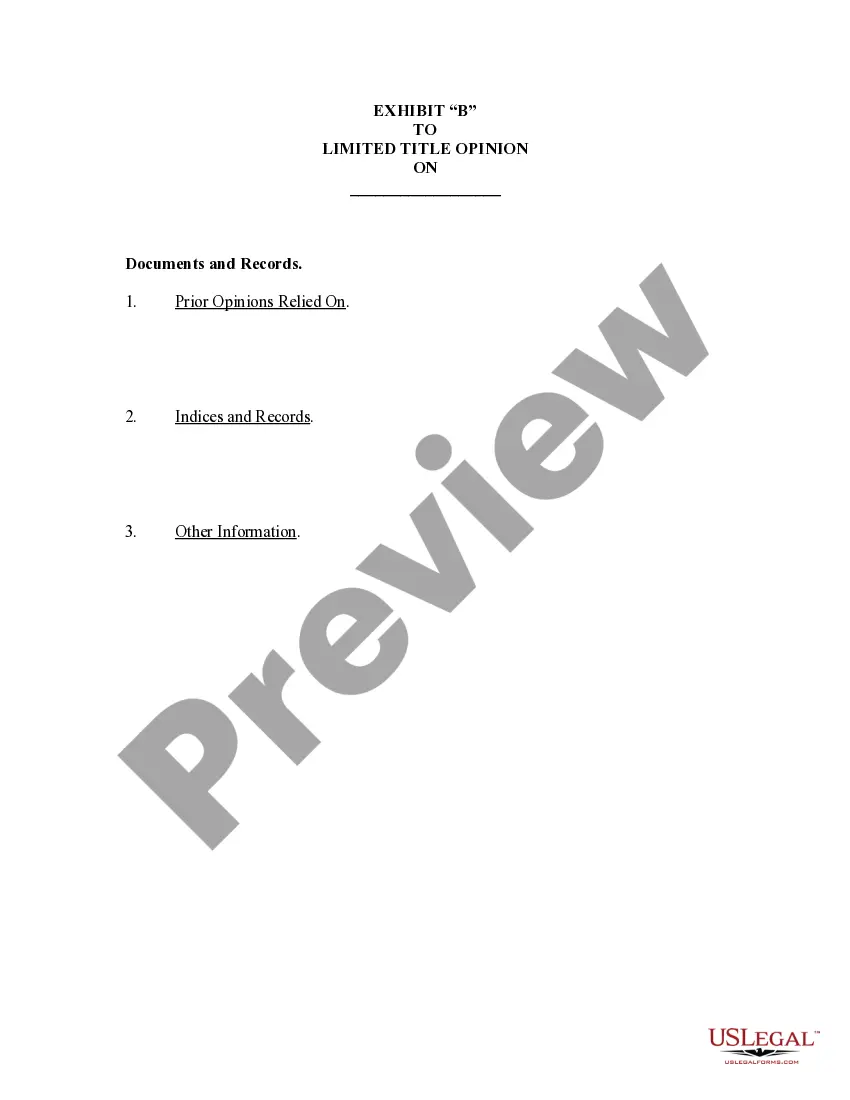
- Examination basis and limitations, including references to exhibits.
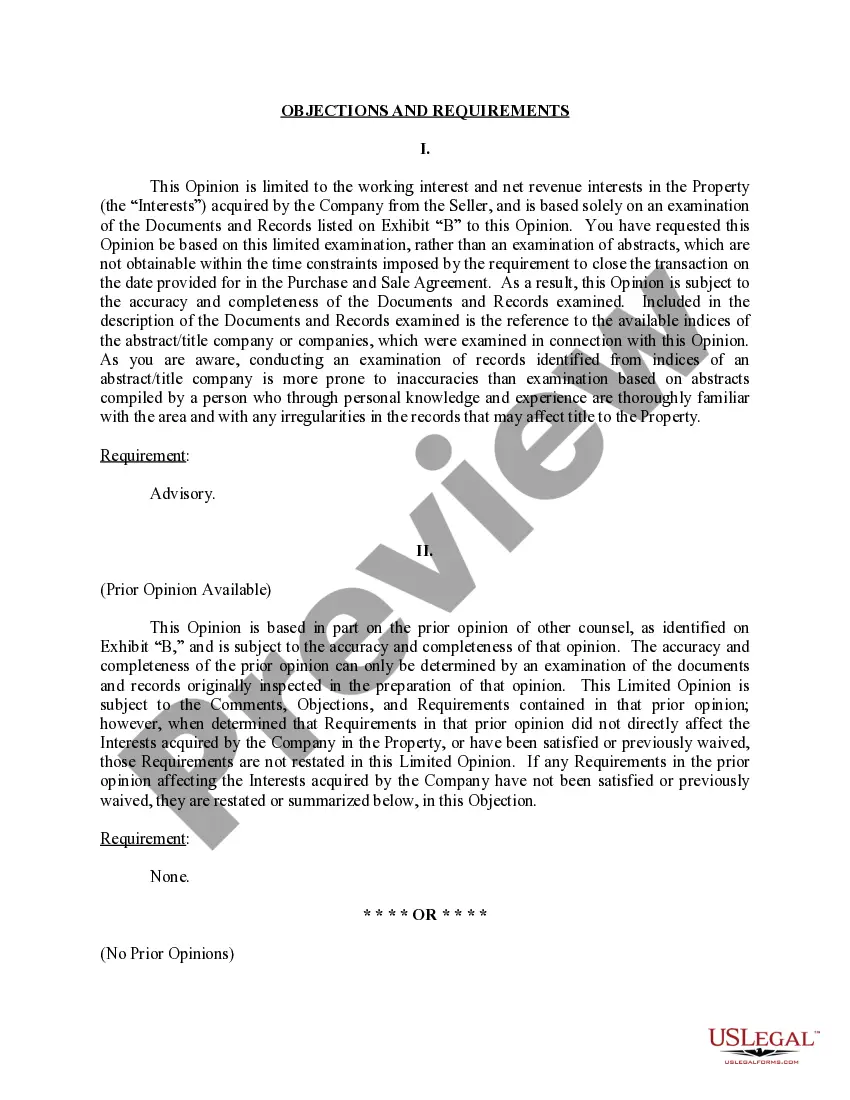
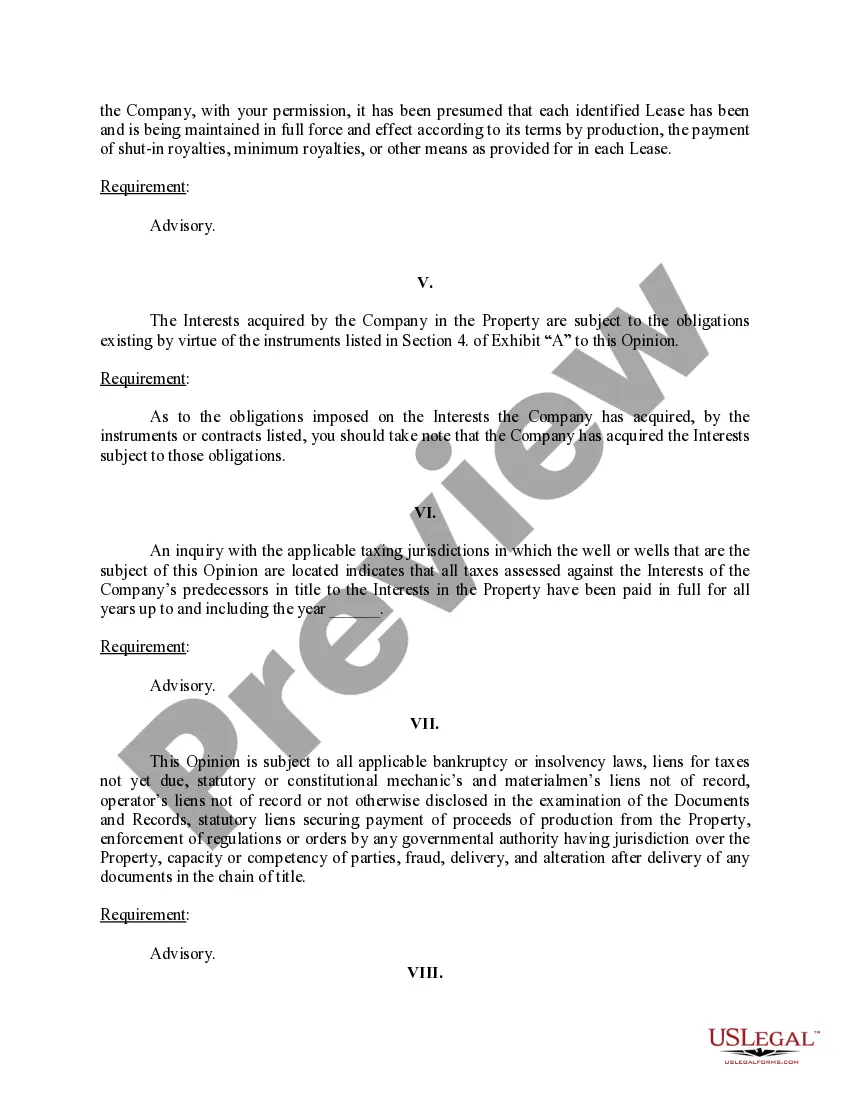
- Objections and requirements that pertain to the title opinion.
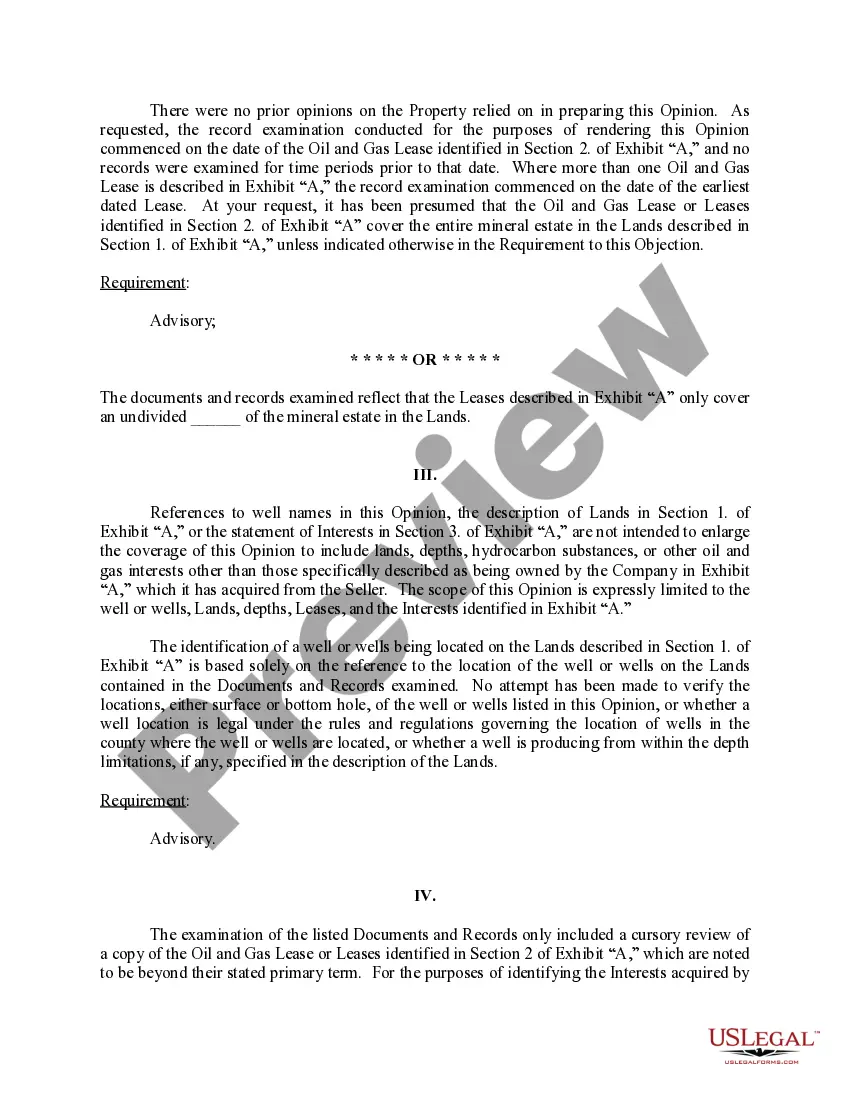
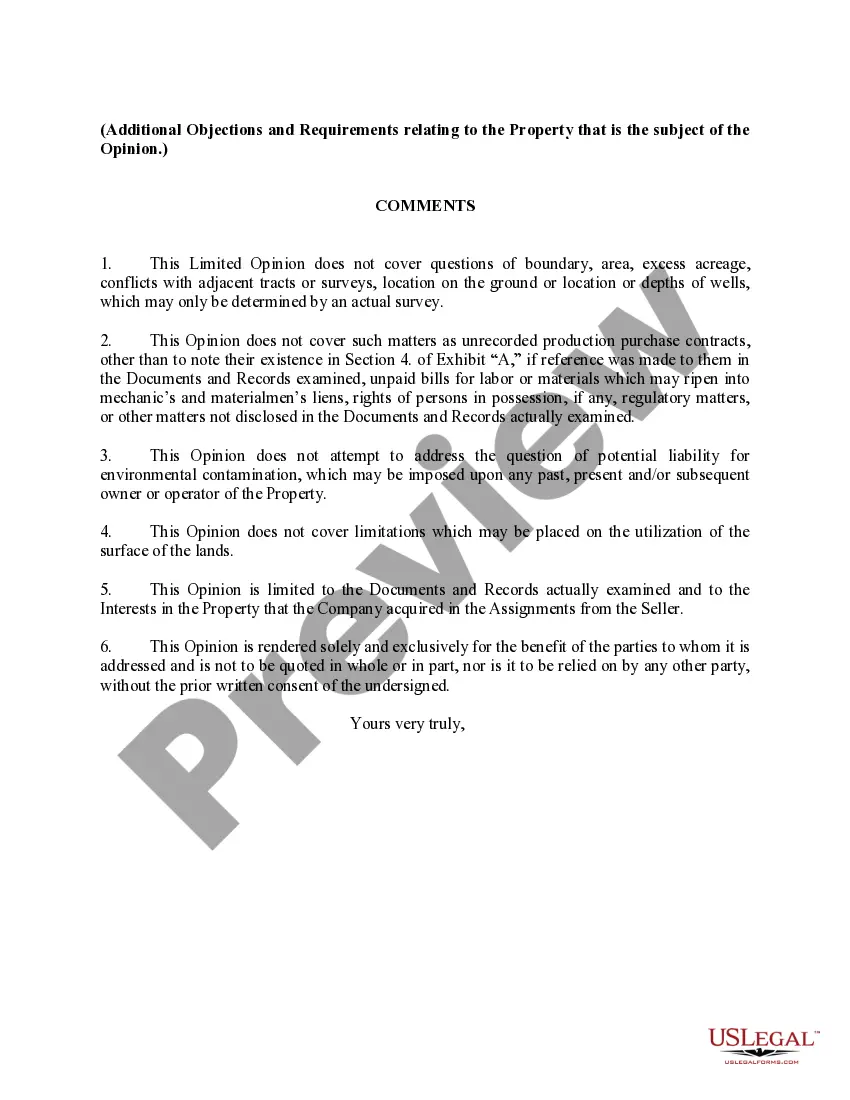
- Comments section outlining the scope and limitations of the opinion.
When to use this form
This form is necessary when an entity has completed the acquisition of interests in oil and gas leases and needs a formal opinion confirming the title and associated obligations. It is particularly useful in situations where title clarity is needed for operational purposes, financing, or regulatory compliance after the transaction is finalized.
Intended users of this form
- Oil and gas companies acquiring new properties.
- Legal professionals involved in property transactions.
- Investors needing assurances about title interests.
- Any parties involved in joint ventures related to oil and gas assets.
How to complete this form
- Identify the parties involved in the transaction, including names and addresses.
- Specify the well or wells and the county in which they are located.
- Enter the date of the opinion and relevant transaction details.
- Document any objections or requirements that arise from the title examination.
- Sign and date the opinion, ensuring it is directed to the appropriate parties.
Does this document require notarization?
This form does not typically require notarization unless specified by local law. However, it is advisable to consult legal counsel regarding specific jurisdiction requirements to ensure compliance and validity.
Get your form ready online
Our built-in tools help you complete, sign, share, and store your documents in one place.
Make edits, fill in missing information, and update formatting in US Legal Forms—just like you would in MS Word.
Download a copy, print it, send it by email, or mail it via USPS—whatever works best for your next step.
Sign and collect signatures with our SignNow integration. Send to multiple recipients, set reminders, and more. Go Premium to unlock E-Sign.
If this form requires notarization, complete it online through a secure video call—no need to meet a notary in person or wait for an appointment.
We protect your documents and personal data by following strict security and privacy standards.

Make edits, fill in missing information, and update formatting in US Legal Forms—just like you would in MS Word.

Download a copy, print it, send it by email, or mail it via USPS—whatever works best for your next step.

Sign and collect signatures with our SignNow integration. Send to multiple recipients, set reminders, and more. Go Premium to unlock E-Sign.

If this form requires notarization, complete it online through a secure video call—no need to meet a notary in person or wait for an appointment.

We protect your documents and personal data by following strict security and privacy standards.
Common mistakes
- Failing to accurately identify the property and interests acquired.
- Neglecting to include all relevant exhibits and supporting documents.
- Overlooking objections and requirements that could affect the title.
- Not addressing state-specific regulations that may impact the opinion.
Advantages of online completion
- Immediate access to professionally drafted legal templates.
- Convenient downloading and completion at your own pace.
- Increased reliability with forms prepared by licensed attorneys.
- Easy editing and customization to fit specific transaction needs.
Legal considerations
- This opinion serves to validate title but does not alter ownership rights.
- It may not cover environmental concerns or unrecorded liabilities.
- The contents are limited to documents examined; it does not address external issues not included in the records.
- The Post Acquisition Opinion is crucial for verifying ownership of oil and gas interests.
- Complete examination of all documents is essential to provide a thorough opinion.
- Understanding limitations and requirements outlined in the opinion is necessary for proper legal protection.
Looking for another form?
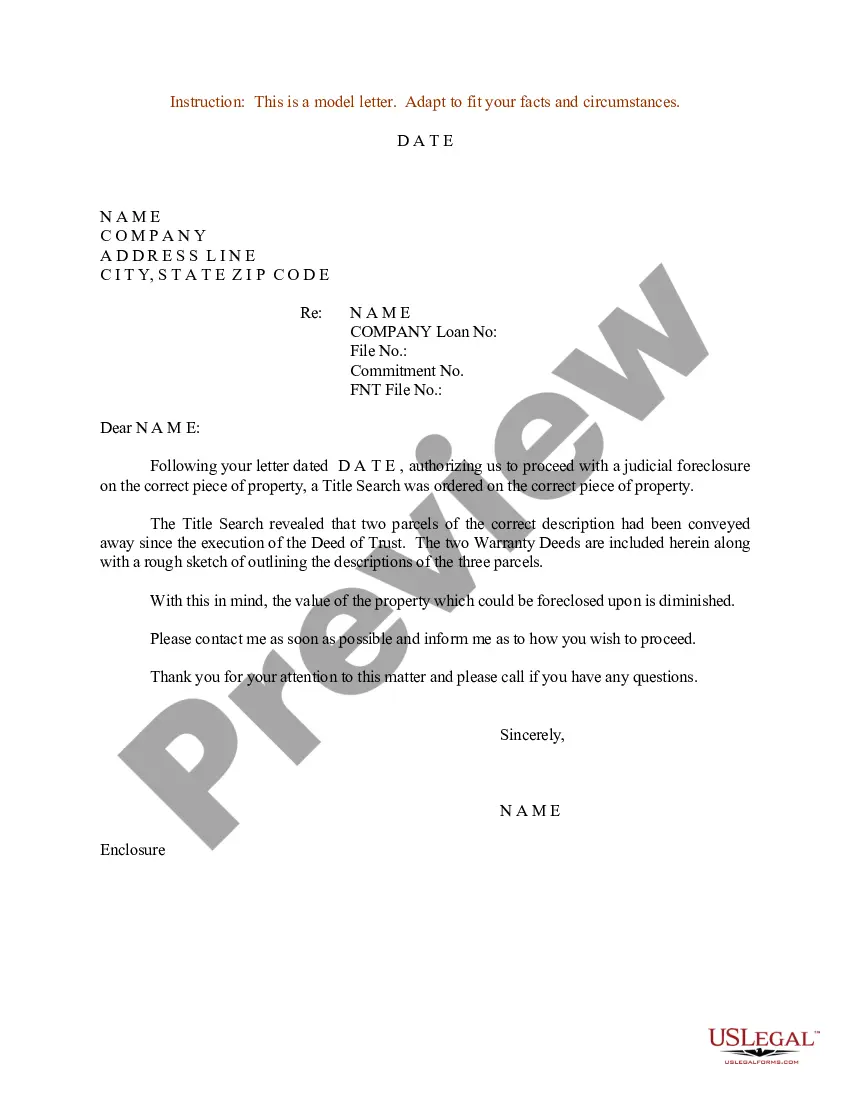
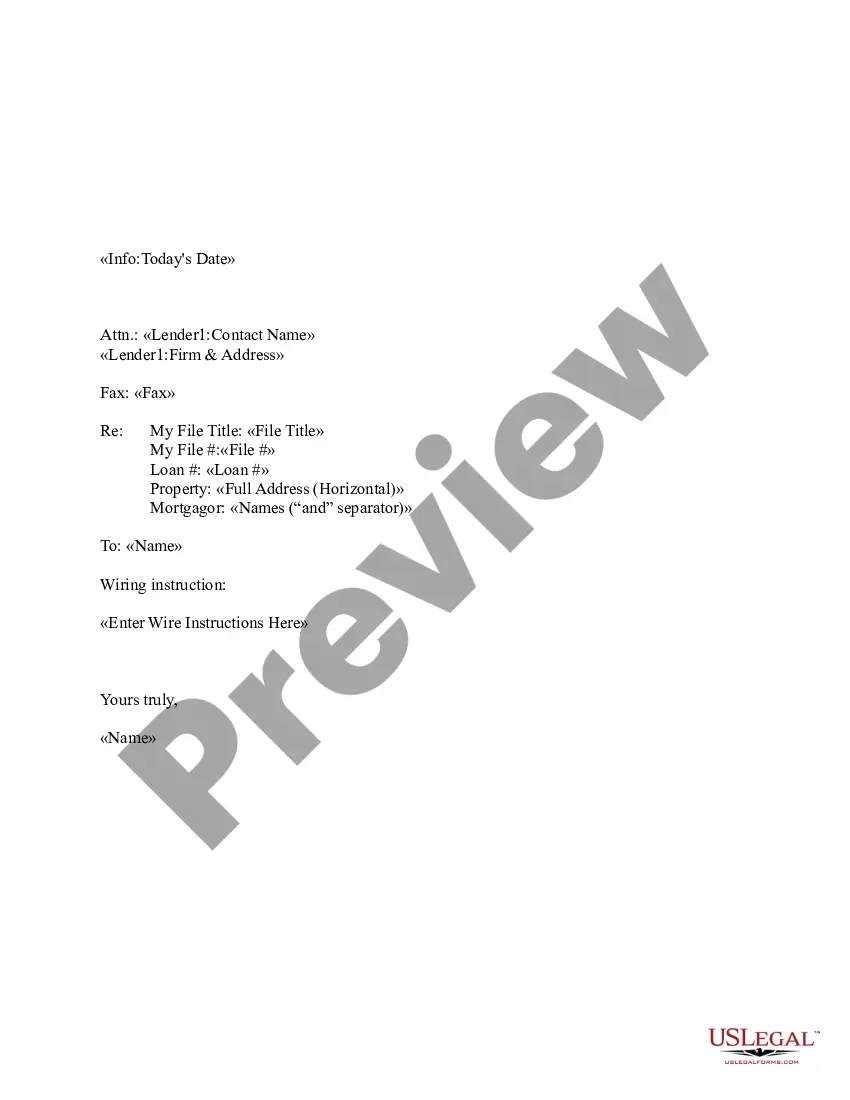
Form popularity
FAQ
Always be positive. Leave the past in the past. Don't speak negatively about the merger to anyone. Give up your turf. Find ways to lead the change. Be aware of aspects of corporate cultural (yours, theirs, or the new company's) that form barriers to change. Practice resilience.
Start integration as soon as the deal is announced. Select integration team members. Plan the integration structure. Create an internal communication plan. Keep the overall message consistent. Establish clear exit criteria.
Details about the companies. Transaction effective date. Reason for the merger or acquisition. Goals, impacts, and new objectives of this transaction. Information on the specific business being merged or acquired (What do they do?
Establish a post-merger integration team. Develop a target operating model. Communicate the plan to key stakeholders. Introduce yourself to customers and suppliers. Focus on your strategy for the business. Leave your door open.
Recognize Change. Get Involved. Look After Yourself. Be Visible. Prepare for the Worst.
Measure any tangible assets and liabilities that were acquired. Measure any intangible assets and liabilities that were acquired. Measure the amount of any noncontrolling interest in the acquired business. Measure the amount of consideration paid to the seller. Measure any goodwill or gain on the transaction.
In an employee acquisition, executive management often comes under fire. A business's top leaders, including the CEO, will usually be eliminated or absorbed into the management team at the new business.
An opinion is a judgement, viewpoint, or statement that is not conclusive, rather than facts, which are true statements.
A fact is a statement that can be proven true or false. An opinion is an expression of a person's feelings that cannot be proven. Opinions can be based on facts or emotions and sometimes they are meant to deliberately mislead others. Therefore, it is important to be aware of the author's purpose and choice of language.