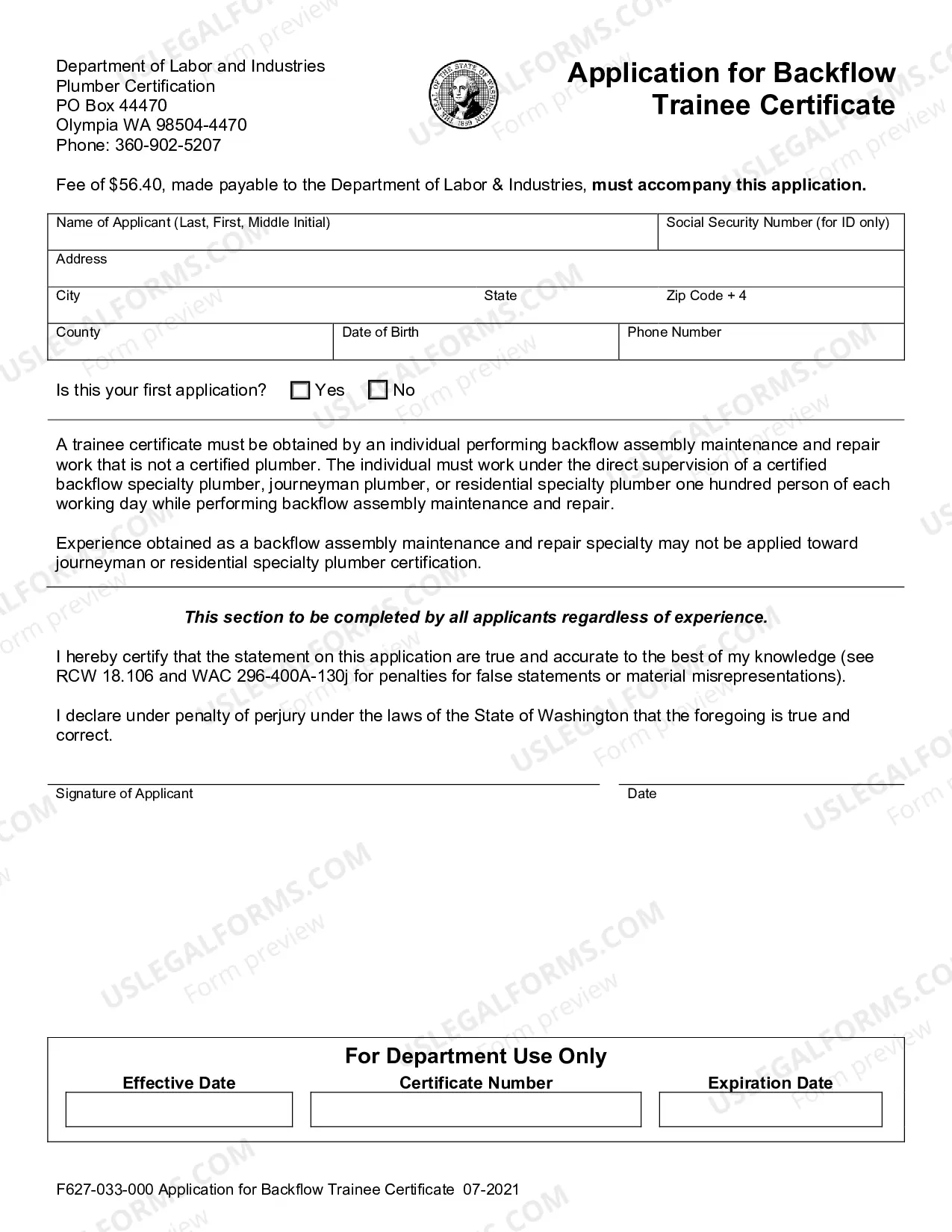
Common Driveway Easement Agreement
Understanding this form
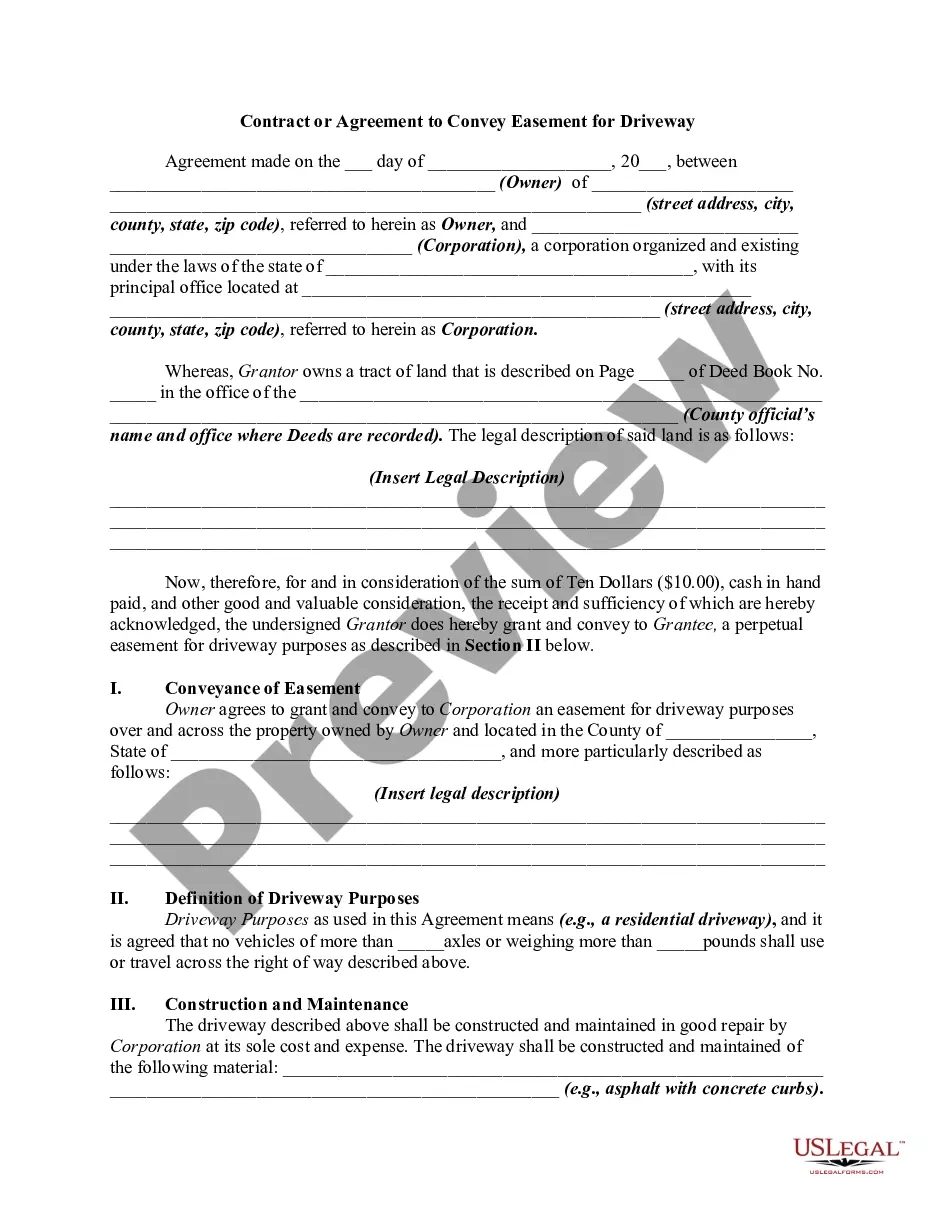
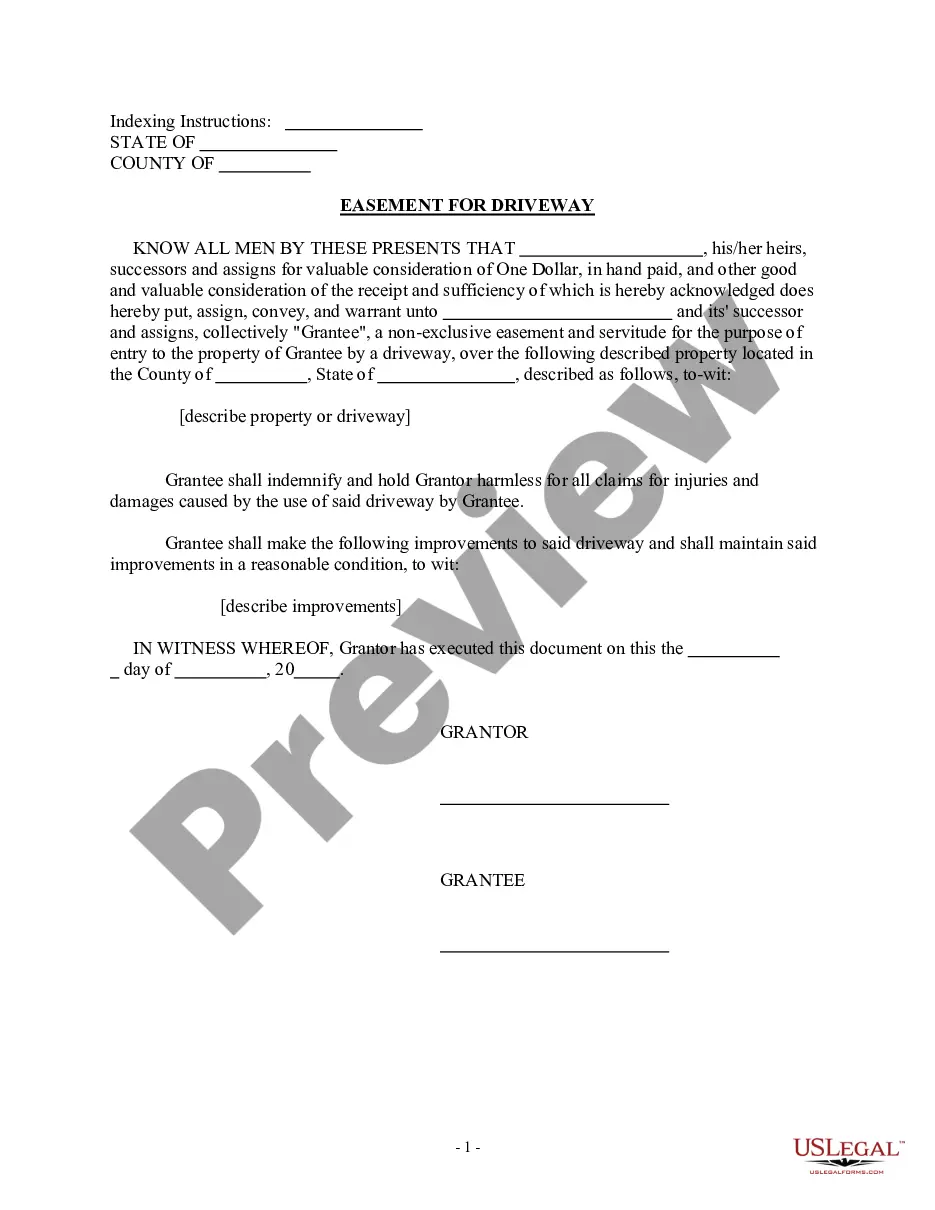
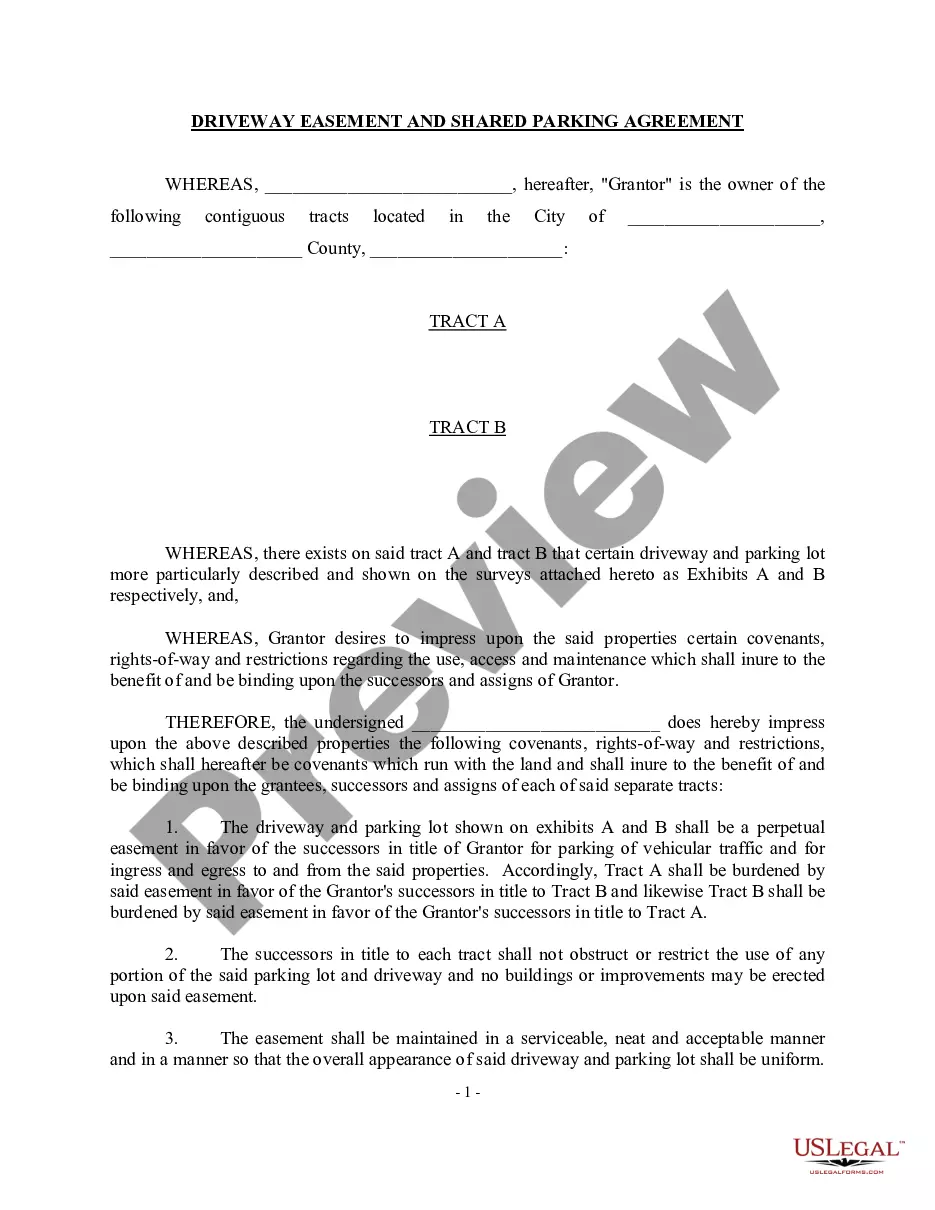
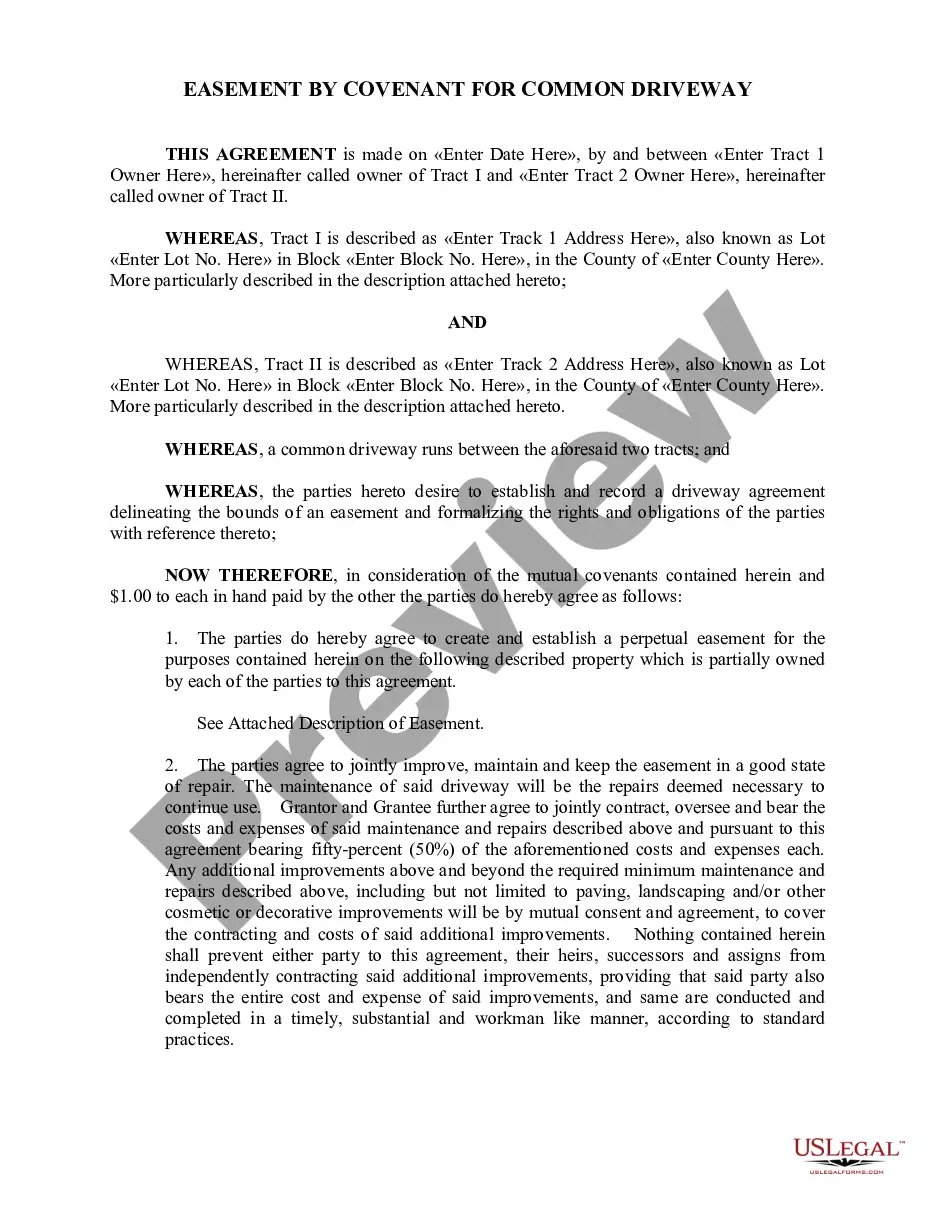
The Common Driveway Easement Agreement is a legal document that allows two parties to share the use of a driveway while defining their respective responsibilities for maintenance and repair. This form differs from similar agreements by explicitly limiting the easement to shared access without transferring ownership rights, making it suitable for neighbors with adjoining parcels who need a clear understanding of their shared space obligations.
What’s included in this form
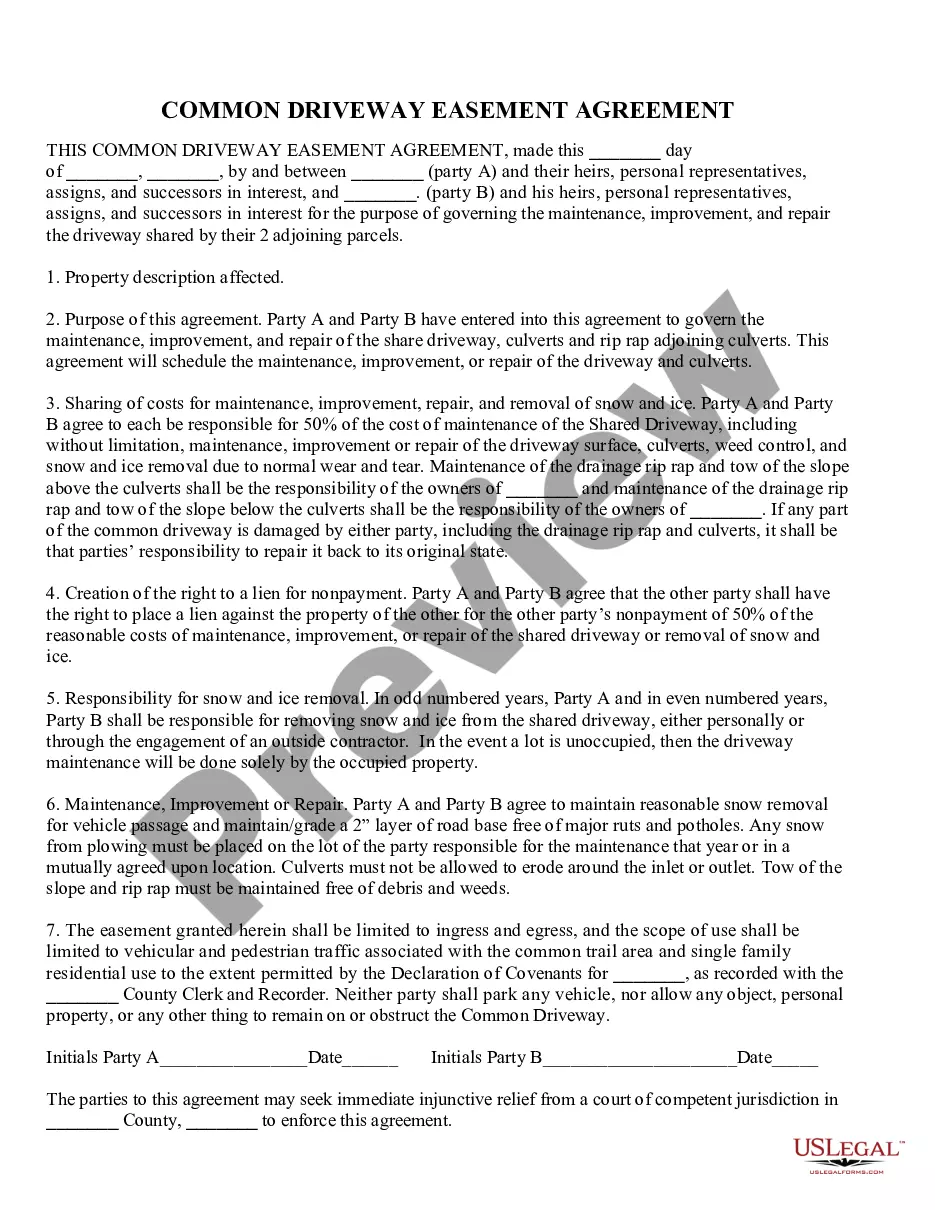
- Property description affected: Clearly identifies the properties involved in the agreement.
- Purpose of the agreement: Outlines the maintenance, improvement, and repair obligations for the shared driveway.
- Cost-sharing arrangement: Specifies that both parties are responsible for 50% of the maintenance costs.
- Creation of a lien: Grants the right to place a lien for nonpayment of maintenance costs.
- Snow and ice removal duties: Designates which party is responsible for snow removal in alternate years.
- Easement usage limits: Restricts the use of the driveway to vehicular and pedestrian traffic without obstruction.
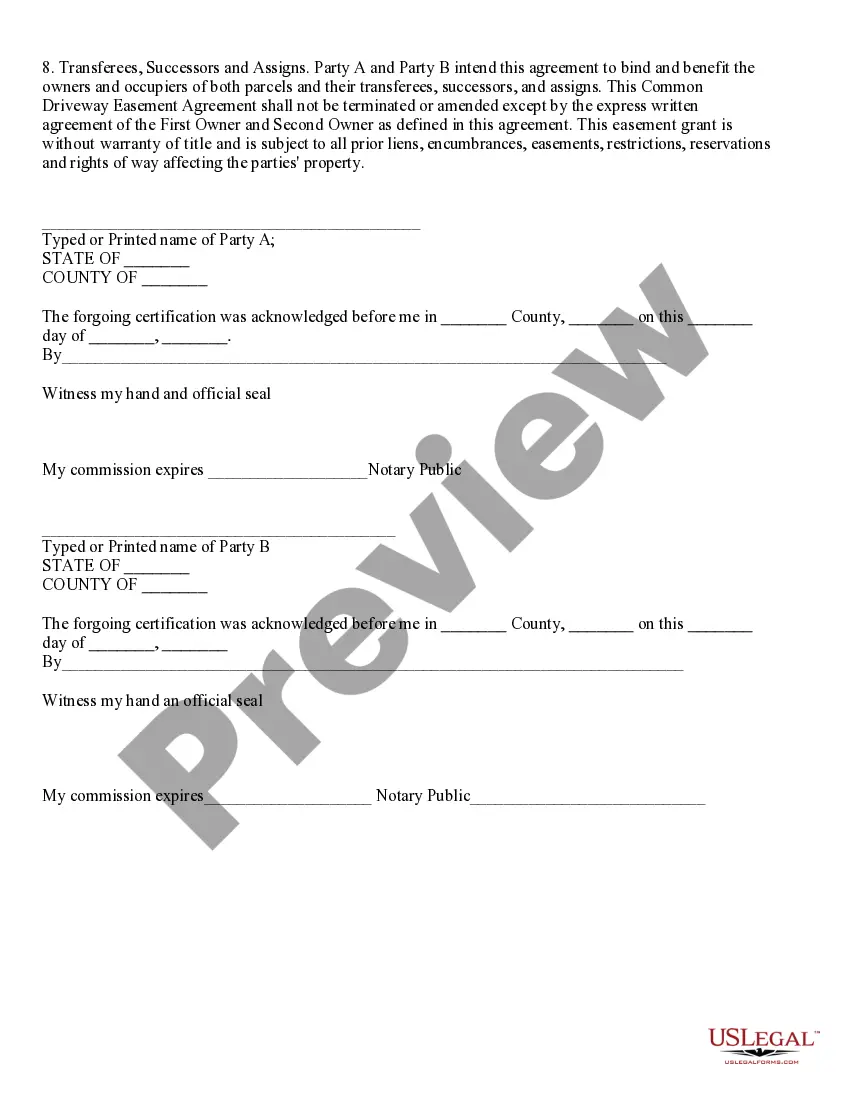
- Binding effect: Ensures the agreement applies to successors and assigns.
When this form is needed
This form is typically used when two or more property owners share a common driveway. It is needed to establish clear responsibilities for maintenance, repairs, and costs, especially in cases where disputes may arise regarding access or upkeep. If you own neighboring properties and share a driveway, using this agreement can help prevent misunderstandings and ensure proper maintenance.
Who should use this form
- Property owners with adjoining parcels that share a driveway.
- Neighbors who want to formalize agreements regarding driveway maintenance and responsibilities.
- Individuals seeking to prevent future disputes related to shared land use.
Completing this form step by step
- Identify the parties involved by filling in the names of Party A and Party B.
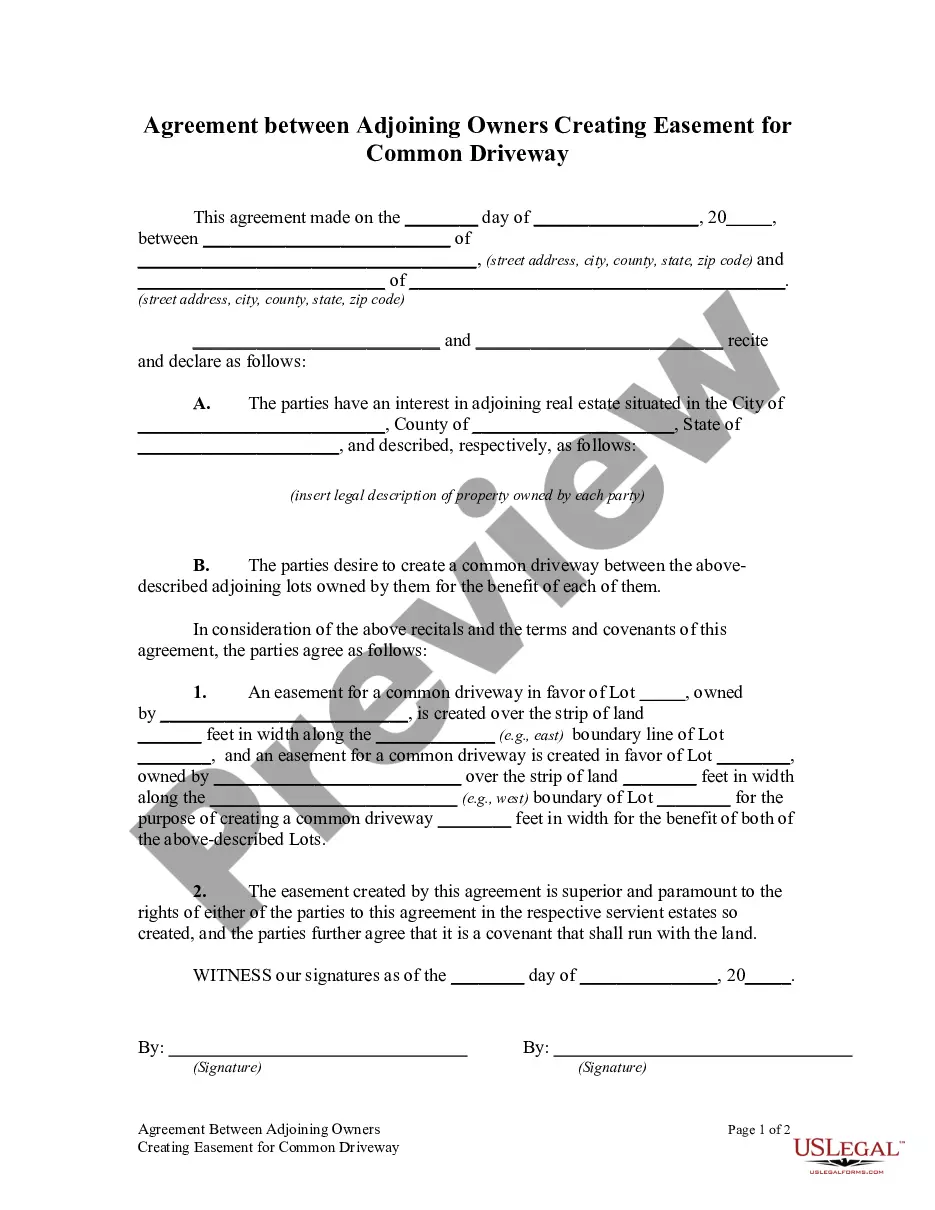
- Provide a detailed description of the properties affected by the easement.
- Specify the mutual agreements regarding cost-sharing for maintenance and repairs.
- Enter the dates and signatures of both parties to validate the agreement.
- If required, arrange for notarization to make the document legally binding.
Is notarization required?
This form does not typically require notarization unless specified by local law. However, notarization can add an extra layer of authenticity to the agreement, which may be beneficial during any future disputes.
Get your form ready online
Our built-in tools help you complete, sign, share, and store your documents in one place.
Make edits, fill in missing information, and update formatting in US Legal Forms—just like you would in MS Word.
Download a copy, print it, send it by email, or mail it via USPS—whatever works best for your next step.
Sign and collect signatures with our SignNow integration. Send to multiple recipients, set reminders, and more. Go Premium to unlock E-Sign.
If this form requires notarization, complete it online through a secure video call—no need to meet a notary in person or wait for an appointment.
We protect your documents and personal data by following strict security and privacy standards.

Make edits, fill in missing information, and update formatting in US Legal Forms—just like you would in MS Word.

Download a copy, print it, send it by email, or mail it via USPS—whatever works best for your next step.

Sign and collect signatures with our SignNow integration. Send to multiple recipients, set reminders, and more. Go Premium to unlock E-Sign.

If this form requires notarization, complete it online through a secure video call—no need to meet a notary in person or wait for an appointment.

We protect your documents and personal data by following strict security and privacy standards.
Mistakes to watch out for
- Failing to clearly define the properties involved, which can lead to confusion.
- Not specifying exact maintenance responsibilities or cost-sharing measures.
- Neglecting to sign or date the agreement, making it unenforceable.
Why complete this form online
- Convenience of accessing and downloading the form quickly from anywhere.
- Editability allows customization to fit specific needs of both parties.
- Reliability of using attorney-drafted forms ensures legal compliance.
Looking for another form?

Form popularity
FAQ
A situation where two or more people jointly own a driveway, and share maintenance and use, can be found in cities or the suburbs. When the parties are agreeable, a shared driveway is just part and parcel of your home. However, some residents have sued one another over how to use a shared driveway.
There are usually two core principles of Georgia easement law: The easement holder's use of the land cannot exceed the scope and the purpose of the easement. The property owner cannot interfere with the easement holder's rights.
Never block or allow your visitors to block the shared driveway, and make it impossible for your neighbour to use it. If you wish to a gate, wall or fence anywhere along the perimeter or at either end of the shared driveway, you should gain permission from your neighbour.
Under Georgia utility easement law, the government has the right to easements of private property in order to , expand, and maintain utilities such as power lines. Very often, new construction can impact the location of existing utility lines.
Easements are a right to use someone else's land for a specific purpose. Tennessee easements can be created in a few different ways, but the most common is through an express grant, reservation, prescription, estoppel, eminent domain, or implication. Easements also come in two types: appurtenant and in gross.
Generally, the owner of any easement has a duty to maintain the easement. If the easement is owned by more than one person, or is attached parcels of land under different ownership, each owner must share in the cost of maintaining the easement pursuant to their agreement.
Some people refer to a shared driveway as a ?common driveway,? but it has a legal definition. Almost all shared driveways are ?appurtenant easements,? or rights to ?exercise a limited form of ownership or possession of the property of another individual,? real estate lawyers say.