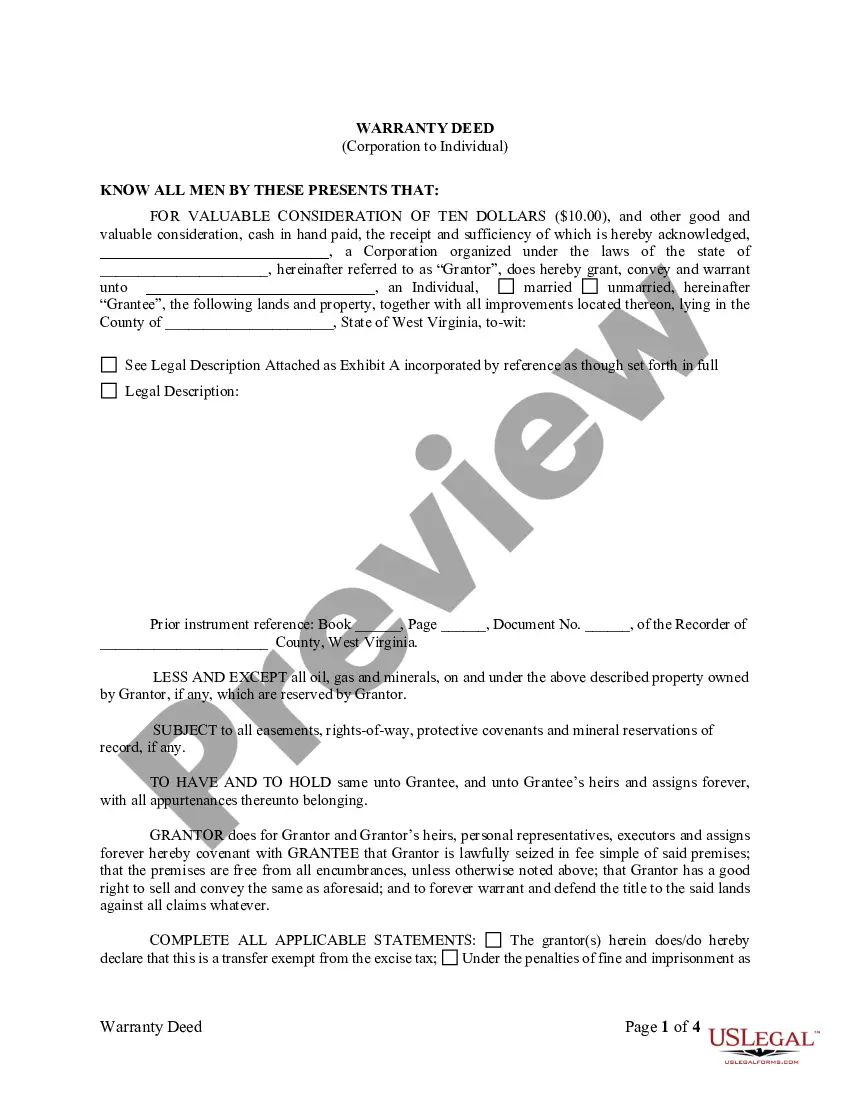
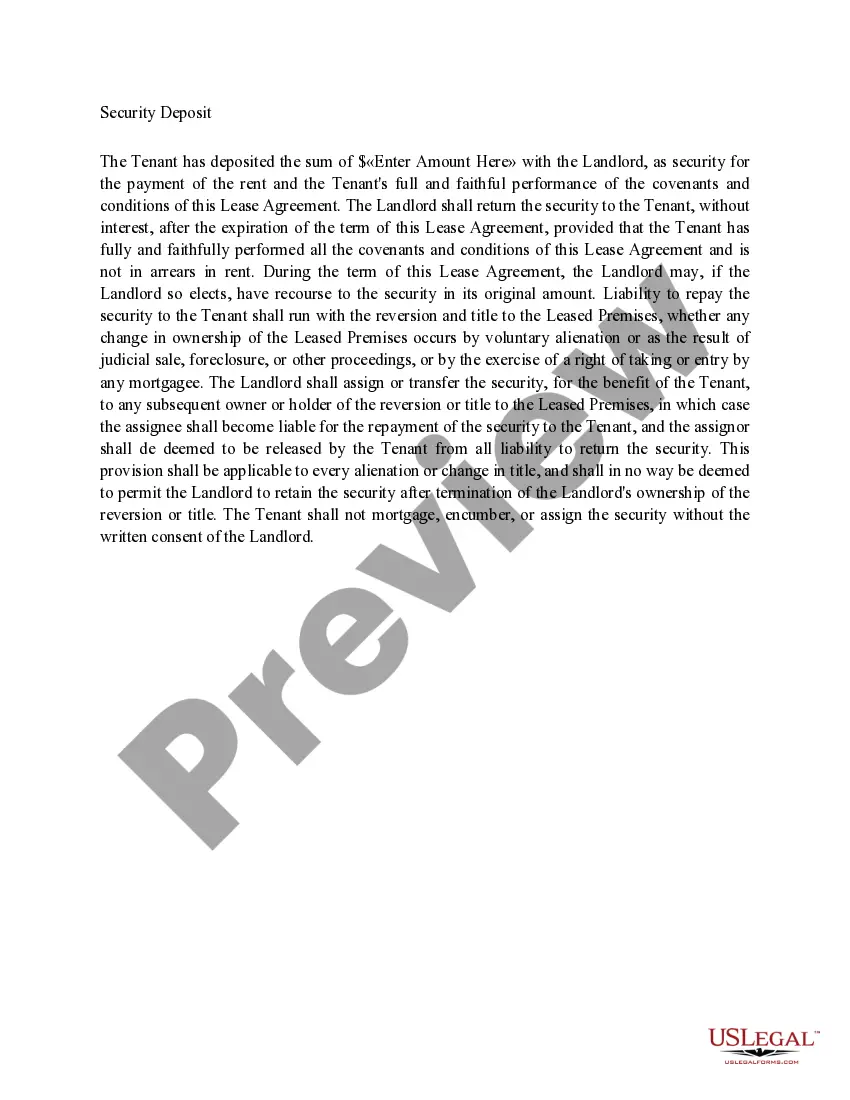
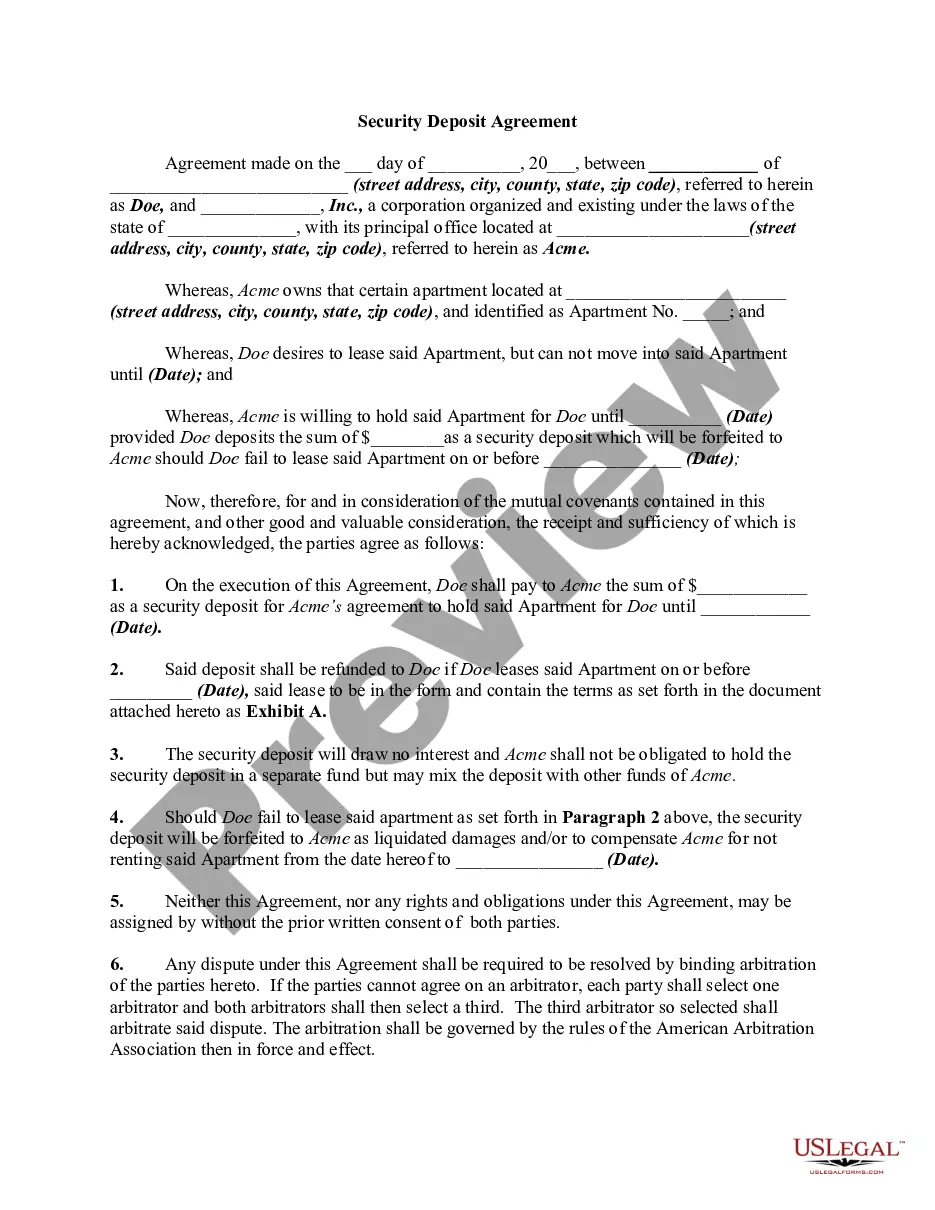
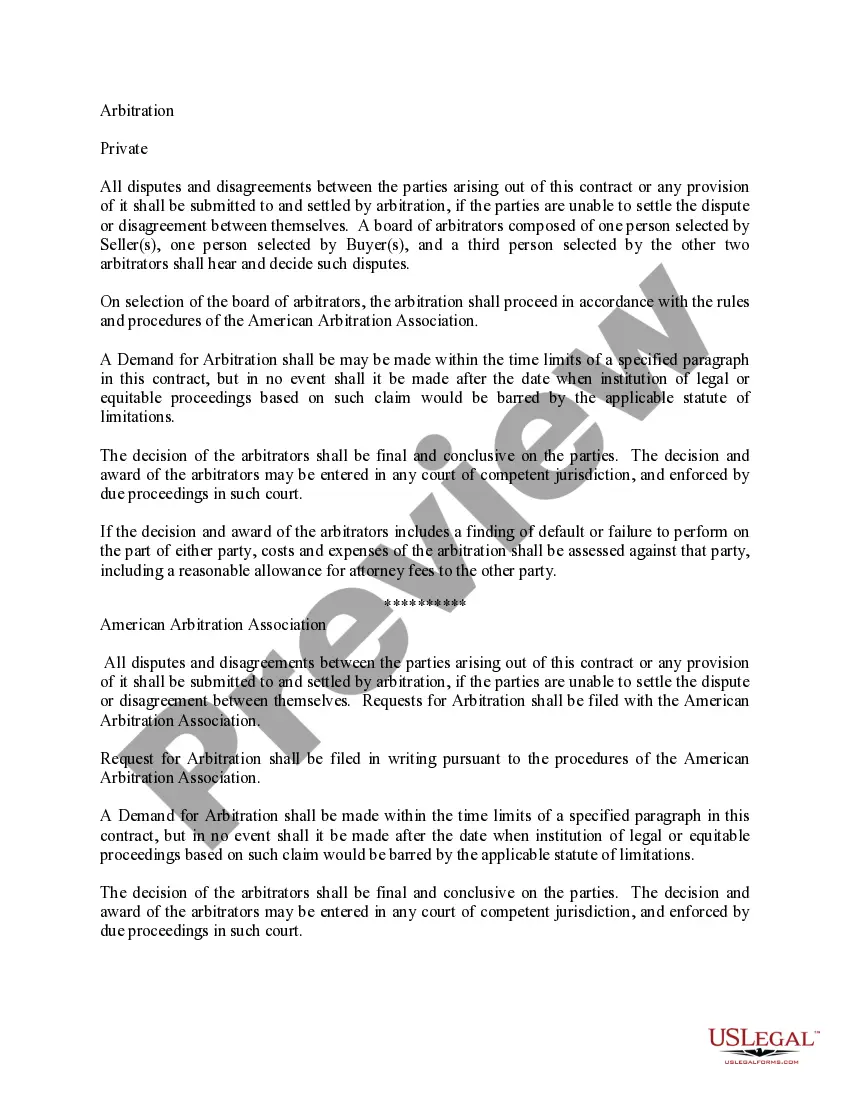
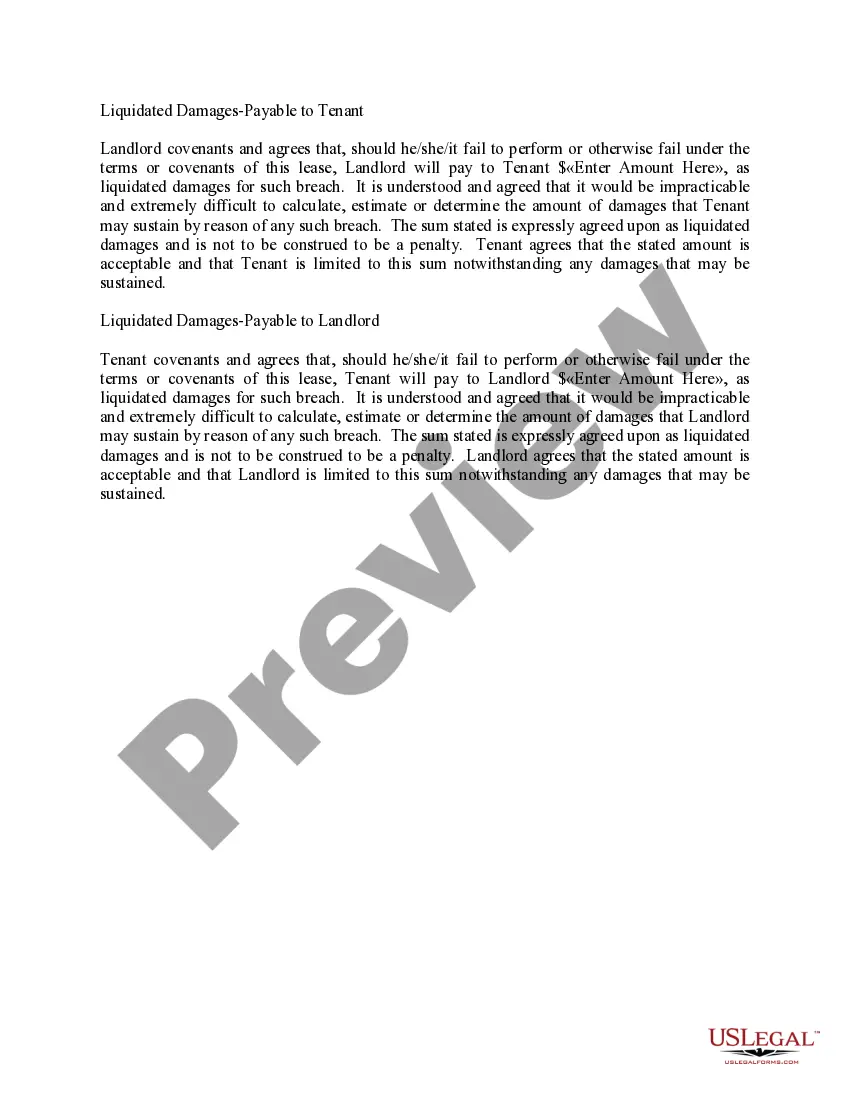
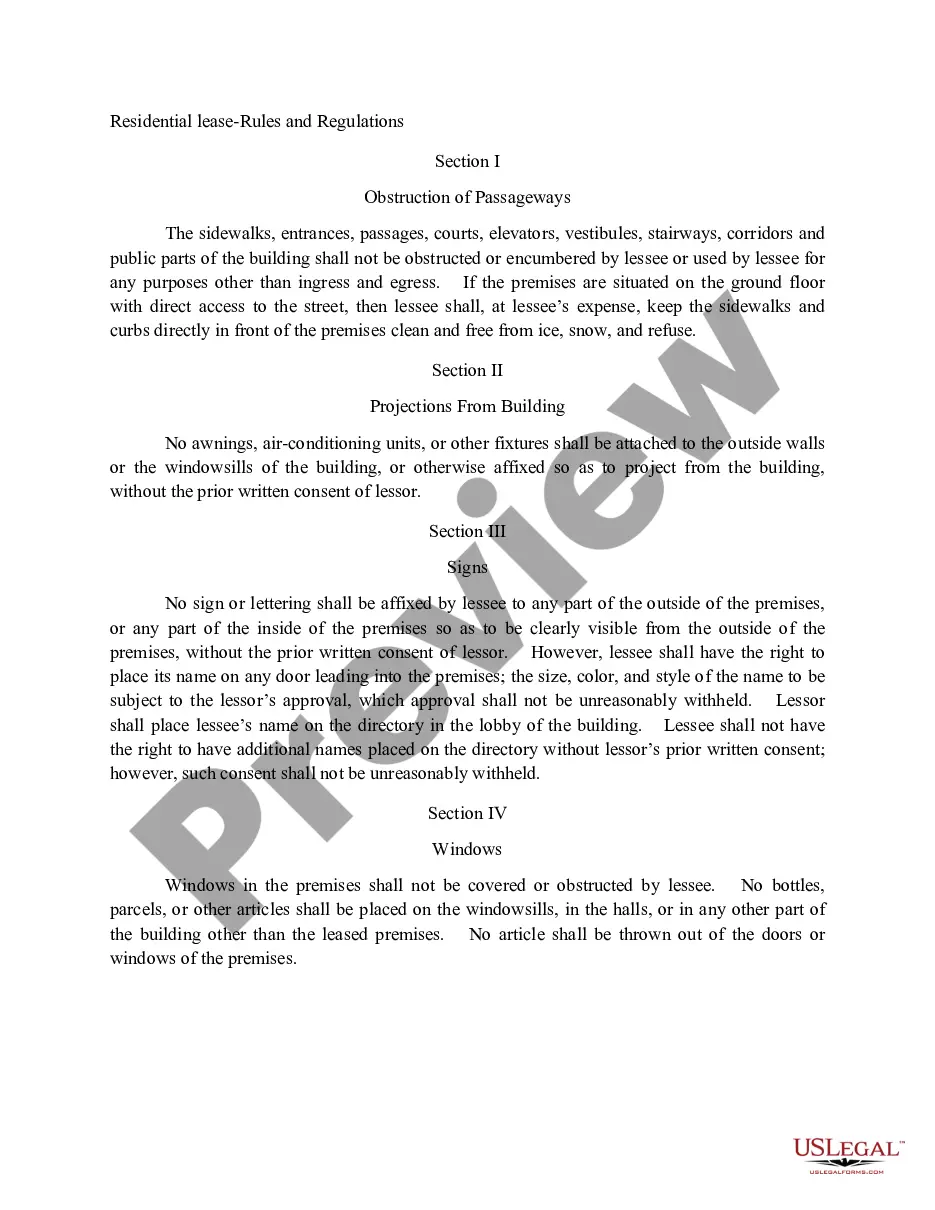
Security Deposit Clause
Notarization guidance
Notarization is not commonly needed for this form. However, certain documents or local rules may make it necessary. Our notarization service, powered by Notarize, allows you to finalize it securely online anytime, day or night.
Get your form ready online
Our built-in tools help you complete, sign, share, and store your documents in one place.
Make edits, fill in missing information, and update formatting in US Legal Forms—just like you would in MS Word.
Download a copy, print it, send it by email, or mail it via USPS—whatever works best for your next step.
Sign and collect signatures with our SignNow integration. Send to multiple recipients, set reminders, and more. Go Premium to unlock E-Sign.
If this form requires notarization, complete it online through a secure video call—no need to meet a notary in person or wait for an appointment.
We protect your documents and personal data by following strict security and privacy standards.

Make edits, fill in missing information, and update formatting in US Legal Forms—just like you would in MS Word.

Download a copy, print it, send it by email, or mail it via USPS—whatever works best for your next step.

Sign and collect signatures with our SignNow integration. Send to multiple recipients, set reminders, and more. Go Premium to unlock E-Sign.

If this form requires notarization, complete it online through a secure video call—no need to meet a notary in person or wait for an appointment.

We protect your documents and personal data by following strict security and privacy standards.
Looking for another form?
Form popularity
FAQ
The Security Deposit clause requires the payment of a security deposit to protect, in the case of real property, the Landlord from the Tenant's non-payment of rent and from damage to the property, or in the case of personal property, the Lessor from the Lessee's non-payment or damage to the property.
The reason landlords require a security deposit is to: Secure themselves against damages done to the premises.
At the end of the tenancy, the landlord is supposed to give the tenant a refund on their security deposit within 30 days (or sooner), less any deductions. This allows him/her plenty of time to determine how much the repairs will cost if the tenant's actions, or negligence caused any damage.
Because security deposits are generally not considered rental income, they should not appear on your income statement or cash flow statement. Instead, include it as a liability on your balance sheet on the date you received it, since it's an amount you're planning to eventually return.
A security deposit agreement is an agreement between a landlord and a tenant where the tenant deposits a specific amount of money with the landlord at the time the lease is signed. This security deposit is usually an amount between and three months of rent.
?A landlord must return a tenant's security deposit and any interest, minus any portion that was rightfully subtracted, within 30 days after the tenant moves out.?
If your landlord holds your deposit (so should be protected in the Insured scheme), the landlord should pay your deposit back within 10 days of your request for the deposit to be returned. A tenant cannot request the return of their deposit before the tenancy ends.