Declaration of Future Advancements
About this form
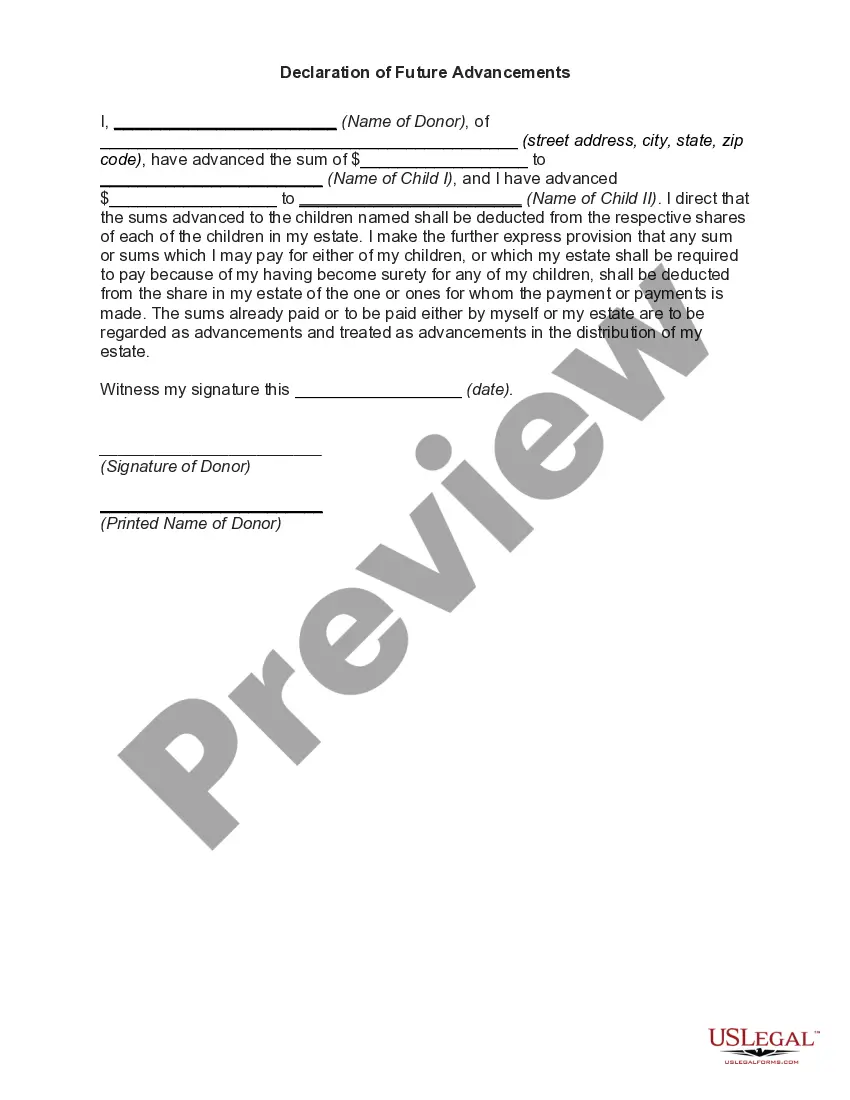
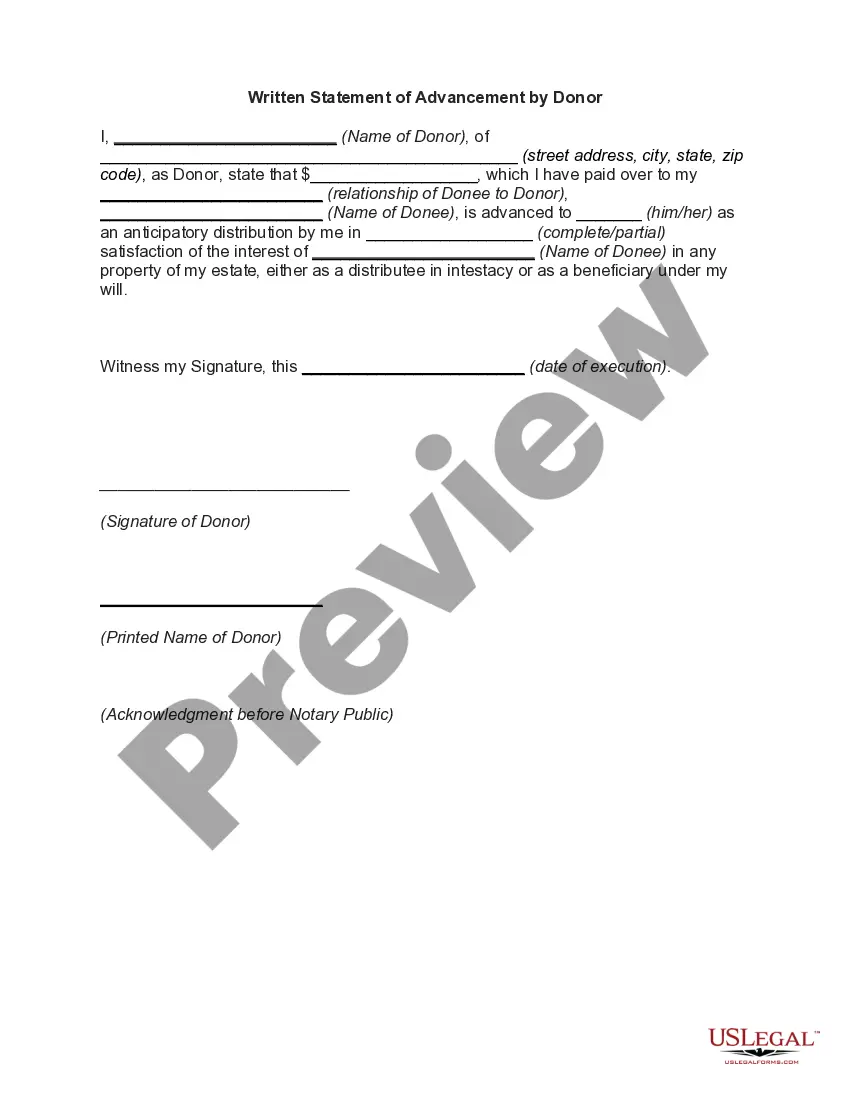
The Declaration of Future Advancements is a legal document used to formalize gifts made by a parent to their children in anticipation of an inheritance. This form ensures that any amounts given during the parent's lifetime are deducted from the child's share of the estate, clarifying what each child will inherit. It is particularly useful in estate planning, distinguishing it from simple gift acknowledgment or other inheritances by legally recognizing advancements towards a future estate distribution.
What’s included in this form
- Name and address of the donor (the parent making the advancement).
- Details of sums advanced to each child, ensuring clarity on amounts given.
- Instruction for deducting advanced amounts from each childâs estate share.
- Provisions regarding other payments made on behalf of children, including surety obligations.
- Signature line for the donor to validate the declaration.
- Date of signing to establish the timeline of advancements.
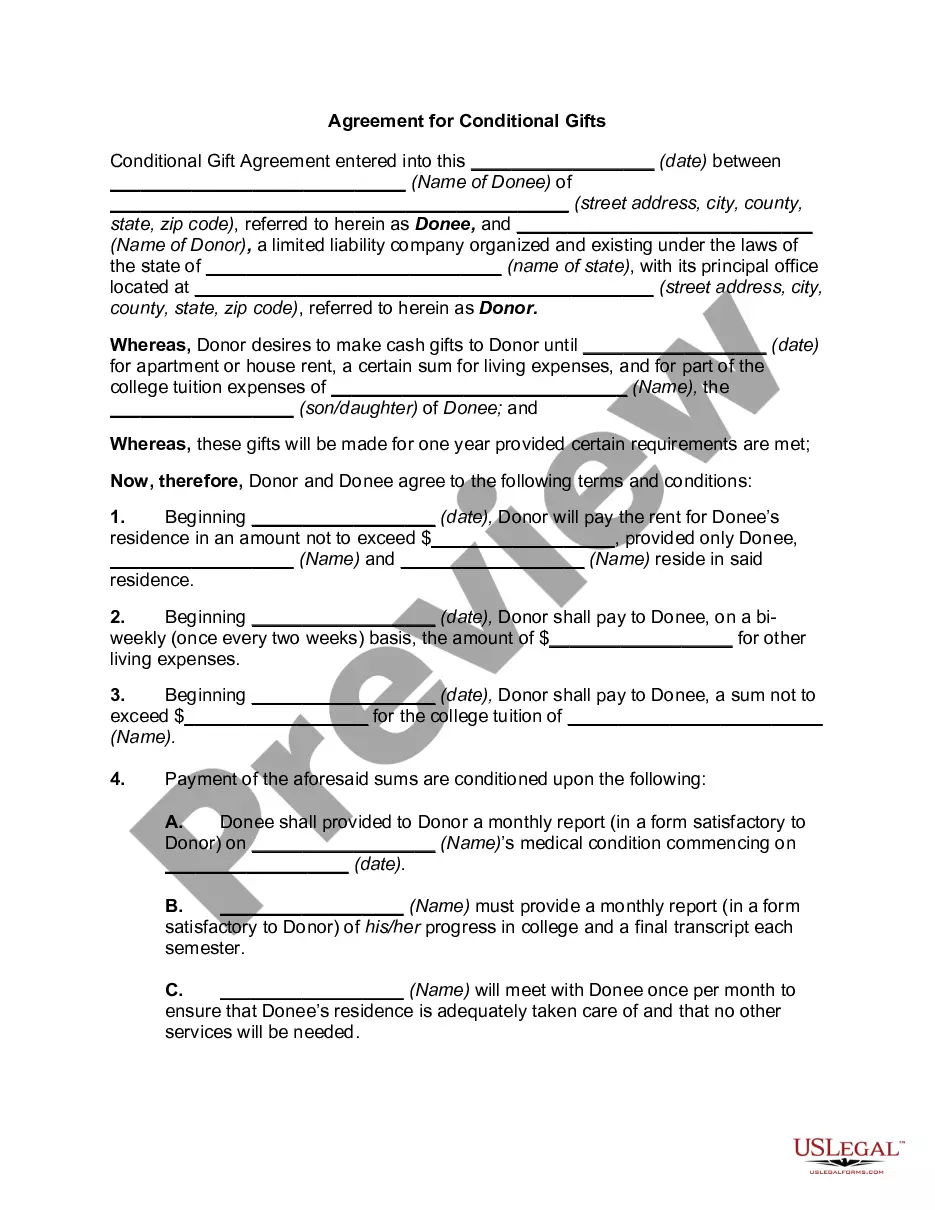
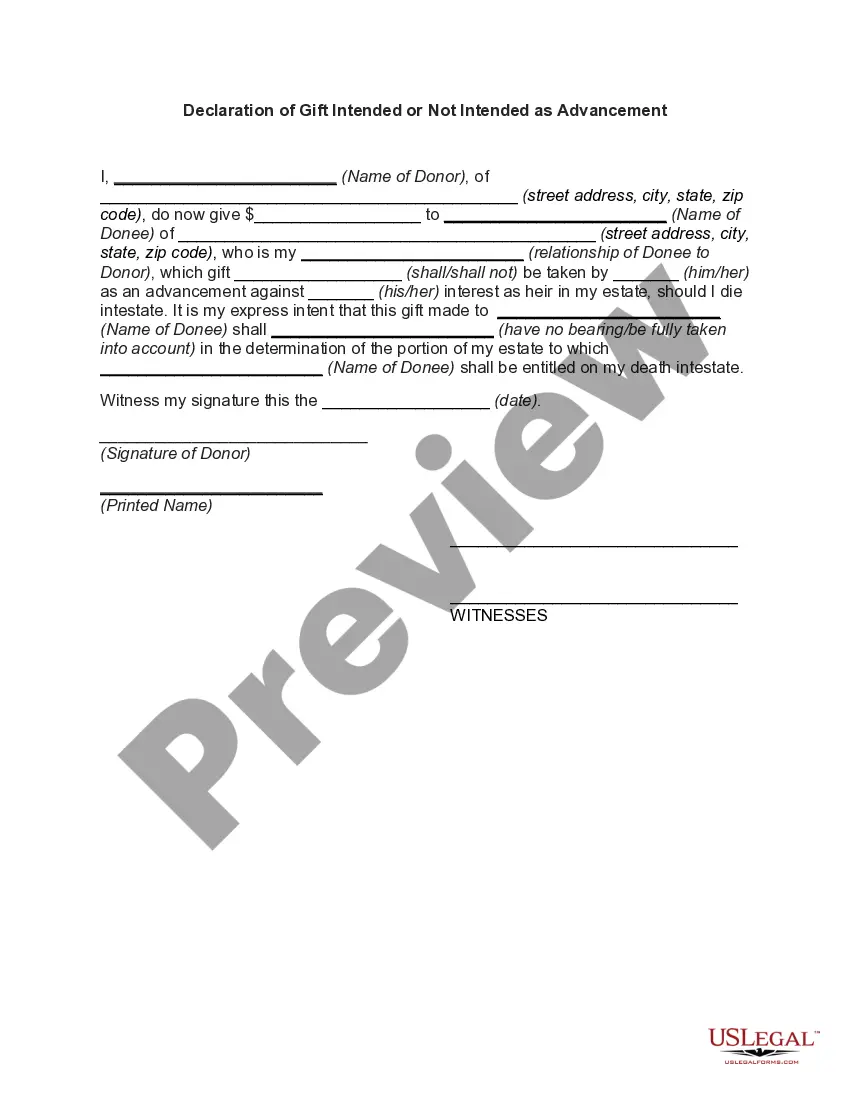
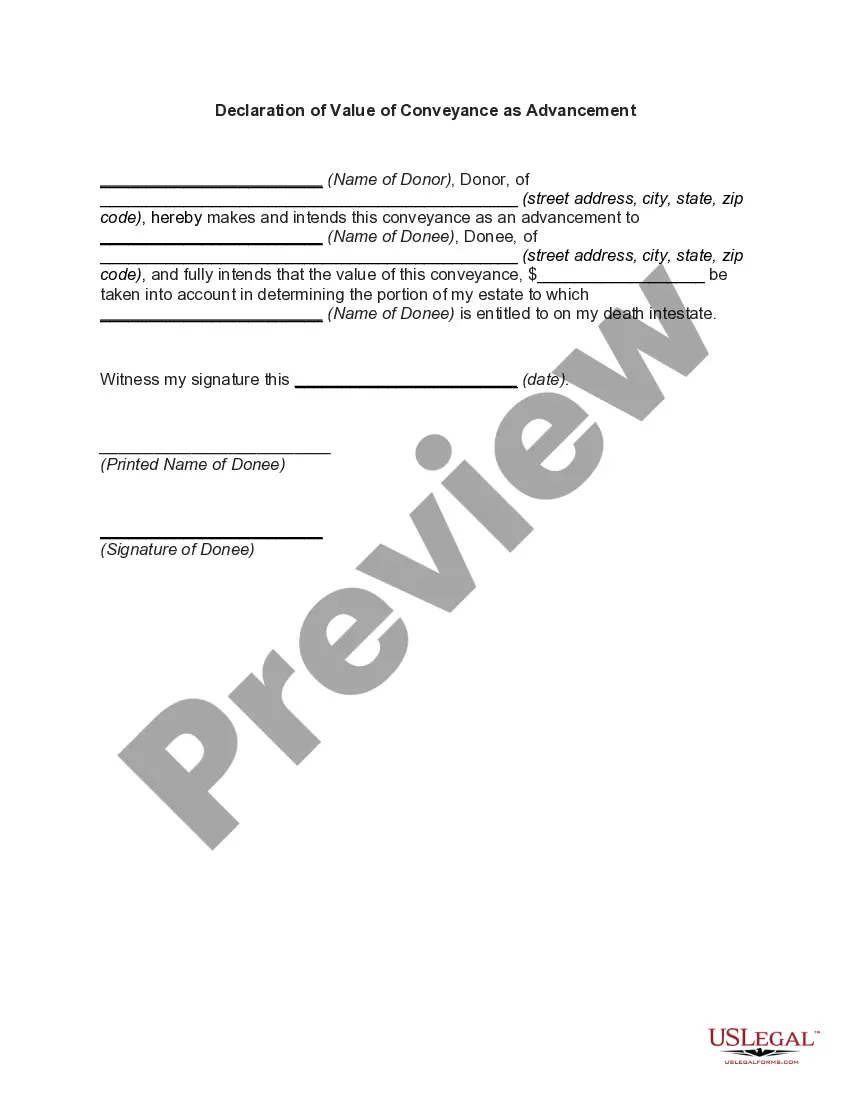
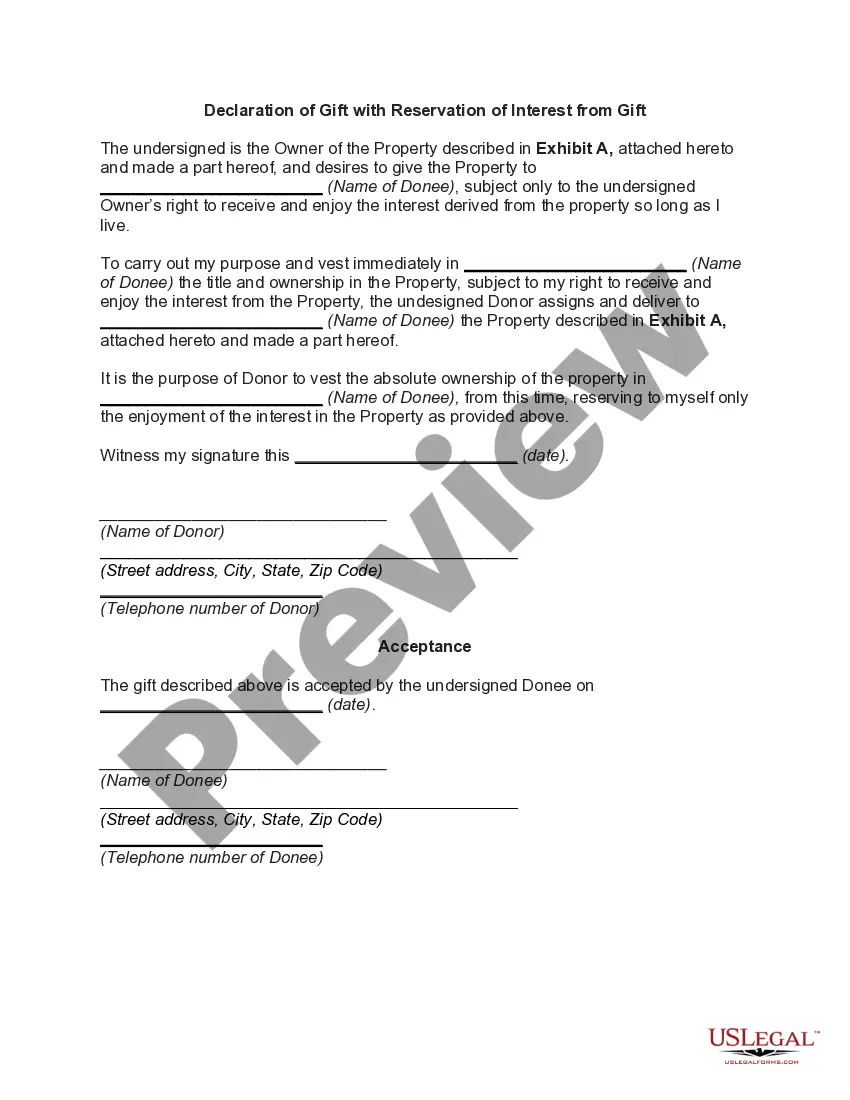
When this form is needed
This form should be used when a parent wants to document gifts made to their children as advances on their inheritance. It is suitable in scenarios such as giving financial assistance for education or purchasing a home. Using this form helps prevent disputes during estate distribution by clearly outlining any pre-inheritance advancements that may impact each child's share of the estate upon the parent's passing.
Who should use this form
- Parents who wish to formally declare gifts made to their children.
- Individuals involved in estate planning who want to ensure clarity in inheritance allocations.
- Heirs who may receive advancements and want to understand how these will affect their final inheritance.
- People looking to avoid potential disputes regarding future estate distributions in their families.
How to complete this form
- Identify the donor by entering your full name and address at the top of the form.
- Detail the amounts advanced to each child clearly, specifying their names and the exact sums.
- Review the instruction section to ensure all advancements are clearly mentioned to avoid confusion during estate distribution.
- Sign the document to validate your declaration, ensuring that your signature is dated correctly.
- Keep copies for your records and consider sharing with your children to maintain transparency.
Is notarization required?
This form does not typically require notarization unless specified by local law. It is recommended to verify local regulations to ensure compliance, as states may have different requirements for estate documents.
Get your form ready online
Our built-in tools help you complete, sign, share, and store your documents in one place.
Make edits, fill in missing information, and update formatting in US Legal Forms—just like you would in MS Word.
Download a copy, print it, send it by email, or mail it via USPS—whatever works best for your next step.
Sign and collect signatures with our SignNow integration. Send to multiple recipients, set reminders, and more. Go Premium to unlock E-Sign.
If this form requires notarization, complete it online through a secure video call—no need to meet a notary in person or wait for an appointment.
We protect your documents and personal data by following strict security and privacy standards.

Make edits, fill in missing information, and update formatting in US Legal Forms—just like you would in MS Word.

Download a copy, print it, send it by email, or mail it via USPS—whatever works best for your next step.

Sign and collect signatures with our SignNow integration. Send to multiple recipients, set reminders, and more. Go Premium to unlock E-Sign.

If this form requires notarization, complete it online through a secure video call—no need to meet a notary in person or wait for an appointment.

We protect your documents and personal data by following strict security and privacy standards.
Typical mistakes to avoid
- Failing to specify the amounts gifted clearly, leading to disputes later.
- Not dated the declaration, which may complicate matters regarding timing of advancements.
- Omitting to advise all children about the advancements, creating potential misunderstandings.
Benefits of using this form online
- Convenient access to the form for immediate completion.
- Editability allows for customization according to specific family circumstances.
- Secure storage of your completed form online for easy retrieval.
Looking for another form?







Form popularity
FAQ
The Declaration of Internet Freedom is a 2012 online declaration in defence of online freedoms signed by a number of prominent organisations and individuals. Notable signatories include Amnesty International, the Electronic Frontier Foundation, Reporters Without Borders, and the Mozilla Foundation, among others.
Today, the United States with more than 60 partners from around the globe launched the Declaration for the Future of the Internet. This Declaration represents a political commitment among Declaration partners to advance a positive vision for the Internet and digital technologies.
On April 28, the Biden administration announced a new global partnership that sets norms for the use of technology by nation-states: the Declaration for the Future of the Internet.
The Declaration for the Future of the Internet is in line with the rights and principles strongly anchored in the EU and builds on the Declaration on Digital Rights and Principles that the Commission has proposed to co-sign together with the European Parliament and the Council of the European Union.
We intend to ensure that the use of digital technologies reinforces, not weakens, de- mocracy and respect for human rights; offers opportunities for innovation in the digital ecosystem, including businesses large and small; and, maintains connections between our societies.
The Declaration of Internet Freedom is a 2012 online declaration in defence of online freedoms signed by a number of prominent organisations and individuals. Notable signatories include Amnesty International, the Electronic Frontier Foundation, Reporters Without Borders, and the Mozilla Foundation, among others.
The next generation of social networkers will be impacted by the acceleration in digital innovation, including the development of hyper-augmented reality and brain-to-computer interfaces. By 2050 there will be implants placed over our eyes to access our digital world without the need for a display.