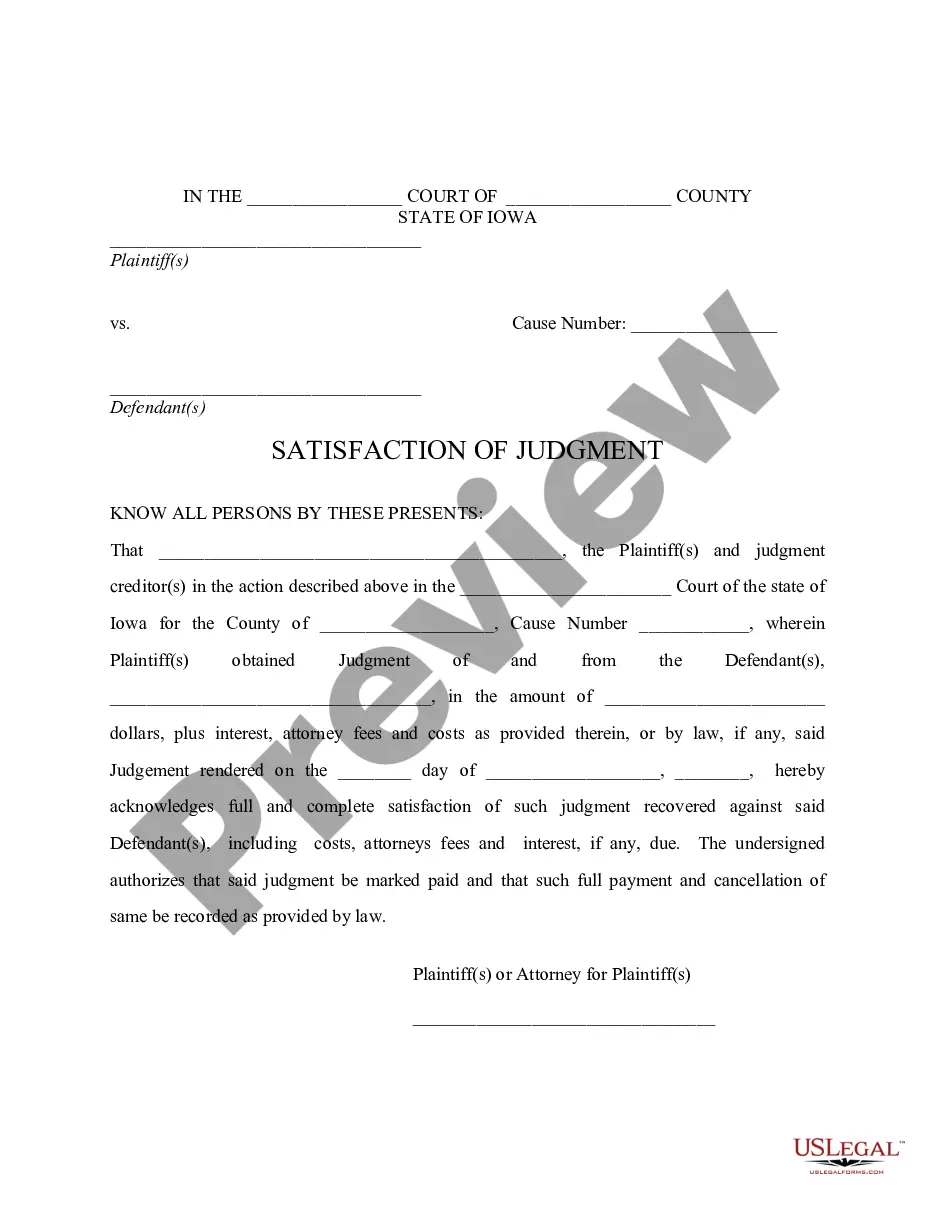
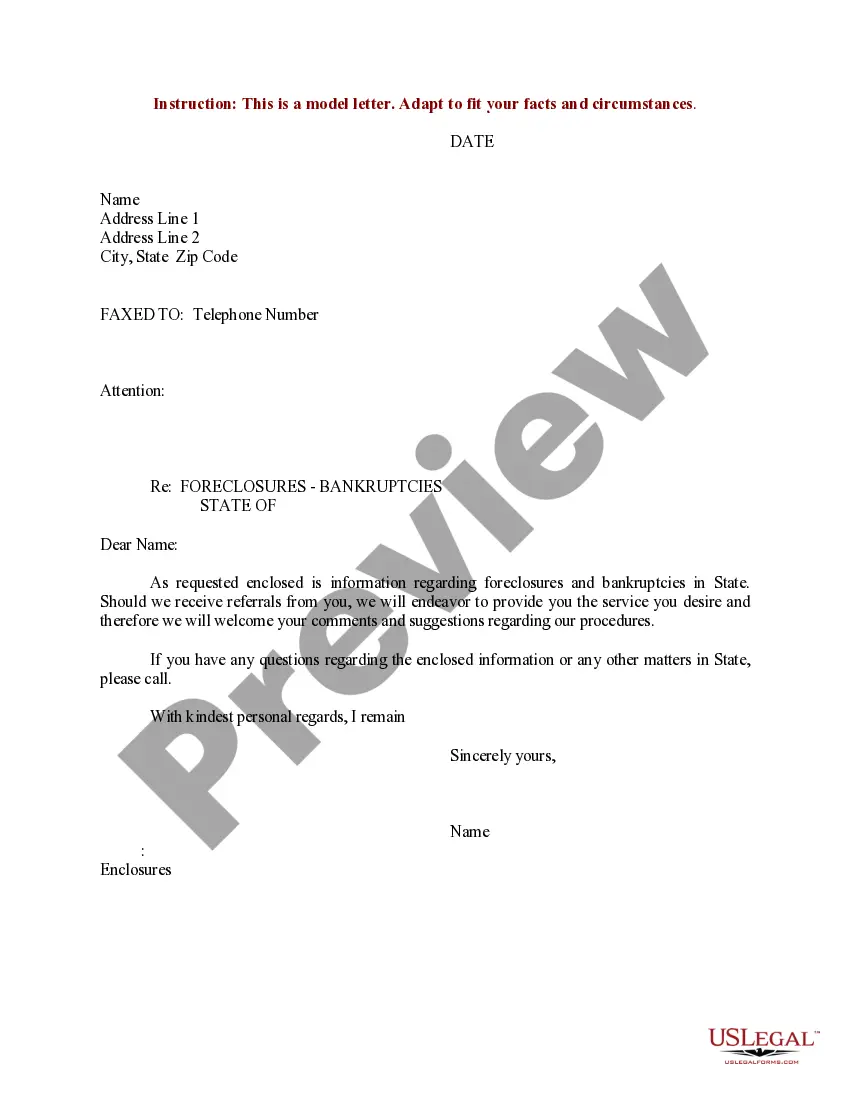
Sample Letter regarding Information for Foreclosures and Bankruptcies
What this document covers
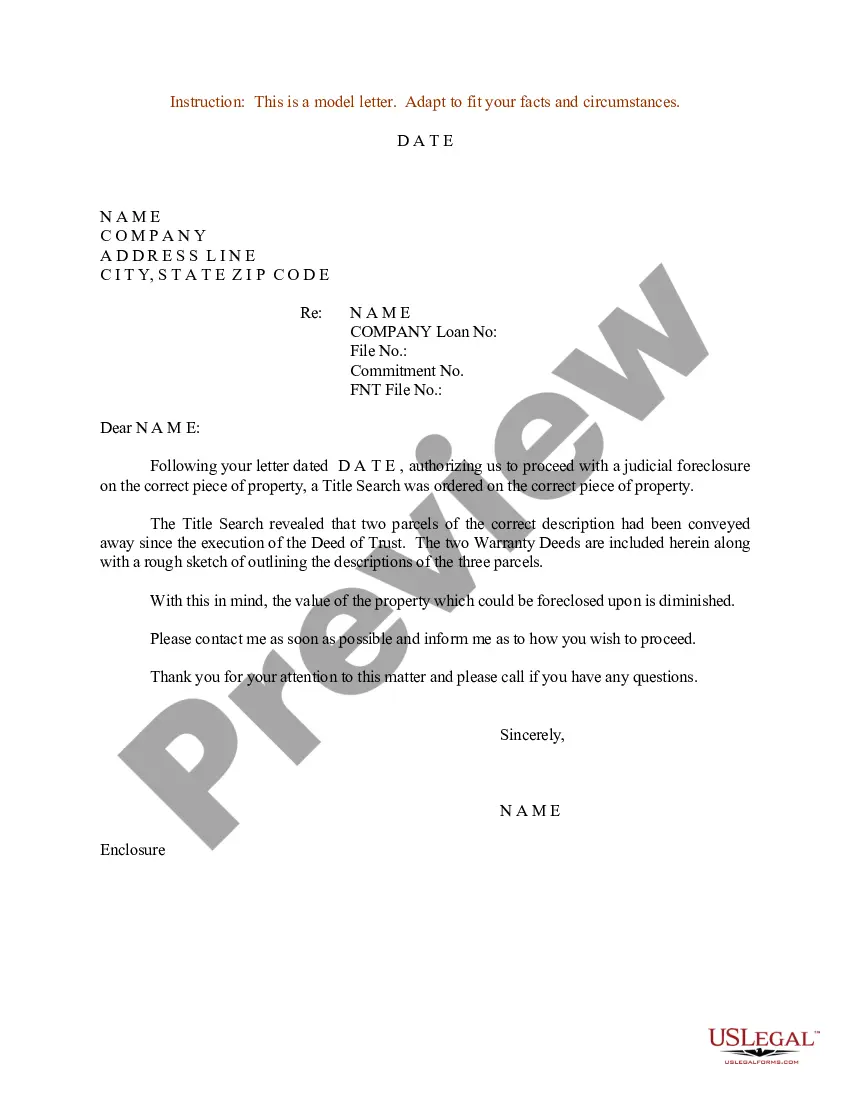
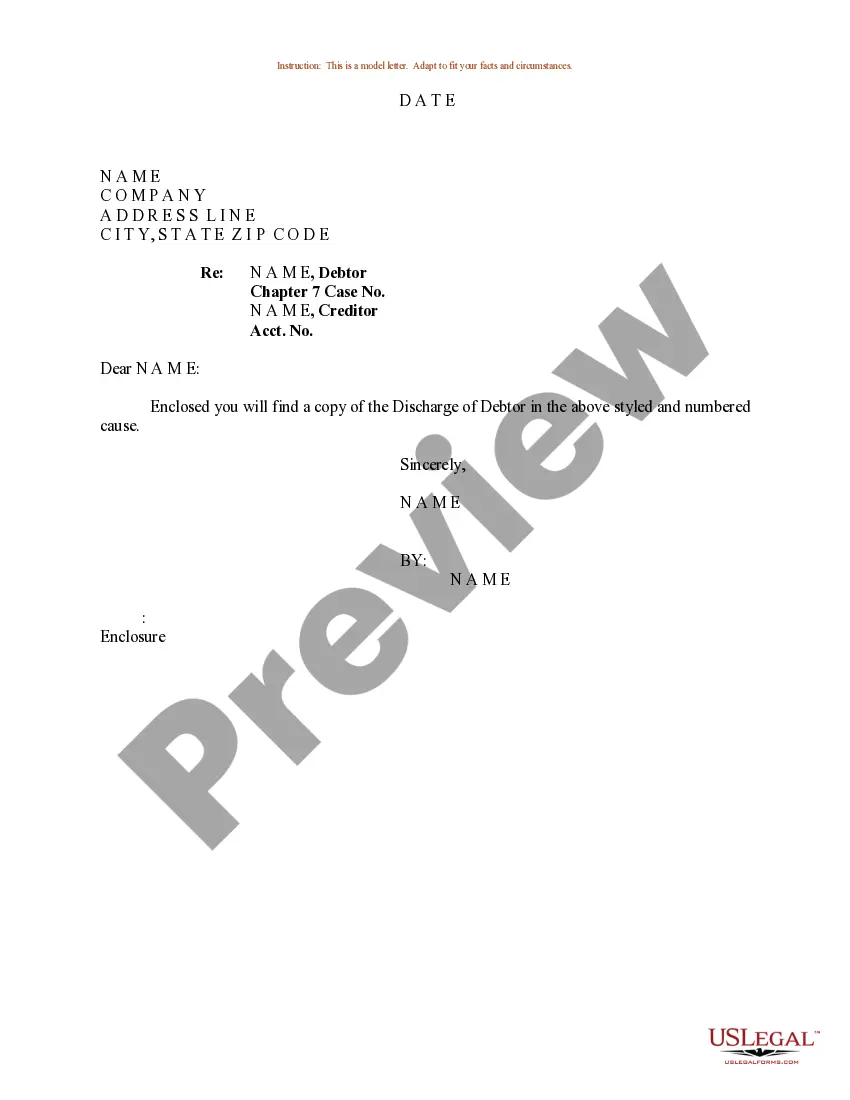
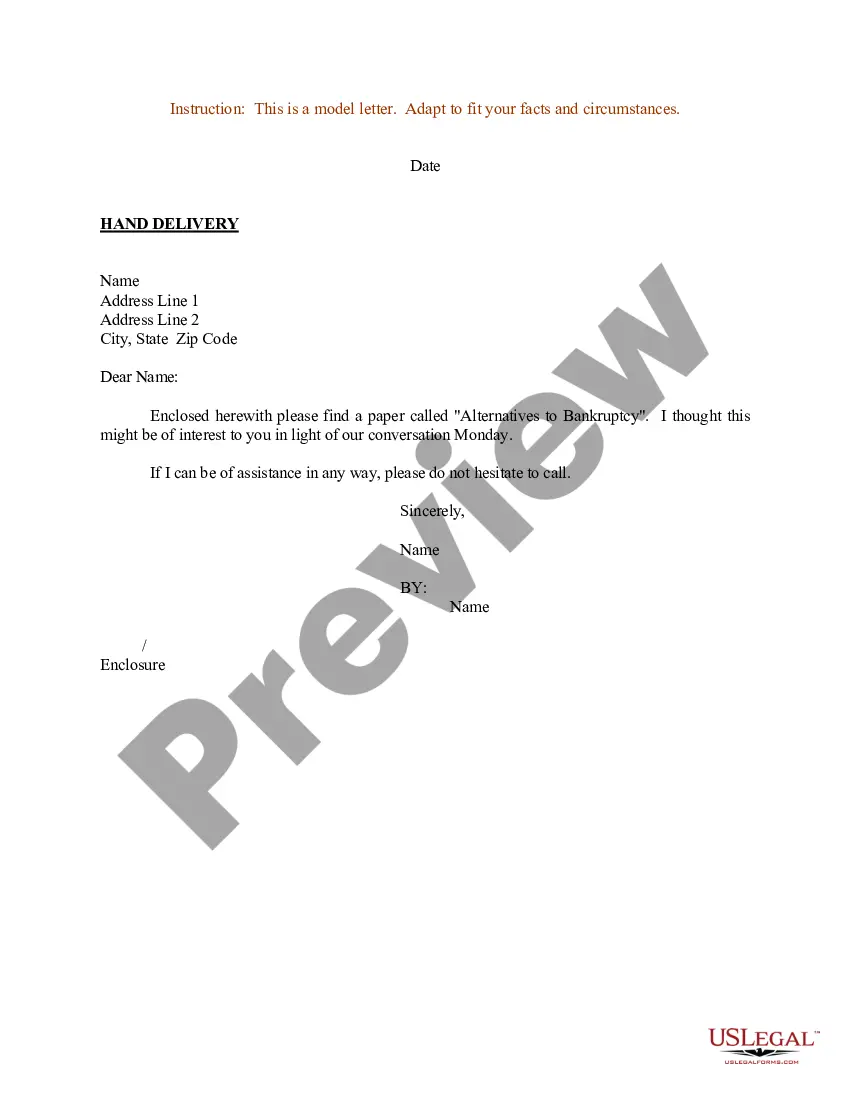
The Sample Letter regarding Information for Foreclosures and Bankruptcies is a template designed to assist individuals in communicating important information about foreclosures or bankruptcy matters. This form is distinct from other legal letters as it specifically addresses inquiries or notifications related to these financial issues, providing a structured format to convey essential details clearly and professionally.
Key components of this form
- Date field for proper documentation.
- Recipient's name and address to ensure correct delivery.
- Sender's contact information for follow-up questions.
- Body text for conveying the main message and inquiries.
- Closing remarks and sender's signature for formality.
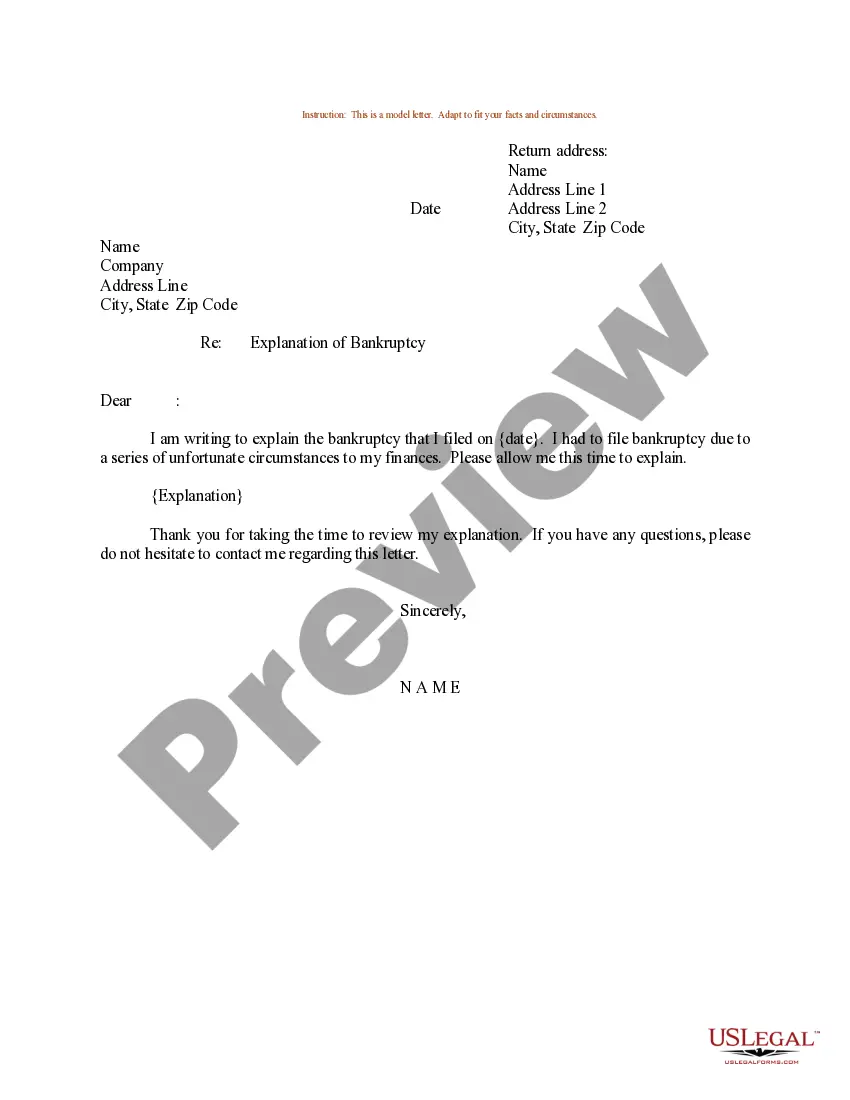
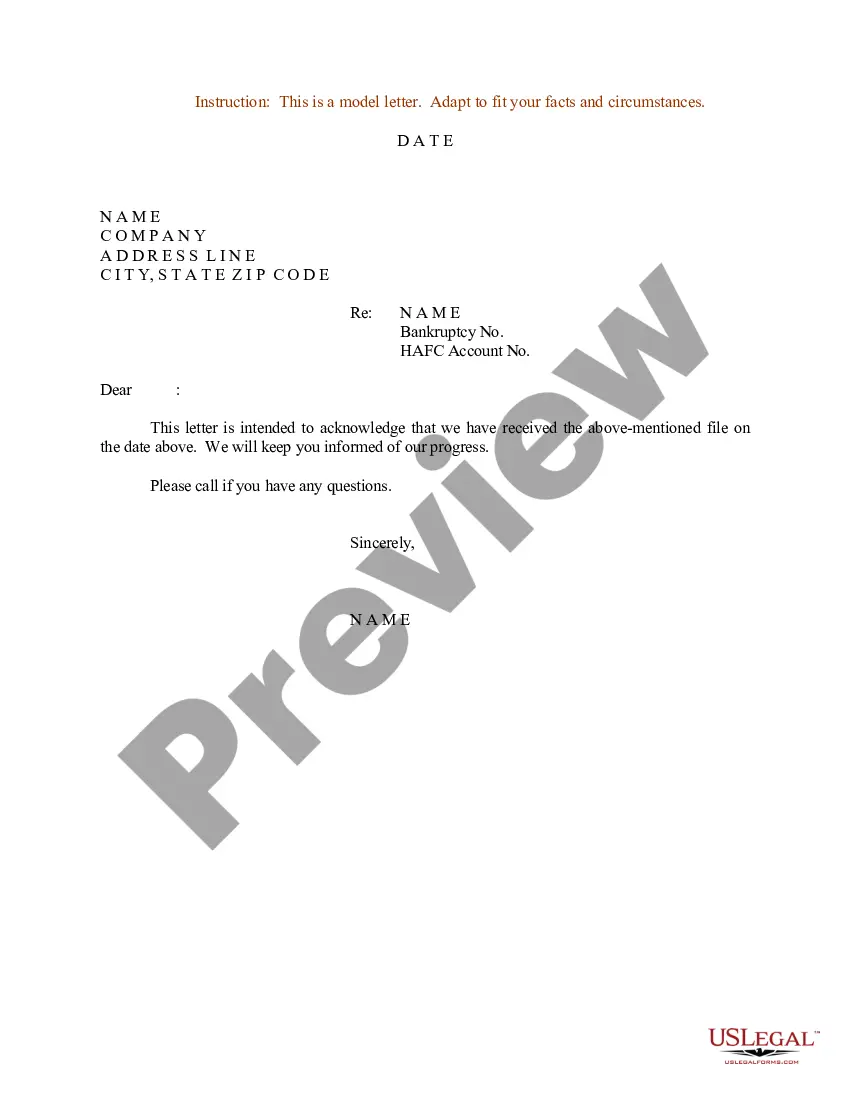
Situations where this form applies
This form is ideal for situations where an individual needs to formally inquire about the status or details related to a foreclosure or bankruptcy. It may be used when reaching out to creditors, lenders, or legal representatives to clarify information, confirm actions taken, or discuss potential resolutions regarding financial distress.
Who this form is for
- Homeowners facing foreclosure seeking information from their lenders.
- Individuals undergoing bankruptcy procedures who need to communicate with creditors.
- Legal representatives assisting clients in foreclosure or bankruptcy matters.
Steps to complete this form
- Enter the date at the top of the letter for record-keeping.
- Fill in the recipient's name and address for accurate delivery.
- Include your contact information, such as telephone number and email.
- Compose the body of the letter with your inquiries or necessary information regarding the foreclosure or bankruptcy.
- Sign the letter at the end to validate your communication.
Notarization requirements for this form
Notarization is generally not required for this form. However, certain states or situations might demand it. You can complete notarization online through US Legal Forms, powered by Notarize, using a verified video call available anytime.
Get your form ready online
Our built-in tools help you complete, sign, share, and store your documents in one place.
Make edits, fill in missing information, and update formatting in US Legal Forms—just like you would in MS Word.
Download a copy, print it, send it by email, or mail it via USPS—whatever works best for your next step.
Sign and collect signatures with our SignNow integration. Send to multiple recipients, set reminders, and more. Go Premium to unlock E-Sign.
If this form requires notarization, complete it online through a secure video call—no need to meet a notary in person or wait for an appointment.
We protect your documents and personal data by following strict security and privacy standards.

Make edits, fill in missing information, and update formatting in US Legal Forms—just like you would in MS Word.

Download a copy, print it, send it by email, or mail it via USPS—whatever works best for your next step.

Sign and collect signatures with our SignNow integration. Send to multiple recipients, set reminders, and more. Go Premium to unlock E-Sign.

If this form requires notarization, complete it online through a secure video call—no need to meet a notary in person or wait for an appointment.

We protect your documents and personal data by following strict security and privacy standards.
Common mistakes
- Forgetting to include contact information for follow-ups.
- Not specifying the nature of the inquiry clearly in the body text.
- Neglecting to date the letter, potentially complicating record-keeping.
Benefits of using this form online
- Convenience of downloading and editing the form to fit your specific needs.
- Access to professionally drafted content that helps ensure clarity and legality.
- Immediate availability without the need for in-person consultations or appointments.
Looking for another form?




Form popularity
FAQ
Facts. Include all the details with correct dates and dollar amounts. Resolution. Explain how and when the situation was resolved. Acknowledge. It's important that the letter outline why the problem won't arise again.
Hardship Examples. There are a variety of situations that may qualify as a hardship. Keep it original. Be honest. Keep it concise. Don't cast blame or shirk responsibility. Don't use jargon or fancy words. Keep your objectives in mind. Provide the creditor an action plan.
Include your name, property address, and mortgage account number. o Use the name that is on your mortgage and include your spouse or other co- borrower if they are on the mortgage. Do not write your letter on your payment coupon or other payment form you get from your servicer. Send the letter to the proper address.
Begin the letter with the date, a salutation, and an introduction of the incident or issue. Provide a short but detailed description without having to add unnecessary terms and phrases. Provide an explanation of the steps you've taken to rectify the error or to complete the missing information.
Write a debt settlement letter to your creditor. Explain your current situation and how much you can pay. Also, provide them with a clear description of what you expect in return, such as removal of missed payments or the account shown as paid in full on your report.
I respectfully request that you forgive my alleged debt, as my condition precludes any employment, and my current and future income does not support any debt repayment. Please respond to my request in writing to the address below at your earliest convenience. Thank-you in advance for your understanding of my situation.
Adjusting Entry for Debt Forgiveness When a debt is cancelled or forgiven, an adjusting entry must be made on the company books to reflect the cancellation as income. It is usually done by debiting (reducing) debts payable on the balance sheet and crediting (increasing) an income entry on the profit and loss statement.
Due to these reasons, I respectfully request that you forgive my alleged debt as my financial status doesn't support the debt repayment. I have attached my medical bills and proof of accident as evidence to my claims. Please respond to my letter through my Address at your earliest convenience.
Your letter should start with an introduction of who you are and what kind of loan you are applying for. Lead into your story with something like "We want to explain our foreclosure from six years ago." Then, launch right into the details that led you to lose your home. This is not the time to be shy or modest.