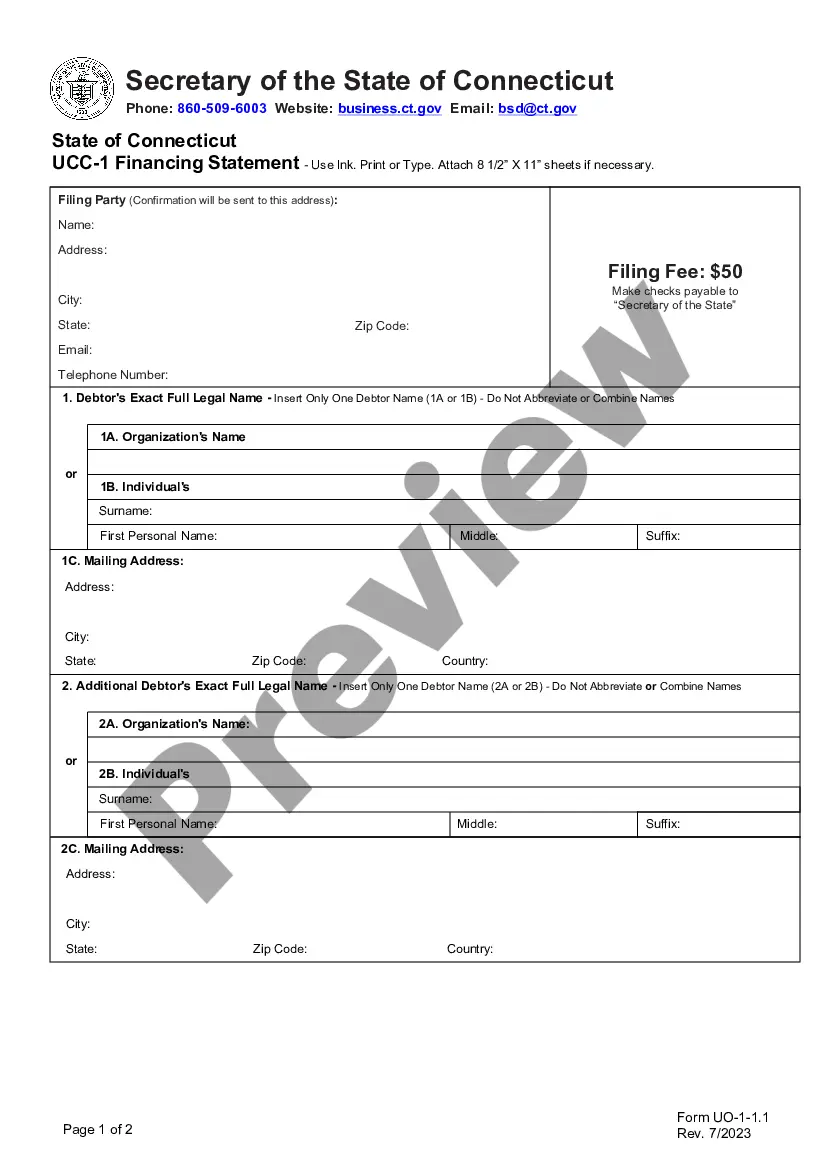
Motion to Avoid Creditor's Lien
About this form
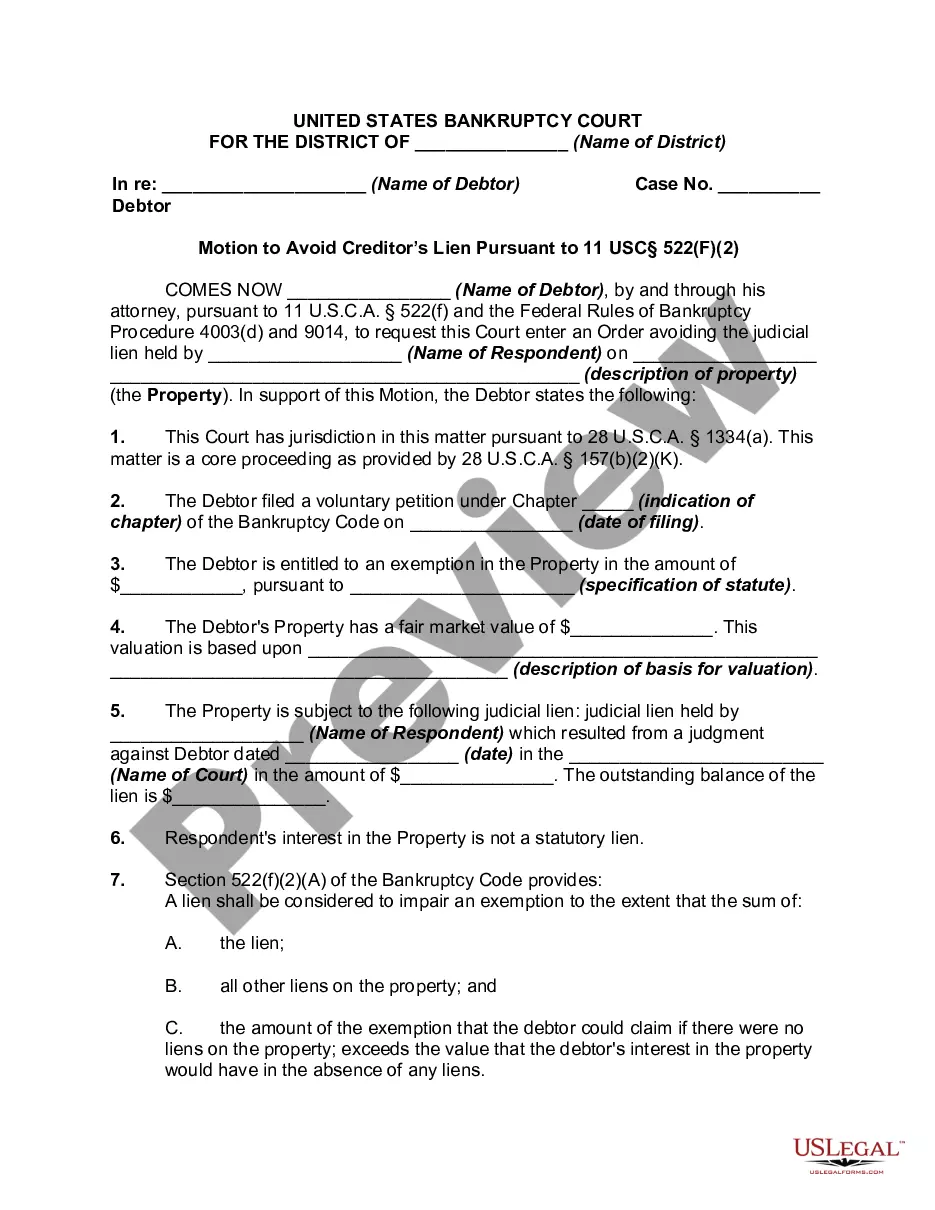
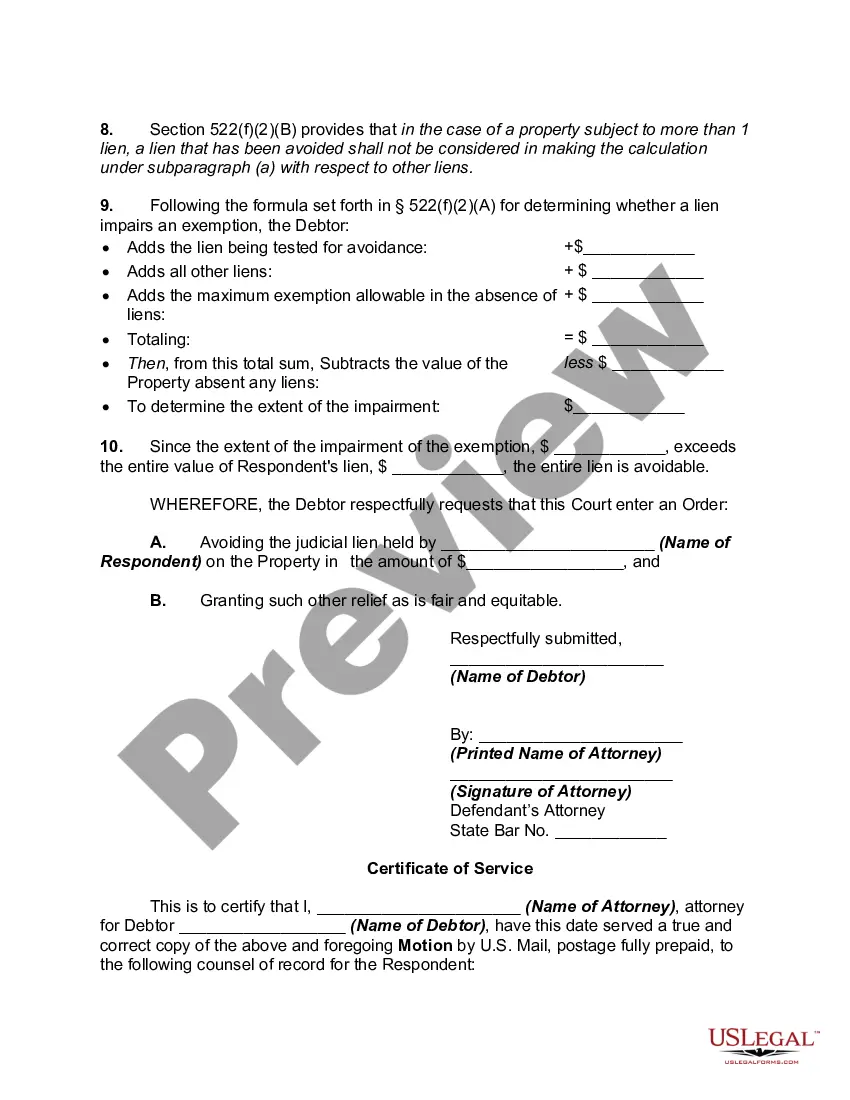
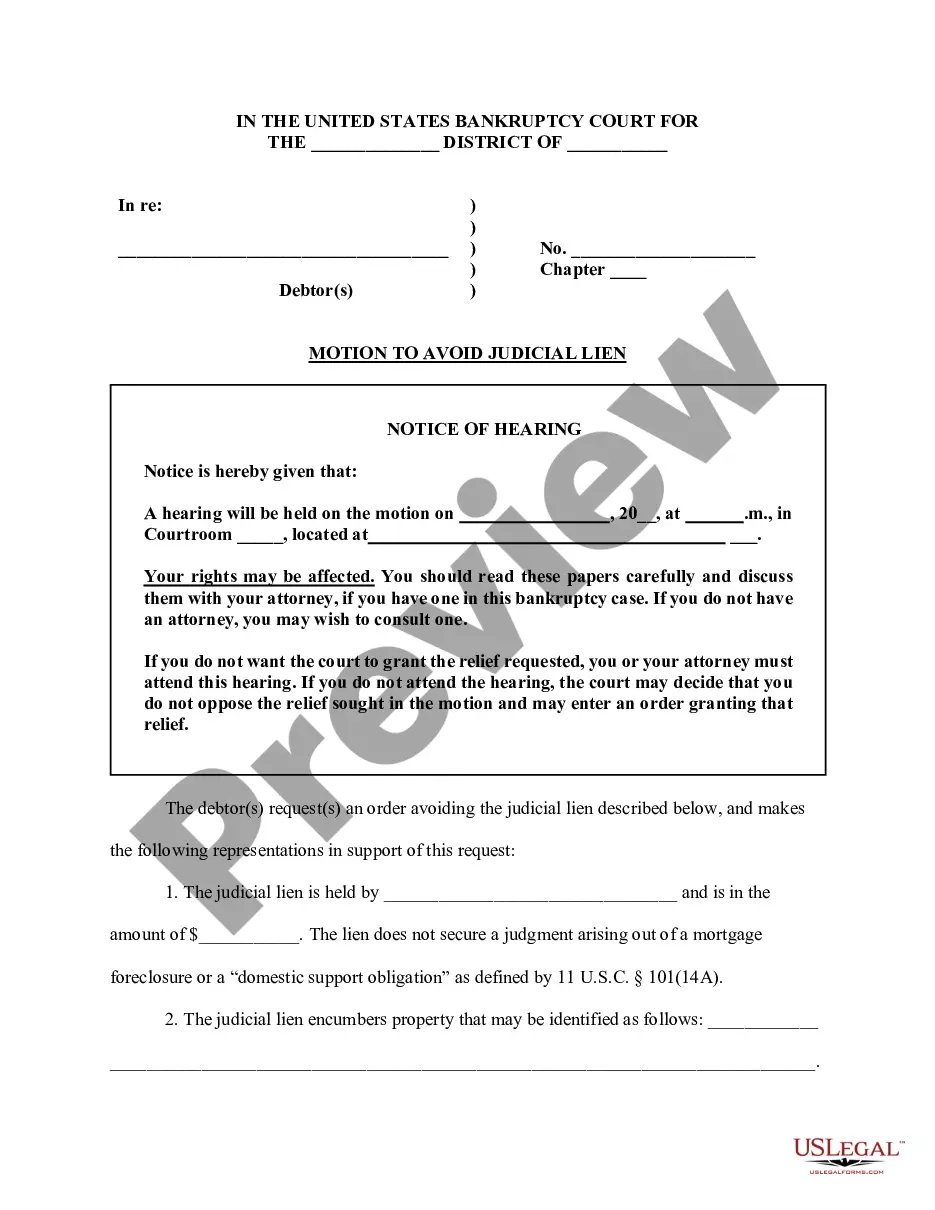
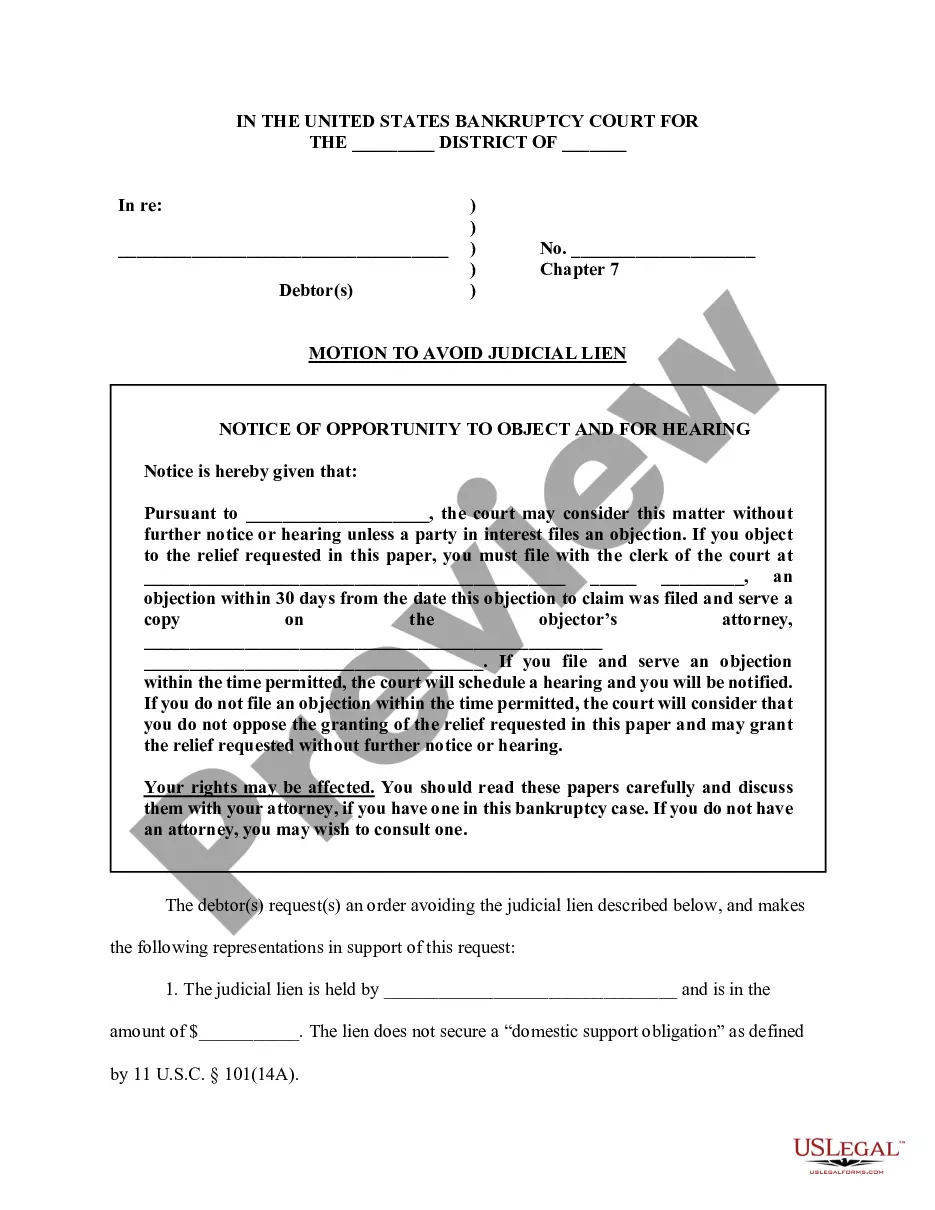
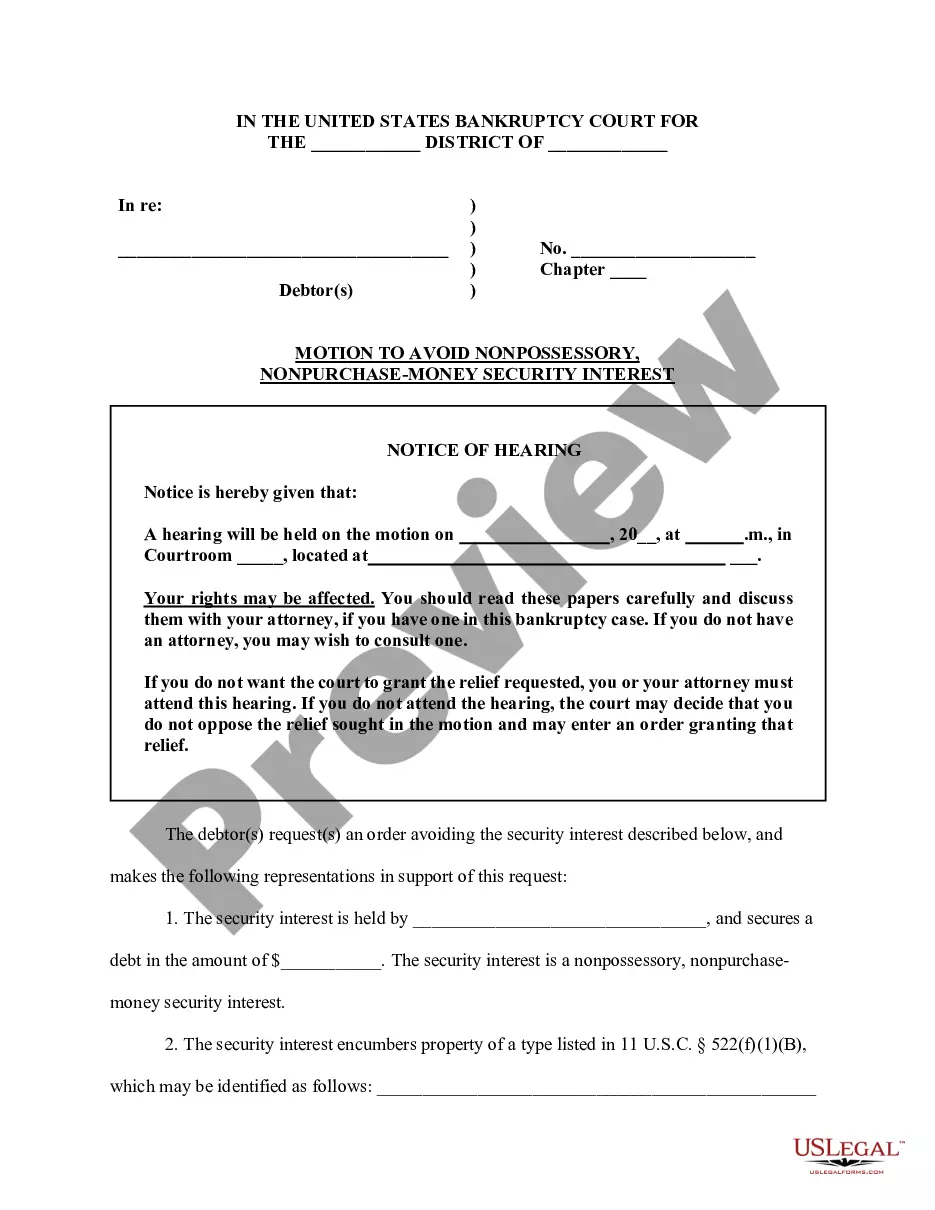
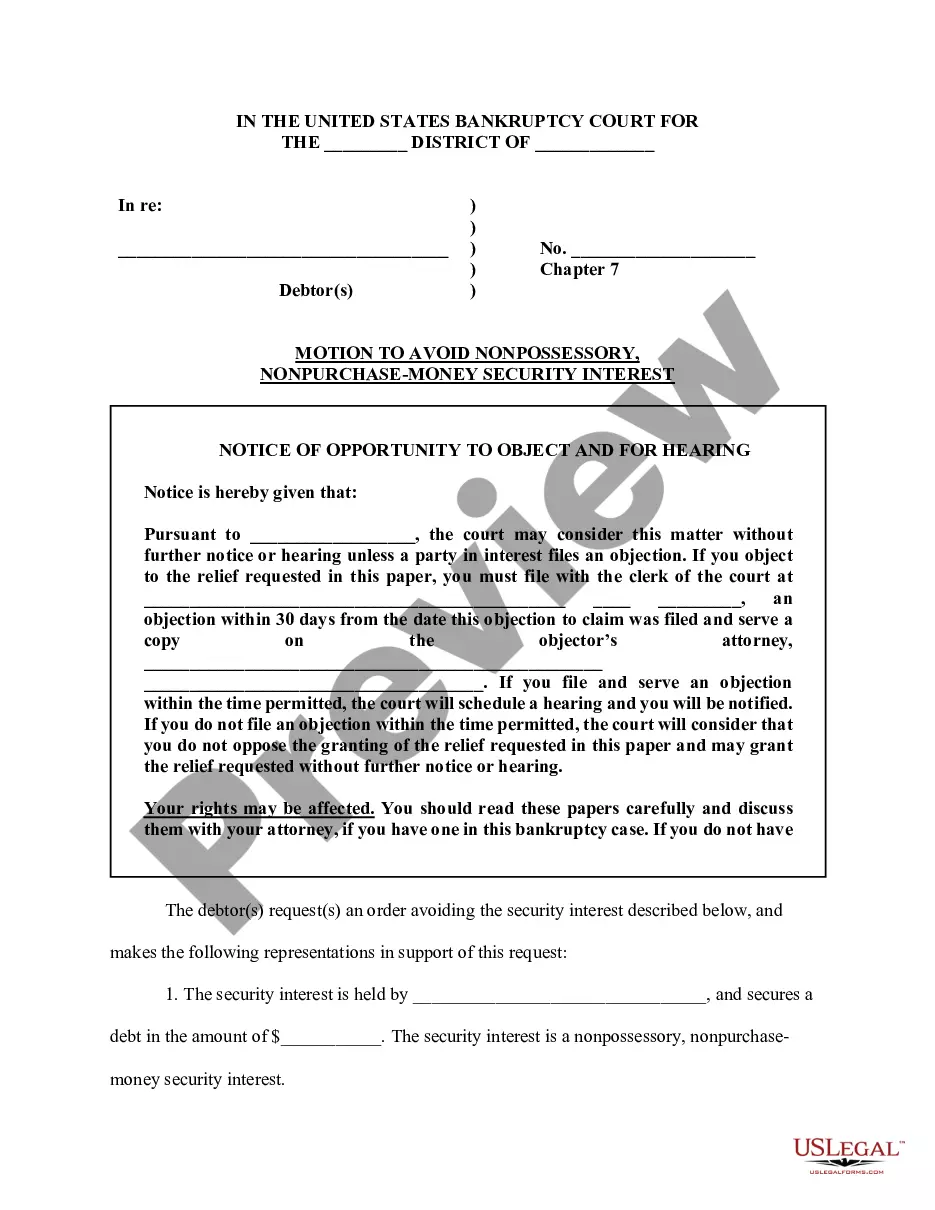
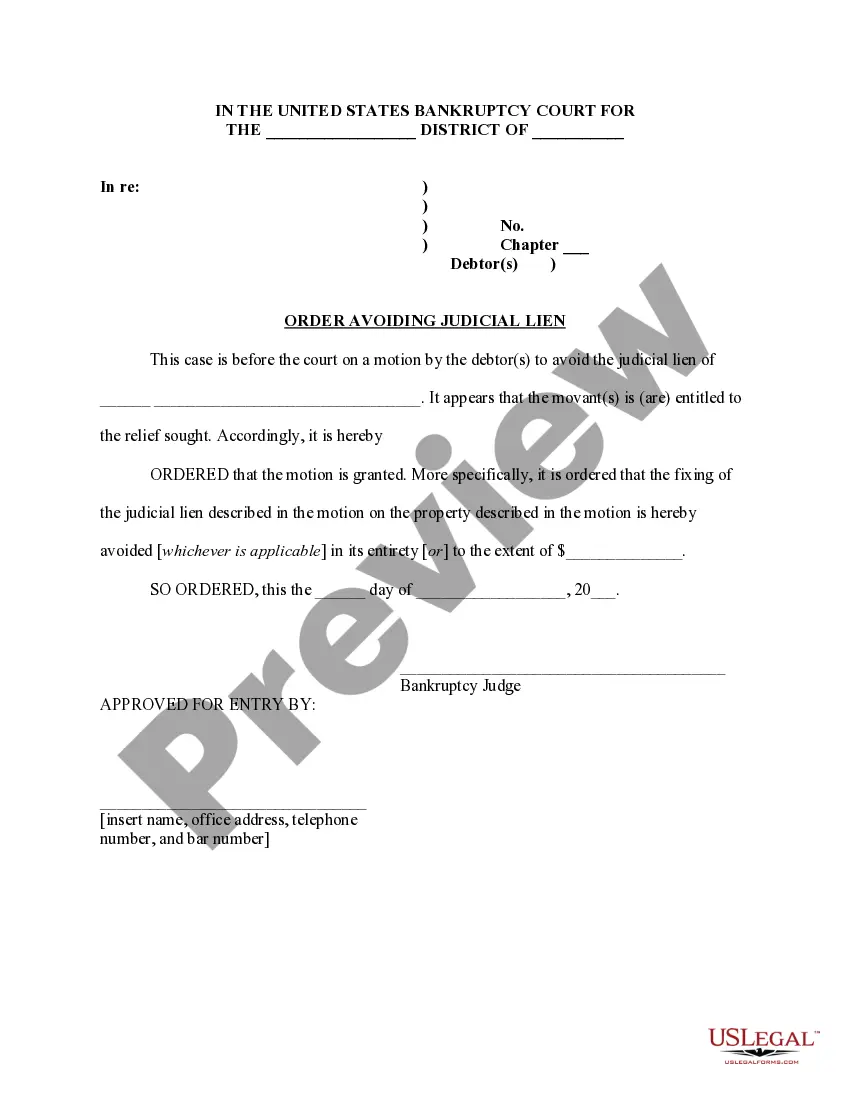
A Motion to Avoid Creditor's Lien is a legal document filed in bankruptcy court to request the removal of a judicial lien imposed by a creditor on a debtor's property. This type of motion is essential for individuals looking to protect their exempt property from being seized due to unpaid debts. It allows debtors to assert their rights under the Bankruptcy Code, specifically 11 U.S.C. § 522, and can provide relief in both Chapter 7 and Chapter 13 bankruptcy proceedings.
Form components explained
- Name of District and Debtor
- Case Number
- Details of the property subject to the lien
- Legal basis for the motion (11 U.S.C.A. § 522(f))
- Jurisdictional statements
- Valuation of the property and outstanding lien amount
- Request for an order to avoid the lien
When to use this document
This form is used when a debtor in bankruptcy wishes to eliminate a judicial lien that is impairing their ability to keep exempt property. It is particularly relevant in situations where the lien exceeds the value of exemptions allowable under bankruptcy law, thus threatening the debtor's financial stability and asset protection.
Who can use this document
- Individuals filing for Chapter 7 or Chapter 13 bankruptcy.
- Debtors who have been subjected to judicial liens due to unpaid debts.
- Those seeking to protect their exempt property from creditors.
- Legal representatives who are assisting clients with bankruptcy proceedings.
Instructions for completing this form
- Identify the debtor and the district where the case is filed.
- Enter the case number and specific details of the property affected by the lien.
- Provide valuation data for the property, including its fair market value.
- Detail the history of the judicial lien, including relevant dates and amounts.
- Complete the calculations to determine if the lien impairs the exemptions.
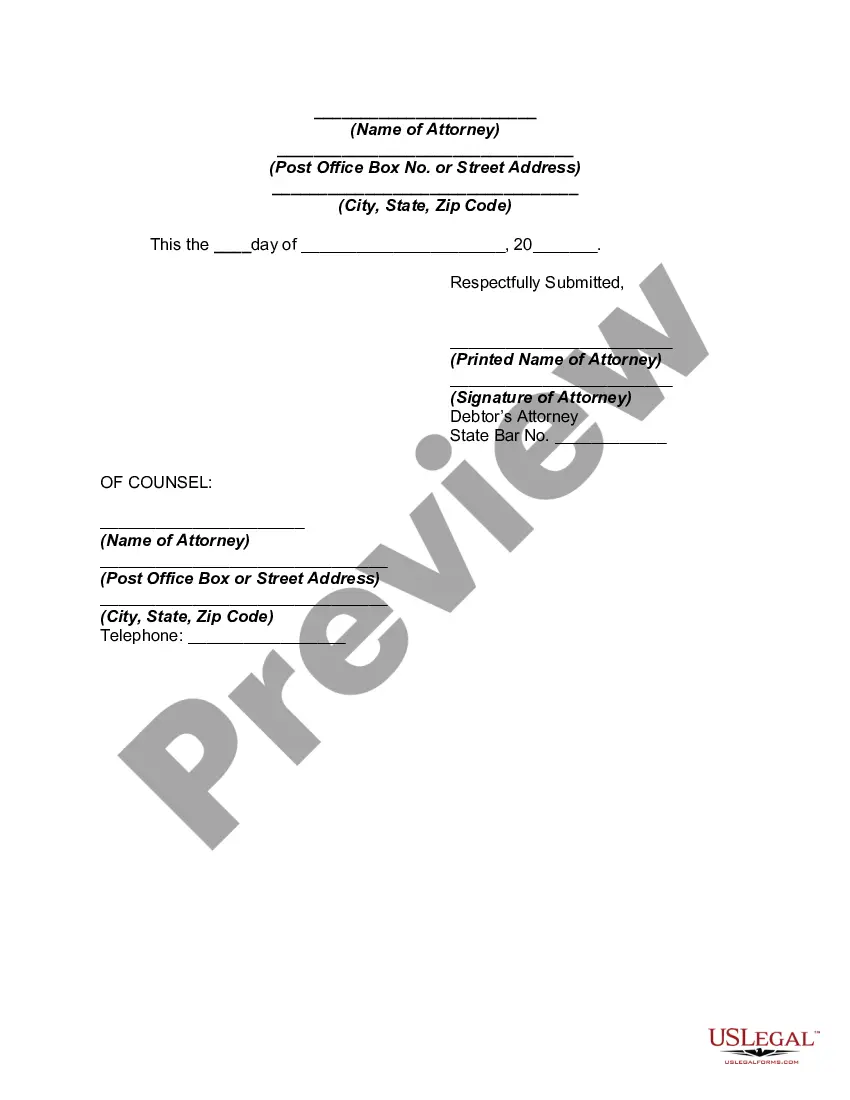
- Sign the motion and provide necessary service information for respondents.
Notarization guidance
This form does not typically require notarization unless specified by local law, making it easier to complete and file without additional steps.
Get your form ready online
Our built-in tools help you complete, sign, share, and store your documents in one place.
Make edits, fill in missing information, and update formatting in US Legal Forms—just like you would in MS Word.
Download a copy, print it, send it by email, or mail it via USPS—whatever works best for your next step.
Sign and collect signatures with our SignNow integration. Send to multiple recipients, set reminders, and more. Go Premium to unlock E-Sign.
If this form requires notarization, complete it online through a secure video call—no need to meet a notary in person or wait for an appointment.
We protect your documents and personal data by following strict security and privacy standards.

Make edits, fill in missing information, and update formatting in US Legal Forms—just like you would in MS Word.

Download a copy, print it, send it by email, or mail it via USPS—whatever works best for your next step.

Sign and collect signatures with our SignNow integration. Send to multiple recipients, set reminders, and more. Go Premium to unlock E-Sign.

If this form requires notarization, complete it online through a secure video call—no need to meet a notary in person or wait for an appointment.

We protect your documents and personal data by following strict security and privacy standards.
Common mistakes to avoid
- Failing to include the correct information about the lien and the property.
- Not calculating the exemption impairment correctly, which may weaken the case.
- Submitting the motion past the deadline set by the bankruptcy court.
- Neglecting to serve the motion to all parties involved.
Advantages of online completion
- Convenience of accessing legal templates from anywhere, at any time.
- Editability allows users to tailor the document to their specific circumstances.
- Reliable formatting consistent with current legal standards.
- Instant availability eliminates the need to wait for mailing or in-person appointments.
Legal use & context
- This form is used under the jurisdiction of bankruptcy courts to seek relief from judicial liens.
- Filing this motion can help protect a debtor's exempt property from seizure.
- Debtors should ensure that all claims made in the form are supported by relevant legal statutes and evidence to avoid delays or denials in court.
Looking for another form?





Form popularity
FAQ
In order to vacate a judgment in California, You must file a motion with the court asking the judge to vacate or set aside the judgment. Among other things, you must tell the judge why you did not respond to the lawsuit (this can be done by written declaration).
If your attorney is aware of the judicial lien(s) and you do not have any non-exempt equity in property to secure the liens, your attorney can file a motion to avoid a judicial lien to prevent the judicial lien from affecting you in the future after the debt was discharge in your bankruptcy.
Once a judgment is paid, whether in installments or a lump sum, a judgment creditor (the person who won the case) must acknowledge that the judgment has been paid by filing a Satisfaction of Judgment form with the court clerk.
Judgments are no longer factored into credit scores, though they are still public record and can still impact your ability to qualify for credit or loans.You should pay legitimate judgments and dispute inaccurate judgments to ensure these do not affect your finances unduly.
Make sure the debt the lien represents is valid. Pay off the debt. Fill out a release-of-lien form. Have the lien holder sign the release-of-lien form in front of a notary. File the lien release form. Ask for a lien waiver, if appropriate. Keep a copy.
Contact the creditor that filed the lien. Make payment arrangements if you cannot pay in full. Pay the lien amount in full or as agreed. Request a satisfaction of lien. File the satisfaction of lien if mailed to you. Consult a bankruptcy attorney.
If the judgment creditor does not immediately file an Acknowledgement of Satisfaction of Judgment (EJ-100) when the judgment is satisfied, the judgment debtor may make a formal written demand for the creditor to do so. The judgment creditor has 15 days after receiving the debtor's request to serve the acknowledgement.
There are a few ways you can satisfy or avoid a lien altogether. The firstand most obviousoption is to repay the debt. If you pay off your obligation, the creditor will remove the lien. This is done by filing a release through the same place the lien was recordedthe county or state.
To remove a lien you have to pay the judgment and get the judgment creditor to complete a notarized Acknowledgment of Satisfaction of Judgment (EJ-100). Either party can eFile the form to the court. Then the judgment creditor or you have to record a certified copy of this form in the county where the property is.