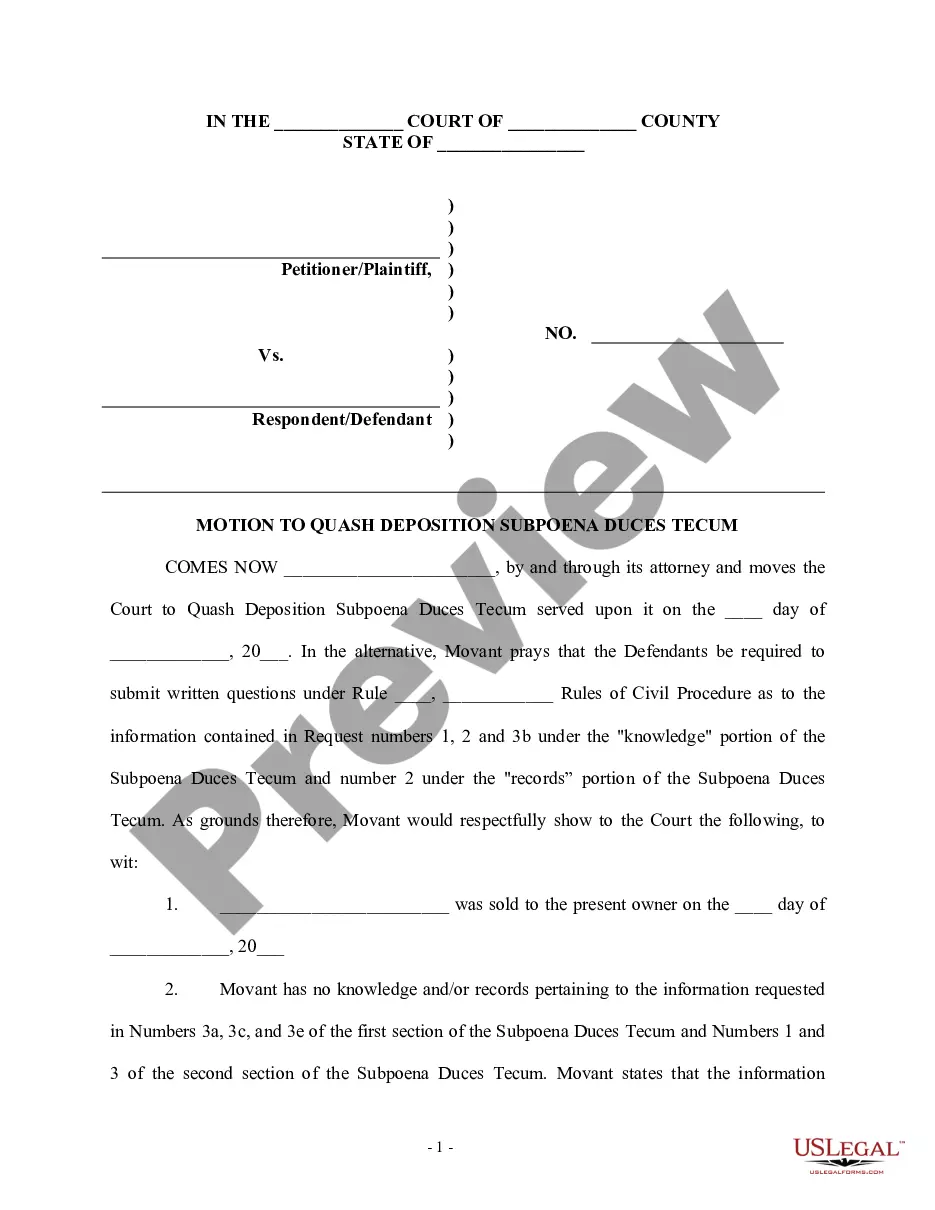
Motion to Vacate Judgment, Quash Subpoena Duces Tecum, Dismiss Writ of Garnishment, and for Leave to File an Answer to Complaint
About this form
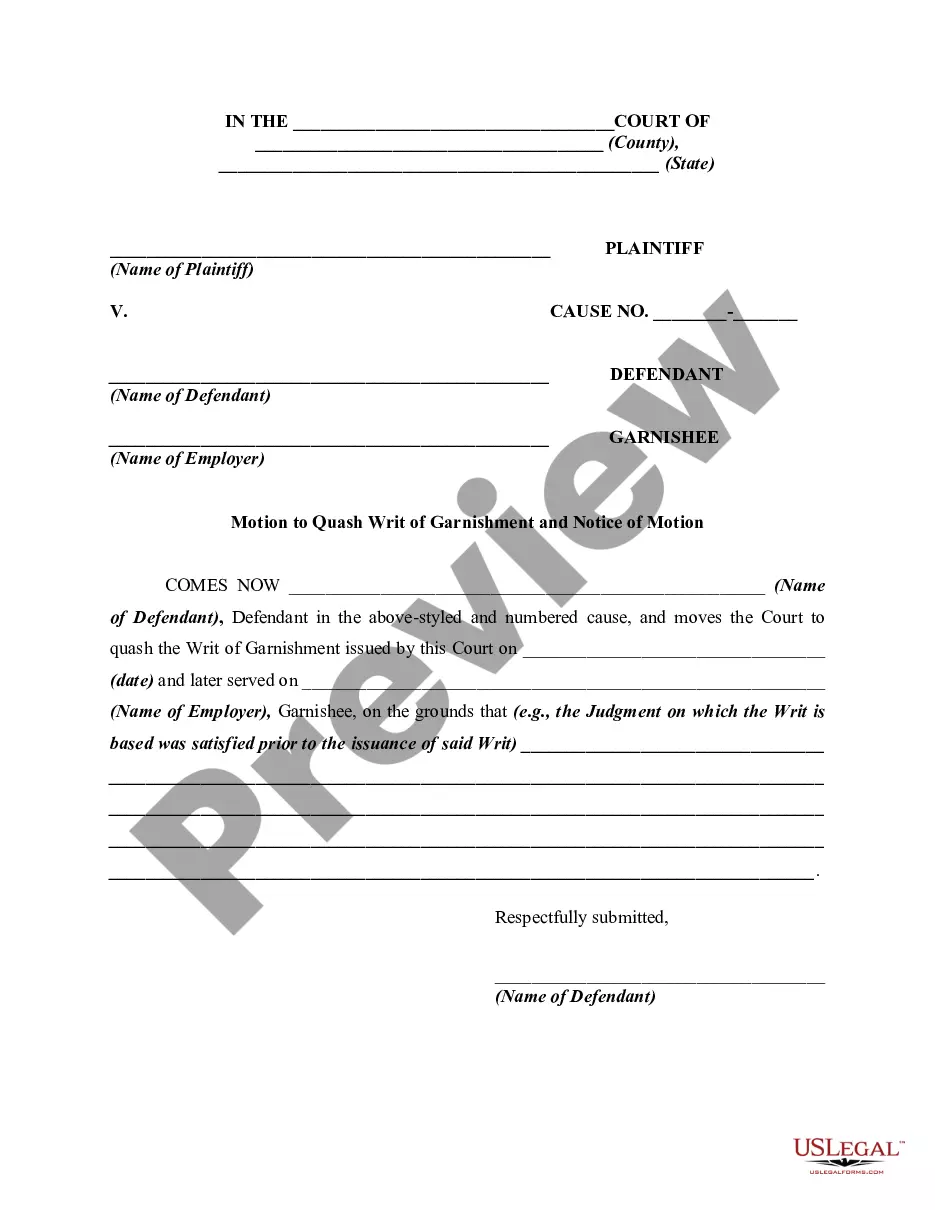
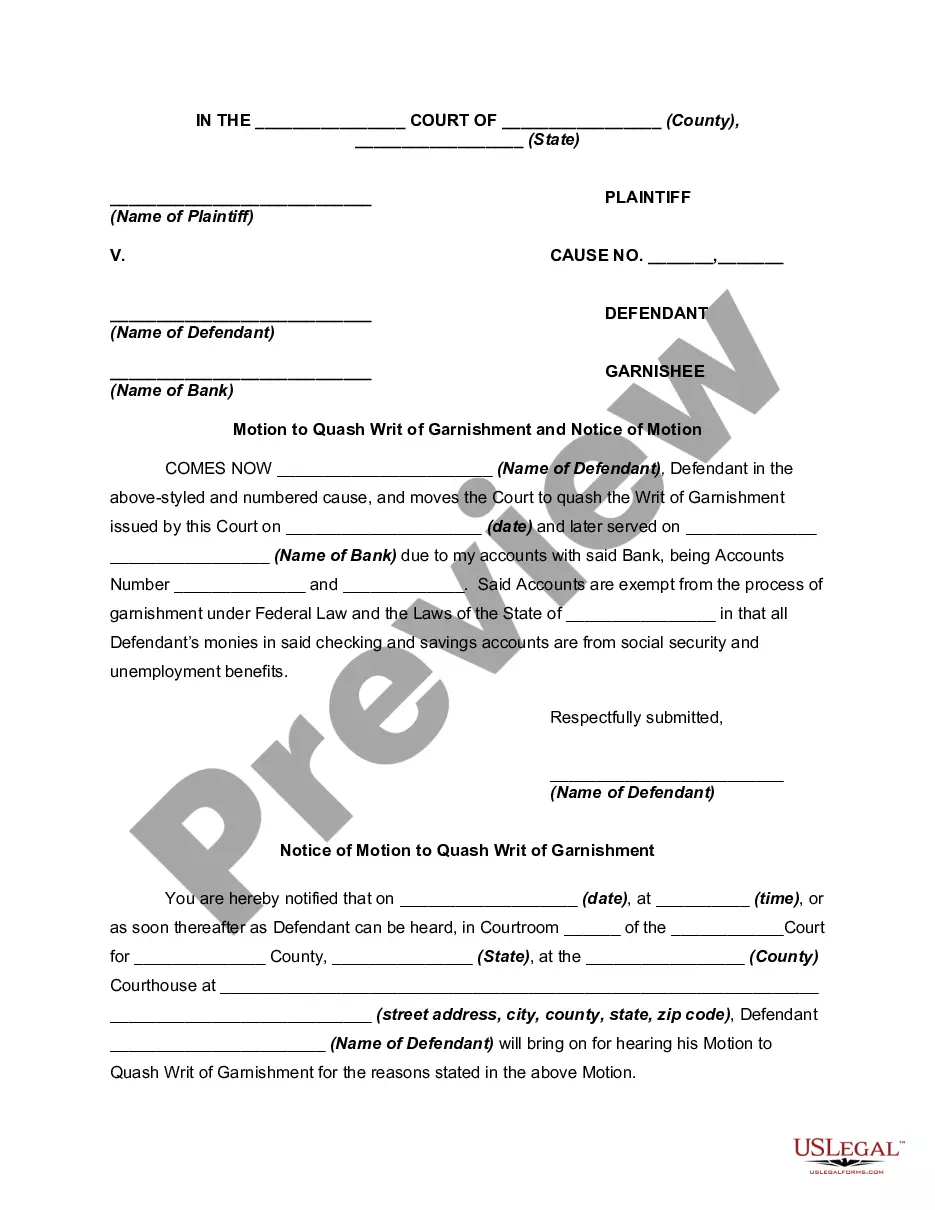
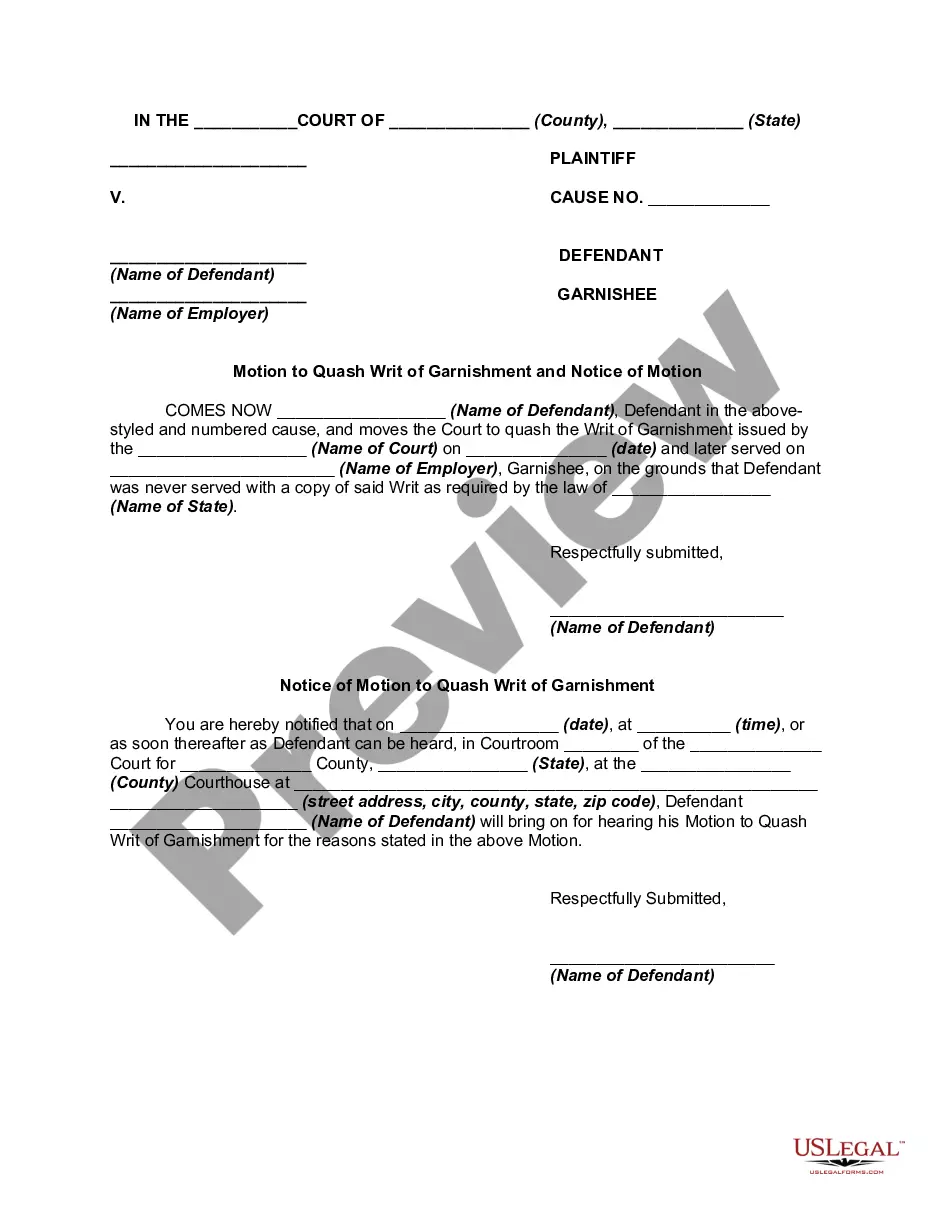
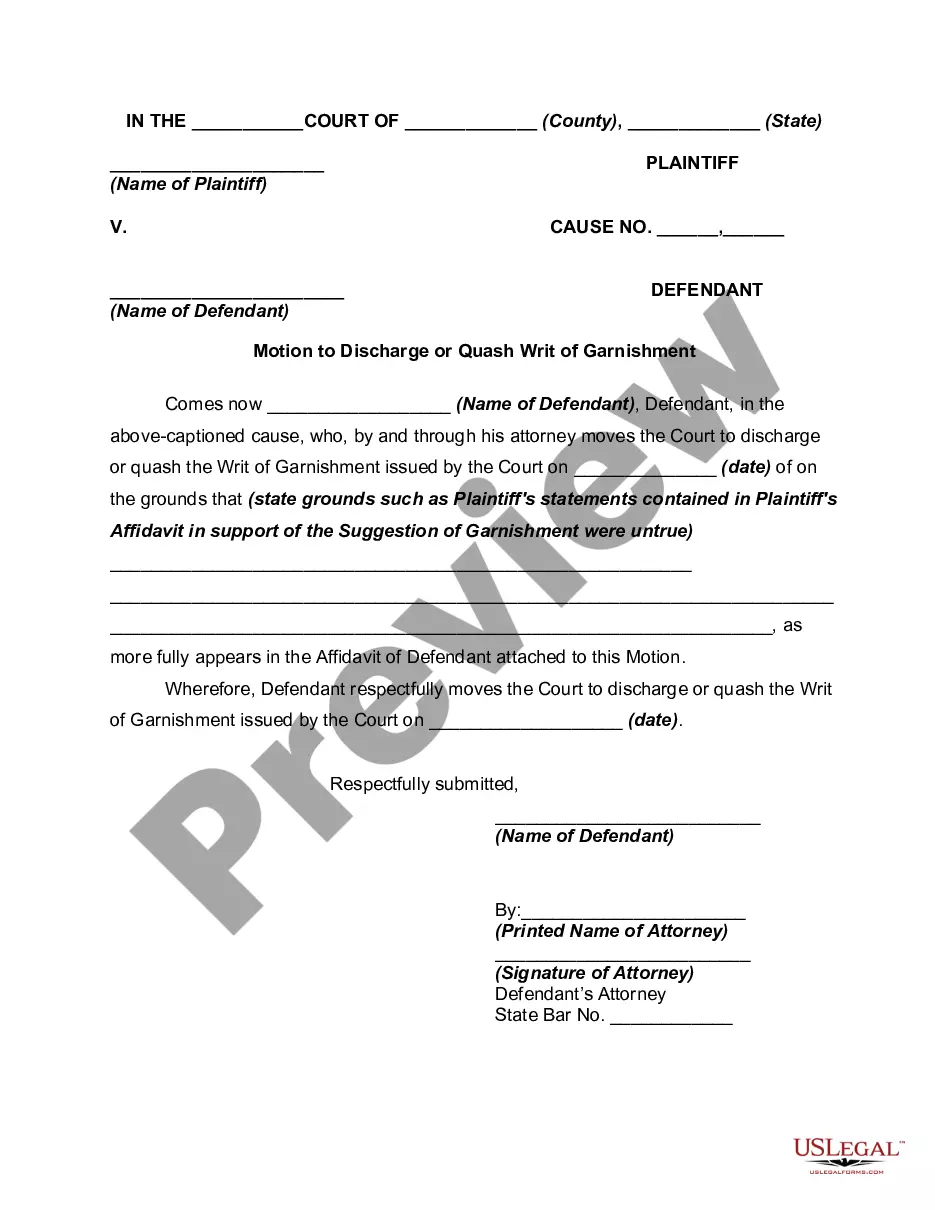
The Motion to Vacate Judgment, Quash Subpoena Duces Tecum, Dismiss Writ of Garnishment, and for Leave to File an Answer to Complaint is a legal document used to request a court to overturn a default judgment against a defendant. This motion allows the defendant to seek relief from various legal actions, including subpoenas and garnishments, that may have been initiated as a result of the default judgment. This form is essential for individuals who were unable to respond to a lawsuit due to legitimate reasons, allowing them to defend against the complaint on its merits.
Main sections of this form
- Identification of parties involved (plaintiff and defendant)
- Details of the court and case number
- Grounds for the motion, including reasons for failure to file a timely answer
- Accompanying affidavits and answers that support the defendant's case
- Certificate of service confirming notice to other parties
- Hearing details for the motion
When this form is needed
This form should be used when a defendant has missed the deadline to respond to a lawsuit and a default judgment has been entered against them. It is particularly relevant when the defendant believes that their failure to respond was due to excusable neglect or a misunderstanding, and when they have a valid defense against the plaintiff's claims. Additionally, use this form if the defendant wants to challenge any subpoenas or garnishments that are a result of the default judgment.
Who should use this form
This form is suitable for:
- Individuals who have a default judgment entered against them in a civil case
- Defendants who wish to contest subpoenas related to the judgment
- Anyone who needs to address a writ of garnishment due to non-response
- Parties seeking to file a formal answer to a complaint after missing the deadline
Completing this form step by step
- Identify yourself as the defendant and include your contact information.
- Fill in the details regarding the plaintiff and the case, including names and dates.
- State the specific grounds for your motion clearly and concisely.
- Attach any supporting documents, such as an affidavit or your proposed answer to the complaint.
- Sign the form and ensure it is properly dated.
- Serve a copy to the plaintiff's counsel, if applicable, and retain proof of service.
Does this document require notarization?
This form does not typically require notarization unless specified by local law. However, ensure that all necessary signatures are present before filing to avoid delays.
Get your form ready online
Our built-in tools help you complete, sign, share, and store your documents in one place.
Make edits, fill in missing information, and update formatting in US Legal Forms—just like you would in MS Word.
Download a copy, print it, send it by email, or mail it via USPS—whatever works best for your next step.
Sign and collect signatures with our SignNow integration. Send to multiple recipients, set reminders, and more. Go Premium to unlock E-Sign.
If this form requires notarization, complete it online through a secure video call—no need to meet a notary in person or wait for an appointment.
We protect your documents and personal data by following strict security and privacy standards.

Make edits, fill in missing information, and update formatting in US Legal Forms—just like you would in MS Word.

Download a copy, print it, send it by email, or mail it via USPS—whatever works best for your next step.

Sign and collect signatures with our SignNow integration. Send to multiple recipients, set reminders, and more. Go Premium to unlock E-Sign.

If this form requires notarization, complete it online through a secure video call—no need to meet a notary in person or wait for an appointment.

We protect your documents and personal data by following strict security and privacy standards.
Common mistakes
- Failing to attach necessary supporting documents.
- Not providing copies to all parties involved, which can delay the process.
- Using incorrect dates or information in the motion.
- Neglecting to file the motion before the court within the required timeframe.
Benefits of completing this form online
- Convenient access to the form from anywhere, anytime.
- Editable templates to tailor the document to your needs.
- Instant downloads that allow for quick filing and response.
- This motion is legally enforceable when filed correctly and within the appropriate timeframe.
- The court may grant or deny the motion based on the merits and circumstances surrounding the default.
- Consult with a legal professional for guidance on the potential consequences of filing this motion.
Key takeaways
- The motion seeks to overturn a default judgment for filing an answer to a complaint.
- It's crucial to demonstrate valid reasons for missing the original deadline.
- The form is designed to help individuals assert their rights in court effectively.
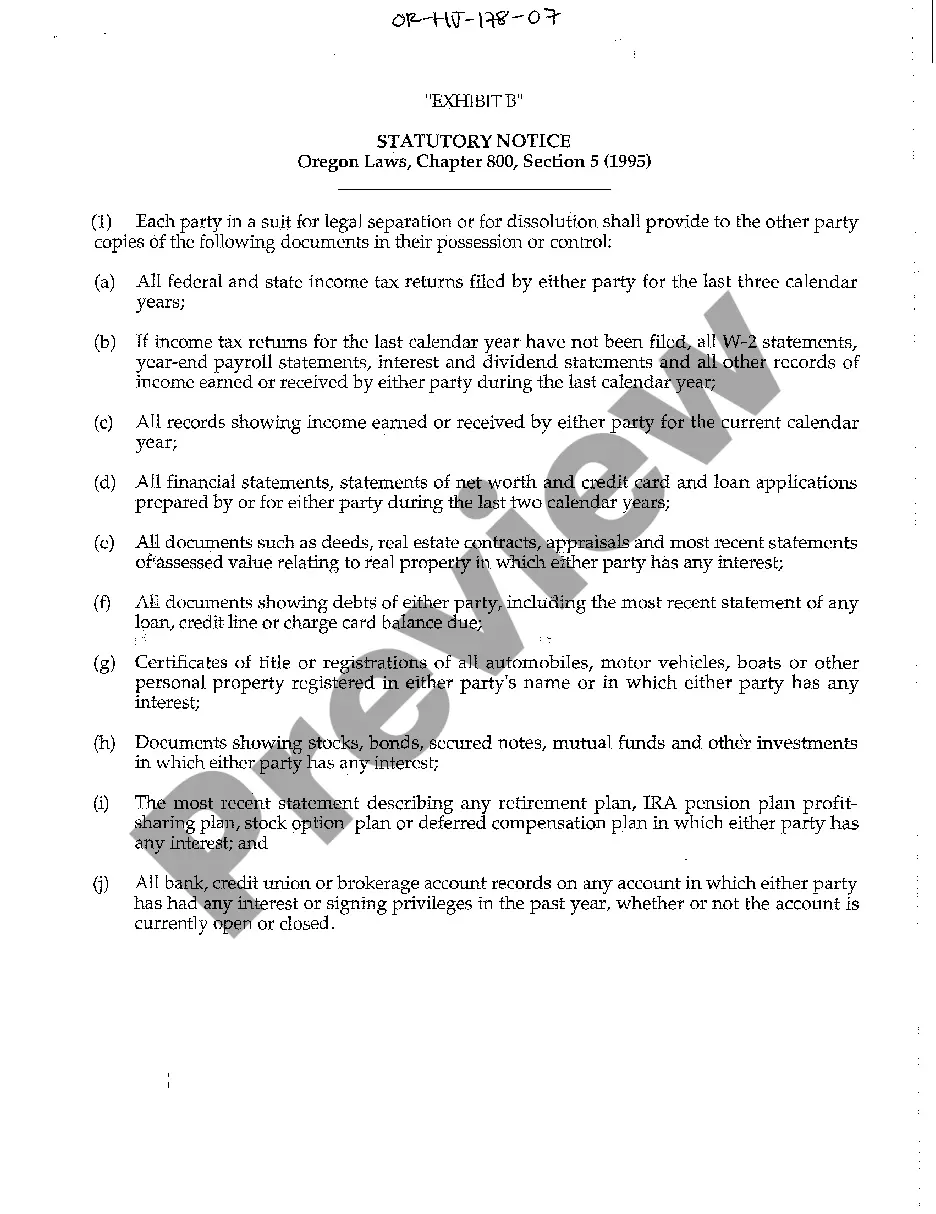
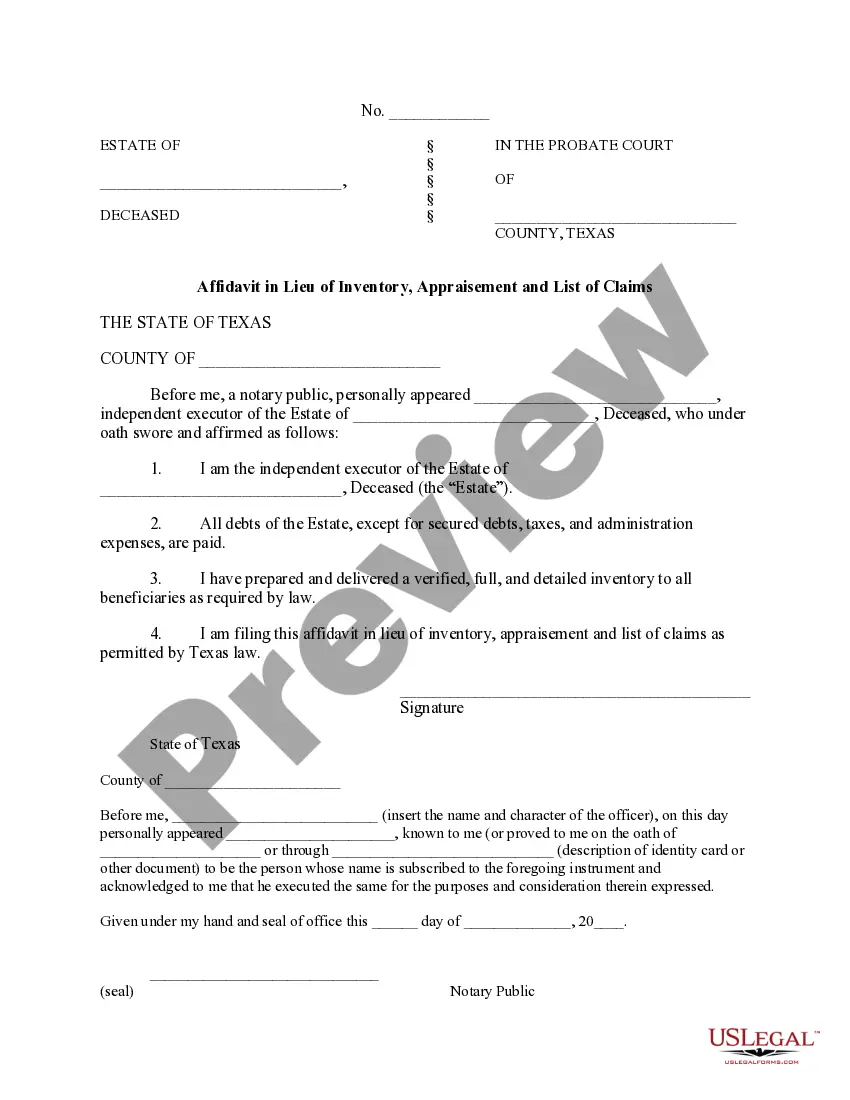
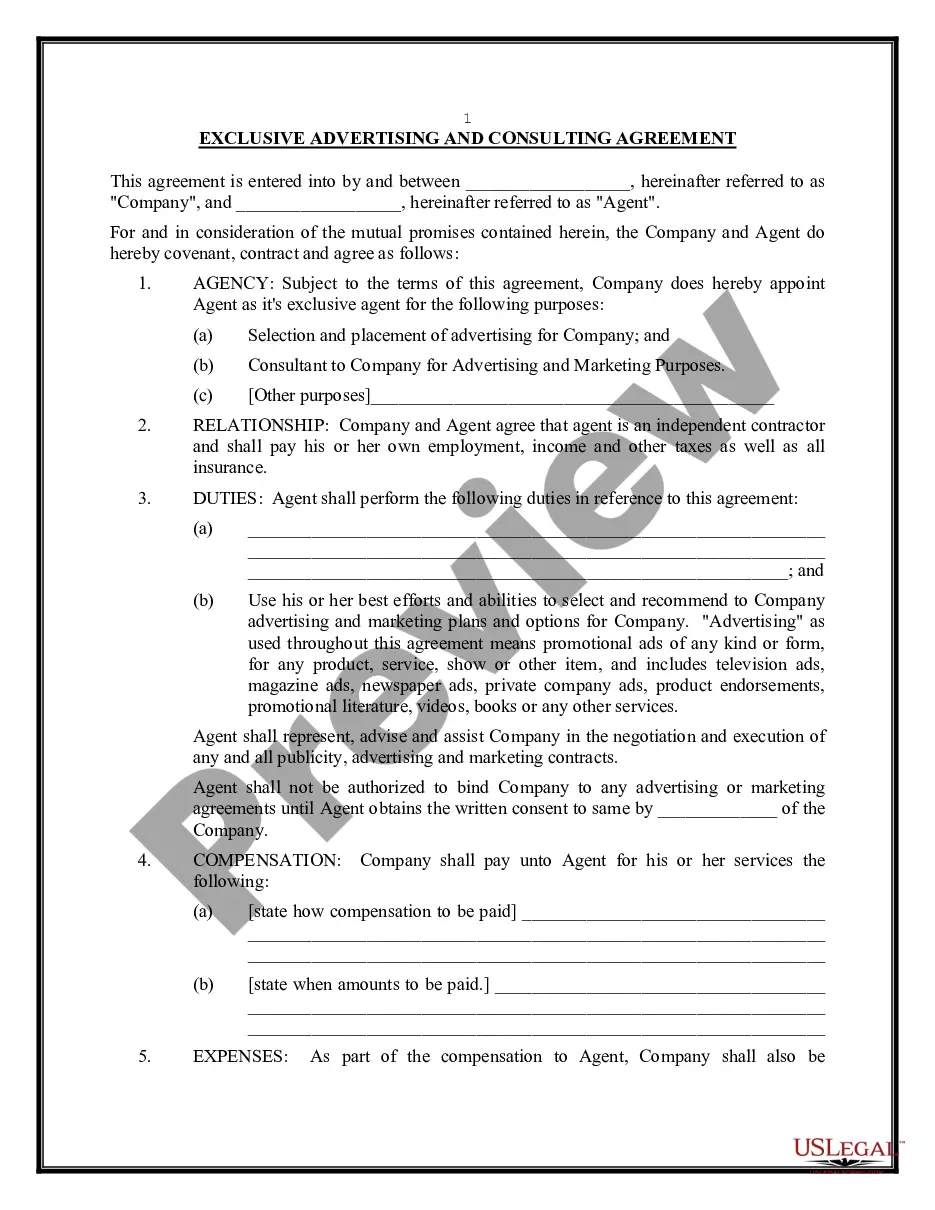
Looking for another form?


Form popularity
FAQ
Under Level 2 discovery, each side is only allowed 25 written interrogatories that ask more than identifying information about a document. Additionally, the responding party may respond by telling the other side where the information can be found in public records instead of answering the question directly.
A motion to quash is a request to a court or other tribunal to render a previous decision or proceeding null or invalid.In some cases, motions to quash are requests to nullify a decision made by the same or a lower court. It can arise out of mistakes made by any lawyer or court officer.
Rule 306a. Date of Judgment or Order (1981) Rule 306a. Date of Judgment or Order (1981) Judges, attorneys and clerks are directed to use their best efforts to cause all judgments, decisions, and orders of any kind to be reduced to writing and signed by the trial judge with the date of signing stated therein.
Generally, however, a defendant must file a motion to dismiss before filing an "answer" to the complaint. If the motion to dismiss is denied, the defendant must still file their answer, usually within a shortened amount of time.The motion to dismiss must be filed with the court and served on the other party.
After the motion to quash is filed, the court will review the case and make its determination. For example, if the judge grants a motion to quash service, then the service on the defendant would be considered void. A motion to quash that is approved would also invalidate any applicable decisions from a lower court.
A motion to quash must be based on valid grounds.If the court grants the motion, it may quash the subpoena entirely, modify it, or order that you comply with it on specified conditions. If the court denies the motion, you will usually have to comply with it as written.
Prepare before the deposition: Review any relevant discovery information already provided. Keep responses short, precise, and truthful: The witness should avoid rambling and being over-inclusive in responses. Think before responding: It is a good idea to pause and think before responding.
A motion to quash, by itself, does not stop the deposition. You will have to get the hearing advanced to a date before the deposition date.
Every case filed in Texas state court requires the plaintiff to choose a discovery plan: Level One, which applies only for cases where the plaintiff seeks less than $100,000 in damages; Level Two, which applies by default to all other cases and has its own specific set of deadlines; and Level Three, which allows the