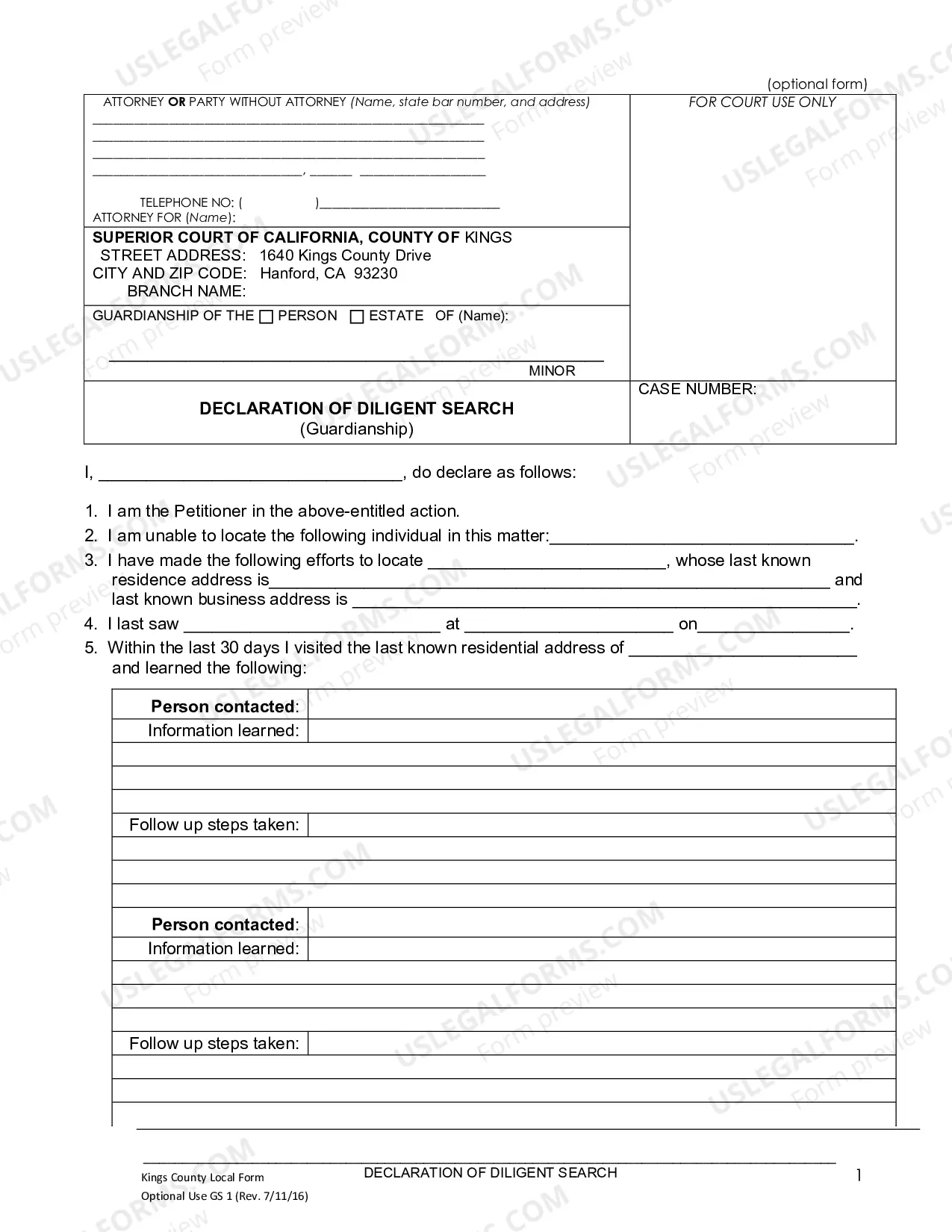
Sample Letter for Lien Notice
About this form
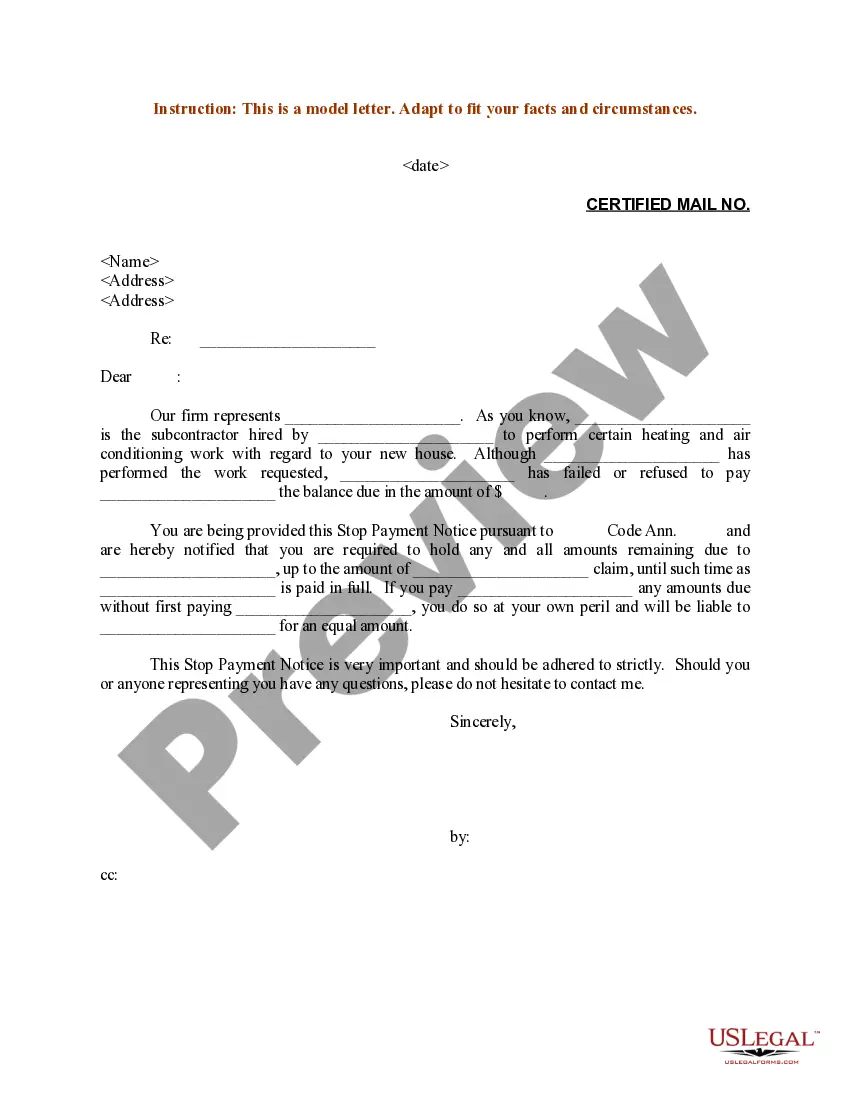
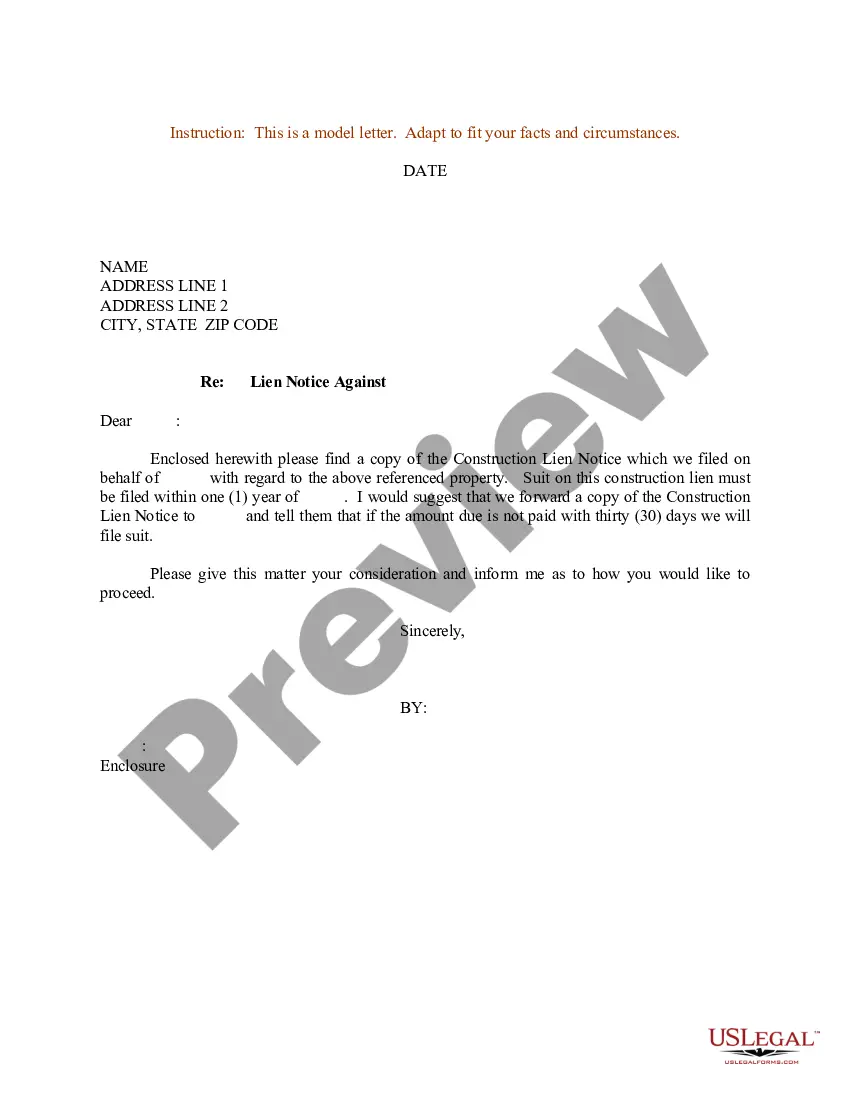
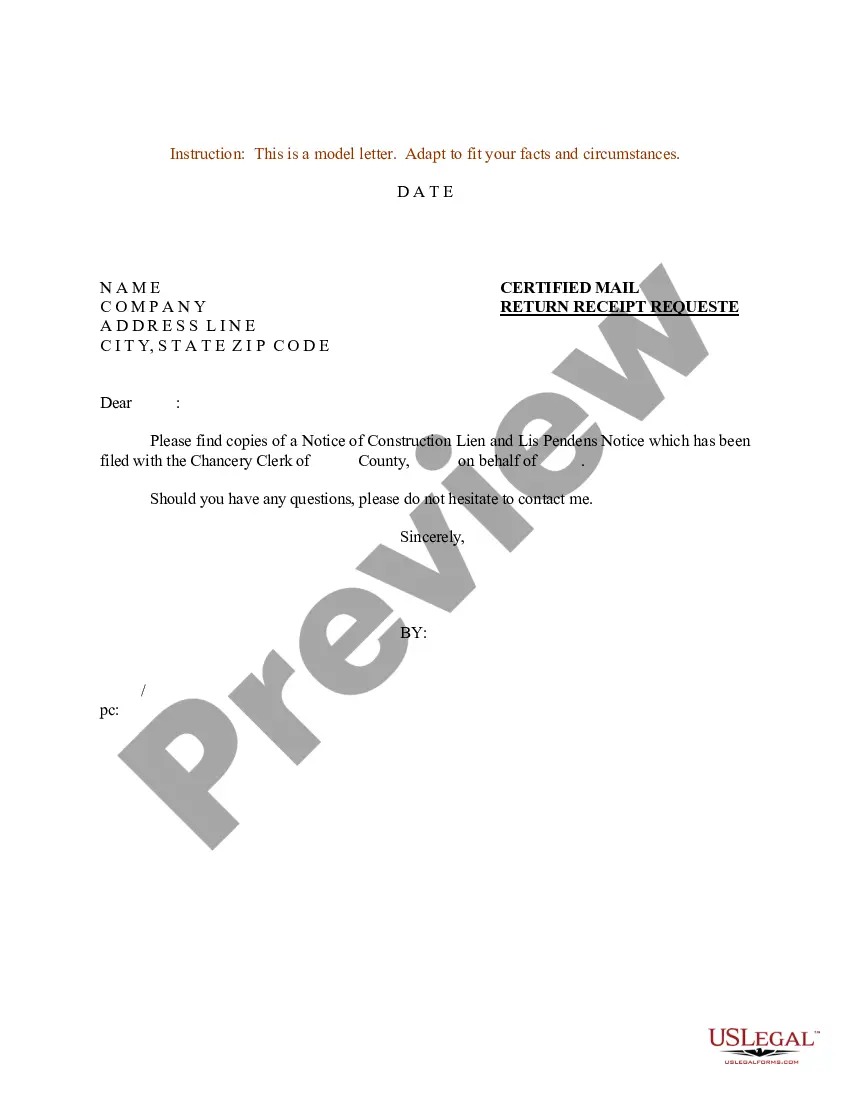
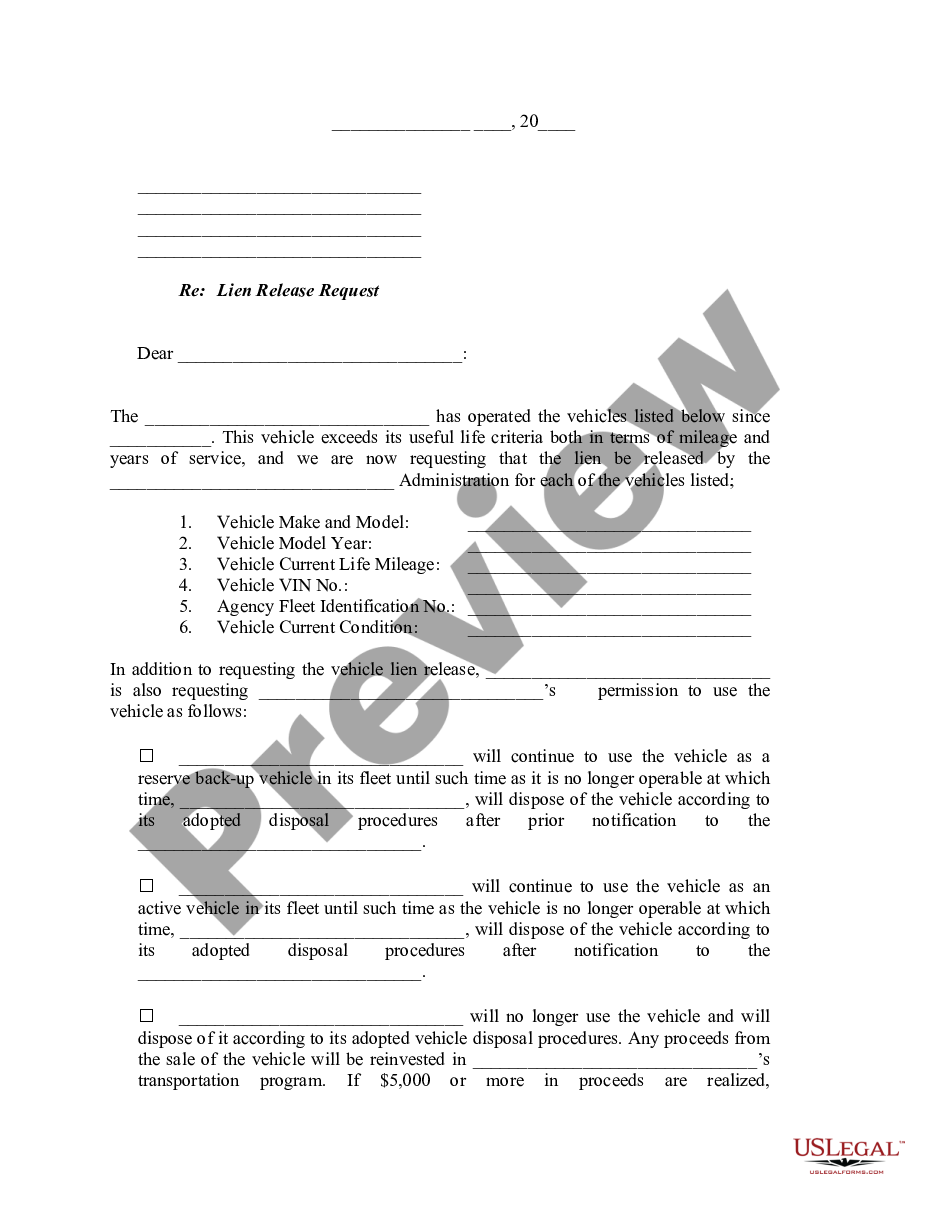
The Sample Letter for Lien Notice is a legal document used to formally inform a property owner of an unpaid debt that may result in a lien against their property. This form serves as a notice to ensure that the debtor is aware of their obligation and the potential consequences if the debt remains unpaid. Unlike other contracts or agreements, this sample letter specifically focuses on notifying individuals of a claim against their property, emphasizing the importance of communication in resolving unpaid debts.
Key parts of this document
- Identification of the creditor and debtor parties.
- Description of the debt or obligation owed.
- Details about the property potentially subject to the lien.
- Clear statement of the amount due.
- Notification of any actions that may be taken if the debt is not resolved.

When to use this document
This form should be used when a creditor needs to notify a property owner of an outstanding debt that could lead to a lien being placed on the property. It is commonly utilized in situations such as unpaid contractor fees, overdue taxes, or unresolved loans where the creditor has a legal right to claim against the property until the debt is settled.
Intended users of this form
- Creditors seeking to inform a property owner of an unpaid obligation.
- Individuals or businesses that have provided services or goods and are awaiting payment.
- Property owners needing to understand their rights and obligations regarding outstanding debts.
Completing this form step by step
- Clearly identify both the creditor and debtor, including full names and contact details.
- Provide a detailed description of the debt, including the amount owed and the services rendered.
- Outline the property subject to the lien, specifying its address and relevant identifying information.
- State the total amount due and any potential charges that may accrue if not paid.
- Include a deadline for payment to avoid further legal action, if applicable.
Does this form need to be notarized?
Notarization is not commonly needed for this form. However, certain documents or local rules may make it necessary. Our notarization service, powered by Notarize, allows you to finalize it securely online anytime, day or night.
Get your form ready online
Our built-in tools help you complete, sign, share, and store your documents in one place.
Make edits, fill in missing information, and update formatting in US Legal Forms—just like you would in MS Word.
Download a copy, print it, send it by email, or mail it via USPS—whatever works best for your next step.
Sign and collect signatures with our SignNow integration. Send to multiple recipients, set reminders, and more. Go Premium to unlock E-Sign.
If this form requires notarization, complete it online through a secure video call—no need to meet a notary in person or wait for an appointment.
We protect your documents and personal data by following strict security and privacy standards.

Make edits, fill in missing information, and update formatting in US Legal Forms—just like you would in MS Word.

Download a copy, print it, send it by email, or mail it via USPS—whatever works best for your next step.

Sign and collect signatures with our SignNow integration. Send to multiple recipients, set reminders, and more. Go Premium to unlock E-Sign.

If this form requires notarization, complete it online through a secure video call—no need to meet a notary in person or wait for an appointment.

We protect your documents and personal data by following strict security and privacy standards.
Avoid these common issues
- Failing to provide complete and accurate contact information for all parties.
- Omitting vital details about the debt and property.
- Not specifying a clear deadline for payment.
- Ignoring state-specific regulations that govern lien notices.
Advantages of online completion
- Convenience of accessing and downloading the form from anywhere.
- Editable fields allow customization to fit specific needs.
- Reliable templates drafted by licensed attorneys ensure compliance with legal standards.
Looking for another form?
Form popularity
FAQ
The Sample Letter for Lien Notice is a multi-state, standard form used to notify a property owner that an unpaid debt may result in a lien against their property. It identifies the creditor and debtor, describes the debt, details the property that could be liened, states the amount due, and explains actions that may follow if the debt remains unresolved.
A lien request letter is a document used to request a specific action related to a lien, such as initiating or enforcing a lien for unpaid work. The Sample Letter for Lien Notice, by contrast, informs a property owner of an unpaid debt that may lead to a lien and lists essential debt details and potential consequences before any lien is filed.
A lien is a legal claim against real property that secures payment of a debt. For example, a contractor who hasn’t been paid may file a mechanics’ lien against a home. The Sample Letter for Lien Notice is used to inform the property owner about such a debt and the potential lien before it is filed.
The Sample Letter for Lien Notice does not provide a lien release template; it serves as a notice of an unpaid debt that may lead to a lien. If a lien release is needed, use a separate document after the debt is resolved and include confirming statements that the debt has been paid and the lien released.
The Sample Letter for Lien Notice does not address lien releases or processing times. It is a notice of a debt that may lead to a lien. Timelines for a release depend on the creditor, jurisdiction, and actions taken to satisfy the outstanding obligation.
This form specifically functions as a notice letter to inform a property owner of an unpaid debt that may lead to a lien, listing the creditor and debtor, the debt description, the property involved, the amount due, and potential steps if not resolved. Unlike a formal lien filing or lien release letter, it does not attach or release a lien.