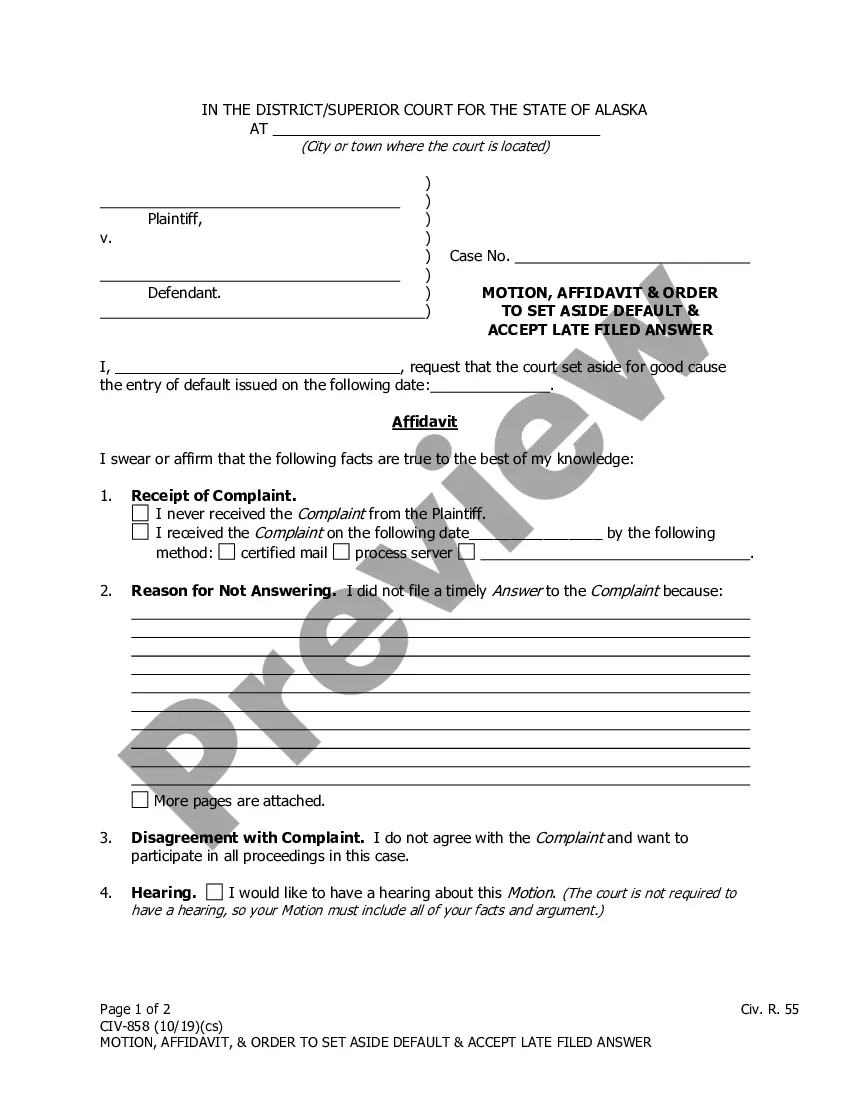
Sample Letter for Tax Deeds
Understanding this form
The Sample Letter for Tax Deeds is a customizable document designed to communicate essential information regarding tax deeds. This form helps individuals understand their rights and responsibilities when a property is sold due to unpaid taxes. Unlike other legal forms related to real estate transactions, this letter specifically addresses the nuances of tax deeds, making it easier for users to manage potential issues with tax liens or sales.
What’s included in this form
- Introduction stating the purpose of the letter.
- Details about the property, including its location and tax status.
- Information on the parties involved in the transaction.
- Request for clarification or resolution regarding the tax deed.
- A closing statement inviting further communication.
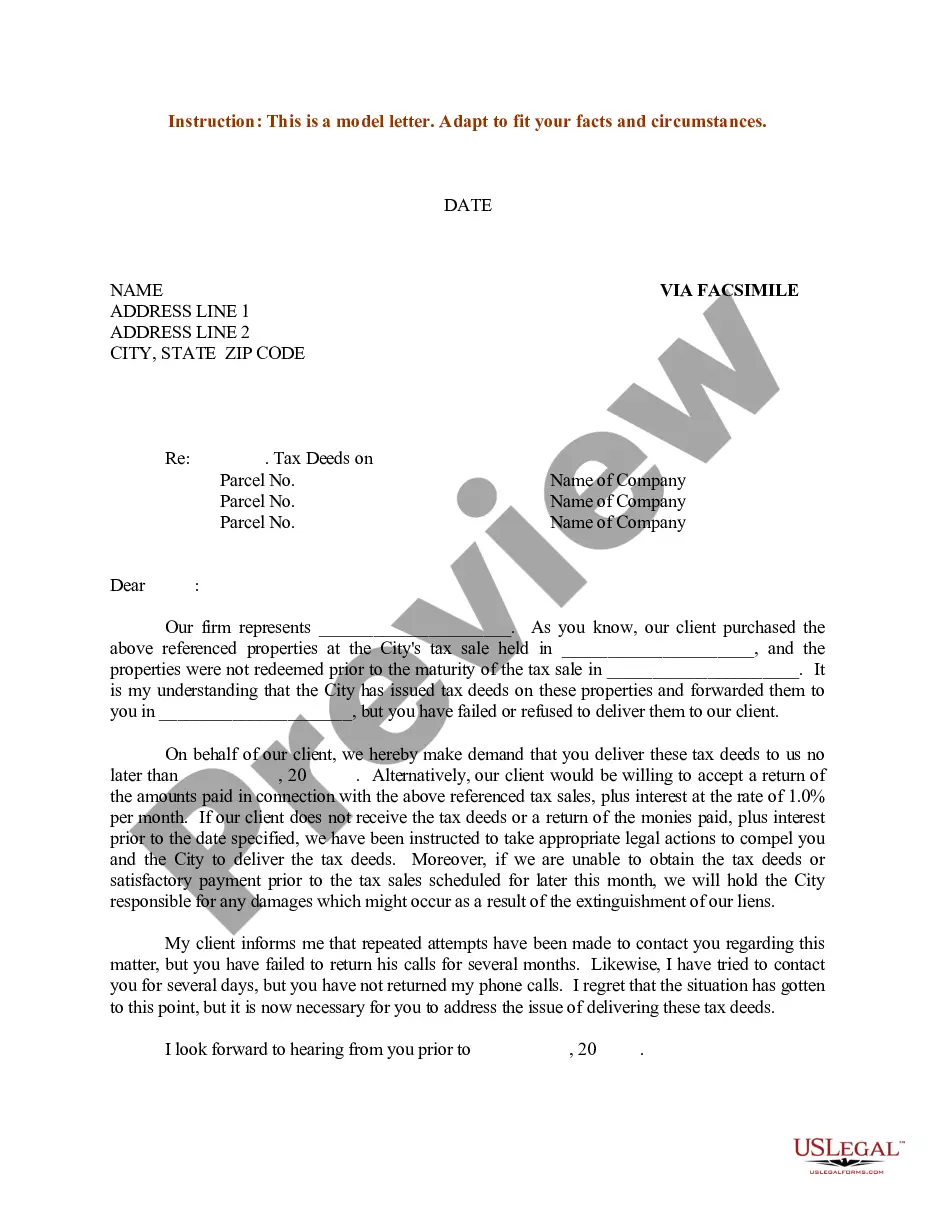

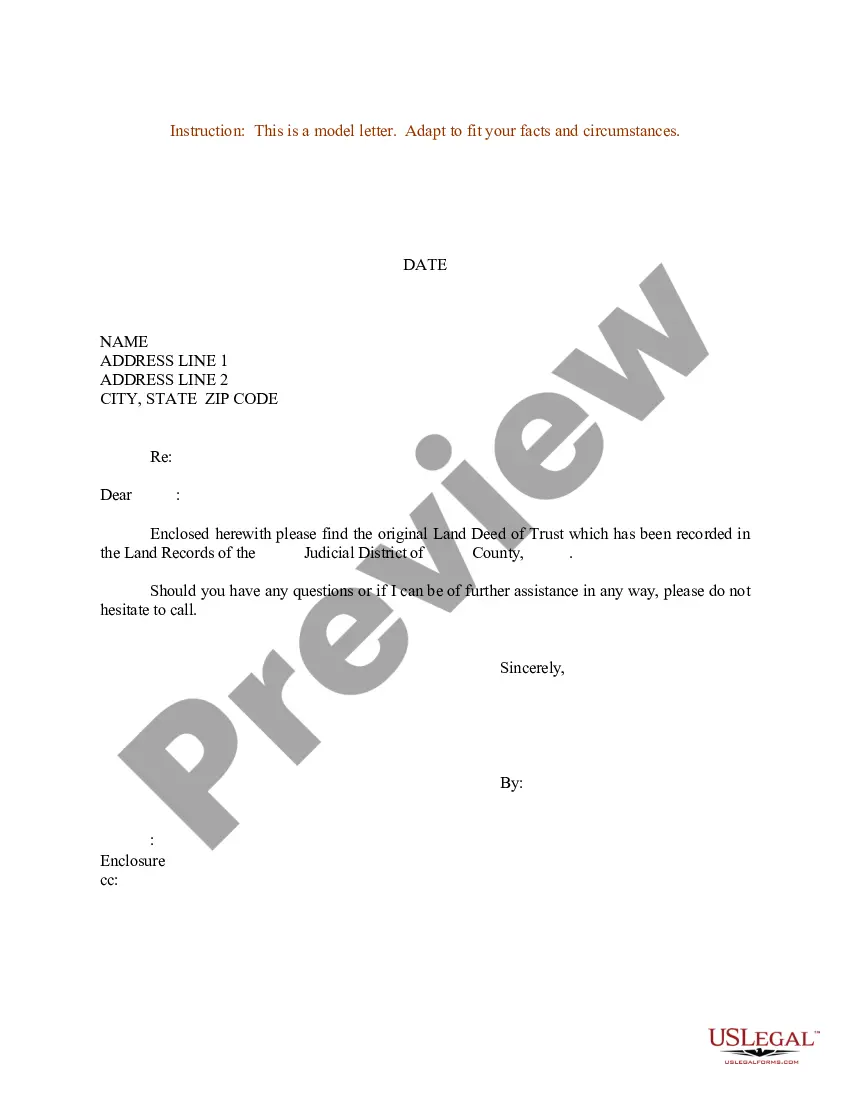
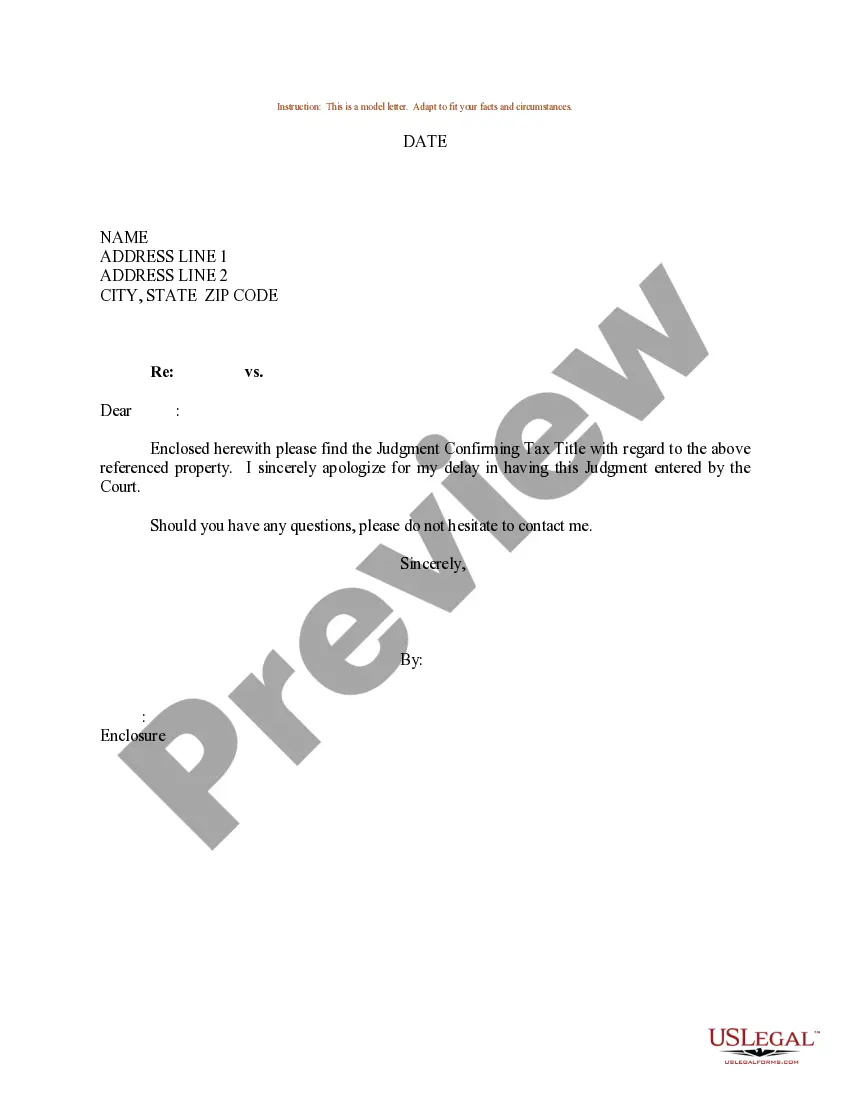
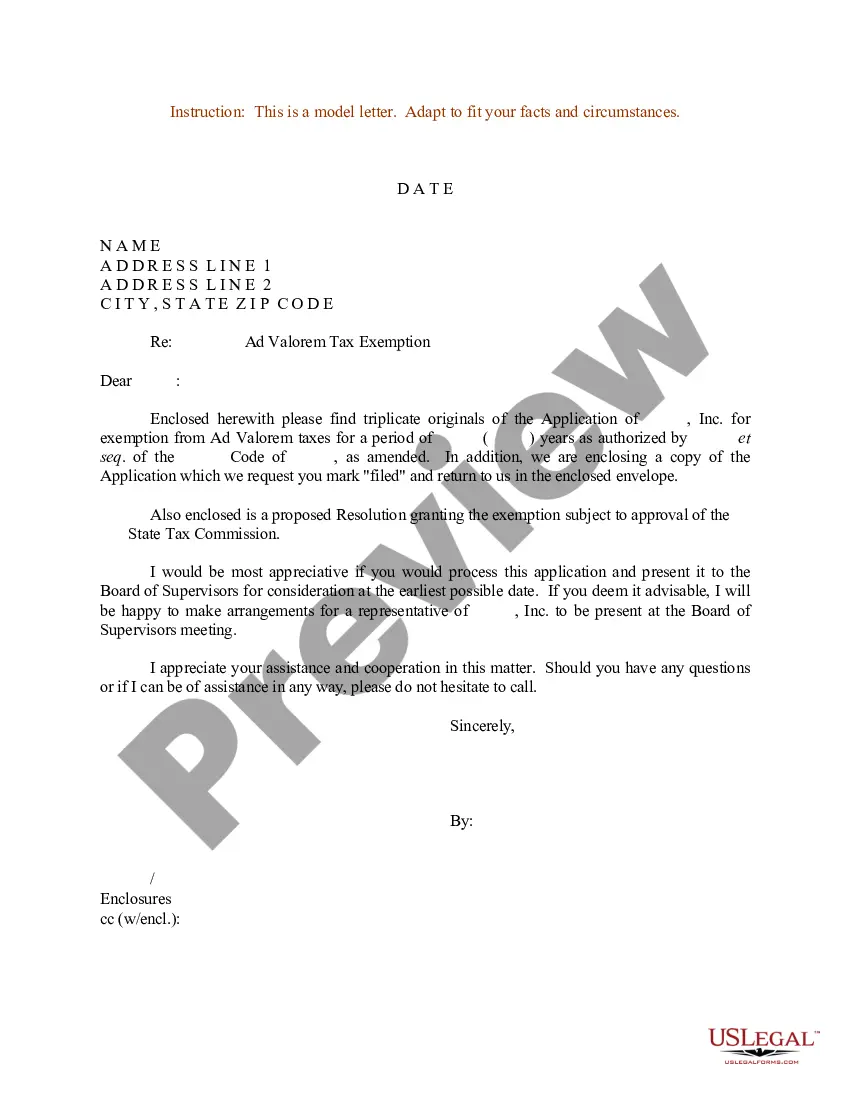
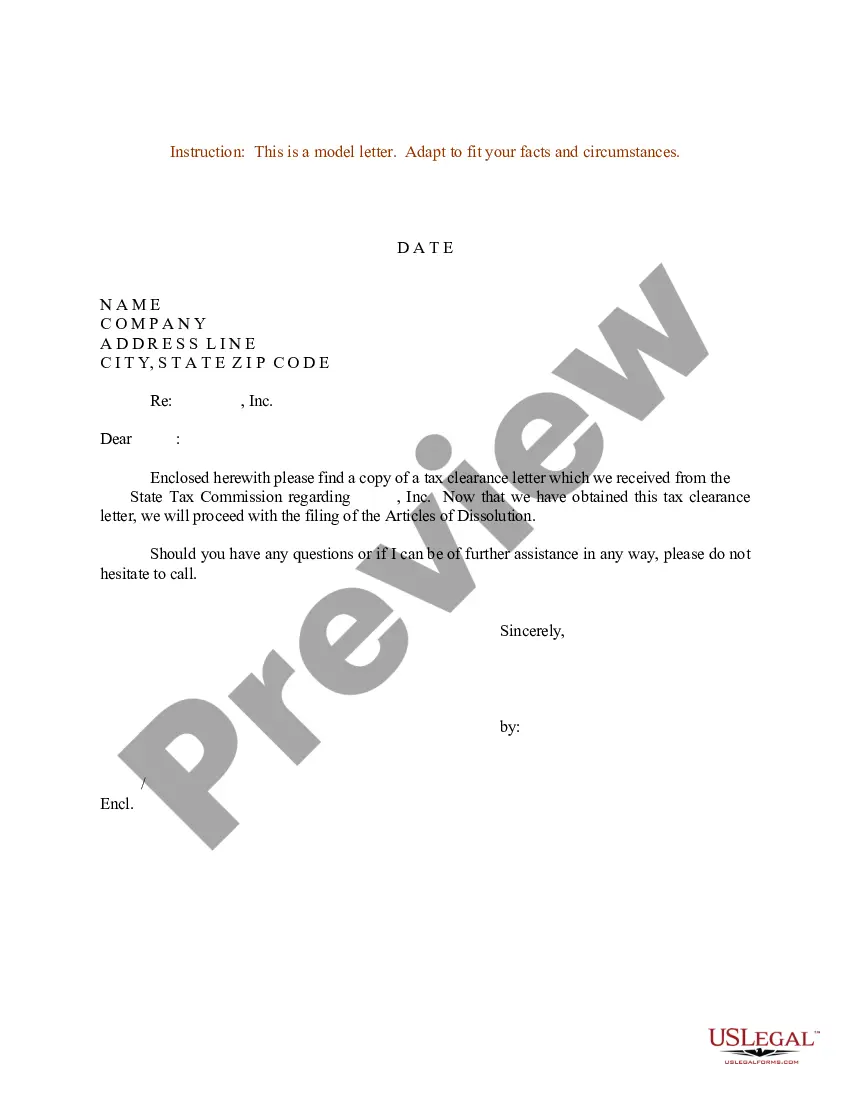
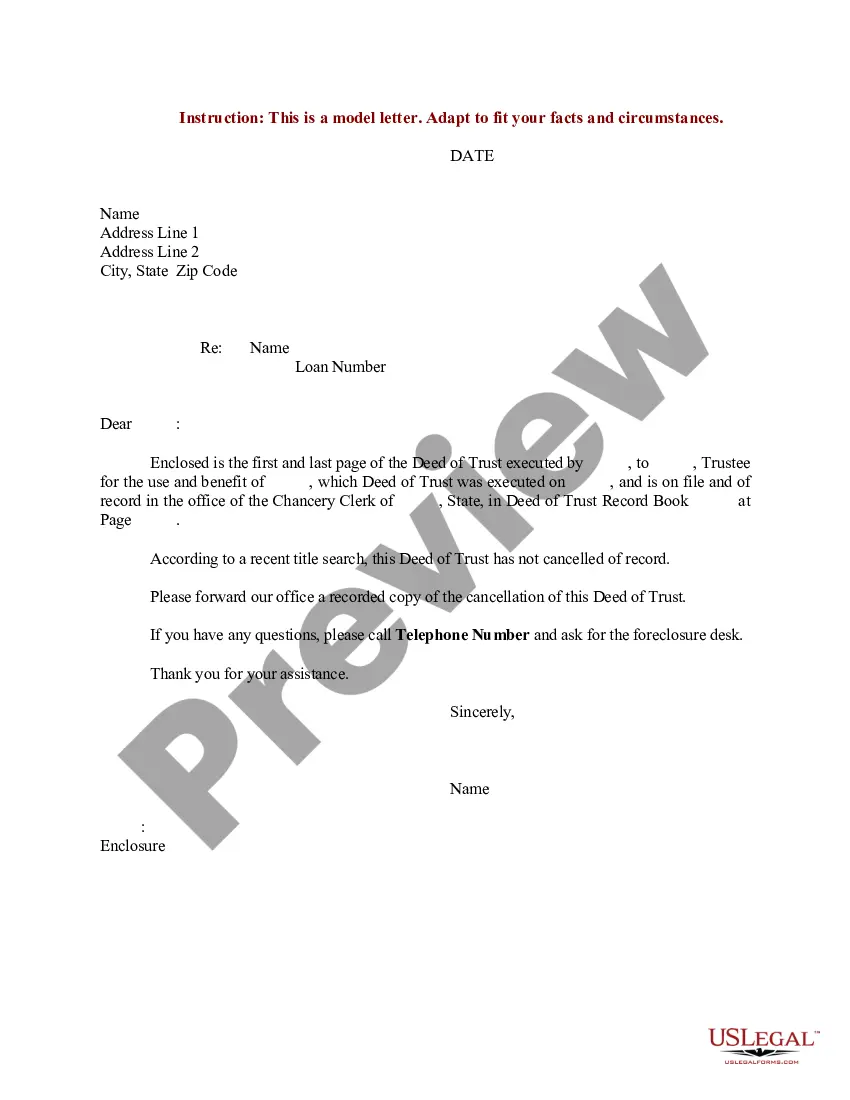
When to use this form
This form is useful when a property owner has received a notice concerning a tax deed for their property. It can be used to seek clarification about the tax deed process, to address concerns about potential foreclosure, or to initiate negotiations with a tax authority or a representative regarding outstanding tax liabilities.
Who can use this document
- Property owners facing tax liens or deeds.
- Individuals needing to communicate with tax authorities.
- Real estate professionals seeking a template for clients.
Instructions for completing this form
- Identify the property in question by entering its address and tax identification number.
- Specify your relationship to the property (e.g., owner, interested party).
- State your request or concern clearly and concisely.
- Include your contact information for further communication.
- Review and sign the document, ensuring all parties have the necessary information.
Does this document require notarization?
This form needs to be notarized to ensure legal validity. US Legal Forms provides secure online notarization powered by Notarize, allowing you to complete the process through a verified video call, available anytime.
Get your form ready online
Our built-in tools help you complete, sign, share, and store your documents in one place.
Make edits, fill in missing information, and update formatting in US Legal Forms—just like you would in MS Word.
Download a copy, print it, send it by email, or mail it via USPS—whatever works best for your next step.
Sign and collect signatures with our SignNow integration. Send to multiple recipients, set reminders, and more. Go Premium to unlock E-Sign.
If this form requires notarization, complete it online through a secure video call—no need to meet a notary in person or wait for an appointment.
We protect your documents and personal data by following strict security and privacy standards.

Make edits, fill in missing information, and update formatting in US Legal Forms—just like you would in MS Word.

Download a copy, print it, send it by email, or mail it via USPS—whatever works best for your next step.

Sign and collect signatures with our SignNow integration. Send to multiple recipients, set reminders, and more. Go Premium to unlock E-Sign.

If this form requires notarization, complete it online through a secure video call—no need to meet a notary in person or wait for an appointment.

We protect your documents and personal data by following strict security and privacy standards.
Common mistakes to avoid
- Failing to include accurate property details.
- Not clearly stating the purpose of the letter.
- Neglecting to sign or date the document.
- Using inappropriate language or tone that might be perceived as confrontational.
Why complete this form online
- Convenient access to a professionally drafted template.
- The ability to customize the form to fit specific needs quickly.
- Reliable information compliant with legal standards.
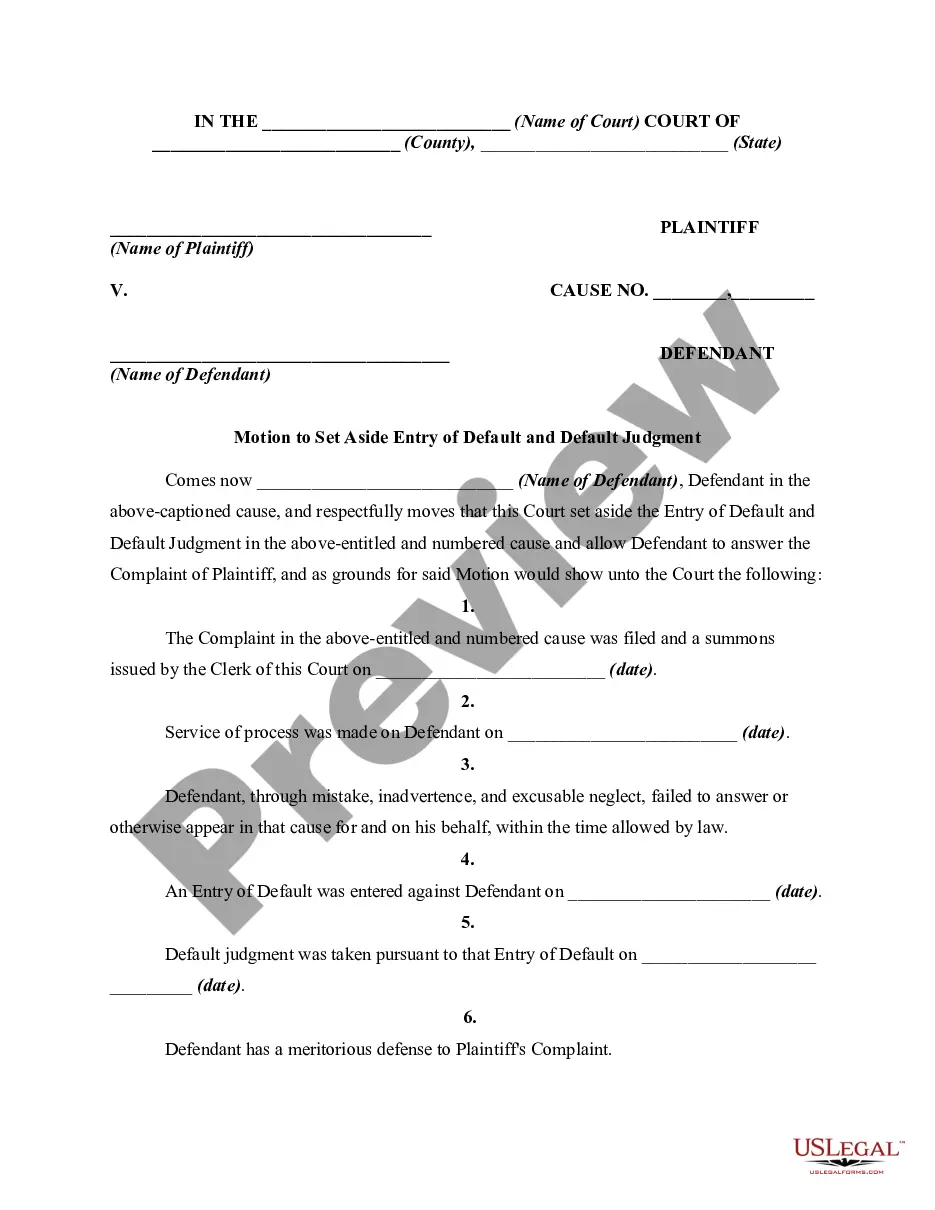
Looking for another form?


Form popularity
FAQ
For those who wish to continue to receive estate tax closing letters, estates and their authorized representatives may call the IRS at (866) 699-4083 to request an estate tax closing letter no earlier than four months after the filing of the estate tax return.
Properly Address the Letter. You must properly address and date your letter to your state's Department of Revenue or similar taxing entity. Provide Identifying Information. Pay All Applicable Taxes. Specify Taxes in Letter. Request Tax Clearance Certificate. Sign and Send.
Format for Response Letter to income tax department for demand notice. Dear Sir, I request you to please refer to your notice under section ABC in context with assessment year 2016-17 in which it has been stated that a sum of INR 8450 is due on me as Income Tax.
Format Your Letter Create a subject line with Re: followed by your IRS notice number. You will see your IRS notice number in the upper right corner of the letter. Often, the notice number begins with CP or LP. On the second line below the subject line, write your Social Security number and name.
An estate tax closing letter is a form letter that the Internal Revenue Service (IRS) will send to you after your IRS Form 706 has been reviewed and accepted. Form 706 is a rather lengthy return that the executor of an estate will file after the death of an individual.
For those who wish to continue to receive estate tax closing letters, estates and their authorized representatives may call the IRS at (866) 699-4083 to request an estate tax closing letter no earlier than four months after the filing of the estate tax return.
The IRS issues estate tax closing letters upon request of an authorized person only after an estate tax return (generally, Form 706, United States Estate (and Generation-Skipping Transfer) Tax Return) has been accepted by the IRS (1) as filed, (2) after an adjustment to which the estate has agreed, or (3) after an
Format for Response Letter to income tax department for demand notice. Dear Sir, I request you to please refer to your notice under section ABC in context with assessment year 2016-17 in which it has been stated that a sum of INR 8450 is due on me as Income Tax.
Mailing Tips Use the U.S. Postal Service® to mail your tax return, get proof that you mailed it, and track its arrival at the IRS. Check the IRS website for where to mail your tax return. Write both the destination and return addresses clearly or print your mailing label and postage.