Ohio Foreign Judgment Enrollment
About this form
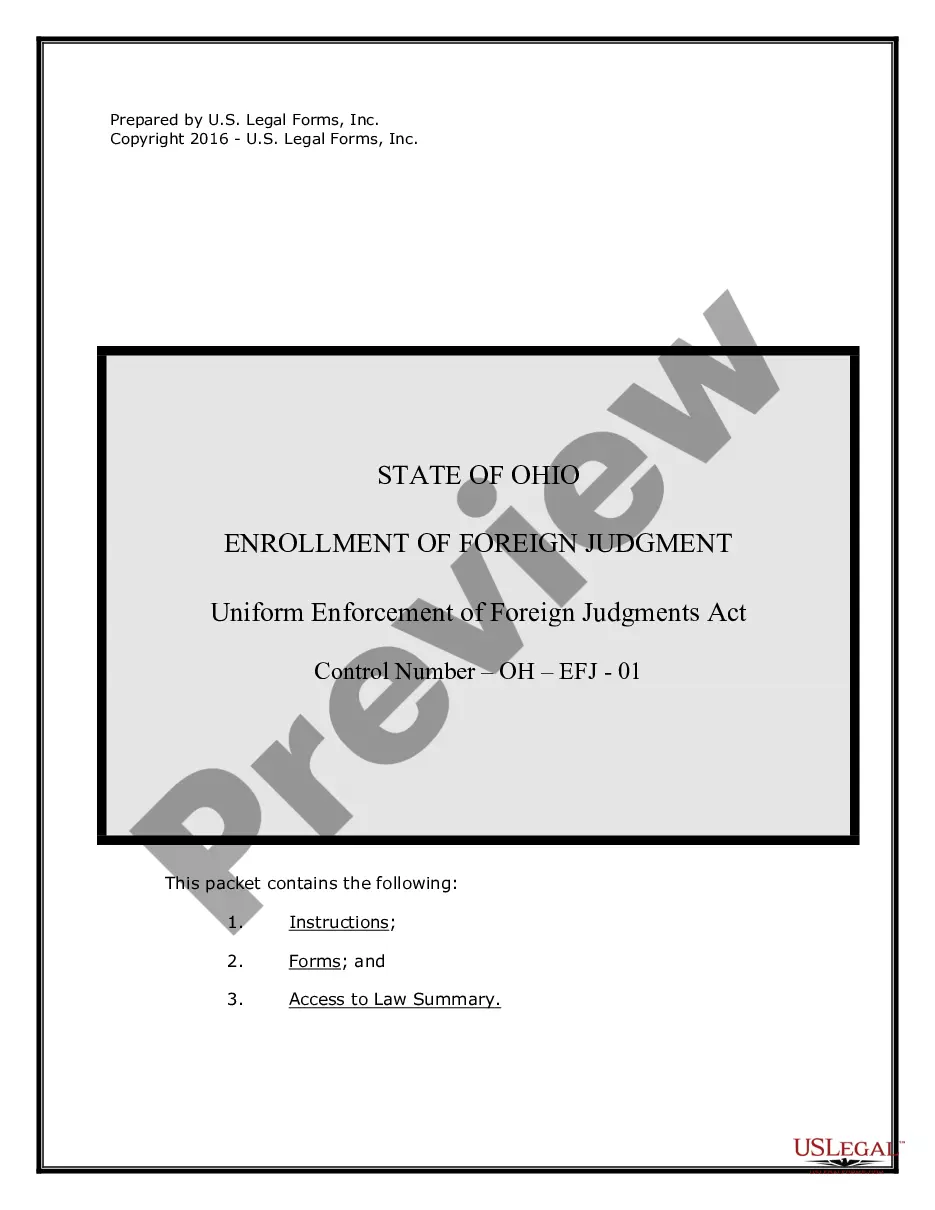
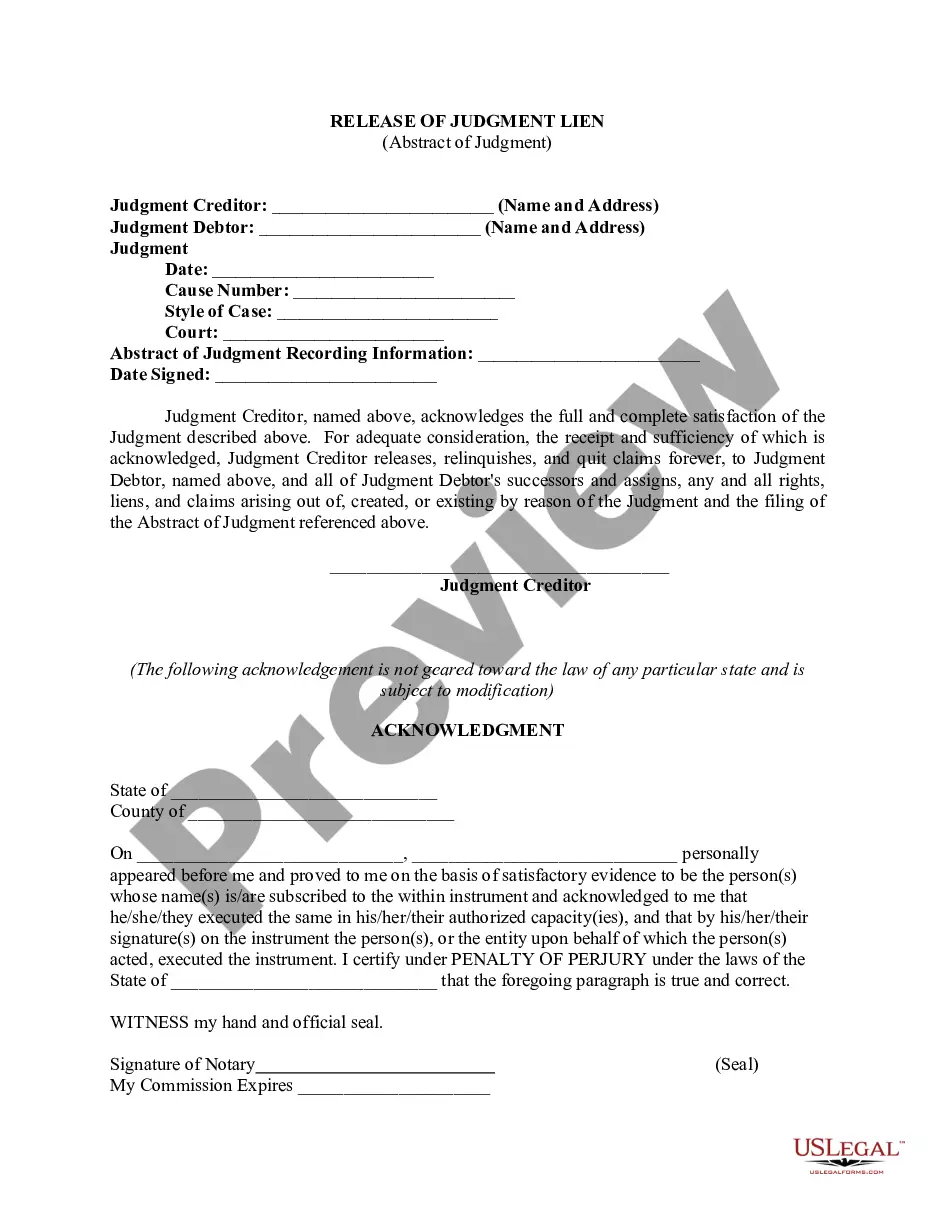
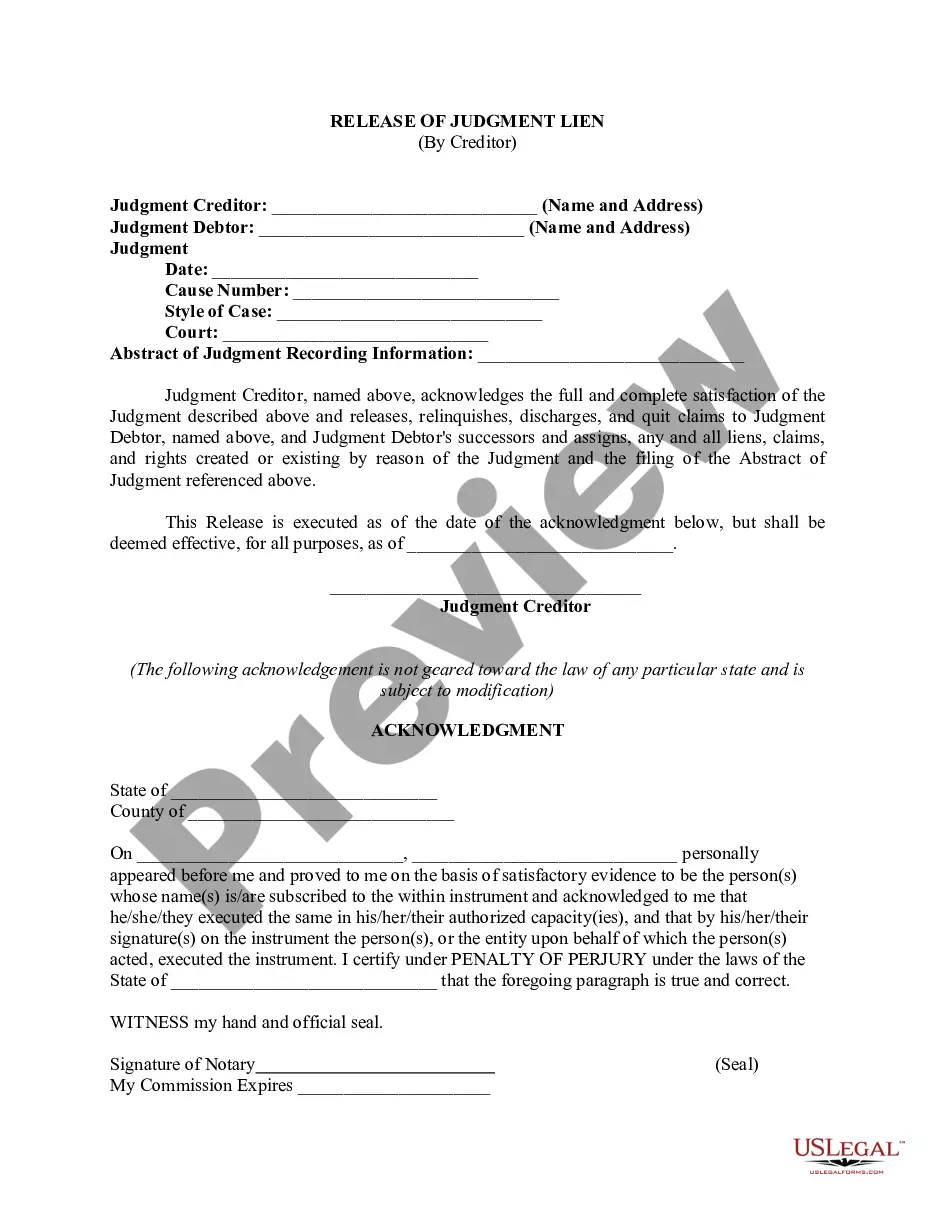
The Ohio Foreign Judgment Enrollment form allows a judgment creditorâsomeone who has been awarded a judgment in one stateâto enroll that judgment in Ohio. This process provides the creditor the ability to enforce the judgment in Ohio, creating a judgment lien against the debtor's property. It is important to understand that a foreign judgment originates from a court in a different state than where enforcement is sought, distinguishing this form from local judgment enforcement forms.
Form components explained
- Instructions on how to complete the enrollment process.
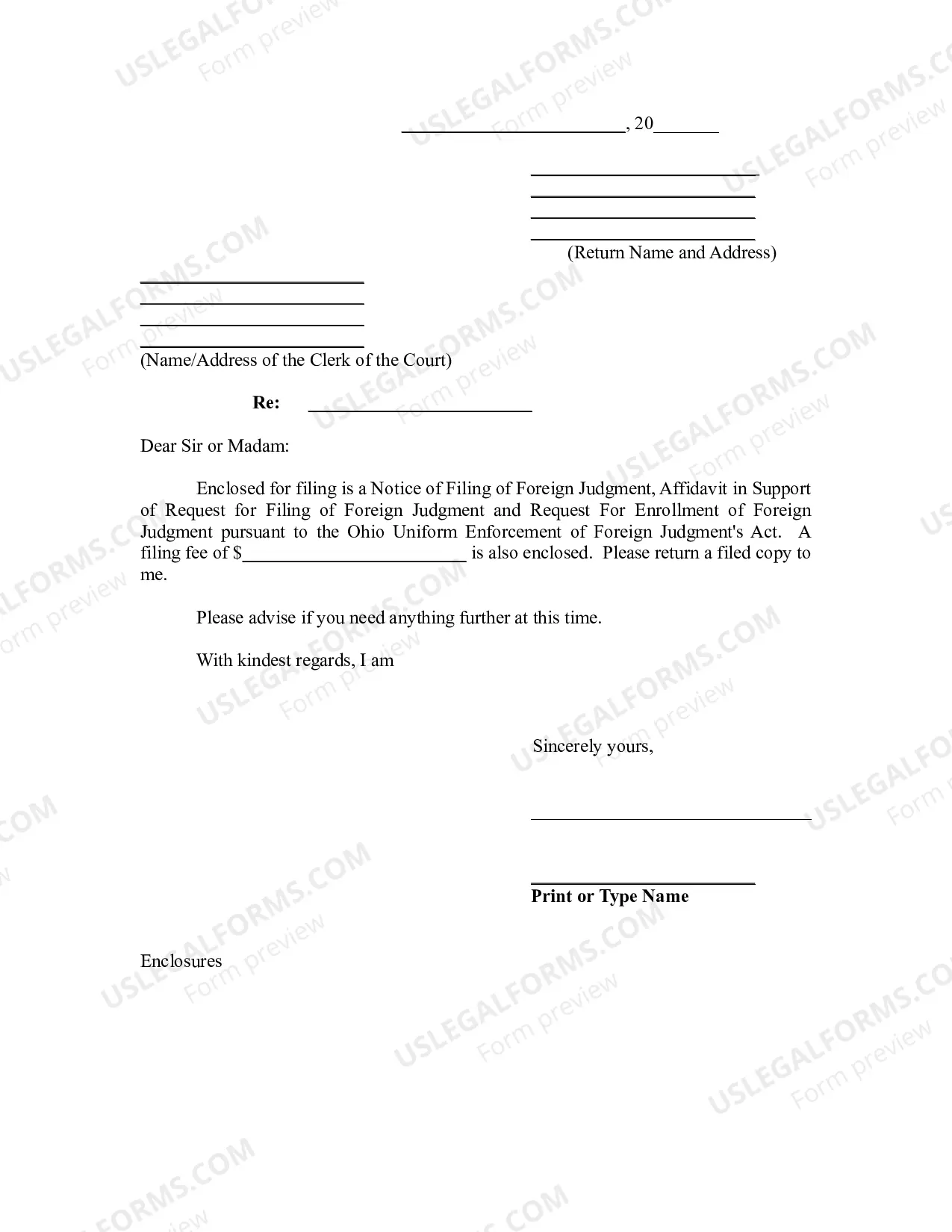
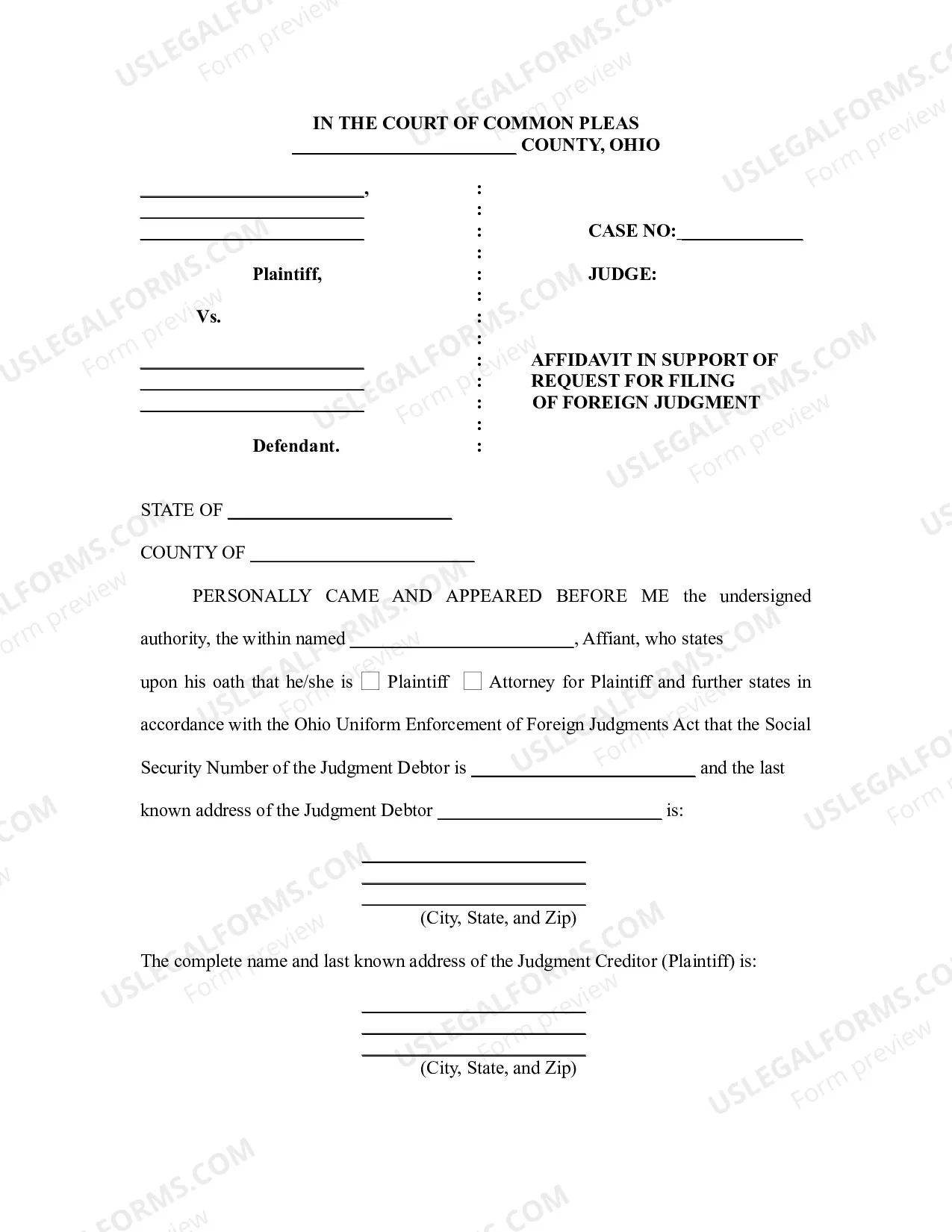
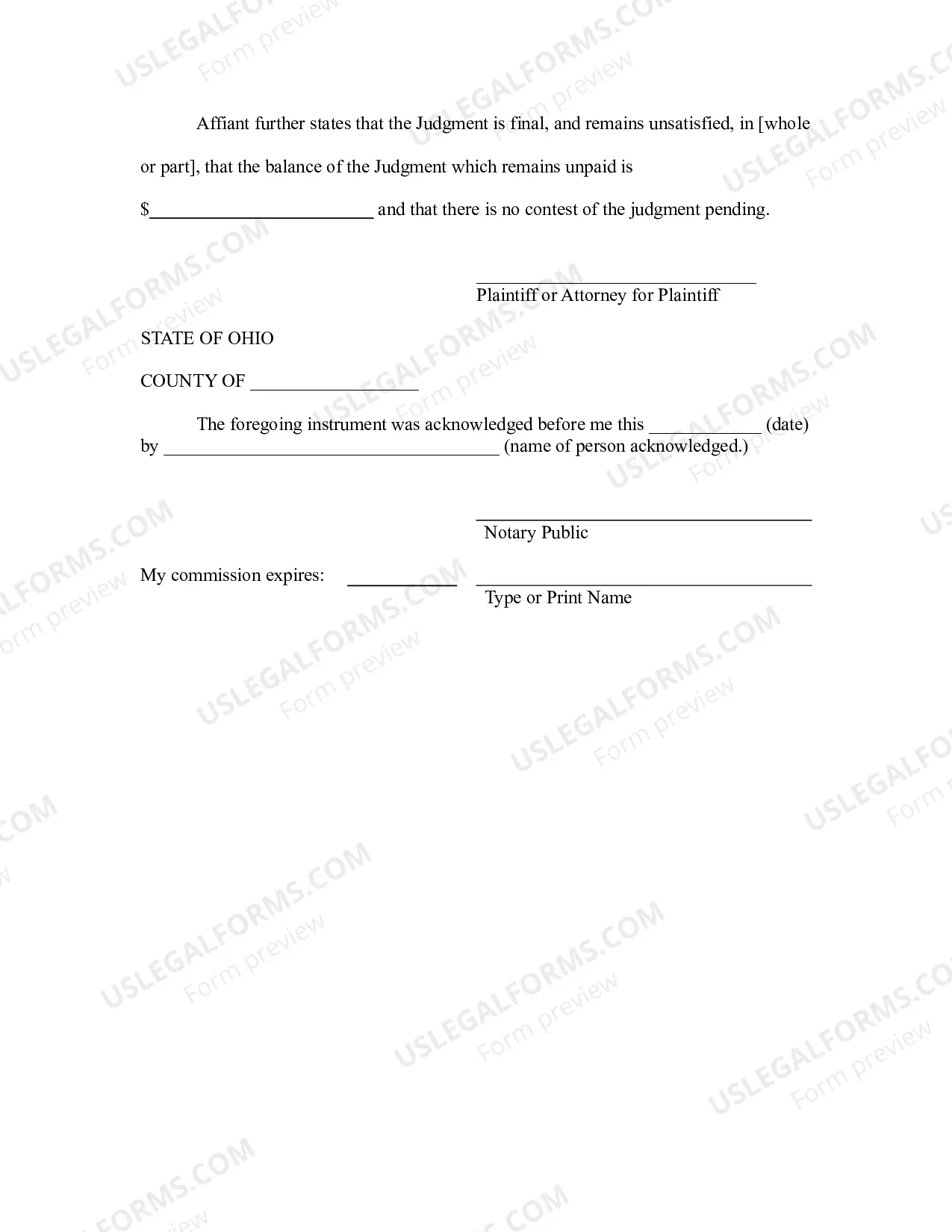
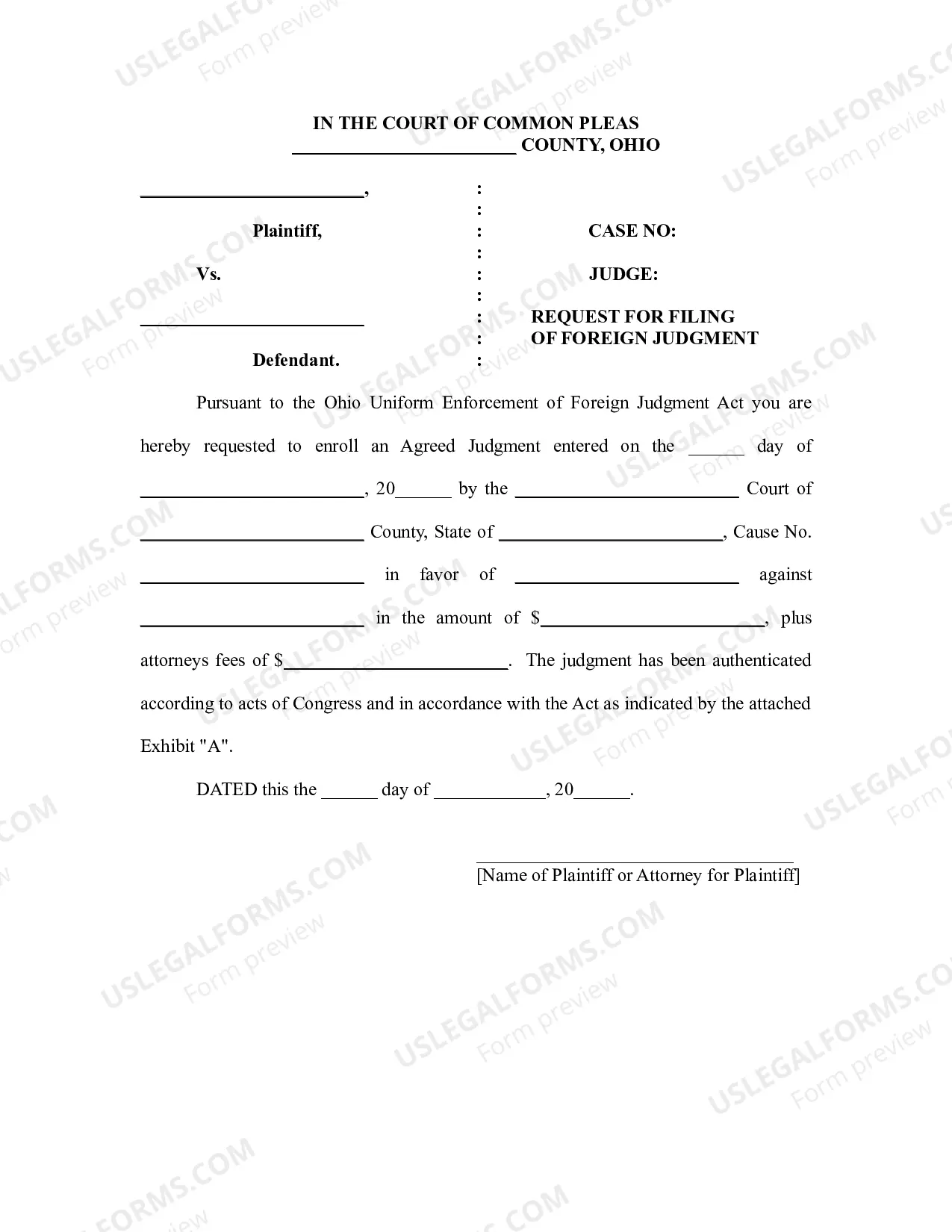
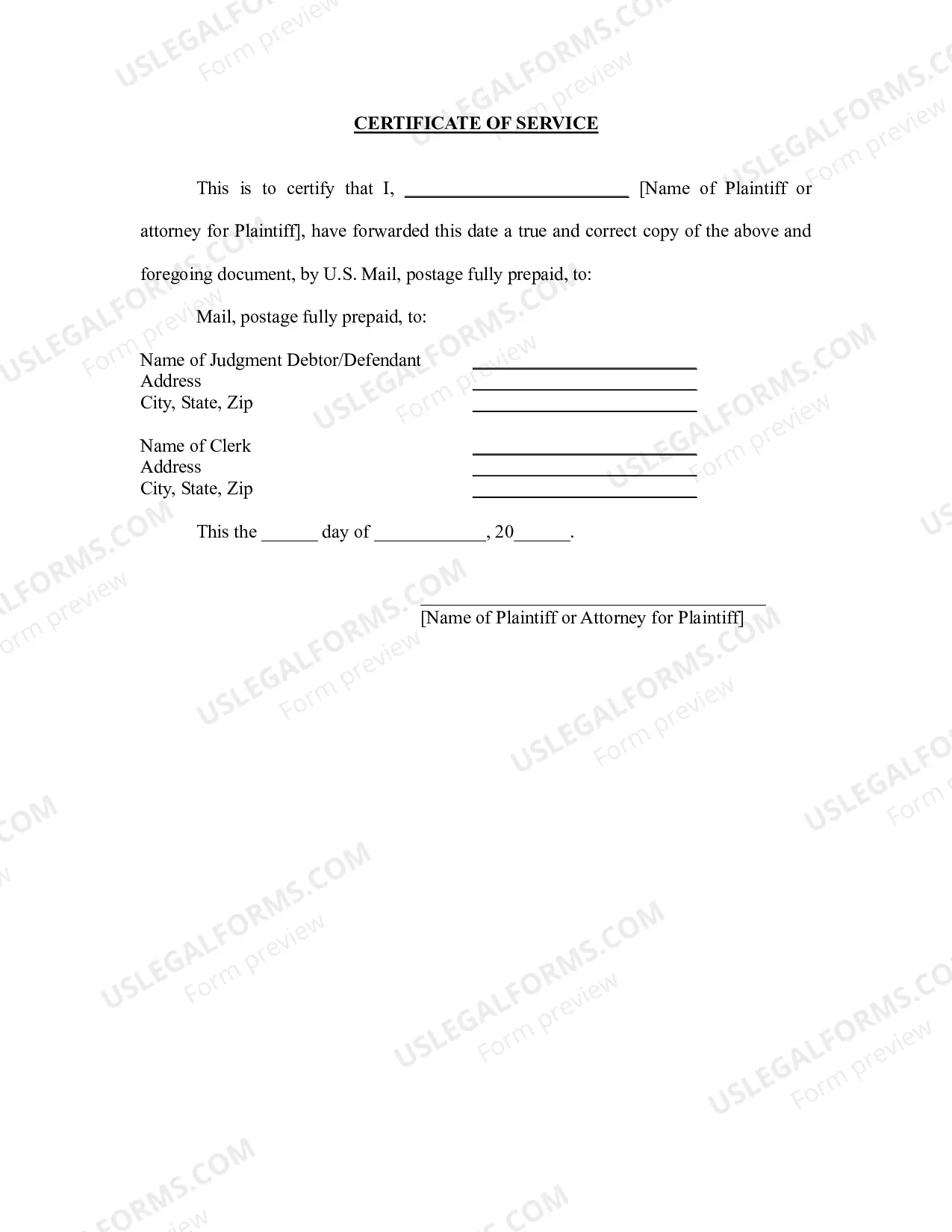
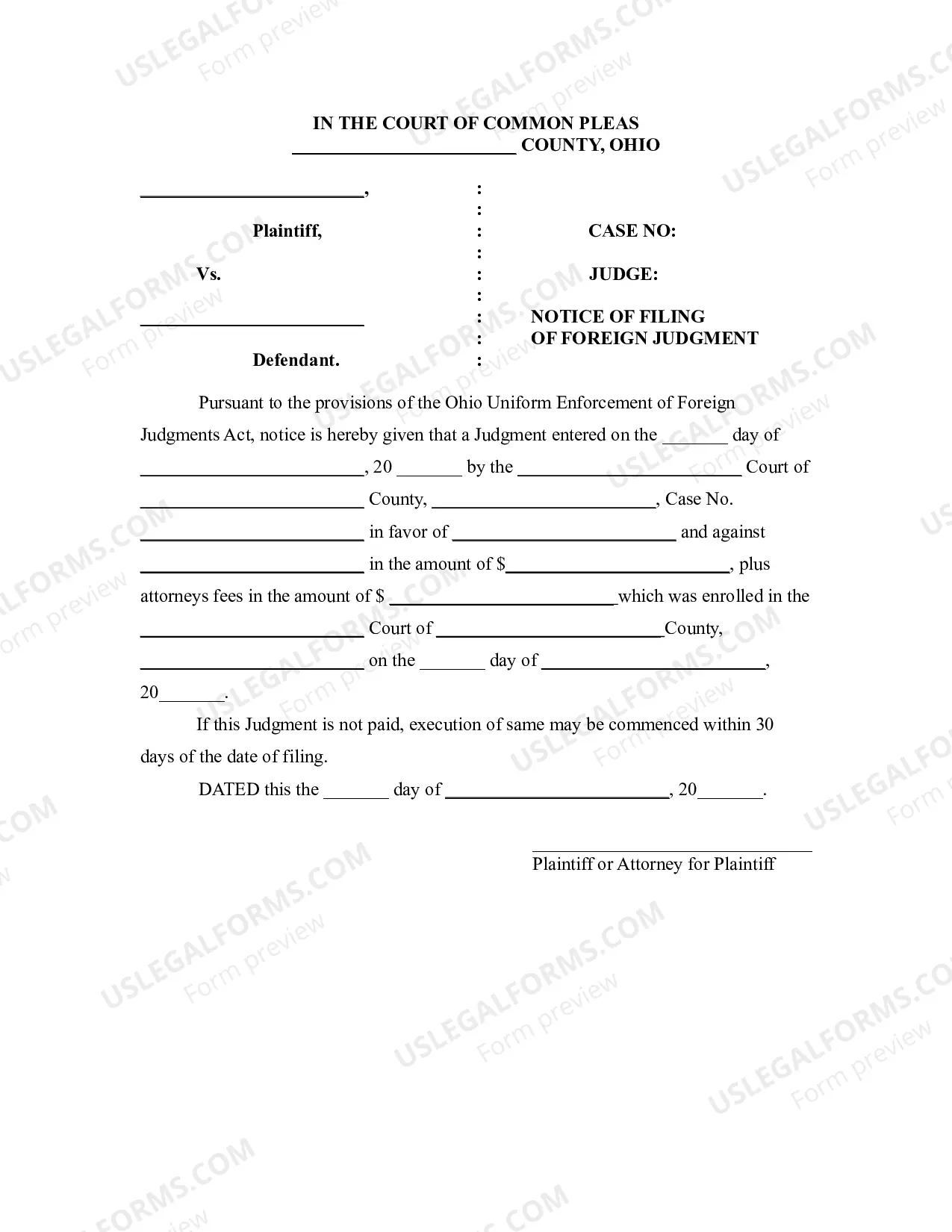
- Forms, including the Affidavit in Support of Request to Enroll Foreign Judgment, Request for Enrollment, and Notice of Enrollment.
- Access to legal summaries providing context about the law.
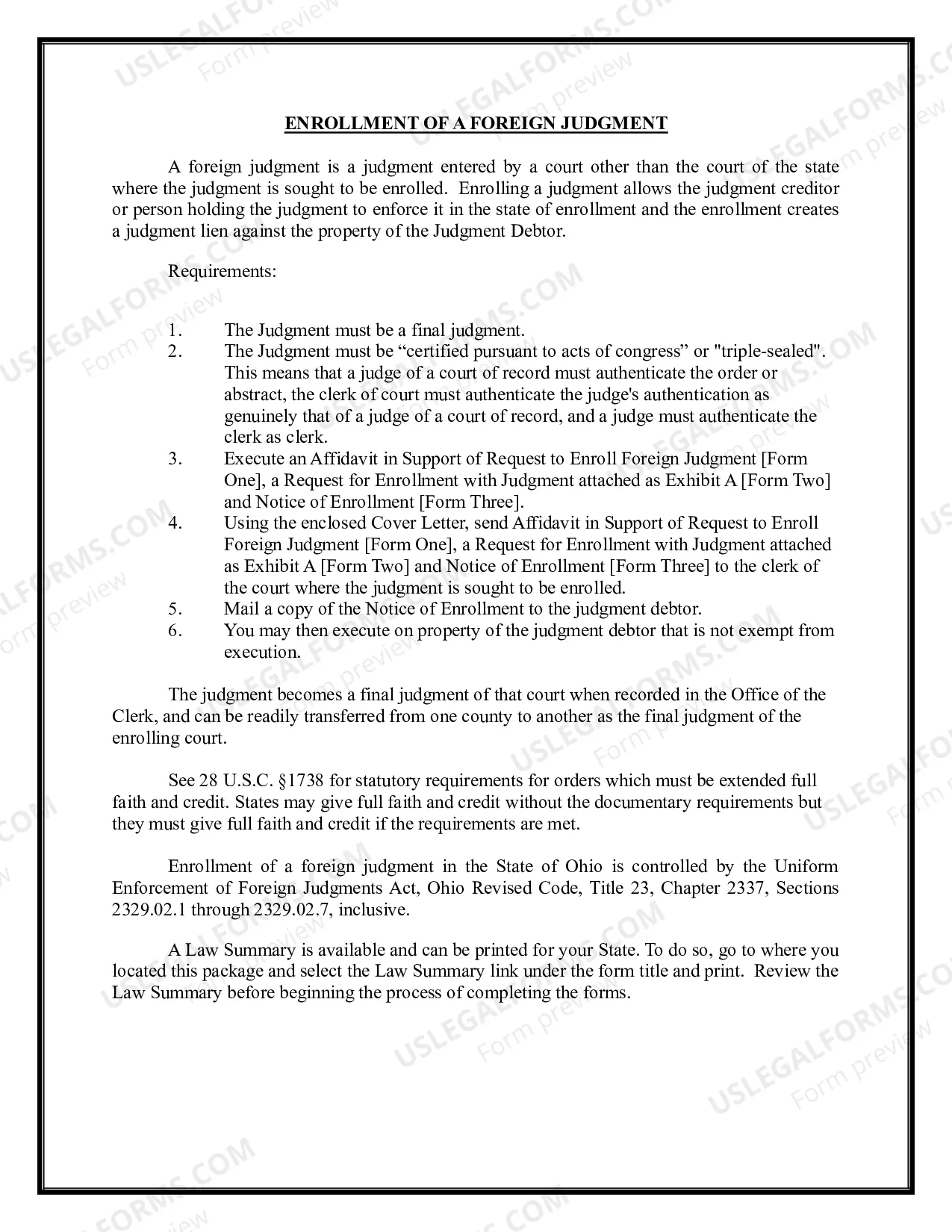
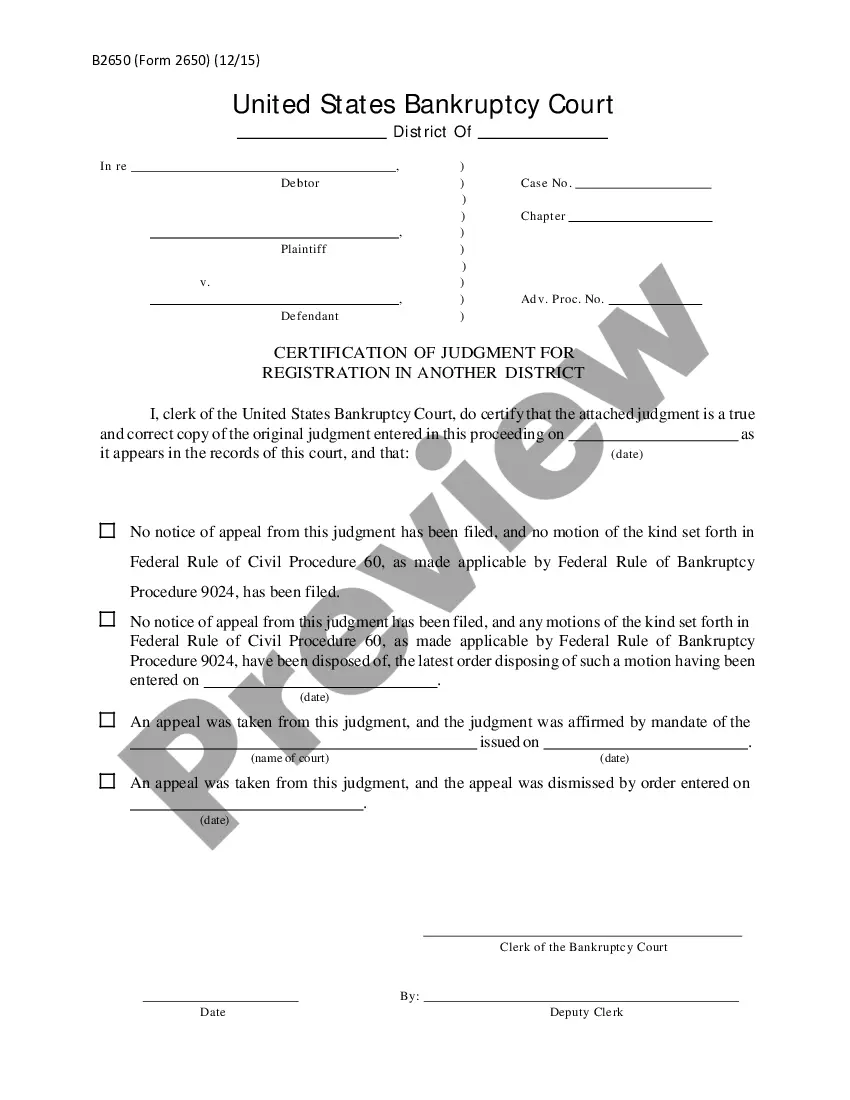
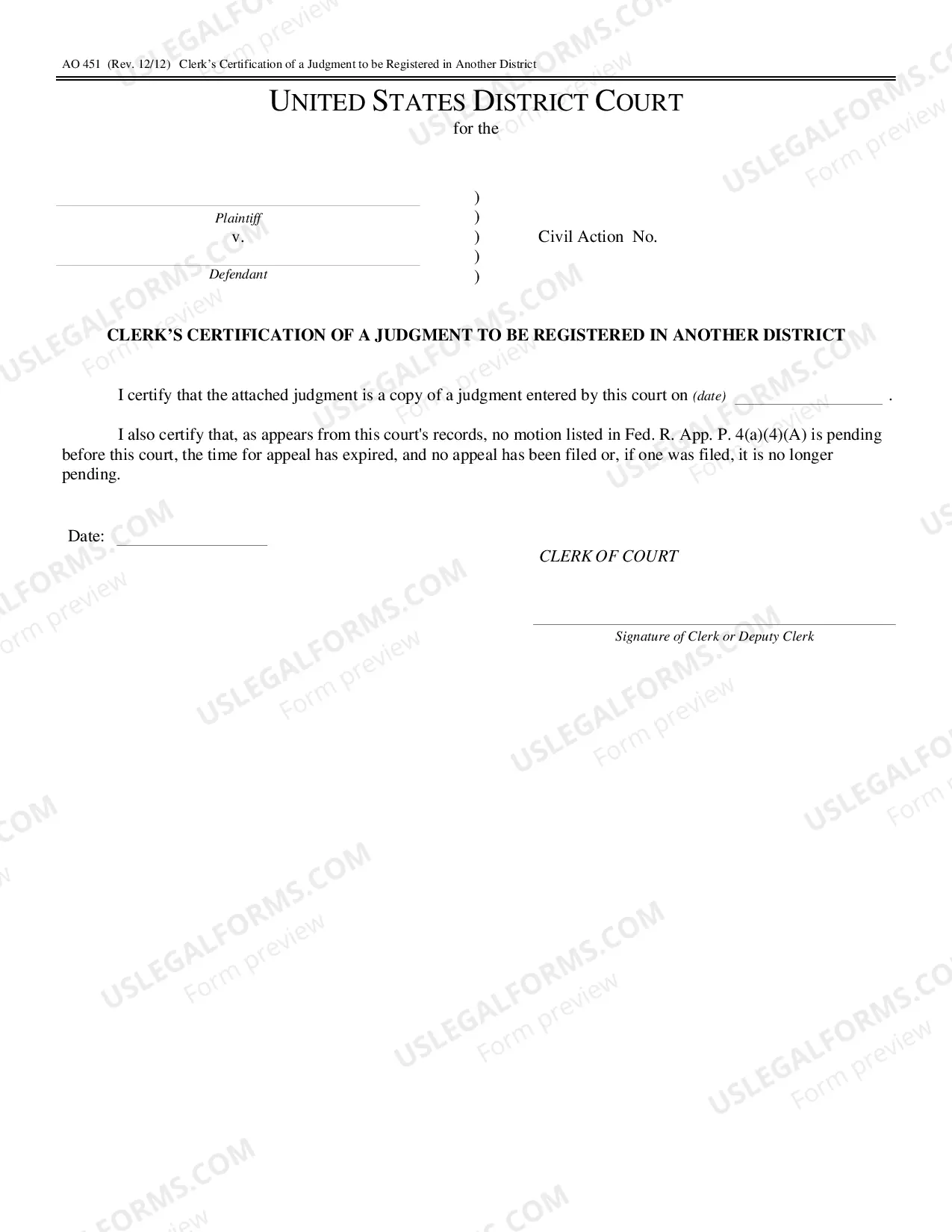
- Procedural requirements for final judgments and certification.


When to use this document
Use the Ohio Foreign Judgment Enrollment form when you have a judgment from a court outside of Ohio that you need to enforce in Ohio. This is necessary if you want to recover funds or enforce property rights based on a judgment that is already finalized in another state. The enrollment process is essential for asserting your claims against the debtor's property in Ohio.
Who should use this form
- Judgment creditors seeking enforcement of a judgment from another state.
- Individuals or attorneys representing plaintiffs in civil cases with foreign judgments.
- Parties looking to create a lien on the property of a judgment debtor in Ohio.
Completing this form step by step
- Obtain and review the enrollment forms included in the package.
- Certify that the foreign judgment is a final judgment as per the specified requirements.
- Complete the Affidavit in Support of Request to Enroll Foreign Judgment Form and attach the original judgment as Exhibit A.
- Send the completed forms to the clerk of the relevant court in Ohio and ensure a copy is mailed to the judgment debtor.
- Keep a record of all documents submitted and communications made during the process.
Notarization guidance
This form does not typically require notarization unless specified by local law. However, verifying compliance with local requirements is advised to ensure enforceability.
Get your form ready online
Our built-in tools help you complete, sign, share, and store your documents in one place.
Make edits, fill in missing information, and update formatting in US Legal Forms—just like you would in MS Word.
Download a copy, print it, send it by email, or mail it via USPS—whatever works best for your next step.
Sign and collect signatures with our SignNow integration. Send to multiple recipients, set reminders, and more. Go Premium to unlock E-Sign.
If this form requires notarization, complete it online through a secure video call—no need to meet a notary in person or wait for an appointment.
We protect your documents and personal data by following strict security and privacy standards.

Make edits, fill in missing information, and update formatting in US Legal Forms—just like you would in MS Word.

Download a copy, print it, send it by email, or mail it via USPS—whatever works best for your next step.

Sign and collect signatures with our SignNow integration. Send to multiple recipients, set reminders, and more. Go Premium to unlock E-Sign.

If this form requires notarization, complete it online through a secure video call—no need to meet a notary in person or wait for an appointment.

We protect your documents and personal data by following strict security and privacy standards.
Typical mistakes to avoid
- Failing to verify that the foreign judgment is finalized before enrollment.
- Not following the necessary certification procedures for the judgment.
- Neglecting to notify the judgment debtor as required by law.
Why use this form online
- Easy access to legal forms that can be downloaded from any location.
- Editable forms using Microsoft Word for convenience and accuracy.
- Clarity of instructions provided alongside the forms to guide users through the process.
Legal use & context
- The enrollment process ensures that the foreign judgment is recognized under Ohio law.
- Following the proper procedures guarantees that the judgment creditor can enforce the order legally.
- The law provides certain protections to judgment debtors, which must be adhered to.
Main things to remember
- The Ohio Foreign Judgment Enrollment form is essential for enforcing out-of-state judgments in Ohio.
- Proper certification and completion of documents are required for successful enrollment.
- Using the form online offers convenience and reduces mistakes.
Looking for another form?
Form popularity
FAQ
Ohio Senate Bill Updates Judgment Dormancy Rules Under longstanding Ohio law, a judgment is active for a period of five years, unless a creditor takes certain action to extend it. Without taking such action, a judgment becomes dormant, and a creditor may not execute on it.
Generally, U.S. judgments cannot be enforced in a foreign country without first being recognized by a court in that foreign country.It can generally be said that non-default judgments not involving tort claims or punitive damages are more likely to be enforced.
Hence, a decree passed by a superior court of a foreign country cannot be enforced in India if it contravenes an earlier conclusive judgment passed by a competent court in a suit between the same parties, as it is enforced as a domestic decree.
How long does a judgment lien last in Ohio? A judgment lien in Ohio will remain attached to the debtor's property (even if the property changes hands) for five years.
O.R.C. Section 2325.18(B). This means that although Ohio's statute of limitations for judgment enforcement is at least fifteen years, in reality the best practice is to act at least once every five years so that your judgment does not become dormant. Often judgments are against more than one judgment debtor.
The statute of limitations for collecting a debt in Ohio is six years, for most financial obligations, so waiting it out and hoping for the best is not the best approach.
A judgment from an Ohio court is valid for 5 years, and then becomes dormant unless revived by the judgment-creditor (O.R.C. § 2329.07). Once dormant, the judgment-creditor has 10 years to revive an Ohio judgment (O.R.C. A§ 2325.18(A)).
How long does a judgment lien last in Ohio? A judgment lien in Ohio will remain attached to the debtor's property (even if the property changes hands) for five years.