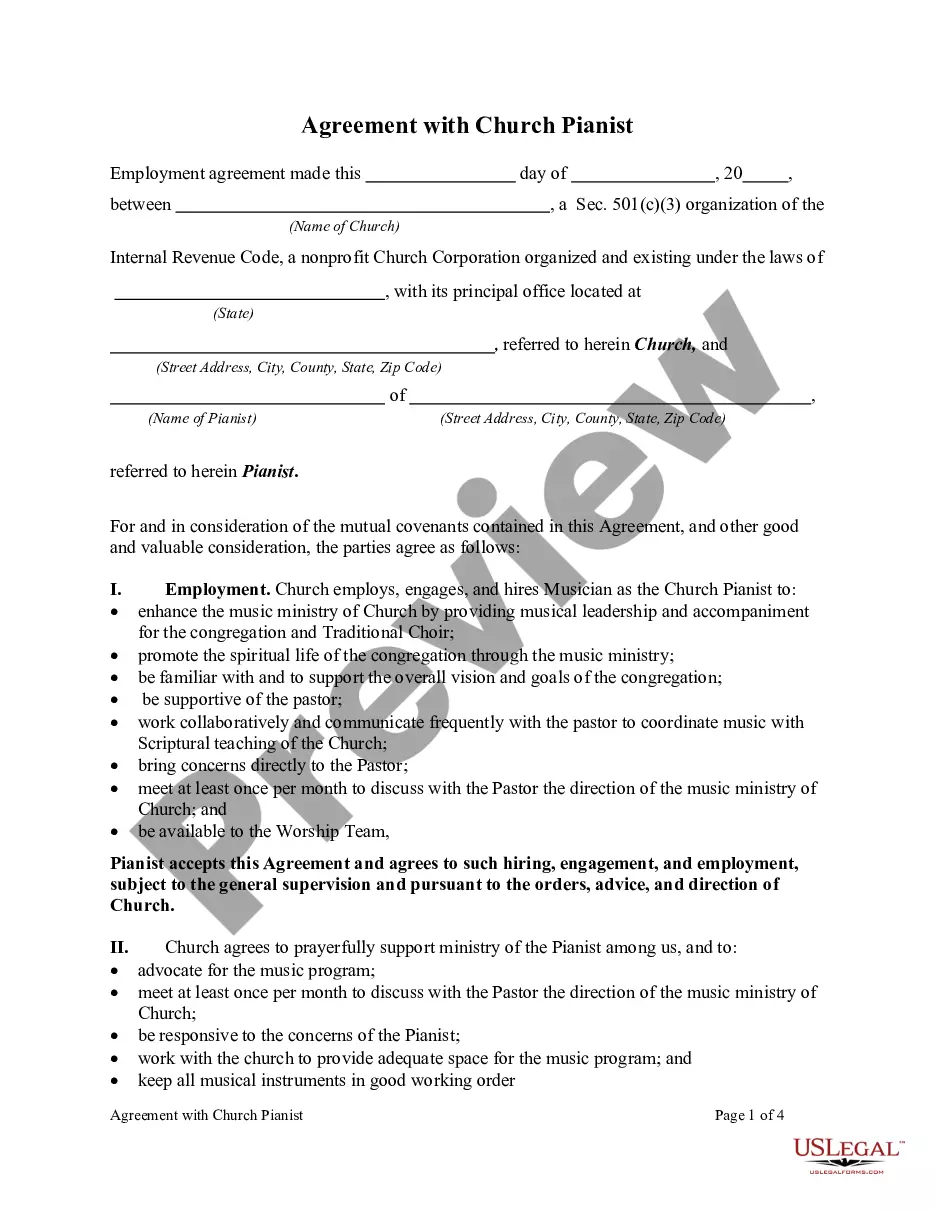
New York Executor's Deed
What this document covers
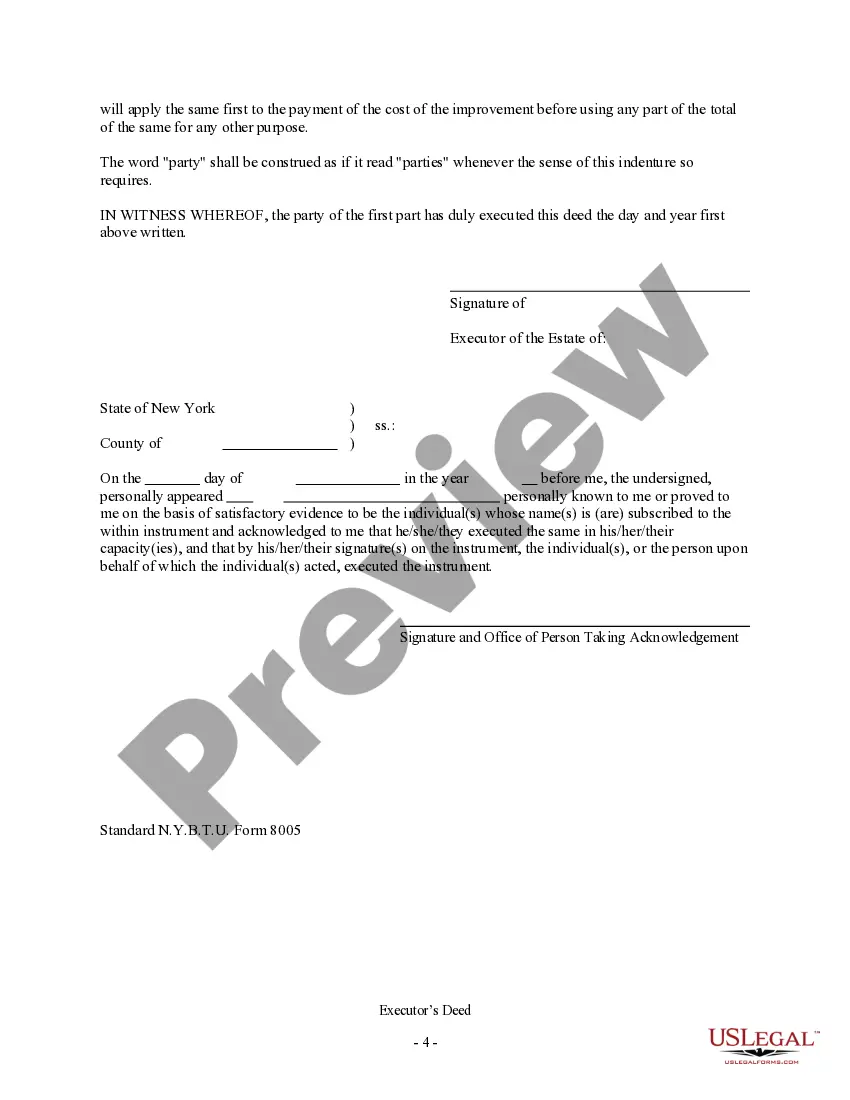
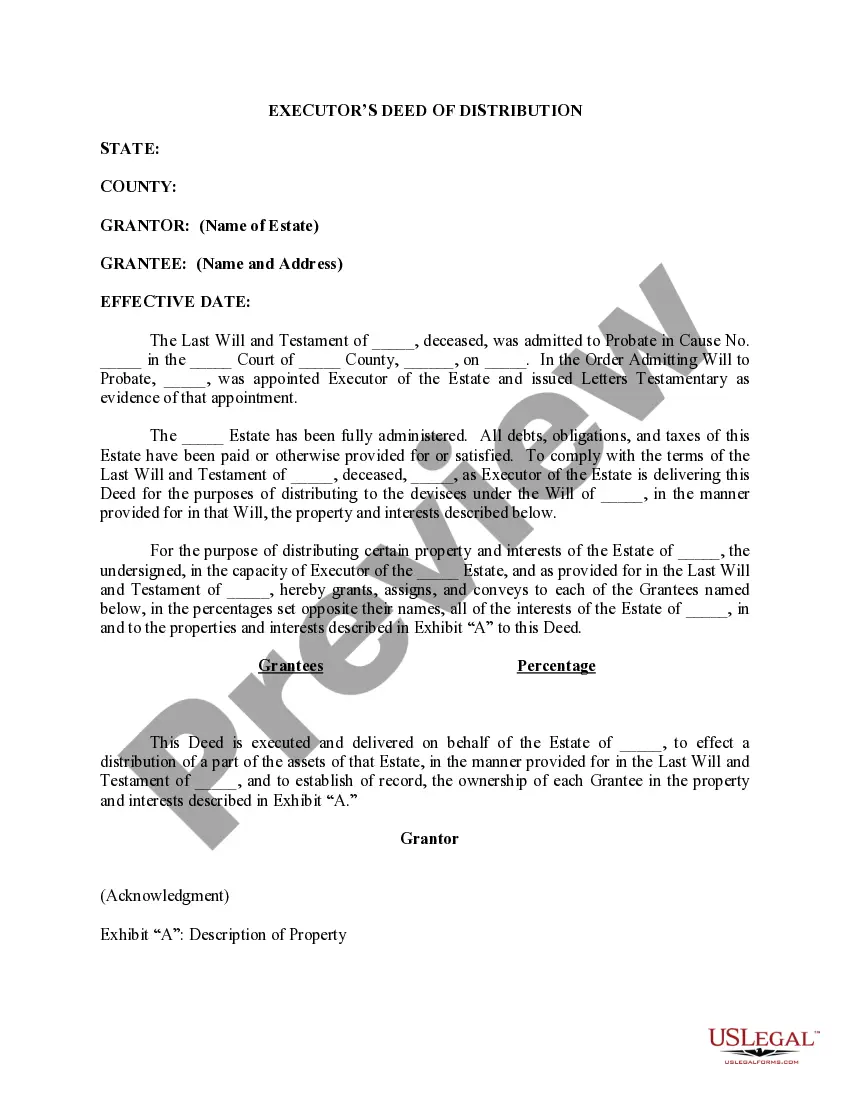
An Executor's Deed is a legal document used by the executor of an estate to transfer property from the deceased to the designated beneficiaries. This deed serves as proof that the executor has the authority to convey the estate's property. Unlike other types of deeds, the Executor's Deed specifically acknowledges the role of the executor in the estate settlement process, ensuring that all transfers comply with probate laws and the wishes of the deceased.
Key components of this form
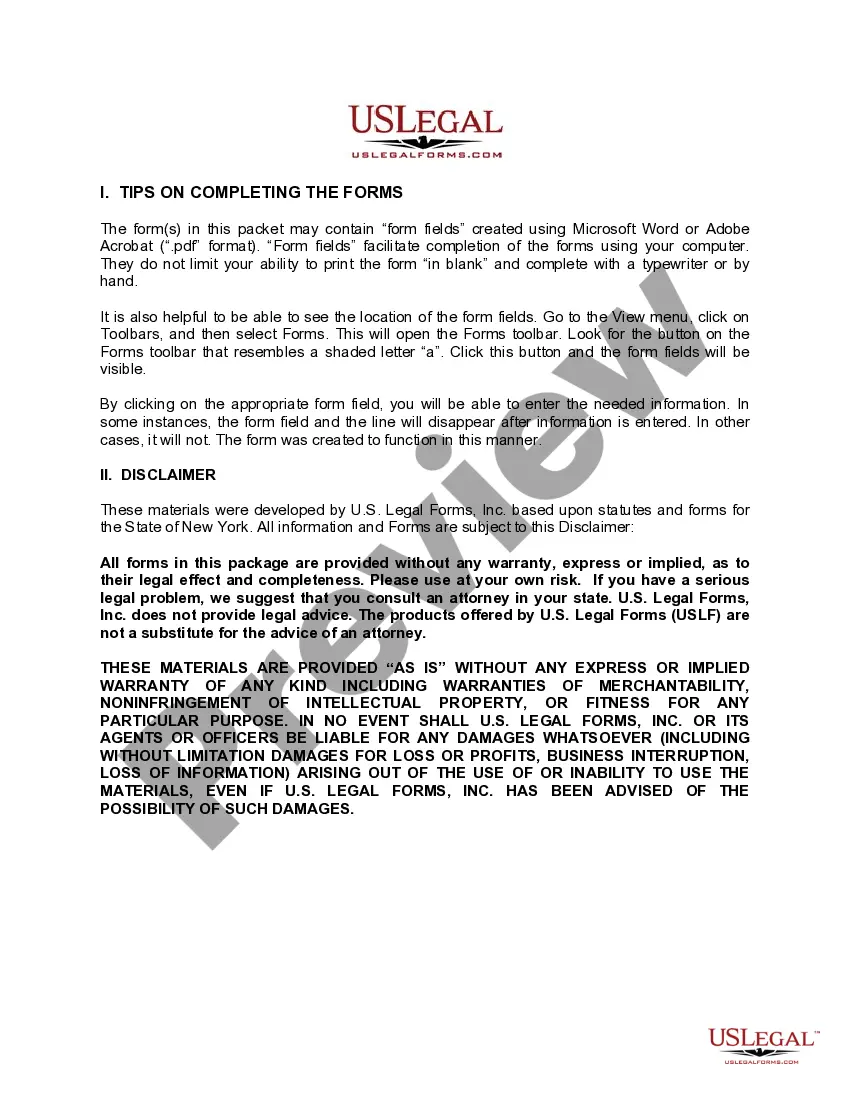
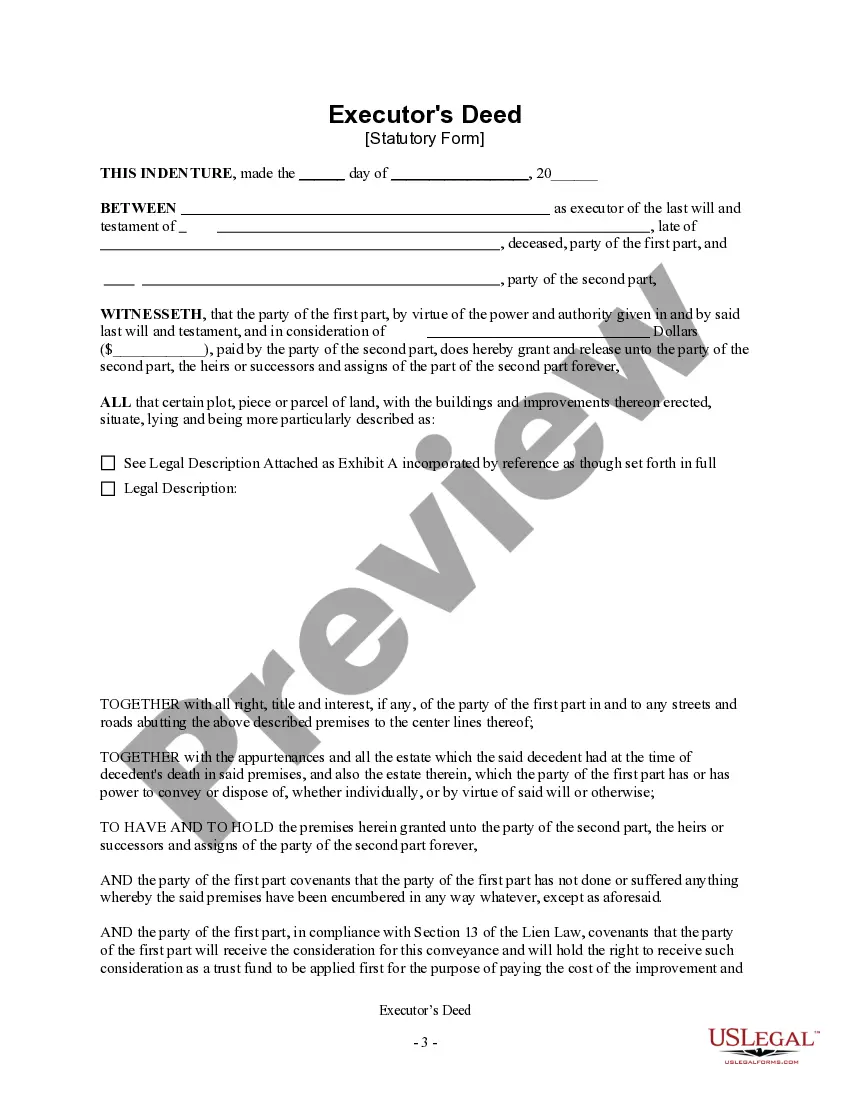
- Identification of the executor and the estate being settled.
- Description of the property being transferred, including legal boundaries.
- Incorporation of any necessary legal descriptions or attachments as exhibits.
- Signatures of the executor, affirming their authority and the validity of the transfer.
- Covenants that protect the rights of both the transferor and the transferee regarding the property.


When to use this form
This form is typically used during the process of estate settlement when a person passes away and leaves property that needs to be transferred to beneficiaries. You should use the Executor's Deed when you, as the executor, are ready to distribute real estate or other property to heirs or beneficiaries following the terms of the deceased's will and in accordance with state laws.
Who should use this form
This form is intended for:
- Executors appointed through a will or by the court to manage the decedent's estate.
- Personal representatives responsible for ensuring the proper transfer of property to beneficiaries.
- Individuals involved in handling the aftermath of a deceased estate with specific property transfer duties.
Completing this form step by step
- Identify the executor by entering their full name and legal status as appointed by the probate court.
- Specify the property by providing a detailed description, including its legal boundaries and any relevant exhibits.
- Enter the names of the beneficiaries who will receive the property.
- Include the date of the transfer and any financial considerations being exchanged for the property.
- Ensure that all parties involved sign the document, verifying the accuracy of the information provided.
Is notarization required?
This form must be notarized to be legally valid. US Legal Forms provides secure online notarization powered by Notarize, allowing you to complete the process through a verified video call.
Get your form ready online
Our built-in tools help you complete, sign, share, and store your documents in one place.
Make edits, fill in missing information, and update formatting in US Legal Forms—just like you would in MS Word.
Download a copy, print it, send it by email, or mail it via USPS—whatever works best for your next step.
Sign and collect signatures with our SignNow integration. Send to multiple recipients, set reminders, and more. Go Premium to unlock E-Sign.
If this form requires notarization, complete it online through a secure video call—no need to meet a notary in person or wait for an appointment.
We protect your documents and personal data by following strict security and privacy standards.

Make edits, fill in missing information, and update formatting in US Legal Forms—just like you would in MS Word.

Download a copy, print it, send it by email, or mail it via USPS—whatever works best for your next step.

Sign and collect signatures with our SignNow integration. Send to multiple recipients, set reminders, and more. Go Premium to unlock E-Sign.

If this form requires notarization, complete it online through a secure video call—no need to meet a notary in person or wait for an appointment.

We protect your documents and personal data by following strict security and privacy standards.
Common mistakes to avoid
- Failing to provide a complete legal description of the property.
- Not obtaining necessary signatures from all required parties.
- Inaccurate information regarding the executor's authority.
- Omitting necessary exhibits or supporting documents.
Benefits of using this form online
- Convenience: Download and complete the form at your own pace.
- Editability: Customize the document fields to fit your specific circumstances.
- Compliance: Ensure that your form adheres to the legal standards required for acceptance.
Quick recap
- The Executor's Deed is essential for transferring property from an estate to heirs.
- Carefully complete the form to avoid common mistakes that may delay the process.
- Understand the specific legal requirements in your state for the form to be effective.
Looking for another form?

Form popularity
FAQ
The New York Executor's Deed is a legal instrument used by the estate’s executor to transfer real property or estate assets from the decedent to designated beneficiaries. It confirms the executor’s authority to convey the property and guides transfers in line with probate procedures and the deceased's wishes, typically during estate settlement when distributions are made.
To fill out the New York Executor's Deed, begin by identifying the executor and the estate, then describe the property with its legal boundaries. Include any required exhibits or attachments, and obtain the executor’s signature to affirm authority. Also include covenants protecting rights of both transferor and transferee, as applicable.
It is the instrument that, in New York, transfers the estate’s property to beneficiaries under the executor’s authority. The deed relies on the executor’s authority and includes the property description, any required attachments, the executor’s signature, and covenants protecting both transferor and transferee during estate settlement.
To obtain it, the executor completes the form by identifying the executor and the estate, describing the property with its legal boundaries, attaching any necessary exhibits, and obtaining the executor’s signature to affirm authority; covenants provide protection for both parties.
A proof of executorship confirms the named executor has the authority to act on behalf of the estate. It is typically issued by the court or appropriate probate authority and may be needed to accompany the executor’s deed when transferring property. Always verify the proper court procedure for your NY case and consider legal counsel.
This form is tailored for New York probate context and explicitly recognizes the executor’s authority to convey the estate’s property. It emphasizes the executor and estate identification, property description with exhibits, executor’s signature, and covenants, as required for NY estate settlements, setting it apart from generic versions.