New Mexico Marital Domestic Separation and Property Settlement Agreement no Children parties may have Joint Property or Debts where Divorce Action Filed
Overview of this form
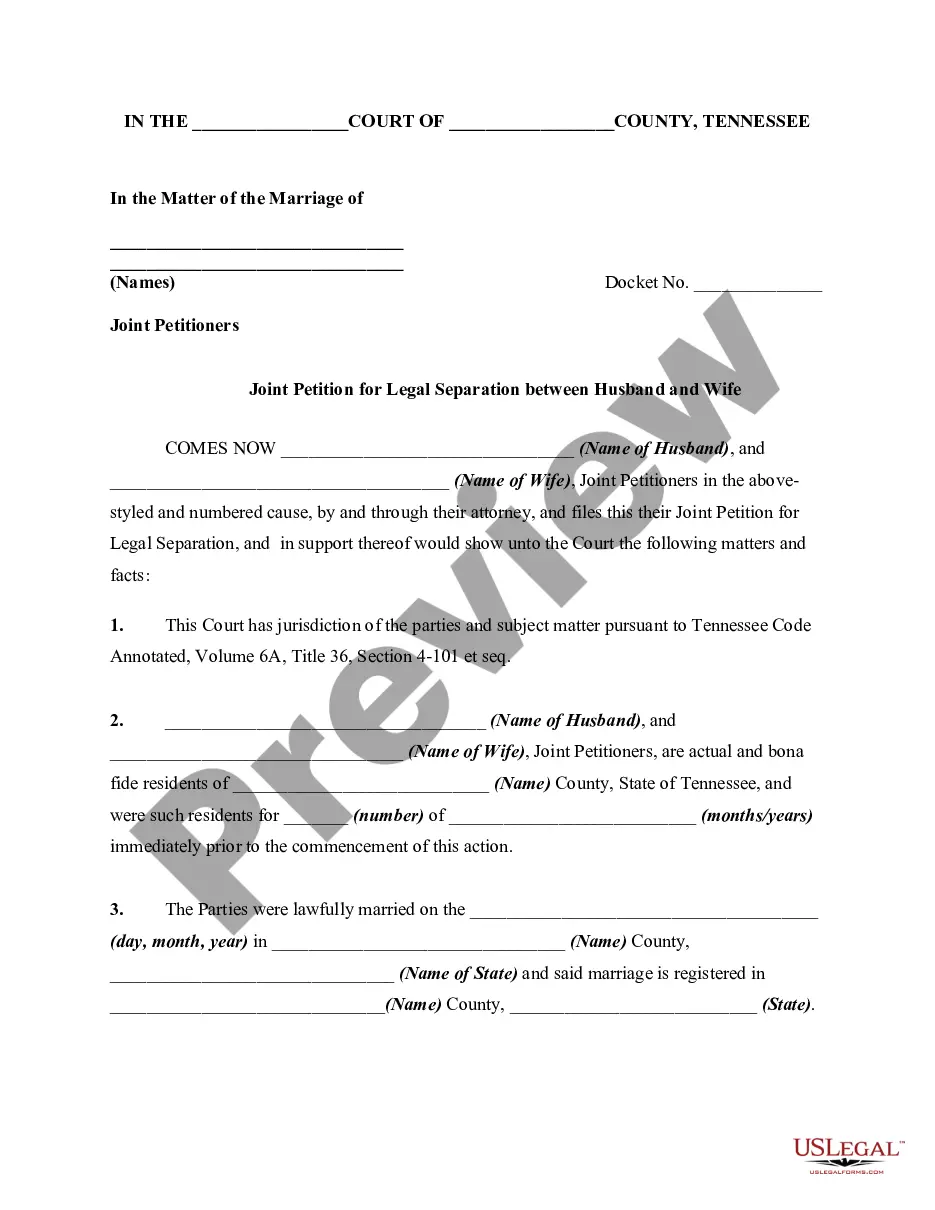
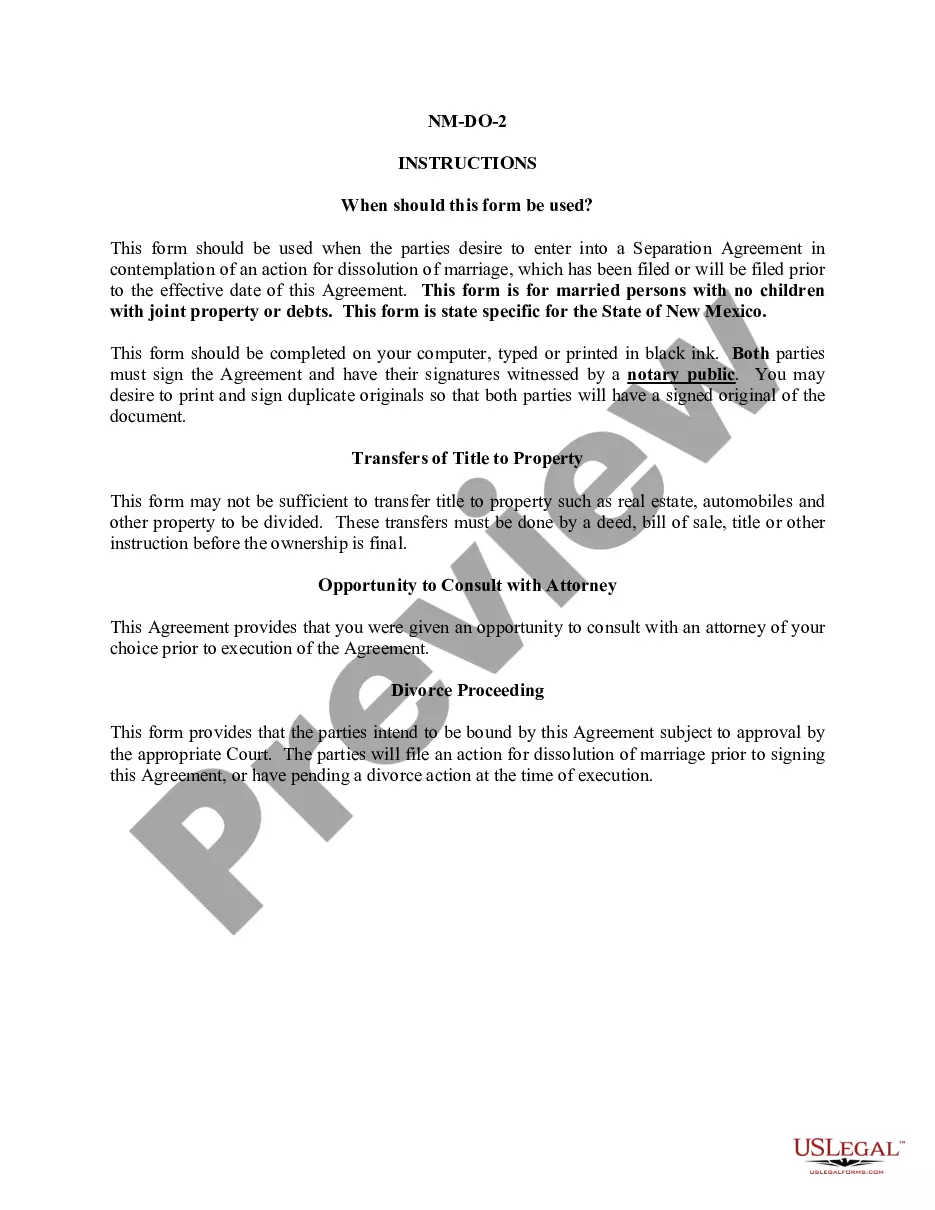
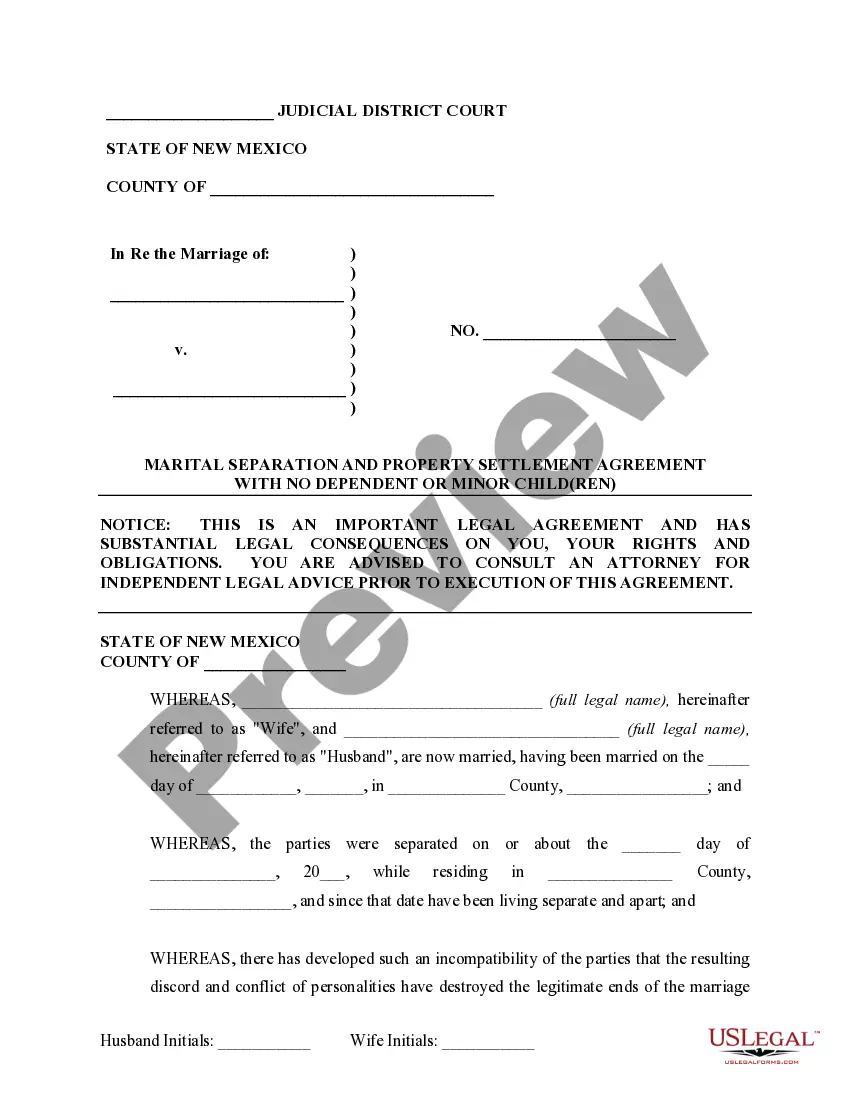
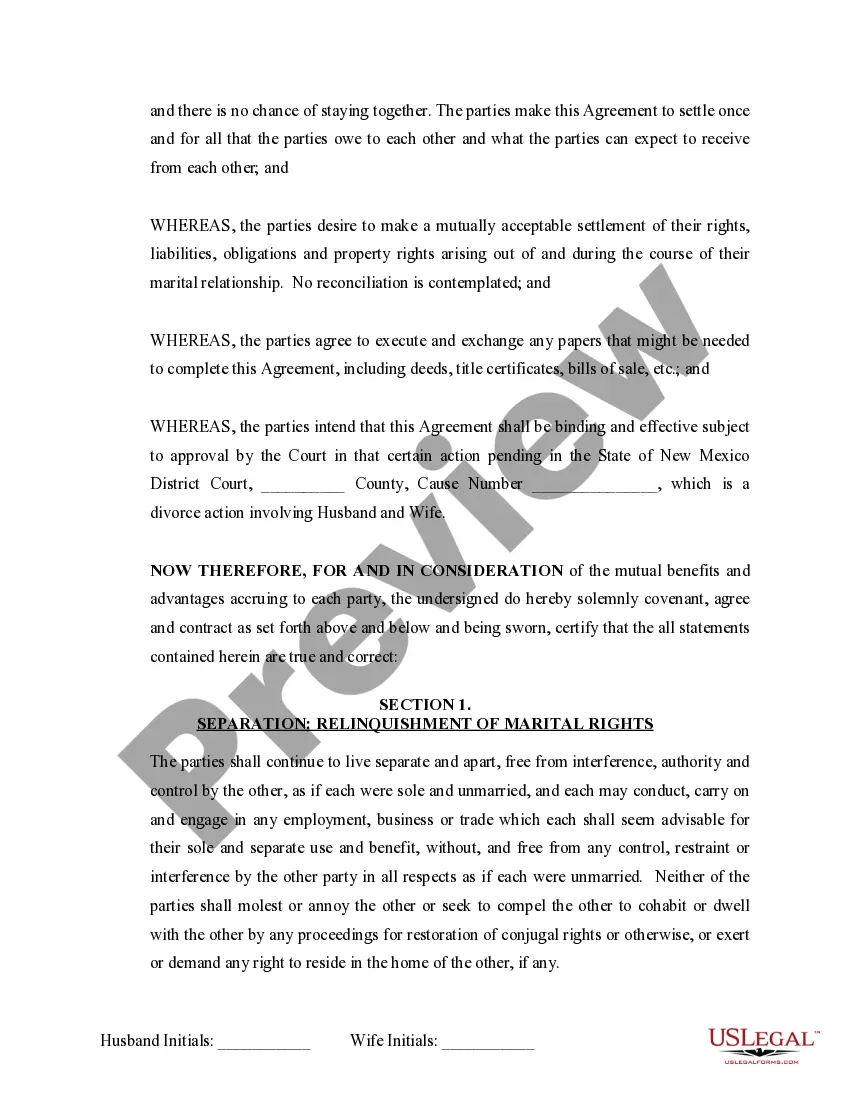
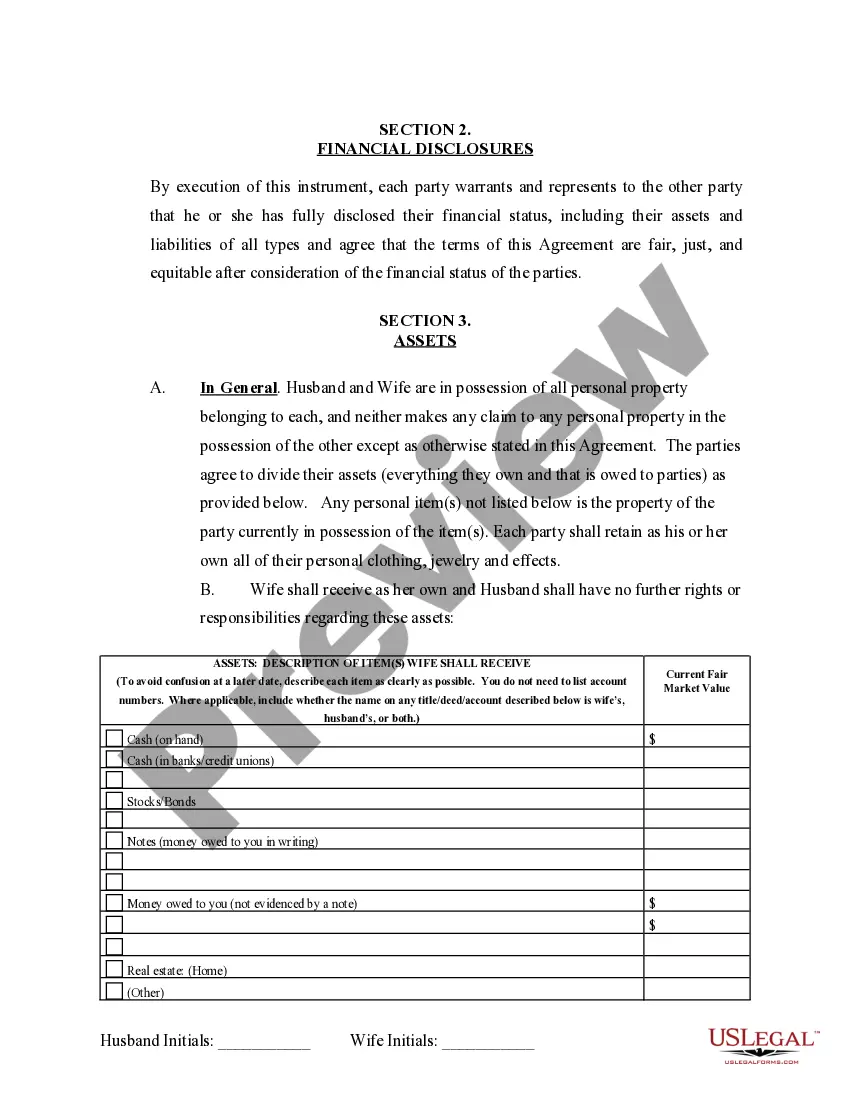
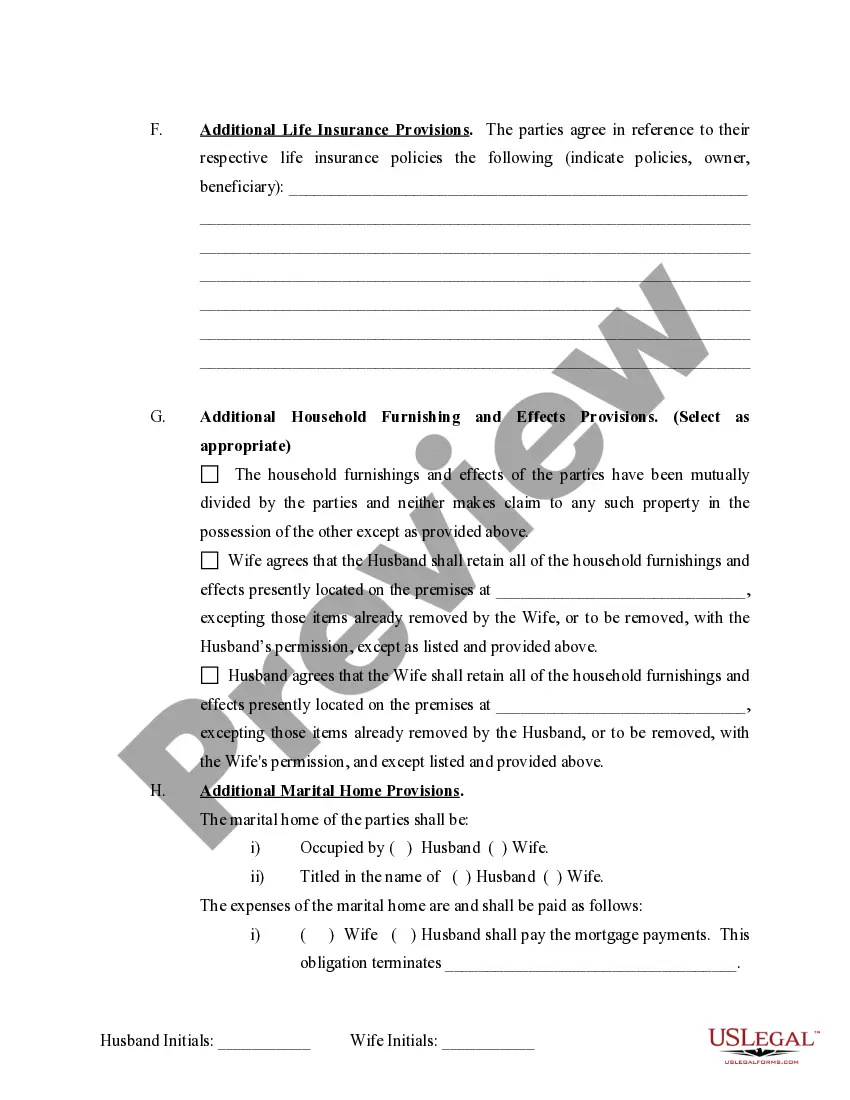
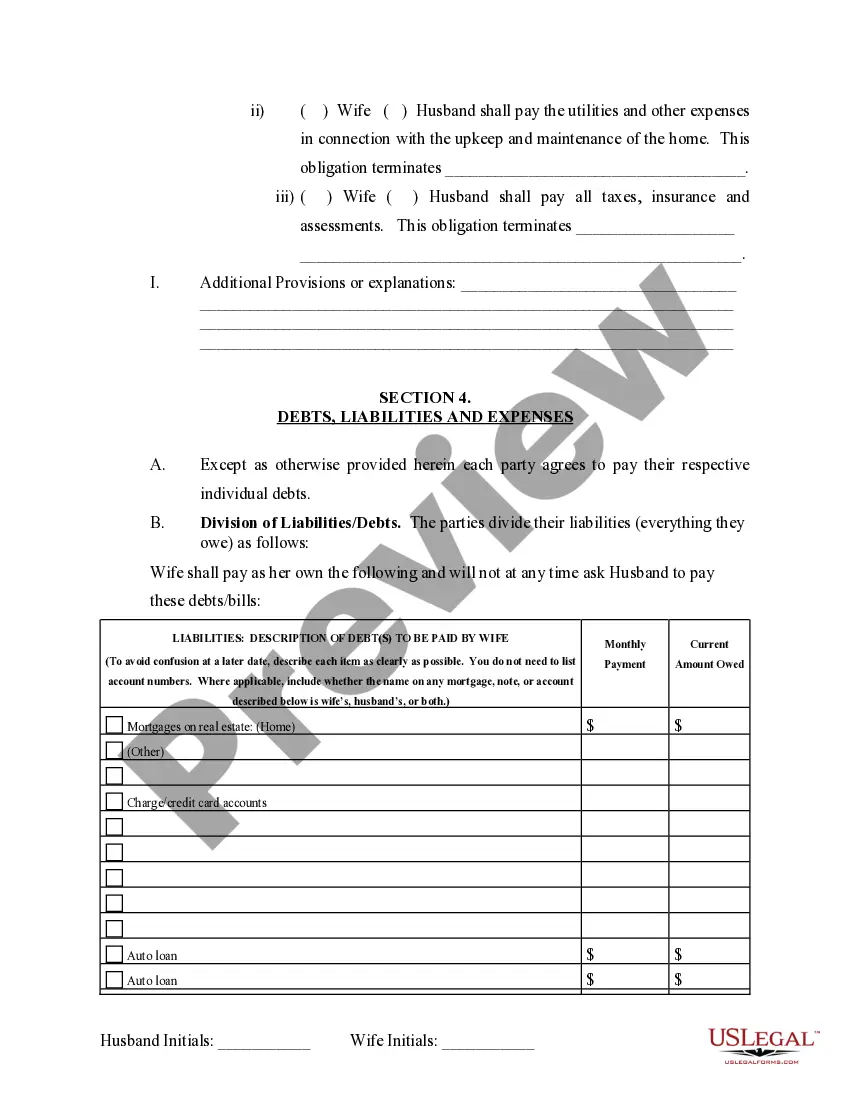
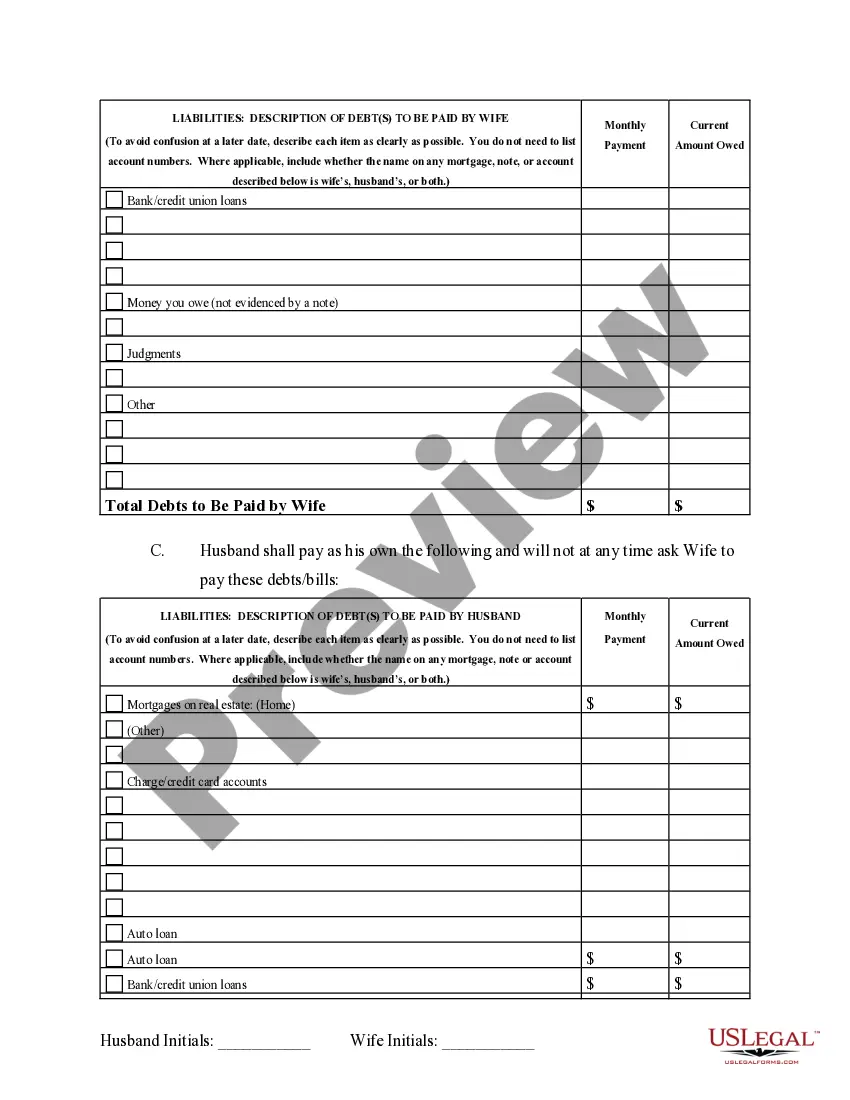
The Marital Domestic Separation and Property Settlement Agreement is a legal document designed for married couples in New Mexico who have no children and have joint property or debts. It helps the parties to resolve their financial issues when a divorce action is pending, detailing the division of assets and liabilities. This form stands out from other divorce-related agreements as it specifically addresses scenarios involving couples without children, ensuring a clear and mutual understanding of their financial responsibilities and property rights.
Main sections of this form
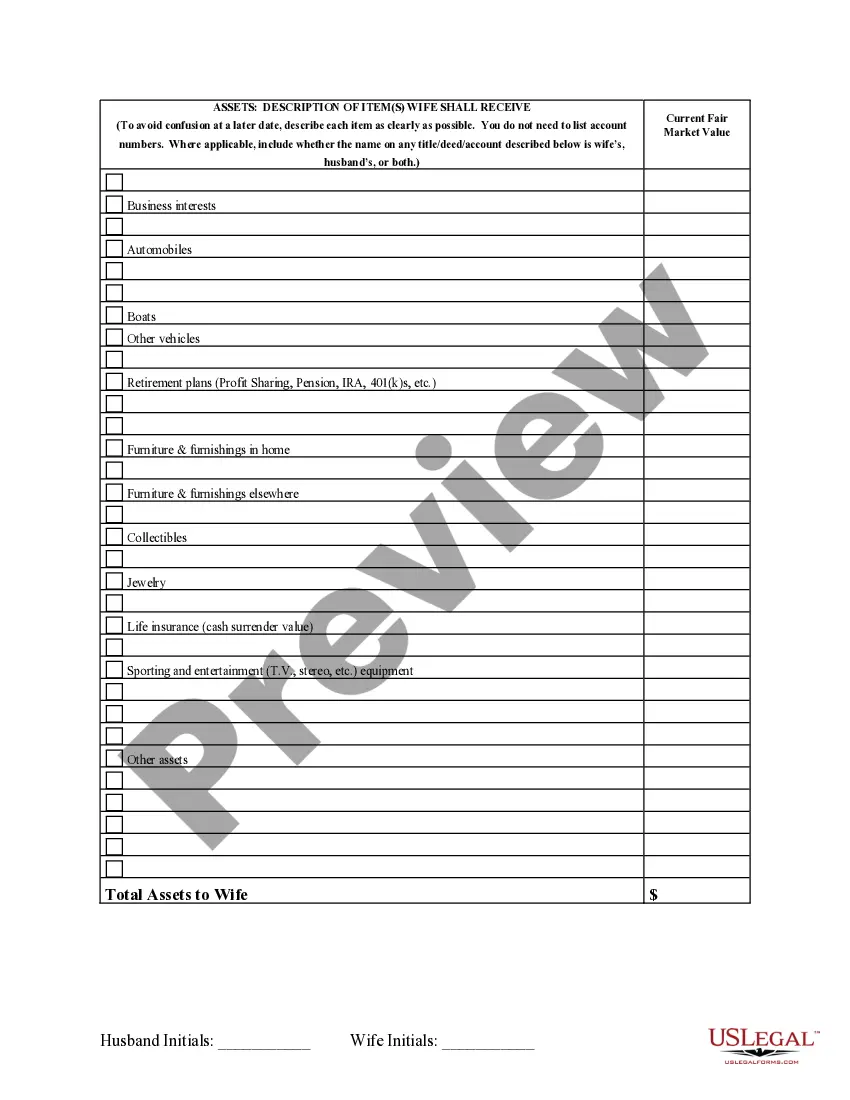
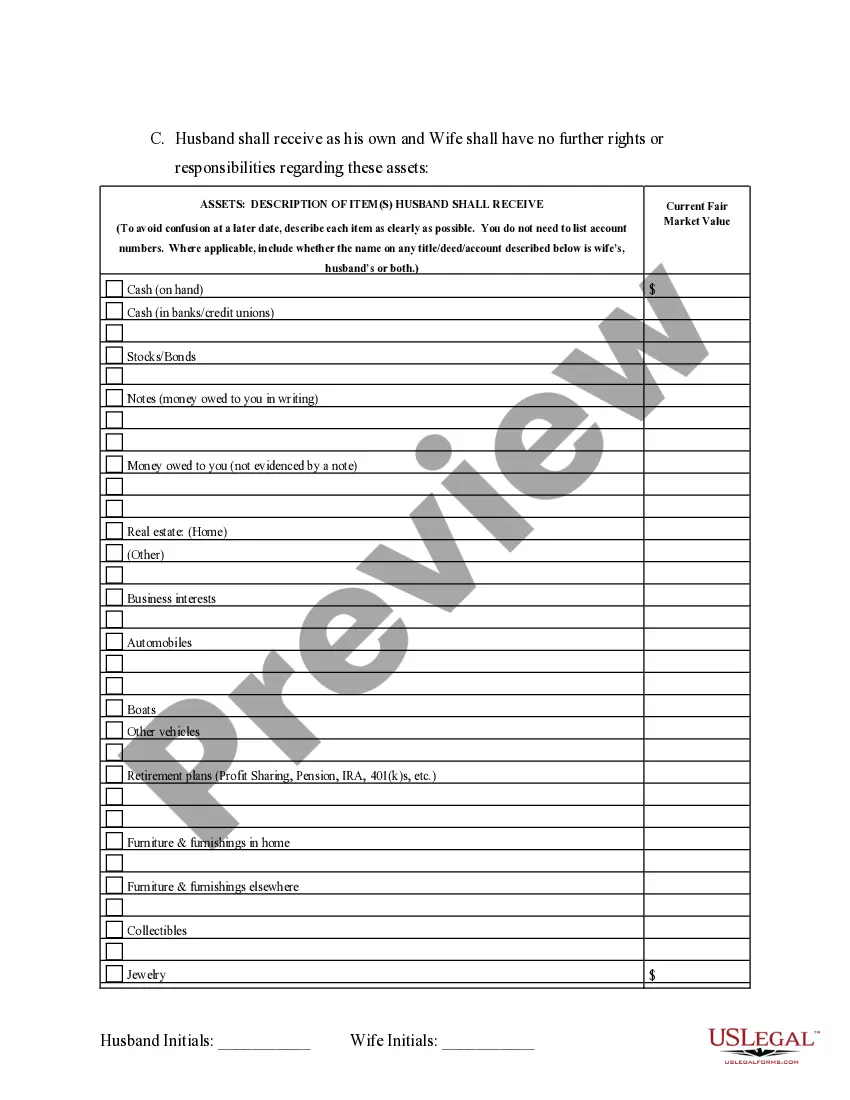
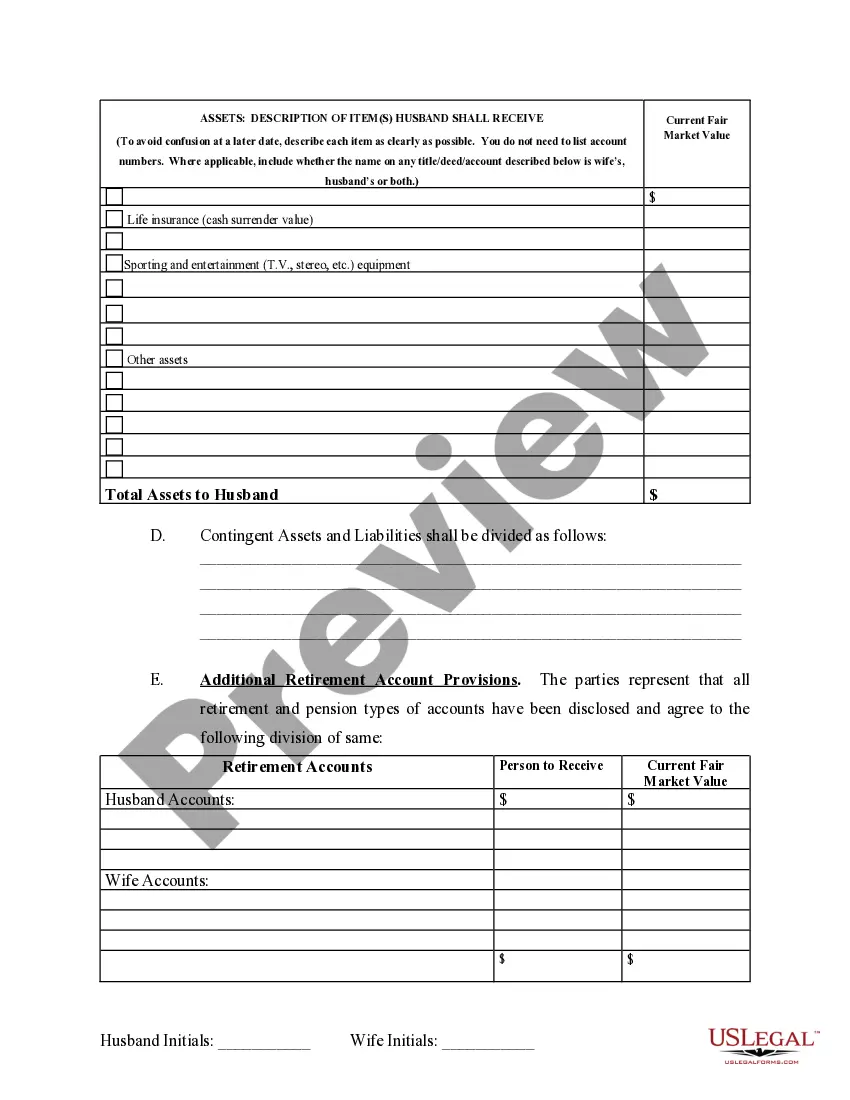
- Detailed provisions for separating assets and debts between the parties.
- Agreement on spousal support (if applicable) and future income distributions.
- Confirmation of independent legal advice before execution.
- Specification of how property titles and debts will be transferred or maintained.
- Clauses pertaining to the modification and enforcement of the agreement.


Situations where this form applies
This form should be used when both parties are contemplating divorce and need to formalize their separation agreement, particularly when there are joint debts or properties involved. It addresses financial obligations and property division comprehensively, making it suitable for couples who aim for a straightforward resolution of their pending divorce without children in the picture.
Who needs this form
- Married couples in New Mexico without minor or dependent children.
- Individuals seeking to settle joint property and debt obligations before finalizing their divorce.
- Parties looking for a clear legal framework to guide their financial separation during the divorce process.
How to prepare this document
- Identify the parties involved by providing their full legal names and details of their marriage.
- List all joint assets and debts clearly, detailing which party will retain responsibility for each.
- Include any agreements regarding spousal support, specifying amounts and payment schedules.
- Ensure that both parties sign the agreement in the presence of a notary public.
- Print and distribute duplicate originals to ensure that both parties have a signed copy.
Does this document require notarization?
Yes, this form must be notarized to be legally valid. It requires both parties to sign in the presence of a notary public to confirm their identities and willingness to enter into this agreement. US Legal Forms offers integrated online notarization, available 24/7, ensuring a secure video call process for easy compliance without the need for travel.
Get your form ready online
Our built-in tools help you complete, sign, share, and store your documents in one place.
Make edits, fill in missing information, and update formatting in US Legal Forms—just like you would in MS Word.
Download a copy, print it, send it by email, or mail it via USPS—whatever works best for your next step.
Sign and collect signatures with our SignNow integration. Send to multiple recipients, set reminders, and more. Go Premium to unlock E-Sign.
If this form requires notarization, complete it online through a secure video call—no need to meet a notary in person or wait for an appointment.
We protect your documents and personal data by following strict security and privacy standards.

Make edits, fill in missing information, and update formatting in US Legal Forms—just like you would in MS Word.

Download a copy, print it, send it by email, or mail it via USPS—whatever works best for your next step.

Sign and collect signatures with our SignNow integration. Send to multiple recipients, set reminders, and more. Go Premium to unlock E-Sign.

If this form requires notarization, complete it online through a secure video call—no need to meet a notary in person or wait for an appointment.

We protect your documents and personal data by following strict security and privacy standards.
Mistakes to watch out for
- Failing to fully disclose all assets and debts.
- Not having the agreement notarized, which may invalidate it.
- Neglecting to consult with an attorney for independent legal advice.
- Missing signatures from both parties, which is essential for enforcement.
Why complete this form online
- Convenient access to a professionally drafted legal template tailored to New Mexico laws.
- Edit and personalize the document easily to fit specific circumstances.
- Secure download allows for immediate use and preparation of the agreement.
- Supports a clear and organized process for finalizing the terms of separation.
Looking for another form?


Form popularity
FAQ
If you're in the process of filing for divorce, you may be entitled to, or obligated to pay, temporary alimony while legally separated. In many instances, one spouse may be entitled to temporary support during the legal separation to pay for essential monthly expenses such as housing, food and other necessities.
Don't publicize it. Tell someone you are getting a divorce or separation, and suddenly everyone has something to say. Don't move out. Don't maintain the status quo. Don't date just to date. Don't delay the inevitable.
Rights to Property after Separation: When You're Married and Getting a Divorce. The benefit of getting married is that, in the event of a divorce or separation, you are entitled to a share of the property.The right to stay in your home unless a court order excludes it.
To be legally separated, you and your spouse must live apart and intend to do so permanently. During this process, you'll divide property, determine liability for outstanding debts, decide on child custody issues, and determine spousal and child support.
At divorce, community property is generally divided equally between the spouses, while each spouse keeps his or her separate property. Equitable distribution. In all other states, assets and earnings accumulated during marriage are divided equitably (fairly), but not necessarily equally.
New Mexico is a community property state. This means that any property that belongs to the marriage must be split equally between the spouses when they divorce. Likewise, all debts incurred during the marriage (with the exception of gambling debts) belong to both spouses equally.
Rights to Property after Separation: When You're Married and Getting a Divorce. The benefit of getting married is that, in the event of a divorce or separation, you are entitled to a share of the property.The right to stay in your home unless a court order excludes it.
Since New Mexico is a "Community Property" state, all marital property will be divided in a 50-50 fashion according to the court unless agreed to otherwise by the divorcing spouses. This means that everything that is considered "up for grabs" in the dissolution of marriage will be distributed equally to each spouse.
A separation agreement may be set aside and determined to be unenforceable if a party can show that the agreement was not signed voluntarily, that its terms are unconscionable, or that it was obtained as the result of fraud, duress, or undue influence.