Mississippi Affidavit
About this form
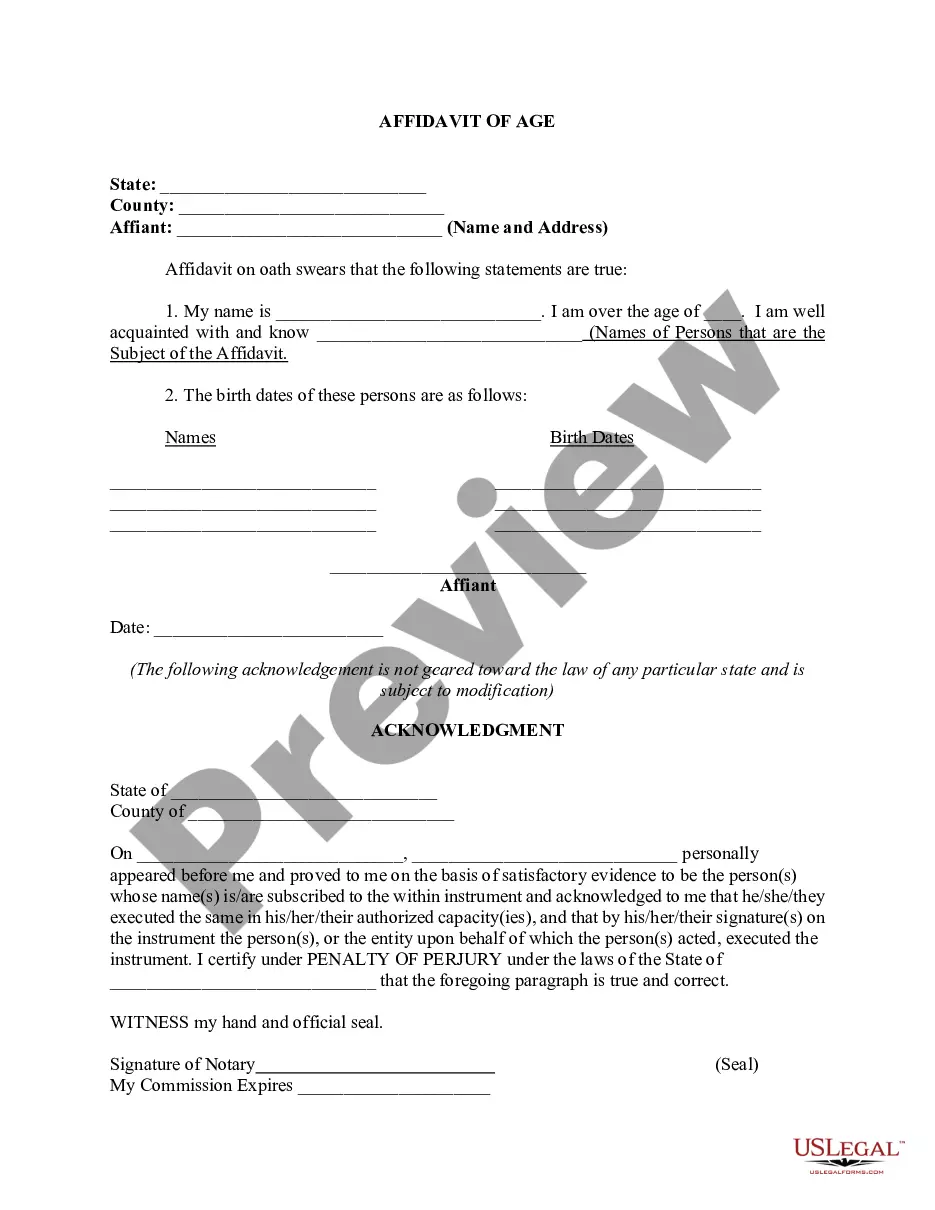
An affidavit is a sworn, written statement of facts made by the affiant, the individual providing the statement, in the presence of a notary public or other official witness. This document serves to affirm the truth and accuracy of the information contained within it. Unlike similar forms, an affidavit carries a legal obligation for the affiant to be truthful, which can result in penalties for false statements. The Affidavit provided here is a customizable template designed to facilitate the recording of important information.
Main sections of this form
- Affiant's information: Name, address, and contact details of the individual making the affidavit.
- Statement of facts: A clear, concise account of the facts being sworn to by the affiant.
- Signature section: A designated area for the affiant to sign before a notary or official witness.
- Notary section: Space for the notary public to sign and stamp the affidavit, validating its legality.
- Additional declarations: Options for including any supplementary statements pertinent to the affidavit's purpose.
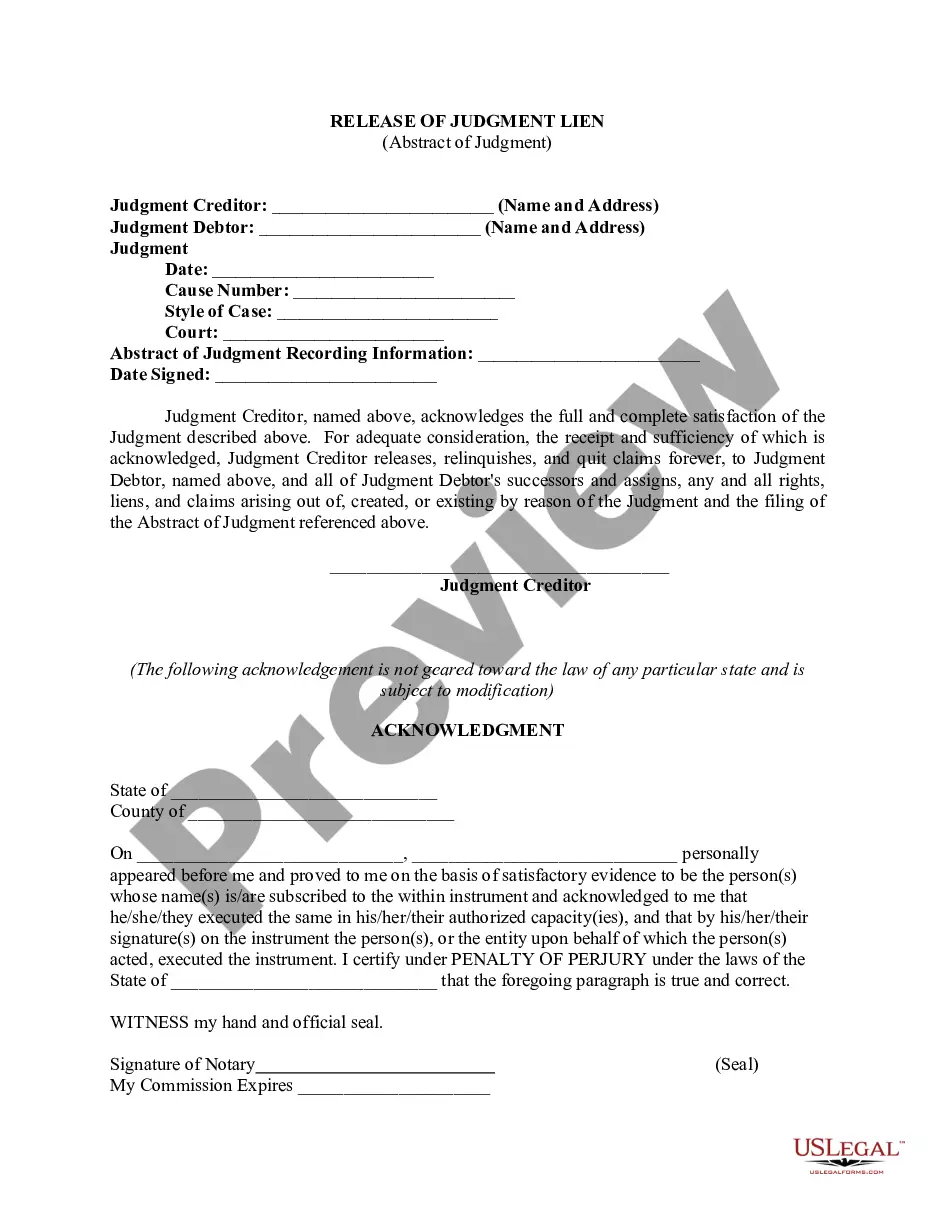
When to use this form
This affidavit can be used in various situations, such as providing evidence in court, verifying identity, or confirming the details of a transaction. It is often required when filing legal documents, asserting claims, or responding to legal requests that necessitate a sworn statement. Examples include divorce proceedings, property disputes, or confirming compliance with legal requirements.
Who can use this document
- Individuals needing to provide a sworn statement for legal purposes.
- Parties involved in legal disputes who must verify facts under oath.
- Anyone who is required to submit an affidavit as part of a legal process.
Instructions for completing this form
- Identify the affiant: Enter the full name and contact information of the person making the affidavit.
- Detail the facts: Clearly articulate the facts that are being sworn to, ensuring accuracy and clarity.
- Sign the affidavit: The affiant must sign the document in the presence of a notary or official witness.
- Complete the notary section: The notary public will sign and affix their seal to verify the affidavit.
- Make copies: Keep copies of the signed affidavit for personal records and any required submissions.
Is notarization required?
This form must be notarized to be legally valid. US Legal Forms provides secure online notarization powered by Notarize, allowing you to complete the process through a verified video call.
Get your form ready online
Our built-in tools help you complete, sign, share, and store your documents in one place.
Make edits, fill in missing information, and update formatting in US Legal Forms—just like you would in MS Word.
Download a copy, print it, send it by email, or mail it via USPS—whatever works best for your next step.
Sign and collect signatures with our SignNow integration. Send to multiple recipients, set reminders, and more. Go Premium to unlock E-Sign.
If this form requires notarization, complete it online through a secure video call—no need to meet a notary in person or wait for an appointment.
We protect your documents and personal data by following strict security and privacy standards.

Make edits, fill in missing information, and update formatting in US Legal Forms—just like you would in MS Word.

Download a copy, print it, send it by email, or mail it via USPS—whatever works best for your next step.

Sign and collect signatures with our SignNow integration. Send to multiple recipients, set reminders, and more. Go Premium to unlock E-Sign.

If this form requires notarization, complete it online through a secure video call—no need to meet a notary in person or wait for an appointment.

We protect your documents and personal data by following strict security and privacy standards.
Common mistakes to avoid
- Failing to have the affidavit signed in the presence of a notary.
- Leaving out required information about the affiant.
- Providing vague or unclear statements of fact.
- Not timing the signing correctly, which can affect the validity.
Why use this form online
- Convenience: Easily download and customize the affidavit from home.
- Editability: The template allows for modifications to fit specific needs.
- Reliability: The form is drafted by licensed attorneys to ensure compliance with legal standards.
Quick recap
- An affidavit is a written, sworn statement of facts, requiring notarization.
- It is commonly used in legal scenarios where official testimony or verification is needed.
- Ensure accurate and clear statements to avoid legal issues.
Looking for another form?



Form popularity
FAQ
Prepare the mechanics lien document. Record the mechanics lien in Mississippi. Serve a copy of the mechanics lien to the appropriate parties. Enforce/cancel the mechanics lien.
Prepare the lien document, taking care to include all the necessary information set forth above including the required statements. Sign the document. Deliver the lien must the office of the clerk of the chancery court of the county where the property is located.
While they don't require lien filings to be notarized, they do require a lien filer to jump through various other hoops that, if not done properly, might cause your filing to be rejected or invalidated: Delaware.
Mechanic's liens are legal documents that essentially reserve the rights of the filer to seek unpaid compensation. They are usually filed by contractors, subcontractors, or suppliers that never received payment for work that they performed or materials that they provided on the property.
For purposes of this section, a vehicle or other personal property shall be presumed to be abandoned if it is left unattended on a street or highway for a period in excess of 48 hours, if it is left unattended on an interstate highway or freeway for a period in excess of ten hours, or is left on any public or private
A party selling an abandoned motor vehicle must submit an Affidavit of Abandonment to the Mississippi State Tax Commission along with documentation that the procedural requirements to sell an abandoned car under Miss.
Even though these states may permit project participants to secure lien rights and claim a mechanics lien even without a written contract, it is generally best practice to have a signed written contract for work provided.
A Mississippi general bill of sale does not need to be notarized.
A Mississippi general bill of sale does not need to be notarized.