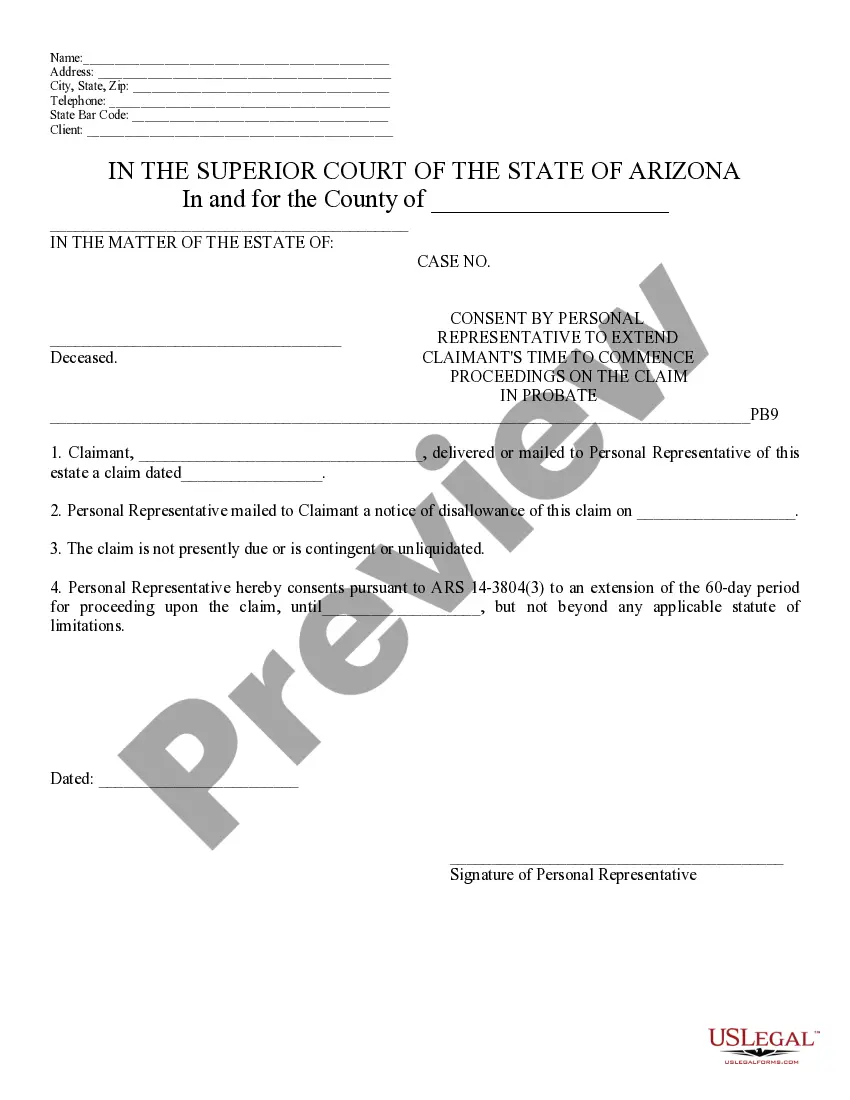
Arizona Consent by Personal Representative to Extend Claimants Time to Commence Proceedings on Claim in Probate
The Consent by Personal Representative to Extend Claimants Time to Commence Proceedings on Claim in Probate is a legal form used to grant permission for an extension regarding a claim made against an estate during probate proceedings. This form is essential for any personal representative who needs to provide consent for a claimant to take additional time to initiate legal actions related to their claim. It is particularly important in Arizona, where specific statutes govern these time extensions.
- Claimant's Information: Includes name and details of the claimant submitting the claim.
- Claim Date: Specifies the date the claim was delivered or mailed to the personal representative.
- Disallowance Notice Date: Date when the personal representative notified the claimant that the claim was disallowed.
- Extension Terms: Indicates a new date for the extension of the claim period, compliant with Arizona law.
- Signature of Personal Representative: The form must be signed and dated by the personal representative to be valid.
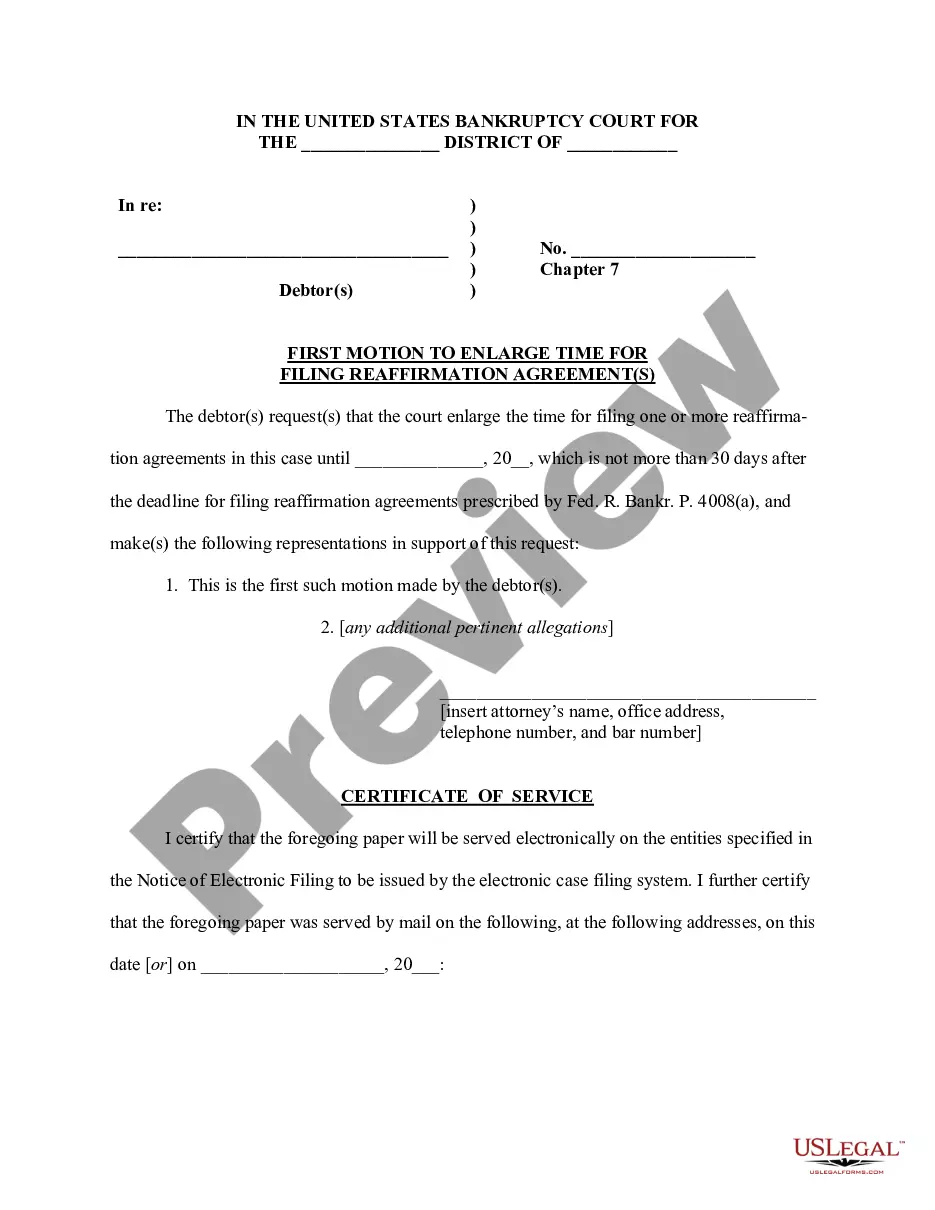
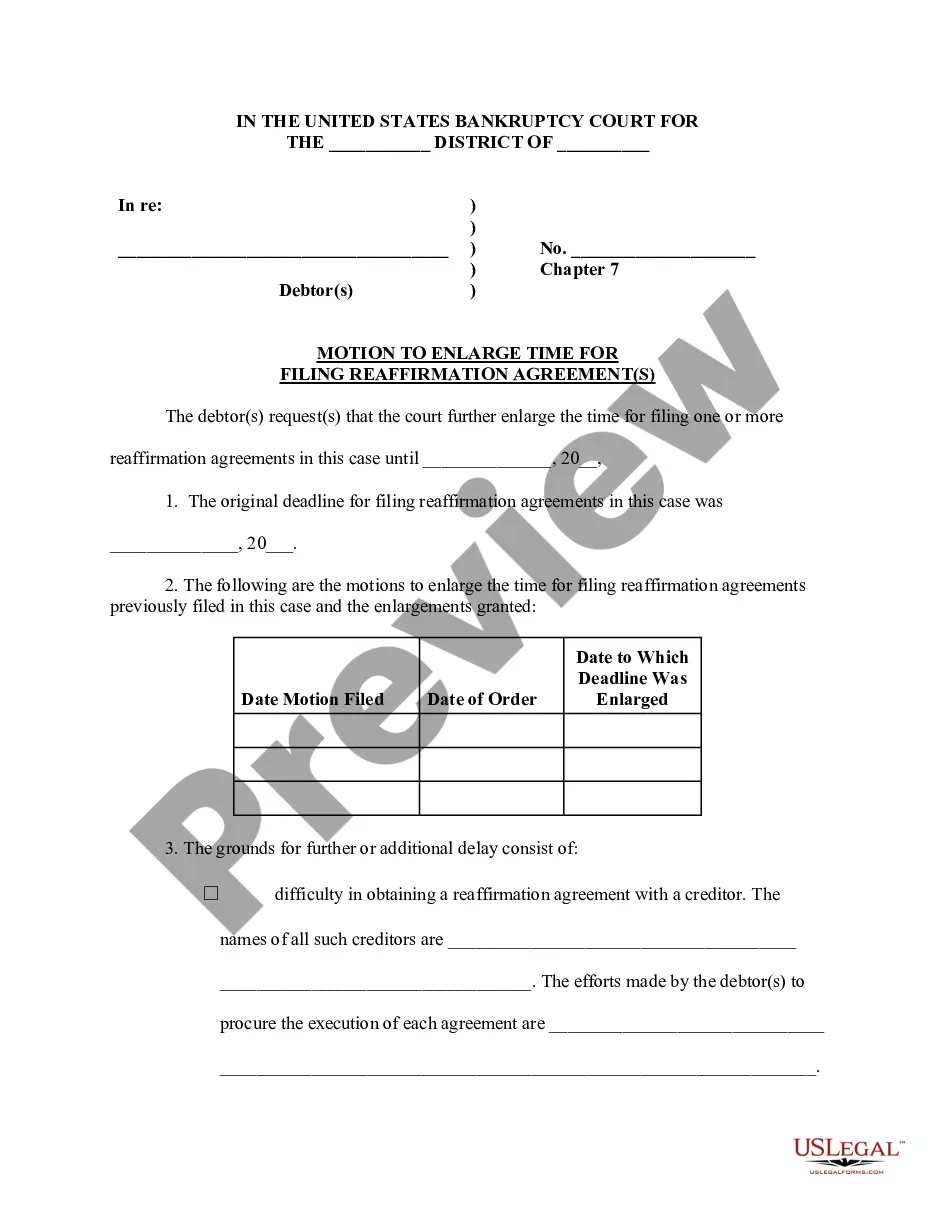
This form should be used when a personal representative needs to extend the time for a claimant to commence legal proceedings regarding a claim against an estate in probate. Common situations include instances where the claim is not yet due or is contingent. This form allows both parties to maintain compliance with legal timelines while addressing the claim's particulars.
The following individuals or entities should use this form:
- Personal representatives managing an estate in Arizona.
- Claimants who have submitted claims that require additional time to pursue.
- Legal professionals advising clients on probate claims and estate management.
To complete this form, follow these steps:
- Identify the claimant and personal representative involved in the claim.
- Enter the date the original claim was submitted.
- Provide the date the personal representative sent the disallowance notice.
- Specify the new date until which the claim period is being extended.
- Sign and date the form as the personal representative.
Does this document require notarization?
In most cases, this form does not require notarization. However, some jurisdictions or signing circumstances might. US Legal Forms offers online notarization powered by Notarize, accessible 24/7 for a quick, remote process.
Get your form ready online
Our built-in tools help you complete, sign, share, and store your documents in one place.
Make edits, fill in missing information, and update formatting in US Legal Forms—just like you would in MS Word.
Download a copy, print it, send it by email, or mail it via USPS—whatever works best for your next step.
Sign and collect signatures with our SignNow integration. Send to multiple recipients, set reminders, and more. Go Premium to unlock E-Sign.
If this form requires notarization, complete it online through a secure video call—no need to meet a notary in person or wait for an appointment.
We protect your documents and personal data by following strict security and privacy standards.
Make edits, fill in missing information, and update formatting in US Legal Forms—just like you would in MS Word.
Download a copy, print it, send it by email, or mail it via USPS—whatever works best for your next step.
Sign and collect signatures with our SignNow integration. Send to multiple recipients, set reminders, and more. Go Premium to unlock E-Sign.

If this form requires notarization, complete it online through a secure video call—no need to meet a notary in person or wait for an appointment.
We protect your documents and personal data by following strict security and privacy standards.
- Failing to enter the correct dates for claim submission and disallowance.
- Not signing the form, which makes it invalid.
- Overlooking state-specific requirements that may impact the extension period.
- Convenience: Quickly download and fill out the form from anywhere.
- Editability: Customize language and details to fit specific situations.
- Reliability: Forms are drafted by licensed attorneys, ensuring legal validity.
- The form serves as a formal agreement acknowledging the claimant's request for an extension.
- Failure to adhere to the extension terms may impact the claimant's ability to pursue their claim.
- The form is essential for managing timelines related to probate claims in Arizona.
- Both parties must understand their rights regarding claim submissions and extensions.
- Always ensure the form is properly filled out to prevent legal complications.
Looking for another form?








Form popularity
FAQ
The Rule of Civil Procedure 53 in Arizona deals with the appointment of special masters to oversee specific issues in legal proceedings. It establishes the conditions under which a court may appoint a master to facilitate the claims process. This rule can play a significant role in probate cases where an Arizona Consent by Personal Representative to Extend Claimants Time to Commence Proceedings on Claim in Probate may be required. Utilizing the expertise of platforms like uslegalforms can help clarify these rules and ensure compliance.
In Arizona, you generally have a specific timeframe to file a claim against an estate, which is typically four months from the date of the personal representative's notice to creditors. However, this timeframe may be extended if the personal representative consents to extend the claimant's time. This consent is often known as the Arizona Consent by Personal Representative to Extend Claimants Time to Commence Proceedings on Claim in Probate. If you are uncertain about your situation, consulting with a legal professional can provide guidance.
Rule 53 of the Arizona Supreme Court addresses the procedures and guidelines concerning probate and estate claims. It outlines how and when a personal representative can consent to extend a claimant's time to commence proceedings on claims against an estate. Understanding this rule is essential when considering the Arizona Consent by Personal Representative to Extend Claimants Time to Commence Proceedings on Claim in Probate. This ensures that all parties involved are aware of their rights and obligations in the probate process.
Rule 45 of the Arizona Rules of Probate Procedure pertains to the issuance of subpoenas for witness testimony and document production in probate matters. This rule ensures that legal proceedings follow proper guidelines, enhancing the integrity of the probate process. Understanding this rule is particularly relevant when navigating situations requiring Arizona Consent by Personal Representative to Extend Claimants Time to Commence Proceedings on Claim in Probate.
In Arizona, an estate typically must be valued at over $75,000 for it to undergo the probate process. If the estate falls below this threshold, it may qualify for simplified procedures. Knowing this can help individuals determine whether they will need Arizona Consent by Personal Representative to Extend Claimants Time to Commence Proceedings on Claim in Probate.
In Arizona, certain assets are exempt from probate, including those held in a trust, life insurance policies with designated beneficiaries, and joint tenancy property. Additionally, real estate with a transfer-on-death deed can bypass probate as well. Understanding these exemptions can help streamline the process for individuals needing Arizona Consent by Personal Representative to Extend Claimants Time to Commence Proceedings on Claim in Probate.
In Arizona, a trustee generally should distribute assets promptly, complying with the terms of the trust and state laws. Although there is no specific time limit, the trustee must act reasonably and avoid unnecessary delays. If extensions are needed, an Arizona Consent by Personal Representative to Extend Claimants Time to Commence Proceedings on Claim in Probate might be recommended to manage creditor claims.
A letter of appointment of personal representative in Arizona, also known as Letters Testamentary, is a legal document issued by the probate court. This document officially grants permission to an individual to act on behalf of the estate and manage its assets. By obtaining an Arizona Consent by Personal Representative to Extend Claimants Time to Commence Proceedings on Claim in Probate, the personal representative can ensure that they meet all required timelines for claims.
In Arizona, creditors typically have a limited time frame of 4 months from the date of the first notice to creditors to present their claims against the estate. This ensures that debts are resolved before the estate is distributed. If a claim is complicated, an Arizona Consent by Personal Representative to Extend Claimants Time to Commence Proceedings on Claim in Probate may be necessary to address all issues effectively.
The speed at which an estate settles can vary significantly based on the complexity of the estate and the communication among involved parties. In many cases, the process can take several months to over a year. If you obtain an Arizona Consent by Personal Representative to Extend Claimants Time to Commence Proceedings on Claim in Probate, it can streamline certain aspects, which may help expedite the overall process.