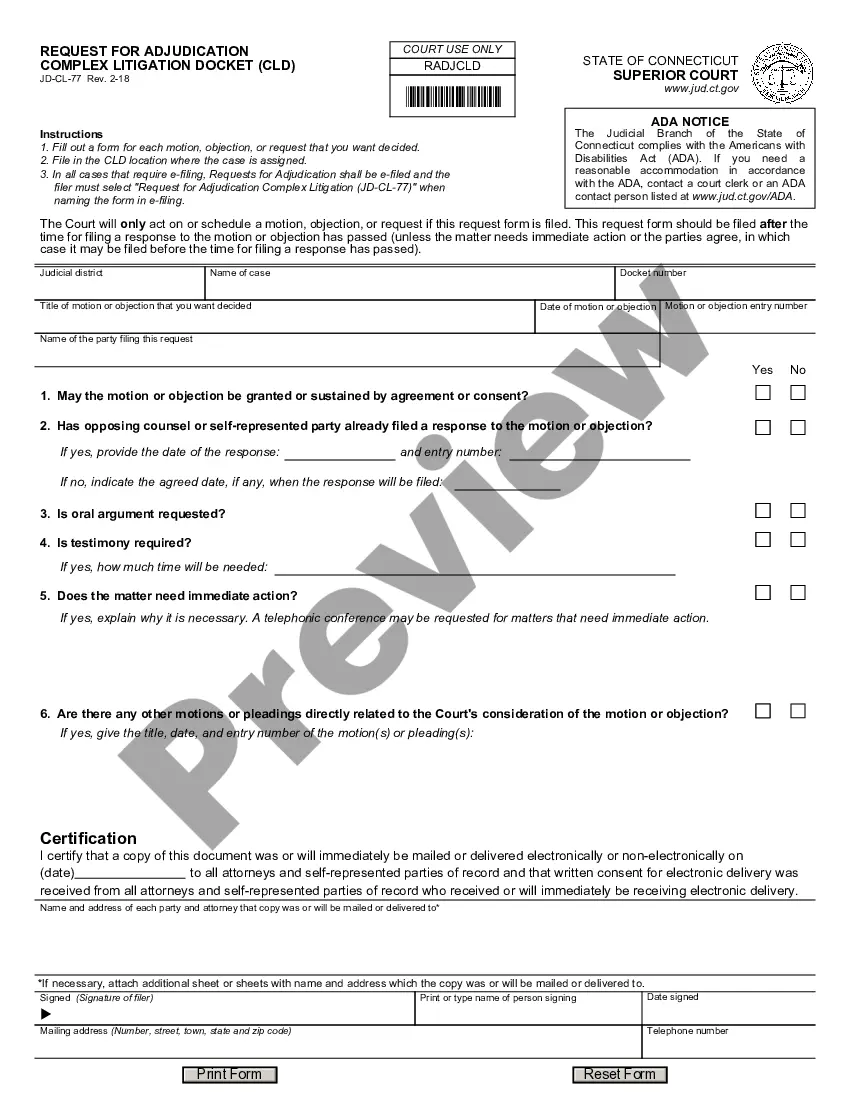
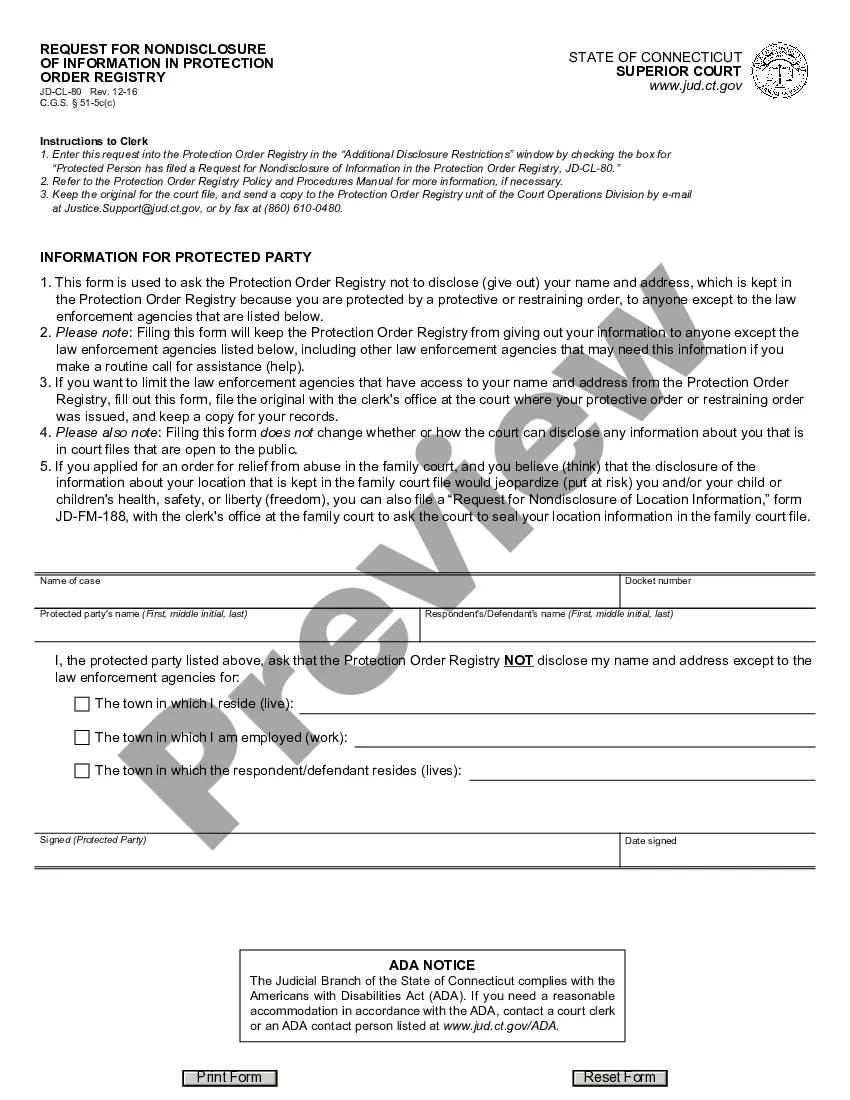
Alabama Affidavit form for expert
What this document covers
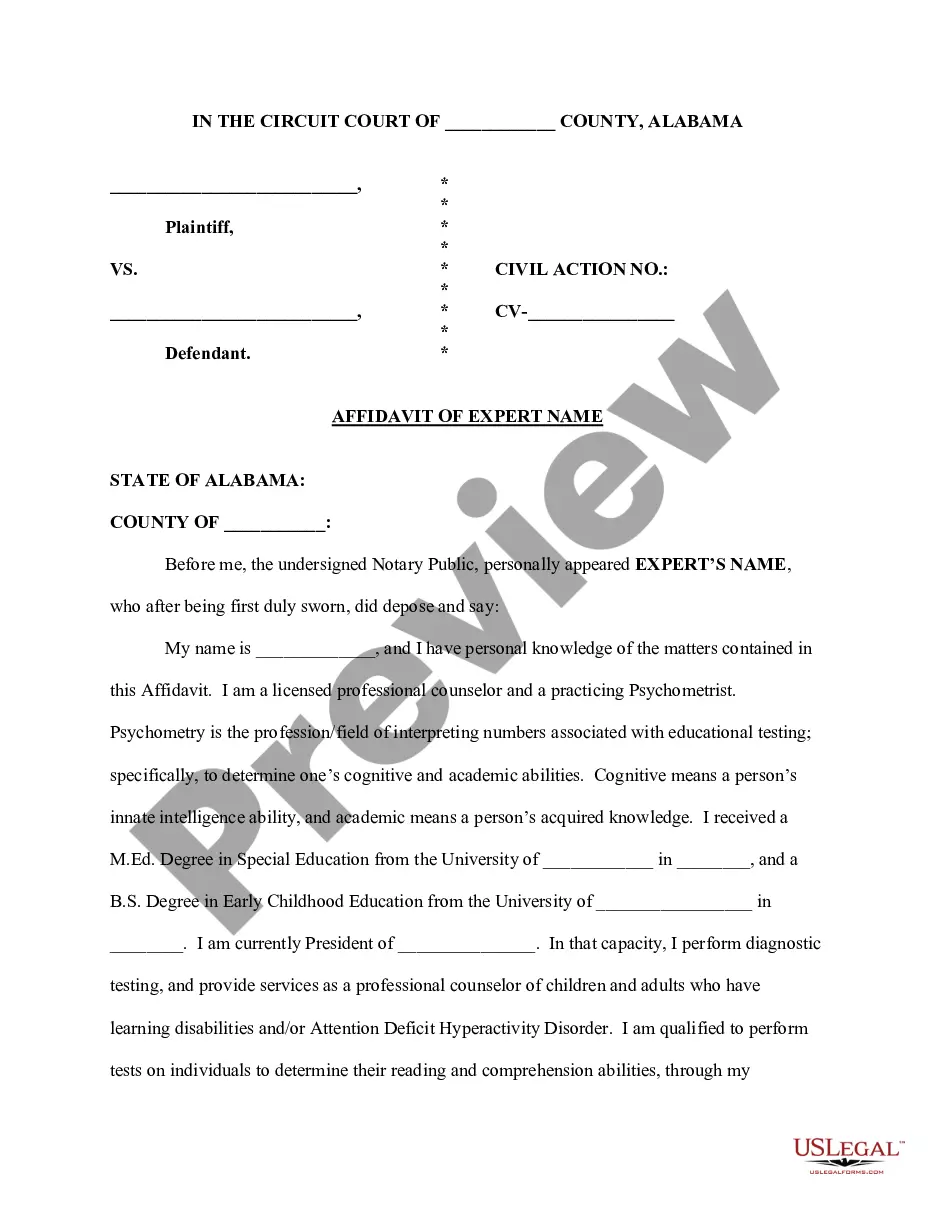
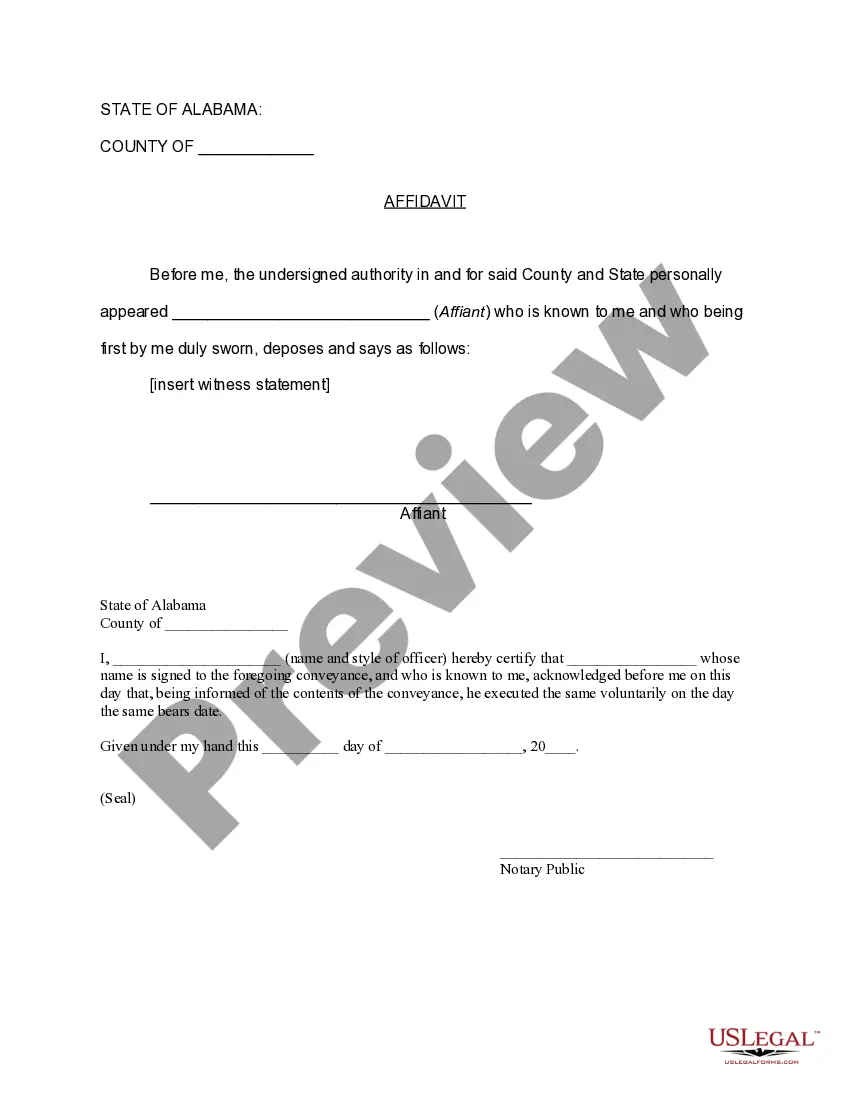
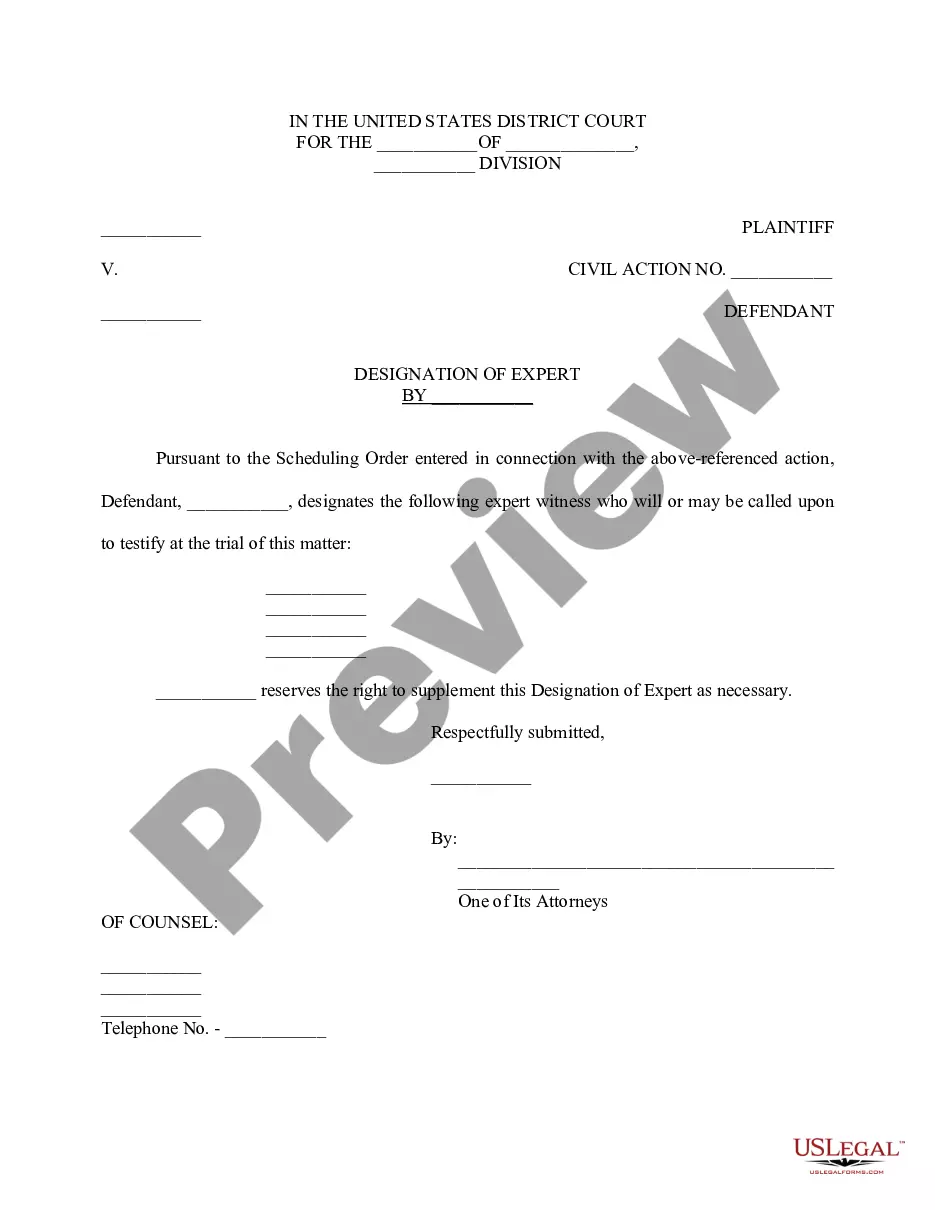
The affidavit form for expert is a legal document that allows an expert witness to provide detailed information regarding their qualifications in anticipation of testifying in court. This form serves to establish the credibility of the expert by outlining their education, experience, and specific expertise relevant to the case at hand. Unlike other affidavits, this one is specifically tailored for those who will testify as experts, ensuring that the court has a clear understanding of their qualifications and the basis of their opinions.
Form components explained
- Personal details about the expert including name, qualifications, and professional experience.
- Detailed description of the expert's educational background and relevant certifications.
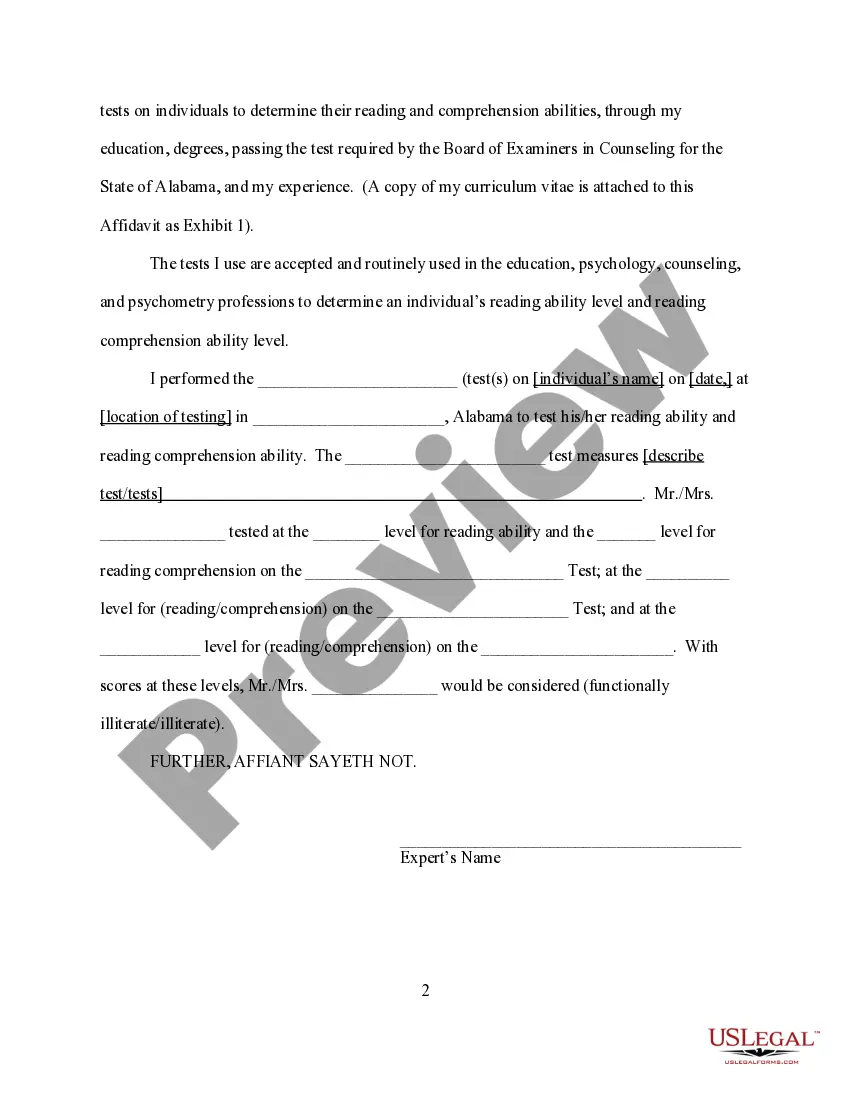
- Summary of the tests administered, including name and methodology.
- Results of the assessment and interpretation of scores in relevant contexts.
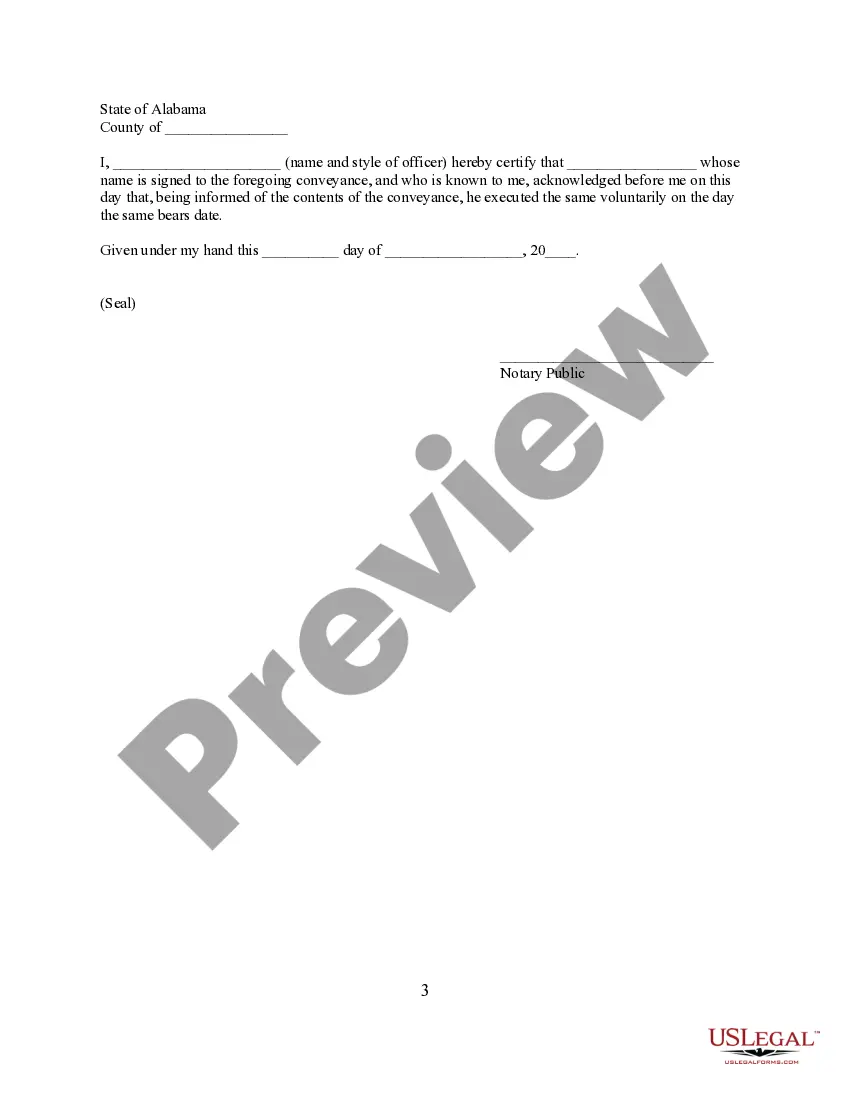
- Acknowledgment of the affidavit's execution before a notary public.

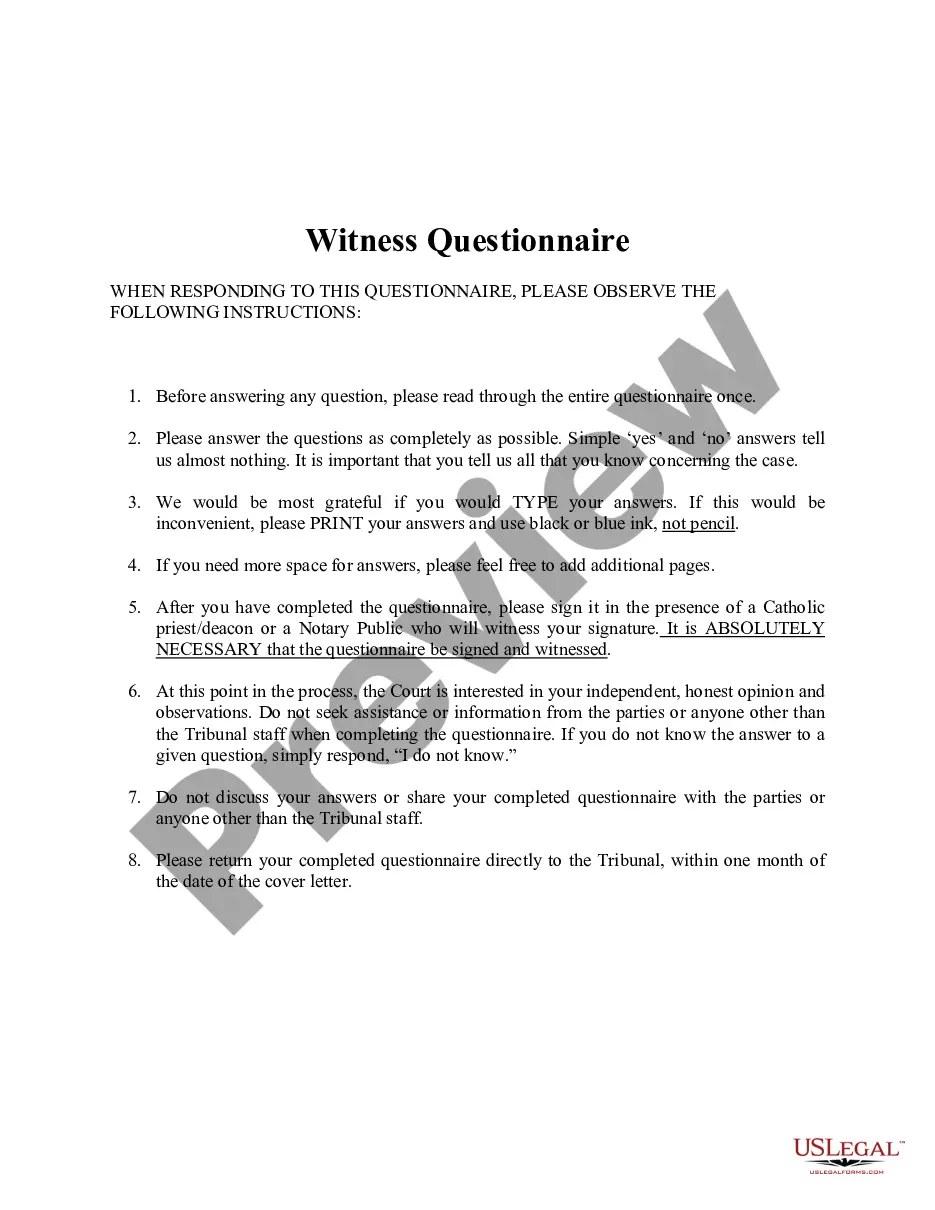
Common use cases
This affidavit should be used when an expert witness is required to provide testimony in court. It is particularly useful in civil actions, where understanding the qualifications of the expert is critical for the judicial process. Instances may include cases involving professional evaluations, custody disputes, or any situation where expert testimony about specialized knowledge is needed to support claims or defenses.
Who needs this form
- Expert witnesses who are called to testify in legal proceedings.
- Licensed professionals looking to validate their expertise in a court case.
- Legal attorneys seeking to prepare affidavits for their clients.
How to complete this form
- Identify the parties involved in the case by entering their names in the appropriate fields.
- Fill in the details of the expert witness including their name, qualifications, and professional background.
- Outline the tests conducted, including specific names and descriptions.
- Document the results obtained from the tests and interpret what those results imply regarding the individual being evaluated.
- Sign and date the form in the presence of a notary public who will validate the affidavit.
Notarization guidance
This form must be notarized to be legally valid. US Legal Forms provides secure online notarization powered by Notarize, allowing you to complete the process through a verified video call.
Get your form ready online
Our built-in tools help you complete, sign, share, and store your documents in one place.
Make edits, fill in missing information, and update formatting in US Legal Forms—just like you would in MS Word.
Download a copy, print it, send it by email, or mail it via USPS—whatever works best for your next step.
Sign and collect signatures with our SignNow integration. Send to multiple recipients, set reminders, and more. Go Premium to unlock E-Sign.
If this form requires notarization, complete it online through a secure video call—no need to meet a notary in person or wait for an appointment.
We protect your documents and personal data by following strict security and privacy standards.
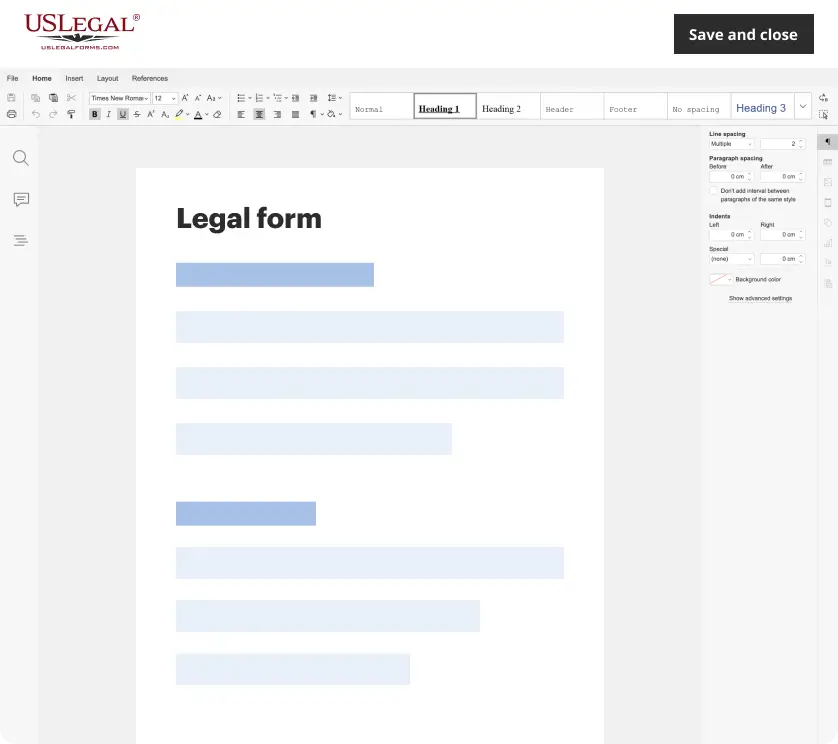
Make edits, fill in missing information, and update formatting in US Legal Forms—just like you would in MS Word.
Download a copy, print it, send it by email, or mail it via USPS—whatever works best for your next step.
Sign and collect signatures with our SignNow integration. Send to multiple recipients, set reminders, and more. Go Premium to unlock E-Sign.

If this form requires notarization, complete it online through a secure video call—no need to meet a notary in person or wait for an appointment.
We protect your documents and personal data by following strict security and privacy standards.
Common mistakes to avoid
- Failing to provide complete information about the expert's qualifications.
- Not accurately documenting the testing methods and results.
- Omitting the signature or date before a notary public.
- Including information that is not relevant to the case or the expert's qualifications.
Benefits of completing this form online
- Convenient download of a legally vetted form that meets state-specific requirements.
- Editability allows for quick customization according to individual expert credentials.
- Immediate access to a professional document while saving time and effort compared to drafting from scratch.
Legal use & context
- The affidavit serves as a formal statement, presenting facts and expert opinions relevant to the case.
- It is crucial for cases requiring expert testimony to clarify issues that may be beyond the understanding of the average person.
- Failures in proper completion can lead to dismissal of the affidavit's findings in court.
Looking for another form?

Form popularity
FAQ
Sworn statements are very similar to another class of court documents called affidavits. Affidavits contain similar statements and claims, but have been signed, witnessed, and certified by a public official.However, most courts would prefer to enter in an affidavit rather than a sworn statement.
I declare that, to the best of my knowledge and belief, the information herein is true and complete. I understand this statement is made for use as evidence in court and is subject to penalty for perjury.
Title the affidavit. First, you'll need to title your affidavit. Craft a statement of identity. The very next section of your affidavit is what's known as a statement of identity. Write a statement of truth. State the facts. Reiterate your statement of truth. Sign and notarize.
In the sentence, the person writing the statement must state that he or she is stating that the information is accurate. (Example: I, Jane Doe, solemnly swear that the contents of this document are true and correct, and that I agree to abide by the terms in this affidavit.)
To write a sworn statement, prepare a numbered list of each fact to which you want to swear, and then sign the bottom below a sentence that indicates the statement is sworn and made under penalty of perjury.
Title the affidavit. First, you'll need to title your affidavit. Craft a statement of identity. The very next section of your affidavit is what's known as a statement of identity. Write a statement of truth. State the facts. Reiterate your statement of truth. Sign and notarize.
A sworn statement about what? That's really the question. It's illegal to force someone to make a statement against themselves. It's a violation of their Article 31 rights under the UCMJ.
Step 2: Write the purpose of the Affidavit or the Heading. Step 3: Write the name of the parties in case of an affidavit being filled in Court or Write the name of the Deponent in case of other affidavits. Step 4: Write the complete address of the deponent.