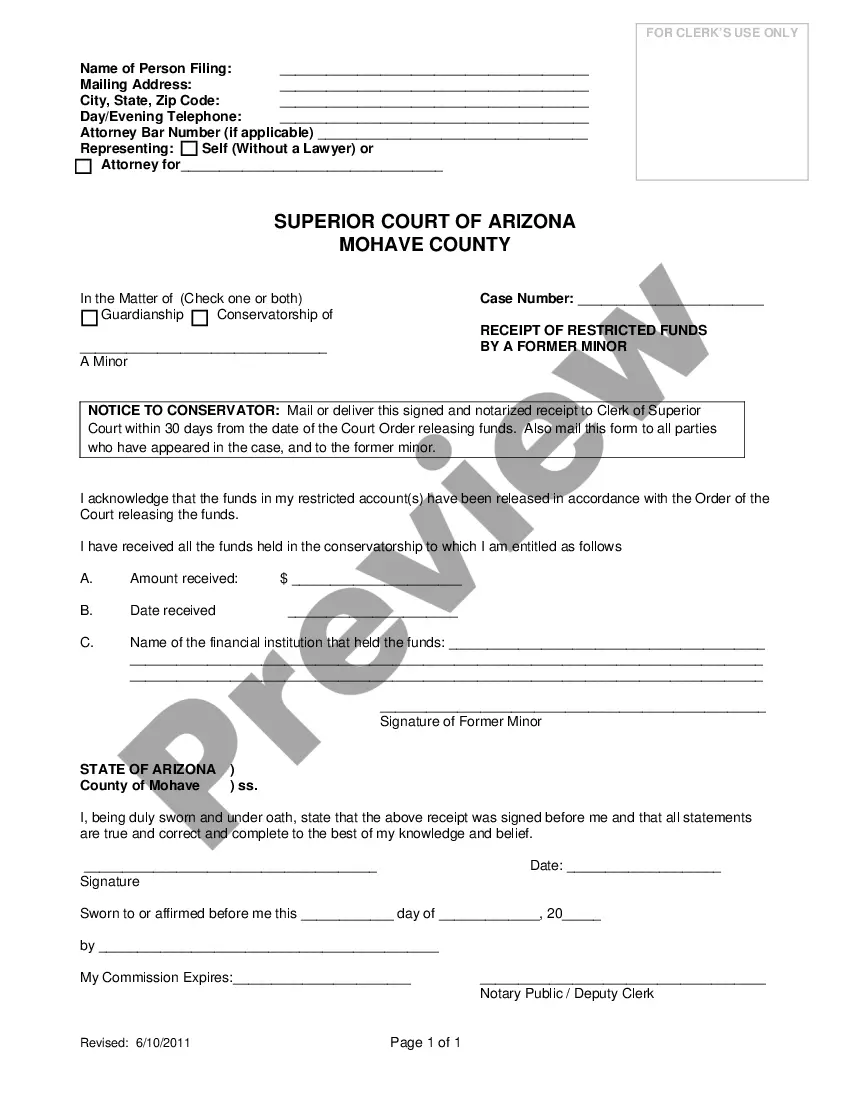
Alaska Order Reopening the Estate, Removing an Improperly Included Heir, and Recalculating the Shares of Affected Heirs
What is this form?
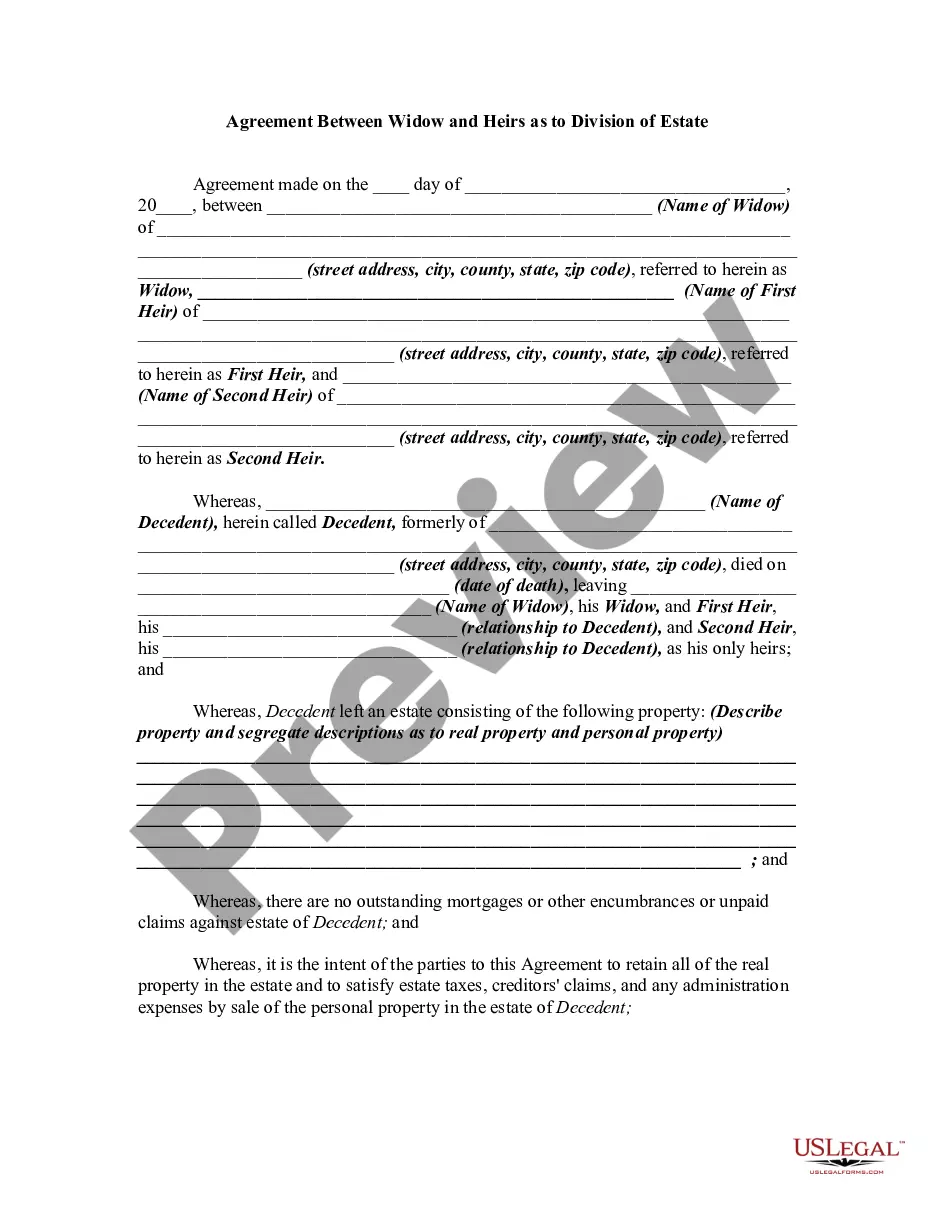
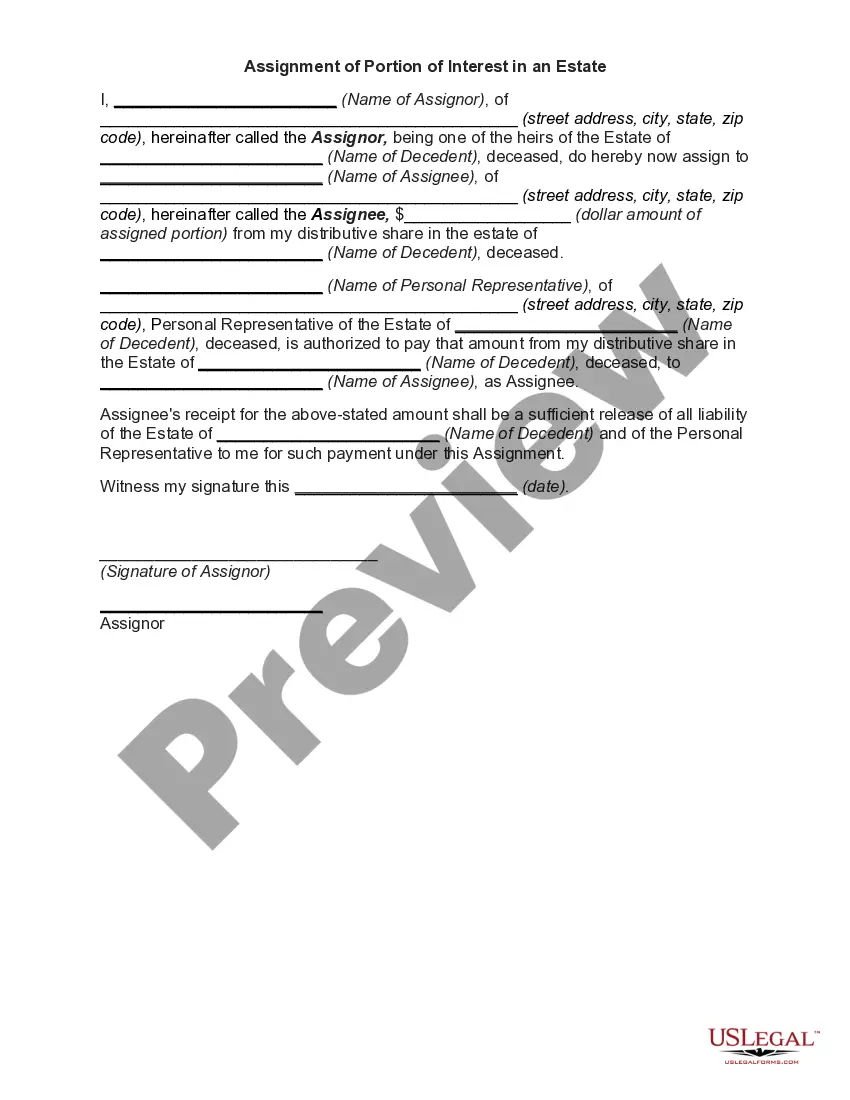
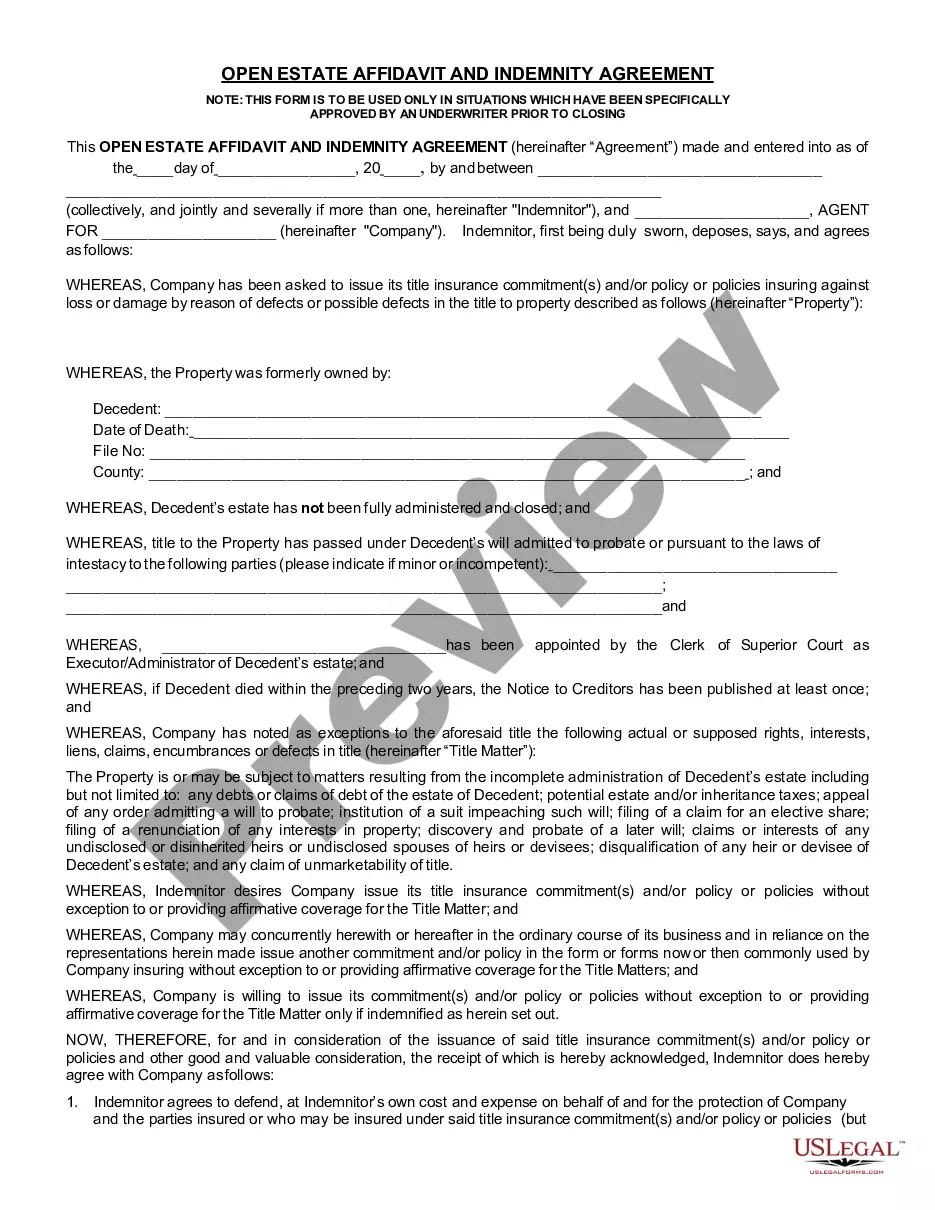
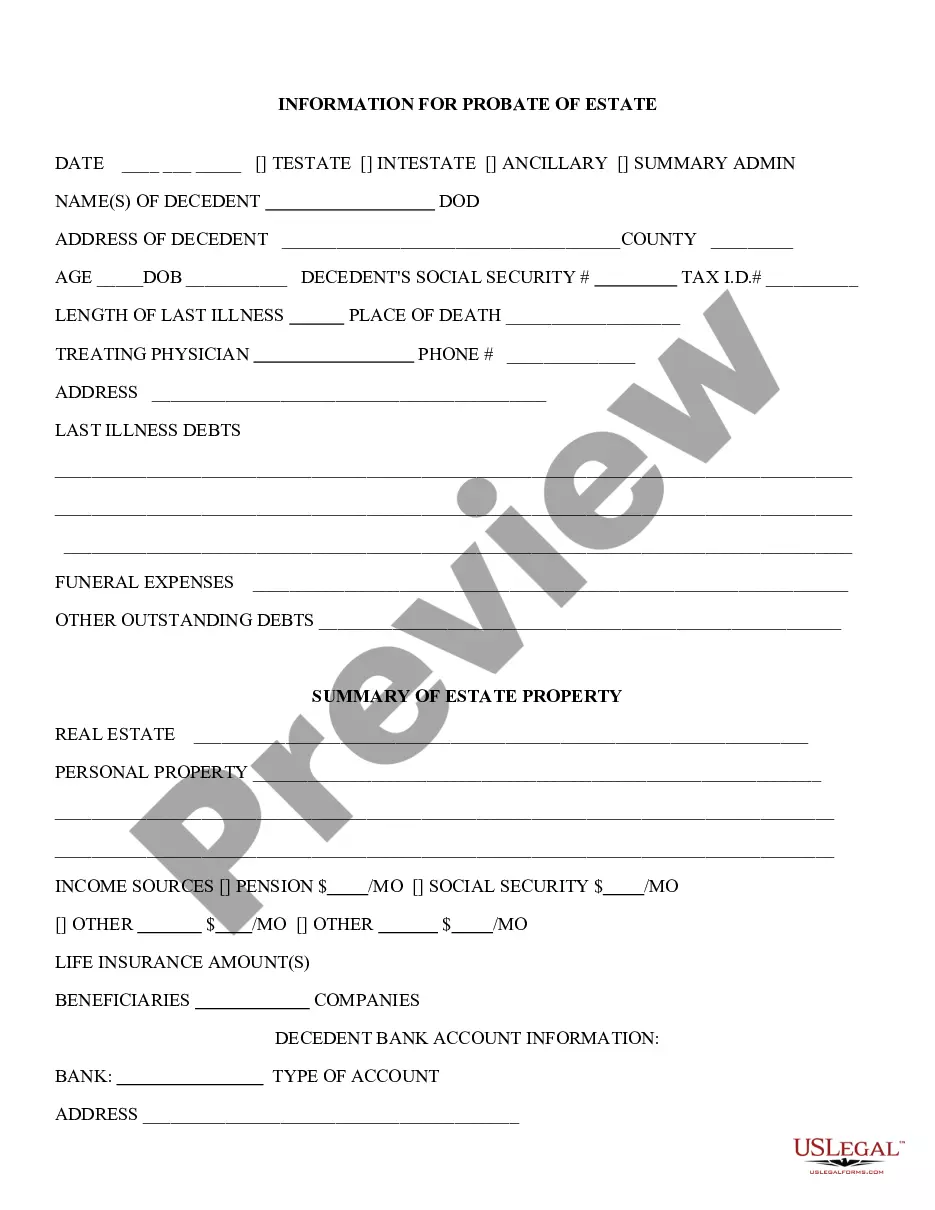
This form, titled "Order Reopening the Estate, Removing an Improperly Included Heir, and Recalculating the Shares of Affected Heirs," is designed to formally reopen an estate when an heir has been improperly included. It facilitates the removal of that heir and the recalculation of shares for the remaining heirs. This legal document is crucial for ensuring correct distribution of assets in compliance with probate law.
Form components explained
- Identification of the deceased estate and any associated orders.
- Details on the improperly included heir to be removed.
- Adjustment of shares for affected heirs based on the new calculations.
- Authority under which the estate is being reopened.
- Deadline details for any objections from affected parties.

When to use this document
You should use this form if an estateâs probate process has been concluded, but it is later discovered that an heir was improperly included in the distribution. This situation may arise from errors in the original will, changes in familial relationships, or if a rightful heir was overlooked. Using this order helps ensure that the estate's distribution is executed fairly and legally, preventing potential disputes among heirs.
Who needs this form
- Executors or personal representatives of the estate.
- Heirs seeking to rectify an error in estate distribution.
- Attorneys representing clients involved in estate disputes.
- Any party interested in an estate where an heir has been improperly included.
How to complete this form
- Identify the estate in question by entering the deceased's name, Identification No., and date of death.
- Specify the heir to be removed from the estate along with the reasons for their improper inclusion.
- Adjust the shares for remaining heirs as necessary, clearly showing what the original values were and what they will be changed to.
- Fill in any deadlines for objections or responses from affected parties as required by the order.
- Date and sign the order, ensuring that it is submitted to the court for approval.
Notarization guidance
This form does not typically require notarization unless specified by local law. Check the regulations in your jurisdiction for any additional requirements that may apply.
Get your form ready online
Our built-in tools help you complete, sign, share, and store your documents in one place.
Make edits, fill in missing information, and update formatting in US Legal Forms—just like you would in MS Word.
Download a copy, print it, send it by email, or mail it via USPS—whatever works best for your next step.
Sign and collect signatures with our SignNow integration. Send to multiple recipients, set reminders, and more. Go Premium to unlock E-Sign.
If this form requires notarization, complete it online through a secure video call—no need to meet a notary in person or wait for an appointment.
We protect your documents and personal data by following strict security and privacy standards.

Make edits, fill in missing information, and update formatting in US Legal Forms—just like you would in MS Word.

Download a copy, print it, send it by email, or mail it via USPS—whatever works best for your next step.

Sign and collect signatures with our SignNow integration. Send to multiple recipients, set reminders, and more. Go Premium to unlock E-Sign.

If this form requires notarization, complete it online through a secure video call—no need to meet a notary in person or wait for an appointment.

We protect your documents and personal data by following strict security and privacy standards.
Mistakes to watch out for
- Failing to properly identify the improperly included heir.
- Not adjusting the shares of affected heirs appropriately.
- Missing deadlines for objections or responses from interested parties.
- Inaccurate recording of the estateâs identification and details.
Benefits of using this form online
- Convenience of accessing the form anytime without needing to visit a legal office.
- Editability to customize the form according to specific case details.
- Reliable templates drafted by licensed attorneys, ensuring compliance with legal standards.
Looking for another form?



Form popularity
FAQ
If you are entitled to an inheritance, it doesn't just disappear if the probate case must be closed before you can receive it. Instead, it is deposited in a fund with the county in which the probate case was opened.
If heirs and beneficiaries disagree, it may be possible to challenge the person designated as an executor; it is also possible, if the estate owner is still alive, to discuss the matter with him or her to request that a change be made.
There is a strict time limit within which an eligible individual can make a claim on the Estate. This is six months from the date that the Grant of Probate was issued. For this reason, Executors are advised to wait until this period has lapsed before distributing any of the Estate to the beneficiaries.
In many states, the required period is 120 hours, or five days. In some states, however, an heir need only outlive the deceased person by any period of time -- theoretically, one second would do.
When an heir cannot be found, an estate executor may need to contact a search firm to try and find the heir.An executor can also arrange to distribute the share of the person who cannot be located to a contingent beneficiary or the state where the money will be held until it is claimed.
Unfortunately, there is not much you can do if the person will not agree to settle or sell the home. There may be other legal tactics you can do, but generally, if the property must get sold (or you want to sell the home) and the other heirs do not, then a partition action may be your only option.
How long do you have to make a claim? The Act has a strict time limit for making a claim of six months from the date of the Grant of Probate or Letters of Administration. In very exceptional circumstances this may be extended to allow a late claim, but as a rule you must stick to the six month deadline.
Generally the heirs don't decide if the house is sold unless somehow it is titled in all their names. If is a specific gift and the will requires it be transferred to all six, and one does not want to sell, that person can buy out the other 5. There of course is always a partition Acton.
An inheritance that remains unclaimed will pass on the next person in the line of intestate succession. If the nonclaiming individual was the last in the intestate line, the property will escheat, or revert to the state.