Treatment Without Consent
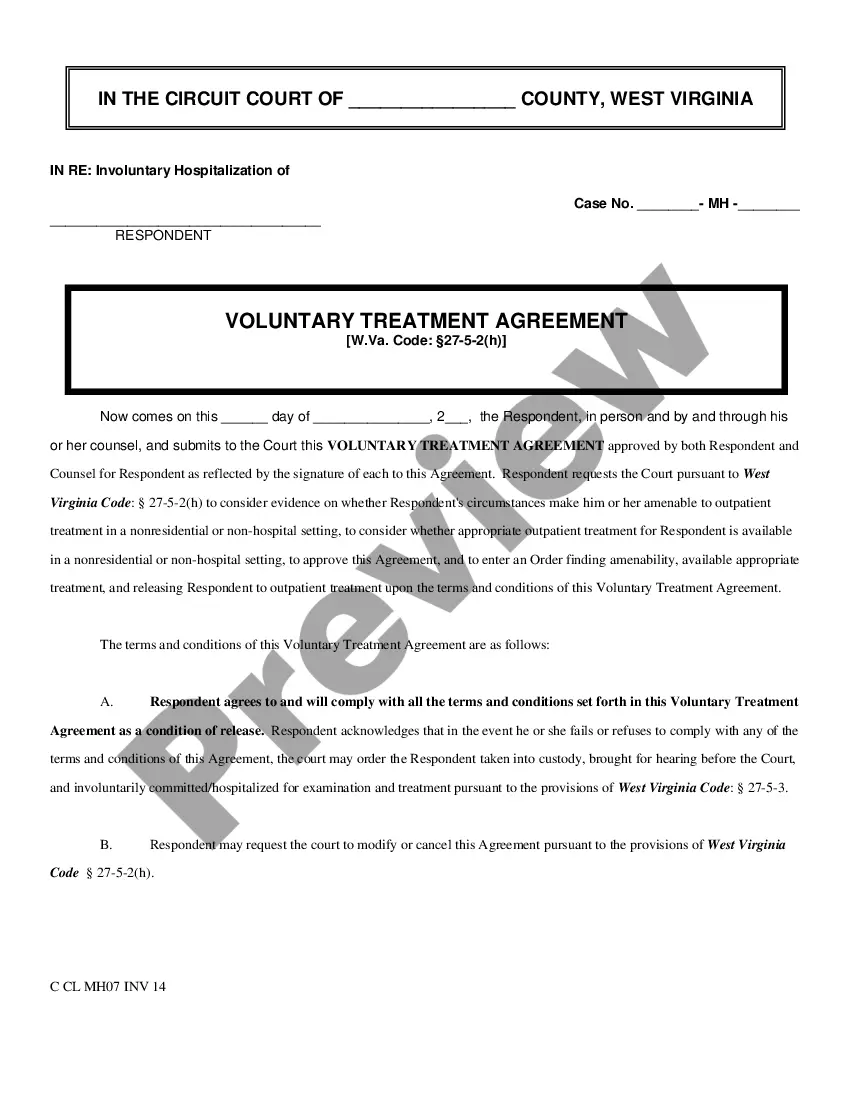
Description
Get your form ready online
Our built-in tools help you complete, sign, share, and store your documents in one place.
Make edits, fill in missing information, and update formatting in US Legal Forms—just like you would in MS Word.
Download a copy, print it, send it by email, or mail it via USPS—whatever works best for your next step.
Sign and collect signatures with our SignNow integration. Send to multiple recipients, set reminders, and more. Go Premium to unlock E-Sign.
If this form requires notarization, complete it online through a secure video call—no need to meet a notary in person or wait for an appointment.
We protect your documents and personal data by following strict security and privacy standards.

Make edits, fill in missing information, and update formatting in US Legal Forms—just like you would in MS Word.

Download a copy, print it, send it by email, or mail it via USPS—whatever works best for your next step.

Sign and collect signatures with our SignNow integration. Send to multiple recipients, set reminders, and more. Go Premium to unlock E-Sign.

If this form requires notarization, complete it online through a secure video call—no need to meet a notary in person or wait for an appointment.

We protect your documents and personal data by following strict security and privacy standards.
Looking for another form?

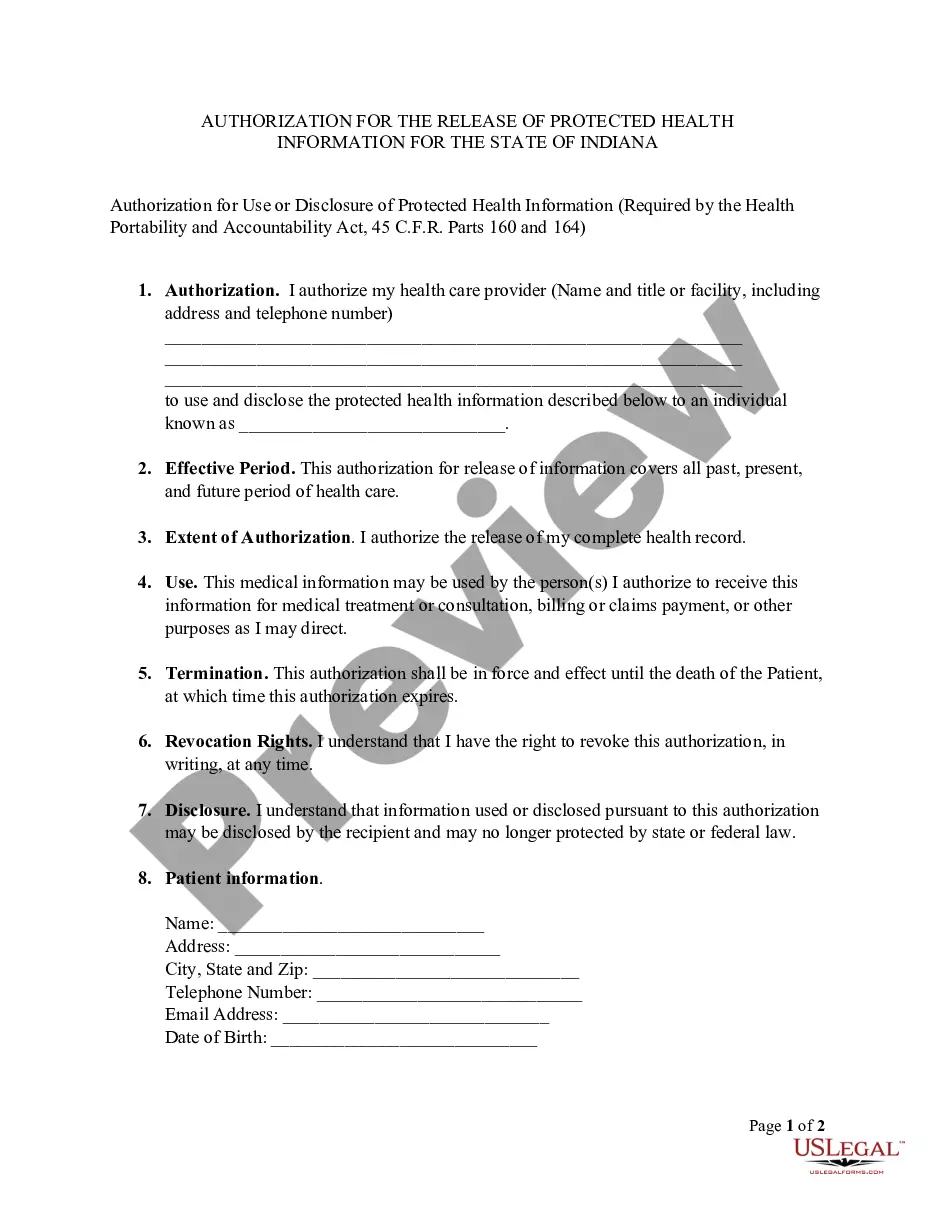
How to fill out West Virginia Voluntary Treatment Agreement?
Creating legal documents from the ground up can frequently feel daunting.
Certain situations may require extensive research and significant financial investment.
If you’re looking for an easier and more cost-effective method of preparing Treatment Without Consent or any other documents without the hassle, US Legal Forms is readily accessible.
Our online repository of over 85,000 current legal documents encompasses nearly every facet of your financial, legal, and personal affairs. With merely a few clicks, you can promptly obtain state- and county-compliant templates meticulously crafted by our legal experts.
US Legal Forms enjoys a solid reputation and has over 25 years of expertise. Join us today and simplify the form-filling process!
- Utilize our website whenever you require a reputable service to effortlessly find and download the Treatment Without Consent.
- If you’re familiar with our website and have created an account previously, simply Log In to your account, choose the form, and download it immediately or access it again at any time from the My documents section.
- Not yet registered? No worries. It only takes a few minutes to sign up and browse the catalog.
- Before you dive into downloading Treatment Without Consent, consider these suggestions.
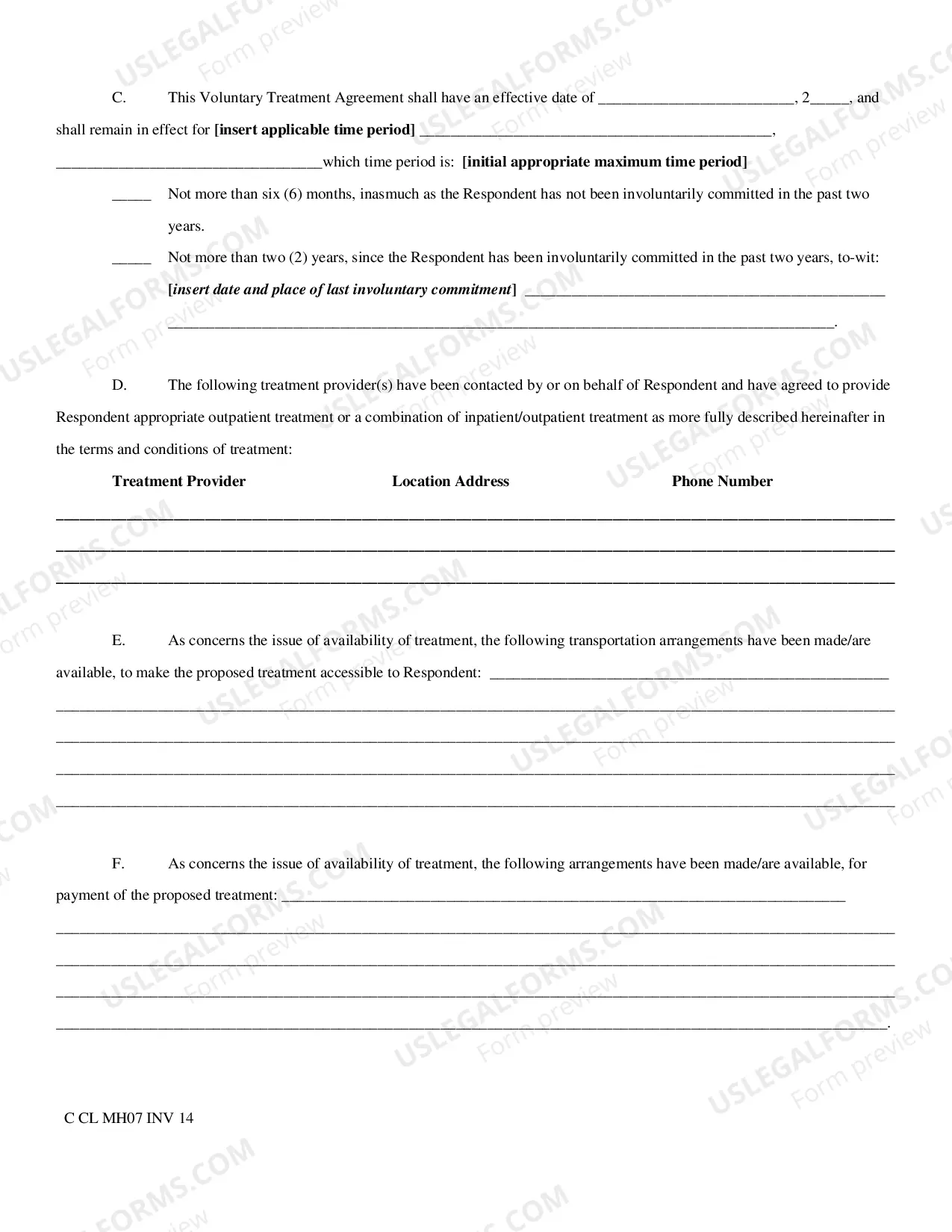
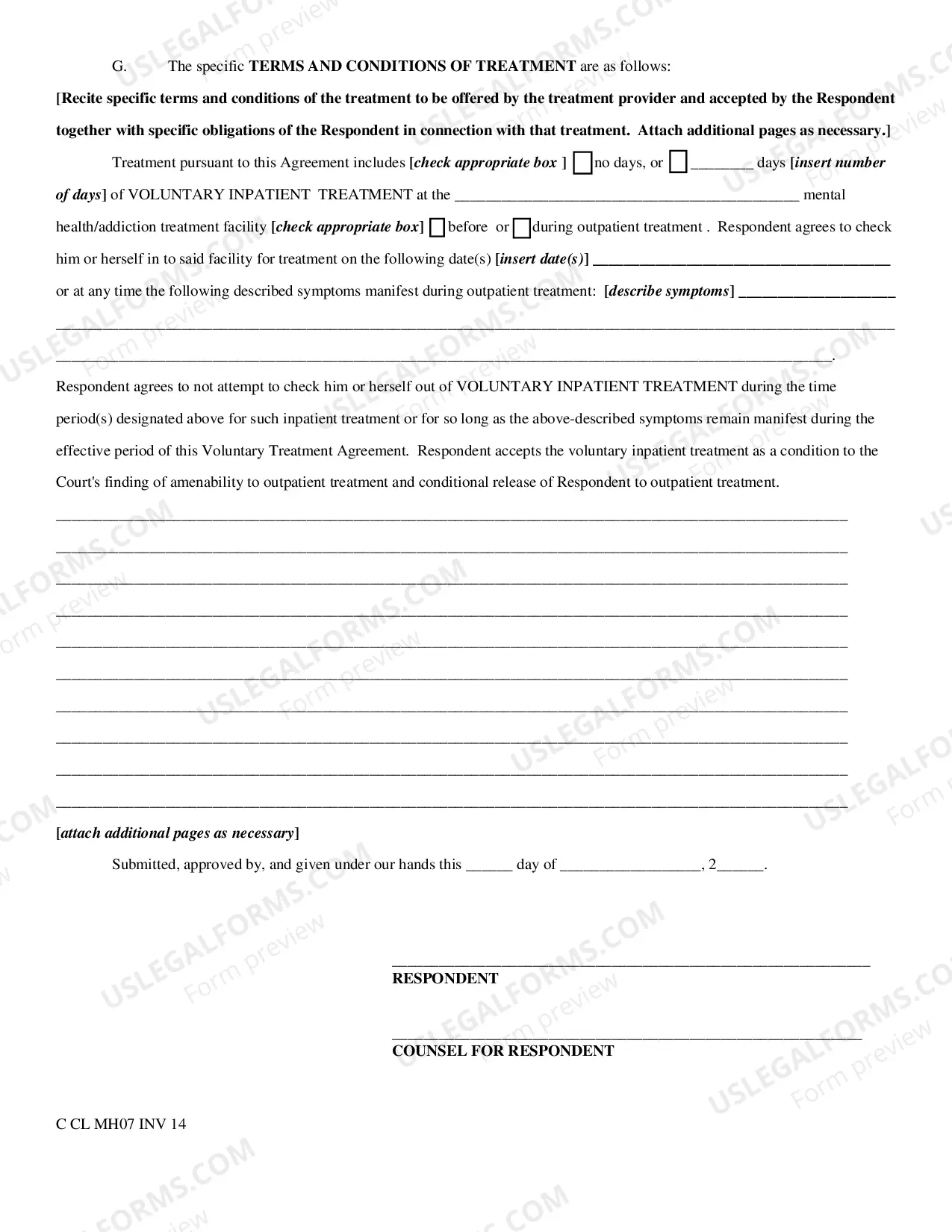
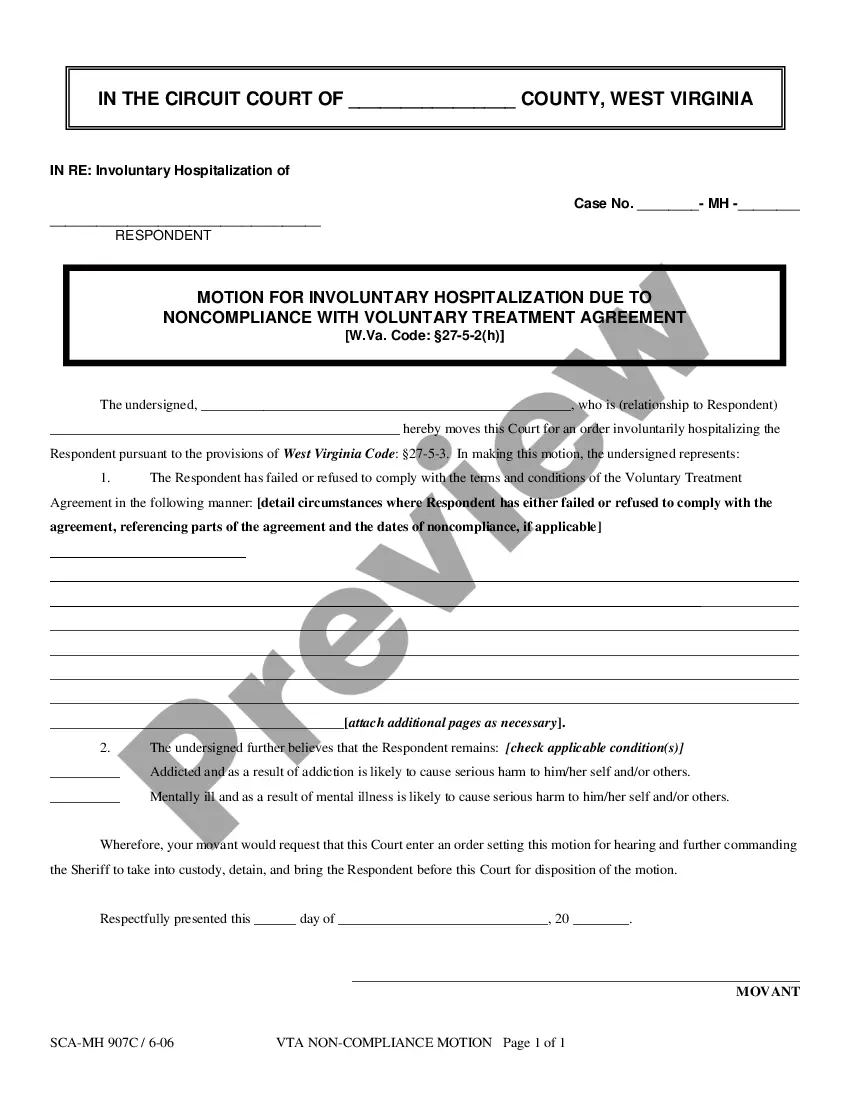
- Review the form preview and descriptions to ensure you've identified the right document.
Form popularity
FAQ
What should occur if the patient cannot give informed consent? If the patient is determined to be incapacitated/incompetent to make health care decisions, a surrogate decision maker must speak for her. There is a specific hierarchy of appropriate decision makers defined by state law (also see the DNR topic page).
What should occur if the patient cannot give informed consent? If the patient is determined to be incapacitated/incompetent to make health care decisions, a surrogate decision maker must speak for her. There is a specific hierarchy of appropriate decision makers defined by state law (also see the DNR topic page).
Several exceptions to the requirement for informed consent include (1) the patient is incapacitated, (2) life-threatening emergencies with inadequate time to obtain consent, and (3) voluntary waived consent.
In practice, procedures that are likely to require signed consent include: Treatment with high-risk medications, such as opioids. Tests and medical interventions that go inside your body, such as endoscopy. Childbirth interventions, such as forceps delivery or episiotomy.
When a physician fails to obtain informed consent from a patient who would not have opted to undergo a particular treatment with full knowledge of the risks, the patient may have grounds to sue the physician for malpractice based on the lack of informed consent.