Written Property Landlord With A Tenant
Description

Get your form ready online
Our built-in tools help you complete, sign, share, and store your documents in one place.
Make edits, fill in missing information, and update formatting in US Legal Forms—just like you would in MS Word.
Download a copy, print it, send it by email, or mail it via USPS—whatever works best for your next step.
Sign and collect signatures with our SignNow integration. Send to multiple recipients, set reminders, and more. Go Premium to unlock E-Sign.
If this form requires notarization, complete it online through a secure video call—no need to meet a notary in person or wait for an appointment.
We protect your documents and personal data by following strict security and privacy standards.
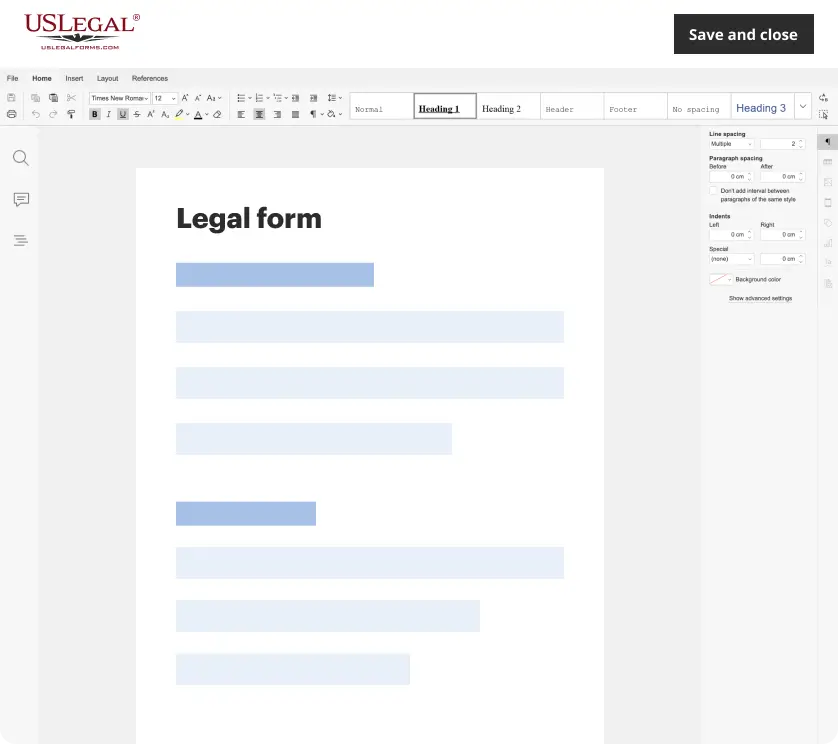
Make edits, fill in missing information, and update formatting in US Legal Forms—just like you would in MS Word.
Download a copy, print it, send it by email, or mail it via USPS—whatever works best for your next step.
Sign and collect signatures with our SignNow integration. Send to multiple recipients, set reminders, and more. Go Premium to unlock E-Sign.
If this form requires notarization, complete it online through a secure video call—no need to meet a notary in person or wait for an appointment.
We protect your documents and personal data by following strict security and privacy standards.
Looking for another form?
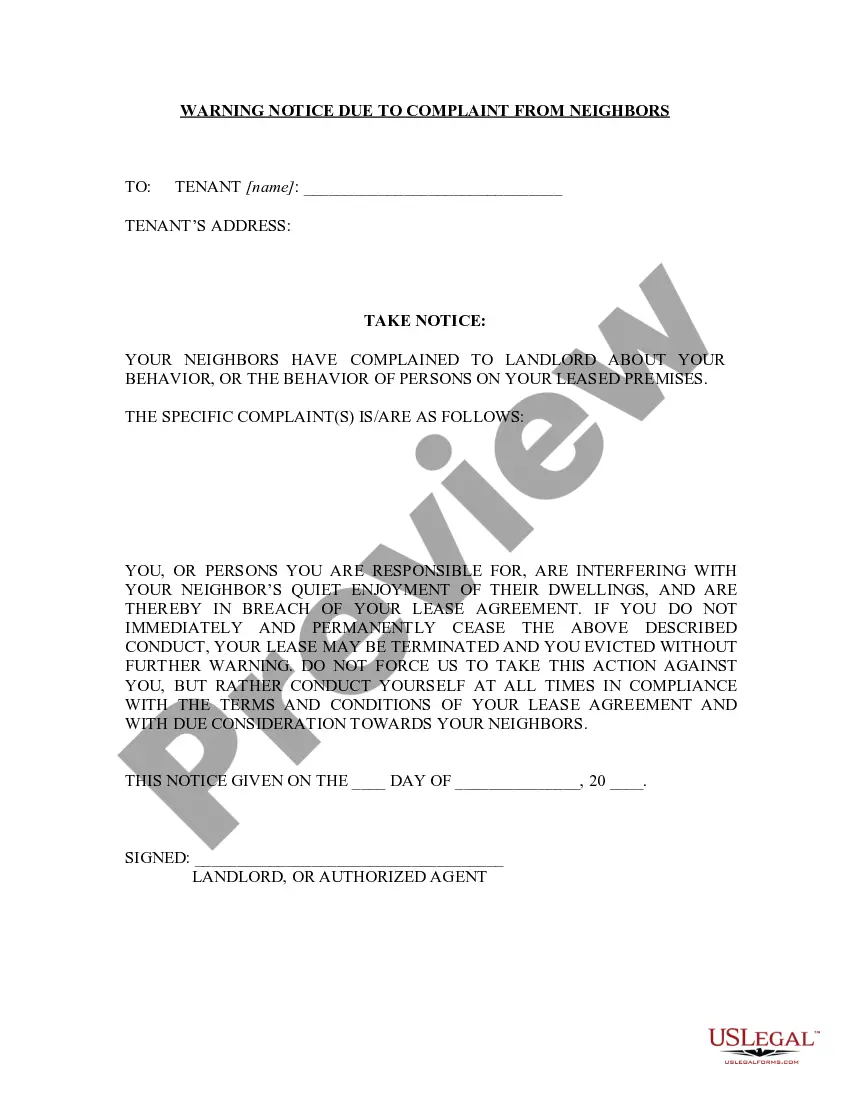

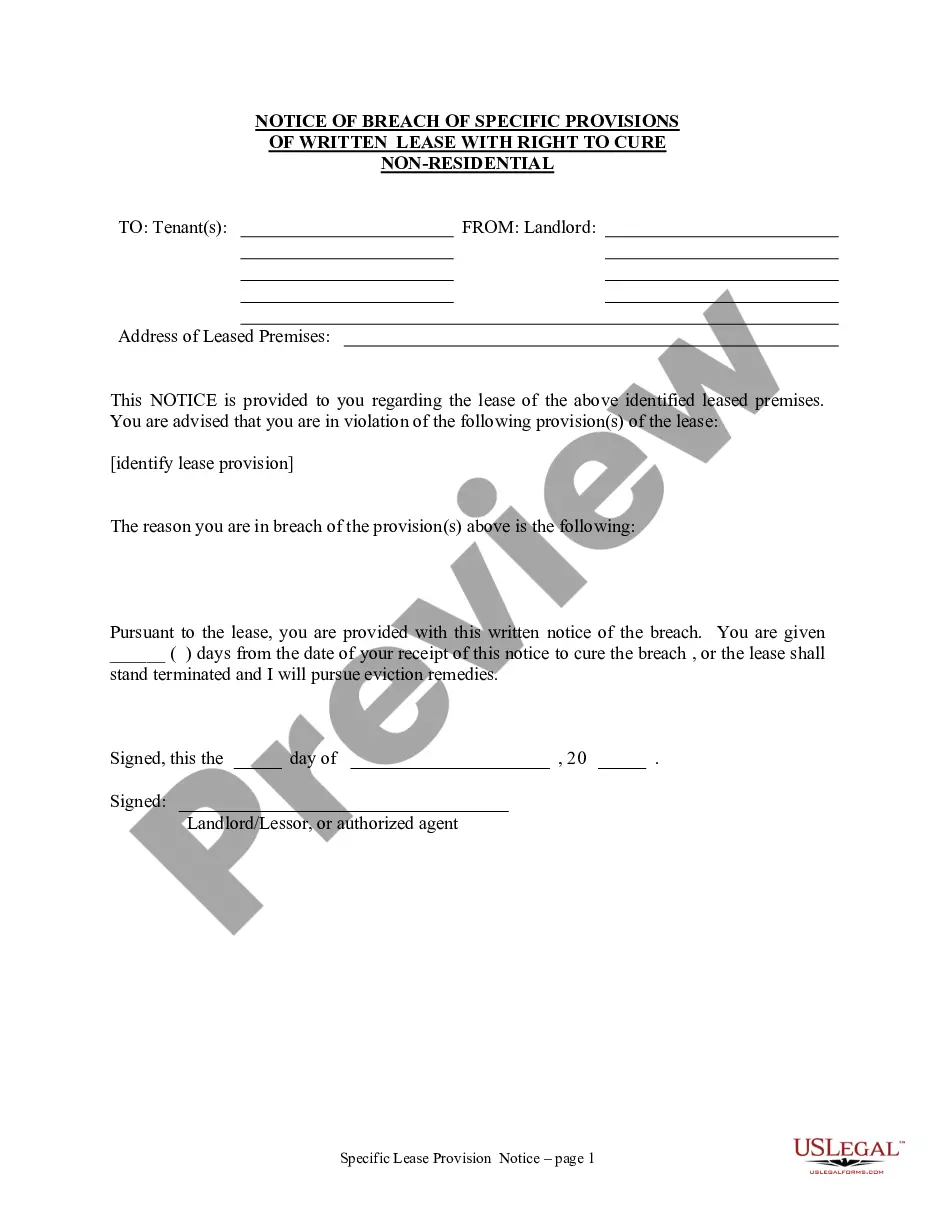
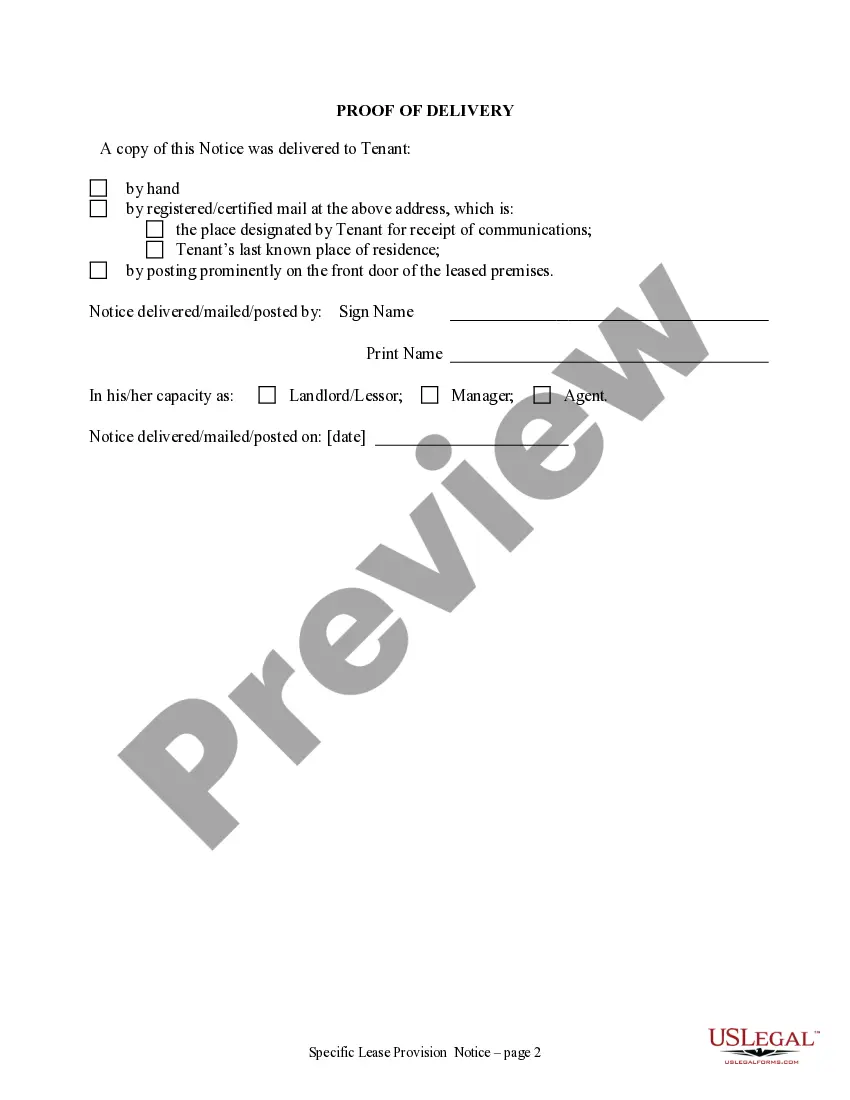
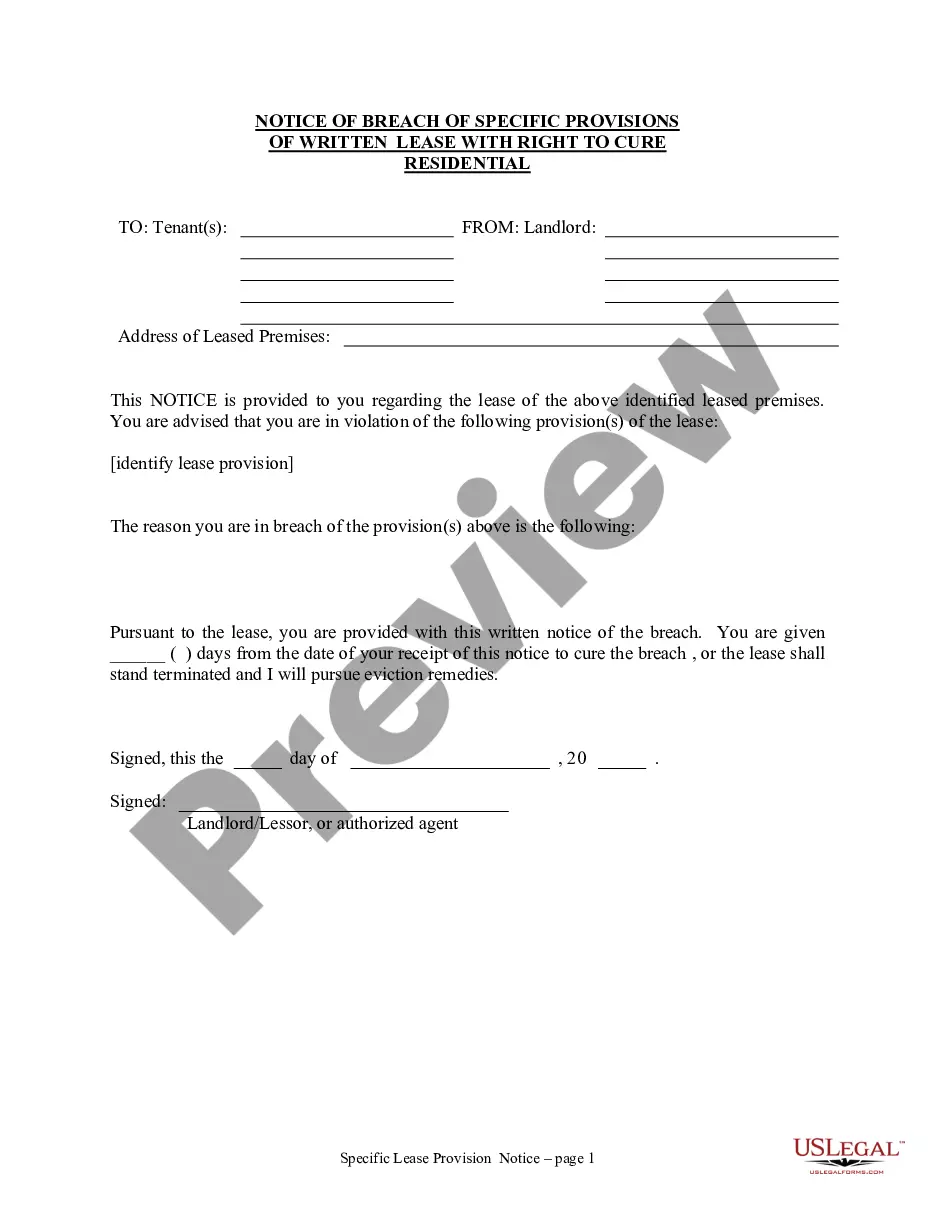
How to fill out Washington Notice Of Breach Of Written Lease For Violating Specific Provisions Of Lease With Right To Cure For Nonresidential Property From Landlord To Tenant?
- If you're an existing user, log in to your US Legal Forms account and download your required template by clicking the Download button. Confirm that your subscription is active; if not, renew according to your payment plan.
- For new users, start by checking the Preview mode and form description to ensure you have selected the template that best fits your requirements and adheres to local jurisdiction norms.
- If needed, utilize the Search tab to find alternative templates. Ensure your chosen form is accurate before proceeding to the next step.
- Select the Buy Now button for the desired document and choose a subscription plan that works for you. You'll need to create an account to access the extensive legal library.
- Complete your purchase by entering credit card information or utilizing your PayPal account to finalize the transaction.
- Download your completed form to your device, and find it anytime in the My Forms section of your profile for future reference.
By following these steps, you'll efficiently secure your legal documents with ease and confidence using US Legal Forms.
Take charge of your landlord-tenant agreements today. Visit US Legal Forms to get started!
Form popularity
FAQ
Yes, hand-written leases are legal as long as they include essential details and both parties agree to the terms. However, a written property landlord with a tenant might benefit from more formal agreements to avoid potential disputes. It's good practice to ensure all parties understand the handwritten terms clearly.
Verbal rental agreements can be difficult to enforce in court. A written property landlord with a tenant is always advisable, as written agreements provide clear documentation of terms. Keep in mind that having everything in writing can reduce misunderstandings and legal complications.
Yes, you can write your own lease agreement as long as it complies with local laws. Using a clear format and including essential terms can help protect both parties. If you prefer guidance, platforms like US Legal Forms offer templates that can simplify the process.
Generally, a rental lease does not need to be notarized for it to be legally binding. However, having a written property landlord with a tenant sign a notarized lease can provide extra protection in disputes. Always check your local laws, as requirements may vary by state.
To obtain a landlord letter, you should contact your written property landlord with a tenant directly. A formal request, either in writing or verbally, is typically the best approach. If your landlord is unresponsive, consider referring to a platform like US Legal Forms, which can guide you on the necessary steps to obtain documentation.
A written property landlord with a tenant is responsible for ensuring the property is clean and safe. They should conduct necessary repairs and maintenance before a new tenant moves in. Moreover, they need to return the previous tenant's security deposit in accordance with local laws.
Breaking a lease with multiple tenants can be more complex than with a single tenant. All parties usually need to agree on the terms of termination as outlined in the written property landlord with a tenant contract. It is advisable to communicate openly with your co-tenants and, if necessary, seek a legal consultation to understand your rights and obligations.
Yes, there can be multiple tenants living in the same rental unit. It is critical to ensure that all tenants are listed in the written property landlord with a tenant agreement. This arrangement allows for shared responsibilities such as rent and maintenance, benefiting everyone involved.
Yes, a rental lease can be handwritten as long as both parties agree to the terms. It is important to include all necessary details to ensure clarity and legality. Using a written property landlord with a tenant format can help make the lease more formal and binding.
A landlord can theoretically have two leases on the same property; however, this can lead to conflicts. It is illegal to rent the same space to two different tenants simultaneously without clear communication. A written property landlord with a tenant explanation of terms can help clarify such situations.