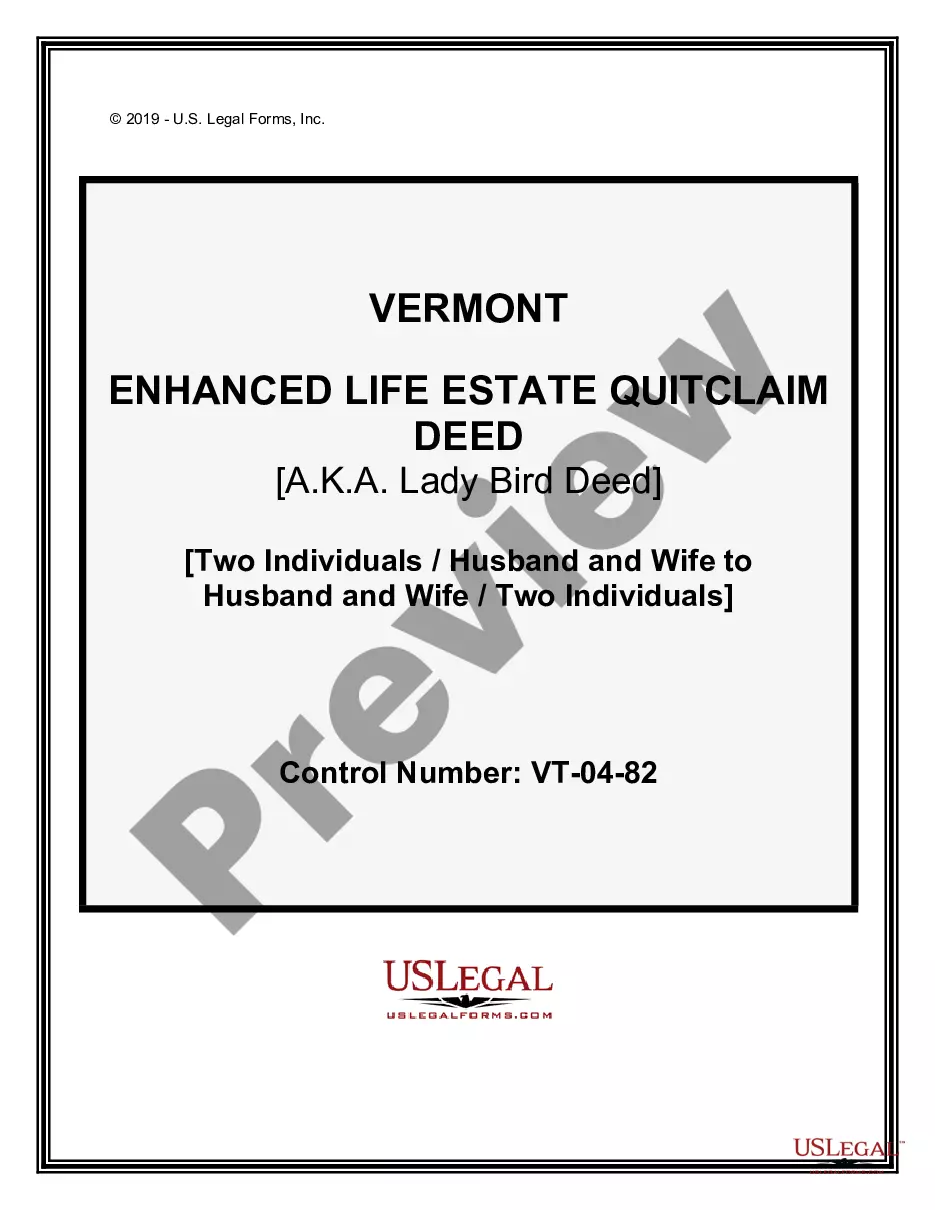
Life Estate Deed Vermont With Full Powers
Description
Get your form ready online
Our built-in tools help you complete, sign, share, and store your documents in one place.
Make edits, fill in missing information, and update formatting in US Legal Forms—just like you would in MS Word.
Download a copy, print it, send it by email, or mail it via USPS—whatever works best for your next step.
Sign and collect signatures with our SignNow integration. Send to multiple recipients, set reminders, and more. Go Premium to unlock E-Sign.
If this form requires notarization, complete it online through a secure video call—no need to meet a notary in person or wait for an appointment.
We protect your documents and personal data by following strict security and privacy standards.

Make edits, fill in missing information, and update formatting in US Legal Forms—just like you would in MS Word.

Download a copy, print it, send it by email, or mail it via USPS—whatever works best for your next step.

Sign and collect signatures with our SignNow integration. Send to multiple recipients, set reminders, and more. Go Premium to unlock E-Sign.

If this form requires notarization, complete it online through a secure video call—no need to meet a notary in person or wait for an appointment.

We protect your documents and personal data by following strict security and privacy standards.
Looking for another form?
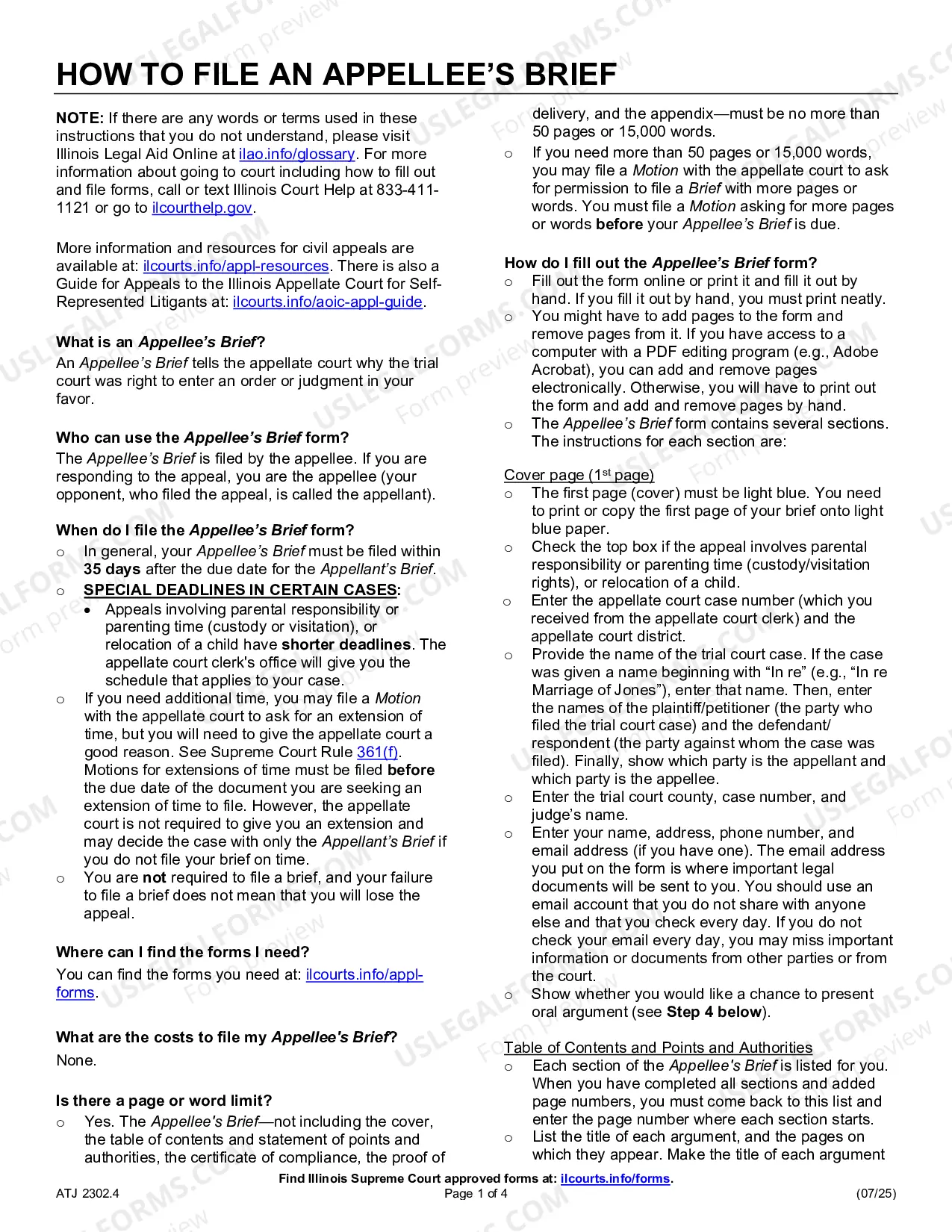


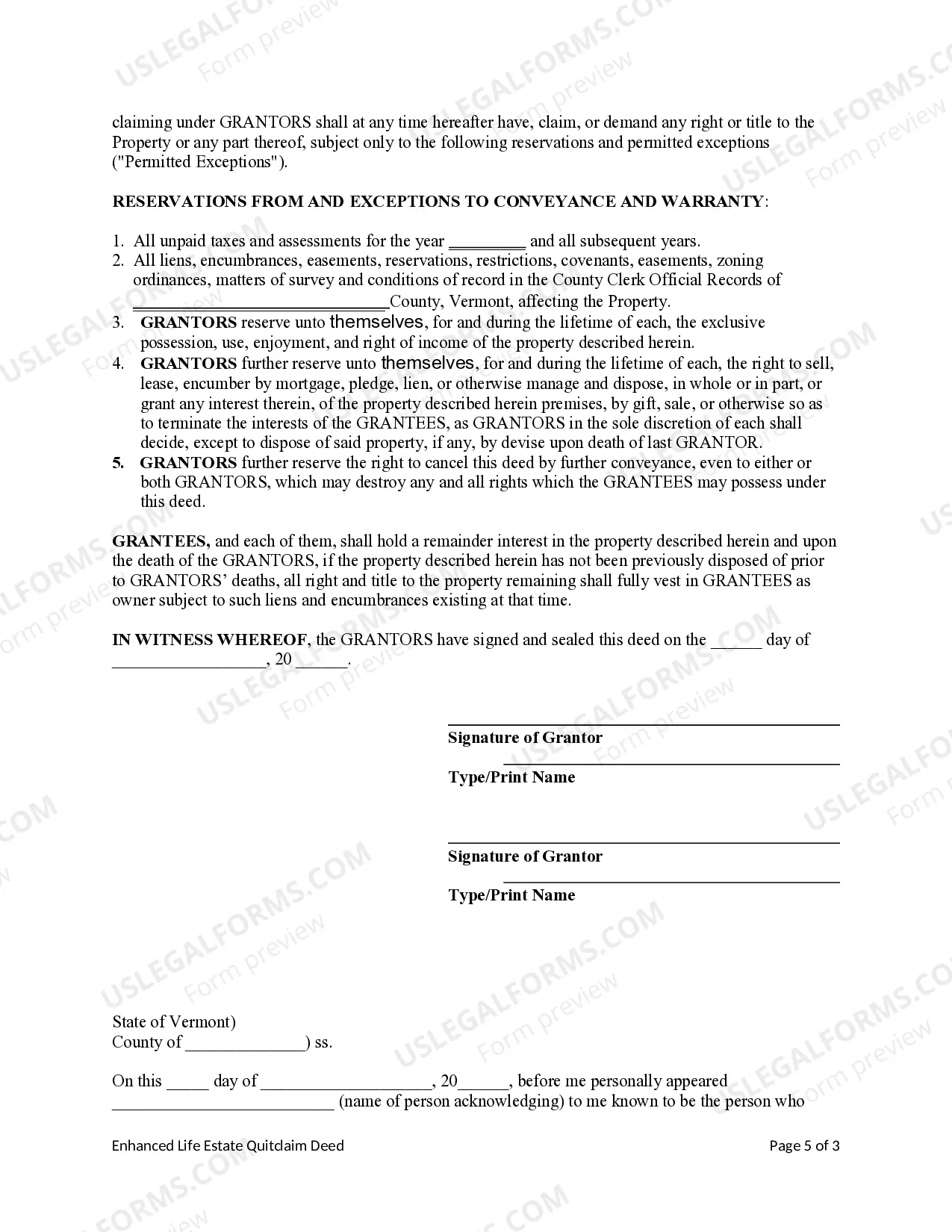
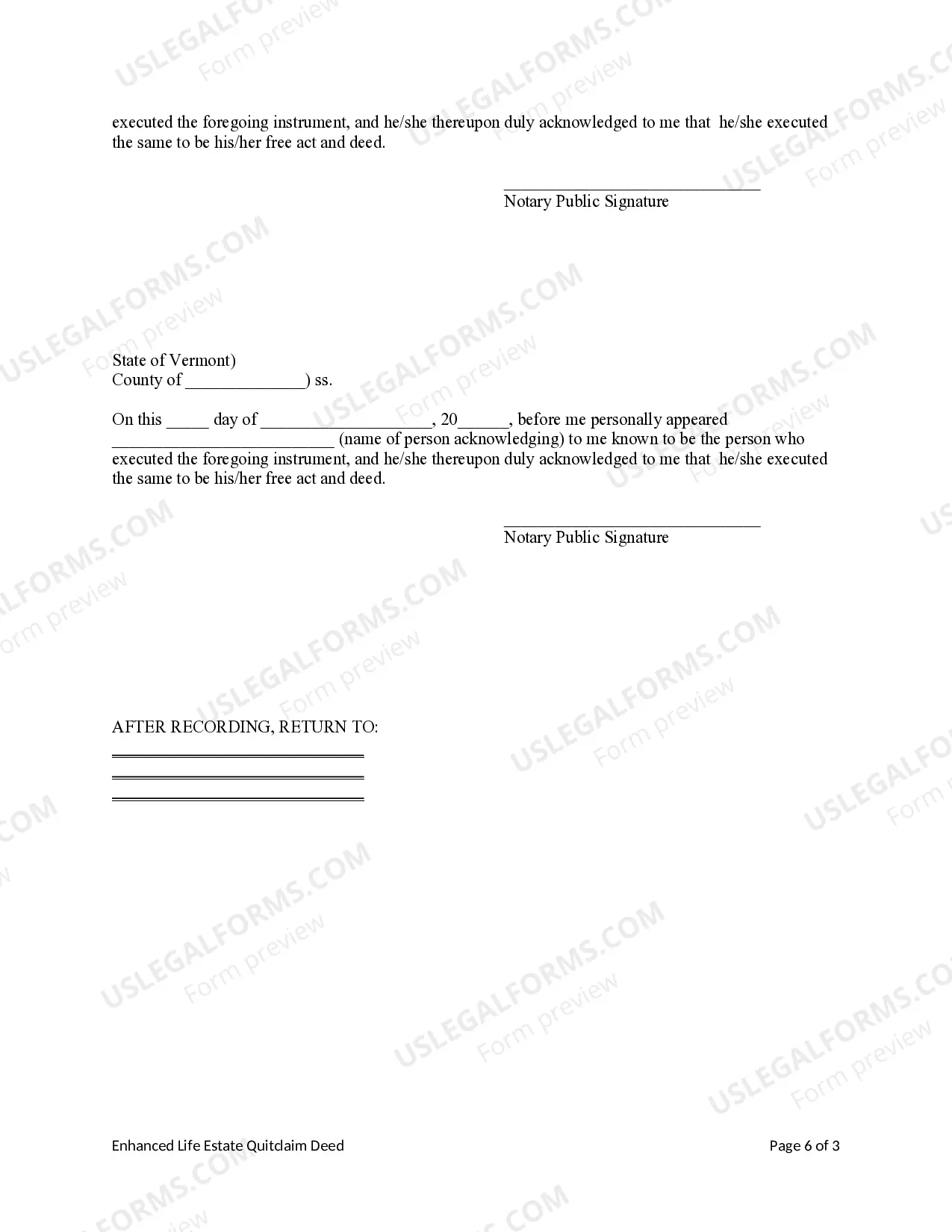
How to fill out Vermont Enhanced Life Estate Deed (a.k.a. Lady Bird Deed) From Two Individuals / Husband And Wife To Two Individuals / Husband And Wife.?
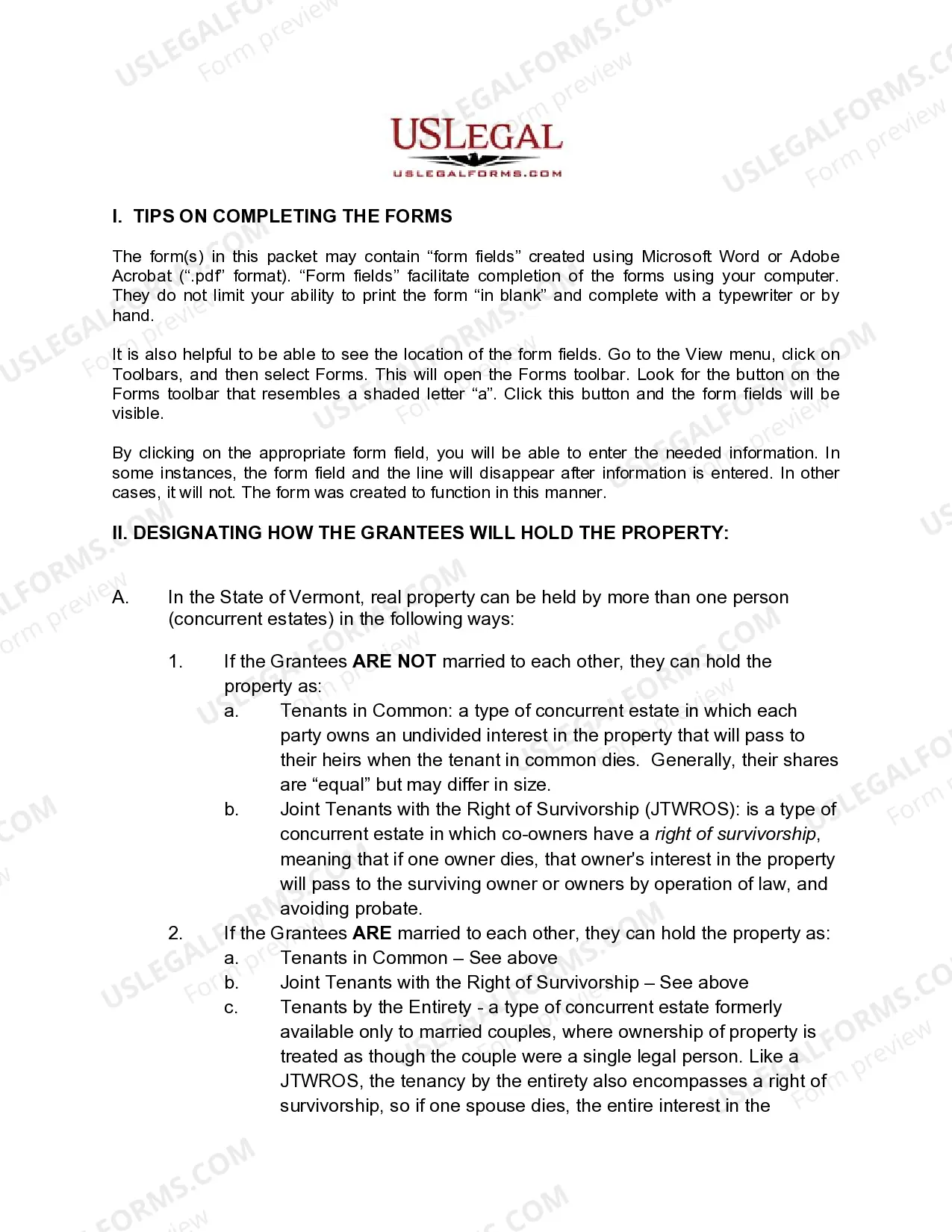
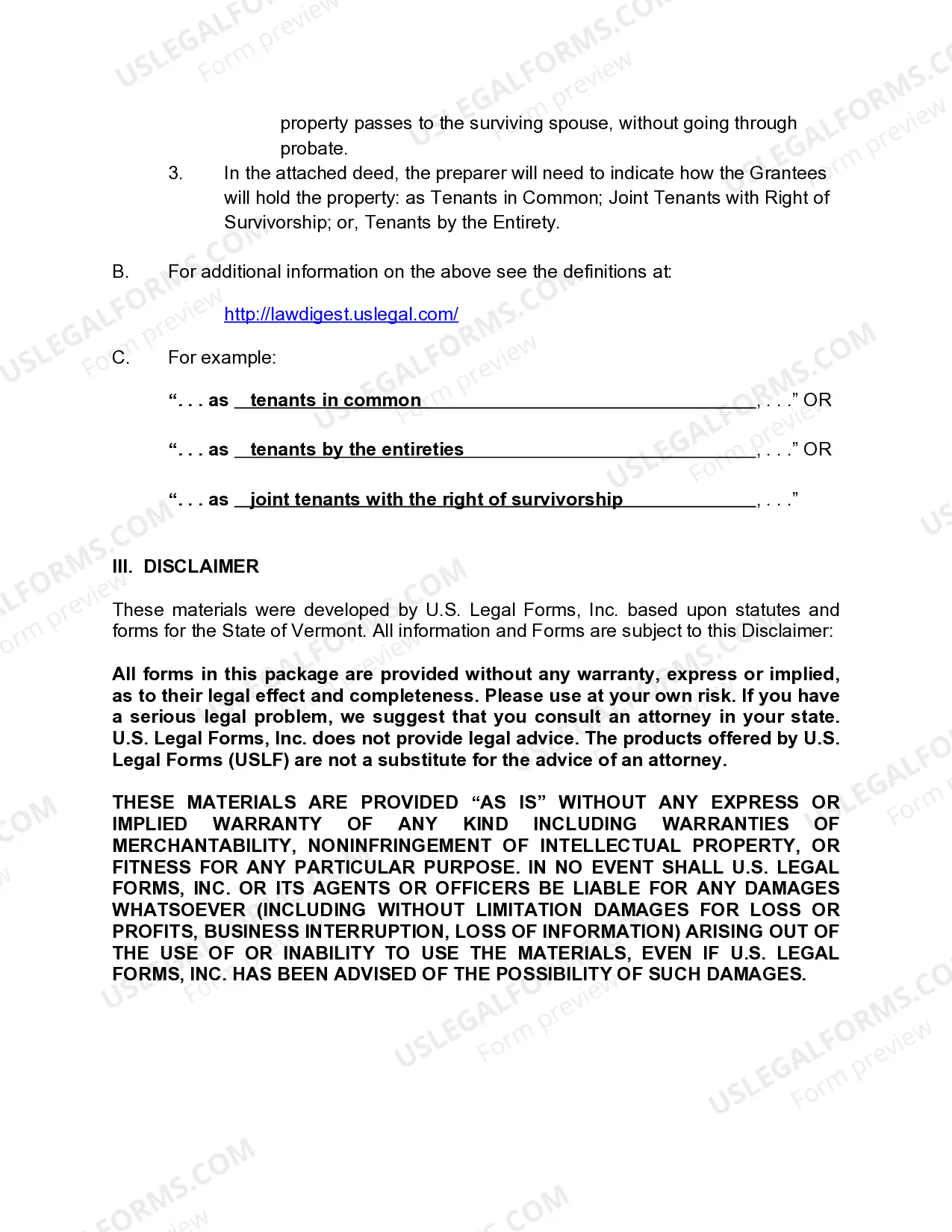
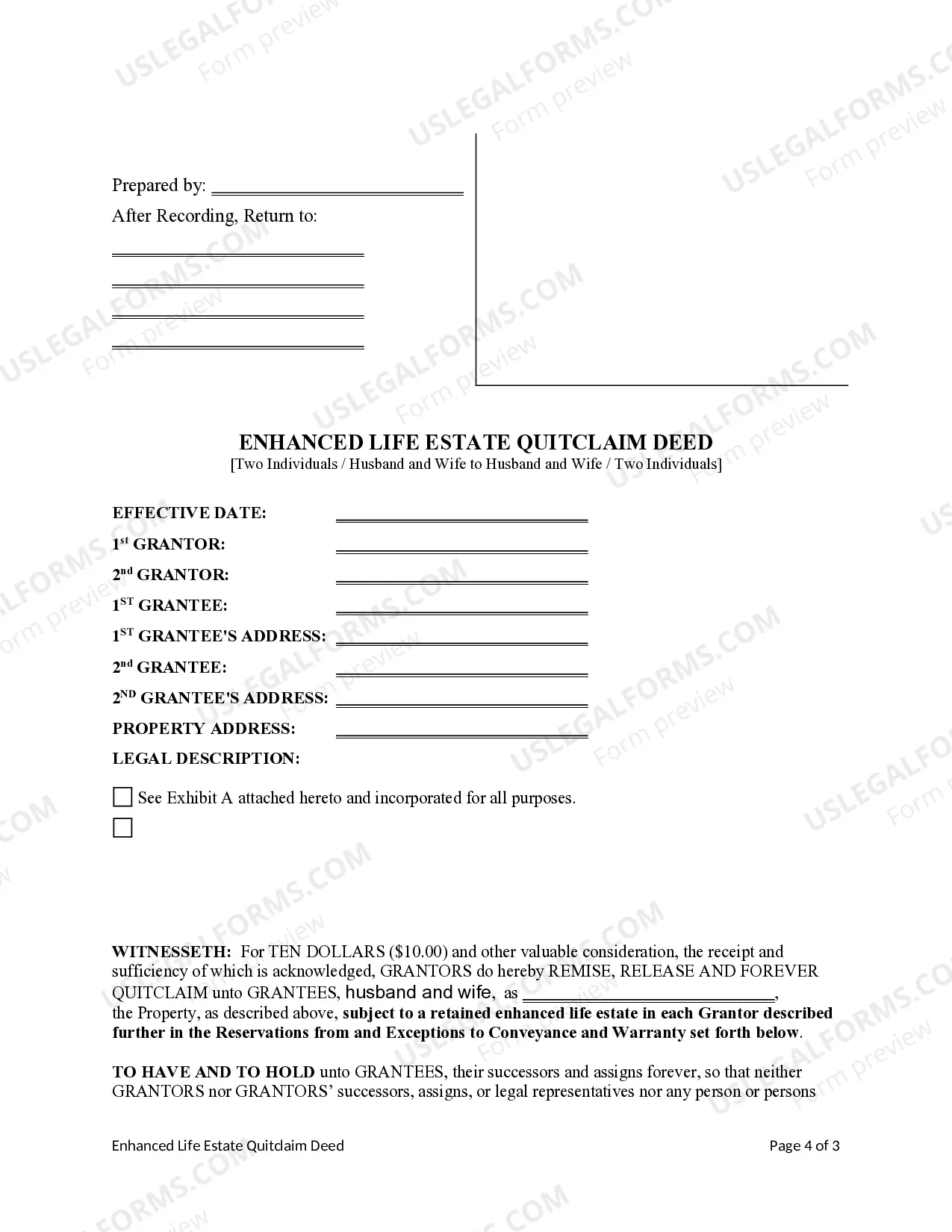
The Life Estate Deed Vermont With Full Powers displayed on this page is a versatile legal template created by experienced attorneys in accordance with national and local statutes and regulations.
For over 25 years, US Legal Forms has supplied individuals, corporations, and legal practitioners with over 85,000 authenticated, state-specific documents for any professional and personal situation. It’s the quickest, easiest, and most reliable way to obtain the forms you require, as the service ensures the highest level of data protection and anti-malware safeguards.
Join US Legal Forms to access verified legal templates for all of life's situations at your fingertips.
- Explore the document you require and review it.
- Examine the file you searched and preview it or read the form description to confirm it meets your needs. If it doesn't, utilize the search function to find the correct one. Click Buy Now once you have located the template you need.
- Register and Log In.
- Select the pricing plan that fits you and set up an account. Use PayPal or a credit card for a swift payment. If you already have an account, Log In and check your subscription to proceed.
- Obtain the editable template.
- Select the format you desire for your Life Estate Deed Vermont With Full Powers (PDF, DOCX, RTF) and save the file on your device.
- Finalize and sign the documents.
- Print the template to fill it out manually. Alternatively, use an online multifunctional PDF editor to quickly and accurately complete and sign your form with an eSignature.
- Redownload your documents again whenever needed. Open the My documents tab in your profile to retrieve any previously downloaded forms.
Form popularity
FAQ
While a life estate deed in Vermont with full powers offers benefits, it also presents certain disadvantages. For example, once the deed is executed, the life tenant cannot change the beneficiaries without consent from the remaindermen. Moreover, this type of deed can limit the ability to obtain financing, as lenders may view the property differently due to the life estate arrangement.
Writing a life estate deed in Vermont with full powers involves several key steps. First, you need to clearly identify the property and the parties involved, including the life tenant and remaindermen. It is advisable to consult with a legal expert or use a trusted platform like USLegalForms to ensure the deed meets all legal requirements and accurately reflects your intentions.
Typically, the life tenant is responsible for paying property taxes on a life estate deed in Vermont with full powers. Since the life tenant retains the right to possess and use the property, they also have the obligation to cover any associated tax liabilities. This can include income taxes if the property generates rental income.
Many people establish a life estate deed in Vermont with full powers to ensure a smooth transfer of property after death. This allows the homeowner to maintain use and control of the property during their lifetime while providing security to heirs. Additionally, creating a life estate can help avoid probate, saving time and costs for the family.
A life estate deed in Vermont with full powers can have some drawbacks. First, the original owner retains limited control over the property, which may complicate future decisions. Additionally, the remaindermen, or those who inherit the property, cannot sell or transfer their interest until the life tenant passes away.
The step-up basis for a life estate deed in Vermont allows the property to receive a new market value at the time of the life tenant's death. This adjustment can minimize capital gains tax when the remainderman decides to sell the property later. By understanding the step-up basis, you can optimize the value of your property for your heirs. It is advisable to consult with a tax professional to learn how this can benefit your estate planning.
To record a life estate deed in Vermont, you typically need to file the deed with the local town clerk's office where the property is located. You'll need to provide information such as names, property descriptions, and any prior deeds to ensure accuracy. Once submitted, the clerk will officially record it, establishing a public record. Utilizing platforms like US Legal Forms can make this process easier by providing necessary forms and guidance.
Recording a life estate deed in Vermont with full powers is not legally required, but it is highly recommended. Recording provides public notice of the life estate, protecting the interests of both the life tenant and remainderman. This added layer of protection can help prevent disputes and clarify ownership. By choosing to record your deed, you ensure transparency and safeguard your rights.
Selling a house with a life estate deed in Vermont involves a few considerations. The life tenant can sell their interest in the property, but the remainderman must also consent to the sale as they hold future rights to the property. This collaborative process can complicate sales, so it's essential to communicate with all parties involved. Consulting with a legal expert familiar with life estate deeds can facilitate a smooth transaction.
In Vermont, a life estate deed with full powers gives you the right to occupy and use the property during your lifetime. When the life tenant passes away, the property automatically transfers to the designated remainderman without passing through probate. This arrangement provides both control and security over your property, making it an effective estate planning tool. Understanding how a life estate works can help you make informed decisions for your estate.