Owner Liability For Property
Description
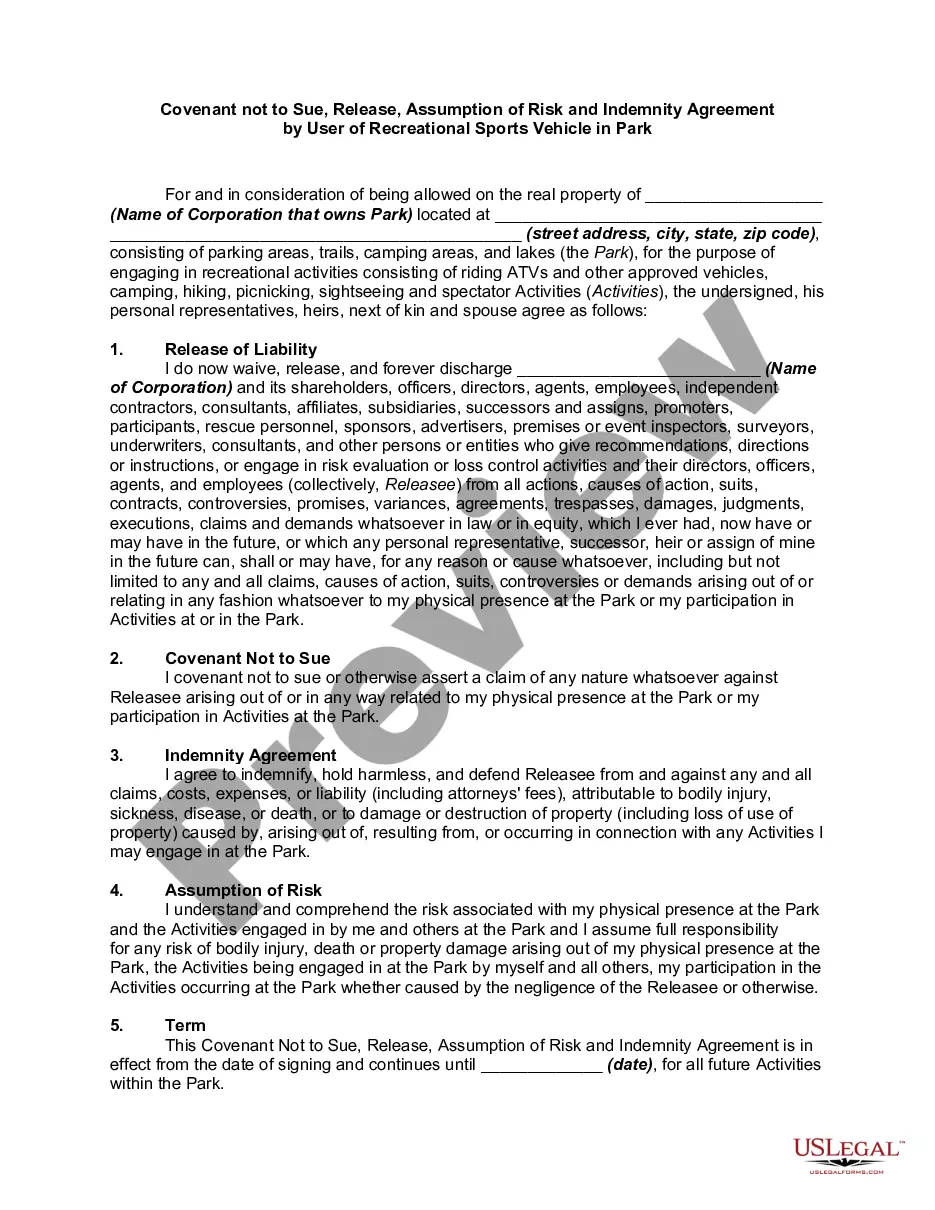
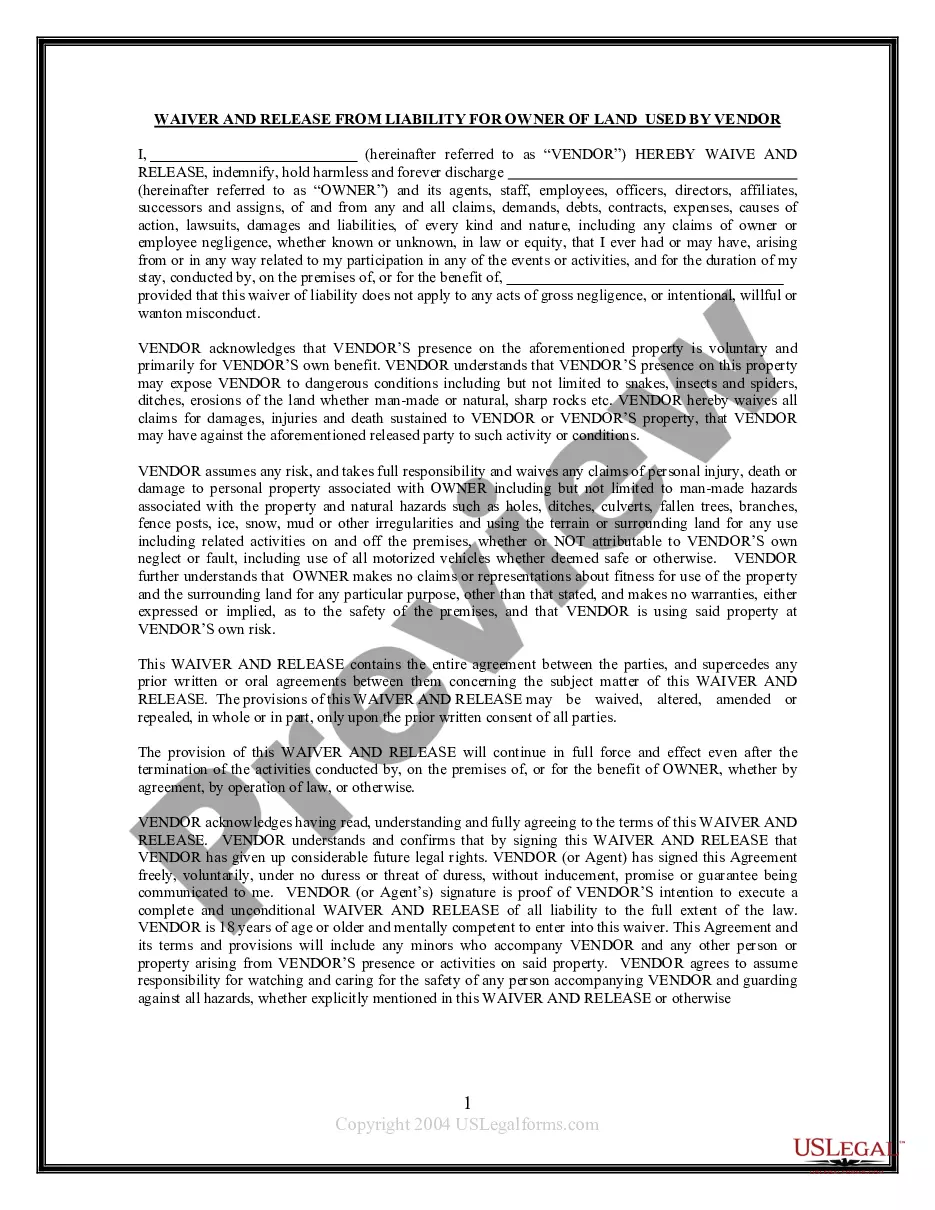
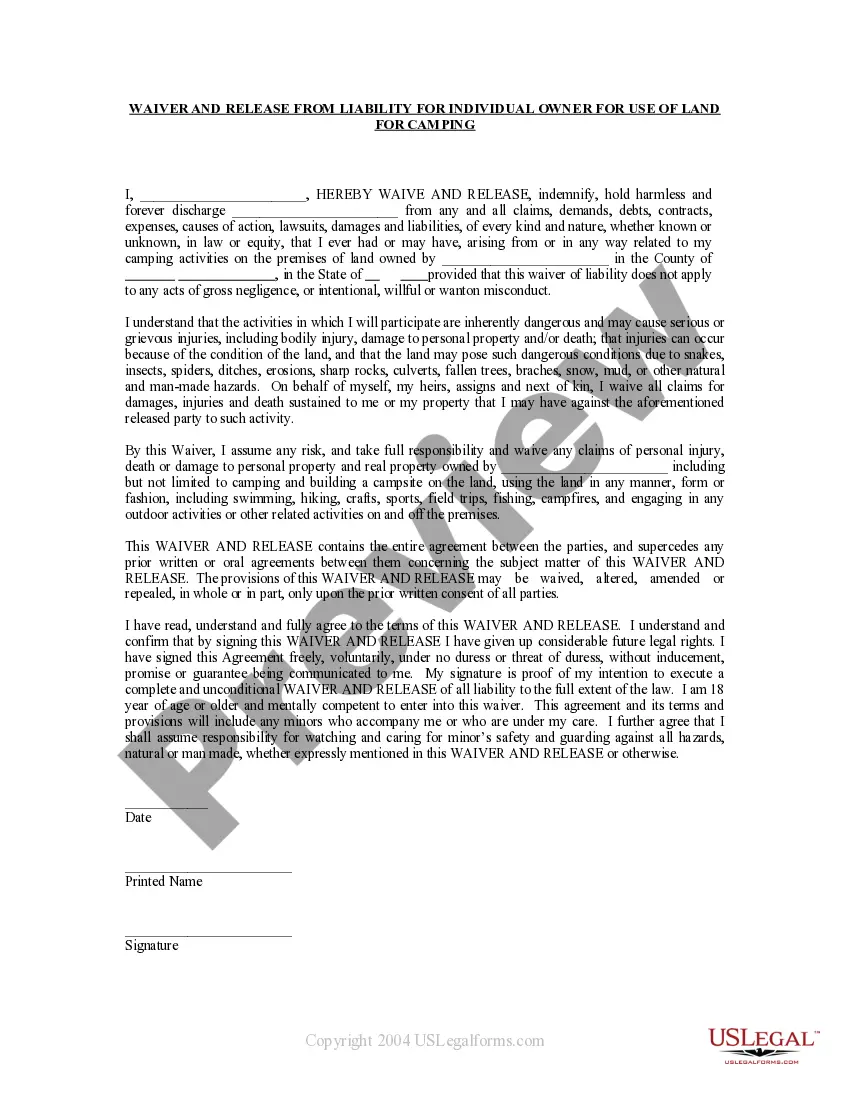

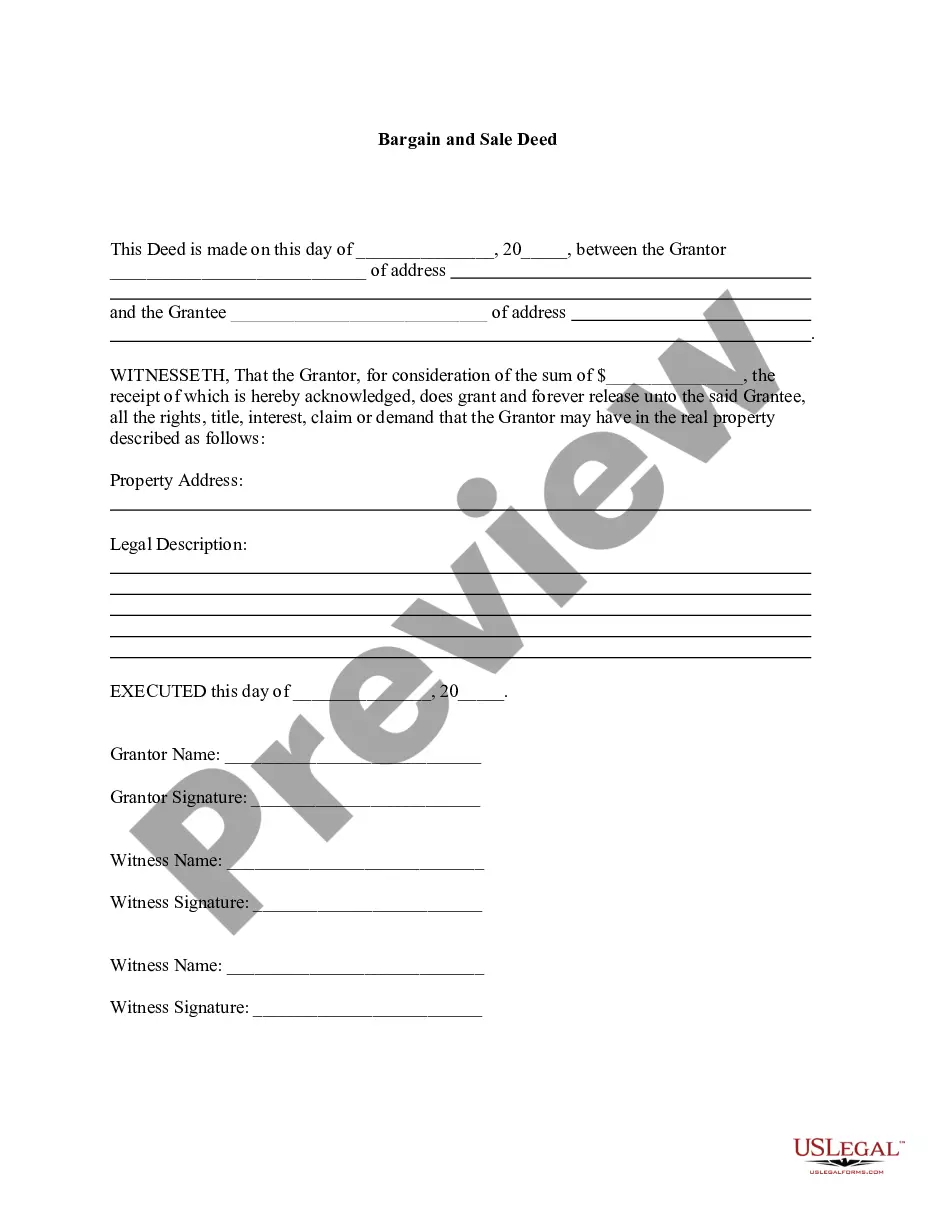


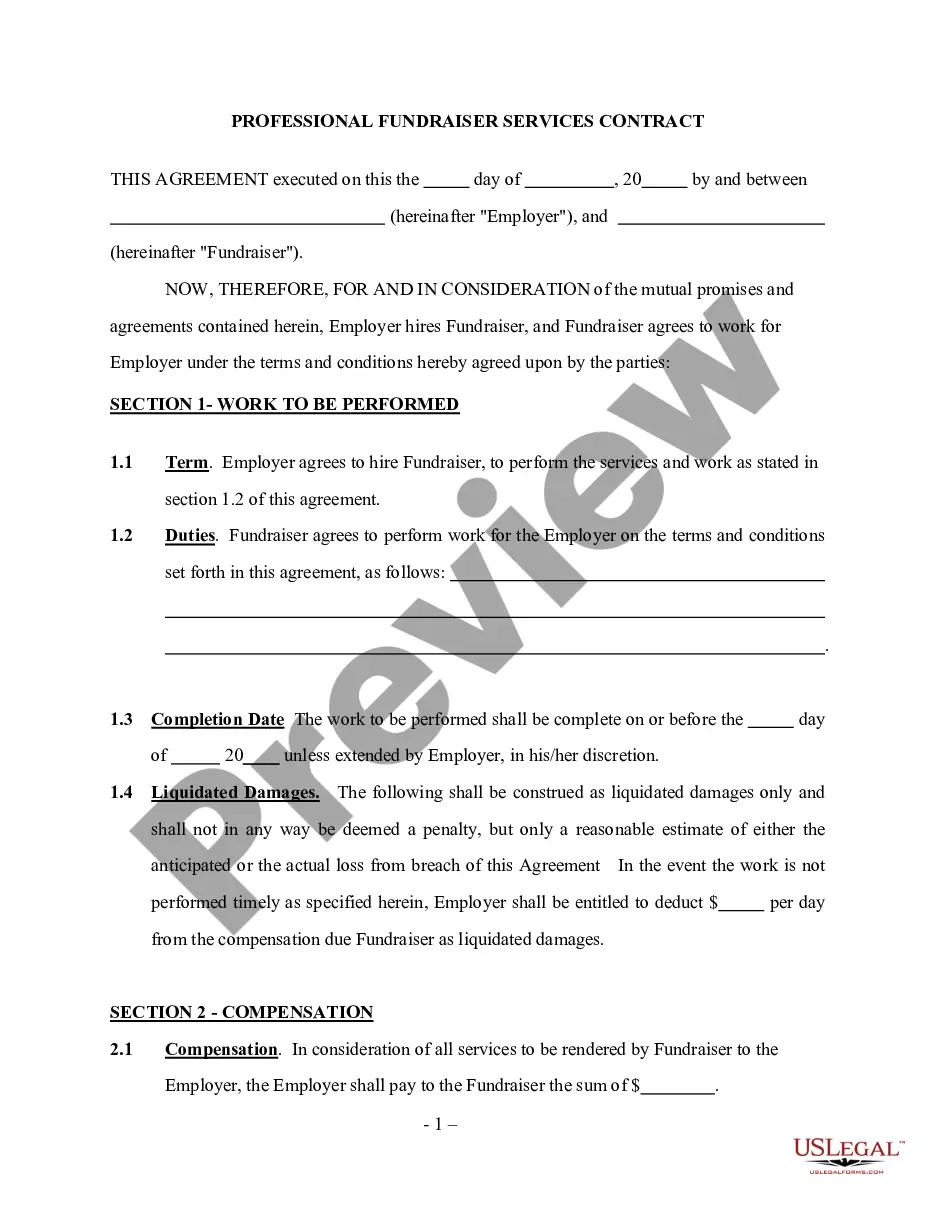
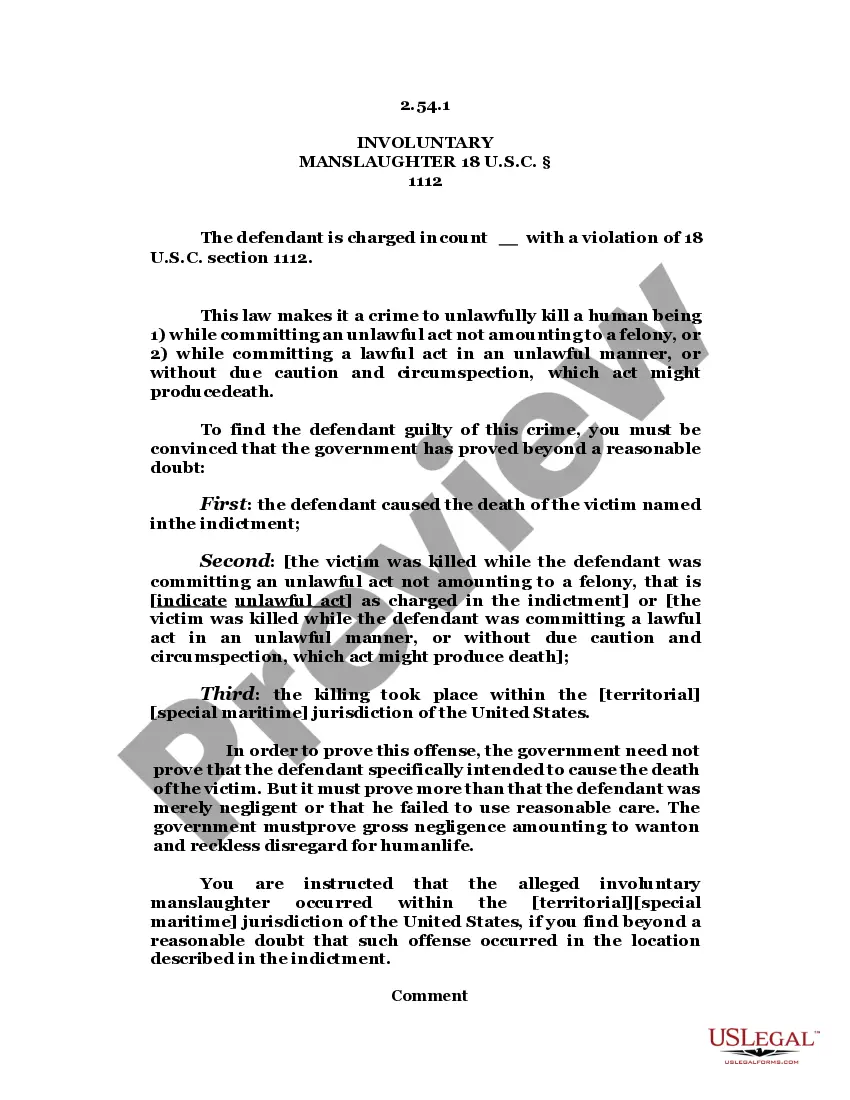
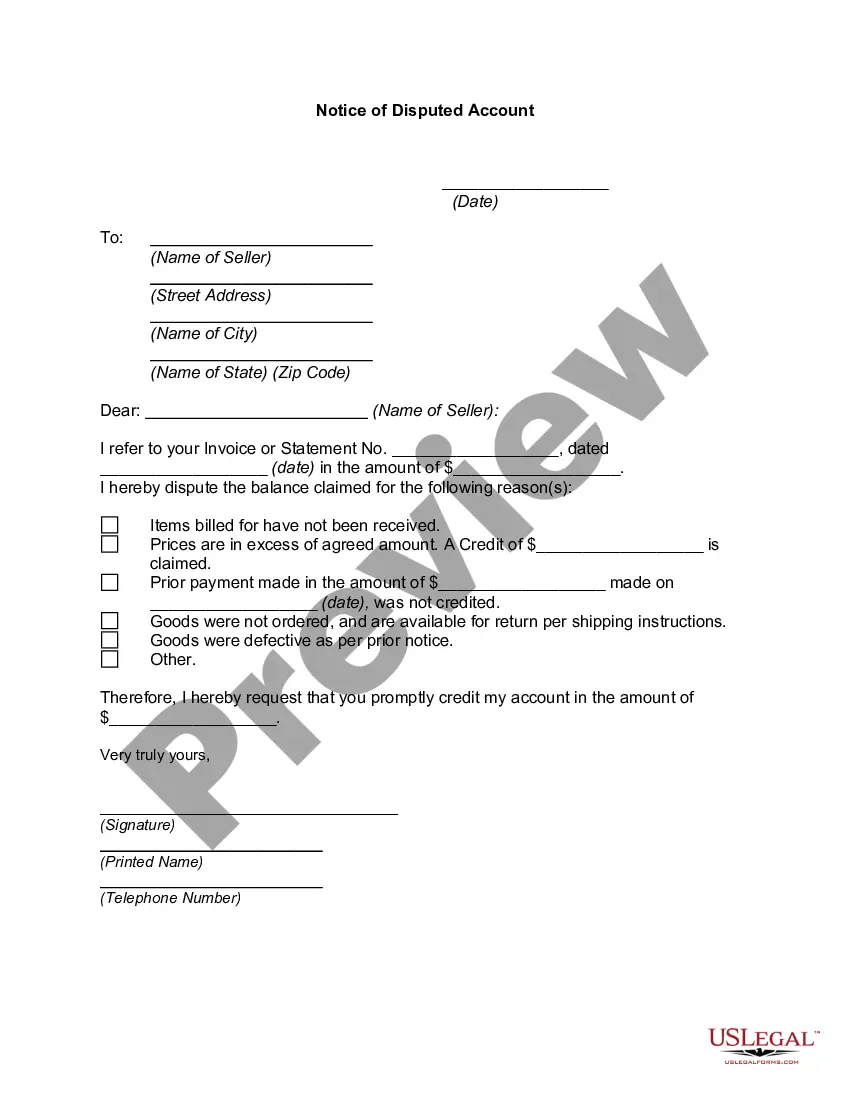

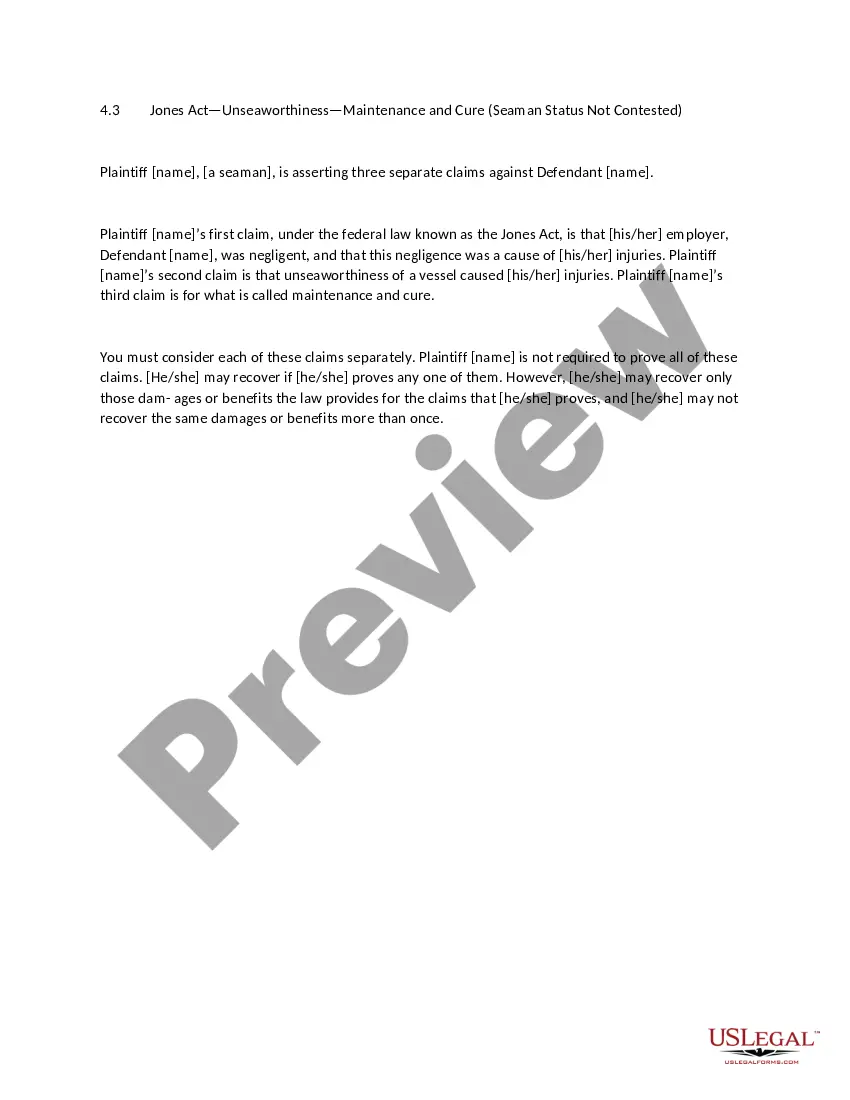
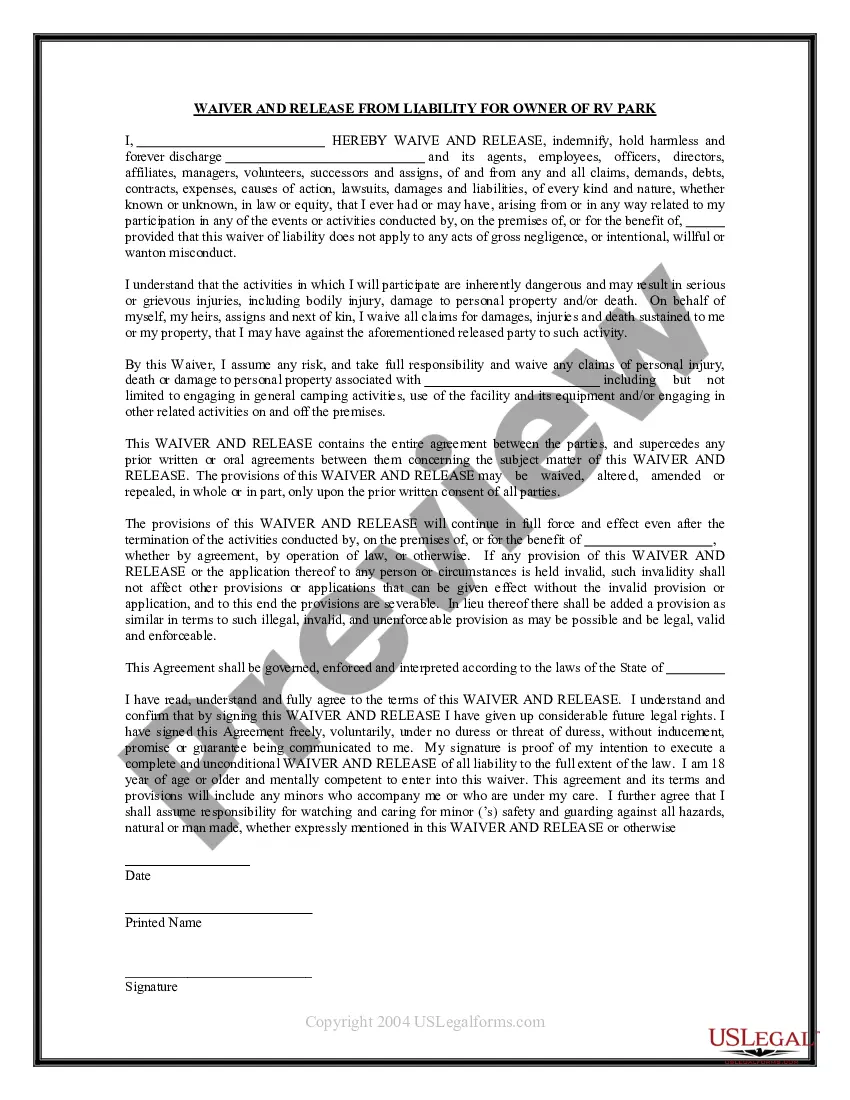
How to fill out Waiver And Release From Liability For Adult For Owner Of RV Park?
Locating a reliable location to obtain the latest and pertinent legal templates is a significant part of navigating bureaucracy.
Selecting the appropriate legal documents requires precision and careful consideration, which is why it's crucial to obtain samples of Owner Liability For Property exclusively from trustworthy sources, such as US Legal Forms.
Once you have the document on your device, you can edit it using the editor or print it out to fill it in by hand. Remove the stress associated with your legal paperwork. Check out the vast collection of US Legal Forms where you can locate legal templates, evaluate their suitability for your situation, and download them right away.
- Utilize the directory search or search box to locate your template.
- Examine the form’s details to verify its applicability to the regulations of your state and county.
- Preview the form, if provided, to confirm it is indeed the one you seek.
- Return to the search and look for a suitable document if the Owner Liability For Property does not meet your requirements.
- If you are confident about the document’s applicability, download it.
- If you’re a registered customer, click Log in to verify and access your selected templates in My documents.
- If you haven’t created an account yet, click Buy now to acquire the document.
- Choose the pricing option that best fits your needs.
- Proceed to complete the registration to finalize your purchase.
- Finish your transaction by selecting a payment method (credit card or PayPal).
- Choose the file format for downloading Owner Liability For Property.
Form popularity
FAQ
A liability is any financial obligation of your business. Some of the most common business liabilities for which an owner can find him or herself personally responsible include: Loans, mortgages, and other types of debt. Income tax and other taxes payable.
In contrast to the personal property coverage in your policy, your liability coverage does not apply to damage to your own property. Instead, you would only use renters liability coverage if someone else files a claim or sues you for harming them, their injuries or their property.
The difference between personal liability and property liability is that property liability covers damage you cause to another person's property, such as in a car accident, while personal liability covers damage or injury to another person which you are legally liable for.
Property Liability means, with respect to any Unencumbered Asset Pool Property, the aggregate amount of the loss, damage or other liability or reduction in value associated with such Property as a result of any Environmental Claims or other adverse defect, condition, hazard, condemnation, violation or other ...
Personal liability claims arise out of a person's actions. Premises liability claims occur when an injury happens on someone's property. The property owner or occupier could be held liable in a premises liability claim.