Copyright My Name With The Irs
Description
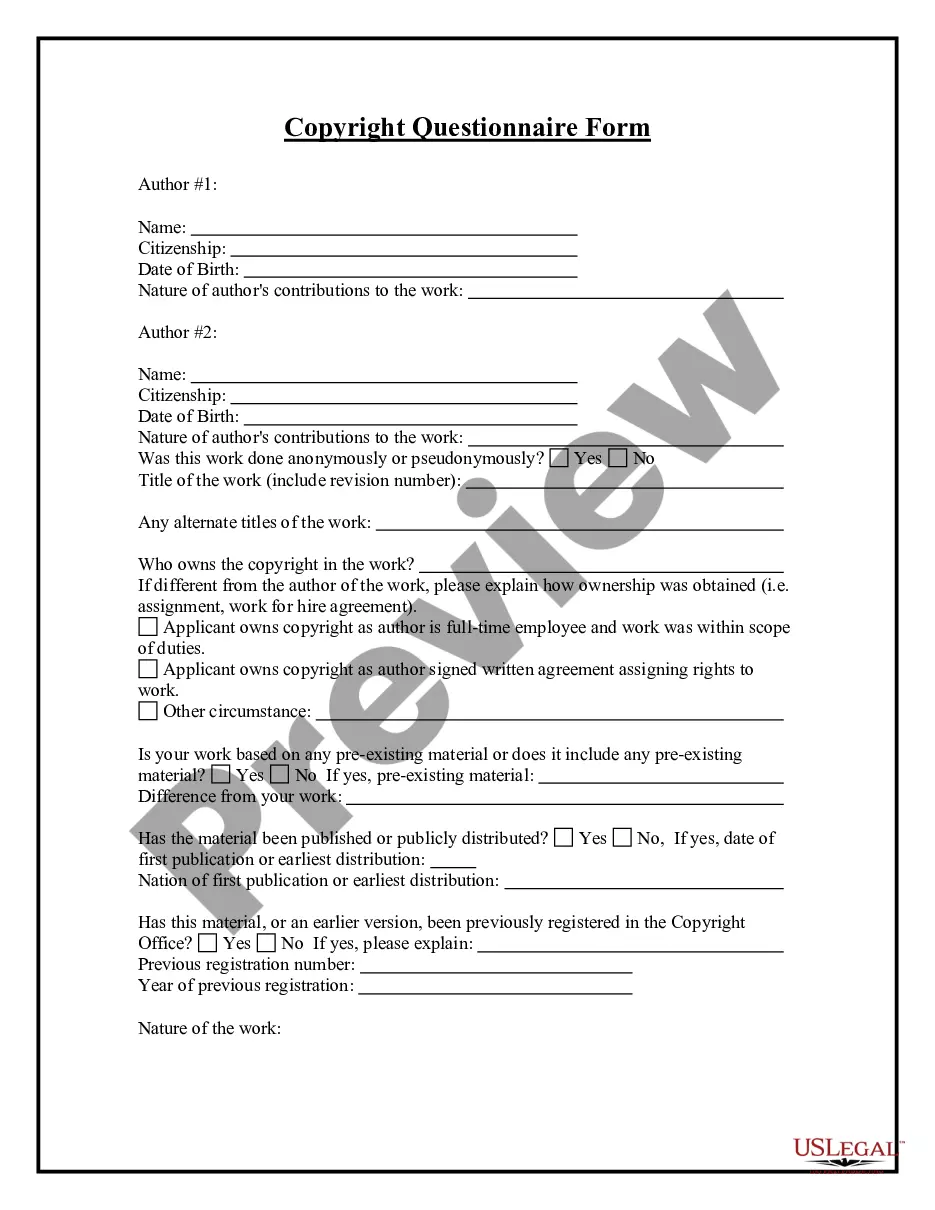
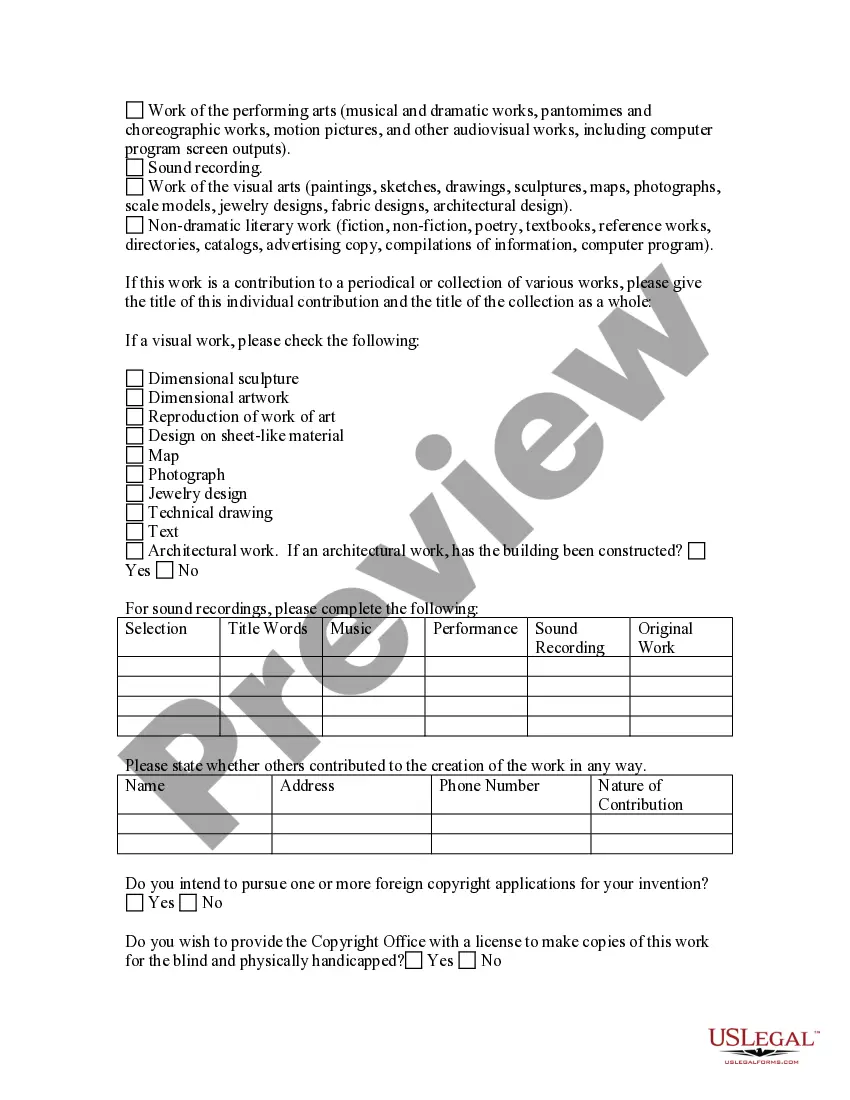
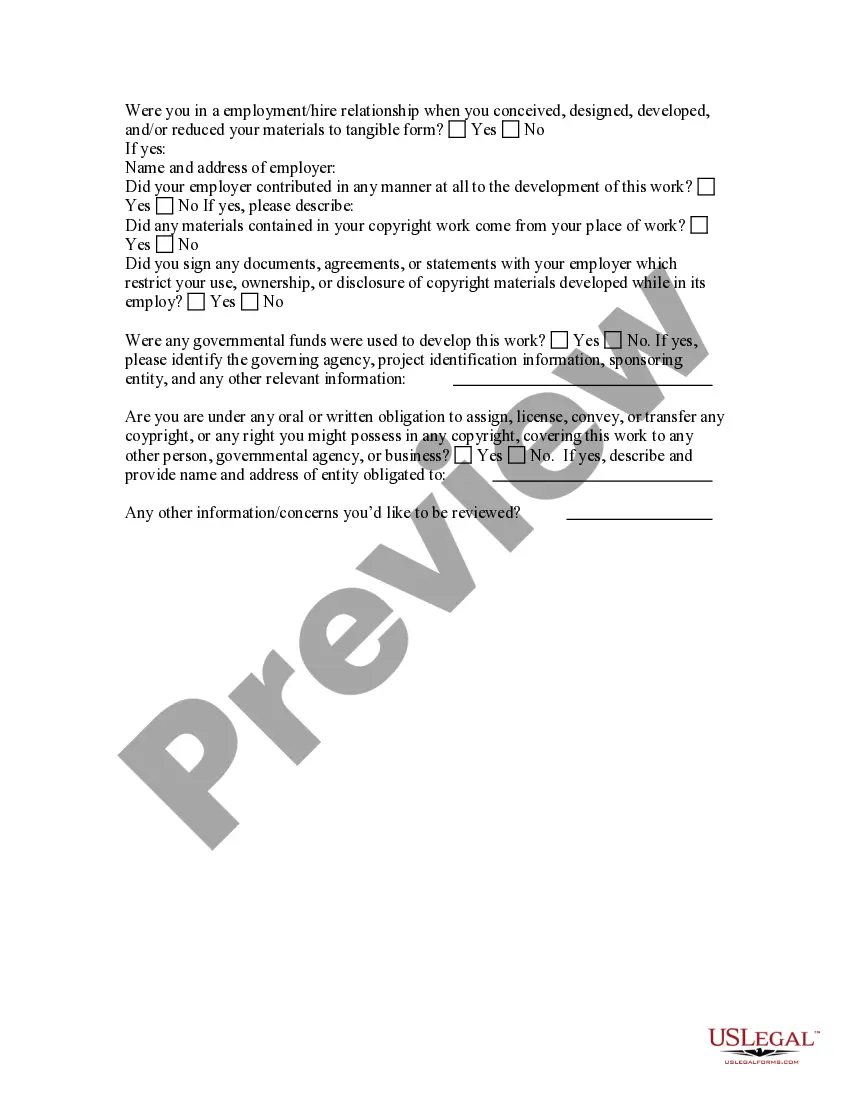
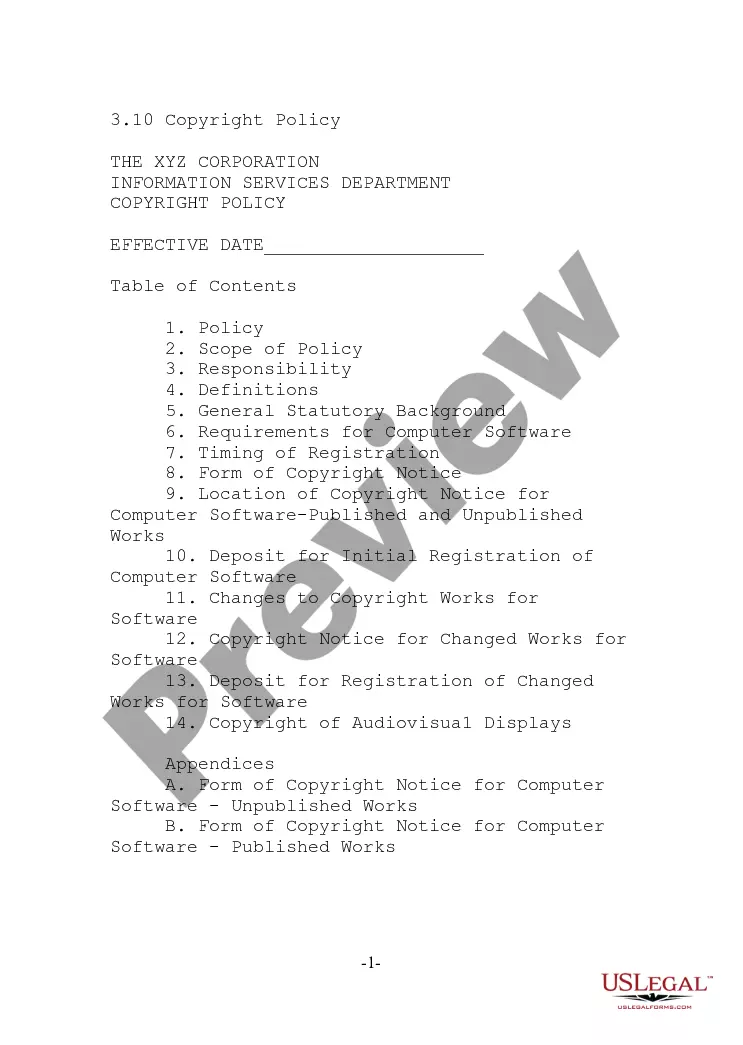
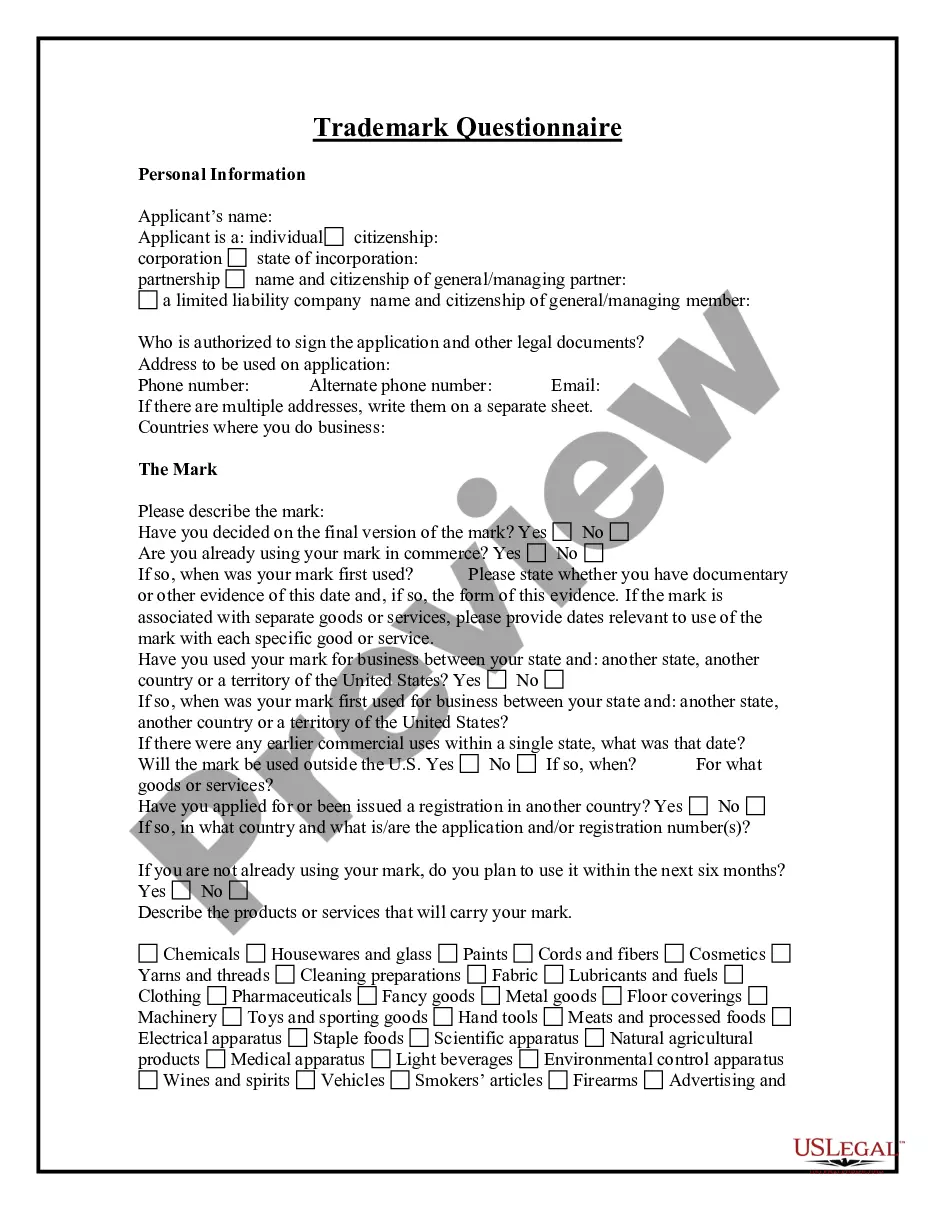
Get your form ready online
Our built-in tools help you complete, sign, share, and store your documents in one place.
Make edits, fill in missing information, and update formatting in US Legal Forms—just like you would in MS Word.
Download a copy, print it, send it by email, or mail it via USPS—whatever works best for your next step.
Sign and collect signatures with our SignNow integration. Send to multiple recipients, set reminders, and more. Go Premium to unlock E-Sign.
If this form requires notarization, complete it online through a secure video call—no need to meet a notary in person or wait for an appointment.
We protect your documents and personal data by following strict security and privacy standards.

Make edits, fill in missing information, and update formatting in US Legal Forms—just like you would in MS Word.

Download a copy, print it, send it by email, or mail it via USPS—whatever works best for your next step.

Sign and collect signatures with our SignNow integration. Send to multiple recipients, set reminders, and more. Go Premium to unlock E-Sign.

If this form requires notarization, complete it online through a secure video call—no need to meet a notary in person or wait for an appointment.

We protect your documents and personal data by following strict security and privacy standards.
Looking for another form?




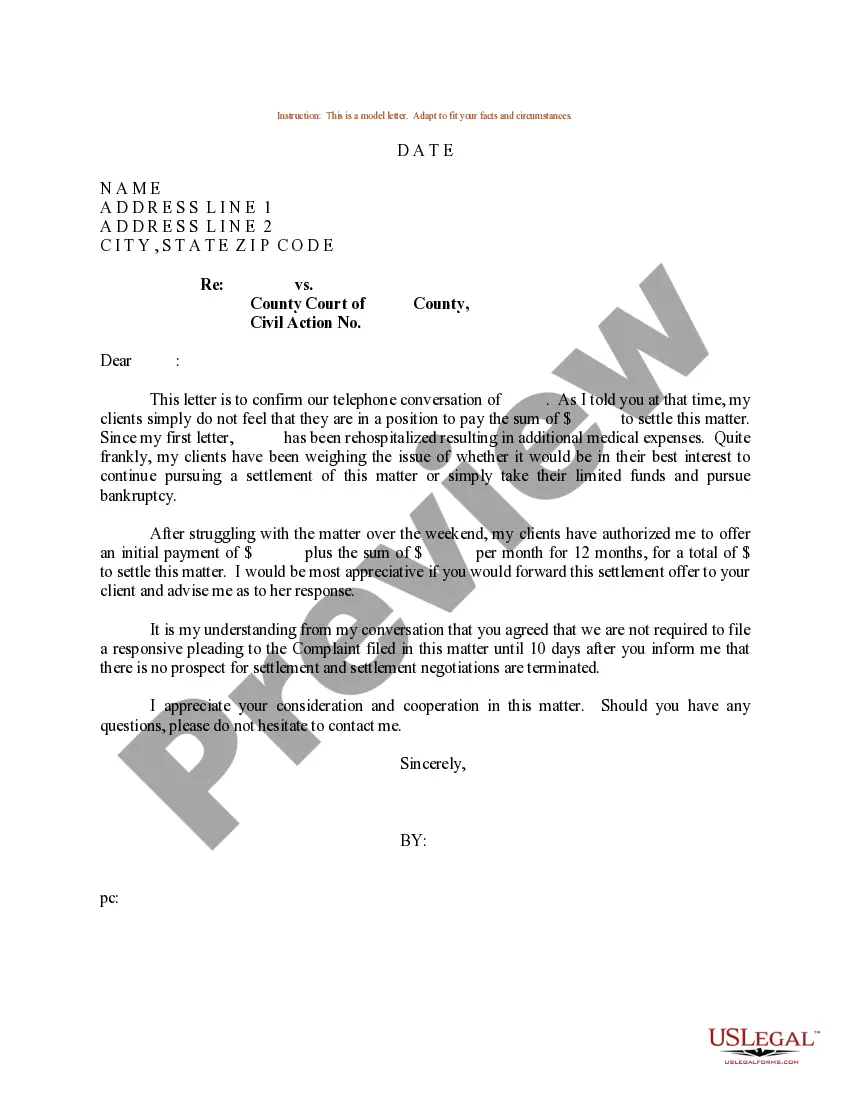


How to fill out Copyright Questionnaire?
Whether for professional objectives or personal matters, everyone must handle legal situations at some point in their lifetime.
Filling out legal documents necessitates meticulous attention, beginning with selecting the correct template.
With a comprehensive US Legal Forms library available, you do not need to waste time searching for the suitable template online. Use the library’s straightforward navigation to find the correct form for any occasion.
- Obtain the document you require by using the search bar or catalog browsing.
- Review the form’s details to ensure it aligns with your circumstances, state, and area.
- Click on the form’s preview to inspect it.
- If it is the incorrect document, return to the search feature to locate the Copyright My Name With The Irs template you seek.
- Download the file if it fulfills your needs.
- If you already possess a US Legal Forms account, simply click Log in to access previously saved documents in My documents.
- If you don’t have an account yet, you can download the form by clicking Buy now.
- Select the appropriate pricing option.
- Complete the account sign-up form.
- Choose your payment method: utilize a credit card or PayPal account.
- Select the file format you wish and download the Copyright My Name With The Irs.
- Once downloaded, you can fill out the form using editing software or print it and complete it by hand.
Form popularity
FAQ
The copyright symbol consists of a letter ?c? in a circle, followed by the name of the owner of the copyright and the year the work was first published.
One way to make sure your intended use of a copyrighted work is lawful is to obtain permission or a license from the copyright owner. Contact a copyright owner or author as far as pos- sible in advance of when you want to use the material specified in your permissions request.
When a person creates an original work, fixed in a tangible medium, he or she automatically owns copyright to the work. Many types of works are eligible for copyright protection, for example: Audiovisual works, such as TV shows, movies, and online videos. Sound recordings and musical compositions.
How to Use the Copyright Symbol and Create a Copyright Notice The ?c? in a circle, ©, or the abbreviation ?Copr.? or the word ?copyright? should be present. The name of the copyright owner (not necessarily the author) should be included in the notice. The year of first publication should be set out.
Copyright, a form of intellectual property law, protects original works of authorship including literary, dramatic, musical, and artistic works, such as poetry, novels, movies, songs, computer software, and architecture.