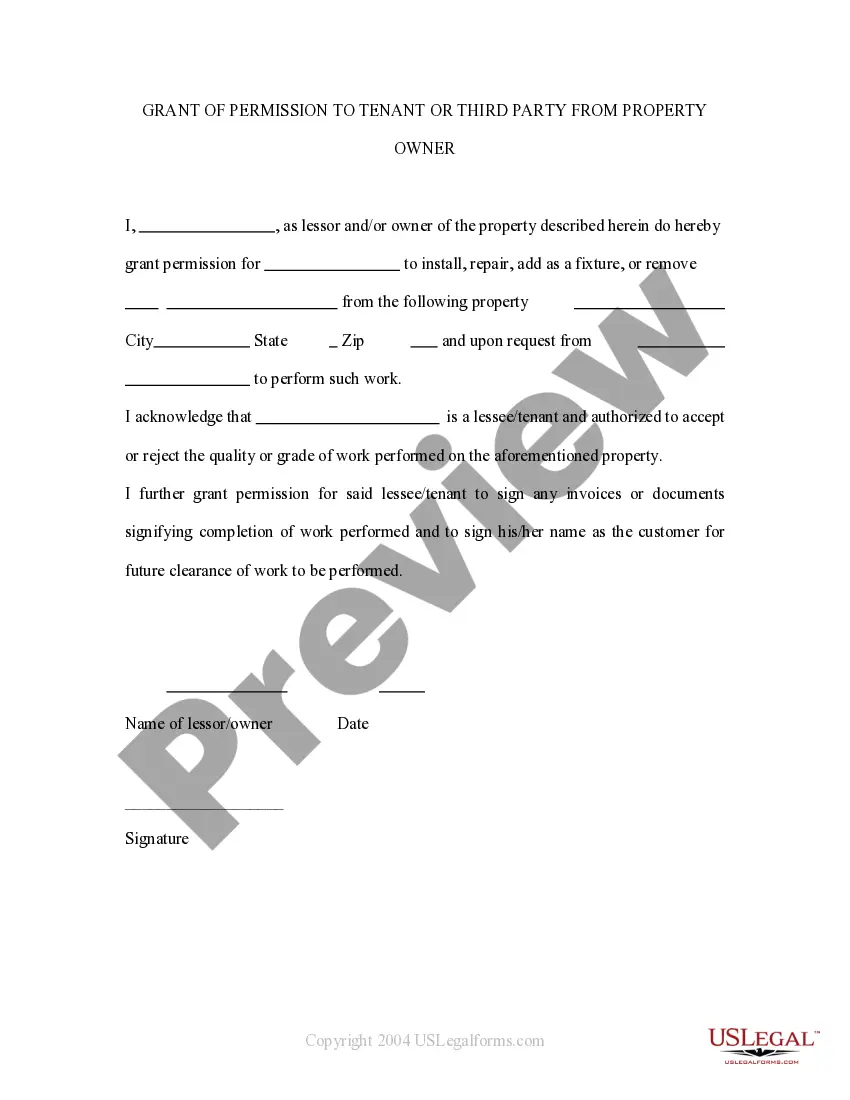
Tenant Rights With
Description
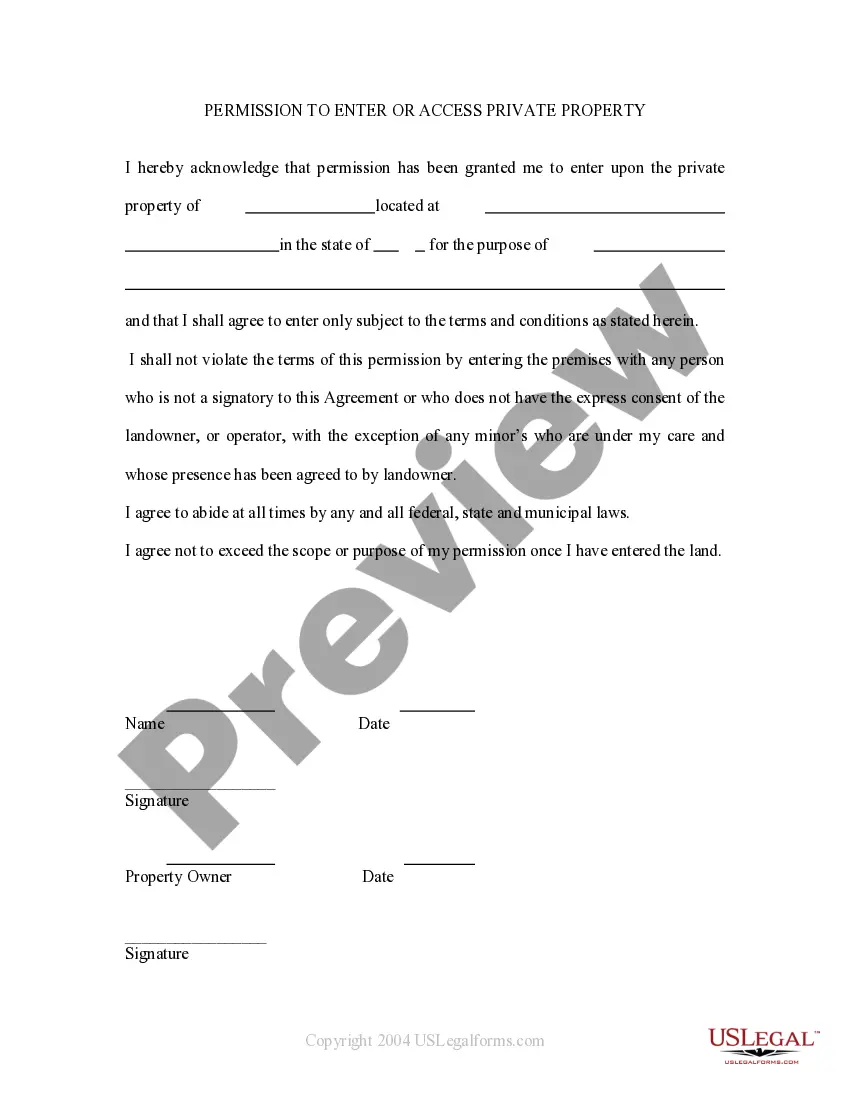
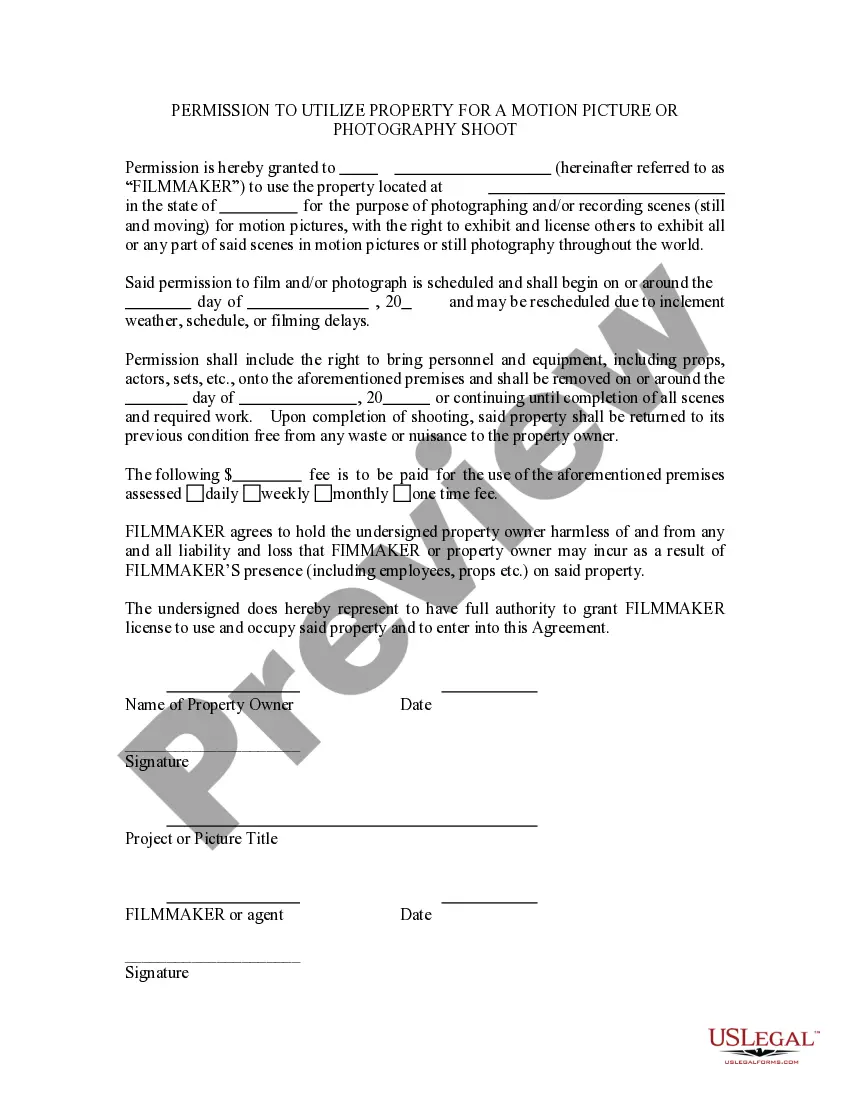
Get your form ready online
Our built-in tools help you complete, sign, share, and store your documents in one place.
Make edits, fill in missing information, and update formatting in US Legal Forms—just like you would in MS Word.
Download a copy, print it, send it by email, or mail it via USPS—whatever works best for your next step.
Sign and collect signatures with our SignNow integration. Send to multiple recipients, set reminders, and more. Go Premium to unlock E-Sign.
If this form requires notarization, complete it online through a secure video call—no need to meet a notary in person or wait for an appointment.
We protect your documents and personal data by following strict security and privacy standards.

Make edits, fill in missing information, and update formatting in US Legal Forms—just like you would in MS Word.

Download a copy, print it, send it by email, or mail it via USPS—whatever works best for your next step.

Sign and collect signatures with our SignNow integration. Send to multiple recipients, set reminders, and more. Go Premium to unlock E-Sign.

If this form requires notarization, complete it online through a secure video call—no need to meet a notary in person or wait for an appointment.

We protect your documents and personal data by following strict security and privacy standards.
Looking for another form?
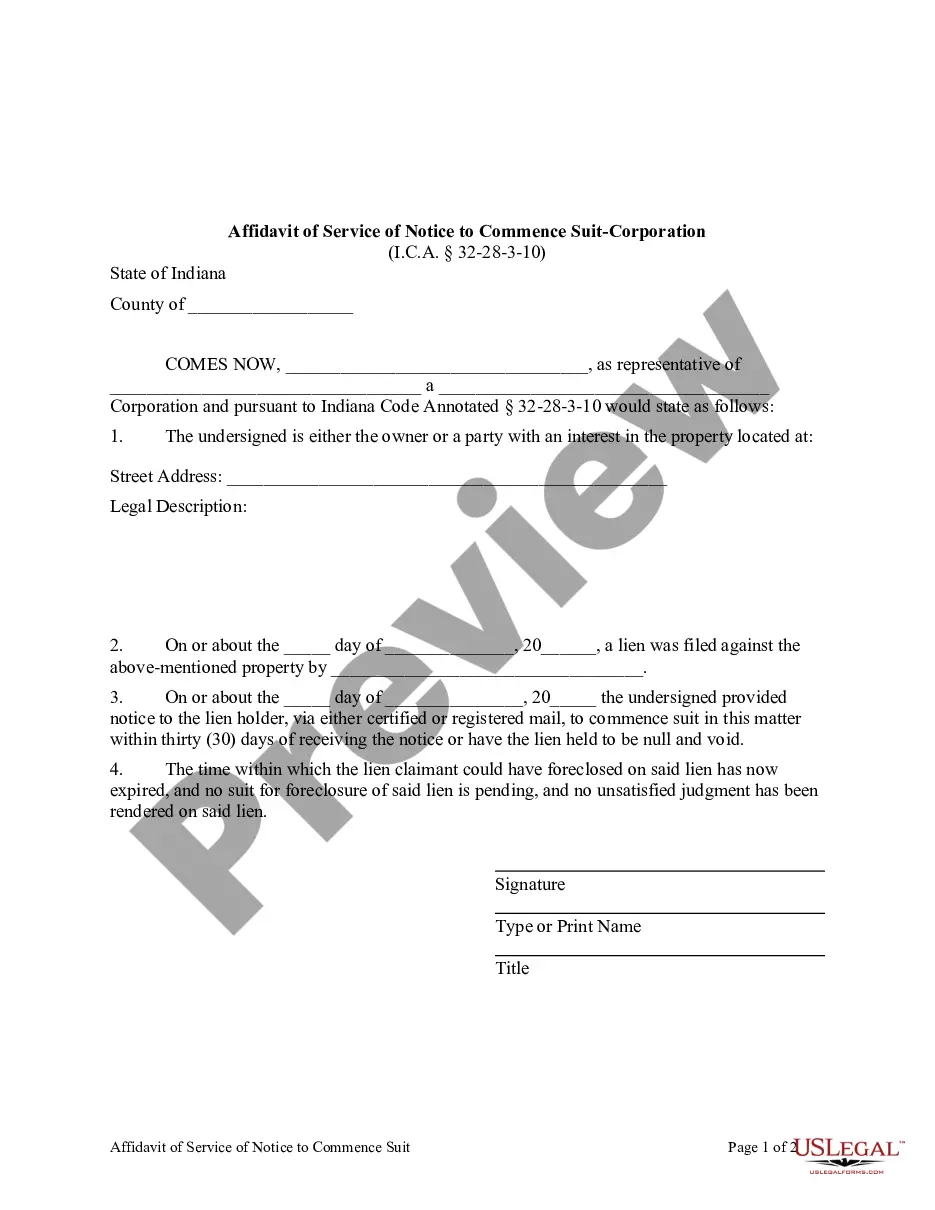

How to fill out Grant Of Permission To Tenant Or Third Party From Property Owner?
Locating a reliable source for acquiring the most up-to-date and suitable legal documents is a significant part of navigating bureaucratic processes.
Selecting the correct legal paperwork necessitates precision and meticulousness, which is why it is essential to obtain samples of Tenant Rights solely from reputable sources, such as US Legal Forms.
Once you have the document on your device, you can modify it using the editor or print it out and fill it in by hand. Eliminate the hassle that comes with your legal paperwork. Explore the extensive US Legal Forms collection where you can discover legal templates, verify their applicability to your situation, and download them instantly.
- Utilize the catalog browsing or search feature to find your document.
- Examine the form’s description to ensure it aligns with the requirements of your state and locality.
- View the form preview, if available, to confirm that the template is indeed what you seek.
- Continue your search and seek another document if the Tenant Rights does not meet your needs.
- If you are confident about the document’s suitability, download it.
- When you are a registered user, click Log in to verify and access your chosen documents in My documents.
- If you do not already have an account, click Buy now to purchase the template.
- Select the pricing option that suits your needs.
- Proceed to the signup to complete your transaction.
- Finalize your purchase by choosing a payment method (credit card or PayPal).
- Choose the file format for downloading Tenant Rights.
Form popularity
FAQ
Follow These Steps for Tenant Letters Keep letters consistent by including the following elements: Tenant's name and full address. The date. A subject line that summarizes the information. The landlord's expectations (pay the rent, stop breaking a rule, etc.)
No Retaliation ? pursuant to the laws of Texas, retaliatory eviction, and retaliatory acts such as raising the rent or breaking the lease in Texas are prohibited.
Your rights as a tenant include the right to "quiet enjoyment," a legal term. This means your landlord cannot evict you without cause or otherwise disturb your right to live in peace and quiet. If other tenants in your building are disturbing you, you should complain to the landlord.
Virginia landlord-tenant laws allow the landlord to collect a security deposit from their tenant. These security deposits are used as insurance to cover unexpected costs. Here is a list of the things that security deposits can be used for: Insurance for damages that exceed regular wear and tear.
HB 1542 (Security Deposits) increases the length of time that landlords have to provide tenants with an itemization of damages to the premises and the cost of repair when damages exceed the amount of the security deposit. This time period is increased from 15 to 30 days under Virginia Code §55.1-1126.