Image Use Consent
Description
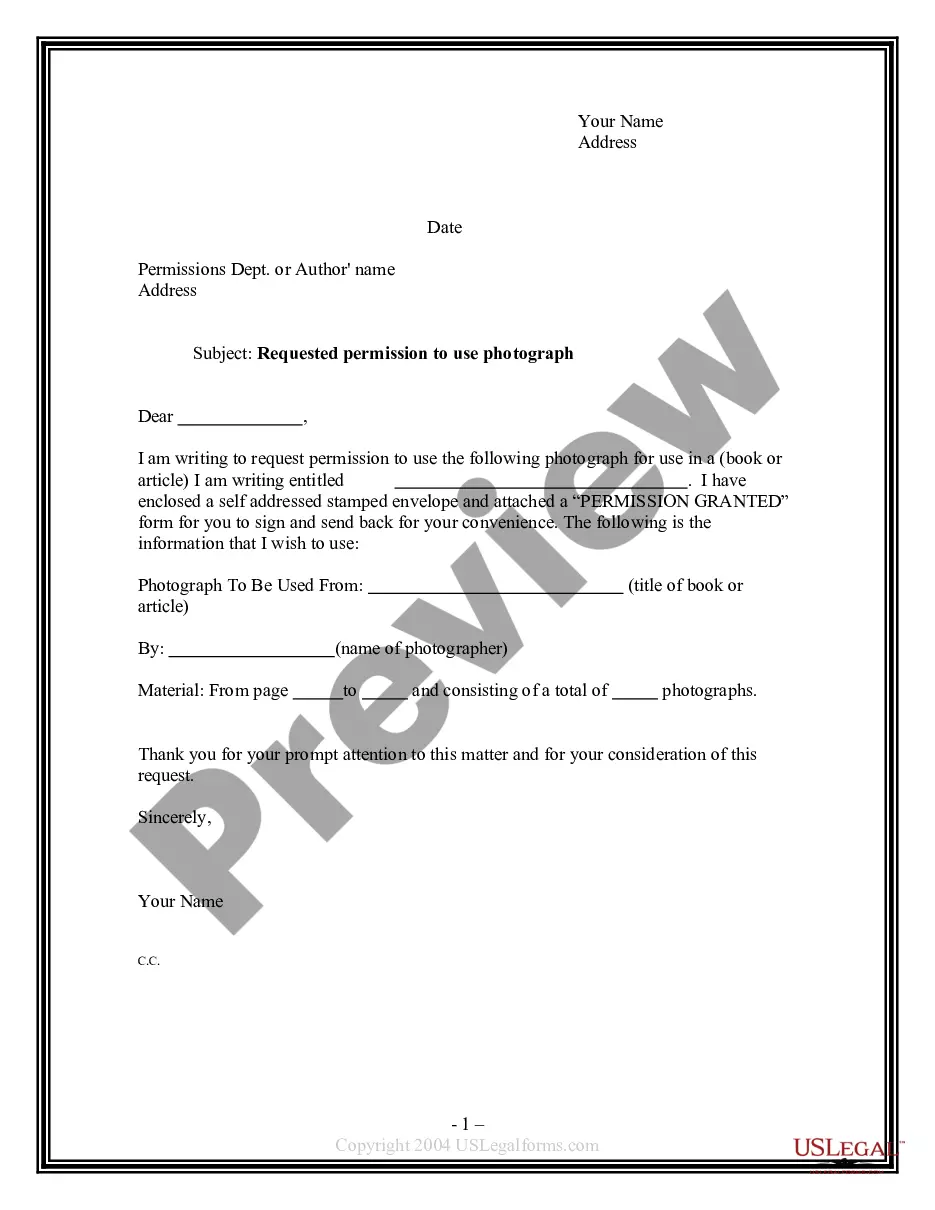
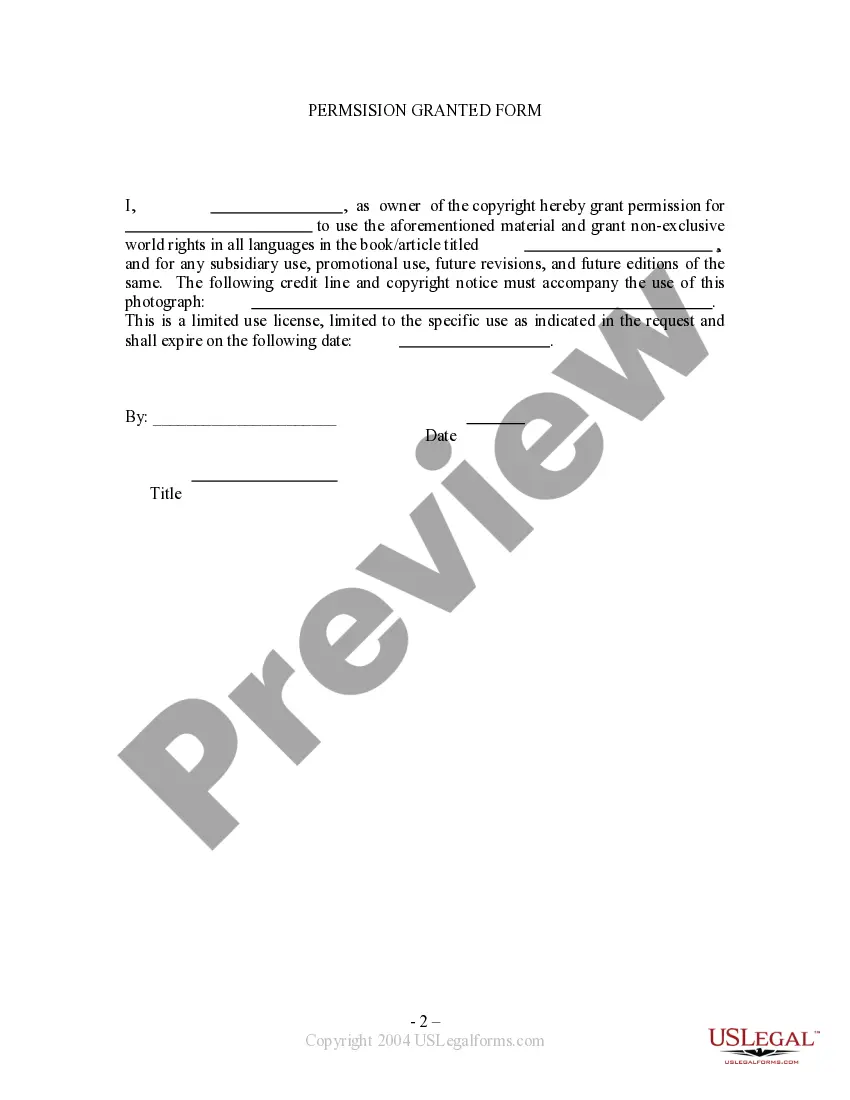
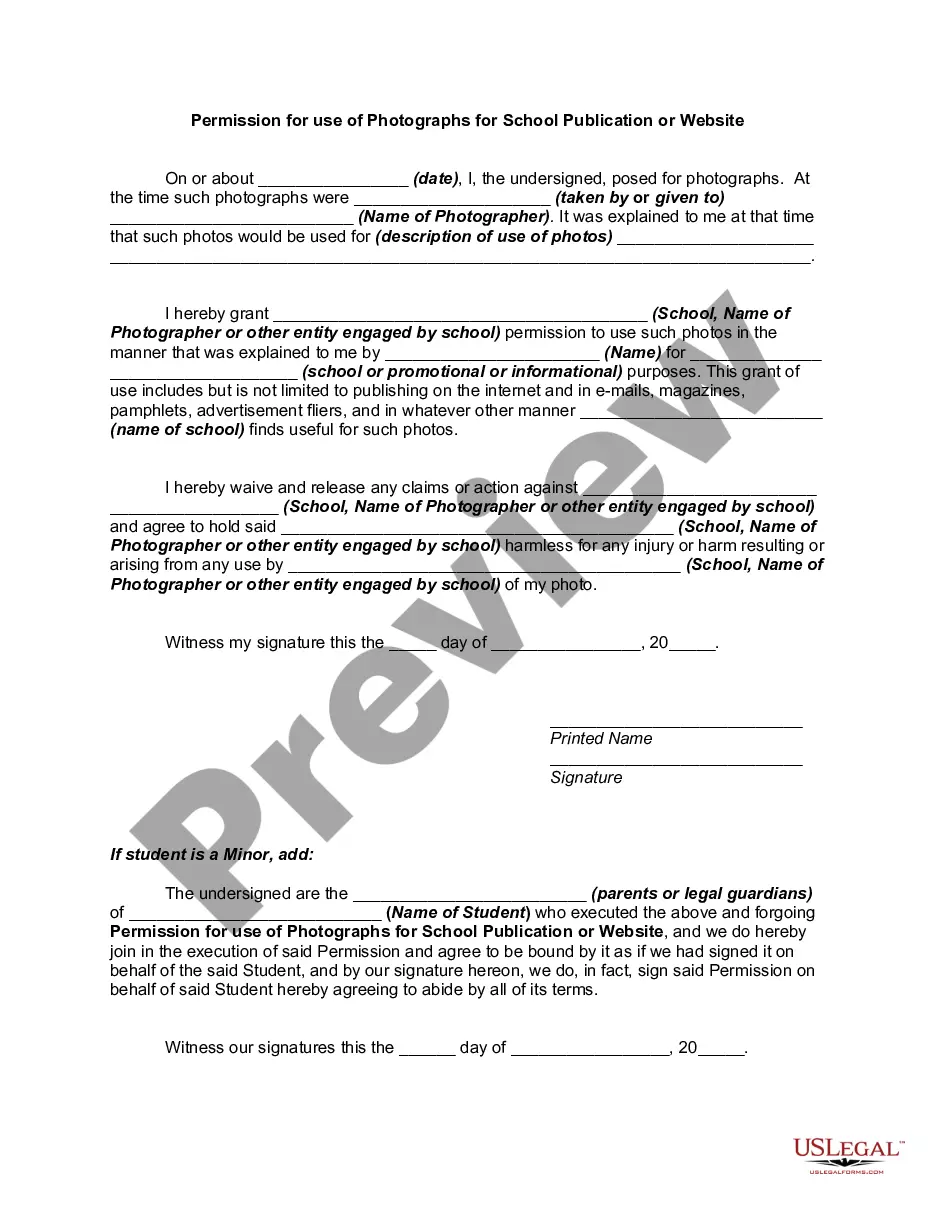
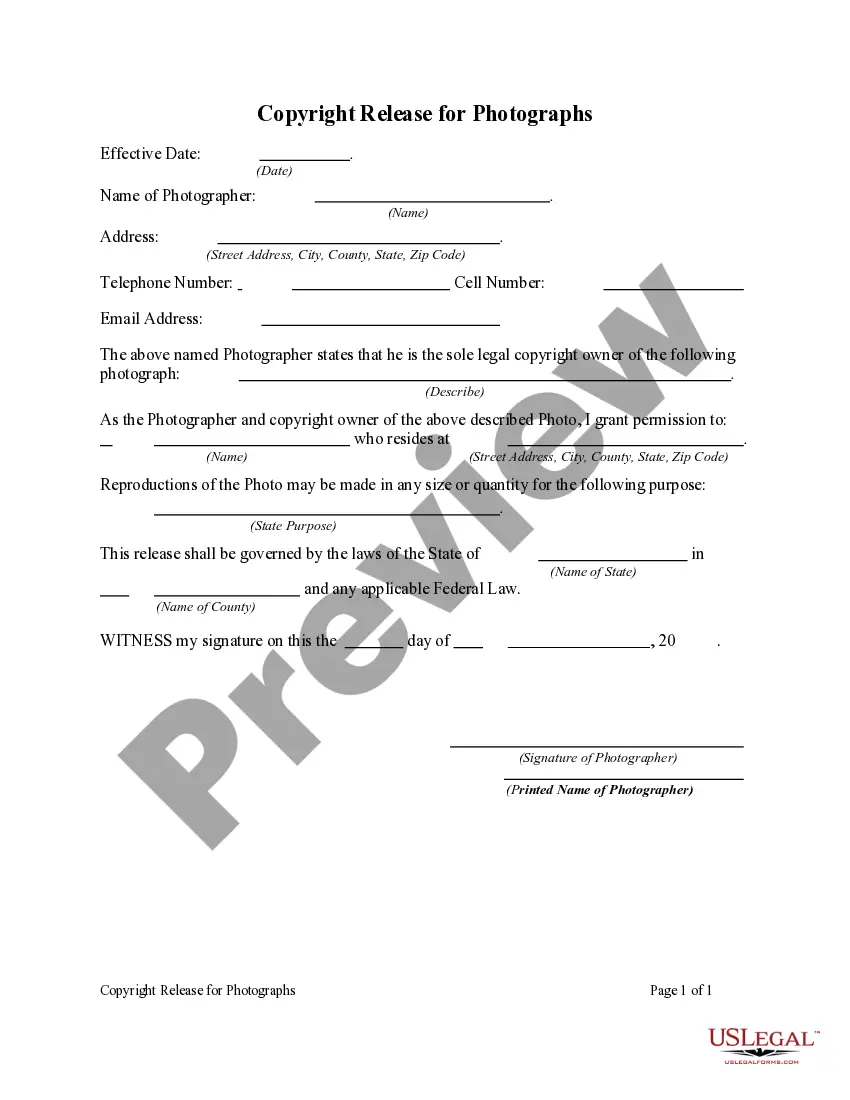
Get your form ready online
Our built-in tools help you complete, sign, share, and store your documents in one place.
Make edits, fill in missing information, and update formatting in US Legal Forms—just like you would in MS Word.
Download a copy, print it, send it by email, or mail it via USPS—whatever works best for your next step.
Sign and collect signatures with our SignNow integration. Send to multiple recipients, set reminders, and more. Go Premium to unlock E-Sign.
If this form requires notarization, complete it online through a secure video call—no need to meet a notary in person or wait for an appointment.
We protect your documents and personal data by following strict security and privacy standards.

Make edits, fill in missing information, and update formatting in US Legal Forms—just like you would in MS Word.

Download a copy, print it, send it by email, or mail it via USPS—whatever works best for your next step.

Sign and collect signatures with our SignNow integration. Send to multiple recipients, set reminders, and more. Go Premium to unlock E-Sign.

If this form requires notarization, complete it online through a secure video call—no need to meet a notary in person or wait for an appointment.

We protect your documents and personal data by following strict security and privacy standards.
Looking for another form?


How to fill out Requested Permission To Use Photograph?
- Log in to your existing US Legal Forms account. If you're new, create an account to begin the process.
- In the template library, utilize the search feature to find the specific image use consent form that meets your needs and complies with local jurisdictional standards.
- Review the form's preview and description thoroughly to confirm it's the right one for your situation.
- Select and purchase the necessary document by clicking 'Buy Now'. Choose a subscription plan that suits your legal needs.
- Complete the payment using your credit card or PayPal account for a seamless transaction.
- Download the image use consent form and save it to your device. You can always access it later from the 'My Documents' section in your profile.
By following these steps, you can ensure you have the correct legal document to protect your rights when using images. US Legal Forms empowers users by providing a vast library of over 85,000 legal forms, ensuring both accuracy and convenience.
Don't wait—get your image use consent form today by visiting US Legal Forms and take the first step toward compliant image usage.
Form popularity
FAQ
Yes, someone can take a picture of you without your consent, but using or distributing that image without your permission may violate your rights. Understanding image use consent is vital in safeguarding yourself from unauthorized use. If you find yourself in such a situation, platforms like uslegalforms help you navigate the legal landscape and assert your rights.
The consent of a photo typically means that the person depicted in the image agrees to its use for specific purposes. This can include social media, advertising, or other forms of distribution. Having this consent protects both parties and ensures ethical practices in image usage.
Image consent refers to the formal agreement allowing someone to use a photograph under specific conditions. It clearly outlines how the image may be used, ensuring that both the creator and the user are aware of their rights and responsibilities. Obtaining image use consent is a critical step in responsible image sharing and usage.
Yes, you generally need permission to use an image, especially if it is owned by someone else. This permission, known as image use consent, protects both the creator's rights and your own interests. Without it, you may face legal challenges that could pose significant financial risks.
Using an image without permission can lead to serious legal consequences. The original creator may take legal action against the offender, which could result in fines or damage payments. Always seek image use consent to avoid such risks and respect the rights of artists and photographers.
An example of photo consent is when a photographer asks a model for written permission to use their images in advertising. This agreement ensures both parties understand how the images will be utilized. Having clear image use consent is essential in protecting individual rights and avoiding legal complications.
You can use images that fall under public domain or those with a Creative Commons license that allows for your intended use. Additionally, images provided by platforms that grant image use consent, such as certain stock photo sites, are often permissible. However, always verify the specific licensing terms associated with each image to ensure compliance with copyright laws.
To find images you are allowed to use, start by utilizing resources that provide explicit licensing terms. Websites such as Creative Commons and Pixabay offer images with clear use guidelines. Ensure that you review the image use consent terms to confirm that your intended use aligns with the permissions granted. This approach helps you avoid potential copyright issues.
To gain permission to use an image, you should first identify the copyright owner. You can find this information through a reverse image search or by checking the source website. After locating the owner, contact them directly to request image use consent. Be clear about how you plan to use the image to facilitate a positive response.
In most cases, you have the right to control if you are photographed in public spaces. However, when it comes to commercial uses, providing image use consent is often necessary. If you are uncomfortable with being photographed, expressing your wishes to the photographer is essential for respecting your personal rights.